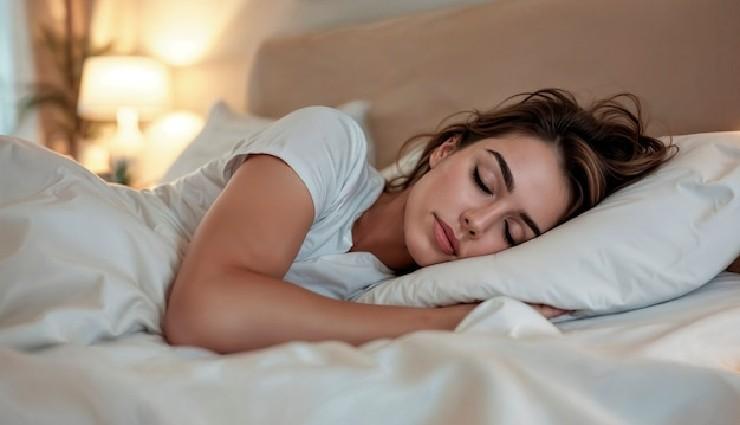
چرا میخوابیم؛ چرا خواب خوب کلید سلامتی و زندگی بهتر است

دعای مطالعه [ نمایش ]
بِسْمِ الله الرَّحْمنِ الرَّحیمِ
اَللّهُمَّ اَخْرِجْنى مِنْ ظُلُماتِ الْوَهْمِ
خدايا مرا بيرون آور از تاريكىهاى وهم،
وَ اَكْرِمْنى بِنُورِ الْفَهْمِ
و به نور فهم گرامى ام بدار،
اَللّهُمَّ افْتَحْ عَلَيْنا اَبْوابَ رَحْمَتِكَ
خدايا درهاى رحمتت را به روى ما بگشا،
وَانْشُرْ عَلَيْنا خَزائِنَ عُلُومِكَ بِرَحْمَتِكَ يا اَرْحَمَ الرّاحِمينَ
و خزانههاى علومت را بر ما باز كن به امید رحمتت اى مهربانترين مهربانان.
کتاب «راز خواب: چرا یک خواب خوب برای زندگی سالمتر و بهتر حیاتی است؟» (The Mystery of Sleep: Why a Good Night’s Rest Is Vital to a Better, Healthier Life) اثر دکتر Meir Kryger، یکی از جامعترین منابع در حوزه علوم اعصاب (Neuroscience) و پزشکی خواب (Sleep Medicine) است که با تلفیق تازهترین پژوهشهای علمی و تجربههای بالینی، اهمیت خواب و نقش حیاتی آن در سلامت جسم و روان را بهروشنی نشان میدهد و پلی میان دانش تخصصی و نیازهای عملی زندگی روزمره برقرار میکند.
ترجمه دقیق این اثر توسط برند علمی آیندهنگاران مغز به مدیریت داریوش طاهری، دسترسی فارسیزبانان به دانش پیشرفته در حوزه خواب و اختلالات آن را ممکن ساخته و رسالتی علمی برای ارتقای سلامت عمومی، درک عمیقتر عملکرد مغز و بهبود کیفیت زندگی فراهم آورده است.
» کتاب راز خواب: چرا استراحت خوب شبانه برای زندگی بهتر و سالمتر حیاتی است
» » فصل ۱؛ چرا میخوابیم؟
» The Mystery of Sleep: Why a Good Night’s Rest Is Vital to a Better, Healthier Life
»» Chapter 1; Why Do We Sleep?
در حال ویرایش
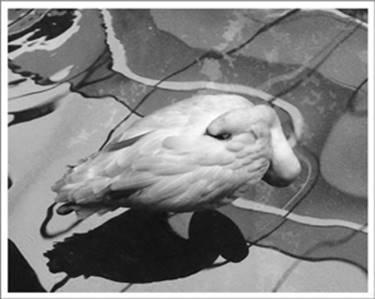
THE MYSTERY. Why do all forms of life, from plants, insects, sea creatures, amphibians, and birds to mammals, need rest or sleep?
معما. چرا همه اشکال حیات، از گیاهان، حشرات، موجودات دریایی، دوزیستان و پرندگان گرفته تا پستانداران، به استراحت یا خواب نیاز دارند؟
Our Sleepy Lives
It is 3 A.M. You awaken sweating, your heart pounding. Your mind is racing, reminding you that you have to get up early to drop the kids off at daycare, then dash to work for an important meeting. Obsessed with your personal and work issues, you eventually fall back asleep, only to be dragged awake by the alarm clock. You are cranky and yell at the kids, trying to rush everyone out of the house. By the time you get to the meeting, you have trouble paying attention; you can neither concentrate nor listen to others. You gulp down a second cup of coffee.
زندگی خوابآلود ما
ساعت ۳ بامداد است. عرقریزان از خواب بیدار میشوید، قلبتان به شدت میتپد. ذهنتان به سرعت در حال تپیدن است و به شما یادآوری میکند که باید صبح زود بیدار شوید تا بچهها را به مهدکودک بسپارید، سپس برای یک جلسه مهم به محل کار خود بروید. غرق در مسائل شخصی و کاری خود هستید و در نهایت دوباره به خواب میروید، اما صدای زنگ ساعت شما را از خواب میپراند. بدخلق هستید و سر بچهها داد میزنید و سعی میکنید همه را از خانه بیرون کنید. وقتی به جلسه میرسید، در تمرکز کردن مشکل دارید؛ نه میتوانید تمرکز کنید و نه به حرف دیگران گوش دهید. فنجان دوم قهوه را سر میکشید.
As you drive down the highway you feel an uncontrollable urge to shut your eyes. You turn on the radio, pop a candy into your mouth, and start to sing along with the radio. You roll down the window. Maybe you slap your face. But nothing seems to be working. You cannot overcome the urge to fall asleep.
همانطور که در بزرگراه رانندگی میکنید، میل غیرقابل کنترلی برای بستن چشمانتان احساس میکنید. رادیو را روشن میکنید، یک آبنبات در دهانتان میگذارید و شروع به خواندن با رادیو میکنید. شیشه را پایین میکشید. شاید به صورتتان سیلی بزنید. اما به نظر نمیرسد هیچ چیز کارساز باشد. نمیتوانید بر میل به خواب غلبه کنید.
If you have ever been affected by severe sleepiness, you are not alone. Every year, U.S. businesses lose an estimated $18 billion in productivity and injuries because of daytime sleepiness, while sleepy drivers cause an estimated 20 percent of car accidents, as high as 1.2 million crashes, resulting in thousands of deaths and injuries and billions of dollars in property damage. Research has also shown important links between the amount of sleep an individual gets and risk of health problems: reduced sleep may lead to obesity; women who sleep much more or much less than the average are at increased risk of disease. A study of 71,000 nurses published in 2003 showed that those sleeping five hours or less had a 45 percent greater risk of developing heart disease after ten years than those sleeping eight hours. Those sleeping nine to eleven hours increased their risk by 38 percent. Sleep disorders, ranging from mild insomnia to sleep apnea to narcolepsy, affect an estimated 50 to 70 million Americans.
اگر تا به حال دچار خوابآلودگی شدید شدهاید، تنها نیستید. هر ساله، مشاغل ایالات متحده به دلیل خوابآلودگی در طول روز، حدود ۱۸ میلیارد دلار از بهرهوری و آسیبهای ناشی از آن را از دست میدهند، در حالی که رانندگان خوابآلود باعث حدود ۲۰ درصد از تصادفات رانندگی، تا ۱.۲ میلیون تصادف میشوند که منجر به هزاران مرگ و میر و آسیب و میلیاردها دلار خسارت مالی میشود. تحقیقات همچنین ارتباط مهمی بین میزان خواب یک فرد و خطر مشکلات سلامتی نشان داده است: کاهش خواب ممکن است منجر به چاقی شود. زنانی که بسیار بیشتر یا بسیار کمتر از حد متوسط میخوابند، در معرض خطر بیشتری برای ابتلا به بیماری هستند. مطالعهای روی ۷۱۰۰۰ پرستار که در سال ۲۰۰۳ منتشر شد، نشان داد افرادی که پنج ساعت یا کمتر میخوابند، پس از ده سال، ۴۵ درصد بیشتر از افرادی که هشت ساعت میخوابند، در معرض خطر ابتلا به بیماری قلبی قرار دارند. افرادی که نه تا یازده ساعت میخوابند، این خطر را ۳۸ درصد افزایش میدهند. اختلالات خواب، از بیخوابی خفیف گرفته تا آپنه خواب و نارکولپسی، تقریباً ۵۰ تا ۷۰ میلیون آمریکایی را تحت تأثیر قرار میدهد.
Why do our bodies need sleep? How does sleep deprivation affect us, and how can we recognize its signs? In this book I address these questions and others. Sleep medicine is such a new field that even sleep specialists are still learning about it, and many mysteries remain about the nature of sleep and its disorders. I tell readers how to recognize the symptoms of sleep problems they or their family might be suffering from and how they can manage these problems so that they get enough of the sleep they need.
چرا بدن ما به خواب نیاز دارد؟ کمبود خواب چگونه بر ما تأثیر میگذارد و چگونه میتوانیم علائم آن را تشخیص دهیم؟ در این کتاب به این سؤالات و سؤالات دیگر میپردازم. طب خواب حوزهای چنان جدید است که حتی متخصصان خواب هنوز در حال یادگیری در مورد آن هستند و اسرار بسیاری در مورد ماهیت خواب و اختلالات آن باقی مانده است. من به خوانندگان میگویم که چگونه علائم مشکلات خوابی را که ممکن است خود یا خانوادهشان از آن رنج ببرند، تشخیص دهند و چگونه میتوانند این مشکلات را مدیریت کنند تا خواب کافی مورد نیاز خود را دریافت کنند.
What Is Sleep?
All forms of life have periods of activity alternating with periods of inactivity, taking the form of either rest or sleep. The amount of sleep each lifeform needs, and its sleep schedule, is controlled by its genetic blueprint—and we humans share some of our sleep-controlling genes with flies!
خواب چیست؟
همه اشکال حیات دورههایی از فعالیت دارند که به طور متناوب با دورههایی از عدم فعالیت، به شکل استراحت یا خواب، تغییر میکنند. میزان خواب مورد نیاز هر شکل حیات و برنامه خواب آن، توسط طرح ژنتیکی آن کنترل میشود – و ما انسانها برخی از ژنهای کنترل خواب خود را با مگسها به اشتراک میگذاریم!

Yet despite the thousands of experiments scientists have performed to study sleep, no one has been able to declare with certainty why all lifeforms need sleep; we know only that when animals are prevented from sleeping they eventually die. It is possible that sleep serves different functions for different species. Most animals, for instance, spend their waking time looking for food, then retreat to a safe place to sleep and hide from predators. (Animals near the top of their food chain, such as lions, seem to sleep whenever and wherever they want.)
با این حال، علیرغم هزاران آزمایشی که دانشمندان برای مطالعه خواب انجام دادهاند، هیچ کس نتوانسته است با قطعیت اعلام کند که چرا همه اشکال حیات به خواب نیاز دارند؛ ما فقط میدانیم که وقتی حیوانات از خوابیدن منع میشوند، در نهایت میمیرند. این احتمال وجود دارد که خواب برای گونههای مختلف، عملکردهای متفاوتی داشته باشد. به عنوان مثال، اکثر حیوانات، زمان بیداری خود را صرف جستجوی غذا میکنند، سپس به مکانی امن برای خوابیدن و پنهان شدن از شکارچیان پناه میبرند. (به نظر میرسد حیوانات نزدیک به بالای زنجیره غذایی خود، مانند شیرها، هر زمان و هر کجا که بخواهند میخوابند.)
Some of the reasons suggested for why humans sleep include removal from the brain of waste material produced by brain cells, conservation of energy, the restoration of important bodily functions, and the repair of damaged tissues. Certain hormones, for example, are secreted mainly during sleep. The one thing scientists are certain of is that if people do not get enough sleep, their brains will not work properly; they will feel rotten, and they might find themselves unable to perform complex tasks. No one wants a sleep-deprived pilot flying a commercial jet across the Pacific. And even the medical profession now admits that doctors who are sleep deprived (a condition that used to be the norm among residents, who were on continuous duty for up to thirty-six hours and a hundred hours a week) are a hazard to their patients and their own health.
برخی از دلایلی که برای خواب انسان پیشنهاد شده است، شامل حذف مواد زائد تولید شده توسط سلولهای مغزی از مغز، حفظ انرژی، بازیابی عملکردهای مهم بدن و ترمیم بافتهای آسیب دیده است. به عنوان مثال، هورمونهای خاصی عمدتاً در طول خواب ترشح میشوند. چیزی که دانشمندان از آن مطمئن هستند این است که اگر افراد به اندازه کافی نخوابند، مغز آنها به درستی کار نخواهد کرد. آنها احساس پوسیدگی میکنند و ممکن است خود را قادر به انجام کارهای پیچیده نبینند. هیچ کس نمیخواهد یک خلبان محروم از خواب، یک جت تجاری را در سراسر اقیانوس آرام پرواز دهد. و حتی حرفه پزشکی اکنون اذعان میکند که پزشکانی که دچار کمبود خواب هستند (وضعیتی که قبلاً در بین رزیدنتها، که تا سی و شش ساعت و صد ساعت در هفته به طور مداوم در حال انجام وظیفه بودند، امری عادی بود) برای بیماران و سلامت خودشان خطرناک هستند.
We can conclude that sleep serves many important functions, and different types of sleep serve different needs. For instance, scientists theorize that slow-wave sleep makes us feel refreshed upon awakening, while rapid eye movement (REM) sleep is connected to our ability to store memories in our nervous system. The right amount of sleep contributes not only to our ability to function but to how we feel. Sleep may in fact be, as Macbeth describes it, the “chief nourisher in life’s feast.”
میتوانیم نتیجه بگیریم که خواب عملکردهای مهم بسیاری را انجام میدهد و انواع مختلف خواب نیازهای متفاوتی را برآورده میکنند. به عنوان مثال، دانشمندان این نظریه را مطرح میکنند که خواب با موج آهسته باعث میشود هنگام بیدار شدن احساس شادابی کنیم، در حالی که خواب با حرکت سریع چشم (REM) به توانایی ما در ذخیره خاطرات در سیستم عصبیمان مرتبط است. مقدار مناسب خواب نه تنها به توانایی ما برای عملکرد، بلکه به چگونگی احساس ما نیز کمک میکند. در واقع، خواب، همانطور که مکبث توصیف میکند، میتواند «تغذیهکننده اصلی در ضیافت زندگی» باشد.
Since ancient times scientists, philosophers, artists, and writers have been fascinated by sleep and dreams. Up to the nineteenth century, many believed that sleep was a form of death: as Dr. Robert MacNish wrote in Philosophy of Sleep (1830): “Sleep is the intermediate state between wakefulness and death: wakefulness is regarded as the active state of all the animal and intellectual functions and death as that of their total suspension.”
از زمانهای قدیم، دانشمندان، فیلسوفان، هنرمندان و نویسندگان مجذوب خواب و رویا بودهاند. تا قرن نوزدهم، بسیاری معتقد بودند که خواب نوعی مرگ است: همانطور که دکتر رابرت مکنیش در کتاب «فلسفه خواب» (۱۸۳۰) نوشت: «خواب حالت میانی بین بیداری و مرگ است: بیداری به عنوان حالت فعال تمام عملکردهای حیوانی و فکری و مرگ به عنوان حالت تعلیق کامل آنها در نظر گرفته میشود.»
In 1875 an English doctor, Richard Caton, reported that he could measure electrical activity in the brains of animals. It was not until the twentieth century that scientists discovered that the human brain was active during sleep and that they could measure its electrical activity. In 1928 a German doctor, Hans Berger, successfully recorded the electrical activity of a sleeping brain using electrodes placed on the scalp. This was the first EEG (electroencephalogram). Soon techniques were devised to measure the millionths of volts of electrical energy put out by the human brain during sleep. In 1953 Nathaniel Kleitman of the University of Chicago and his student Eugene Aserinsky used EEGs to measure electrical activity in sleeping infants, while also measuring their eye movements, becoming the first to describe REM sleep. Scientists then realized that there are three states of consciousness in all mammals: non-REM sleep, REM sleep, and wakefulness.
در سال ۱۸۷۵، یک پزشک انگلیسی به نام ریچارد کاتون گزارش داد که میتواند فعالیت الکتریکی مغز حیوانات را اندازهگیری کند. تا قرن بیستم، دانشمندان کشف نکردند که مغز انسان در طول خواب فعال است و میتوانند فعالیت الکتریکی آن را اندازهگیری کنند. در سال ۱۹۲۸، یک پزشک آلمانی به نام هانس برگر، با موفقیت فعالیت الکتریکی مغز در حال خواب را با استفاده از الکترودهای قرار داده شده روی پوست سر ثبت کرد. این اولین EEG (الکتروانسفالوگرام) بود. به زودی تکنیکهایی برای اندازهگیری میلیونیوم ولت انرژی الکتریکی ساطع شده توسط مغز انسان در طول خواب ابداع شد. در سال ۱۹۵۳، ناتانیل کلیتمن از دانشگاه شیکاگو و دانشجویش یوجین آسرینسکی از EEG برای اندازهگیری فعالیت الکتریکی در نوزادان در حال خواب استفاده کردند و در عین حال حرکات چشم آنها را نیز اندازهگیری کردند و اولین کسانی بودند که خواب REM را توصیف کردند. سپس دانشمندان متوجه شدند که در همه پستانداران سه حالت هوشیاری وجود دارد: خواب غیر REM، خواب REM و بیداری.
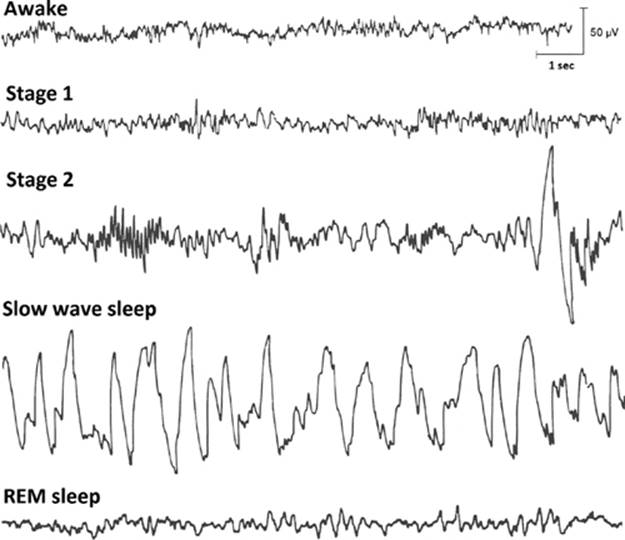
It was soon discovered that REM sleep is the time when sleepers are most likely to experience vivid dreams. Scientists then learned that there were several types or stages of sleep. In 1968, at a meeting of an international group of sleep scientists, a more detailed picture of the brain’s electrical activity during sleep emerged. Using brain waves and other measures, they initially segregated non-REM sleep into four stages. Typically, as a sleeper went from stage 1 to stage 4, the brain waves were shown to move progressively more slowly and their size became increasingly bigger as the sleep became deeper. Stages 3 and 4 are now considered together as slow wave or deep sleep.
خیلی زود کشف شد که خواب REM زمانی است که افراد در خواب بیشترین احتمال را برای دیدن رویاهای واضح دارند. سپس دانشمندان دریافتند که چندین نوع یا مرحله خواب وجود دارد. در سال ۱۹۶۸، در جلسهای از یک گروه بینالمللی از دانشمندان خواب، تصویر دقیقتری از فعالیت الکتریکی مغز در طول خواب پدیدار شد. آنها با استفاده از امواج مغزی و سایر معیارها، در ابتدا خواب غیر REM را به چهار مرحله تقسیم کردند. به طور معمول، با رفتن فرد به خواب از مرحله ۱ به مرحله ۴، امواج مغزی به تدریج کندتر حرکت میکردند و با عمیقتر شدن خواب، اندازه آنها به طور فزایندهای بزرگتر میشد. مراحل ۳ و ۴ اکنون با هم به عنوان موج آهسته یا خواب عمیق در نظر گرفته میشوند.
Paradoxically, a normal feature of sleep is that we experience brief awakenings (also called arousals), each lasting only seconds, while we sleep. These arousals occur from the time we are born, and healthy sleepers might experience about five of these awakenings an hour, although they will not remember them. Scientists believe that arousals represent a response to a sensation or a protection from danger: a newborn, for instance, must be able to arouse if its breathing passage is blocked by bedding, so that it can move into a position where its breathing can start again. An adult who stops breathing during sleep must also arouse to start breathing again. People with some of the diseases described in this book wake up ten times more often than healthy sleepers. The many awakenings reduce the amount of time these sleepers spend in the various sleep stages and prevent them from experiencing the amount of continuous high-quality sleep their bodies and brains need. The result is often daytime sleepiness and difficulty performing daily activities.
به طور متناقضی، یکی از ویژگیهای طبیعی خواب این است که ما بیداریهای کوتاهی (که به آن برانگیختگی نیز میگویند) را تجربه میکنیم که هر کدام فقط چند ثانیه طول میکشند، در حالی که خواب هستیم. این بیداریها از زمانی که به دنیا میآییم رخ میدهند و افراد سالم ممکن است حدود پنج بار در ساعت این بیداریها را تجربه کنند، اگرچه آنها را به خاطر نمیآورند. دانشمندان معتقدند که بیداریها نشان دهنده پاسخی به یک حس یا محافظت از خطر هستند: به عنوان مثال، یک نوزاد تازه متولد شده باید بتواند در صورت مسدود شدن مجرای تنفسش توسط رختخواب، بیدار شود تا بتواند به موقعیتی برود که تنفسش دوباره شروع شود. یک فرد بالغ که در طول خواب نفسش قطع میشود نیز باید بیدار شود تا دوباره نفس بکشد. افرادی که به برخی از بیماریهای شرح داده شده در این کتاب مبتلا هستند، ده برابر بیشتر از افراد سالم از خواب بیدار میشوند. بیداریهای زیاد، مدت زمانی را که این افراد در مراحل مختلف خواب میگذرانند کاهش میدهد و مانع از تجربه میزان خواب مداوم و با کیفیتی میشود که بدن و مغزشان به آن نیاز دارد. نتیجه اغلب خوابآلودگی در طول روز و مشکل در انجام فعالیتهای روزانه است.
REM Sleep
Although scientists have uncovered a great deal about rapid eye movement sleep, there is still much to learn. As illustrated in the figure above, brain activity during REM sleep is similar to that seen in wakefulness. Furthermore, the brain cells use a great deal of energy, another indication of brain activity, which has led some scientists to theorize that REM sleep might play an important role in learning, laying down the networks in the brain that allow us both to learn new things and to remember what we’ve learned.
خواب REM
اگرچه دانشمندان اطلاعات زیادی در مورد خواب با حرکت سریع چشم کشف کردهاند، اما هنوز چیزهای زیادی برای یادگیری وجود دارد. همانطور که در شکل بالا نشان داده شده است، فعالیت مغز در طول خواب REM مشابه فعالیت مشاهده شده در بیداری است. علاوه بر این، سلولهای مغز انرژی زیادی مصرف میکنند، که نشانه دیگری از فعالیت مغز است، و همین امر باعث شده است که برخی از دانشمندان این نظریه را مطرح کنند که خواب REM ممکن است نقش مهمی در یادگیری داشته باشد و شبکههایی را در مغز ایجاد کند که به ما امکان میدهد چیزهای جدید یاد بگیریم و آنچه را که آموختهایم به خاطر بسپاریم.
Curiously, at the same time that our brains are experiencing this activity during REM sleep, almost all of our muscles are paralyzed, with the exception of the major breathing muscle, the diaphragm, and certain sphincters at the top and bottom of our gastrointestinal tract.
جالب اینجاست که همزمان با اینکه مغز ما این فعالیت را در طول خواب REM تجربه میکند، تقریباً تمام عضلات ما فلج میشوند، به استثنای عضله اصلی تنفس، دیافراگم و برخی از اسفنکترها در بالا و پایین دستگاه گوارش ما.
In spite of this general paralysis, cells in the pons, a vital part of the brain that is also involved in controlling breathing, become active and create electrical storms, with electrical impulses that work their way through the central nervous system until they reach the part of the brain that controls eye movements, setting off the rapid eye movements characteristic of this state of sleep. When these impulses pass through the parts of the nervous system that control breathing and the cardiovascular system, they can create dangerous irregularities in the pattern of breathing as well as in heart rate and rhythm and blood pressure. Sleep apnea in women, for example, might only occur during REM sleep.
علیرغم این فلج عمومی، سلولهای پل مغزی، بخش حیاتی مغز که در کنترل تنفس نیز نقش دارد، فعال میشوند و طوفانهای الکتریکی ایجاد میکنند، با تکانههای الکتریکی که از طریق سیستم عصبی مرکزی حرکت میکنند تا به بخشی از مغز که حرکات چشم را کنترل میکند برسند و حرکات سریع چشم را که مشخصه این حالت خواب است، ایجاد کنند. هنگامی که این تکانهها از بخشهایی از سیستم عصبی که تنفس و سیستم قلبی عروقی را کنترل میکنند عبور میکنند، میتوانند بینظمیهای خطرناکی در الگوی تنفس و همچنین در ضربان قلب و ریتم و فشار خون ایجاد کنند. به عنوان مثال، آپنه خواب در زنان ممکن است فقط در طول خواب REM رخ دهد.
Perhaps the most intriguing—and mysterious—feature of REM sleep is that most vivid dreaming occurs during this enigmatic state. All humans with intact brains dream, usually three to five times a night. Although scholars and thinkers ranging from the indigenous Australians to the seventh-century B.C.E. Assyrian king Ashurbanipal to Sigmund Freud have ascribed meanings to dreams, we still know very little about their origins or function.
شاید جذابترین – و مرموزترین – ویژگی خواب REM این باشد که واضحترین رویاها در این حالت مبهم رخ میدهند. همه انسانهایی که مغز سالمی دارند، معمولاً سه تا پنج بار در شب خواب میبینند. اگرچه محققان و متفکران از بومیان استرالیا گرفته تا پادشاه آشوری قرن هفتم پیش از میلاد، آشوربانیپال تا زیگموند فروید، معانی را به رویاها نسبت دادهاند، اما ما هنوز اطلاعات بسیار کمی در مورد ریشه یا عملکرد آنها داریم.
In about 400 C.E., a Roman by the name of Macrobius wrote a treatise in which he characterized five different types of dreams: the mysterious dream that requires interpretation (as Freud later did); the prophetic dream that comes true (as happened in the biblical story of Jacob’s ladder dream); dreams in which authority figures direct the dreamer (such as the saints directing Joan of Arc in her visions); dreams related to nightmares (as are found with post-traumatic stress); and nightmares in which there is contact with an apparition (such as Scrooge’s encounters in Charles Dickens’s Christmas Carol).
در حدود سال ۴۰۰ میلادی، یک رومی به نام ماکروبیوس رسالهای نوشت که در آن پنج نوع مختلف خواب را توصیف کرد: خواب مرموزی که نیاز به تعبیر دارد (همانطور که فروید بعداً انجام داد)؛ خواب نبوی که به حقیقت میپیوندد (همانطور که در داستان کتاب مقدس رویای نردبان یعقوب اتفاق افتاد)؛ خوابهایی که در آنها شخصیتهای صاحب قدرت، خواببیننده را هدایت میکنند (مانند قدیسان که ژاندارک را در رؤیاهایش هدایت میکنند)؛ خوابهای مرتبط با کابوسها (همانطور که در استرس پس از سانحه یافت میشود)؛ و کابوسهایی که در آنها با یک شبح ارتباط برقرار میشود (مانند مواجهههای اسکروج در سرود کریسمس چارلز دیکنز).
We know, for example, that all animals apparently experience REM sleep, but do they dream? When a puppy thrashes about or barks or appears to run during sleep, is it dreaming? Newborns spend half their sleep time in REM sleep. Are they dreaming?
به عنوان مثال، ما میدانیم که ظاهراً همه حیوانات خواب REM را تجربه میکنند، اما آیا آنها خواب میبینند؟ وقتی یک توله سگ در طول خواب به این طرف و آن طرف میپرد یا پارس میکند یا به نظر میرسد که میدود، آیا خواب میبیند؟ نوزادان نیمی از زمان خواب خود را در خواب REM میگذرانند. آیا آنها خواب میبینند؟
Every time a male dreams, he has an erection, and every time a female dreams, the blood vessels of her vagina become engorged. Yet it appears that sexual thoughts before sleeping or explicitly sexual dreams do not cause these events; they are the result of the state of dreaming itself.
هر بار که یک مرد خواب میبیند، نعوظ دارد و هر بار که یک زن خواب میبیند، رگهای خونی واژن او متورم میشوند. با این حال، به نظر میرسد که افکار جنسی قبل از خواب یا رویاهای جنسی صریح باعث این وقایع نمیشوند؛ آنها نتیجه خودِ حالت خواب دیدن هستند.
Some people react physically to what they are dreaming, instead of being paralyzed.
بعضی از افراد به جای اینکه فلج شوند، از نظر جسمی به آنچه در خواب میبینند واکنش نشان میدهند.
We do not know why some people who have suffered psychological trauma awaken for years with dreams that replay that trauma.
ما نمیدانیم چرا برخی از افرادی که دچار آسیب روانی شدهاند، سالها با رویاهایی بیدار میشوند که آن آسیب را تکرار میکنند.
How Much Sleep Do We Need?
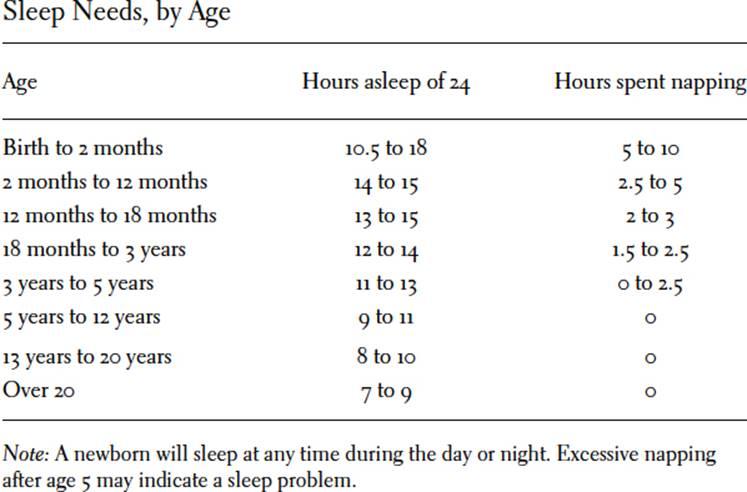
How much we sleep, when we sleep, and how much deep sleep and dreaming sleep we need vary with age. Seven to nine hours of sleep, which is adequate for most adults, would not be enough for the average nine-year-old. The table below shows the range of sleep required at different ages. For all age groups, however, the amount of sleep a person needs is an individual characteristic just as his or her height is.
به چه مقدار خواب نیاز داریم؟
اینکه چقدر میخوابیم، چه زمانی میخوابیم و به چه مقدار خواب عمیق و خواب رویاگونه نیاز داریم، با توجه به سن متفاوت است. هفت تا نه ساعت خواب که برای اکثر بزرگسالان کافی است، برای یک کودک نه ساله به طور متوسط کافی نیست. جدول زیر محدوده خواب مورد نیاز در سنین مختلف را نشان میدهد. با این حال، برای همه گروههای سنی، میزان خواب مورد نیاز یک فرد، مانند قد او، یک ویژگی فردی است.
The amount of sleep an individual needs each night is however much will enable him or her to remain wide awake and alert the next day, and it varies over the individual’s lifespan, decreasing with age. Babies spend most of their time sleeping (although it may not feel that way to their sleep-deprived parents), and they do not follow a pattern: for the first few months of life, infants might sleep at any time during the twenty-four-hour day. Mercifully for the parents, they soon start to spend periods in sleep mostly at night. Infants and toddlers nap. By the time children go to school, most will no longer nap.
میزان خواب مورد نیاز هر فرد در هر شب، به میزانی است که او را قادر میسازد روز بعد کاملاً بیدار و هوشیار بماند و این میزان در طول عمر فرد متفاوت است و با افزایش سن کاهش مییابد. نوزادان بیشتر وقت خود را در خواب میگذرانند (اگرچه ممکن است برای والدین کمخوابشان اینطور به نظر نرسد) و از یک الگو پیروی نمیکنند: در چند ماه اول زندگی، نوزادان ممکن است در هر زمانی از شبانهروز بخوابند. خوشبختانه برای والدین، آنها به زودی شروع به گذراندن دورههایی در خواب میکنند که بیشتر در شب است. نوزادان و کودکان نوپا چرت میزنند. تا زمانی که کودکان به مدرسه میروند، اکثر آنها دیگر چرت نمیزنند.
The amount of REM sleep also decreases with age. Newborns spend roughly half their sleep time in REM sleep. In adults the amount of time spent in REM sleep decreases to 20–25 percent. The amount of slow-wave sleep is also much higher in children, since this is the sleep state during which most of the human growth hormone is secreted; the time most people spend in slow-wave sleep decreases with aging. Some elderly people have no slow-wave sleep.
میزان خواب REM نیز با افزایش سن کاهش مییابد. نوزادان تقریباً نیمی از زمان خواب خود را در خواب REM میگذرانند. در بزرگسالان، میزان خواب REM به 20 تا 25 درصد کاهش مییابد. میزان خواب موج آهسته نیز در کودکان بسیار بیشتر است، زیرا این حالت خواب است که در طی آن بیشتر هورمون رشد انسان ترشح میشود. زمانی که اکثر مردم در خواب موج آهسته میگذرانند با افزایش سن کاهش مییابد. برخی از افراد مسن خواب موج آهسته ندارند.
As will be detailed later in this book, few of us get the amount of sleep we need. Today’s world and its demands on our time have eaten away at our sleep time. In teenagers the deficit can be more than two hours every night. The average American sleeps fewer than seven hours a night.
همانطور که بعداً در این کتاب به تفصیل توضیح داده خواهد شد، تعداد کمی از ما به میزان مورد نیاز خود میخوابیم. دنیای امروز و خواستههای آن از زمان ما، زمان خواب ما را از بین برده است. در نوجوانان، این کسری میتواند بیش از دو ساعت در هر شب باشد. یک آمریکایی به طور متوسط کمتر از هفت ساعت در شب میخوابد.
Teenagers, in particular, tend to develop bad sleep habits. They go to sleep later and awaken later than they did during childhood years. On school nights, it may take them several hours to fall asleep, and they are unable to get the eight to ten hours of sleep they need to be alert throughout the day. Parents may find themselves dragging an unwilling and unresponsive teenager out of bed, with the result that for the first few hours of the school day, the teenager might seem to be in a daze or might actually be asleep and consequently is likely to perform poorly. On weekends, these teenagers generally sleep until noon or later. For them to try to be alert at 9:00 A.M. would be like the average adult trying to be alert at 2:00 or 3:00 in the morning. It simply does not work. In the afternoon and evening, these adolescents frequently get a second wind.
نوجوانان، به ویژه، عادتهای بد خواب را در خود پرورش میدهند. آنها دیرتر از دوران کودکی به خواب میروند و دیرتر از خواب بیدار میشوند. در شبهای مدرسه، ممکن است چند ساعت طول بکشد تا به خواب بروند و قادر به دریافت هشت تا ده ساعت خوابی که برای هوشیاری در طول روز نیاز دارند، نیستند. والدین ممکن است متوجه شوند که یک نوجوان بیمیل و بیتوجه را از رختخواب بیرون میکشند، در نتیجه در چند ساعت اول روز مدرسه، نوجوان ممکن است گیج به نظر برسد یا واقعاً خواب باشد و در نتیجه احتمالاً عملکرد ضعیفی خواهد داشت. در آخر هفتهها، این نوجوانان عموماً تا ظهر یا دیرتر میخوابند. تلاش آنها برای هوشیار بودن در ساعت ۹ صبح مانند تلاش یک بزرگسال معمولی برای هوشیار بودن در ساعت ۲ یا ۳ بامداد است. این روش به سادگی جواب نمیدهد. این نوجوانان اغلب بعد از ظهر و عصر، نفس دومی میکشند.
Older persons, especially after retirement, might start to nap again. Whether reduced nighttime sleep in the elderly is a consequence of the daytime naps is not clear. Many elderly people sleep poorly not just because of their age but also because of medical conditions, medications, pain, sensitivity to their environment, or disruptions and changes in their sleep pattern. A survey of sleep in the older population, released in 2003, showed that older people without medical problems usually sleep the normal amount of time for their age group.
افراد مسن، به ویژه پس از بازنشستگی، ممکن است دوباره شروع به چرت زدن کنند. اینکه آیا کاهش خواب شبانه در سالمندان نتیجه چرت زدن در طول روز است یا خیر، مشخص نیست. بسیاری از افراد مسن نه تنها به دلیل سنشان، بلکه به دلیل شرایط پزشکی، داروها، درد، حساسیت به محیط یا اختلالات و تغییرات در الگوی خوابشان، خواب ضعیفی دارند. یک بررسی در مورد خواب در جمعیت مسن که در سال ۲۰۰۳ منتشر شد، نشان داد که افراد مسن بدون مشکلات پزشکی معمولاً به اندازه زمان معمول برای گروه سنی خود میخوابند.
How the Brain Controls Our Sleep
Research has been done to find the chemicals and brain cells and pathways that control when humans sleep and when they wake up. Many brain structures are involved, as can be seen in the diagram of the brain centers (below) that control sleeping and waking. The darker-shaded boxes indicate structures involved in sleep, the lighter-shaded boxes, structures involved in wakefulness. However, to understand what starts and stops sleep we need to understand two concepts: the wake gauge and the body clock.
چگونه مغز خواب ما را کنترل میکند
تحقیقات برای یافتن مواد شیمیایی، سلولهای مغزی و مسیرهایی که زمان خواب و بیداری انسان را کنترل میکنند، انجام شده است. همانطور که در نمودار مراکز مغز (در زیر) که خواب و بیداری را کنترل میکنند، مشاهده میشود، بسیاری از ساختارهای مغز در این امر دخیل هستند. کادرهای تیرهتر ساختارهای دخیل در خواب و کادرهای روشنتر ساختارهای دخیل در بیداری را نشان میدهند. با این حال، برای درک اینکه چه چیزی خواب را شروع و متوقف میکند، باید دو مفهوم را درک کنیم: شاخص بیداری و ساعت بدن.
THE WAKE GAUGE
The fuel gauge in a car indicates when the driver needs to refuel the car. The wake gauge indicates when it is time to sleep. Once the average adult has been awake for about fourteen hours he or she starts to become sleepy, and the sleepiness becomes greater at sixteen hours, and much greater at eighteen hours, when it becomes difficult to stay awake. The wake gauge in the brain measures the amount of a chemical called adenosine, which is involved in the transfer of energy in the body. The longer a brain is active and using energy, the greater the concentration of adenosine. Adenosine acts to promote sleep and suppress wakefulness. Caffeine counteracts the effect of adenosine, which is how it keeps people awake.
نشانگر بیداری
نشانگر سوخت در خودرو نشان میدهد که راننده چه زمانی نیاز به سوختگیری مجدد دارد. نشانگر بیداری نشان میدهد که چه زمانی زمان خواب فرا رسیده است. هنگامی که یک بزرگسال به طور متوسط حدود چهارده ساعت بیدار باشد، شروع به خوابآلودگی میکند و این خوابآلودگی در شانزده ساعت بیشتر میشود و در هجده ساعت بسیار بیشتر میشود، زمانی که بیدار ماندن دشوار میشود. نشانگر بیداری در مغز میزان ماده شیمیایی به نام آدنوزین را اندازهگیری میکند که در انتقال انرژی در بدن نقش دارد. هرچه مغز مدت طولانیتری فعال باشد و از انرژی استفاده کند، غلظت آدنوزین بیشتر میشود. آدنوزین باعث خوابآلودگی و سرکوب بیداری میشود. کافئین اثر آدنوزین را خنثی میکند و به همین دلیل افراد را بیدار نگه میدارد.

THE BODY CLOCK
In addition to influencing the amount of sleep the body gets, the brain helps control the time when people sleep. How does the body know when it is time to go to sleep and when to wake up? A collection of cells in the suprachiasmatic nucleus (SCN) of the brain has the ability to keep time and monitor ithe sleep-wake cycle. A hormone called melatonin is secreted by a tiny gland in the brain called the pineal gland when it starts to become dark, at dusk. The SCN cells control not only the times when individuals are sleepy or alert; they also control the function of many other systems in the body. The word many,in fact, may be an understatement. Most of the systems in the body have a pattern that varies over a twenty-four-hour period. This is true of the secretion of a variety of hormones, of blood pressure, of heart rate, and of some other functions in the body.
ساعت بدن
مغز علاوه بر تأثیر بر میزان خواب بدن، به کنترل زمان خواب افراد نیز کمک میکند. بدن چگونه میداند چه زمانی باید به خواب برود و چه زمانی باید بیدار شود؟ مجموعهای از سلولها در هسته سوپراکیاسماتیک (SCN) مغز توانایی ثبت زمان و نظارت بر چرخه خواب و بیداری را دارند. هورمونی به نام ملاتونین توسط غده کوچکی در مغز به نام غده پینهآل هنگام شروع تاریکی هوا، هنگام غروب، ترشح میشود. سلولهای SCN نه تنها زمان خوابآلودگی یا هوشیاری افراد را کنترل میکنند، بلکه عملکرد بسیاری از سیستمهای دیگر بدن را نیز کنترل میکنند. در واقع، کلمه “بسیاری” ممکن است کم لطفی باشد. اکثر سیستمهای بدن الگویی دارند که در طول یک دوره بیست و چهار ساعته تغییر میکند. این موضوع در مورد ترشح انواع هورمونها، فشار خون، ضربان قلب و برخی عملکردهای دیگر بدن صادق است.
This natural, internal rhythm is called the circadian rhythm. The word derives from circa, “about,” and diem, “day.” The circadian rhythm changes the way many systems in the body work over the twenty-four-hour day so that the function of the systems matches what the body needs. Indeed, it has been shown that tissues in the body far away from the brain (such as the liver and kidneys) also have circadian clocks that are synchronized to the master clock in the brain. As a result, humans generally do not experience hunger or a need to go to the bathroom at night. People who have traveled across time zones know how discombobulated or out of sync they can feel because their body clock is not on the same time as the place they happen to be.
این ریتم طبیعی و درونی، ریتم شبانهروزی نامیده میشود. این کلمه از circa به معنای «حدود» و diem به معنای «روز» گرفته شده است. ریتم شبانهروزی نحوه عملکرد بسیاری از سیستمهای بدن را در طول بیست و چهار ساعت شبانهروز تغییر میدهد تا عملکرد سیستمها با نیازهای بدن مطابقت داشته باشد. در واقع، نشان داده شده است که بافتهای بدن که از مغز دور هستند (مانند کبد و کلیهها) نیز دارای ساعتهای شبانهروزی هستند که با ساعت اصلی مغز هماهنگ شدهاند. در نتیجه، انسانها معمولاً گرسنگی یا نیاز به رفتن به دستشویی را در شب تجربه نمیکنند. افرادی که در مناطق زمانی مختلف سفر کردهاند، میدانند که چقدر میتوانند احساس آشفتگی یا عدم هماهنگی داشته باشند، زیرا ساعت بدن آنها با مکانی که در آن هستند، همزمان نیست.
For many years, scientists wondered how the brain knew what time it was. How could it tell whether it was morning and time to wake up? Suppose we were living on a planet that was rotating around a sun every thirty hours instead of twenty-four hours—how would the body clock adjust? Studies conducted at Harvard University, the University of Pittsburgh, and other academic centers revealed that the light could reset the body clock. Exposure to morning sunlight was responsible for synchronizing the body’s circadian clock, in humans and other animals (and would do so for a thirty-hour day on another planet). Light enters the eye and hits the retina, stimulating specialized cells. The visual information travels from these cells along nerves to the suprachiasmatic nucleus, where the cells that control circadian rhythms reside. These cells are located above the optic chiasm, where visual information crosses over from one side of the nervous system to the other on its way to the part of the brain that processes vision. The SCN uses the information from the retina to tell the brain that it is morning; this in turn synchronizes the SCN cells. People who are blind because of problems between the eye and the optic chiasm can have serious difficulty in synchronizing their body clocks, and often have severe sleep problems as a result. On the other hand, people whose blindness results from problems in the visual cortex, the part of the brain that processes the information, might have a normal circadian system.
سالها دانشمندان در این فکر بودند که مغز چگونه میداند چه زمانی است. چگونه میتواند تشخیص دهد که آیا صبح است و زمان بیدار شدن است؟ فرض کنید ما در سیارهای زندگی میکنیم که به جای بیست و چهار ساعت، هر سی ساعت به دور خورشید میچرخد – ساعت بدن چگونه تنظیم میشود؟ مطالعات انجام شده در دانشگاه هاروارد، دانشگاه پیتسبورگ و سایر مراکز دانشگاهی نشان داد که نور میتواند ساعت بدن را مجدداً تنظیم کند. قرار گرفتن در معرض نور خورشید صبحگاهی مسئول هماهنگسازی ساعت شبانهروزی بدن در انسان و سایر حیوانات است (و این کار را برای یک روز سی ساعته در سیارهای دیگر نیز انجام میدهد). نور وارد چشم میشود و به شبکیه برخورد میکند و سلولهای تخصصی را تحریک میکند. اطلاعات بصری از این سلولها در امتداد اعصاب به هسته سوپراکیاسماتیک، جایی که سلولهای کنترلکننده ریتمهای شبانهروزی قرار دارند، منتقل میشود. این سلولها در بالای کیاسمای بینایی قرار دارند، جایی که اطلاعات بصری از یک طرف سیستم عصبی به طرف دیگر عبور میکند و به بخشی از مغز که بینایی را پردازش میکند، میرسد. SCN از اطلاعات شبکیه برای اطلاع دادن به مغز مبنی بر صبح بودن استفاده میکند. این به نوبه خود سلولهای SCN را هماهنگ میکند. افرادی که به دلیل مشکلات بین چشم و کیاسمای بینایی نابینا هستند، میتوانند در هماهنگسازی ساعت بدن خود با مشکلات جدی مواجه شوند و اغلب در نتیجه مشکلات شدید خواب دارند. از سوی دیگر، افرادی که نابینایی آنها ناشی از مشکلات قشر بینایی، بخشی از مغز که اطلاعات را پردازش میکند، است، ممکن است سیستم شبانهروزی طبیعی داشته باشند.
Circadian systems appear to be present not only in higher life forms, but also, for example, in plants. The chemical melatonin that is produced in the brain at dusk is also found in forms of life ranging from animals to insects to jellyfish to bacteria and even to plants. The first demonstration of a circadian rhythm was given by Jean-Jacques d’Ortous de Mairan, a Swiss scientist who set up an experiment using a mimosa plant that always opened its leaves at a certain time when it was sunny. He put the plant into a box, where it received no exposure to light, and the leaves still opened at the same time. This plant was able to keep track of time.
به نظر میرسد سیستمهای شبانهروزی نه تنها در اشکال بالاتر حیات، بلکه به عنوان مثال در گیاهان نیز وجود دارند. ماده شیمیایی ملاتونین که هنگام غروب در مغز تولید میشود، در اشکال مختلف حیات، از حیوانات گرفته تا حشرات، عروس دریایی، باکتریها و حتی گیاهان نیز یافت میشود. اولین نمایش ریتم شبانهروزی توسط ژان ژاک دورتوس دو مایران، دانشمند سوئیسی، ارائه شد. او آزمایشی را با استفاده از گیاه میموزا ترتیب داد که همیشه در زمان مشخصی از روز، برگهای خود را باز میکرد. او گیاه را در جعبهای قرار داد، جایی که هیچ نوری دریافت نمیکرد و برگها همچنان همزمان باز میشدند. این گیاه قادر به پیگیری زمان بود.
Life forms have existed on earth for more than a billion years. Mammals have inhabited the planet for about 200 million years. The dinosaurs disappeared about 65 million years ago. The earliest ancestors of humans appeared about 7 million years ago, and humans that resembled us arrived only two hundred thousand years ago. Humans evolved as diurnal beings: active during the day and sleeping when it is dark. Many other animals are nocturnal, sleeping during the day and active at night. It is likely that until about 150 years ago, with the arrival of artificial light, humans’ sleeping habits did not change much. Prehistoric people living in caves probably slept about two hours more than the average adult sleeps now. But people have not always slept in one continuous period at night. Long before the invention of the lightbulb, many people had two sleep periods a night. The first sleep started about two hours after sunset and would last three to four hours. The second sleep, also about four hours long, would start one to three hours later. Between the two sleeps the person might pray, read, or participate in sexual activity. The middle of the night was a literal “midnight” between these periods. In the past 150 years there have been dramatic changes in the quantity and pattern of human sleep. People sleep less, and they no longer sleep exclusively in the hours between dusk and dawn.
بیش از یک میلیارد سال است که گونههای مختلف حیات روی زمین وجود دارند. پستانداران حدود ۲۰۰ میلیون سال است که در این سیاره ساکن هستند. دایناسورها حدود ۶۵ میلیون سال پیش ناپدید شدند. اولین اجداد انسانها حدود ۷ میلیون سال پیش ظاهر شدند و انسانهایی که شبیه ما بودند، تنها دویست هزار سال پیش از راه رسیدند. انسانها به عنوان موجوداتی روزگرد تکامل یافتند: در طول روز فعال بودند و وقتی هوا تاریک میشود میخوابیدند. بسیاری از حیوانات دیگر شبزی هستند، در طول روز میخوابند و در شب فعال هستند. احتمالاً تا حدود ۱۵۰ سال پیش، با ورود نور مصنوعی، عادات خواب انسانها تغییر چندانی نکرده است. افراد ماقبل تاریخ که در غارها زندگی میکردند، احتمالاً حدود دو ساعت بیشتر از میانگین خواب بزرگسالان امروزی میخوابیدند. اما مردم همیشه در یک دوره مداوم در شب نمیخوابیدند. مدتها قبل از اختراع لامپ، بسیاری از مردم دو دوره خواب در شب داشتند. خواب اول حدود دو ساعت پس از غروب آفتاب شروع میشد و سه تا چهار ساعت طول میکشید. خواب دوم، که آن هم حدود چهار ساعت طول میکشید، یک تا سه ساعت بعد شروع میشد. بین این دو خواب، فرد ممکن بود دعا کند، مطالعه کند یا در فعالیتهای جنسی شرکت کند. نیمه شب در بین این دورهها به معنای واقعی کلمه «نیمه شب» بود. در ۱۵۰ سال گذشته تغییرات چشمگیری در کمیت و الگوی خواب انسان رخ داده است. مردم کمتر میخوابند و دیگر منحصراً در ساعات بین غروب و طلوع آفتاب نمیخوابند.
(A fascinating side note on our forebears: Although most probably slept on flat surfaces, ranging from the hard ground to soft mattresses, at various times and places sleeping sitting up was the norm. You can still see ancient buildings in the city of Bergen, Norway, in which the occupants slept in enclosed cubby holes that forced them to sleep sitting up. In Antwerp, one of the highlights of a visit to the home of Peter Paul Rubens is the short bed in which he slept sitting up.)
(یک نکته جالب در مورد اجداد ما: اگرچه احتمالاً روی سطوح صاف، از زمین سخت گرفته تا تشکهای نرم، میخوابیدند، اما در زمانها و مکانهای مختلف، خوابیدن به صورت نشسته امری عادی بود. هنوز هم میتوانید ساختمانهای باستانی را در شهر برگن، نروژ ببینید که ساکنان آنها در حفرههای کوچک و محصور میخوابیدند که آنها را مجبور به خوابیدن به صورت نشسته میکرد. در آنتورپ، یکی از نکات برجسته بازدید از خانه پیتر پل روبنس، تخت کوتاهی است که او در آن به صورت نشسته میخوابید.)
There are many time-related rhythms in biology, not all of which are understood. Some biological rhythms can be measured in seconds (for example, breathing and heartbeat), while others have much longer cycles. Although the cycle we know the most about is the circadian rhythm controlled by the body clock in our brains, seasons of the year seem to play an important role in when mammals can become sexually active, when they become pregnant, and when they give birth. One of the most mysterious cycles in biology is the menstrual cycle in women, which is reviewed in Chapter 3. This cycle is about the same length as the lunar cycle, and the timing system that results in the cycle, which averages twenty-eight days, is unknown.
ریتمهای مرتبط با زمان زیادی در زیستشناسی وجود دارد که همه آنها درک نشدهاند. برخی از ریتمهای بیولوژیکی را میتوان بر حسب ثانیه اندازهگیری کرد (به عنوان مثال، تنفس و ضربان قلب)، در حالی که برخی دیگر چرخههای بسیار طولانیتری دارند. اگرچه چرخهای که ما بیشتر در مورد آن میدانیم، ریتم شبانهروزی است که توسط ساعت بدن در مغز ما کنترل میشود، اما به نظر میرسد فصول سال نقش مهمی در زمان فعال شدن جنسی پستانداران، زمان بارداری و زمان زایمان آنها ایفا میکنند. یکی از اسرارآمیزترین چرخهها در زیستشناسی، چرخه قاعدگی در زنان است که در فصل 3 بررسی شده است. این چرخه تقریباً به اندازه چرخه قمری طول میکشد و سیستم زمانبندی که منجر به این چرخه میشود، که به طور متوسط بیست و هشت روز است، ناشناخته است.
How to Recognize When You Have Slept Well
No matter what your circadian rhythm or body clock is, or what position you sleep in, you should be able to recognize a healthy sleep pattern. After a good night of sleep you should feel wide awake and alert shortly after waking up, and remain so for the rest of the day. Your mood is generally good, and you feel no need for a nap. A good night of sleep is a matter of both quantity (it should be the right amount for your age group) and quality (it should be uninterrupted and consist of the right amount of each stage of sleep).
چگونه تشخیص دهیم که چه زمانی خوب خوابیدهاید
مهم نیست ریتم شبانهروزی یا ساعت بدن شما چیست یا در چه وضعیتی میخوابید، باید بتوانید الگوی خواب سالم را تشخیص دهید. بعد از یک خواب خوب شبانه، باید کمی پس از بیدار شدن احساس هوشیاری و بیداری کامل داشته باشید و تا آخر روز نیز همینطور بمانید. خلق و خوی شما به طور کلی خوب است و نیازی به چرت زدن ندارید. خواب خوب شبانه هم به کمیت (باید مقدار مناسبی برای گروه سنی شما باشد) و هم به کیفیت (باید بدون وقفه باشد و شامل مقدار مناسبی از هر مرحله خواب باشد) بستگی دارد.
You should not wake up feeling as though you have not slept. You should not feel as though you won’t be able to function until you have had one or more cups of coffee. Struggling to stay awake while driving or falling asleep or feeling uncontrollably fidgety at movies, public meetings, or even in front of the television or computer screen are all signs that you may be sleep deprived. You should not feel as though you are about to fall asleep when reading.
نباید با این احساس از خواب بیدار شوید که انگار نخوابیدهاید. نباید احساس کنید که تا زمانی که یک یا چند فنجان قهوه ننوشیدهاید، قادر به انجام کاری نخواهید بود. تلاش برای بیدار ماندن هنگام رانندگی یا خوابیدن یا احساس بیقراری غیرقابل کنترل در فیلمها، جلسات عمومی یا حتی جلوی تلویزیون یا صفحه کامپیوتر، همگی نشانههایی هستند که ممکن است دچار کمبود خواب باشید. نباید هنگام مطالعه احساس کنید که در شرف خواب رفتن هستید.
If you do experience these symptoms, it indicates that the amount or the quality of your sleep is inadequate to keep you optimally awake and alert. You probably have a sleep problem if you are sleepy in the morning, feel tired all day, fall asleep when you don’t want to, need to nap, and are irritable and moody when you awaken. It is important to note that boredom does not cause sleepiness. Boredom simply gives the sleepy person the excuse to nod off.
اگر این علائم را تجربه میکنید، نشان میدهد که میزان یا کیفیت خواب شما برای بیدار و هوشیار نگه داشتن شما کافی نیست. اگر صبحها خوابآلود هستید، تمام روز احساس خستگی میکنید، وقتی نمیخواهید میخوابید، نیاز به چرت زدن دارید و وقتی بیدار میشوید تحریکپذیر و بدخلق هستید، احتمالاً مشکل خواب دارید. توجه به این نکته مهم است که کسالت باعث خوابآلودگی نمیشود. کسالت صرفاً بهانهای برای چرت زدن به فرد خوابآلود میدهد.
Other symptoms, which will be discussed later in the book, might indicate that you have a medical problem. These include waking up with heart-burn, chest pain, shortness of breath, or an unusually fast or slow heartbeat. Waking up with a headache more than just occasionally or having to make frequent trips to the bathroom at night could also be signs of a medical problem. You should not wake up unable to move or with severe sweating. Nor should you be thrashing around in a way that could injure yourself or others while you are sleeping. Bed partners should not be telling you that you stop breathing during sleep and that it is scary to watch you sleep. If you have any of these symptoms, they probably relate to a medical problem that should be investigated.
علائم دیگری که بعداً در کتاب مورد بحث قرار خواهند گرفت، ممکن است نشان دهندهی وجود یک مشکل پزشکی باشند. این علائم شامل بیدار شدن با سوزش سر دل، درد قفسه سینه، تنگی نفس یا ضربان قلب غیرمعمول سریع یا آهسته است. بیدار شدن با سردرد بیش از حد گاه به گاه یا نیاز به مراجعه مکرر به دستشویی در شب نیز میتواند نشانههایی از یک مشکل پزشکی باشد. نباید هنگام خواب قادر به حرکت نباشید یا با تعریق شدید از خواب بیدار شوید. همچنین نباید به گونهای تکان بخورید که به خود یا دیگران آسیب برساند. شریک خواب نباید به شما بگوید که در طول خواب نفستان بند میآید و تماشای شما در خواب ترسناک است. اگر هر یک از این علائم را دارید، احتمالاً مربوط به یک مشکل پزشکی است که باید بررسی شود.
You should also see a doctor if you are an adult who sleeps more than ten or less than five hours a night. Research has shown repeatedly that people who consistently sleep too much (more than ten hours a night) or too little (fewer than five hours a night) have a higher death rate than those who sleep the appropriate length of time. However, the key issue is not the length of sleep. Such abnormal amounts of sleep are rather a symptom of a sleep or medical disorder that may cause or result in death.
همچنین اگر بزرگسالی هستید که بیش از ده ساعت یا کمتر از پنج ساعت در شب میخوابید، باید به پزشک مراجعه کنید. تحقیقات بارها نشان داده است که افرادی که به طور مداوم بیش از حد (بیش از ده ساعت در شب) یا خیلی کم (کمتر از پنج ساعت در شب) میخوابند، میزان مرگ و میر بالاتری نسبت به افرادی دارند که مدت زمان مناسبی میخوابند. با این حال، مسئله اصلی مدت زمان خواب نیست. چنین میزان غیرطبیعی خواب، بیشتر نشانهای از یک اختلال خواب یا پزشکی است که ممکن است باعث مرگ یا منجر به آن شود.
The bottom line is that if you are not wide awake and alert throughout the day, if you experience daytime sleepiness, or if you have any of the symptoms I just described, you may have a problem. Your sleep problem could affect you, your family, or the entire world. Consider the cases of some recent U.S. presidents.
نکته اصلی این است که اگر در طول روز کاملاً بیدار و هوشیار نیستید، اگر خوابآلودگی در طول روز را تجربه میکنید، یا اگر هر یک از علائمی را که من توضیح دادم دارید، ممکن است مشکلی داشته باشید. مشکل خواب شما میتواند بر شما، خانوادهتان یا کل جهان تأثیر بگذارد. موارد برخی از روسای جمهور اخیر ایالات متحده را در نظر بگیرید.
They have perhaps the most grueling job in the world. No days off. Stress. Travel. Always on call. This is a recipe for sleep deprivation. Sleep deprivation takes its toll. Did lack of sleep almost change U.S. history?
آنها شاید طاقتفرساترین شغل دنیا را دارند. بدون روز مرخصی. استرس. سفر. همیشه در دسترس. این دستورالعملی برای کمبود خواب است. کمبود خواب عوارض خود را دارد. آیا کمبود خواب تقریباً تاریخ ایالات متحده را تغییر داد؟
There is widespread speculation that a sleep-deprived Barack Obama was falling asleep during his first debate with Mitt Romney in Denver during the 2012 election. There are several possible explanations for Obama’s sleep problem. The debate preparation resulted in sleepless nights. In addition, the city where the debate took place, Denver, is a mile above sea level. Some people at this altitude develop an abnormal sleep breathing pattern (a variant of sleep apnea) which causes them to have short awakenings during the night, resulting in restless or non-refreshing sleep. Despite reports that suggest Obama is a night owl who goes to bed late and gets up early, apparently getting only four to five hours sleep and sometimes not even that, such sleep deprivation might have accounted for his poor showing in Denver. He needs to sleep more. He mentioned at a prayer meeting that after he leaves office, “I am going to take three, four months where I just sleep.”
گمانهزنیهای گستردهای وجود دارد مبنی بر اینکه باراک اوباما، نامزد ریاست جمهوری سابق آمریکا، در اولین مناظره خود با میت رامنی در دنور در طول انتخابات ۲۰۱۲، دچار کمخوابی شده بود. چندین توضیح احتمالی برای مشکل خواب اوباما وجود دارد. آمادهسازی برای مناظره منجر به بیخوابیهای شبانه او شد. علاوه بر این، شهری که مناظره در آن برگزار شد، دنور، یک مایل بالاتر از سطح دریا است. برخی از افراد در این ارتفاع، الگوی تنفسی غیرطبیعی در خواب (نوعی آپنه خواب) دارند که باعث میشود در طول شب بیدار شوند و در نتیجه خواب بیقرار یا بدون طراوت داشته باشند. علیرغم گزارشهایی که نشان میدهد اوباما یک جغد شب است که دیر به رختخواب میرود و زود بیدار میشود و ظاهراً فقط چهار تا پنج ساعت میخوابد و گاهی اوقات حتی این مقدار را هم ندارد، چنین کمخوابی ممکن است دلیل عملکرد ضعیف او در دنور باشد. او باید بیشتر بخوابد. او در یک جلسه دعا اشاره کرد که پس از ترک دفتر ریاست جمهوری، “من سه، چهار ماه را فقط در جایی که میخوابم، خواهم گذراند.”
Ronald Reagan fell asleep during an audience with the pope. Bill Clinton had meetings that went through much of the night, as reported in Newsweek: “Over the years Clinton had tried to convince himself he could get by just fine on a few hours of sleep a night. Time and again, he proved himself wrong. Struggling to extricate himself from a previous scandal, Clinton once told a friend, ‘Every important mistake I’ve made in my life, I’ve made because I was too tired.’” William Taft, who weighed as much as 350 pounds (there is to this day an extra-wide “Taft chair” in Woolsey Hall at Yale), had sleep apnea and was sleepy while in office. The most powerful people in the world are sometimes almost incapacitated by their sleep problems.
رونالد ریگان در طول سخنرانی با پاپ به خواب رفت. همانطور که در نیوزویک گزارش شده است، بیل کلینتون جلساتی داشت که بیشتر شب طول میکشید: «در طول سالها، کلینتون سعی کرده بود خود را متقاعد کند که میتواند با چند ساعت خواب شبانه به خوبی از پس کارها برآید. بارها و بارها، او اشتباه خود را ثابت کرد. کلینتون که برای خلاص شدن از رسوایی قبلیاش تلاش میکرد، یک بار به یکی از دوستانش گفت: «هر اشتباه مهمی که در زندگیام مرتکب شدهام، به این دلیل بوده که خیلی خسته بودهام.» ویلیام تافت، که وزنش به ۳۵۰ پوند میرسید (تا به امروز یک «صندلی تافت» با عرض بسیار زیاد در تالار وولسی در دانشگاه ییل وجود دارد)، دچار آپنه خواب بود و در دوران ریاست جمهوری خوابآلود بود. قدرتمندترین افراد جهان گاهی اوقات تقریباً به دلیل مشکلات خواب خود ناتوان میشوند.
We Are Not All the Same, but We All Need a Good Night’s Sleep
With all that said, some very high-functioning people sleep more than ten hours a night, while some high-functioning people sleep less than four. It is important to remember that data obtained from a population may not apply to an individual.
ما همه مثل هم نیستیم، اما همه ما به خواب خوب شبانه نیاز داریم.
با تمام این اوصاف، برخی از افراد با عملکرد بسیار بالا بیش از ده ساعت در شب میخوابند، در حالی که برخی از افراد با عملکرد بالا کمتر از چهار ساعت میخوابند. مهم است به یاد داشته باشید که دادههای به دست آمده از یک جمعیت ممکن است برای یک فرد صدق نکند.
The importance, control, and complexity of sleep is something we have only recently begun to understand. A good night’s sleep can make a person feel wonderful and be highly productive. A poor night’s sleep or insufficient sleep leaves a person feeling exhausted and nonproductive; he or she may even pose a danger to others. Women are much more likely than men to have sleep problems. This is not just because some sleep disorders are more common in women but also because family responsibilities, menstruation, pregnancy, and menopause can disrupt normal sleep.
اهمیت، کنترل و پیچیدگی خواب چیزی است که ما اخیراً شروع به درک آن کردهایم. یک خواب خوب شبانه میتواند باعث شود فرد احساس فوقالعادهای داشته باشد و بسیار پربار باشد. خواب شبانه کم یا خواب ناکافی باعث میشود فرد احساس خستگی و بیحاصلی کند؛ او حتی ممکن است برای دیگران خطرناک باشد. زنان بسیار بیشتر از مردان دچار مشکلات خواب میشوند. این فقط به این دلیل نیست که برخی از اختلالات خواب در زنان شایعتر است، بلکه به این دلیل است که مسئولیتهای خانوادگی، قاعدگی، بارداری و یائسگی میتواند خواب طبیعی را مختل کند.
Often in a household the main caregiver does double duty. She or he often both works outside the home and acts as the primary caregiver, and this person is the first up in the morning and the last to go to bed at night. The primary caregiver often organizes and runs the household, prepares meals, and does the housecleaning. These caregivers need to be emotionally alert to the needs of spouses and children, to problems and issues in the family, and so on. If they lose sleep, not only they but the entire family can suffer. They can be cranky, irritable, and short-tempered.
اغلب در یک خانه، مراقب اصلی وظیفه دوگانهای را انجام میدهد. او اغلب هم بیرون از خانه کار میکند و هم به عنوان مراقب اصلی عمل میکند و این شخص اولین کسی است که صبح از خواب بیدار میشود و آخرین کسی است که شب به رختخواب میرود. مراقب اصلی اغلب خانه را سازماندهی و اداره میکند، غذا آماده میکند و خانه را تمیز میکند. این مراقبان باید از نظر عاطفی نسبت به نیازهای همسر و فرزندان، مشکلات و مسائل خانواده و غیره هوشیار باشند. اگر آنها خواب خود را از دست بدهند، نه تنها خودشان، بلکه کل خانواده میتوانند رنج ببرند. آنها میتوانند بدخلق، تحریکپذیر و زودرنج باشند.
For those performing these roles, a good night’s sleep is essential. After a good night of sleep people start the day fresh, with enough energy to take them through the necessary tasks. For a healthy lifestyle, a good night’s sleep is as important as healthy eating and adequate exercise. But not everyone recognizes sleep problems when they arise. In the following chapters I offer the information readers need to recognize when they have a problem, and what they can do about it.
برای کسانی که این نقشها را ایفا میکنند، خواب خوب شبانه ضروری است. پس از یک خواب خوب شبانه، افراد روز را با نشاط و انرژی کافی برای انجام وظایف لازم آغاز میکنند. برای یک سبک زندگی سالم، خواب خوب شبانه به اندازه تغذیه سالم و ورزش کافی اهمیت دارد. اما همه افراد مشکلات خواب را هنگام بروز تشخیص نمیدهند. در فصلهای بعدی، اطلاعاتی را که خوانندگان باید هنگام بروز مشکل تشخیص دهند و آنچه میتوانند در مورد آن انجام دهند، ارائه میدهم.
»
»