
راز خواب؛ خواب در سالهای باروری


دعای مطالعه [ نمایش ]
بِسْمِ الله الرَّحْمنِ الرَّحیمِ
اَللّهُمَّ اَخْرِجْنى مِنْ ظُلُماتِ الْوَهْمِ
خدايا مرا بيرون آور از تاريكىهاى وهم،
وَ اَكْرِمْنى بِنُورِ الْفَهْمِ
و به نور فهم گرامى ام بدار،
اَللّهُمَّ افْتَحْ عَلَيْنا اَبْوابَ رَحْمَتِكَ
خدايا درهاى رحمتت را به روى ما بگشا،
وَانْشُرْ عَلَيْنا خَزائِنَ عُلُومِكَ بِرَحْمَتِكَ يا اَرْحَمَ الرّاحِمينَ
و خزانههاى علومت را بر ما باز كن به امید رحمتت اى مهربانترين مهربانان.
کتاب «راز خواب: چرا یک خواب خوب برای زندگی سالمتر و بهتر حیاتی است؟» (The Mystery of Sleep: Why a Good Night’s Rest Is Vital to a Better, Healthier Life) اثر دکتر Meir Kryger، یکی از جامعترین منابع در حوزه علوم اعصاب (Neuroscience) و پزشکی خواب (Sleep Medicine) است که با تلفیق تازهترین پژوهشهای علمی و تجربههای بالینی، اهمیت خواب و نقش حیاتی آن در سلامت جسم و روان را بهروشنی نشان میدهد و پلی میان دانش تخصصی و نیازهای عملی زندگی روزمره برقرار میکند.
ترجمه دقیق این اثر توسط برند علمی آیندهنگاران مغز به مدیریت داریوش طاهری، دسترسی فارسیزبانان به دانش پیشرفته در حوزه خواب و اختلالات آن را ممکن ساخته و رسالتی علمی برای ارتقای سلامت عمومی، درک عمیقتر عملکرد مغز و بهبود کیفیت زندگی فراهم آورده است.
» کتاب راز خواب: چرا استراحت خوب شبانه برای زندگی بهتر و سالمتر حیاتی است
» » فصل ۳؛ سالهای باروری
» The Mystery of Sleep: Why a Good Night’s Rest Is Vital to a Better, Healthier Life
»» Chapter 3; The Reproductive Years
در حال ویرایش
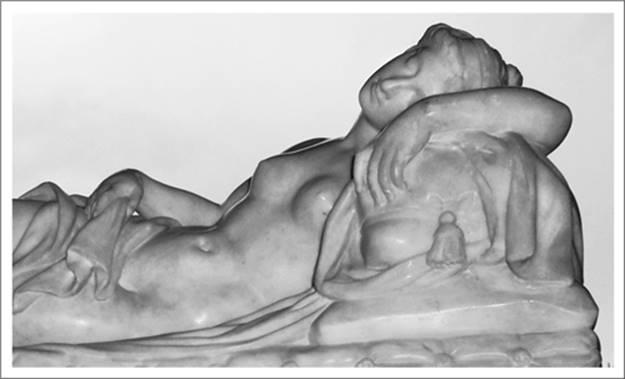
THE MYSTERY. Changes in sex hormonal function during the menstrual cycle, whether the cycle is regular or irregular, can have profound effects on a woman’s sleep. Pregnancy can impact sleep. A common disease of the ovaries can cause sleep apnea.
راز. تغییرات در عملکرد هورمونهای جنسی در طول چرخه قاعدگی، چه چرخه منظم باشد و چه نامنظم، میتواند تأثیرات عمیقی بر خواب زنان داشته باشد. بارداری میتواند بر خواب تأثیر بگذارد. یک بیماری شایع تخمدان میتواند باعث آپنه خواب شود.
The Case of the Sleepy Woman with Irregular Periods
After almost five years of suffering from severe daytime sleepiness that made her unable to hold a job because she could not stay awake, a twenty-nine-year-old woman had reached the end of her rope. For months she had been awakening every morning with a headache. Her family doctor noted that these headaches, combined with the daytime sleepiness, were becoming progressively more serious and having a negative effect on the quality of her life. Her doctor also noted that she had been snoring loudly since she was a teenager. She was referred to the sleep disorders center where I work for both her snoring and her sleepiness problem.
مورد زن خوابآلود با قاعدگیهای نامنظم
پس از تقریباً پنج سال رنج بردن از خوابآلودگی شدید در طول روز که او را به دلیل ناتوانی در بیدار ماندن، از کار کردن ناتوان میکرد، زنی بیست و نه ساله به آخر خط رسیده بود. ماهها بود که هر روز صبح با سردرد از خواب بیدار میشد. پزشک خانوادهاش متوجه شد که این سردردها، همراه با خوابآلودگی در طول روز، به تدریج جدیتر میشوند و تأثیر منفی بر کیفیت زندگی او میگذارند. پزشک او همچنین متوجه شد که او از نوجوانی با صدای بلند خروپف میکرده است. او به مرکز اختلالات خواب ارجاع داده شد، جایی که من هم برای خروپف و هم برای مشکل خوابآلودگی او کار میکنم.
Her examination at the sleep center revealed she was overweight: at five foot five she was 160 pounds. What was more unusual about her was that she had more facial hair than is normal for a woman and very hairy arms and legs as well as hair on her chest between her breasts. The medical term for this pattern of excess hair is hirsutism. When I asked about her menstrual cycle she told me that her periods were very irregular; for many months she had not had a period at all. But what, she asked, could her menstrual cycle have to do with her sleep patterns? In her case, everything.
معاینه او در مرکز خواب نشان داد که او اضافه وزن دارد: با قد ۱.۷۵ متر، وزن او ۱۶۰ پوند بود. چیزی که در مورد او غیرمعمولتر بود این بود که موهای صورتش بیشتر از حد معمول برای یک زن بود و دستها و پاهایش بسیار پرمو و همچنین موهایی روی سینهاش بین سینههایش داشت. اصطلاح پزشکی برای این الگوی موهای زائد، هیرسوتیسم است. وقتی از چرخه قاعدگیاش پرسیدم، گفت که پریودهایش بسیار نامنظم است؛ ماههاست که اصلاً پریود نشده است. اما پرسید، چرخه قاعدگیاش چه ارتباطی با الگوهای خوابش میتواند داشته باشد؟ در مورد او، همه چیز.
The Menstrual Cycle
In most females, starting about age twelve the menstrual cycle is monotonously regular, lasting about twenty-eight days, the same duration as the lunar cycle. Genes were identified in 2009 that play a role in controlling the age that menstruation begins. Certain genes control the body’s circadian rhythm (see Chapter 8), and some of these genes are affected by the menstrual cycle, perhaps because of the accompanying profound changes in hormone levels. What starts each cycle remains a mystery. Research reported in 2015 showed that variations in the genes that control the circadian system can lead to irregular menstrual cycles.
چرخه قاعدگی
در بیشتر زنان، از حدود دوازده سالگی، چرخه قاعدگی به طور یکنواخت منظم است و حدود بیست و هشت روز طول میکشد، همان مدت زمان چرخه قمری. در سال ۲۰۰۹ ژنهایی شناسایی شدند که در کنترل سن شروع قاعدگی نقش دارند. ژنهای خاصی ریتم شبانهروزی بدن را کنترل میکنند (به فصل ۸ مراجعه کنید) و برخی از این ژنها تحت تأثیر چرخه قاعدگی قرار میگیرند، شاید به دلیل تغییرات عمیق همراه در سطح هورمونها. اینکه هر چرخه چه چیزی را شروع میکند، همچنان یک راز است. تحقیقات گزارش شده در سال ۲۰۱۵ نشان داد که تغییرات در ژنهایی که سیستم شبانهروزی را کنترل میکنند، میتواند منجر به چرخههای قاعدگی نامنظم شود.
According to the 2007 National Sleep Foundation poll of over a thousand women, 60 percent of American women get a good night’s sleep only a few nights each week or less and 67 percent frequently experience a sleep problem. Additionally, 43 percent say that daytime sleepiness interferes with their daily activities. The sleep problems affect almost every aspect of their lives. They might leave home late or perform poorly at work, be too stressed or fatigued for sexual activity, or have little inclination to socialize. Sleep problems are experienced by women of all ages and increase in severity as they move through the different biological stages of their lives, which involve dramatic changes in the levels of reproductive hormones. The menstrual cycle is the most basic rhythm of a woman’s life, yet millions of women have disturbed sleep because of menstrual symptoms.
طبق نظرسنجی بنیاد ملی خواب در سال ۲۰۰۷ از بیش از هزار زن، ۶۰ درصد از زنان آمریکایی فقط چند شب در هفته یا کمتر خواب شبانه خوبی دارند و ۶۷ درصد مرتباً مشکل خواب را تجربه میکنند. علاوه بر این، ۴۳ درصد میگویند که خوابآلودگی در طول روز با فعالیتهای روزانه آنها تداخل دارد. مشکلات خواب تقریباً بر هر جنبهای از زندگی آنها تأثیر میگذارد. آنها ممکن است دیر از خانه خارج شوند یا در محل کار عملکرد ضعیفی داشته باشند، برای فعالیت جنسی بیش از حد استرس یا خستگی داشته باشند یا تمایل کمی به معاشرت داشته باشند. مشکلات خواب توسط زنان در هر سنی تجربه میشود و با گذر از مراحل مختلف بیولوژیکی زندگی خود، که شامل تغییرات چشمگیر در سطح هورمونهای تولید مثل است، شدت آن افزایش مییابد. چرخه قاعدگی اساسیترین ریتم زندگی یک زن است، با این حال میلیونها زن به دلیل علائم قاعدگی دچار اختلال خواب میشوند.
Reproductive or sex hormones affect many organs of the body, including the brain: an abnormal amount and type of sex hormones can be the cause of serious medical and sleep problems. For example, women are more likely to develop symptoms related to depression at times when the levels of these hormones are increasing or decreasing—during puberty, in the days before menstruation, after giving birth to a baby, or before and after the onset of menopause. Not coincidentally, depression is also associated with sleep problems. People with sleep problems are much more likely to be depressed.
هورمونهای تولید مثل یا جنسی بر بسیاری از اندامهای بدن، از جمله مغز، تأثیر میگذارند: مقدار و نوع غیرطبیعی هورمونهای جنسی میتواند علت مشکلات جدی پزشکی و خواب باشد. برای مثال، زنان در مواقعی که سطح این هورمونها افزایش یا کاهش مییابد – در دوران بلوغ، در روزهای قبل از قاعدگی، پس از زایمان یا قبل و بعد از شروع یائسگی – بیشتر احتمال دارد که علائم مربوط به افسردگی را بروز دهند. تصادفی نیست که افسردگی با مشکلات خواب نیز مرتبط است. افرادی که مشکلات خواب دارند، احتمال بیشتری دارد که افسرده باشند.
As complex as an orchestral piece, the menstrual cycle requires the proper sequencing of hormones and activities in at least four different tissues of the body: the hypothalamus and pituitary gland, which are in the central nervous system; the ovaries; and the uterus. The cycle is made up of three distinct phases:
چرخه قاعدگی به پیچیدگی یک قطعه ارکسترال است و نیاز به توالی صحیح هورمونها و فعالیتها در حداقل چهار بافت مختلف بدن دارد: هیپوتالاموس و غده هیپوفیز که در سیستم عصبی مرکزی قرار دارند؛ تخمدانها؛ و رحم. این چرخه از سه مرحله مجزا تشکیل شده است:
1. Follicular phase. One of the dormant eggs in the follicle in the ovary develops, and at the same time the lining of the uterus begins to prepare itself to nourish a fertilized egg.
۱. فاز فولیکولی. یکی از تخمکهای خفته در فولیکول تخمدان رشد میکند و همزمان، پوشش داخلی رحم شروع به آمادهسازی خود برای تغذیه تخمک بارور شده میکند.
2. Ovulation. On day fourteen (in most women), midway through the monthly cycle, the egg is released and makes its way into the fallopian tube.
۲. تخمکگذاری. در روز چهاردهم (در بیشتر زنان)، در اواسط چرخه ماهانه، تخمک آزاد میشود و راه خود را به سمت لوله فالوپ باز میکند.
3. Luteal phase. The uterine lining thickens in preparation for possible fertilization. If fertilization does not occur, the lining of the uterus is shed. This causes the menstrual bleeding. The cycle then repeats.
۳. فاز لوتئال. پوشش داخلی رحم برای آمادهسازی جهت لقاح احتمالی ضخیم میشود. اگر لقاح رخ ندهد، پوشش داخلی رحم ریزش میکند. این امر باعث خونریزی قاعدگی میشود. سپس این چرخه تکرار میشود.
Every woman is intimately familiar with the rhythms of her menstrual cycle, but not every woman realizes how the three phases can affect the quality and quantity of her sleep. Simply put, the level of hormones fluctuates intensely, swinging between low and high levels each month in women of childbearing age, and affecting many tissues of the body, including the nervous system, which controls sleep. Disruptions in sleep can occur during the regular menstrual cycles, and more serious sleep problems can occur in three conditions linked to hormonal changes: premenstrual syndrome (PMS), premenstrual dysphoric disorder (PMDD), and polycystic ovarian syndrome (PCOS).
هر زنی با ریتم چرخه قاعدگی خود کاملاً آشنا است، اما همه زنان متوجه نمیشوند که چگونه این سه مرحله میتوانند بر کیفیت و کمیت خواب او تأثیر بگذارند. به عبارت ساده، سطح هورمونها به شدت در نوسان است و هر ماه در زنان در سن باروری بین سطوح پایین و بالا نوسان میکند و بر بسیاری از بافتهای بدن، از جمله سیستم عصبی که خواب را کنترل میکند، تأثیر میگذارد. اختلالات خواب میتواند در طول چرخههای منظم قاعدگی رخ دهد و مشکلات جدیتر خواب میتواند در سه بیماری مرتبط با تغییرات هورمونی رخ دهد: سندرم پیش از قاعدگی (PMS)، اختلال دیسفوریک پیش از قاعدگی (PMDD) و سندرم تخمدان پلی کیستیک (PCOS).
Sleep Patterns of Women with Normal Menstrual Cycles
For most women who have regular periods, the menstrual cycle is not associated with sleep complaints, although research studies have found that there are subtle changes in the amount of sleep women get and in the levels of daytime sleepiness they experience. Research published in 2016 reported that the most frequent sleep disruption occurs when hormone levels change the most quickly: during ovulation and immediately before menstruation. At these times women may experience a few nights of sleeplessness. Some women, however, do not notice a change in their sleeping patterns, or might feel only slightly sleepier. Women with irregular cycles experience greater sleep disruption.
الگوهای خواب زنان با چرخههای قاعدگی طبیعی
برای اکثر زنانی که دورههای منظمی دارند، چرخه قاعدگی با شکایات خواب مرتبط نیست، اگرچه مطالعات تحقیقاتی نشان دادهاند که تغییرات نامحسوسی در میزان خواب زنان و میزان خوابآلودگی روزانه آنها وجود دارد. تحقیقات منتشر شده در سال ۲۰۱۶ گزارش داد که شایعترین اختلال خواب زمانی رخ میدهد که سطح هورمونها به سرعت تغییر میکند: در طول تخمکگذاری و بلافاصله قبل از قاعدگی. در این مواقع، زنان ممکن است چند شب بیخوابی را تجربه کنند. با این حال، برخی از زنان متوجه تغییر در الگوهای خواب خود نمیشوند یا ممکن است فقط کمی خوابآلودتر شوند. زنانی که چرخههای نامنظم دارند، اختلال خواب بیشتری را تجربه میکنند.
Women typically sleep the most during the early follicular phase. In the days before ovulation, the estrogen levels increase and the amount of rapid eye movement sleep also increases slightly. Women sleep the least during ovulation. This is probably because of the effect on the brain of high levels of hormones that cause ovulation.
زنان معمولاً در اوایل فاز فولیکولی بیشترین خواب را دارند. در روزهای قبل از تخمکگذاری، سطح استروژن افزایش مییابد و میزان خواب با حرکت سریع چشم نیز کمی افزایش مییابد. زنان در طول تخمکگذاری کمترین خواب را دارند. این احتمالاً به دلیل تأثیر سطح بالای هورمونهایی است که باعث تخمکگذاری میشوند.
In the third phase of the cycle, there is an increase in progesterone, which causes the body temperature to rise. The number of brief awakenings is highest in the few nights right before bleeding starts, when levels of progesterone and estrogen are both dropping. Women might find themselves sleeping fitfully. In the late luteal phase, many women report that it takes them longer to fall asleep, they sleep less, and the quality of the sleep is poor compared with that at the beginning of the cycle.
در مرحله سوم چرخه، افزایش پروژسترون وجود دارد که باعث افزایش دمای بدن میشود. تعداد بیداریهای کوتاه در چند شب درست قبل از شروع خونریزی، زمانی که سطح پروژسترون و استروژن هر دو در حال کاهش هستند، بیشترین است. زنان ممکن است متوجه شوند که خواب نامنظمی دارند. در اواخر فاز لوتئال، بسیاری از زنان گزارش میدهند که به خواب رفتن آنها زمان بیشتری میبرد، کمتر میخوابند و کیفیت خواب در مقایسه با ابتدای چرخه ضعیف است.
Some otherwise normal women may develop very severe incapacitating sleepiness during menstruation. Birth control pills can be effective in preventing the sleepiness.
برخی از زنان که در غیر این صورت طبیعی هستند، ممکن است در طول قاعدگی دچار خوابآلودگی بسیار شدید و ناتوانکننده شوند. قرصهای ضدبارداری میتوانند در جلوگیری از خوابآلودگی مؤثر باشند.
Some women have painful cramps before and during menstruation, which can cause wakefulness. Many women find it hard to get to sleep during this stage, and after they fall asleep they tend to have less REM sleep and a slightly elevated body temperature. Such women are likely to be sleepier than normal.
برخی از زنان قبل و در طول قاعدگی دچار گرفتگیهای دردناک میشوند که میتواند باعث بیدار شدن از خواب شود. بسیاری از زنان در این مرحله به سختی به خواب میروند و پس از به خواب رفتن، خواب REM کمتری دارند و دمای بدنشان کمی بالا میرود. چنین زنانی احتمالاً خوابآلودتر از حالت عادی هستند.
Women who take birth control pills, which control the menstrual cycle, may have different sleep patterns from those who use other types of contraception. The main effect of the pills is to prevent ovulation, so women who use birth control pills may not experience the mild effects on sleep related to ovulation. These women may still have symptoms related to menstruation, but some women who have severe sleep difficulties during menstruation might find that the symptoms were less severe than they were before they began using the pill.
زنانی که قرصهای ضدبارداری مصرف میکنند، که چرخه قاعدگی را کنترل میکنند، ممکن است الگوهای خواب متفاوتی نسبت به زنانی که از انواع دیگر روشهای پیشگیری از بارداری استفاده میکنند، داشته باشند. اثر اصلی قرصها جلوگیری از تخمکگذاری است، بنابراین زنانی که از قرصهای ضدبارداری استفاده میکنند ممکن است اثرات خفیف مربوط به تخمکگذاری بر خواب را تجربه نکنند. این زنان ممکن است هنوز علائم مربوط به قاعدگی را داشته باشند، اما برخی از زنانی که در طول قاعدگی مشکلات شدید خواب دارند، ممکن است دریابند که علائم نسبت به قبل از شروع مصرف قرص، شدت کمتری داشتهاند.
Sleep and Other Problems Related to PMS or PMDD
Women with PMS exhibit a variety of symptoms (trouble sleeping, irritability, mood changes, bloating) before menstruation. According to a 2012 study, about 76 percent of women with PMS experience sleep difficulties.
خواب و سایر مشکلات مرتبط با PMS یا PMDD
زنان مبتلا به PMS قبل از قاعدگی علائم مختلفی (مشکل در خواب، تحریکپذیری، تغییرات خلقی، نفخ) را نشان میدهند. طبق یک مطالعه در سال ۲۰۱۲، حدود ۷۶ درصد از زنان مبتلا به PMS مشکلات خواب را تجربه میکنند.
Most women who have PMS experience the symptoms a few days before the start of menstrual bleeding (the late luteal phase). Usually the symptoms end when the bleeding starts or within two to three days afterward.
بیشتر زنانی که PMS دارند، چند روز قبل از شروع خونریزی قاعدگی (مرحله لوتئال اواخر) علائم را تجربه میکنند. معمولاً علائم با شروع خونریزی یا ظرف دو تا سه روز پس از آن پایان مییابد.
Scientists have been unable to pinpoint a single mechanism that causes PMS because many hormonal and chemical changes occur before menstruation, and each woman with PMS probably has a more or less unique combination of symptoms caused by a unique combination of chemical changes. Because the symptoms vary so greatly, doctors should consider other potential disorders that have similar symptoms when diagnosing PMS. Symptoms such as sleeplessness, hot flashes, and a rapid heart rate might be found in hyperthyroidism (excess thyroid production) or menopausal transition. Tiredness could be caused by hypothyroidism (inadequate thyroid production). Some experts believe that in a small number of women, abnormal thyroid function may lead to symptoms of PMS. And in some women, the sleep problems and mood swings associated with PMS might actually be symptoms of depression.
دانشمندان نتوانستهاند مکانیسم واحدی را که باعث PMS میشود، مشخص کنند، زیرا تغییرات هورمونی و شیمیایی زیادی قبل از قاعدگی رخ میدهد و هر زن مبتلا به PMS احتمالاً ترکیبی کم و بیش منحصر به فرد از علائم ناشی از ترکیبی منحصر به فرد از تغییرات شیمیایی دارد. از آنجا که علائم بسیار متفاوت هستند، پزشکان باید سایر اختلالات بالقوهای را که علائم مشابهی دارند، هنگام تشخیص PMS در نظر بگیرند. علائمی مانند بیخوابی، گرگرفتگی و ضربان قلب سریع ممکن است در پرکاری تیروئید (تولید بیش از حد تیروئید) یا گذار به یائسگی مشاهده شود. خستگی میتواند ناشی از کمکاری تیروئید (تولید ناکافی تیروئید) باشد. برخی از متخصصان معتقدند که در تعداد کمی از زنان، عملکرد غیرطبیعی تیروئید ممکن است منجر به علائم PMS شود. و در برخی از زنان، مشکلات خواب و نوسانات خلقی مرتبط با PMS در واقع ممکن است علائم افسردگی باشند.
We can divide the symptoms of PMS into two general categories: those that affect the nervous system and those that affect other parts of the body. The nervous system symptoms include problems sleeping (which can be severe), mood swings, irritability, anger, headaches, memory loss, and tremors. The symptoms involving other parts of the body include breast swelling, fluid retention, muscle aches, nausea, and vomiting. Most women with PMS have only a few of the symptoms, however, though many have trouble sleeping and may experience daytime sleepiness.
میتوانیم علائم PMS را به دو دسته کلی تقسیم کنیم: علائمی که سیستم عصبی را تحت تأثیر قرار میدهند و علائمی که سایر قسمتهای بدن را تحت تأثیر قرار میدهند. علائم سیستم عصبی شامل مشکلات خواب (که میتواند شدید باشد)، نوسانات خلقی، تحریکپذیری، عصبانیت، سردرد، از دست دادن حافظه و لرزش است. علائمی که سایر قسمتهای بدن را درگیر میکنند شامل تورم سینه، احتباس مایعات، درد عضلانی، حالت تهوع و استفراغ است. با این حال، اکثر زنان مبتلا به PMS تنها تعداد کمی از این علائم را دارند، اگرچه بسیاری از آنها در خواب مشکل دارند و ممکن است خوابآلودگی در طول روز را تجربه کنند.
For a diagnosis of PMS, the symptoms should be present over several consecutive menstrual cycles and be severe enough to interfere with the woman’s mental state and activities of daily living. Because the range of symptoms affecting almost all the organ systems of the body is staggering, a diagnosis of PMS is still a difficult one to make. As yet we have no standard test that can confirm such a diagnosis. Women may go to various doctors, sometimes for years, before their PMS is diagnosed.
برای تشخیص PMS، علائم باید در چندین چرخه قاعدگی متوالی وجود داشته باشند و به اندازه کافی شدید باشند که در وضعیت روانی و فعالیتهای روزمره زن اختلال ایجاد کنند. از آنجا که طیف علائمی که تقریباً بر تمام سیستمهای اندامی بدن تأثیر میگذارند، بسیار گسترده است، تشخیص PMS هنوز دشوار است. تاکنون هیچ آزمایش استانداردی که بتواند چنین تشخیصی را تأیید کند، نداریم. زنان ممکن است قبل از تشخیص PMS خود، گاهی سالها، به پزشکان مختلف مراجعه کنند.
Because women with PMS exhibit so many differing symptoms, the treatment is not specific to the syndrome (whose cause is still unknown) but is based on the symptoms themselves, with the expectation that the symptoms will disappear after menstruation begins.
از آنجا که زنان مبتلا به PMS علائم بسیار متفاوتی را نشان میدهند، درمان مختص این سندرم (که علت آن هنوز ناشناخته است) نیست، بلکه بر اساس خود علائم است، با این انتظار که علائم پس از شروع قاعدگی از بین بروند.
Three approaches to the type of medication to help PMS and its effect on sleep are common:
· Relief of specific symptoms such as pain
· Change of hormone levels
· Prevention of the mood disorders before they occur
سه رویکرد در مورد نوع دارو برای کمک به PMS و تأثیر آن بر خواب رایج است:
• تسکین علائم خاص مانند درد
• تغییر سطح هورمون
• پیشگیری از اختلالات خلقی قبل از وقوع آنها
If a woman has been experiencing pain (tender breasts, severe cramps), the doctor might suggest an over-the-counter pain medication that has anti-prostaglandin properties (also called nonsteroidal anti-inflammatory medications or NSAIDs). In the United States, examples of NSAIDS available over the counter include those containing ibuprofen (Advil, Motrin, Nuprin, and Midol 200) and those containing naproxen (Aleve). Generic versions of these medications are also available. Check with a pharmacist before choosing a medication. For bloating and water retention, a doctor may prescribe a mild diuretic. These medications are not taken daily, only when symptoms are severe.
اگر زنی درد (حساسیت به لمس، گرفتگی شدید) را تجربه کرده باشد، پزشک ممکن است یک داروی مسکن بدون نسخه که دارای خواص ضد پروستاگلاندین است (که به آن داروهای ضد التهابی غیر استروئیدی یا NSAID نیز گفته میشود) پیشنهاد کند. در ایالات متحده، نمونههایی از داروهای ضد التهابی غیر استروئیدی موجود در بازار شامل داروهای حاوی ایبوپروفن (ادویل، موترین، نوپرین و میدول ۲۰۰) و داروهای حاوی ناپروکسن (آلیو) هستند. نسخههای ژنریک این داروها نیز موجود است. قبل از انتخاب دارو با داروساز مشورت کنید. برای نفخ و احتباس آب، پزشک ممکن است یک داروی ادرارآور خفیف تجویز کند. این داروها روزانه مصرف نمیشوند، فقط زمانی که علائم شدید باشند.
The medications that change mood and hormone levels are powerful and have potentially severe side effects, and women should take them only in consultation with their doctor. Antidepressants approved by the U.S. Food and Drug Administration (FDA) for the treatment of severe PMS and PMDD include Prozac (fluoxetine), Zoloft (sertraline), and Celexa (citalopram). The FDA has approved a contraceptive medication called Yaz as well to treat the symptoms of PMS. I don’t recommend any of these drugs if the main or only symptom being treated is sleeplessness. If the sleeplessness is caused by PMS, it will improve in a few days after bleeding begins.
داروهایی که خلق و خو و سطح هورمون را تغییر میدهند، قدرتمند هستند و عوارض جانبی بالقوه شدیدی دارند و زنان باید آنها را فقط با مشورت پزشک مصرف کنند. داروهای ضد افسردگی که توسط سازمان غذا و داروی ایالات متحده (FDA) برای درمان PMS شدید و PMDD تأیید شدهاند عبارتند از: پروزاک (فلوکستین)، زولوفت (سرترالین) و سلکسا (سیتالوپرام). سازمان غذا و داروی آمریکا (FDA) یک داروی ضدبارداری به نام یاز (Yaz) را نیز برای درمان علائم PMS تأیید کرده است. اگر علامت اصلی یا تنها علامت مورد درمان، بیخوابی باشد، من هیچ یک از این داروها را توصیه نمیکنم. اگر بیخوابی ناشی از PMS باشد، ظرف چند روز پس از شروع خونریزی بهبود مییابد.
The effect of long-term use of these drugs on PMS is not known, so the patient should discuss the pros and cons of the drugs with her doctor. Remember, the symptoms generally disappear once menstruation begins, so the best approach might be to take nothing. This is especially true if the woman is planning on getting pregnant in the near future. If the woman becomes pregnant while taking these medications, she should contact her doctor at once.
تأثیر استفاده طولانی مدت از این داروها بر PMS مشخص نیست، بنابراین بیمار باید در مورد مزایا و معایب داروها با پزشک خود صحبت کند. به یاد داشته باشید، علائم معمولاً پس از شروع قاعدگی از بین میروند، بنابراین بهترین رویکرد ممکن است عدم مصرف دارو باشد. این امر به ویژه در صورتی صادق است که زن قصد بارداری در آینده نزدیک را داشته باشد. اگر زن در حین مصرف این داروها باردار شود، باید فوراً با پزشک خود تماس بگیرد.
Medications are not the only way to counteract sleeplessness caused by PMS. Women who notice that it is taking them much longer than usual to fall asleep or who are waking up frequently at night should reduce caffeine intake as a first step. (At the very least, they should stop drinking coffee or tea after lunch.) Similarly, although many people believe that alcohol will help them fall asleep, it can also cause them to wake up later on in the night, disrupting their sleep. Women with PMS should therefore avoid alcohol at night. Women who have repeatedly experienced disrupted sleep during their menstrual cycle often expect to have a bad night’s sleep before menstruation. The expectation of a bad night causes stress and can itself lead to a bad night. Women may benefit from learning relaxation methods that reduce the stress caused by the expectation of a bad night. If the sleep problem is very severe and does not respond to the treatments for PMS, the sleep problem may not be related to PMS. In that case, other types of problems should be considered. If the sleep difficulty remains severe, the woman should seek help from a gynecologist.
داروها تنها راه مقابله با بیخوابی ناشی از PMS نیستند. زنانی که متوجه میشوند خیلی بیشتر از حد معمول طول میکشد تا به خواب بروند یا مکرراً در شب از خواب بیدار میشوند، باید در اولین قدم مصرف کافئین را کاهش دهند. (حداقل باید نوشیدن قهوه یا چای را بعد از ناهار متوقف کنند.) به طور مشابه، اگرچه بسیاری از مردم معتقدند که الکل به آنها کمک میکند تا به خواب بروند، اما میتواند باعث شود که آنها در اواخر شب از خواب بیدار شوند و خواب آنها را مختل کند. بنابراین زنان مبتلا به PMS باید از مصرف الکل در شب خودداری کنند. زنانی که بارها در طول چرخه قاعدگی خود دچار اختلال خواب شدهاند، اغلب انتظار دارند که قبل از قاعدگی خواب بدی داشته باشند. انتظار یک شب بد باعث استرس میشود و خود میتواند منجر به یک شب بد شود. زنان میتوانند از یادگیری روشهای آرامشبخشی که استرس ناشی از انتظار یک شب بد را کاهش میدهند، بهرهمند شوند. اگر مشکل خواب بسیار شدید باشد و به درمانهای PMS پاسخ ندهد، ممکن است مشکل خواب ربطی به PMS نداشته باشد. در این صورت، باید انواع دیگری از مشکلات را در نظر گرفت. اگر مشکل خواب همچنان شدید باشد، زن باید از متخصص زنان کمک بگیرد.
If mood and nervous system premenstrual symptoms are very severe, they might indicate a more serious problem, premenstrual dysphoric disorder (PMDD). If, along with the symptoms of PMS, a woman experiences symptoms of depression (hopelessness, severe sadness, or thoughts of suicide; see Chapter 16) or anxiety, wide mood swings, severe uncontrollable anger or irritability, and marked problems with sleeping, she may be suffering from PMDD. A woman with PMDD might experience severe insomnia and have extreme difficulty falling asleep and staying asleep. She might awaken very early in the morning and not be able to fall asleep again. Some patients with bipolar disease are misdiagnosed as having PMDD. Doctors whose patients experience severe problems that worsen before menstruation should evaluate these symptoms carefully when making their diagnoses. Up to 75 percent of women with PMDD notice an improvement in their symptoms with antidepressant treatments. Research from Japan reported in 2016 showed that increasing fish consumption improves performances in athletes with PMDD!
اگر علائم خلقی و عصبی قبل از قاعدگی بسیار شدید باشند، ممکن است نشان دهنده یک مشکل جدیتر، اختلال دیسفوریک قبل از قاعدگی (PMDD) باشند. اگر زنی همراه با علائم PMS، علائم افسردگی (ناامیدی، غم شدید یا افکار خودکشی؛ به فصل 16 مراجعه کنید) یا اضطراب، نوسانات خلقی گسترده، خشم یا تحریکپذیری شدید و غیرقابل کنترل و مشکلات قابل توجه در خواب را تجربه کند، ممکن است از PMDD رنج ببرد. زنی که PMDD دارد ممکن است بیخوابی شدید را تجربه کند و در به خواب رفتن و در خواب ماندن بسیار مشکل داشته باشد. او ممکن است صبح خیلی زود از خواب بیدار شود و نتواند دوباره بخوابد. برخی از بیماران مبتلا به بیماری دوقطبی به اشتباه PMDD تشخیص داده میشوند. پزشکانی که بیمارانشان مشکلات شدیدی را تجربه میکنند که قبل از قاعدگی بدتر میشود، باید هنگام تشخیص، این علائم را به دقت ارزیابی کنند. تا 75 درصد از زنان مبتلا به PMDD با درمانهای ضد افسردگی متوجه بهبود علائم خود میشوند. تحقیقات ژاپن که در سال 2016 گزارش شده است، نشان داد که افزایش مصرف ماهی عملکرد ورزشکاران مبتلا به PMDD را بهبود میبخشد!
Sleep and Other Problems Related to PCOS
Most tissues that produce one hormone are capable of producing other chemically related hormones. In most women with polycystic ovarian syndrome (PCOS), the ovaries produce too much of the male sexual hormones (androgens). Research reported in 2015 suggests that women can have one of four variations of PCOS. In one type, there is excess male hormone production with abnormal ovulation and ovarian cysts. In the second type, excess male hormone production also occurs, accompanied by abnormal ovulation but without ovarian cysts. In the third type, excess male hormone production is accompanied by ovarian cysts but normal ovulation. In the fourth type, ovarian cysts and abnormal ovulation occur but without increased male hormone production. It is likely that in women with the second type (without ovarian cysts) fat cells might be producing the excess male hormone.
خواب و سایر مشکلات مرتبط با سندرم تخمدان پلیکیستیک
بیشتر بافتهایی که یک هورمون تولید میکنند، قادر به تولید هورمونهای شیمیایی مرتبط دیگر نیز هستند. در بیشتر زنان مبتلا به سندرم تخمدان پلیکیستیک (PCOS)، تخمدانها بیش از حد هورمونهای جنسی مردانه (آندروژنها) تولید میکنند. تحقیقات گزارش شده در سال ۲۰۱۵ نشان میدهد که زنان میتوانند یکی از چهار نوع سندرم تخمدان پلیکیستیک را داشته باشند. در یک نوع، تولید بیش از حد هورمون مردانه با تخمکگذاری غیرطبیعی و کیست تخمدان وجود دارد. در نوع دوم، تولید بیش از حد هورمون مردانه نیز رخ میدهد، همراه با تخمکگذاری غیرطبیعی اما بدون کیست تخمدان. در نوع سوم، تولید بیش از حد هورمون مردانه با کیست تخمدان اما تخمکگذاری طبیعی همراه است. در نوع چهارم، کیست تخمدان و تخمکگذاری غیرطبیعی رخ میدهد اما بدون افزایش تولید هورمون مردانه. این احتمال وجود دارد که در زنان مبتلا به نوع دوم (بدون کیست تخمدان) سلولهای چربی ممکن است هورمون مردانه اضافی تولید کنند.
When there are high levels of male hormones in women, this may lead to low levels of follicle-stimulating hormone. As a result, the eggs in the follicles might not develop. The follicles swell and form collections of fluid called cysts, and many follicles with undeveloped eggs can form these cysts, hence the name “polycystic.” The ovaries sometimes increase in size dramatically, becoming as large as a baseball, or even larger. These abnormal hormone levels cause two sets of problems: as shown in the twenty-nine-year-old patient, women may develop excess hair and other features normally found in males, or they might experience problems with their reproductive system. Such severe symptoms might seem unusual, but PCOS is in fact a common disorder, found in about 5 to 20 percent of premenopausal women. In about a quarter of teenage girls who don’t menstruate, PCOS is the probable cause.
وقتی سطح هورمونهای مردانه در زنان بالا باشد، این امر ممکن است منجر به کاهش سطح هورمون محرک فولیکول شود. در نتیجه، تخمکهای موجود در فولیکولها ممکن است رشد نکنند. فولیکولها متورم میشوند و تجمعاتی از مایع به نام کیست تشکیل میدهند و بسیاری از فولیکولها با تخمکهای رشد نیافته میتوانند این کیستها را تشکیل دهند، از این رو به آن “پلیکیستیک” میگویند. تخمدانها گاهی اوقات به طور چشمگیری بزرگ میشوند و به اندازه یک توپ بیسبال یا حتی بزرگتر میشوند. این سطوح غیرطبیعی هورمون باعث دو دسته مشکل میشوند: همانطور که در بیمار بیست و نه ساله نشان داده شده است، زنان ممکن است موهای زائد و سایر ویژگیهایی را که معمولاً در مردان یافت میشود، داشته باشند یا ممکن است در سیستم تولید مثل خود مشکلاتی را تجربه کنند. چنین علائم شدیدی ممکن است غیرمعمول به نظر برسد، اما PCOS در واقع یک اختلال شایع است که در حدود ۵ تا ۲۰ درصد از زنان قبل از یائسگی یافت میشود. در حدود یک چهارم دختران نوجوانی که قاعدگی ندارند، PCOS علت احتمالی آن است.
The most common symptoms of PCOS are male hair distribution, over-weight, and problems with the menstrual cycle or difficulty in becoming pregnant. The problem may first become apparent when a woman is being investigated for infertility. Women with PCOS, for example, may have facial hair or develop acne well past the teenage years, in their twenties and thirties, and might even develop baldness. Infrequent menstrual cycles and even complete cessation of menstruation are common in PCOS patients. Women with PCOS also develop a resistance to the effect of the hormone insulin, which usually lowers blood sugar. This can lead to diabetes in about 10 percent of women with this condition and an increased risk of cardiovascular disease. These women also have abnormal blood lipids, which increases their risk for heart disease; because of their excess weight and the male distribution of the extra weight, they are much more likely to develop obstructive sleep apnea. (It is not just the weight that leads to the apnea, but the location of the fat tissue. Women with PCOS have a male fat distribution—that is, the waist increases more than the hip size. PCOS women have a larger waist-hip ratio than the other women and much higher levels of testosterone.)
شایعترین علائم سندرم تخمدان پلیکیستیک (PCOS) توزیع موی مردانه، اضافه وزن و مشکلات چرخه قاعدگی یا مشکل در باردار شدن است. این مشکل ممکن است برای اولین بار زمانی آشکار شود که یک زن برای ناباروری تحت بررسی قرار میگیرد. به عنوان مثال، زنان مبتلا به سندرم تخمدان پلیکیستیک ممکن است موهای صورت داشته باشند یا حتی پس از سنین نوجوانی، در دهه بیست و سی سالگی، دچار آکنه شوند و حتی ممکن است دچار طاسی شوند. چرخههای قاعدگی نامنظم و حتی قطع کامل قاعدگی در بیماران PCOS رایج است. زنان مبتلا به PCOS همچنین در برابر اثر هورمون انسولین که معمولاً قند خون را کاهش میدهد، مقاومت نشان میدهند. این امر میتواند در حدود 10 درصد از زنان مبتلا به این بیماری منجر به دیابت و افزایش خطر ابتلا به بیماریهای قلبی عروقی شود. این زنان همچنین چربی خون غیرطبیعی دارند که خطر ابتلا به بیماری قلبی را در آنها افزایش میدهد. به دلیل وزن اضافی و توزیع مردانه وزن اضافی، احتمال ابتلا به آپنه انسدادی خواب در آنها بسیار بیشتر است. (فقط وزن نیست که منجر به آپنه میشود، بلکه محل بافت چربی نیز مهم است. زنان مبتلا به سندرم تخمدان پلیکیستیک (PCOS) توزیع چربی مردانه دارند – یعنی دور کمرشان بیشتر از دور باسنشان افزایش مییابد. زنان مبتلا به سندرم تخمدان پلیکیستیک نسبت دور کمر به دور باسن بیشتری نسبت به سایر زنان دارند و سطح تستوسترون آنها بسیار بالاتر است.)
If a woman is obese and has acne and facial and body hair in a distribution normally found in men, PCOS should always be suspected. Abnormal or absent periods and infertility are common. Diabetes, hypertension, and sleep apnea may also be present. In one study reported in 2014, 66 percent of women with PCOS were shown to have a sleep-breathing disorder. These patients snore, stop breathing during sleep, and experience daytime sleepiness. Women with PCOS who suffer from sleep apnea are also much more likely to have metabolic problems and nonalcoholic fatty liver disease.
اگر زنی چاق است و آکنه و موی صورت و بدن در توزیعی که معمولاً در مردان یافت میشود، دارد، باید همیشه به سندرم تخمدان پلیکیستیک مشکوک شد. قاعدگیهای غیرطبیعی یا قطع قاعدگی و ناباروری شایع است. دیابت، فشار خون بالا و آپنه خواب نیز ممکن است وجود داشته باشند. در یک مطالعه که در سال ۲۰۱۴ گزارش شد، نشان داده شد که ۶۶ درصد از زنان مبتلا به سندرم تخمدان پلیکیستیک دچار اختلال تنفس در خواب هستند. این بیماران خروپف میکنند، در طول خواب نفسشان بند میآید و خوابآلودگی در طول روز را تجربه میکنند. زنان مبتلا به سندرم تخمدان پلیکیستیک که از آپنه خواب رنج میبرند، همچنین احتمال ابتلا به مشکلات متابولیک و بیماری کبد چرب غیرالکلی در آنها بسیار بیشتر است.
Women who suspect they have this condition should see a doctor, especially if they want to become pregnant. Losing weight can be very effective in helping to manage the hormonal changes, and may also help alleviate the sleep-breathing problem. Metformin, a medication often prescribed for diabetics, increases the response to the insulin produced by the body; this can improve the symptoms of PCOS and may normalize the menstrual cycle. For some women, metformin can also lead to weight loss, which leads to a decrease in male hormone production and an improvement in the body’s ability to respond to insulin, important in controlling diabetes. Sometimes even a relatively small weight loss can lead to dramatic improvement in the chance for a successful pregnancy or normal menstruation; it may also help relieve sleep apnea. If the patient is unable to lose weight, an effective treatment to relieve sleep apnea is continuous positive airway pressure (CPAP) treatment, which I discuss in Chapter 12. Patients wear a mask attached by a hose to a device that generates pressure and keeps the breathing passage open. Recent research suggests that the apnea may itself reduce the effectiveness of the hormone insulin. Reduced insulin levels or decreased insulin effects play an important role in diabetes, and treatment of the apnea in PCOS may improve diabetes in these patients.
زنانی که مشکوک به ابتلا به این بیماری هستند، باید به پزشک مراجعه کنند، به خصوص اگر میخواهند باردار شوند. کاهش وزن میتواند در کمک به مدیریت تغییرات هورمونی بسیار مؤثر باشد و همچنین ممکن است به کاهش مشکل تنفس در خواب کمک کند. متفورمین، دارویی که اغلب برای بیماران دیابتی تجویز میشود، پاسخ به انسولین تولید شده توسط بدن را افزایش میدهد. این میتواند علائم سندرم تخمدان پلیکیستیک را بهبود بخشد و ممکن است چرخه قاعدگی را عادی کند. برای برخی از زنان، متفورمین همچنین میتواند منجر به کاهش وزن شود که منجر به کاهش تولید هورمون مردانه و بهبود توانایی بدن در پاسخ به انسولین میشود که در کنترل دیابت مهم است. گاهی اوقات حتی کاهش وزن نسبتاً کم میتواند منجر به بهبود چشمگیر در احتمال بارداری موفق یا قاعدگی طبیعی شود. همچنین ممکن است به تسکین آپنه خواب کمک کند. اگر بیمار قادر به کاهش وزن نیست، یک درمان مؤثر برای تسکین آپنه خواب، درمان فشار مثبت مداوم راه هوایی (CPAP) است که در فصل 12 در مورد آن بحث خواهم کرد. بیماران ماسکی را که توسط شلنگ به دستگاهی متصل است که فشار ایجاد میکند و مجرای تنفس را باز نگه میدارد، میپوشند. تحقیقات اخیر نشان میدهد که آپنه ممکن است خود اثربخشی هورمون انسولین را کاهش دهد. کاهش سطح انسولین یا کاهش اثرات انسولین نقش مهمی در دیابت دارد و درمان آپنه در سندرم تخمدان پلیکیستیک (PCOS) ممکن است دیابت را در این بیماران بهبود بخشد.
Back to the the Sleepy Woman with Irregular Periods
My twenty-nine-year-old patient’s irregular periods were caused by a disease that made her ovaries produce too much male hormone (hence the irregular periods) and resulted in a disorder that is more common in men than women: sleep apnea. An overnight sleep test showed that she stopped breathing repeatedly, about once a minute, while she slept. When she was asleep the muscles in her throat relaxed and the upper breathing passage became blocked, which caused her breathing to stop. Each time this happened, the level of her blood oxygen dropped to a dangerously low level, and her brain would wake her up in order to open up the breathing passage and start her breathing again. This happened hundreds of times during the night, and was the cause of her snoring, her severe sleepiness, and her headaches.
بازگشت به زن خوابآلود با قاعدگیهای نامنظم
قاعدگیهای نامنظم بیمار بیست و نه ساله من ناشی از بیماری بود که باعث میشد تخمدانهایش هورمون مردانه زیادی تولید کنند (از این رو قاعدگیهای نامنظم) و منجر به اختلالی میشد که در مردان شایعتر از زنان است: آپنه خواب. آزمایش خواب شبانه نشان داد که او هنگام خواب، تقریباً هر دقیقه یک بار، نفسش قطع میشد. وقتی خواب بود، عضلات گلویش شل میشدند و مجرای تنفسی فوقانی مسدود میشد که باعث میشد تنفسش قطع شود. هر بار که این اتفاق میافتاد، سطح اکسیژن خونش به سطح خطرناکی پایین میآمد و مغزش او را بیدار میکرد تا مجرای تنفس را باز کند و دوباره نفس بکشد. این اتفاق صدها بار در طول شب رخ میداد و علت خروپف، خوابآلودگی شدید و سردرد او بود.
Cysts in the patient’s ovaries had produced too much male hormone. She had the symptoms of PCOS. The male hormone also caused her to have abnormal periods, to be overweight, and to have a male distribution of body hair. To relieve the immediate problem of daytime sleepiness and headaches and improve her quality of life, she was started on CPAP, and as a result her morning headaches stopped within days. She is now seeing a gynecologist to manage her menstrual problems and trying to lose weight, and she feels great. The sex hormones affect women’s bodies in profound ways, and for this patient, abnormal sex hormones had caused a sleep disorder that had jeopardized her life.
کیستهای تخمدانهای بیمار هورمون مردانه زیادی تولید کرده بودند. او علائم سندرم تخمدان پلیکیستیک (PCOS) را داشت. هورمون مردانه همچنین باعث قاعدگیهای غیرطبیعی، اضافه وزن و توزیع مردانه موهای بدن او شده بود. برای رفع مشکل فوری خوابآلودگی و سردرد در طول روز و بهبود کیفیت زندگیاش، دستگاه CPAP برای او شروع شد و در نتیجه سردردهای صبحگاهیاش ظرف چند روز متوقف شد. او اکنون برای مدیریت مشکلات قاعدگی خود به متخصص زنان مراجعه میکند و سعی در کاهش وزن دارد و احساس خوبی دارد. هورمونهای جنسی به طرق عمیقی بر بدن زنان تأثیر میگذارند و برای این بیمار، هورمونهای جنسی غیرطبیعی باعث اختلال خواب شده بودند که زندگی او را به خطر انداخته بود.
Most women (about two-thirds) experience some form of sleep disturbance linked to menstruation. Although medical science has learned to better understand and help women with these problems, women should be aware that menstruation causes sleep problems and that PMS can make sleep problems worse. Nowadays, however, these sleep problems can be treated once they have been identified.
بیشتر زنان (حدود دو سوم) نوعی اختلال خواب مرتبط با قاعدگی را تجربه میکنند. اگرچه علم پزشکی آموخته است که این مشکلات را بهتر درک کند و به زنان در حل آنها کمک کند، اما زنان باید بدانند که قاعدگی باعث مشکلات خواب میشود و PMS میتواند مشکلات خواب را بدتر کند. با این حال، امروزه، این مشکلات خواب پس از شناسایی، قابل درمان هستند.
»
»