راز خواب؛ خواب در بارداری و پس از زایمان


دعای مطالعه [ نمایش ]
بِسْمِ الله الرَّحْمنِ الرَّحیمِ
اَللّهُمَّ اَخْرِجْنى مِنْ ظُلُماتِ الْوَهْمِ
خدايا مرا بيرون آور از تاريكىهاى وهم،
وَ اَكْرِمْنى بِنُورِ الْفَهْمِ
و به نور فهم گرامى ام بدار،
اَللّهُمَّ افْتَحْ عَلَيْنا اَبْوابَ رَحْمَتِكَ
خدايا درهاى رحمتت را به روى ما بگشا،
وَانْشُرْ عَلَيْنا خَزائِنَ عُلُومِكَ بِرَحْمَتِكَ يا اَرْحَمَ الرّاحِمينَ
و خزانههاى علومت را بر ما باز كن به امید رحمتت اى مهربانترين مهربانان.
کتاب «راز خواب: چرا یک خواب خوب برای زندگی سالمتر و بهتر حیاتی است؟» (The Mystery of Sleep: Why a Good Night’s Rest Is Vital to a Better, Healthier Life) اثر دکتر Meir Kryger، یکی از جامعترین منابع در حوزه علوم اعصاب (Neuroscience) و پزشکی خواب (Sleep Medicine) است که با تلفیق تازهترین پژوهشهای علمی و تجربههای بالینی، اهمیت خواب و نقش حیاتی آن در سلامت جسم و روان را بهروشنی نشان میدهد و پلی میان دانش تخصصی و نیازهای عملی زندگی روزمره برقرار میکند.
ترجمه دقیق این اثر توسط برند علمی آیندهنگاران مغز به مدیریت داریوش طاهری، دسترسی فارسیزبانان به دانش پیشرفته در حوزه خواب و اختلالات آن را ممکن ساخته و رسالتی علمی برای ارتقای سلامت عمومی، درک عمیقتر عملکرد مغز و بهبود کیفیت زندگی فراهم آورده است.
» کتاب راز خواب: چرا استراحت خوب شبانه برای زندگی بهتر و سالمتر حیاتی است
» » فصل ۴؛ بارداری و پس از زایمان
» The Mystery of Sleep: Why a Good Night’s Rest Is Vital to a Better, Healthier Life
»» Chapter 4; Pregnancy and Postpartum
در حال ویرایش
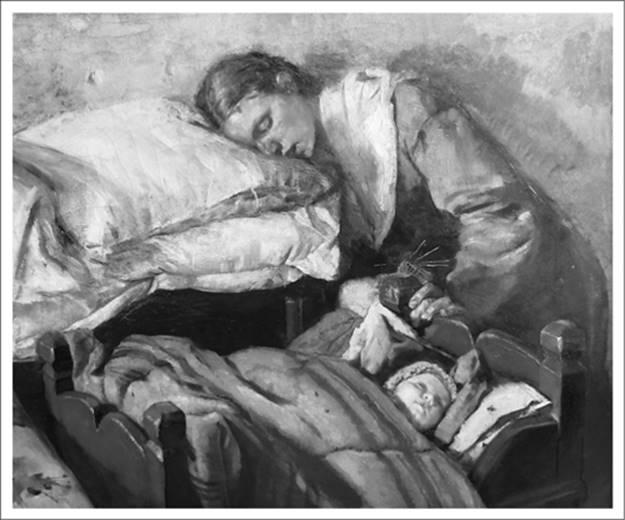
THE MYSTERY. Most women have sleep problems during pregnancy and after the birth of the baby. Sleeplessness can be severe, often caused by disorders such as restless legs syndrome, preeclampsia, and sleep apnea.
معما. اکثر زنان در دوران بارداری و پس از تولد نوزاد دچار مشکلات خواب میشوند. بیخوابی میتواند شدید باشد و اغلب ناشی از اختلالاتی مانند سندرم پای بیقرار، پرهاکلامپسی و آپنه خواب است.
The Case of the Sleepy New Mother
Three months after giving birth to her first baby, a twenty-nine-year-old woman came to see me at the sleep clinic in a state of total exhaustion. Although most new mothers can expect to be fatigued by the demands of caring for a newborn, this woman’s lack of restful sleep was affecting the quality of her life and the care she gave her baby—she could not stay awake long enough during the day to care for him properly. She fell asleep while watching television or reading, during conversations, and even sometimes when driving her car, in spite of drinking six to eight cups of coffee a day.
ماجرای مادر خوابآلود
سه ماه پس از تولد اولین فرزندش، زنی بیست و نه ساله در حالی که کاملاً خسته بود به کلینیک خواب مراجعه کرد. اگرچه انتظار میرود اکثر مادران جدید به دلیل مراقبت از نوزاد خسته باشند، اما کمبود خواب راحت در این زن بر کیفیت زندگی و مراقبتی که از نوزادش میکرد، تأثیر میگذاشت – او نمیتوانست در طول روز به اندازه کافی بیدار بماند تا به درستی از او مراقبت کند. او هنگام تماشای تلویزیون یا مطالعه، در حین مکالمه و حتی گاهی اوقات هنگام رانندگی، با وجود نوشیدن شش تا هشت فنجان قهوه در روز، به خواب میرفت.
More disturbing was the fact that her sleep problems had started during pregnancy, and because they went untreated she and her doctor had unknowingly put her life and the life of her child at risk. I was not surprised to find out that her full-term baby was underweight at birth—only five pounds, ten ounces—and that she had had two previous miscarriages. As I took her history, more details emerged. The patient had been thirty or forty pounds overweight before her pregnancy and had experienced daytime sleepiness for about ten years, but the sleepiness had become much more severe once her pregnancy began. When she was six months pregnant, she spoke to her doctor about this problem. She explained that she had become uncontrollably sleepy, often falling asleep even when she did not want to. Her snoring had also become much worse since her pregnancy began, and her husband had noticed for at least five years that she stopped breathing when she was asleep. Her doctor told her that it was possible that she had sleep apnea. But the doctor also advised her not to get any tests or treatment for her sleep disorder during pregnancy, explaining that it would be much safer to wait until the baby was born. Like many doctors, hers did not understand the serious health consequences of women’s sleep disorders.
نگرانکنندهتر این واقعیت بود که مشکلات خواب او از دوران بارداری شروع شده بود و چون درمان نشده بود، او و پزشکش ناخواسته زندگی او و فرزندش را در معرض خطر قرار داده بودند. وقتی فهمیدم که نوزاد رسیدهاش هنگام تولد کم وزن بوده – فقط پنج پوند و ده اونس – و اینکه او دو سقط جنین قبلی داشته، تعجب نکردم. وقتی شرح حال او را گرفتم، جزئیات بیشتری آشکار شد. بیمار قبل از بارداری سی یا چهل پوند اضافه وزن داشته و حدود ده سال خوابآلودگی روزانه را تجربه کرده بود، اما با شروع بارداریاش این خوابآلودگی بسیار شدیدتر شده بود. وقتی شش ماهه باردار بود، در مورد این مشکل با پزشکش صحبت کرد. او توضیح داد که به طور غیرقابل کنترلی خوابآلود شده است و اغلب حتی زمانی که نمیخواسته به خواب میرود. خروپف او نیز از زمان شروع بارداریاش بسیار بدتر شده بود و شوهرش حداقل پنج سال متوجه شده بود که او هنگام خواب نفس نمیکشد. پزشکش به او گفت که ممکن است آپنه خواب داشته باشد. اما پزشک همچنین به او توصیه کرد که در دوران بارداری هیچ آزمایش یا درمانی برای اختلال خواب خود انجام ندهد و توضیح داد که صبر کردن تا زمان تولد نوزاد بسیار ایمنتر خواهد بود. مانند بسیاری از پزشکان، پزشک او نیز از عواقب جدی اختلالات خواب زنان برای سلامتی آگاه نبود.
Sleep Disorders During and After Pregnancy
Unfortunately for mothers-to-be, sleep problems are a normal part of pregnancy. A study from 2014 suggests that chronic sleep loss in pregnant women can result in cardiovascular and kidney problems in their offspring. The 1998 National Sleep Foundation poll on Women and Sleep found that almost 80 percent of women report more disturbed sleep during pregnancy than at other times. Most of these women mentioned their frequent need to urinate as the main reason. Other reasons were related to various symptoms of pregnancy: tiredness, pelvic pressure, insomnia, lower back pain, restlessness, leg cramps, and nightmares. Symptoms of chronic sleep disorders, such as restless legs syndrome or sleep apnea, can also appear at this time or can worsen. These symptoms vary within the three trimesters of pregnancy.
اختلالات خواب در دوران بارداری و پس از آن
متاسفانه برای مادران باردار، مشکلات خواب بخش طبیعی از دوران بارداری است. مطالعهای در سال ۲۰۱۴ نشان میدهد که کمخوابی مزمن در زنان باردار میتواند منجر به مشکلات قلبی عروقی و کلیوی در فرزندان آنها شود. نظرسنجی بنیاد ملی خواب در سال ۱۹۹۸ در مورد زنان و خواب نشان داد که تقریباً ۸۰ درصد از زنان در دوران بارداری خواب آشفتهتری نسبت به سایر مواقع گزارش میکنند. اکثر این زنان نیاز مکرر به ادرار کردن را دلیل اصلی آن ذکر کردند. دلایل دیگر مربوط به علائم مختلف بارداری بود: خستگی، فشار لگن، بیخوابی، کمردرد، بیقراری، گرفتگی عضلات پا و کابوس. علائم اختلالات مزمن خواب، مانند سندرم پای بیقرار یا آپنه خواب، نیز میتوانند در این زمان ظاهر شوند یا بدتر شوند. این علائم در سه سه ماهه بارداری متفاوت است.
FIRST TRIMESTER
When they first become pregnant some women feel wonderful. Others feel awful. Some women’s sleep remains normal, while other women sleep poorly from the beginning of their pregnancy and find themselves becoming more tired during the day. As one twenty-nine-year-old first-time mother reported, “I found many short rests during the day and night was all I could do to combat my sleepiness. I don’t think there was one night that I didn’t get up about six or seven times to use the washroom or to get water or simply could not sleep while I was pregnant. I would sleep an hour, then awaken every hour during my whole pregnancy.” This difficulty sleeping is probably due to the effect on the brain of rising progesterone levels. Morning sickness, which is common in the first twelve weeks of pregnancy, can also cause women to awaken with severe nausea. The nausea and vomiting can be extreme and become a serious health risk, as was the case for Kate Middleton, the duchess of Cambridge. This condition is now called “nausea and vomiting of pregnancy.” The only medication approved by the FDA to treat it is a delayed-release combination of doxylamine succinate and pyridoxine hydrochloride (Diclegis).
سه ماهه اول
وقتی برای اولین بار باردار میشوند، برخی از زنان احساس فوقالعادهای دارند. برخی دیگر احساس وحشتناکی دارند. خواب برخی از زنان طبیعی باقی میماند، در حالی که برخی دیگر از ابتدای بارداری خواب ضعیفی دارند و در طول روز خستهتر میشوند. همانطور که یک مادر بیست و نه ساله که برای اولین بار باردار شده بود، گزارش داد: «من متوجه شدم که استراحتهای کوتاه زیادی در طول روز دارم و شب تنها کاری بود که میتوانستم برای مقابله با خوابآلودگیام انجام دهم. فکر نمیکنم شبی بوده باشد که حدود شش یا هفت بار برای استفاده از دستشویی یا آب خوردن از خواب بیدار نشده باشم یا به سادگی در دوران بارداری نتوانم بخوابم. من در تمام دوران بارداریام یک ساعت میخوابیدم و سپس هر ساعت بیدار میشدم.» این مشکل در خواب احتمالاً به دلیل تأثیر افزایش سطح پروژسترون بر مغز است. تهوع صبحگاهی، که در دوازده هفته اول بارداری رایج است، همچنین میتواند باعث شود زنان با حالت تهوع شدید از خواب بیدار شوند. حالت تهوع و استفراغ میتواند شدید باشد و به یک خطر جدی برای سلامتی تبدیل شود، همانطور که برای کیت میدلتون، دوشس کمبریج، اتفاق افتاد. این وضعیت اکنون «تهوع و استفراغ بارداری» نامیده میشود. تنها داروی مورد تایید سازمان غذا و داروی آمریکا (FDA) برای درمان آن، ترکیبی از دوکسیلامین سوکسینات و پیریدوکسین هیدروکلراید (دیکلگیس) با رهایش تأخیری است.
SECOND TRIMESTER
During the second trimester many women experience fatigue or tiredness due to the demands on the body, the carrying of extra weight, and sleep problems related to the enlarging uterus. Some may find that though they are tired and want to spend more time in bed, they have trouble falling asleep and spend much of the night restlessly tossing and turning, trying to find a comfortable position. A more extreme version of this restlessness is a medically diagnosable sleep disorder called restless legs syndrome, an uncontrollable urge to move because of unpleasant tingling sensations in the legs. Some women develop other problems that keep them awake at night such as cramps in their calves or back pains.
سه ماهه دوم
در طول سه ماهه دوم، بسیاری از زنان به دلیل فشار بر بدن، حمل وزن اضافی و مشکلات خواب مربوط به بزرگ شدن رحم، خستگی یا کسالت را تجربه میکنند. برخی ممکن است متوجه شوند که اگرچه خسته هستند و میخواهند زمان بیشتری را در رختخواب بگذرانند، اما در به خواب رفتن مشکل دارند و بیشتر شب را با بیقراری در حال غلت زدن و چرخیدن در رختخواب میگذرانند و سعی میکنند موقعیتی راحت پیدا کنند. نوع شدیدتر این بیقراری، یک اختلال خواب قابل تشخیص پزشکی به نام سندرم پاهای بیقرار است که یک میل غیرقابل کنترل برای حرکت به دلیل احساس سوزن سوزن شدن ناخوشایند در پاها است. برخی از زنان مشکلات دیگری مانند گرفتگی عضلات ساق پا یا کمردرد را تجربه میکنند که آنها را در شب بیدار نگه میدارد.
In the second trimester, women may also start to experience heartburn at night, which may continue until the end of pregnancy. The heartburn is caused by acid from the stomach going back up into the esophagus, the tube that carries food from the throat to the stomach. One contributor to acid reflux is the extra pressure on the stomach caused by the enlarging uterus. There are also muscles at the bottom of the esophagus that normally keep acid from backing up from the stomach. These muscles might not work as well during pregnancy. Having a snack, especially spicy foods, two or three hours before bedtime can bring on or exacerbate this condition.
در سه ماهه دوم، زنان ممکن است سوزش سر دل را نیز در شب تجربه کنند که ممکن است تا پایان بارداری ادامه یابد. سوزش سر دل ناشی از بازگشت اسید معده به مری، لولهای که غذا را از گلو به معده منتقل میکند، است. یکی از عوامل رفلاکس اسید، فشار اضافی بر معده ناشی از بزرگ شدن رحم است. همچنین عضلاتی در انتهای مری وجود دارند که به طور معمول از برگشت اسید از معده جلوگیری میکنند. این عضلات ممکن است در دوران بارداری به خوبی کار نکنند. خوردن میان وعده، به خصوص غذاهای تند، دو یا سه ساعت قبل از خواب میتواند این وضعیت را ایجاد یا تشدید کند.
THIRD TRIMESTER
During the last trimester of pregnancy, a wide range of problems can disrupt sleep. Some women develop nasal congestion, which may cause them to snore or develop the symptoms of sleep apnea. Some women have a marked worsening of restless legs syndrome. Others become breathless if they lie in certain positions or experience severe back pains that interfere with their sleep. Closer to the birth, breathing may also become more difficult because the uterus enlarges to the point where it pushes up on the diaphragm, the major breathing muscle. As pregnancy continues, the woman’s sleep becomes more and more difficult because the discomfort and sensations caused by the baby’s movements can lead to general overall restlessness. It is not uncommon for an expectant mother to stay awake all night toward the end of her pregnancy. I have seen some women who are completely unable to sleep twenty-four hours before going into labor. (Some also start to demonstrate nesting ‘margin-top:12.0pt;margin-right:0cm; margin-bottom:1.2pt;margin-left:0cm;text-align:center;text-indent:1.2pt; line-height:normal’>MULTIPLE-BIRTH PREGNANCIES
سه ماهه سوم
در طول سه ماهه آخر بارداری، طیف وسیعی از مشکلات میتواند خواب را مختل کند. برخی از زنان دچار گرفتگی بینی میشوند که ممکن است باعث خروپف یا بروز علائم آپنه خواب شود. برخی از زنان به طور قابل توجهی سندرم پای بیقرار را بدتر میکنند. برخی دیگر اگر در موقعیتهای خاصی دراز بکشند، دچار تنگی نفس میشوند یا کمردرد شدیدی را تجربه میکنند که در خواب آنها اختلال ایجاد میکند. با نزدیک شدن به زایمان، تنفس نیز ممکن است دشوارتر شود زیرا رحم تا جایی بزرگ میشود که به دیافراگم، عضله اصلی تنفس، فشار میآورد. با ادامه بارداری، خواب زن دشوارتر و دشوارتر میشود زیرا ناراحتی و احساسات ناشی از حرکات کودک میتواند منجر به بیقراری عمومی شود. برای یک مادر باردار غیرمعمول نیست که تمام شب را تا پایان بارداری خود بیدار بماند. من زنانی را دیدهام که بیست و چهار ساعت قبل از زایمان کاملاً قادر به خوابیدن نیستند. (بعضیها همچنین شروع به نمایش چیدمان تودرتو میکنند ‘margin-top:12.0pt;margin-right:0cm; margin-bottom:1.2pt;margin-left:0cm;text-align:center;text-indent:1.2pt;line-height:normal’>بارداریهای چندقلویی
The sleep problems pregnant women encounter are magnified for women who carry more than one baby. Giving birth to several babies has become more common owing to advances in fertility treatments. And because the uterus can enlarge dramatically in women carrying several babies, the discomfort can be greater. Most women who are pregnant with more than one baby can only sleep on their sides. They cannot lie on their stomachs, and sleeping on their backs often results in breathing difficulties. The nutritional demands of the developing babies make the mother more likely to develop an iron or vitamin deficiency. Mothers carrying several babies often need to go to the hospital or be placed on bed rest before their due date to prevent giving birth prematurely.
مشکلات خواب زنان باردار برای زنانی که بیش از یک نوزاد دارند، بیشتر است. به دلیل پیشرفت در درمانهای ناباروری، زایمان چند نوزاد شایعتر شده است. و از آنجا که رحم در زنانی که چند نوزاد دارند، میتواند به طور چشمگیری بزرگ شود، ناراحتی میتواند بیشتر باشد. اکثر زنانی که بیش از یک نوزاد باردار هستند، فقط میتوانند به پهلو بخوابند. آنها نمیتوانند روی شکم دراز بکشند و خوابیدن به پشت اغلب منجر به مشکلات تنفسی میشود. نیازهای تغذیهای نوزادان در حال رشد، مادر را بیشتر در معرض کمبود آهن یا ویتامین قرار میدهد. مادرانی که چندین نوزاد دارند، اغلب باید قبل از تاریخ زایمان به بیمارستان بروند یا در رختخواب استراحت کنند تا از زایمان زودرس جلوگیری شود.
SLEEP DISORDERS FOLLOWING THE BIRTH OF THE BABY
When the mother gives birth she experiences a dramatic drop in her progesterone level, at the same time that other hormones are starting to kick in so that she will be able to breastfeed. After the baby is born, if there are no complications for the mother or the baby, the mother’s sleep can return to normal fairly quickly, although “normal” is a relative term while she’s doing frequent night feedings. During delivery, excessive blood loss can occur. Additionally, some women develop an iron deficiency during pregnancy because the developing baby saps iron from the mother. The iron deficiency combined with the blood loss can lead to anemia (low red blood cell count). This can result in severe daytime fatigue, especially if the new mother is also suffering from sleep deprivation because she is awakened for nocturnal feedings or by the baby’s crying. If the baby was delivered by caesarean section, the mother may also experience substantial pain and discomfort, which can contribute to poor sleep.
اختلالات خواب پس از تولد نوزاد
هنگامی که مادر زایمان میکند، سطح پروژسترون او به طور چشمگیری کاهش مییابد، همزمان با اینکه هورمونهای دیگر شروع به ترشح میکنند تا او بتواند شیر دهد. پس از تولد نوزاد، اگر هیچ عارضهای برای مادر یا نوزاد وجود نداشته باشد، خواب مادر میتواند به سرعت به حالت عادی برگردد، اگرچه “عادی” یک اصطلاح نسبی است، در حالی که او مرتباً در طول شب شیر میخورد. در طول زایمان، ممکن است خونریزی بیش از حد رخ دهد. علاوه بر این، برخی از زنان در دوران بارداری دچار کمبود آهن میشوند زیرا نوزاد در حال رشد، آهن را از مادر میگیرد. کمبود آهن همراه با خونریزی میتواند منجر به کمخونی (کاهش تعداد گلبولهای قرمز خون) شود. این میتواند منجر به خستگی شدید در طول روز شود، به خصوص اگر مادر جدید نیز از کمبود خواب رنج میبرد زیرا برای تغذیه شبانه یا گریه نوزاد بیدار میشود. اگر نوزاد از طریق سزارین به دنیا آمده باشد، مادر ممکن است درد و ناراحتی قابل توجهی را نیز تجربه کند که میتواند به خواب ضعیف کمک کند.
Dealing with Sleep Problems in Pregnancy
INSOMNIA
In addition to the two sleep disorders that are often seen in pregnant women—sleep apnea and restless legs syndrome—the normal discomfort, pain, and varied sensations associated with feeling the baby develop inside her can cause the mother to experience insomnia. This can be dangerous, for lack of sleep has been associated with a higher rate of miscarriage. It is important for expectant mothers to get the sleep they need during pregnancy. In Chapter 10, I offer suggestions for sufferers from insomnia, but some need to be modified for pregnant women.
مقابله با مشکلات خواب در دوران بارداری
بیخوابی
علاوه بر دو اختلال خواب که اغلب در زنان باردار مشاهده میشود – آپنه خواب و سندرم پای بیقرار – ناراحتی، درد و احساسات متنوع طبیعی مرتبط با احساس رشد کودک در درون او میتواند باعث شود مادر دچار بیخوابی شود. این میتواند خطرناک باشد، زیرا کمبود خواب با میزان بالاتر سقط جنین مرتبط بوده است. برای مادران باردار مهم است که در دوران بارداری خواب مورد نیاز خود را داشته باشند. در فصل 10، پیشنهاداتی برای مبتلایان به بیخوابی ارائه میدهم، اما برخی از آنها باید برای زنان باردار اصلاح شوند.
First of all, I must caution pregnant women seeking relief against using some remedies that they might have used to combat insomnia before pregnancy. Sleeping pills, alcohol, or over-the-counter medications and herbals are not recommended to help pregnant women sleep through the night. Scientists do not know what long-term risks to the baby these medications or supplements might entail. But there are other options, involving behavior modification, open to pregnant women suffering from insomnia that can offer them some much-needed relief.
اول از همه، باید به زنان بارداری که به دنبال تسکین هستند، در مورد استفاده از برخی داروهایی که ممکن است قبل از بارداری برای مقابله با بیخوابی استفاده کرده باشند، هشدار دهم. قرصهای خواب، الکل یا داروهای بدون نسخه و گیاهان دارویی برای کمک به خواب زنان باردار در طول شب توصیه نمیشوند. دانشمندان نمیدانند که این داروها یا مکملها چه خطرات بلندمدتی برای نوزاد دارند. اما گزینههای دیگری، از جمله اصلاح رفتار، برای زنان بارداری که از بیخوابی رنج میبرند، وجود دارد که میتواند تسکین بسیار مورد نیاز آنها را فراهم کند.
Short naps can be extremely helpful. The emphasis should be on short—too long a nap might interfere with nighttime sleep. A good time to nap is in the early afternoon, and the naps should be no longer than twenty to forty minutes.
چرتهای کوتاه میتوانند بسیار مفید باشند. تأکید باید روی کوتاه بودن باشد – چرت زدن بیش از حد طولانی ممکن است در خواب شبانه اختلال ایجاد کند. زمان مناسب برای چرت زدن اوایل بعد از ظهر است و چرتها نباید بیش از بیست تا چهل دقیقه باشد.
Women who get heartburn at night should avoid spicy food, acidic fruit juices, and alcohol. They should not eat big meals and probably not eat anything in the two to three hours before they go to bed. Even naps should be put off until at least a half hour after eating. If the heartburn is severe, women may want to change their position during sleep, leaning against several pillows or even resting in a recliner. Women whose heartburn seriously interferes with their sleep should consult a doctor, who might prescribe an antacid such as Tums, which will have the added benefit of providing calcium. A glass of skim milk could offer temporary relief, but pregnant women should avoid whole milk, which can cause more acid to form. Expectant mothers should be careful not to drink too much milk to relieve heartburn as the calories can lead them to put on extra weight, which can in turn lead to sleep apnea.
زنانی که شبها دچار سوزش سر دل میشوند باید از غذاهای تند، آبمیوههای اسیدی و الکل پرهیز کنند. آنها نباید وعدههای غذایی حجیم بخورند و احتمالاً دو تا سه ساعت قبل از خواب چیزی نخورند. حتی چرت زدن هم باید حداقل تا نیم ساعت بعد از غذا خوردن به تعویق بیفتد. اگر سوزش سر دل شدید باشد، زنان میتوانند وضعیت خود را در طول خواب تغییر دهند، به چند بالش تکیه دهند یا حتی روی صندلی راحتی استراحت کنند. زنانی که سوزش سر دل آنها به طور جدی در خوابشان اختلال ایجاد میکند، باید با پزشک مشورت کنند تا یک آنتیاسید مانند تامز تجویز کند که مزیت اضافی تأمین کلسیم را نیز دارد. یک لیوان شیر بدون چربی میتواند تسکین موقت ایجاد کند، اما زنان باردار باید از شیر کامل پرهیز کنند، زیرا میتواند باعث تشکیل اسید بیشتر شود. مادران باردار باید مراقب باشند که برای تسکین سوزش سر دل شیر زیاد ننوشند زیرا کالری میتواند منجر به افزایش وزن آنها شود که به نوبه خود میتواند منجر به آپنه خواب شود.
Perhaps the most effective way for pregnant women to fight insomnia is to experiment with sleeping positions until they find the most comfortable one. Most women have to train themselves to sleep in a different position from those they used before pregnancy. For instance, women who tended to sleep on their stomachs can no longer do this and women who slept on their backs might now find it too difficult to breathe. Sleeping flat on the back might also result in the uterus pressing on the main artery of the woman’s body, the aorta, which could reduce blood flow to the baby. For many women, sleeping on the side becomes the most comfortable position; it will also increase blood flow to the baby by relieving pressure on the aorta. Women who are not used to sleeping on their sides might find that putting a pillow between their knees can improve their comfort level.
شاید مؤثرترین راه برای زنان باردار برای مبارزه با بیخوابی، آزمایش حالتهای مختلف خواب باشد تا زمانی که راحتترین حالت را پیدا کنند. اکثر زنان باید خود را برای خوابیدن در حالتی متفاوت از حالتهای قبل از بارداری آموزش دهند. به عنوان مثال، زنانی که تمایل به خوابیدن روی شکم داشتند، دیگر نمیتوانند این کار را انجام دهند و زنانی که به پشت میخوابیدند، اکنون ممکن است نفس کشیدن برایشان بسیار دشوار باشد. خوابیدن به پشت همچنین ممکن است منجر به فشار رحم بر شریان اصلی بدن زن، آئورت، شود که میتواند جریان خون به نوزاد را کاهش دهد. برای بسیاری از زنان، خوابیدن به پهلو راحتترین حالت میشود. همچنین با کاهش فشار بر آئورت، جریان خون به نوزاد را افزایش میدهد. زنانی که به خوابیدن به پهلو عادت ندارند، ممکن است متوجه شوند که قرار دادن بالش بین زانوهایشان میتواند سطح راحتی آنها را بهبود بخشد.
Unfortunately, there is no absolute remedy for pregnancy-related sleeplessness except giving birth.
متأسفانه، هیچ درمان قطعی برای بیخوابی مرتبط با بارداری به جز زایمان وجود ندارد.
RESTLESS LEGS SYNDROME
Restless legs syndrome (RLS) frequently occurs during pregnancy. (See Chapter 11 for a fuller discussion of RLS.) Many women with RLS recall that their first episode of the disorder occurring during a pregnancy. Women with RLS feel an irresistible urge to move their legs while they are trying to sleep. Moving or walking relieves this urge. In some patients, RLS is inherited. Women who have inherited RLS are much more likely to have increased symptoms of restlessness and a crawly sensation under their skin during pregnancy.
سندرم پای بیقرار
سندرم پای بیقرار (RLS) اغلب در دوران بارداری رخ میدهد. (برای بحث کاملتر در مورد RLS به فصل 11 مراجعه کنید.) بسیاری از زنان مبتلا به RLS به یاد میآورند که اولین دوره این اختلال در دوران بارداری آنها رخ داده است. زنان مبتلا به RLS هنگام تلاش برای خوابیدن، میل شدیدی به تکان دادن پاهای خود احساس میکنند. حرکت یا راه رفتن این میل را تسکین میدهد. در برخی از بیماران، RLS ارثی است. زنانی که RLS ارثی دارند، احتمال بیشتری دارد که در دوران بارداری علائم بیقراری و احساس خزش زیر پوست خود را افزایش دهند.
A study done at the University of California, published in 2001, focused on the likelihood of women developing RLS during pregnancy. None of the women studied had the syndrome before they became pregnant, but by the end of their pregnancies, 23 percent of them were afflicted. They also experienced insomnia and a depressed mood. Those who developed RLS were found to have iron deficiencies and/or folic acid deficiencies before becoming pregnant, both known causes of RLS. Women with an iron deficiency should have it treated. So common sense—as well as research reported in 2015—mandates that women who develop restless legs syndrome during pregnancy should have their iron status checked by a doctor, who will probably prescribe a multivitamin preparation containing folic acid. Pregnant women need to keep their folic acid levels up for another reason as well: studies have shown that mothers who take folic acid are less likely to have children born with a neurological malformation.
مطالعهای که در دانشگاه کالیفرنیا انجام شد و در سال ۲۰۰۱ منتشر شد، بر احتمال ابتلای زنان به سندرم پای بیقرار در دوران بارداری تمرکز داشت. هیچ یک از زنان مورد مطالعه قبل از بارداری به این سندرم مبتلا نبودند، اما تا پایان بارداری، ۲۳ درصد از آنها به آن مبتلا بودند. آنها همچنین بیخوابی و خلق و خوی افسرده را تجربه کردند. مشخص شد کسانی که به سندرم پای بیقرار مبتلا شدند، قبل از بارداری دچار کمبود آهن و/یا کمبود اسید فولیک بودند که هر دو از علل شناخته شده سندرم پای بیقرار هستند. زنانی که کمبود آهن دارند باید تحت درمان قرار گیرند. بنابراین عقل سلیم – و همچنین تحقیقات گزارش شده در سال ۲۰۱۵ – حکم میکند که زنانی که در دوران بارداری به سندرم پای بیقرار مبتلا میشوند، باید وضعیت آهن خود را توسط پزشک بررسی کنند که احتمالاً یک مولتی ویتامین حاوی اسید فولیک تجویز میکند. زنان باردار به دلیل دیگری نیز باید سطح اسید فولیک خود را بالا نگه دارند: مطالعات نشان داده است که مادرانی که اسید فولیک مصرف میکنند، احتمال کمتری دارد که فرزندانی با ناهنجاری عصبی به دنیا بیاورند.
RLS can be miserable for pregnant women. They may develop restlessness in their legs, not only at night but during the day as well. A detailed review published in 2015 summarized treatment options and concluded that not one drug treatment for RLS was both safe and effective during pregnancy or while the mother was breastfeeding. The treatments that could be considered were mild to moderate exercise (most women learn that walking often helps), massage, pneumatic compression devices, iron therapy, and yoga, as well as treatment of sleep apnea if that were also present. One pneumatic compression device consists of a wrap around the lower leg that is inflated for five seconds every minute. This is used for an hour in the evening. Similar devices that are used to prevent blood clots in the legs might also be effective. The FDA has approved a device (Relaxis) that applies vibrations to the legs.
سندرم پای بیقرار میتواند برای زنان باردار آزاردهنده باشد. آنها ممکن است نه تنها در شب، بلکه در طول روز نیز دچار بیقراری در پاهای خود شوند. یک بررسی دقیق که در سال ۲۰۱۵ منتشر شد، گزینههای درمانی را خلاصه کرد و نتیجه گرفت که هیچ درمان دارویی برای سندرم پای بیقرار در دوران بارداری یا در دوران شیردهی مادر، هم ایمن و هم مؤثر نیست. درمانهایی که میتوان در نظر گرفت عبارتند از ورزش خفیف تا متوسط (بیشتر زنان متوجه میشوند که پیادهروی اغلب کمک میکند)، ماساژ، دستگاههای فشردهسازی پنوماتیک، آهندرمانی و یوگا، و همچنین درمان آپنه خواب در صورت وجود آن. یک دستگاه فشردهسازی پنوماتیک شامل یک نوار دور ساق پا است که هر دقیقه به مدت پنج ثانیه باد میشود. این دستگاه به مدت یک ساعت در عصر استفاده میشود. دستگاههای مشابهی که برای جلوگیری از لخته شدن خون در پاها استفاده میشوند نیز ممکن است مؤثر باشند. سازمان غذا و داروی آمریکا (FDA) دستگاهی (Relaxis) را تأیید کرده است که ارتعاشاتی را به پاها اعمال میکند.
In most women, restless legs syndrome goes away with childbirth, although for some women the symptoms brought on by pregnancy can go on indefinitely. These women may benefit from seeing their doctor.
در بیشتر زنان، سندرم پای بیقرار با زایمان از بین میرود، اگرچه برای برخی از زنان، علائم ناشی از بارداری میتواند به طور نامحدود ادامه یابد. این زنان ممکن است از مراجعه به پزشک سود ببرند.
SNORING
About a third of pregnant women snore. Since women are less prone to snoring than men, often the first time a woman snores is when she is pregnant. A 2015 study reported that pregnant women who snore and otherwise score high on a sleep apnea questionnaire are more likely to develop high blood pressure and to need a cesarean section. Some research studies have shown a frightening connection between snoring and a potentially dangerous medical condition called preeclampsia, a form of high blood pressure that can occur during pregnancy. Preeclampsia causes damage to the kidneys, which results in a great deal of protein being lost in the urine. Studies have found that pregnant women who snore are twice as likely to develop preeclampsia than those who do not snore, and women with preeclampsia are twice as likely to have smaller babies than those without it. Affecting about 7 percent of pregnant women, preeclampsia usually begins after twenty weeks into the pregnancy. Blood pressure goes up, causing damage to the kidneys. Women may experience few obvious symptoms, as high blood pressure and kidney problems can be difficult to detect without testing, though early in the pregnancy sufferers might have headaches or severe swelling of the ankles, or might have swelling of the face. The most obvious indicator is often snoring. (Some women who snore during pregnancy might have sleep apnea, which is discussed below.)
خروپف
حدود یک سوم زنان باردار خروپف میکنند. از آنجایی که زنان کمتر از مردان مستعد خروپف هستند، اغلب اولین باری که یک زن خروپف میکند، دوران بارداری است. یک مطالعه در سال ۲۰۱۵ گزارش داد که زنان بارداری که خروپف میکنند و در پرسشنامه آپنه خواب نمره بالایی میگیرند، بیشتر احتمال دارد که به فشار خون بالا مبتلا شوند و نیاز به سزارین داشته باشند. برخی مطالعات تحقیقاتی ارتباط ترسناکی بین خروپف و یک بیماری بالقوه خطرناک به نام پره اکلامپسی، نوعی فشار خون بالا که میتواند در دوران بارداری رخ دهد، نشان دادهاند. پره اکلامپسی باعث آسیب به کلیهها میشود که منجر به از دست رفتن مقدار زیادی پروتئین در ادرار میشود. مطالعات نشان داده است که زنان بارداری که خروپف میکنند، دو برابر بیشتر از زنانی که خروپف نمیکنند، در معرض ابتلا به پره اکلامپسی هستند و زنان مبتلا به پره اکلامپسی دو برابر بیشتر از زنان بدون آن، نوزادان کوچکتری به دنیا میآورند. پره اکلامپسی که حدود ۷ درصد از زنان باردار را تحت تأثیر قرار میدهد، معمولاً پس از بیست هفته از بارداری شروع میشود. فشار خون بالا میرود و باعث آسیب به کلیهها میشود. زنان ممکن است علائم واضح کمی را تجربه کنند، زیرا تشخیص فشار خون بالا و مشکلات کلیوی بدون آزمایش دشوار است، اگرچه در اوایل بارداری، مبتلایان ممکن است سردرد یا تورم شدید مچ پا یا تورم صورت داشته باشند. بارزترین شاخص اغلب خروپف است. (برخی از زنانی که در دوران بارداری خروپف میکنند ممکن است آپنه خواب داشته باشند که در ادامه مورد بحث قرار میگیرد.)
Thus, if a woman begins to snore while she is pregnant, she should have her blood pressure and urine checked, especially if she also suffers from headaches and swollen ankles. About one in twenty women with preeclampsia develops seizures as well as very severe high blood pressure and other problems. This even more serious condition is called eclampsia. Both conditions usually resolve soon after childbirth. Women with preeclampsia or eclampsia require immediate medical care, and some might benefit from a sleep study.
بنابراین، اگر زنی در دوران بارداری شروع به خروپف کند، باید فشار خون و ادرار خود را بررسی کند، به خصوص اگر از سردرد و تورم مچ پا نیز رنج میبرد. حدود یک نفر از هر بیست زن مبتلا به پره اکلامپسی دچار تشنج و همچنین فشار خون بسیار شدید و سایر مشکلات میشود. این بیماری حتی جدیتر، اکلامپسی نامیده میشود. هر دو بیماری معمولاً مدت کوتاهی پس از زایمان بهبود مییابند. زنان مبتلا به پره اکلامپسی یا اکلامپسی نیاز به مراقبت پزشکی فوری دارند و برخی ممکن است از مطالعه خواب بهرهمند شوند.
The dangers these conditions present highlight the importance of talking with a doctor about sleep problems—even seemingly insignificant ones such as snoring.
خطراتی که این شرایط ایجاد میکنند، اهمیت صحبت با پزشک در مورد مشکلات خواب – حتی موارد به ظاهر بیاهمیتی مانند خروپف – را برجسته میکند.
SLEEP APNEA
Some women experience sleep apnea before they become pregnant, and the condition worsens during pregnancy. In other women, the apnea develops during pregnancy. Screening for apnea by questionnaire can be useful in the second and third trimesters. The symptoms are similar to those of sleep apnea in women who are not pregnant: snoring, pauses in breathing during sleep, and severe daytime sleepiness. Some of the medical issues that occur during pregnancy have now been linked to sleep apnea in the mother. These include high blood pressure and gestational diabetes.
آپنه خواب
بعضی از زنان قبل از بارداری دچار آپنه خواب میشوند و این وضعیت در دوران بارداری بدتر میشود. در برخی دیگر از زنان، آپنه در دوران بارداری ایجاد میشود. غربالگری آپنه با استفاده از پرسشنامه میتواند در سه ماهه دوم و سوم مفید باشد. علائم آن مشابه علائم آپنه خواب در زنانی است که باردار نیستند: خروپف، مکث در تنفس در طول خواب و خوابآلودگی شدید در طول روز. برخی از مشکلات پزشکی که در دوران بارداری رخ میدهد، اکنون با آپنه خواب در مادر مرتبط دانسته شده است. این موارد شامل فشار خون بالا و دیابت بارداری است.
Research reported in 2010 and 2013 showed that when a pregnant woman has symptoms of sleep apnea she is more likely to have pregnancy-induced hypertension, preeclampsia, and gestational diabetes, or to require a cesarean delivery. Research reported in 2016 showed that mothers with sleep apnea are at greater risk of giving birth prematurely. The baby is liable to be less vigorous or to need to spend time in a Neonatal Intensive Care Unit. Some babies of mothers with sleep apnea might be large for their gestational age, and thus more prone to hypoglycemia, whereas others might be smaller than average at birth and are more likely to develop a metabolic disorder, or even cardiovascular disease, in adulthood.
تحقیقات گزارششده در سالهای ۲۰۱۰ و ۲۰۱۳ نشان داد که وقتی یک زن باردار علائم آپنه خواب را دارد، احتمال ابتلا به فشار خون بالا ناشی از بارداری، پره اکلامپسی و دیابت بارداری یا نیاز به سزارین در او بیشتر است. تحقیقات گزارششده در سال ۲۰۱۶ نشان داد که مادران مبتلا به آپنه خواب در معرض خطر بیشتری برای زایمان زودرس هستند. نوزاد ممکن است از نظر جسمی ضعیفتر باشد یا نیاز به بستری شدن در بخش مراقبتهای ویژه نوزادان داشته باشد. برخی از نوزادان مادران مبتلا به آپنه خواب ممکن است برای سن بارداری خود بزرگ باشند و بنابراین بیشتر مستعد ابتلا به هیپوگلیسمی باشند، در حالی که برخی دیگر ممکن است در هنگام تولد کوچکتر از حد متوسط باشند و احتمال ابتلا به اختلال متابولیک یا حتی بیماری قلبی عروقی در بزرگسالی در آنها بیشتر باشد.
It has also been suggested that women with sleep apnea are more likely to have miscarriages. The danger of sleep apnea is that the blood oxygen level in the mother can drop to very low levels. Because the baby is dependent on the mother for oxygen, a pregnant woman with sleep apnea must be treated as soon as possible. The usual treatment is continuous positive airway pressure (CPAP), a mask worn over the nose connected by a hose to a machine that increases pressure in the breathing passage. The system can be used by people who sleep on their sides, as many pregnant women do.
همچنین گفته شده است که زنان مبتلا به آپنه خواب بیشتر در معرض سقط جنین هستند. خطر آپنه خواب این است که سطح اکسیژن خون مادر میتواند به سطوح بسیار پایینی کاهش یابد. از آنجا که نوزاد برای اکسیژن به مادر وابسته است، یک زن باردار مبتلا به آپنه خواب باید در اسرع وقت تحت درمان قرار گیرد. درمان معمول، فشار مثبت مداوم راه هوایی (CPAP) است، ماسکی که روی بینی قرار میگیرد و توسط شلنگ به دستگاهی متصل میشود که فشار در مجرای تنفسی را افزایش میدهد. این سیستم میتواند توسط افرادی که به پهلو میخوابند، مانند بسیاری از زنان باردار، مورد استفاده قرار گیرد.
In addition to the risks a pregnant woman’s sleep apnea presents to her fetus are the problems it presents for her not only during pregnancy but after the baby is born, when the new mother will have many responsibilities. Treatment of her sleep apnea can help ensure that she gets a good night’s sleep and be wide awake and alert during the day to cope with the demands of her baby. Dealing with the needs of a new baby is not easy for any woman, but it is extremely difficult for a woman with untreated sleep apnea. The first pregnant woman I saw who had sleep apnea had to be started on emergency treatment immediately after delivering the baby because there was no one else to care for her child.
علاوه بر خطراتی که آپنه خواب یک زن باردار برای جنینش ایجاد میکند، مشکلاتی نیز وجود دارد که نه تنها در دوران بارداری، بلکه پس از تولد نوزاد، زمانی که مادر مسئولیتهای زیادی خواهد داشت، برای او ایجاد میکند. درمان آپنه خواب میتواند به او کمک کند تا خواب شبانه خوبی داشته باشد و در طول روز بیدار و هوشیار باشد تا بتواند از عهده خواستههای نوزادش برآید. رسیدگی به نیازهای یک نوزاد برای هر زنی آسان نیست، اما برای زنی که آپنه خواب درمان نشده دارد، بسیار دشوار است. اولین زن بارداری که من دیدم که آپنه خواب داشت، مجبور شد بلافاصله پس از زایمان نوزاد، تحت درمان اورژانسی قرار گیرد، زیرا هیچ کس دیگری برای مراقبت از فرزندش وجود نداشت.
Postpartum Sleep Problems
SLEEP DEPRIVATION
The sleep difficulties seen during pregnancy are often followed by sleep deprivation after the baby is born. About 20 percent of immediately postpartum mothers may have sleep apnea. The new obligations involved in caring for the baby eat away at the mother’s time. For breastfeeding mothers, one of these is waking up at night to feed the baby. Often a newborn baby sleeps in the parents’ bedroom or bed, and can disturb new mothers who are trying to sleep. Mothers who can get outside help should do so. They should also make a point of napping when the baby naps. Finally, new mothers should be careful not to drive when sleepy.
مشکلات خواب پس از زایمان
کمبود خواب
مشکلات خواب مشاهده شده در دوران بارداری اغلب پس از تولد نوزاد با کمبود خواب همراه است. حدود 20 درصد از مادران بلافاصله پس از زایمان ممکن است دچار آپنه خواب شوند. تعهدات جدید مربوط به مراقبت از نوزاد، زمان مادر را از بین میبرد. برای مادران شیرده، یکی از این موارد بیدار شدن در شب برای شیر دادن به نوزاد است. اغلب نوزاد تازه متولد شده در اتاق خواب یا تخت والدین میخوابد و میتواند مادران جدیدی را که سعی در خوابیدن دارند، مختل کند. مادرانی که میتوانند از بیرون کمک بگیرند، باید این کار را انجام دهند. آنها همچنین باید هنگام چرت زدن نوزاد، چرت زدن را نیز در نظر بگیرند. در نهایت، مادران جدید باید مراقب باشند که هنگام خوابآلودگی رانندگی نکنند.
MOOD CHANGES AND DEPRESSION
Although new mothers are usually euphoric after giving birth, some women have changes in mood that can range from feeling temporarily blue to having an episode of full-blown clinical depression. Sleeplessness is a common symptom of depression. It is believed that these abnormal moods are caused by reduction in the levels of the hormone progesterone. Women who have severe depression after childbirth often have had previous depressive episodes, although those episodes might not have been diagnosed. Postpartum depression can have devastating results (for example, depressed mothers might commit suicide or harm the newborn), and new mothers who have depressive symptoms should receive immediate medical attention. I discuss these symptoms fully in Chapter 16.
تغییرات خلقی و افسردگی
اگرچه مادران جدید معمولاً پس از زایمان سرخوش هستند، اما برخی از زنان تغییراتی در خلق و خو دارند که میتواند از احساس موقت غم تا یک دوره افسردگی بالینی کامل متغیر باشد. بیخوابی یکی از علائم رایج افسردگی است. اعتقاد بر این است که این حالات غیرطبیعی ناشی از کاهش سطح هورمون پروژسترون است. زنانی که پس از زایمان دچار افسردگی شدید میشوند، اغلب دورههای افسردگی قبلی را تجربه کردهاند، اگرچه ممکن است آن دورهها تشخیص داده نشده باشند. افسردگی پس از زایمان میتواند نتایج مخربی داشته باشد (به عنوان مثال، مادران افسرده ممکن است خودکشی کنند یا به نوزاد آسیب برسانند) و مادران جدیدی که علائم افسردگی دارند باید فوراً تحت مراقبت پزشکی قرار گیرند. من در فصل 16 به طور کامل در مورد این علائم بحث خواهم کرد.
Back to the Sleepy New Mother
We gave the patient a sleep test to measure how many times she stopped breathing while she slept. The test revealed that she had severe obstructive sleep apnea syndrome, which caused her to stop breathing 136 times an hour, and almost every time her breathing stopped, her brain awakened for a few seconds. Stopping breathing more than 5 times an hour is considered significant, so this new mother’s sleep apnea was extremely severe. When breathing stops, the amount of oxygen in the blood decreases. Correspondingly, her blood oxygen level dropped to dangerous levels; she spent about 11 percent of her sleep time with her blood oxygen level below 80 percent. During these episodes, 20 percent of her blood was not carrying oxygen, which put great stress on her cardiovascular system. (These oxygen levels are typical in people sleeping at fifteen-thousand-foot altitudes but abnormal for those at sea level.) The sleep apnea was putting her life and the life of her child at risk and was the probable cause of the baby’s low birth weight.
برگردیم به مادر خوابآلود جدید
ما از بیمار تست خواب گرفتیم تا تعداد دفعاتی که در طول خواب نفسش بند میآید را اندازهگیری کنیم. این آزمایش نشان داد که او سندرم آپنه انسدادی خواب شدید دارد که باعث میشود ۱۳۶ بار در ساعت نفسش بند بیاید و تقریباً هر بار که نفسش بند میآید، مغزش برای چند ثانیه بیدار میشود. قطع تنفس بیش از ۵ بار در ساعت قابل توجه تلقی میشود، بنابراین آپنه خواب این مادر بسیار شدید بود. وقتی نفسش قطع میشود، میزان اکسیژن خون کاهش مییابد. به همین ترتیب، سطح اکسیژن خون او به سطوح خطرناکی کاهش یافت. او حدود ۱۱ درصد از زمان خواب خود را با سطح اکسیژن خون زیر ۸۰ درصد گذراند. در طول این دورهها، ۲۰ درصد از خون او اکسیژن حمل نمیکرد که فشار زیادی بر سیستم قلبی عروقی او وارد میکرد. (این سطوح اکسیژن در افرادی که در ارتفاعات پانزده هزار پایی میخوابند معمول است اما برای افرادی که در سطح دریا هستند غیرطبیعی است.) آپنه خواب زندگی او و فرزندش را در معرض خطر قرار میداد و علت احتمالی وزن کم نوزاد هنگام تولد بود.
After the first sleep test, which confirmed her severe sleep apnea, the sleepy new mother was tested on a CPAP mask. The result was a dramatic improvement—her apnea episodes disappeared. Her sleep became completely normal and her blood-oxygen levels never again decreased to their previously dangerous lows. Two months later, after using the CPAP at home every night, she told me that she felt great because she was no longer sleepy. “I can’t sleep without [the CPAP],” she said. “Everyone says I’m better.” With the assurance of a good night’s rest, she felt better able to contend with her daily responsibilities.
پس از اولین آزمایش خواب که آپنه خواب شدید او را تأیید کرد، مادر جدید خوابآلود با ماسک CPAP آزمایش شد. نتیجه بهبود چشمگیری بود – دورههای آپنه او ناپدید شد. خواب او کاملاً طبیعی شد و سطح اکسیژن خونش دیگر هرگز به پایینترین حد خطرناک قبلی خود کاهش نیافت. دو ماه بعد، پس از استفاده از CPAP در خانه هر شب، او به من گفت که احساس خوبی دارد زیرا دیگر خوابآلود نیست. او گفت: «من نمیتوانم بدون [CPAP] بخوابم. همه میگویند که من بهتر شدهام.» با اطمینان از استراحت خوب شبانه، او احساس کرد که میتواند مسئولیتهای روزانه خود را بهتر انجام دهد.
Women need to become more aware of the impact of sleep disorders on their health. Although pregnancy is often a time of great joy and excitement for a woman, it can also seriously affect her sleep. The majority of women have problems with sleep during pregnancy, ranging from mild to severe. It is important that women and their doctors know about sleep problems that affect women during normal, multiple-birth, and high-risk pregnancies.
زنان باید از تأثیر اختلالات خواب بر سلامت خود آگاهتر شوند. اگرچه بارداری اغلب زمان شادی و هیجان زیادی برای یک زن است، اما میتواند به طور جدی بر خواب او تأثیر بگذارد. اکثر زنان در دوران بارداری با مشکلات خواب، از خفیف تا شدید، مواجه میشوند. مهم است که زنان و پزشکان آنها در مورد مشکلات خوابی که زنان را در دوران بارداری طبیعی، چندقلویی و پرخطر تحت تأثیر قرار میدهد، آگاه باشند.
Most sleep problems that occur during pregnancy improve after the birth of the baby. The end of a woman’s reproductive years, however, do not signal the end of potential sleep problems. After the onset of menopause, women often find themselves experiencing sleep problems. In the reproductive years, fluctuating sex hormone levels are often the cause of sleep disturbances; in the menopausal years, it is the lack of sex hormones that cause the problems.
بیشتر مشکلات خواب که در دوران بارداری رخ میدهند، پس از تولد نوزاد بهبود مییابند. با این حال، پایان دوران باروری یک زن، به معنای پایان مشکلات احتمالی خواب نیست. پس از شروع یائسگی، زنان اغلب خود را در حال تجربه مشکلات خواب میبینند. در سالهای باروری، نوسان سطح هورمونهای جنسی اغلب علت اختلالات خواب است؛ در سالهای یائسگی، کمبود هورمونهای جنسی است که باعث ایجاد مشکلات میشود.
»
»