
راز خواب؛ جهانی که هرگز نمیخوابد


دعای مطالعه [ نمایش ]
بِسْمِ الله الرَّحْمنِ الرَّحیمِ
اَللّهُمَّ اَخْرِجْنى مِنْ ظُلُماتِ الْوَهْمِ
خدايا مرا بيرون آور از تاريكىهاى وهم،
وَ اَكْرِمْنى بِنُورِ الْفَهْمِ
و به نور فهم گرامى ام بدار،
اَللّهُمَّ افْتَحْ عَلَيْنا اَبْوابَ رَحْمَتِكَ
خدايا درهاى رحمتت را به روى ما بگشا،
وَانْشُرْ عَلَيْنا خَزائِنَ عُلُومِكَ بِرَحْمَتِكَ يا اَرْحَمَ الرّاحِمينَ
و خزانههاى علومت را بر ما باز كن به امید رحمتت اى مهربانترين مهربانان.
کتاب «راز خواب: چرا یک خواب خوب برای زندگی سالمتر و بهتر حیاتی است؟» (The Mystery of Sleep: Why a Good Night’s Rest Is Vital to a Better, Healthier Life) اثر دکتر Meir Kryger، یکی از جامعترین منابع در حوزه علوم اعصاب (Neuroscience) و پزشکی خواب (Sleep Medicine) است که با تلفیق تازهترین پژوهشهای علمی و تجربههای بالینی، اهمیت خواب و نقش حیاتی آن در سلامت جسم و روان را بهروشنی نشان میدهد و پلی میان دانش تخصصی و نیازهای عملی زندگی روزمره برقرار میکند.
ترجمه دقیق این اثر توسط برند علمی آیندهنگاران مغز به مدیریت داریوش طاهری، دسترسی فارسیزبانان به دانش پیشرفته در حوزه خواب و اختلالات آن را ممکن ساخته و رسالتی علمی برای ارتقای سلامت عمومی، درک عمیقتر عملکرد مغز و بهبود کیفیت زندگی فراهم آورده است.
» کتاب راز خواب: چرا استراحت خوب شبانه برای زندگی بهتر و سالمتر حیاتی است
» » فصل ۹؛ جهانی که هرگز نمیخوابد
» The Mystery of Sleep: Why a Good Night’s Rest Is Vital to a Better, Healthier Life
»» Chapter 9; A World That Never Sleeps
در حال ویرایش
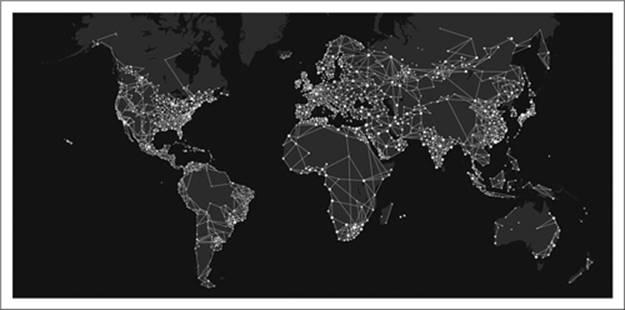
THE MYSTERY. Have humans changed since we conquered the night? Since the invention of the lightbulb, the world never sleeps, but nighttime, irregular-shift, and overtime jobs can contribute to sleep deprivation and health problems.
معما. آیا انسانها از زمانی که شب را فتح کردهاند، تغییر کردهاند؟ از زمان اختراع لامپ، جهان هرگز نمیخوابد، اما مشاغل شبانه، شیفتهای نامنظم و اضافه کاری میتوانند به کمبود خواب و مشکلات سلامتی منجر شوند.
The Case of the Sleepy Bus Driver
Some of the patients who come to see me at the sleep clinic have complaints that must be addressed immediately. Aircraft pilots, air traffic controllers, ship captains, bus drivers, long-haul truckers, medical personnel, and others whose jobs leave no room for error caused by nodding off constitute emergency cases.
مورد راننده اتوبوس خوابآلود
برخی از بیمارانی که در کلینیک خواب به من مراجعه میکنند، شکایاتی دارند که باید فوراً به آنها رسیدگی شود. خلبانان هواپیما، کنترلکنندگان ترافیک هوایی، کاپیتانهای کشتی، رانندگان اتوبوس، رانندگان کامیونهای مسافت طولانی، پرسنل پزشکی و سایر افرادی که شغلشان جایی برای خطای ناشی از چرت زدن باقی نمیگذارد، موارد اورژانسی هستند.
One morning I was consulted by a woman in her early thirties who worked as a public transit bus driver. She was experiencing severe daytime sleepiness and finding it difficult to stay awake on the job. After her supervisor had witnessed her nodding off on a few occasions and threatened disciplinary action, she sought help. We needed to evaluate her to determine whether she had a disease that was making her sleepy and therefore jeopardizing her ability to drive a public bus safely.
یک روز صبح، زنی حدوداً سی ساله که به عنوان راننده اتوبوس حمل و نقل عمومی کار میکرد، با من مشورت کرد. او دچار خوابآلودگی شدید در طول روز بود و بیدار ماندن در محل کار برایش دشوار بود. پس از اینکه سرپرستش چند بار چرت زدن او را مشاهده کرد و تهدید به اقدامات انضباطی کرد، درخواست کمک کرد. ما باید او را ارزیابی میکردیم تا مشخص شود که آیا بیماری دارد که باعث خوابآلودگی او میشود و بنابراین توانایی او را در رانندگی ایمن اتوبوس عمومی به خطر میاندازد یا خیر.
To diagnose the problem, I began by asking her the usual medical questions to see whether she had the symptoms of the major sleep disorders, such as sleep apnea, narcolepsy, and severe insomnia, that normally cause excessive sleepiness. She did not. Then I asked her about other possible medical conditions, including thyroid disease and diabetes, which might be associated with her sleepiness. She had no symptoms of those maladies either. But once she started to describe her daily schedule, I knew I’d found the cause of her sleep problem. She didn’t have a disease that was making her sleepy and impeding her ability to do her job; it was the job itself that was making her sleepy and thus a danger to the public.
برای تشخیص مشکل، ابتدا سوالات پزشکی معمول را از او پرسیدم تا ببینم آیا علائم اختلالات خواب عمده مانند آپنه خواب، نارکولپسی و بیخوابی شدید را که معمولاً باعث خوابآلودگی بیش از حد میشوند، دارد یا خیر. او نداشت. سپس از او در مورد سایر بیماریهای احتمالی، از جمله بیماری تیروئید و دیابت، که ممکن است با خوابآلودگی او مرتبط باشند، پرسیدم. او هیچ علامتی از این بیماریها نیز نداشت. اما وقتی شروع به توصیف برنامه روزانه خود کرد، فهمیدم که علت مشکل خواب او را پیدا کردهام. او بیماریای که باعث خوابآلودگی او و مانع تواناییاش در انجام کارش شود، نداشت. این خودِ شغل بود که باعث خوابآلودگی او و در نتیجه خطری برای عموم میشد.
The Graveyard Shift Can Be Hazardous to Your Health
What if you knew that something you were doing might increase your risk for any or all of the following: breast cancer, abnormal menstrual cycles, obesity, abnormal blood lipids, cardiovascular disease? You would want to know what it was, and you would probably want to do something about it. Well, studies have shown that working night shifts puts workers at greater risk than doing day shifts; in fact, links between work schedules and health risks are becoming more and more clear.
شیفت شب میتواند برای سلامتی شما خطرناک باشد
چه میشد اگر میدانستید کاری که انجام میدهید ممکن است خطر ابتلا به هر یک یا همه موارد زیر را افزایش دهد: سرطان سینه، چرخههای قاعدگی غیرطبیعی، چاقی، چربی خون غیرطبیعی، بیماریهای قلبی عروقی؟ شما میخواهید بدانید که آن چیست و احتمالاً میخواهید کاری در مورد آن انجام دهید. خب، مطالعات نشان دادهاند که کار در شیفت شب، کارگران را در معرض خطر بیشتری نسبت به کار در شیفت روز قرار میدهد. در واقع، ارتباط بین برنامههای کاری و خطرات سلامتی روز به روز بیشتر آشکار میشود.
Many studies have demonstrated possible connections between shift work and health problems such as cancer. A study from Finland in 2008 found that men working night shift were more likely to develop non-Hodgkin lymphoma, a malignancy involving lymph nodes, than those not working night shift. A study from the Fred Hutchinson Cancer Research Center in Seattle in 2001 reported that women working the graveyard shift (midnight to morning) had a 60 percent higher incidence of breast cancer than those not working this shift. A 1996 study of Norwegian radio and telegraph operators showed that late-shift workers had a 50 percent higher incidence of breast cancer than non-shift workers. A study published in 2012 from the Danish Cancer Society showed that shift work may increase the risk for breast cancer and that the largest risk is associated with the most disruptive shifts (either regular night shifts or rotating night and day shifts). Denmark has awarded compensation to shift workers who have developed breast cancer. And research published in 2016 showed that working at night can increase the risk of estrogen-receptor subtypes of breast cancer, especially in premenopausal women.
بسیاری از مطالعات، ارتباط احتمالی بین کار شیفتی و مشکلات سلامتی مانند سرطان را نشان دادهاند. مطالعهای در فنلاند در سال ۲۰۰۸ نشان داد که مردانی که در شیفت شب کار میکنند، نسبت به افرادی که در شیفت شب کار نمیکنند، بیشتر در معرض ابتلا به لنفوم غیر هوچکین، یک بدخیمی درگیرکننده غدد لنفاوی، هستند. مطالعهای از مرکز تحقیقات سرطان فرد هاچینسون در سیاتل در سال ۲۰۰۱ گزارش داد که زنانی که در شیفت قبرستان (نیمه شب تا صبح) کار میکنند، ۶۰ درصد بیشتر از زنانی که در این شیفت کار نمیکنند، به سرطان سینه مبتلا میشوند. مطالعهای در سال ۱۹۹۶ روی اپراتورهای رادیو و تلگراف نروژی نشان داد که کارگران شیفت آخر ۵۰ درصد بیشتر از کارگران غیر شیفت به سرطان سینه مبتلا میشوند. مطالعهای که در سال ۲۰۱۲ از انجمن سرطان دانمارک منتشر شد، نشان داد که کار شیفتی ممکن است خطر ابتلا به سرطان سینه را افزایش دهد و بیشترین خطر با مختلکنندهترین شیفتها (چه شیفتهای منظم شب یا شیفتهای چرخشی شب و روز) مرتبط است. دانمارک به کارگران شیفتی که به سرطان سینه مبتلا شدهاند، غرامت پرداخت کرده است. و تحقیقات منتشر شده در سال ۲۰۱۶ نشان داد که کار کردن در شب میتواند خطر ابتلا به زیرگروههای گیرنده استروژن سرطان سینه را، به ویژه در زنان قبل از یائسگی، افزایش دهد.
A 2011 study from Taipei showed that women working on a rotating shift schedule in semiconductor manufacturing plants were less likely to become pregnant than those on regular shifts and that those who became pregnant were more likely to have smaller babies.
یک مطالعه در سال ۲۰۱۱ از تایپه نشان داد زنانی که در کارخانههای تولید نیمهرسانا با برنامه شیفت چرخشی کار میکنند، نسبت به زنانی که در شیفتهای منظم کار میکنند، احتمال بارداری کمتری دارند و زنانی که باردار میشوند، احتمال بیشتری دارد که نوزادان کوچکتری به دنیا بیاورند.
Rotating and night-shift work can also increase the risk of cardiovascular disease compared to day-shift work. A French group examining a decade of scientific studies concluded in 2011 that shift work seemed to affect blood pressure and lipid profile. A 2011 study from Japan reported that the circulation to the heart was impaired in nurses on night shifts. Another, published in 2014, showed that those working night shifts were more likely than those not working nights to develop metabolic syndrome (obesity, hypertension, diabetes), which is linked to heart disease. A 2016 Danish study reported an increased risk of diabetes in nurses who worked the night shift compared to the day shift.
کار چرخشی و شیفت شب همچنین میتواند خطر بیماریهای قلبی عروقی را در مقایسه با کار شیفت روز افزایش دهد. یک گروه فرانسوی که یک دهه مطالعات علمی را بررسی کردند، در سال ۲۰۱۱ به این نتیجه رسیدند که به نظر میرسد کار شیفتی بر فشار خون و پروفایل لیپید تأثیر میگذارد. یک مطالعه در سال ۲۰۱۱ از ژاپن گزارش داد که گردش خون به قلب در پرستاران شیفت شب مختل میشود. مطالعه دیگری که در سال ۲۰۱۴ منتشر شد، نشان داد که افرادی که در شیفت شب کار میکنند، بیشتر از افرادی که شب کار نیستند، در معرض ابتلا به سندرم متابولیک (چاقی، فشار خون بالا، دیابت) هستند که با بیماری قلبی مرتبط است. یک مطالعه دانمارکی در سال ۲۰۱۶ افزایش خطر ابتلا به دیابت را در پرستارانی که در شیفت شب کار میکنند در مقایسه با شیفت روز گزارش کرد.
Despite the extant studies, scientists have much to learn about the connections between night-shift work and health. Why, for example, do night shifts increase risks of breast cancer? The connection might lie in the body’s timing of hormone secretion. Some hormones, such as melatonin, are secreted primarily during sleep, and recent studies have suggested that melatonin might inhibit certain cancers. A 2016 study from China showed that melatonin levels were lower in women with ovarian cancer compared to healthy women. A person who works at night is exposed to more light than someone who works during the day, and this increased exposure might lead to a reduction in melatonin production. Almost all the cells of the body contain circadian clocks. Our bodies also contain cells called natural killer (NK) cells that kill cancer cells. Studies in 2012 from Rutgers University have shown that disrupting the circadian clock of the NK cells promotes lung cancer growth in experimental animals. All cells contain clock genes and have a circadian rhythm. In 2016, research from Poland found abnormalities of the genes controlling the cell clock of aggressive breast cancer tumors and those lacking estrogen receptors. The graveyard shift may be literally killing workers—and others.
با وجود مطالعات موجود، دانشمندان هنوز چیزهای زیادی در مورد ارتباط بین کار در شیفت شب و سلامت یاد نگرفتهاند. به عنوان مثال، چرا شیفت شب خطر ابتلا به سرطان سینه را افزایش میدهد؟ این ارتباط ممکن است در زمان ترشح هورمون در بدن نهفته باشد. برخی از هورمونها، مانند ملاتونین، در درجه اول در طول خواب ترشح میشوند و مطالعات اخیر نشان دادهاند که ملاتونین ممکن است برخی از سرطانها را مهار کند. یک مطالعه در سال ۲۰۱۶ از چین نشان داد که سطح ملاتونین در زنان مبتلا به سرطان تخمدان در مقایسه با زنان سالم کمتر است. فردی که در شب کار میکند در مقایسه با کسی که در طول روز کار میکند، در معرض نور بیشتری قرار میگیرد و این افزایش قرار گرفتن در معرض نور ممکن است منجر به کاهش تولید ملاتونین شود. تقریباً تمام سلولهای بدن دارای ساعتهای شبانهروزی هستند. بدن ما همچنین حاوی سلولهایی به نام سلولهای کشنده طبیعی (NK) است که سلولهای سرطانی را از بین میبرند. مطالعات انجام شده در سال ۲۰۱۲ از دانشگاه راتگرز نشان داده است که اختلال در ساعت شبانهروزی سلولهای NK باعث رشد سرطان ریه در حیوانات آزمایشگاهی میشود. همه سلولها حاوی ژنهای ساعت هستند و ریتم شبانهروزی دارند. در سال ۲۰۱۶، تحقیقاتی در لهستان ناهنجاریهایی را در ژنهای کنترلکننده ساعت سلولی تومورهای تهاجمی سرطان سینه و تومورهای فاقد گیرندههای استروژن نشان داد. شیفت کاریِ بیرحمانه ممکن است به معنای واقعی کلمه باعث مرگ کارگران و دیگران شود.
Is Your Pilot Awake? How About Your Doctor?
In today’s world, certain jobs carry risks not only to the workers but to all the people their work brings them in contact with. Airline pilots, truck drivers, train operators, bus drivers, and others in the transportation industry; doctors, nurses, anesthesiologists, and others in the health care industry all perform jobs with life-or-death consequences. We put our lives in their hands. We need them to be awake and alert. But the 2012 National Sleep Foundation poll found that most workers in the transportation industries did not get enough sleep. Airline pilots, in particular, drank large amounts of caffeine and took naps to counteract their frequent sleepiness, and they admitted to having made serious errors due to sleepiness. In addition to schedules with long work hours, airline pilots must deal with jet lag, which puts them at greater risk for sleep problems.
آیا خلبان شما بیدار است؟ پزشک شما چطور؟
در دنیای امروز، برخی مشاغل نه تنها برای کارگران، بلکه برای تمام افرادی که با آنها در تماس هستند، خطراتی را به همراه دارند. خلبانان خطوط هوایی، رانندگان کامیون، اپراتورهای قطار، رانندگان اتوبوس و سایر افراد در صنعت حمل و نقل؛ پزشکان، پرستاران، متخصصان بیهوشی و سایر افراد در صنعت مراقبتهای بهداشتی، همگی مشاغلی با پیامدهای مرگ و زندگی انجام میدهند. ما زندگی خود را در دستان آنها قرار میدهیم. ما به آنها نیاز داریم که بیدار و هوشیار باشند. اما نظرسنجی بنیاد ملی خواب در سال ۲۰۱۲ نشان داد که اکثر کارگران در صنایع حمل و نقل خواب کافی ندارند. به ویژه خلبانان خطوط هوایی، مقادیر زیادی کافئین مینوشیدند و برای مقابله با خوابآلودگی مکرر خود چرت میزدند و اعتراف کردند که به دلیل خوابآلودگی مرتکب اشتباهات جدی شدهاند. خلبانان خطوط هوایی علاوه بر برنامههای کاری با ساعات کاری طولانی، باید با پرواززدگی (جت لگ) نیز دست و پنجه نرم کنند که آنها را در معرض خطر بیشتری برای مشکلات خواب قرار میدهد.
No one wants an airline pilot with droopy eyelids. Nor is it pleasant to think that the air traffic controller might be unable to concentrate because he or she is coming off a twenty-four-hour shift. Thousands of jobs require alertness, but workers in the transportation industry have a special need to stay awake. The consequences of their drowsiness can be disastrous. Most transportation industries now have rules about how many hours a person can work and how much time he or she must take off for rest before working again.
هیچکس خلبان هواپیمایی با پلکهای افتاده نمیخواهد. همچنین فکر کردن به این که کنترلکننده ترافیک هوایی ممکن است به دلیل اینکه شیفت بیست و چهار ساعتهاش تمام شده، نتواند تمرکز کند، خوشایند نیست. هزاران شغل نیاز به هوشیاری دارند، اما کارگران صنعت حمل و نقل نیاز ویژهای به بیدار ماندن دارند. عواقب خوابآلودگی آنها میتواند فاجعهبار باشد. اکنون اکثر صنایع حمل و نقل قوانینی در مورد تعداد ساعات کاری یک فرد و میزان زمانی که باید قبل از شروع مجدد کار برای استراحت صرف کند، دارند.
Medical personnel are also in the risk business, and sleep deprivation can be a big problem for them as well. A 2011 study from Israel showed that medical residents were more likely to fall asleep while driving or to have automobile accidents after working the night shift. You do not want to be on the road when a sleepy medical resident is heading home from the night shift. Nor do you want a doctor who is unable to focus because she or he spent the entire night in the operating room before your appointment. In the past few years, the ACGME (Accreditation Council of Graduate Medical Education), the organization that accredits medical intern, residency, and fellowship programs, has put in place regulations controlling the number of hours that an intern or resident can work. When I was an intern and then a medical resident, a hundred-hour or more workweek was the norm. Now, interns and residents in hospitals cannot work more than eighty hours a week. A report from Harvard University in 2010 concluded that reducing or eliminating medical resident work shifts of more than sixteen hours resulted in improvements in patient safety and resident quality of life. A report from Stanford University in 2016 showed that patients taken care of by interns and residents who worked more than eighty hours weekly (compared to those working fewer than eighty hours) stayed in hospital longer and were more likely to be transferred to an intensive care unit. At the same time, some controversy remains about whether the eighty-hour-a-week restriction is good or bad since it means there is less continuity of care (the doctors change shifts more often) and less education of the residents (who would spend less time in hospital and thus learn less from their patient experience).
پرسنل پزشکی نیز در معرض خطر هستند و کمبود خواب میتواند برای آنها نیز مشکل بزرگی باشد. یک مطالعه در سال ۲۰۱۱ از اسرائیل نشان داد که رزیدنتهای پزشکی پس از کار در شیفت شب، بیشتر احتمال دارد که هنگام رانندگی به خواب بروند یا دچار تصادف رانندگی شوند. شما نمیخواهید وقتی یک رزیدنت پزشکی خوابآلود از شیفت شب به خانه میرود، در جاده باشید. همچنین پزشکی را نمیخواهید که به دلیل گذراندن تمام شب در اتاق عمل قبل از قرار ملاقات شما، قادر به تمرکز نیست. در چند سال گذشته، ACGME (شورای اعتباربخشی آموزش پزشکی فارغالتحصیلان)، سازمانی که برنامههای کارآموزان پزشکی، رزیدنتیها و فلوشیپها را تأیید میکند، مقرراتی را برای کنترل تعداد ساعاتی که یک کارآموز یا رزیدنت میتواند کار کند، وضع کرده است. وقتی من کارآموز و سپس رزیدنت پزشکی بودم، صد ساعت یا بیشتر در هفته کار عادی بود. اکنون، کارآموزان و رزیدنتها در بیمارستانها نمیتوانند بیش از هشتاد ساعت در هفته کار کنند. گزارشی از دانشگاه هاروارد در سال ۲۰۱۰ نتیجه گرفت که کاهش یا حذف شیفتهای کاری رزیدنتهای پزشکی بیش از شانزده ساعت منجر به بهبود ایمنی بیمار و کیفیت زندگی رزیدنتها شده است. گزارشی از دانشگاه استنفورد در سال ۲۰۱۶ نشان داد بیمارانی که توسط کارآموزان و رزیدنتهایی که بیش از هشتاد ساعت در هفته کار میکردند (در مقایسه با بیمارانی که کمتر از هشتاد ساعت کار میکردند) تحت مراقبت قرار میگرفتند، مدت بیشتری در بیمارستان میماندند و احتمال انتقال آنها به بخش مراقبتهای ویژه بیشتر بود. در عین حال، در مورد اینکه آیا محدودیت هشتاد ساعت در هفته خوب است یا بد، اختلاف نظر وجود دارد، زیرا به این معنی است که تداوم مراقبت کمتر است (پزشکان بیشتر شیفت خود را تغییر میدهند) و رزیدنتها آموزش کمتری میبینند (که زمان کمتری را در بیمارستان میگذرانند و بنابراین کمتر از تجربه بیمار خود یاد میگیرند).
The All-Nighter as a Way of Life
If this book had been written 150 years ago, this chapter probably would not have been necessary. No one had electric lights or telephones, and people worked when it was light and went to bed when it got dark because there was not much else they could do. (It was even difficult to read because it had to be done either by gas lamp or candlelight.) On average, North Americans slept at least an hour more each night than they do today.
شب زنده داری به عنوان یک سبک زندگی
اگر این کتاب ۱۵۰ سال پیش نوشته شده بود، احتمالاً این فصل لازم نبود. هیچ کس چراغ برق یا تلفن نداشت و مردم وقتی هوا روشن بود کار میکردند و وقتی هوا تاریک میشد به رختخواب میرفتند زیرا کار دیگری از دستشان برنمیآمد. (حتی خواندن آن هم سخت بود زیرا باید با چراغ گازی یا نور شمع انجام میشد.) به طور متوسط، مردم آمریکای شمالی هر شب حداقل یک ساعت بیشتر از امروز میخوابیدند.
Electric light changed all that. In October 1878, Thomas Edison applied for a patent for the electric lightbulb; it was approved in April 1879. The first public demonstration of the lightbulb took place on the last day of 1879. In 1882 the first Americans lost sleep because of electric lights when one square mile of New York City received electric power; there were only fifty-two customers on the first day. But electric utilities soon sprang up all over the country. Electricity came to the White House while Benjamin Harrison was in office (1889–93). In 1892 General Electric, now one of the world’s largest companies, was formed, first to generate power and later to produce lightbulbs. By the mid-1930s about 90 percent of urban America and 10 percent of rural America had electricity. Within a decade almost everybody in America had it. Now most of the world’s population has access to electricity. The night has been conquered, and the world will never be the same. Electricity and later advances in technology have spurred several trends in the way we conduct our work and social lives, some of which can be contributors to sleep deprivation.
چراغ برق همه چیز را تغییر داد. در اکتبر ۱۸۷۸، توماس ادیسون درخواست ثبت اختراع لامپ برق را داد؛ این اختراع در آوریل ۱۸۷۹ تأیید شد. اولین نمایش عمومی لامپ در آخرین روز سال ۱۸۷۹ انجام شد. در سال ۱۸۸۲، اولین آمریکاییها به دلیل چراغهای برق بیخواب شدند، زمانی که یک مایل مربع از شهر نیویورک به برق دسترسی پیدا کرد؛ در روز اول تنها پنجاه و دو مشتری وجود داشت. اما به زودی شرکتهای برق در سراسر کشور پدیدار شدند. برق در زمان تصدی بنجامین هریسون (۱۸۸۹-۱۸۹۳) به کاخ سفید رسید. در سال ۱۸۹۲، جنرال الکتریک، که اکنون یکی از بزرگترین شرکتهای جهان است، تشکیل شد، ابتدا برای تولید برق و بعداً برای تولید لامپ. تا اواسط دهه ۱۹۳۰، حدود ۹۰ درصد از مناطق شهری آمریکا و ۱۰ درصد از مناطق روستایی آمریکا برق داشتند. در عرض یک دهه، تقریباً همه در آمریکا به برق دسترسی داشتند. اکنون بیشتر جمعیت جهان به برق دسترسی دارند. شب فتح شده است و جهان هرگز مانند گذشته نخواهد بود. برق و پیشرفتهای بعدی در فناوری، روندهای مختلفی را در نحوهی انجام کار و زندگی اجتماعی ما ایجاد کرده است که برخی از آنها میتوانند در کمبود خواب نقش داشته باشند.
THE TWENTY-FOUR-HOUR WORK WORLD
New York may be the city that never sleeps, but when it comes to work, the whole world never sleeps; in virtually every city of the world there are many people who are working all night in jobs that did not exist in the nineteenth century. Large hospitals never close. Some factories never close. Media outlets (television, print, internet) operate twenty-four hours a day.
دنیای کار بیست و چهار ساعته
نیویورک شاید شهری باشد که هرگز نمیخوابد، اما وقتی صحبت از کار میشود، تمام دنیا هرگز نمیخوابد؛ تقریباً در هر شهر جهان افراد زیادی هستند که تمام شب را در مشاغلی کار میکنند که در قرن نوزدهم وجود نداشتند. بیمارستانهای بزرگ هرگز تعطیل نمیشوند. برخی کارخانهها هرگز تعطیل نمیشوند. رسانهها (تلویزیون، مطبوعات، اینترنت) بیست و چهار ساعته فعالیت میکنند.
In the twentieth century, as electricity and artificial lighting became available, industrialists decided that it would be more productive to keep factories and machinery running round the clock, so they added two extra shifts to each workday. In 1922 Henry Ford introduced the twenty-four-hour assembly line. Every major industry soon adopted his model as a way to increase market share and improve productivity.
در قرن بیستم، با در دسترس قرار گرفتن برق و نور مصنوعی، صنعتگران تصمیم گرفتند که فعال نگه داشتن کارخانهها و ماشینآلات به صورت شبانهروزی بهرهوری بیشتری خواهد داشت، بنابراین دو شیفت اضافی به هر روز کاری اضافه کردند. در سال ۱۹۲۲، هنری فورد خط مونتاژ بیست و چهار ساعته را معرفی کرد. به زودی هر صنعت بزرگی مدل او را به عنوان راهی برای افزایش سهم بازار و بهبود بهرهوری پذیرفت.
The number of industries that never shut down increased; today it is staggering. Because people were now awake, working, and going to and from their homes in the middle of the night, all-night businesses sprang up to service them, including radio and later television stations, grocery stores, and gas stations, as well as all companies to service those businesses, such as the companies that deliver goods to these companies, and companies that offer computer and network tech support. In the twenty-first century, call centers and, later, websites were created to enable customers to make reservations for an airline, find tech support for their computers or dishwashers, or trade on the international commodities market at almost any hour of the day or night. These call centers and industries employ millions of people worldwide, which means that millions of jobs now require their employees to work during the hours normally reserved for sleeping. These working hours can play havoc with the body clock, family life, and, as we have seen, even the workers’ health.
تعداد صنایعی که هرگز تعطیل نشدند افزایش یافت؛ امروز این رقم سرسامآور است. از آنجا که مردم اکنون بیدار بودند، کار میکردند و در نیمهشب به خانههای خود میرفتند و برمیگشتند، مشاغل شبانهروزی برای خدمترسانی به آنها ظهور کردند، از جمله ایستگاههای رادیویی و بعدها تلویزیونی، فروشگاههای مواد غذایی و پمپ بنزینها، و همچنین تمام شرکتهایی که به این مشاغل خدمات ارائه میدادند، مانند شرکتهایی که کالا را به این شرکتها تحویل میدهند و شرکتهایی که پشتیبانی فنی کامپیوتر و شبکه ارائه میدهند. در قرن بیست و یکم، مراکز تماس و بعداً وبسایتها ایجاد شدند تا مشتریان بتوانند تقریباً در هر ساعتی از شبانهروز برای یک شرکت هواپیمایی بلیط رزرو کنند، پشتیبانی فنی برای رایانهها یا ماشینهای ظرفشویی خود پیدا کنند یا در بازار بینالمللی کالاها تجارت کنند. این مراکز تماس و صنایع میلیونها نفر را در سراسر جهان استخدام میکنند، به این معنی که اکنون میلیونها شغل نیاز دارند که کارمندانشان در ساعاتی که معمولاً برای خواب در نظر گرفته شده است، کار کنند. این ساعات کاری میتواند بر ساعت بدن، زندگی خانوادگی و همانطور که دیدهایم، حتی سلامت کارگران تأثیر منفی بگذارد.
A WOMAN’S WORK MAY BE CHANGING, BUT IT IS STILL NEVER DONE
During the world wars women were not allowed to serve in the theaters of war, but they were employed to do the work needed to keep nations running and armaments coming. In addition to more traditional female jobs such as nursing, women now worked in factories, on farms, and in administrative jobs. After the wars ended, many women sought to continue working at these jobs. In the past century women have made enormous strides in the workplace, taking on all the jobs that men do. This includes the high-risk jobs that require special alertness. Women are now long-haul truck drivers, airline pilots, surgeons, police officers, soldiers, and firefighters.
کار یک زن ممکن است در حال تغییر باشد، اما هنوز هرگز انجام نشده است
در طول جنگهای جهانی، زنان اجازه خدمت در صحنههای جنگ را نداشتند، اما برای انجام کارهایی که برای ادامه حیات ملتها و رسیدن تسلیحات لازم بود، استخدام میشدند. علاوه بر مشاغل سنتیتر زنانه مانند پرستاری، زنان اکنون در کارخانهها، مزارع و مشاغل اداری کار میکردند. پس از پایان جنگها، بسیاری از زنان به دنبال ادامه کار در این مشاغل بودند. در قرن گذشته، زنان در محل کار پیشرفتهای چشمگیری داشتهاند و تمام مشاغلی را که مردان انجام میدهند، به عهده گرفتهاند. این شامل مشاغل پرخطری است که نیاز به هوشیاری ویژه دارند. زنان اکنون رانندگان کامیونهای مسافت طولانی، خلبانان خطوط هوایی، جراحان، افسران پلیس، سربازان و آتش نشانان هستند.
Yet in spite of the strides women have made in the professional world of careers, in most families worldwide, it is the woman who deals with the majority of family and household tasks. Women still are usually the ones who keep track of their family’s health issues, know the shoe sizes of their children, schedule the children’s after-school lessons and activities. Women still stay up late at night making the children’s lunches and cleaning the kitchen. Although more and more men are taking on these roles, and many families have a single male parent as head of the household, women still take on a disproportionate amount of family care. The number of women in charge of single-parent households in the United States is at least four times greater than that of men, for example. Many women are thus working two jobs: a daytime professional job, and a night and weekend job keeping the household going.
با این حال، علیرغم پیشرفتهایی که زنان در دنیای حرفهای مشاغل داشتهاند، در اکثر خانوادههای سراسر جهان، این زنان هستند که با اکثر وظایف خانواده و خانهداری سروکار دارند. زنان هنوز هم معمولاً کسانی هستند که مسائل مربوط به سلامت خانواده خود را پیگیری میکنند، اندازه کفش فرزندانشان را میدانند، کلاسها و فعالیتهای بعد از مدرسه کودکان را برنامهریزی میکنند. زنان هنوز تا دیروقت بیدار میمانند و ناهار بچهها را درست میکنند و آشپزخانه را تمیز میکنند. اگرچه مردان بیشتری این نقشها را بر عهده میگیرند و بسیاری از خانوادهها یک والد مرد را به عنوان سرپرست خانواده دارند، اما زنان هنوز هم به طور نامتناسبی مراقبت از خانواده را بر عهده میگیرند. به عنوان مثال، تعداد زنانی که مسئول خانوادههای تک والدی در ایالات متحده هستند حداقل چهار برابر بیشتر از مردان است. بنابراین، بسیاری از زنان دو شغل دارند: یک شغل حرفهای روزانه و یک شغل شبانه و آخر هفته که امور خانه را اداره میکند.
EVEN CHILDREN ARE AFFECTED
Children today have activities available to them that were almost never available to previous generations. When I was growing up, the only after-school activities available to most children were piano lessons and a few afternoon clubs at school. Now some children have access to activities ranging from rhythmic gymnastics to martial arts, debating, chess, and dozens of other hobbies. They take lessons such as ballet, acting, and skating. Even appointments with doctors, dentists, and orthodontists can eat into a child’s day. Trying to cram a variety of activities into a twenty-four-hour day can lead to sleep deprivation. Consider ice hockey. If a child is on an ice hockey team, chances are that he or she has played many games that began at 6:00 A.M. because this is when ice time is available. The entire family might leave home at 4:00 or 5:00, in the dark, to take the child to the game. As we have seen, children need on average more sleep than adults, but in today’s busy world they are not getting it.
حتی کودکان نیز تحت تأثیر قرار میگیرند
امروزه کودکان فعالیتهایی در دسترس دارند که تقریباً هرگز برای نسلهای قبلی در دسترس نبود. وقتی من بزرگ میشدم، تنها فعالیتهای بعد از مدرسه که برای اکثر کودکان در دسترس بود، کلاسهای پیانو و چند باشگاه بعدازظهر در مدرسه بود. اکنون برخی از کودکان به فعالیتهایی از ژیمناستیک ریتمیک گرفته تا هنرهای رزمی، مناظره، شطرنج و دهها سرگرمی دیگر دسترسی دارند. آنها در کلاسهایی مانند باله، بازیگری و اسکیت شرکت میکنند. حتی قرار ملاقات با پزشکان، دندانپزشکان و ارتودنتیستها میتواند روز کودک را پر کند. تلاش برای گنجاندن فعالیتهای متنوع در یک روز بیست و چهار ساعته میتواند منجر به کمبود خواب شود. هاکی روی یخ را در نظر بگیرید. اگر کودکی در یک تیم هاکی روی یخ باشد، احتمال دارد که بازیهای زیادی را انجام داده باشد که از ساعت 6 صبح شروع شدهاند، زیرا این زمانی است که زمان یخ در دسترس است. تمام خانواده ممکن است ساعت 4 یا 5 بعد از ظهر، در تاریکی، از خانه خارج شوند تا کودک را به بازی ببرند. همانطور که دیدهایم، کودکان به طور متوسط به خواب بیشتری نسبت به بزرگسالان نیاز دارند، اما در دنیای شلوغ امروز، آنها به اندازه کافی نمیخوابند.
WHAT ALL THIS ACTIVITY IS LEADING TO
The result of these trends is that today’s North Americans are overworking, and the more they work, the less they sleep and the worse they feel—and the more likely they are to get sick. A study published in 2003 concerning sleep and health among nurses found that of 71,000 nurses, those sleeping fewer than five hours were 45 percent more likely than those sleeping eight hours to develop a cardiac disease after ten years. The link between sleep and health was also shown in the 2002 National Sleep Foundation Sleep in America poll. This poll of 1,010 adults age eighteen and older found that the less people slept the more likely they were to feel poorly. People sleeping more than six hours on a weekday were more likely to feel optimistic and satisfied with life, while those getting fewer than six hours were more often tired, stressed, sad, or angry.
نتیجهی تمام این فعالیتها
نتیجهی این روندها این است که مردم آمریکای شمالی امروزه بیش از حد کار میکنند و هر چه بیشتر کار کنند، کمتر میخوابند و احساس بدتری دارند – و احتمال بیماریشان بیشتر است. مطالعهای که در سال ۲۰۰۳ در مورد خواب و سلامت در میان پرستاران منتشر شد، نشان داد که از ۷۱۰۰۰ پرستار، آنهایی که کمتر از پنج ساعت میخوابند، ۴۵ درصد بیشتر از آنهایی که هشت ساعت میخوابند، پس از ده سال به بیماری قلبی مبتلا میشوند. ارتباط بین خواب و سلامت نیز در نظرسنجی بنیاد ملی خواب در آمریکا در سال ۲۰۰۲ نشان داده شد. این نظرسنجی از ۱۰۱۰ بزرگسال هجده سال به بالا نشان داد که هر چه افراد کمتر میخوابند، احتمال بیشتری دارد که احساس ضعف کنند. افرادی که بیش از شش ساعت در یک روز هفته میخوابند، بیشتر احتمال دارد که احساس خوشبینی و رضایت از زندگی داشته باشند، در حالی که کسانی که کمتر از شش ساعت میخوابند، بیشتر خسته، استرسدار، غمگین یا عصبانی هستند.
The same poll found that just over 50 percent of U.S. adults admitted to having driven a motor vehicle while being drowsy in the previous year. Males were much more likely than females to admit to drowsy driving, as were young adults (age eighteen to twenty-nine) and adults with children in the home. Twenty-two percent of males and 12 percent of females admitted to having fallen asleep at the wheel in the previous year!
همین نظرسنجی نشان داد که کمی بیش از ۵۰ درصد از بزرگسالان آمریکایی اعتراف کردهاند که در سال گذشته هنگام خوابآلودگی رانندگی کردهاند. مردان، و همچنین بزرگسالان جوان (هجده تا بیست و نه ساله) و بزرگسالانی که در خانه فرزند داشتند، بسیار بیشتر از زنان به رانندگی در حالت خوابآلودگی اعتراف کردند. بیست و دو درصد از مردان و ۱۲ درصد از زنان اعتراف کردند که در سال گذشته پشت فرمان خوابآلود شدهاند!
Today’s world is obsessed with speed, communications, productivity, and global competition, and the situation is unlikely to change any time soon. If anything, these trends are getting worse. I have colleagues who spend two to four hours a day commuting to and from work. Even though many of them do their driving in fancy, comfortable cars, math wins the day. A person who spends two hours a day driving to and from work, and works forty-eight weeks a year, spends 480 hours on the road in one year. Some people avoid rush-hour traffic by leaving their homes between 4:30 and 6:00 A.M. and leaving work after 6:00 P.M. In consequence, they hardly ever see their children. They might never see their families in the mornings, and they have only a short time with them in the evenings because they need to go to bed by about 9:00.
دنیای امروز شیفتهی سرعت، ارتباطات، بهرهوری و رقابت جهانی است و بعید است که این وضعیت به این زودیها تغییر کند. اگر بخواهیم دقیقتر بگوییم، این روندها در حال بدتر شدن هستند. من همکارانی دارم که روزانه دو تا چهار ساعت را صرف رفت و آمد به محل کار و بازگشت از آن میکنند. اگرچه بسیاری از آنها با ماشینهای شیک و راحت رانندگی میکنند، اما ریاضیات حرف اول را میزند. فردی که روزانه دو ساعت را صرف رانندگی به محل کار و بازگشت از آن میکند و چهل و هشت هفته در سال کار میکند، در طول یک سال ۴۸۰ ساعت را در جاده میگذراند. برخی از افراد با ترک خانههای خود بین ساعت ۴:۳۰ تا ۶:۰۰ صبح و ترک محل کار پس از ساعت ۶:۰۰ عصر، از ترافیک ساعات شلوغی اجتناب میکنند. در نتیجه، آنها به ندرت فرزندان خود را میبینند. آنها ممکن است هرگز صبحها خانوادههای خود را نبینند و عصرها فقط زمان کوتاهی با آنها دارند زیرا باید حدود ساعت ۹:۰۰ به رختخواب بروند.
So even when people’s schedules don’t make them sick, the twenty-four-hour workday is affecting their quality of life. But although they cannot change the world, people can manage their work lives to improve their quality of life.
بنابراین حتی وقتی برنامههای افراد آنها را بیمار نمیکند، روز کاری بیست و چهار ساعته بر کیفیت زندگی آنها تأثیر میگذارد. اما اگرچه آنها نمیتوانند دنیا را تغییر دهند، اما میتوانند زندگی کاری خود را طوری مدیریت کنند که کیفیت زندگیشان بهبود یابد.
Taking Control of Sleep Time—and Improving the Quality of Life—in Today’s Busy World
People have many priorities. In today’s world, financial needs (paying the rent or mortgage, finding a job, any job) often take priority over quality of life and health and family. But people whose lives are adversely affected by their work schedule can do something about it. They can start by making a realistic inventory of their values and priorities, then chucking the items that are less important. Once the list has been narrowed down to the two or three most important values, they need to consider whether their lifestyle supports those values. Are they spending time on their priorities? If someone’s most important value is to spend time with the children but his or her schedule makes this virtually impossible, then that person will need to change the schedule. If spending two to three hours a day in a car or working night or other disruptive shifts does not allow someone to do the things that matter most, then he or she needs to find a job that does. If a work schedule leaves someone tired and irritable or is affecting his or her health, it is time to consider changing the schedule or finding a new career. This may be very difficult. (I have used this approach many times with people in their forties who have sleep problems that are related to severe obesity. I remind them that if they remain morbidly obese, and have a severe untreated sleep disorder, they are unlikely to be alive for their children’s high school graduation and probably will not live to see any grandchildren. If this is important to them, they need to address the problem and develop a plan to lose weight and treat the sleep disorder.)
کنترل زمان خواب – و بهبود کیفیت زندگی – در دنیای شلوغ امروز
مردم اولویتهای زیادی دارند. در دنیای امروز، نیازهای مالی (پرداخت اجاره یا وام مسکن، پیدا کردن شغل، هر شغلی) اغلب بر کیفیت زندگی، سلامت و خانواده اولویت دارند. اما افرادی که زندگیشان تحت تأثیر برنامه کاریشان قرار گرفته است، میتوانند کاری در مورد آن انجام دهند. آنها میتوانند با تهیه یک فهرست واقعبینانه از ارزشها و اولویتهای خود شروع کنند، سپس مواردی را که اهمیت کمتری دارند، کنار بگذارند. پس از اینکه لیست به دو یا سه ارزش مهم محدود شد، باید در نظر بگیرند که آیا سبک زندگیشان از این ارزشها پشتیبانی میکند یا خیر. آیا آنها برای اولویتهای خود وقت میگذارند؟ اگر مهمترین ارزش کسی گذراندن وقت با فرزندان است، اما برنامه او این کار را عملاً غیرممکن میکند، آن شخص باید برنامه خود را تغییر دهد. اگر گذراندن دو تا سه ساعت در روز در ماشین یا کار در شب یا سایر شیفتهای مختلکننده به کسی اجازه نمیدهد کارهایی را که بیشترین اهمیت را دارند انجام دهد، پس باید شغلی پیدا کند که این کار را انجام دهد. اگر برنامه کاری کسی را خسته و تحریکپذیر میکند یا بر سلامت او تأثیر میگذارد، وقت آن رسیده که تغییر برنامه یا یافتن شغل جدید را در نظر بگیرید. این کار ممکن است بسیار دشوار باشد. (من بارها از این رویکرد با افرادی که در دهه چهل زندگی خود هستند و مشکلات خواب مرتبط با چاقی شدید دارند، استفاده کردهام. به آنها یادآوری میکنم که اگر به طور بیمارگونه چاق بمانند و اختلال خواب شدید درمان نشده داشته باشند، بعید است که تا فارغالتحصیلی دبیرستان فرزندانشان زنده بمانند و احتمالاً تا دیدن نوههایشان زنده نخواهند ماند. اگر این موضوع برای آنها مهم است، باید به این مشکل رسیدگی کنند و برنامهای برای کاهش وزن و درمان اختلال خواب تدوین کنند.)
SHIFT WORK
An important factor that many people need to consider is whether to take or keep a job with night or irregular shifts. Shift workers need to address the question of how to get the right amount of sleep to keep them healthy, avoid putting themselves or others in danger, and enjoy a productive work and home life. The first step is determining whether their body clocks can adjust to shift work. Remember that people who stay awake nights are generally battling their body clock, which is telling them to go to sleep. It is as though they are subjecting themselves to jet lag every few days. Night owls, on the other hand, are more naturally inclined to do shift work. Their bodies want to stay awake at night. People with late body clocks frequently discover that working night shifts makes a good fit with their life needs. Some people’s body clocks even allow them to work rotating or changing shifts without difficulty.
شیفت کاری
عامل مهمی که بسیاری از افراد باید در نظر بگیرند این است که آیا شغلی با شیفتهای شبانه یا نامنظم را انتخاب کنند یا آن را حفظ کنند. کارگران شیفتی باید به این سوال پاسخ دهند که چگونه میتوانند میزان خواب مناسب را برای حفظ سلامت خود، جلوگیری از به خطر انداختن خود یا دیگران و لذت بردن از یک کار و زندگی پربار در خانه داشته باشند. اولین قدم این است که مشخص شود آیا ساعت بدن آنها میتواند با شیفت کاری تنظیم شود یا خیر. به یاد داشته باشید افرادی که شبها بیدار میمانند، معمولاً با ساعت بدن خود که به آنها میگوید بخوابند، در حال مبارزه هستند. انگار که هر چند روز یکبار خود را در معرض پرواززدگی قرار میدهند. از سوی دیگر، افراد شب زندهدار به طور طبیعی تمایل بیشتری به انجام کار شیفتی دارند. بدن آنها میخواهد شبها بیدار بماند. افرادی که ساعت بدنشان دیر تنظیم میشود، اغلب متوجه میشوند که کار در شیفت شب با نیازهای زندگی آنها مطابقت خوبی دارد. ساعت بدن برخی از افراد حتی به آنها اجازه میدهد بدون مشکل شیفتهای چرخشی یا تغییر شیفت کار کنند.
But those for whom staying up late or working at night is ruining their life need to decide whether the advantages of shift work (having a job, earning extra pay) are worth the tradeoff. For instance, the morning host of a radio station in a huge American market used to have to get up at 4:00 A.M. After years of going to bed at 8:30 in the evening and getting up while it was still pitch dark, he decided that his prestigious, well-paying job was not worth the cost. He is much happier now with a less prestigious job with normal hours.
اما کسانی که بیدار ماندن تا دیروقت یا کار کردن در شب برایشان زندگیشان را خراب میکند، باید تصمیم بگیرند که آیا مزایای کار شیفتی (داشتن شغل، کسب درآمد اضافی) ارزش این بده بستان را دارد یا خیر. به عنوان مثال، مجری صبحگاهی یک ایستگاه رادیویی در یک بازار بزرگ آمریکایی قبلاً مجبور بود ساعت ۴:۰۰ صبح از خواب بیدار شود. پس از سالها خوابیدن ساعت ۸:۳۰ شب و بیدار شدن در حالی که هوا هنوز کاملاً تاریک بود، تصمیم گرفت که شغل معتبر و پردرآمدش ارزش این هزینه را ندارد. او اکنون با شغلی کماعتبارتر با ساعات کاری معمولی بسیار خوشحالتر است.
People considering shift work should try to find out what type will work best for them. A fixed shift is one with a regular schedule in which the person always works at the same times. For example, someone might work five nights in a row from midnight to 8:00, have two days off, then work another five nights, and so on. A rotating shift is one in which a person works a few days at one shift, has a few days off, and then switches to another shift. The number of days he or she works in each shift can vary, and the direction of the shifts can vary. One schedule might call for working four nights in a row, then having three days off, then working four day shifts in a row.
افرادی که کار شیفتی را در نظر میگیرند باید سعی کنند بفهمند چه نوعی برای آنها بهترین گزینه است. شیفت ثابت، شیفتی با برنامه منظم است که در آن فرد همیشه در همان زمانها کار میکند. به عنوان مثال، کسی ممکن است پنج شب متوالی از نیمهشب تا ساعت ۸:۰۰ کار کند، دو روز مرخصی داشته باشد، سپس پنج شب دیگر کار کند و غیره. شیفت چرخشی، شیفتی است که در آن فرد چند روز در یک شیفت کار میکند، چند روز مرخصی دارد و سپس به شیفت دیگری میرود. تعداد روزهایی که او در هر شیفت کار میکند و جهت شیفتها میتواند متفاوت باشد. یک برنامه ممکن است شامل چهار شب کار کردن پشت سر هم، سپس سه روز استراحت و در نهایت چهار شیفت کاری پشت سر هم باشد.
A rotation that goes from days (8:00 A.M. to 4:00 P.M.) to evenings (4:00 P.M. to midnight) to nights (midnight to 8:00 A.M.) is a clockwise rotation. A rotation that goes from days (8:00 A.M. to 4:00 P.M.) to nights (midnight to 8:00 A.M.) to evenings (4:00 P.M. to midnight) is a counterclockwise rotation. If there is no pattern or if workers are asked to come in on a random schedule (as is common for long-haul truck drivers), the schedule is referred to as irregular. A split shift is one in which the workday is split by a few hours of no work (more accurately, no pay), usually in the middle of the workday. The worker might be paid for four hours, not paid for four hours, then paid for another four hours. Thus, the worker is being paid for eight hours even though he or she might be away from home for twelve.
چرخشی که از روز (۸:۰۰ صبح تا ۴:۰۰ بعد از ظهر) به عصر (۴:۰۰ بعد از ظهر تا نیمه شب) و به شب (نیمه شب تا ۸:۰۰ صبح) میرود، یک چرخش ساعتگرد است. چرخشی که از روز (۸:۰۰ صبح تا ۴:۰۰ بعد از ظهر) به شب (نیمه شب تا ۸:۰۰ صبح) و به عصر (۴:۰۰ بعد از ظهر تا نیمه شب) میرود، یک چرخش پادساعتگرد است. اگر الگویی وجود نداشته باشد یا از کارگران خواسته شود که با یک برنامه تصادفی سر کار حاضر شوند (همانطور که برای رانندگان کامیونهای مسافت طولانی رایج است)، این برنامه نامنظم نامیده میشود. شیفت تقسیمشده، شیفتی است که در آن روز کاری به چند ساعت بدون کار (به طور دقیقتر، بدون حقوق) تقسیم میشود، که معمولاً در وسط روز کاری است. ممکن است به کارگر برای چهار ساعت حقوق داده شود، برای چهار ساعت حقوق دریافت نکند، سپس برای چهار ساعت دیگر حقوق دریافت کند. بنابراین، کارگر برای هشت ساعت حقوق دریافت میکند، حتی اگر ممکن است دوازده ساعت از خانه دور باشد.
In general, fixed schedules are better than rotating schedules for establishing a regular sleep pattern and lifestyle. Rotating schedules are better if the rotations are clockwise. People should avoid work schedules that do not allow sufficient time to deal with family issues or social time. What is the best shift for workers who are also the primary family caregiver, for example? If the children are very young, working an evening or a night shift might make it easier for the caregiver to enlist relatives in helping to care for the children.
به طور کلی، برنامههای ثابت برای ایجاد الگوی خواب و سبک زندگی منظم بهتر از برنامههای چرخشی هستند. برنامههای چرخشی در صورتی بهتر هستند که چرخشها در جهت عقربههای ساعت باشند. افراد باید از برنامههای کاری که زمان کافی برای رسیدگی به مسائل خانوادگی یا زمان اجتماعی را فراهم نمیکنند، اجتناب کنند. به عنوان مثال، بهترین شیفت برای کارگرانی که مراقب اصلی خانواده نیز هستند، چیست؟ اگر کودکان بسیار کوچک هستند، کار کردن در شیفت عصر یا شب ممکن است برای مراقب راحتتر باشد تا از بستگان خود برای کمک به مراقبت از کودکان کمک بگیرد.
HANDLING THE WORKDAY
People should take care not to leave the boring tasks to the end of the day; they might find it difficult to finish. Workers with dangerous jobs or work that incurs risks for others (for example, heavy machinery operators, ships’ pilots, air traffic controllers) should make sure that there is a system in place that allows them to be relieved for a rest if they become too sleepy. They might even ask co-workers to warn them when they seem to be losing alertness, and should do the same for others. Spending as much time as possible in well-lighted areas will help keep workers alert, as will eating healthy and nutritious meals and snacks.
مدیریت روز کاری
افراد باید مراقب باشند که کارهای خستهکننده را به آخر روز موکول نکنند؛ ممکن است تمام کردن آنها دشوار باشد. کارگرانی که مشاغل خطرناک یا کارهایی دارند که برای دیگران خطر ایجاد میکند (به عنوان مثال، اپراتورهای ماشینآلات سنگین، خلبانان کشتی، کنترلکنندگان ترافیک هوایی) باید مطمئن شوند که سیستمی وجود دارد که در صورت خوابآلودگی بیش از حد، به آنها اجازه استراحت میدهد. آنها حتی میتوانند از همکاران خود بخواهند که وقتی به نظر میرسد هوشیاری خود را از دست میدهند، به آنها هشدار دهند و باید همین کار را برای دیگران نیز انجام دهند. گذراندن هرچه بیشتر زمان در مناطق روشن به هوشیار نگه داشتن کارگران کمک میکند، همانطور که خوردن وعدههای غذایی و میان وعدههای سالم و مغذی نیز مفید است.
Taking naps at appropriate times during the workday can also be a life-saver for shift workers, especially those on irregular shifts. Workers should investigate whether the employer has a napping policy. A short, fifteen-to thirty-minute nap can dramatically improve alertness for several hours even for a very tired person. Increasingly airlines, for example, are beginning to allow copilots to nap on long-haul flights. The naps must not be too long, however; people who fall into a deep sleep might wake up groggier than they were before the nap. Instead of having doughnuts and coffee during a break, tired workers should consider finding a place to sack out.
چرت زدن در زمانهای مناسب در طول روز کاری نیز میتواند برای کارگران شیفتی، به ویژه آنهایی که شیفتهای نامنظم دارند، نجاتبخش باشد. کارگران باید بررسی کنند که آیا کارفرما سیاستی برای چرت زدن دارد یا خیر. یک چرت کوتاه پانزده تا سی دقیقهای میتواند هوشیاری را حتی برای یک فرد بسیار خسته به طور چشمگیری برای چند ساعت بهبود بخشد. به عنوان مثال، خطوط هوایی به طور فزایندهای شروع به اجازه دادن به کمک خلبانان برای چرت زدن در پروازهای طولانی مدت کردهاند. با این حال، چرتها نباید خیلی طولانی باشند؛ افرادی که به خواب عمیقی فرو میروند ممکن است گیجتر از قبل از چرت از خواب بیدار شوند. به جای خوردن دونات و قهوه در طول استراحت، کارگران خسته باید به دنبال جایی برای استراحت باشند.
Some people will use caffeine in its various forms to try to be alert. Two related products that increase alertness that have been approved by the U.S. Food and Drug Administration for use in “shift-work sleep disorder” are modafinil (Provigil) and armodafinil (Nuvigil).
برخی افراد برای افزایش هوشیاری از کافئین در اشکال مختلف آن استفاده میکنند. دو محصول مرتبط که هوشیاری را افزایش میدهند و توسط سازمان غذا و داروی ایالات متحده برای استفاده در “اختلال خواب ناشی از کار شیفتی” تأیید شدهاند، مودافینیل (پروویجیل) و آرمودافینیل (نوویجیل) هستند.
CHANGING THE SHIFT SCHEDULE
If these strategies are insufficient to help workers cope with their schedule, they should try to change it, even when doing so offers a number of challenges. Some strategies might involve talking with the employer or their union to see what compromises and changes can be made. Workers can make their employer aware of the impact of shift-work schedules on the health and productivity of employees. They can find out whether the work schedules violate labor laws. They should explore the origins of the schedule: Did it come from the employer, the union, a consultant—was it the result of a labor negotiation? In many jobs, a work schedule might have been in place for decades, without anyone giving it much thought. Some companies might be prepared to change schedules based on new scientific information about worker productivity and sleep needs.
تغییر برنامه شیفت
اگر این استراتژیها برای کمک به کارگران در کنار آمدن با برنامهشان کافی نیست، باید سعی کنند آن را تغییر دهند، حتی اگر انجام این کار با چالشهای متعددی همراه باشد. برخی از استراتژیها ممکن است شامل صحبت با کارفرما یا اتحادیه آنها باشد تا ببینند چه مصالحهها و تغییراتی میتواند ایجاد شود. کارگران میتوانند کارفرمای خود را از تأثیر برنامههای شیفت کاری بر سلامت و بهرهوری کارکنان آگاه کنند. آنها میتوانند دریابند که آیا برنامههای کاری قوانین کار را نقض میکنند یا خیر. آنها باید منشأ برنامه را بررسی کنند: آیا از طرف کارفرما، اتحادیه، یک مشاور – آیا نتیجه یک مذاکره کارگری بوده است؟ در بسیاری از مشاغل، یک برنامه کاری ممکن است برای دههها بدون اینکه کسی به آن فکر کند، وجود داشته باشد. برخی از شرکتها ممکن است آماده باشند تا بر اساس اطلاعات علمی جدید در مورد بهرهوری و نیازهای خواب کارگران، برنامهها را تغییر دهند.
Workers might also ask other employees what they think about the schedule, and check to see whether similar industries have better schedules. Before talking to their employer, workers should arm themselves with the appropriate research and any other materials available that can strengthen their case. They should approach the employer not with the problem but with a proposal for a solution, such as a better shift schedule. They might suggest that the company consult with experts to advise them on how to improve schedules. If they present the information in a positive way that would enhance the productivity of the workplace, reduce absenteeism, and improve the health of the workers, they will increase the chances of getting positive action from the employer.
کارگران همچنین میتوانند از سایر کارمندان در مورد برنامه زمانی نظرخواهی کنند و بررسی کنند که آیا صنایع مشابه برنامههای زمانی بهتری دارند یا خیر. کارگران قبل از صحبت با کارفرمای خود، باید خود را با تحقیقات مناسب و هرگونه اطلاعات موجود دیگری که میتواند ادعای آنها را تقویت کند، مجهز کنند. آنها باید نه با مشکل، بلکه با پیشنهادی برای راهحل، مانند یک برنامه زمانی شیفت بهتر، به کارفرما مراجعه کنند. آنها میتوانند پیشنهاد دهند که شرکت با متخصصان مشورت کند تا در مورد چگونگی بهبود برنامهها به آنها مشاوره دهد. اگر اطلاعات را به شیوهای مثبت ارائه دهند که باعث افزایش بهرهوری در محل کار، کاهش غیبت و بهبود سلامت کارگران شود، شانس دریافت اقدام مثبت از کارفرما را افزایش میدهند.
Workers should also educate themselves about what benefits they are entitled to and what protections they have under the law, through the union, or via the employer’s own written policies. Most communities operate under federal laws or local regulations that protect workers. Some industries, such as aviation, are closely regulated. Others have regulations that are sometimes loosely enforced—for example, the trucking industry and medical training facilities. One set of regulations may act counter to another set of regulations; in some communities doctors in training were at one time forced to spend more than a hundred hours a week on duty because hospitals argued that these doctors were “training,” not “working,” which justified their ignoring labor laws. In 2003, and later in 2011, the ACGME, as part of its regulation of medical training programs, started to enforce schedules that do not permit trainees to work more than eighty hours a week. Not all areas are improving, though. At present, a pilot may not be on active flight duty for more than eight to ten hours a shift, but a hospital staff surgeon may operate even if he or she has been awake for thirty-six hours.
کارگران همچنین باید از طریق اتحادیه یا از طریق سیاستهای کتبی کارفرما، در مورد مزایایی که حق دریافت آنها را دارند و حمایتهایی که طبق قانون از آنها میشود، آموزش ببینند. اکثر جوامع تحت قوانین فدرال یا مقررات محلی که از کارگران محافظت میکند، فعالیت میکنند. برخی از صنایع، مانند هوانوردی، به شدت تنظیم میشوند. برخی دیگر مقرراتی دارند که گاهی اوقات به طور سستی اجرا میشوند – به عنوان مثال، صنعت حمل و نقل جادهای و مراکز آموزش پزشکی. یک مجموعه از مقررات ممکن است در تضاد با مجموعه دیگری از مقررات عمل کند؛ در برخی از جوامع، پزشکان در حال آموزش، زمانی مجبور بودند بیش از صد ساعت در هفته را در حال انجام وظیفه بگذرانند، زیرا بیمارستانها استدلال میکردند که این پزشکان “در حال آموزش” هستند، نه “کار”، که نادیده گرفتن قوانین کار توسط آنها را توجیه میکرد. در سال ۲۰۰۳ و بعداً در سال ۲۰۱۱، ACGME، به عنوان بخشی از تنظیم برنامههای آموزشی پزشکی خود، شروع به اجرای برنامههایی کرد که به کارآموزان اجازه کار بیش از هشتاد ساعت در هفته را نمیدهد. با این حال، همه زمینهها در حال بهبود نیستند. در حال حاضر، یک خلبان ممکن است بیش از هشت تا ده ساعت در هر شیفت در حال انجام وظیفه فعال نباشد، اما یک جراح بیمارستان حتی اگر سی و شش ساعت بیدار بوده باشد، میتواند عمل جراحی انجام دهد.
AFTER THE SHIFT IS OVER
For workers on the night shift, here are some tips for managing their sleep schedules and staying safe and healthy. First, they should consider forming a carpool. Besides saving on gas, having several people in the car helps the driver to remain alert. Some employers might be prepared to provide taxi transportation home for shift workers if it is not safe for them to drive. If it is sunny outdoors, wearing wraparound sunglasses will help workers who plan to sleep as soon as they get home since exposure to bright light in the mornings might reset their body clock and make it difficult for them to sleep. They should avoid eating heavy meals or drinking alcohol before sleeping. Having a big dinner at breakfast time will make it harder to sleep and might result in weight gain. Drinking alcohol might cause the person to wake up within a few hours. It is not advisable to take sleeping pills when adjusting to or managing a difficult work schedule. Medical science does not know how safe such medications might be over months or years of use.
بعد از پایان شیفت
برای کارگران شیفت شب، در اینجا چند نکته برای مدیریت برنامه خواب و حفظ ایمنی و سلامت آنها ارائه شده است. اول، آنها باید تشکیل یک گروه از رانندگان را در نظر بگیرند. علاوه بر صرفهجویی در مصرف بنزین، داشتن چندین نفر در ماشین به راننده کمک میکند تا هوشیار بماند. برخی از کارفرمایان ممکن است آماده باشند تا در صورت عدم امنیت رانندگی، تاکسی برای کارگران شیفتی فراهم کنند. اگر هوا آفتابی باشد، استفاده از عینک آفتابی به کارگرانی که قصد دارند به محض رسیدن به خانه بخوابند کمک میکند، زیرا قرار گرفتن در معرض نور شدید صبحگاهی ممکن است ساعت بدن آنها را تنظیم کرده و خوابیدن را برای آنها دشوار کند. آنها باید از خوردن وعدههای غذایی سنگین یا نوشیدن الکل قبل از خواب خودداری کنند. خوردن شام زیاد در زمان صبحانه، خوابیدن را دشوارتر میکند و ممکن است منجر به افزایش وزن شود. نوشیدن الکل ممکن است باعث شود فرد ظرف چند ساعت از خواب بیدار شود. مصرف قرصهای خوابآور هنگام تنظیم یا مدیریت یک برنامه کاری دشوار توصیه نمیشود. علم پزشکی نمیداند که چنین داروهایی در طول ماهها یا سالها استفاده چقدر ایمن هستند.
Workers on night shifts should also make sure that the home environment is conducive to daytime sleep. This might involve installing heavy blinds that darken the bedroom, setting the phone to an answering machine or voice-mail, or simply turning off the phone’s ringer. In fact, they should turn off all gadgets.
کارگران شیفت شب همچنین باید مطمئن شوند که محیط خانه برای خواب روزانه مساعد است. این میتواند شامل نصب پردههای ضخیم که اتاق خواب را تاریک میکند، تنظیم تلفن روی پیغامگیر یا پیامگیر صوتی یا به سادگی خاموش کردن زنگ تلفن باشد. در واقع، آنها باید تمام وسایل الکترونیکی خود را خاموش کنند.
They also need to communicate with family and friends about their sleep requirements so that all will respect their sleep schedule. They might even speak to their neighbors, explaining that they have a job that requires shift work and that they have to sleep during the day. They can politely request that neighbors not make noise that might disturb their sleep. Workers on rotating shifts might even give the neighbors a schedule of which days are affected. Thank-you notes and reminders will usually win their cooperation and understanding. Above all, daytime sleepers should do whatever they need to do to ensure that noisy distractions of any kind are minimized. If loud noise is unavoidable (for people living near an airport or on a bus route, for example), sleepers might find earplugs helpful. Sometimes the only quiet place for daytime sleeping is a remote spot in the basement!
آنها همچنین باید در مورد نیازهای خواب خود با خانواده و دوستانشان صحبت کنند تا همه به برنامه خواب آنها احترام بگذارند. آنها حتی میتوانند با همسایگان خود صحبت کنند و توضیح دهند که شغلی دارند که نیاز به شیفت کاری دارد و باید در طول روز بخوابند. آنها میتوانند مودبانه از همسایگان خود بخواهند که سر و صدایی ایجاد نکنند که ممکن است خواب آنها را مختل کند. کارگران شیفت چرخشی حتی میتوانند برنامهای را که روزها تحت تأثیر قرار میگیرند به همسایگان خود ارائه دهند. یادداشتهای تشکر و یادآوری معمولاً همکاری و درک آنها را جلب میکند. مهمتر از همه، افرادی که در طول روز میخوابند باید هر کاری را که لازم است انجام دهند تا مطمئن شوند که هرگونه حواسپرتی پر سر و صدا به حداقل میرسد. اگر سر و صدای بلند اجتنابناپذیر است (مثلاً برای افرادی که در نزدیکی فرودگاه یا در مسیر اتوبوس زندگی میکنند)، افراد ممکن است استفاده از گوشگیر را مفید بدانند. گاهی اوقات تنها مکان آرام برای خواب در طول روز، یک نقطه دورافتاده در زیرزمین است!
Back to the Sleepy Bus Driver
The bus driver worked a split shift. Every morning, she awoke at 4:00 A.M. to make lunches and get the day organized for her husband and children. At 5:00 she left for the bus terminal and started work at 6:00. Her morning shift was four hours; she finished at 10:00. Between 10:00 and 3:00, she hung around the bus terminal because she did not want to spend two hours going back and forth to her home. Her afternoon schedule was set for rush hour, between 3:00 and 6:00. After she returned to the terminal, she made her way home, arriving at roughly 7:00. Besides being exhausted when she got home, she had little time to divide between her family and sleep. She normally went to sleep at around 10:00, so on average she slept only six hours a night. No wonder she was a wreck and could barely stay awake on the job. After we discussed various options, I contacted the patient’s union and employer to see whether anything could be done about her shift schedule since, in my opinion, the schedule was endangering both the driver and the public. I got nowhere. The employer told me that the shifts were controlled by the union. The union head told me that it was too bad that she could not handle the schedule, but better work schedules were reserved for drivers with more seniority, and she would have to work several more years before her schedule would change.
برگردیم به راننده اتوبوس خوابآلود
راننده اتوبوس در شیفتهای جداگانه کار میکرد. هر روز صبح، ساعت ۴:۰۰ صبح از خواب بیدار میشد تا ناهار درست کند و روز را برای همسر و فرزندانش سازماندهی کند. ساعت ۵:۰۰ به ترمینال اتوبوس میرفت و ساعت ۶:۰۰ کار خود را شروع میکرد. شیفت صبح او چهار ساعت بود؛ ساعت ۱۰:۰۰ کار او تمام میشد. بین ساعت ۱۰:۰۰ تا ۳:۰۰، در ترمینال اتوبوس پرسه میزد زیرا نمیخواست دو ساعت را صرف رفت و آمد به خانهاش کند. برنامه بعدازظهر او برای ساعت شلوغی، بین ساعت ۳:۰۰ تا ۶:۰۰، تنظیم شده بود. پس از بازگشت به ترمینال، به خانه میرفت و تقریباً ساعت ۷:۰۰ میرسید. گذشته از اینکه وقتی به خانه میرسید خسته بود، زمان کمی برای تقسیم بین خانواده و خواب داشت. او معمولاً حدود ساعت ۱۰:۰۰ میخوابید، بنابراین به طور متوسط فقط شش ساعت در شب میخوابید. جای تعجب نیست که او کلافه بود و به سختی میتوانست سر کار بیدار بماند. بعد از اینکه گزینههای مختلف را بررسی کردیم، با اتحادیه و کارفرمای بیمار تماس گرفتم تا ببینم آیا میتوان کاری در مورد برنامه شیفت او انجام داد یا خیر، زیرا به نظر من، این برنامه هم راننده و هم عموم مردم را به خطر میانداخت. به جایی نرسیدم. کارفرما به من گفت که شیفتها توسط اتحادیه کنترل میشوند. رئیس اتحادیه به من گفت که خیلی بد است که او نمیتواند از پس برنامه برآید، اما برنامههای کاری بهتر برای رانندگان با سابقه بیشتر رزرو شده است و او باید چند سال دیگر کار کند تا برنامهاش تغییر کند.
The patient and I discussed the pros and cons of her split shifts, and she decided that her health and her family were more important to her than the job. She decided to change careers. She took another job driving a grocery delivery truck. Her shift ran from 7:00 A.M. to 3:00 P.M. Her income decreased a bit, but she was much happier—and healthier.
من و بیمار در مورد مزایا و معایب شیفتهای کاری چند قسمتی او بحث کردیم و او تصمیم گرفت که سلامتی و خانوادهاش برایش از شغلش مهمتر است. او تصمیم گرفت شغلش را عوض کند. او شغل دیگری به عنوان راننده کامیون تحویل مواد غذایی پیدا کرد. شیفت او از ساعت ۷ صبح تا ۳ بعد از ظهر بود. درآمدش کمی کاهش یافت، اما او بسیار شادتر و سالمتر بود.
Today’s twenty-four-hour world might improve productivity, but society could be paying too high a price. Night work, using computers and social media on devices at night, combining professional work with family care, even exploring the range of activities available to children have led to sleep deprivation. One of the most serious results of today’s work schedules has been the increase in sleep deprivation among night-and irregular-shift workers. As a sleep specialist, I have encountered an appalling lack of knowledge about the health consequences of shift work by people who were in a position to help their employees, and who should have been motivated to do so, if only to increase their company’s productivity and improve customer safety
دنیای بیست و چهار ساعته امروز ممکن است بهرهوری را بهبود بخشد، اما جامعه میتواند بهای بسیار بالایی بپردازد. کار شبانه، استفاده از کامپیوتر و رسانههای اجتماعی در دستگاهها در شب، ترکیب کار حرفهای با مراقبت از خانواده، حتی بررسی طیف وسیعی از فعالیتهای موجود برای کودکان منجر به کمبود خواب شده است. یکی از جدیترین نتایج برنامههای کاری امروزی، افزایش کمبود خواب در بین کارگران شیفت شب و شیفتهای نامنظم بوده است. من به عنوان یک متخصص خواب، با کمبود وحشتناک دانش در مورد پیامدهای سلامتی کار شیفتی توسط افرادی که میتوانستند به کارمندان خود کمک کنند و باید انگیزه انجام این کار را داشتند، مواجه شدهام، حتی اگر فقط برای افزایش بهرهوری شرکت خود و بهبود ایمنی مشتری.
»
»