
عادتهای خواب سالم، کودک شاد؛ ماه پنجم تا دوازدهم


دعای مطالعه [ نمایش ]
بِسْمِ الله الرَّحْمنِ الرَّحیمِ
اَللّهُمَّ اَخْرِجْنى مِنْ ظُلُماتِ الْوَهْمِ
خدايا مرا بيرون آور از تاريكىهاى وهم،
وَ اَكْرِمْنى بِنُورِ الْفَهْمِ
و به نور فهم گرامى ام بدار،
اَللّهُمَّ افْتَحْ عَلَيْنا اَبْوابَ رَحْمَتِكَ
خدايا درهاى رحمتت را به روى ما بگشا،
وَانْشُرْ عَلَيْنا خَزائِنَ عُلُومِكَ بِرَحْمَتِكَ يا اَرْحَمَ الرّاحِمينَ
و خزانههاى علومت را بر ما باز كن به امید رحمتت اى مهربانترين مهربانان.
کتاب «عادتهای خواب سالم، کودک شاد» (Healthy Sleep Habits, Happy Child) اثر ارزشمند دکتر Marc Weissbluth، بیتردید یکی از جامعترین منابع علمی در حوزه رشد کودک (Child Development) و پزشکی خواب کودکان (Pediatric Sleep Medicine) به شمار میآید. این کتاب حاصل سالها تجربه بالینی و پژوهشهای دقیق نویسنده است و توانسته است پیچیدهترین مفاهیم مرتبط با خواب کودکان را به زبانی روشن، کاربردی و قابل فهم برای والدین و متخصصان ارائه دهد.
ترجمه دقیق این اثر توسط برند علمی آیندهنگاران مغز به مدیریت داریوش طاهری، دسترسی فارسیزبانان به دانش پیشرفته در حوزه خواب و اختلالات آن را ممکن ساخته و رسالتی علمی برای ارتقای سلامت عمومی، درک عمیقتر عملکرد مغز و بهبود کیفیت زندگی فراهم آورده است.
» کتاب عادات خواب سالم، کودک شاد
» » فصل ۶: ماه پنجم تا دوازدهم
» Healthy Sleep Habits, Happy Child
»» Chapter 6: Months Five to Twelve
در حال ویرایش
Our goal is to establish sleep habits, so we don’t want to get sidetracked by worrying too much about crying. When your two-year-old cries because he doesn’t want his diaper changed or your one-year-old cries because he wants juice instead of milk, don’t let the crying prevent you from doing what is best for him. Establishing healthy sleep habits does not mean that there will always be a lot of crying, but there may be some in protest. If you find this to be unacceptable when your child is four months old, then please reconsider this chapter when he is nine or ten months old.
هدف ما ایجاد عادات خواب است، بنابراین نمیخواهیم با نگرانی بیش از حد در مورد گریه، از مسیر اصلی منحرف شویم. وقتی کودک دو ساله شما به دلیل عدم تمایل به تعویض پوشک یا کودک یک ساله شما به دلیل تمایل به آبمیوه به جای شیر گریه میکند، اجازه ندهید گریه مانع از انجام کاری شود که برای او بهتر است. ایجاد عادات خواب سالم به این معنی نیست که همیشه گریه زیادی وجود خواهد داشت، اما ممکن است گریههایی به نشانه اعتراض وجود داشته باشد. اگر این موضوع را در چهار ماهگی فرزندتان غیرقابل قبول میدانید، لطفاً در نه یا ده ماهگی او در این فصل تجدید نظر کنید.
Months Five to Eight: Early Afternoon Nap
Develops at 12:00 to 2:00 P.M. Variable Late
Afternoon Nap at 3:00 to 5:00 P.M.
ماههای پنجم تا هشتم: چرت زدن اوایل بعد از ظهر
ساعت ۱۲:۰۰ تا ۲:۰۰ بعد از ظهر شروع میشود. زمان متغیر برای اواخر شب
چرت زدن بعد از ظهر ساعت ۳:۰۰ تا ۵:۰۰ بعد از ظهر
As months three to four blend into months five to eight, behavior does not change sharply. Nonetheless, a distinct shift occurs at about the age of four to five months. Increased sociability permits more playfulness and gamelike interactions between you and your infant. Your child may roll over, sit, imitate your voice with babbling, or respond quickly to your quiet sounds. This increased social interaction certainly makes having a baby more fun.
همانطور که ماههای سوم تا چهارم به ماههای پنجم تا هشتم میپیوندند، رفتار به شدت تغییر نمیکند. با این وجود، تغییر مشخصی در حدود سن چهار تا پنج ماهگی رخ میدهد. افزایش معاشرت، امکان بازیگوشی و تعاملات بازیگونه بیشتری را بین شما و نوزادتان فراهم میکند. کودک شما ممکن است غلت بزند، بنشیند، صدای شما را با غان و غون تقلید کند یا به سرعت به صداهای آرام شما پاسخ دهد. این افزایش تعامل اجتماعی مطمئناً بچهدار شدن را سرگرمکنندهتر میکند.
Infants really do enjoy their parents’ company; they thrive in response to your laughter and smiles. However, your baby is not like an empty vessel you can fill with love, warmth, hugs, kisses, and soothing until it is full, thus leading to satisfaction, blissful contentment, or undemanding repose. The more you entertain her, the more she will want to be amused. So it is natural and reasonable to expect your baby to protest when you stop playing with her. In fact, the more you play with your child, the more she will come to expect that this is the natural order of things. Nothing is wrong with this, except that there are times when you have to dress your baby or leave her to amuse herself for a while, and she will probably resist the partial restraint or curtailment of fun and games. When this happens, please remember that leaving your baby alone protesting for more fun with you while you get dressed is not the same thing as abandonment. Similarly, leaving your baby alone protesting for more fun when she needs to sleep is not neglect. You have become sensitive to your child’s need to sleep, and she is now old enough to set her clock at a healthy sleep. Our goal is to synchronize caretaking activities with her need to be fed, to be kept warm, to be played with, and to sleep.
نوزادان واقعاً از همراهی والدین خود لذت میبرند. آنها در پاسخ به خنده و لبخند شما رشد میکنند. با این حال، کودک شما مانند یک ظرف خالی نیست که بتوانید آن را با عشق، گرما، آغوش، بوسه و آرامش پر کنید تا پر شود و در نتیجه منجر به رضایت، خرسندی سعادتمندانه یا آرامش بیدردسر شود. هر چه بیشتر او را سرگرم کنید، بیشتر میخواهد سرگرم شود. بنابراین طبیعی و منطقی است که انتظار داشته باشید وقتی بازی با او را متوقف میکنید، کودکتان اعتراض کند. در واقع، هر چه بیشتر با فرزندتان بازی کنید، بیشتر انتظار خواهد داشت که این نظم طبیعی امور است. هیچ اشکالی در این مورد وجود ندارد، به جز اینکه مواقعی وجود دارد که شما مجبورید به نوزاد خود لباس بپوشانید یا او را برای مدتی به حال خود رها کنید تا خودش را سرگرم کند، و او احتمالاً در برابر محدودیت جزئی یا محدود کردن تفریح و بازی مقاومت خواهد کرد. وقتی این اتفاق میافتد، لطفاً به یاد داشته باشید که تنها گذاشتن نوزادتان که برای سرگرمی بیشتر با شما در حالی که شما لباس میپوشید اعتراض میکند، با رها کردن یکسان نیست. به طور مشابه، تنها گذاشتن نوزادتان که برای سرگرمی بیشتر اعتراض میکند در حالی که نیاز به خواب دارد، بیتوجهی نیست. شما به نیاز فرزندتان به خواب حساس شدهاید و او اکنون به اندازه کافی بزرگ شده است که ساعت خود را روی یک خواب سالم تنظیم کند. هدف ما هماهنگ کردن فعالیتهای مراقبتی با نیاز او به تغذیه، گرم نگه داشتن، بازی کردن و خوابیدن است.
After four months of age, an infant’s sleep becomes more adultlike. Infants younger than this enter sleep with a REM sleep period, but around this age they begin to enter sleep with a non-REM sleep period, like adults. Sleep cycling, from deep to light non-REM sleep with interruptions of REM sleep, also matures into adultlike patterns around four months of age.
بعد از چهار ماهگی، خواب نوزاد بیشتر شبیه بزرگسالان میشود. نوزادان کوچکتر از این سن با یک دوره خواب REM وارد خواب میشوند، اما در حدود این سن، مانند بزرگسالان، با یک دوره خواب غیر REM وارد خواب میشوند. چرخه خواب، از خواب عمیق تا خواب سبک غیر REM با وقفه در خواب REM، نیز در حدود چهار ماهگی به الگوهای بزرگسالانه تبدیل میشود.
As discussed previously, the five elements of healthy sleep are (1) sleep duration (night and day), (2) naps, (3) sleep consolidation, (4) sleep schedule, and (5) sleep regularity. Now let’s look at Figure 7. This circle graph is a navigational aid for parents to help them understand sleep/wake rhythms. Although I designed this graph, I did not create it any more than a mapmaker creates the shape or location of an island. As your child gets older, the times when he will become sleepy are becoming more predictable. Another way of saying this is that the biological sleep/wake rhythms mature. This allows you to change your strategy for keeping your child well rested. Previously, the focus was on brief intervals of wakefulness to avoid the overtired state; now you can begin to use clock time as an aid to help your child sleep well. Some parents call this sleeping “by the clock,” or BTC. Stated simply, you are using your child’s natural sleep rhythms to help him fall asleep. Let’s start in the morning and go around the clock.
همانطور که قبلاً بحث شد، پنج عنصر خواب سالم عبارتند از (1) مدت خواب (شب و روز)، (2) چرت زدن، (3) تثبیت خواب، (4) برنامه خواب و (5) نظم خواب. حالا بیایید به شکل 7 نگاه کنیم. این نمودار دایرهای یک ابزار جهتیابی برای والدین است تا به آنها در درک ریتمهای خواب/بیداری کمک کند. اگرچه من این نمودار را طراحی کردم، اما آن را بیش از یک نقشهکش که شکل یا مکان یک جزیره را ایجاد میکند، ایجاد نکردهام. با بزرگتر شدن فرزند شما، زمانهایی که او خوابآلود میشود، قابل پیشبینیتر میشوند. روش دیگر برای گفتن این است که ریتمهای بیولوژیکی خواب/بیداری بالغ میشوند. این به شما امکان میدهد استراتژی خود را برای استراحت خوب فرزندتان تغییر دهید. پیش از این، تمرکز بر فواصل کوتاه بیداری برای جلوگیری از خستگی بیش از حد بود؛ اکنون میتوانید از زمان ساعتی به عنوان کمکی برای کمک به خواب خوب فرزندتان استفاده کنید. برخی والدین این خوابیدن را «با ساعت» یا BTC مینامند. به عبارت ساده، شما از ریتمهای طبیعی خواب فرزندتان برای کمک به خوابیدن او استفاده میکنید. بیایید از صبح شروع کنیم و به صورت شبانهروزی پیش برویم.
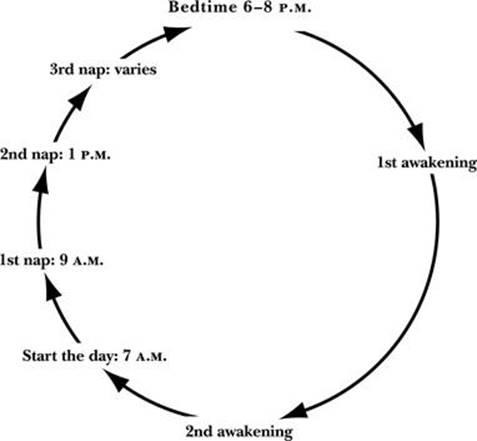
FIGURE 7: HEALTHY SLEEP SCHEDULE FOR INFANTS FOUR TO EIGHT MONTHS OLD
شکل ۷: برنامه خواب سالم برای نوزادان چهار تا هشت ماهه
How to Teach Your Baby to Sleep or to Protect His
Sleep Schedule
You are now about to learn how to help your child learn to sleep well and to protect a naturally developed, healthy sleep pattern.
چگونه به نوزاد خود خوابیدن را آموزش دهید یا از او محافظت کنید
برنامه خواب
اکنون شما در شرف یادگیری نحوه کمک به فرزندتان برای یادگیری خوب خوابیدن و محافظت از یک الگوی خواب طبیعی و سالم هستید.
The Wake-up Time
Some babies tend to wake up early, 5:00 or 6:00 A.M., and return to sleep after a brief feeding or diaper change. This is a true continuation of night sleep and not a nap. Other babies wake up later but start the day then. Most children will awaken to start the day about 7:00 A.M., but there is a wide range (between 6:00 and 8:00). In general, it is not a good idea to go to your child before 6:00 A.M., even if he is crying, because if you do, he will begin to force himself to wake up earlier and earlier in order to enjoy your company. The natural wake-up time seems to be an independent, neurological alarm clock in these young infants that is somewhat independent of the part of the brain that puts them to sleep or keeps them asleep. In fact, despite what is commonly believed, you cannot change the wake-up time by keeping your baby up later, feeding solids before bedtime, or awakening your baby for a feeding before you go to sleep. The last seems insensitive, anyway. How would you feel if someone woke you from a deep sleep and started to feed you when you weren’t hungry? The sleep strategy called “Scheduled Awakenings” will be discussed later.
زمان بیداری
بعضی از نوزادان تمایل دارند زود، ساعت ۵ یا ۶ صبح از خواب بیدار شوند و پس از یک شیر خوردن مختصر یا تعویض پوشک، دوباره به خواب بروند. این ادامه واقعی خواب شبانه است و چرت زدن محسوب نمیشود. برخی دیگر از نوزادان دیرتر بیدار میشوند اما روز را از همان ساعت شروع میکنند. اکثر کودکان حدود ساعت ۷ صبح برای شروع روز بیدار میشوند، اما طیف وسیعی (بین ۶ تا ۸ صبح) وجود دارد. به طور کلی، ایده خوبی نیست که قبل از ساعت ۶ صبح به سراغ فرزندتان بروید، حتی اگر گریه کند، زیرا اگر این کار را انجام دهید، او خود را مجبور میکند که زودتر و زودتر بیدار شود تا از همراهی شما لذت ببرد. به نظر میرسد زمان بیداری طبیعی در این نوزادان خردسال یک ساعت زنگدار عصبی مستقل است که تا حدودی مستقل از بخشی از مغز است که آنها را به خواب میبرد یا در خواب نگه میدارد. در واقع، برخلاف آنچه عموماً تصور میشود، شما نمیتوانید با بیدار نگه داشتن کودک تا دیروقت، دادن غذای جامد قبل از خواب یا بیدار کردن کودک برای شیر خوردن قبل از خواب خودتان، زمان بیدار شدن را تغییر دهید. به هر حال، مورد آخر بیاهمیت به نظر میرسد. اگر کسی شما را از خواب عمیق بیدار کند و وقتی گرسنه نیستید شروع به غذا دادن به شما کند، چه احساسی خواهید داشت؟ استراتژی خواب به نام «بیداریهای برنامهریزیشده» بعداً مورد بحث قرار خواهد گرفت.
Morning Wakeful Time
Let’s focus now on how brief intervals of wakefulness develop into “windows” of clock time. These are periods during which you will watch your baby and the clock to determine the time when it is easiest for your child to take an age-appropriate nap. These windows of “sleep propensity” open and close, and they represent times during which it is easiest to fall asleep and stay asleep. Morning wakeful time will last about two hours for four-to five-month-olds or about three hours for eight-month-olds. Some easy babies or babies born early may be able to stay up for only one hour at four months of age. Then, plan a wind-down or nap time ritual of up to thirty minutes. You decide what you want to do: bath, bottle, breast-feeding, lullaby, massage—but limit it, because hours of holding your baby produce only a light or twilight sleep state, which is poor-quality sleep. Begin this ritual about half an hour before the end of your baby’s wakeful period, not after it’s over. At the end of your predetermined nap time ritual, whether your baby is asleep or awake, lie down with her or put her in her crib. As one mother commented to me, “I cannot tell you what a liberating experience it was to be able to put my baby down in her crib before she fell asleep in my arms.” She may now cry a little, a lot, or not at all. The temperamentally easy child cries very little, and the routine is repeated for an early afternoon nap. The temperamentally more difficult child, who may have also been an extremely fussy/colicky infant, might now cry a lot. The preemie also may cry a lot, and the following approach might be de-laved until four months after the exnected date of delivery.
زمان بیداری صبحگاهی
حالا بیایید روی این موضوع تمرکز کنیم که چگونه فواصل کوتاه بیداری به “پنجرههای” زمان ساعتی تبدیل میشوند. اینها دورههایی هستند که در طول آنها شما کودک و ساعت خود را تماشا میکنید تا زمانی را که برای فرزندتان راحتتر است تا چرتی متناسب با سنش بزند، تعیین کنید. این پنجرههای “تمایل به خواب” باز و بسته میشوند و نشان دهنده زمانهایی هستند که در طول آنها راحتتر میتوان به خواب رفت و در خواب ماند. زمان بیداری صبحگاهی برای نوزادان چهار تا پنج ماهه حدود دو ساعت یا برای نوزادان هشت ماهه حدود سه ساعت طول میکشد. برخی از نوزادان یا نوزادانی که زود به دنیا میآیند، ممکن است بتوانند در چهار ماهگی فقط یک ساعت بیدار بمانند. سپس، یک مراسم خواب آرام یا چرت زدن تا سی دقیقه برنامهریزی کنید. شما تصمیم میگیرید که چه کاری میخواهید انجام دهید: حمام، شیشه شیر، شیر دادن، لالایی، ماساژ – اما آن را محدود کنید، زیرا ساعتها در آغوش گرفتن کودک، فقط یک حالت خواب سبک یا گرگ و میش ایجاد میکند که خواب بیکیفیتی است. این مراسم را حدود نیم ساعت قبل از پایان دوره بیداری کودکتان شروع کنید، نه بعد از آن. در پایان مراسم از پیش تعیین شده برای چرت زدن، چه کودکتان خواب باشد چه بیدار، کنارش دراز بکشید یا او را در گهوارهاش بگذارید. همانطور که یکی از مادران به من گفت: «نمیتوانم به شما بگویم چه تجربه رهاییبخشی بود که توانستم کودکم را قبل از اینکه در آغوشم به خواب برود، در گهوارهاش بگذارم.» او اکنون ممکن است کمی، زیاد یا اصلاً گریه نکند. کودک آرام و خوشخلق خیلی کم گریه میکند و این روال برای چرت زدن اوایل بعد از ظهر تکرار میشود. کودک سختخلق و خو که ممکن است نوزادی بسیار بهانهگیر/کولیکمانند نیز بوده باشد، اکنون ممکن است زیاد گریه کند. نوزاد نارس نیز ممکن است زیاد گریه کند و رویکرد زیر ممکن است تا چهار ماه پس از تاریخ زایمان قبلی ادامه یابد.
Nap #1: Midmorning
This nap develops first, usually between twelve and sixteen weeks of age or twelve to sixteen weeks after the due date for premature babies. It occurs about 9:00 A.M. and may last an hour or two. Sometimes you can stretch the child’s morning wakeful period by a few minutes each day to get to this time, or you might wake him up at 7:00 A.M. in order for him to be able to take this nap. This violation of the rule “Never wake a sleeping baby” is to help maintain an age-appropriate sleep schedule for the benefit of the baby. The rule mainly applies to waking babies for our social convenience, to their detriment. Try to anticipate your child’s best nap time. If he takes this nap too early or too late, then it will be difficult for him to take the second nap on time.
چرت شماره ۱: اواسط صبح
این چرت ابتدا ایجاد میشود، معمولاً بین دوازده تا شانزده هفتگی یا دوازده تا شانزده هفتگی پس از تاریخ زایمان برای نوزادان نارس. این چرت حدود ساعت ۹ صبح اتفاق میافتد و ممکن است یک یا دو ساعت طول بکشد. گاهی اوقات میتوانید هر روز چند دقیقه دوره بیداری صبحگاهی کودک را افزایش دهید تا به این زمان برسید، یا میتوانید او را ساعت ۷ صبح بیدار کنید تا بتواند این چرت را بزند. این نقض قانون «هرگز نوزاد خوابیده را بیدار نکنید» برای کمک به حفظ برنامه خواب متناسب با سن به نفع کودک است. این قانون عمدتاً در مورد بیدار کردن نوزادان برای راحتی اجتماعی ما، به ضرر آنها، اعمال میشود. سعی کنید بهترین زمان چرت فرزندتان را پیشبینی کنید. اگر او این چرت را خیلی زود یا خیلی دیر بزند، چرت زدن دوم برایش دشوار خواهد بود.
We consider a sleep period to be a restorative nap if it is about an hour or longer. Forty to forty-five minutes is sometimes enough, but most babies in this age range sleep at least a solid hour. Certainly sleep periods shorter than thirty minutes should not count as naps.
اگر دوره خواب حدود یک ساعت یا بیشتر باشد، ما آن را چرت ترمیمی میدانیم. گاهی اوقات چهل تا چهل و پنج دقیقه کافی است، اما بیشتر نوزادان در این محدوده سنی حداقل یک ساعت کامل میخوابند. مطمئناً دورههای خواب کمتر از سی دقیقه نباید به عنوان چرت زدن در نظر گرفته شوند.
If you are using Method A for naps (see page 235) or have a temperamentally easy baby, after putting your baby down for this nap, leave him completely alone to allow him to (1) learn to fall asleep unassisted and (2) return to sleep unassisted until he has slept about an hour in an uninterrupted fashion. Easy babies may cry very little or not at all; the temperamentally more difficult child may cry a lot. Remember, you are responding sensitively to his need to sleep by not providing too much attention. You are decisive in establishing a routine because you are upholding his right to sleep. Be calm and firm and consistent, because consistency helps your baby learn rapidly.
اگر از روش A برای چرت زدن استفاده میکنید (به صفحه ۲۳۵ مراجعه کنید) یا نوزادی با خلق و خوی آرام دارید، پس از خواباندن نوزاد برای این چرت، او را کاملاً تنها بگذارید تا (۱) یاد بگیرد که بدون کمک به خواب برود و (۲) تا زمانی که حدود یک ساعت بدون وقفه خوابیده باشد، بدون کمک به خواب برگردد. نوزادان آرام ممکن است خیلی کم گریه کنند یا اصلاً گریه نکنند؛ کودک با خلق و خوی سختتر ممکن است زیاد گریه کند. به یاد داشته باشید، شما با عدم توجه زیاد، به نیاز او به خواب با حساسیت پاسخ میدهید. شما در ایجاد یک روال قاطع هستید زیرا از حق او برای خوابیدن حمایت میکنید. آرام و قاطع و پیگیر باشید، زیرا پیگیری به کودک شما کمک میکند تا به سرعت یاد بگیرد.
He will pick up on your calm/firm attitude and will learn quickly not to expect the pleasure of your company at nap time. You are not abandoning your child in his moment of need; you are giving him all the attention he needs when he is awake. Now he needs to be alone to sleep.
او رفتار آرام/محکم شما را درک میکند و به سرعت یاد میگیرد که انتظار لذت همراهی شما را در زمان چرت زدن نداشته باشد. شما فرزندتان را در لحظه نیاز رها نمیکنید؛ شما تمام توجهی را که هنگام بیداری به آن نیاز دارد به او میدهید. اکنون او برای خوابیدن نیاز به تنها بودن دارد.
Q: How long do I let my baby cry?
A: No more than one hour.
س: چه مدت میتوانم بگذارم نوزادم گریه کند؟
پاسخ: بیشتر از یک ساعت نشود.
Q: What do I do if the nap is short? When I put my child down to sleep, she cries a long time, but for less than an hour, and then falls asleep, but she doesn’t sleep very long. Do I let her cry again”? Sometimes, she doesn’t cry when I put her down for a nap, but she still doesn’t sleep very long. Do I let her cry after the brief nap to see if she will sleep longer?
A: If the nap is substantially less than thirty minutes, you might try to leave her alone for an additional thirty to sixty minutes, even if she cries, to see whether she will return to sleep unassisted. If the nap is substantially more than thirty minutes, it is less likely that she will return to sleep unassisted so you might want to leave her alone for an additional thirty minutes or go to her immediately and not let her cry anymore. In general, the shorter the nap and the less restorative it appears, the longer you should leave her alone. Alternatively, you might want to try to lengthen the nap by rushing to your child at the first sound of awakening from a brief nap (less than an hour) and attempting to soothe your child back to sleep for a continuation of the nap. For some babies, this might be counterproductive and simply stimulate them to fight sleep more for the pleasure of the parent’s company.
س: اگر چرت زدن کودکم کوتاه باشد، چه کار کنم؟ وقتی او را برای خواباندن روی زمین میگذارم، مدت زیادی گریه میکند، اما کمتر از یک ساعت، و سپس به خواب میرود، اما خوابش خیلی طولانی نیست. «آیا بگذارم دوباره گریه کند؟»؟ گاهی اوقات، وقتی او را برای چرت زدن زمین میگذارم گریه نمیکند، اما هنوز خیلی طولانی نمیخوابد. آیا بعد از چرت کوتاه اجازه میدهم گریه کند تا ببینم آیا بیشتر میخوابد یا نه؟
پاسخ: اگر چرت زدن به طور قابل توجهی کمتر از سی دقیقه باشد، میتوانید سعی کنید او را برای سی تا شصت دقیقه دیگر، حتی اگر گریه کند، تنها بگذارید تا ببینید آیا بدون کمک به خواب برمیگردد یا خیر. اگر چرت زدن به طور قابل توجهی بیشتر از سی دقیقه باشد، احتمال اینکه بدون کمک به خواب برگردد کمتر است، بنابراین ممکن است بخواهید او را برای سی دقیقه دیگر تنها بگذارید یا فوراً به سراغش بروید و نگذارید دیگر گریه کند. به طور کلی، هر چه چرت کوتاهتر باشد و کمتر احساس تجدید قوا کند، باید او را بیشتر تنها بگذارید. از طرف دیگر، میتوانید سعی کنید با عجله به سمت فرزندتان در اولین صدای بیدار شدن از چرت کوتاه (کمتر از یک ساعت) بروید و سعی کنید فرزندتان را آرام کنید تا دوباره بخوابد تا چرت زدن ادامه یابد. برای برخی از نوزادان، این ممکن است نتیجه معکوس داشته باشد و آنها را به سادگی تحریک به مبارزه کند. برای لذت بردن از همراهی والدین، بیشتر بخوابید.
Q: After one hour of crying, what do I do?
A: Go to your baby and soothe her. Now you have two choices. Your baby might be wakeful, and you might decide that this was so stressful for you or her that you want to go outside for a walk, relax, and try again the next day to get a morning nap. Or your baby might be falling asleep in your arms after all this crying; if you feel that she will now be able to fall asleep, put her back down to see if she will nap. But do not let her cry for another full hour.
س: بعد از یک ساعت گریه، چه کار کنم؟
پاسخ: به سراغ نوزادتان بروید و او را آرام کنید. حالا دو انتخاب دارید. ممکن است نوزادتان بیدار باشد و شما تصمیم بگیرید که این موضوع برای شما یا او آنقدر استرسزا بوده که میخواهید برای پیادهروی به بیرون بروید، استراحت کنید و روز بعد دوباره سعی کنید چرت صبحگاهی بزنید. یا ممکن است نوزادتان بعد از این همه گریه در آغوش شما به خواب برود. اگر احساس میکنید که حالا میتواند بخوابد، او را دوباره روی زمین بگذارید تا ببینید آیا چرت میزند یا نه. اما اجازه ندهید که او یک ساعت کامل دیگر گریه کند.
Q: What’s wrong if I quickly check my baby when she first cries and I give her a pacifier or roll her back over”? She always immediately stops crying and returns to sleep.
A: Checking on your baby like this when she should be napping may not interfere with naps or night sleep in some infants between four and six months. But please be careful, because eventually all babies learn to turn these brief visits into prolonged playtimes. This learning process may develop slower if it is the father who does the checking and provides minimal intervention.
س: اگر وقتی نوزادم برای اولین بار گریه میکند، سریع او را بررسی کنم و به او پستانک بدهم یا او را به پشت بغلتانم، چه اشکالی دارد؟ او همیشه بلافاصله گریهاش را متوقف میکند و دوباره میخوابد.
پاسخ: بررسی نوزادتان به این شکل، زمانی که باید چرت بزند، ممکن است در چرت زدن یا خواب شبانه برخی از نوزادان بین چهار تا شش ماهگی اختلالی ایجاد نکند. اما لطفاً مراقب باشید، زیرا در نهایت همه نوزادان یاد میگیرند که این ملاقاتهای کوتاه را به زمانهای بازی طولانی تبدیل کنند. اگر پدر بررسی را انجام دهد و حداقل مداخله را داشته باشد، این فرآیند یادگیری ممکن است کندتر شود.
Q: My child had extreme fussinesslcolic and she is now about five months old, how do I get her on a 9:00 A.M. and 1:00 P.M. nap schedule?
A: Make sure she is sleeping well at night.
س: فرزند من قولنج و گریه شدیدی دارد و اکنون حدود پنج ماه دارد، چگونه میتوانم او را به برنامه خواب نیمروزی ساعت ۹ صبح و ۱ بعد از ظهر برسانم؟
پاسخ: مطمئن شوید که شبها خوب میخوابد.
Control the wake-up time; try to start the day around 6:00 to 7:00 A.M. by not going to her before 6:00 A.M. or waking her up at 7:00 A.M.
زمان بیدار شدن را کنترل کنید؛ سعی کنید روز را حدود ساعت ۶:۰۰ تا ۷:۰۰ صبح شروع کنید، قبل از ساعت ۶:۰۰ صبح به سراغش نروید یا ساعت ۷:۰۰ صبح او را بیدار نکنید.
Try intense, but brief, stimulation outdoors. Expose her to wind, rustling leaves, moving clouds, street noises, voices, barking dogs, sand in the playground, motion in the jogger or soft sling on your chest, swings, “swimming” pool splashing, and so forth.
تحریک شدید اما کوتاه مدت در فضای باز را امتحان کنید. او را در معرض باد، خش خش برگها، حرکت ابرها، صداهای خیابان، صداها، پارس سگها، شن و ماسه در زمین بازی، حرکت در کفش ورزشی یا آویز نرم روی سینهتان، تاب، آب بازی در استخر و غیره قرار دهید.
Try to stretch her wakeful period to about 9:00 A.M. but be mindful not to allow her to become so frantically overtired that she will not be able to subsequently sleep well. She will get a little geared up and might get close to but not make it to 9:00 A.M.
سعی کنید دوره بیداری او را تا حدود ساعت ۹:۰۰ صبح افزایش دهید، اما مراقب باشید که اجازه ندهید آنقدر خسته شود که نتواند بعداً خوب بخوابد. او کمی آماده میشود و ممکن است به ساعت ۹:۰۰ صبح نزدیک شود، اما به آن نمیرسد.
Tone it down a little as you get close to 9:00 A.M.
با نزدیک شدن به ساعت ۹:۰۰ صبح، کمی از شدت آن بکاهید.
Plan for a much longer and relaxing soothing-to-sleep routine before her morning nap because she will be a little overtired. Consider including a bath for relaxation, not for hygiene. Bathing might be stimulating but more often it is calm fun for babies.
قبل از چرت صبحگاهی او، یک برنامهی خواب آرام و طولانیتر برای او در نظر بگیرید، زیرا کمی بیش از حد خسته خواهد بود. حمام کردن را برای آرامش در نظر بگیرید، نه برای بهداشت. حمام کردن ممکن است تحریککننده باشد، اما اغلب برای نوزادان سرگرمکننده و آرامشبخش است.
Around 9:00 A.M., lie down to sleep with her or put her down to sleep. Review the sleep training strategies on page 211.
حدود ساعت ۹ صبح، با او دراز بکشید تا بخوابد یا او را بخوابانید. راهکارهای آموزش خواب را در صفحه ۲۱۱ مرور کنید.
If she has a decent nap of close to one hour, repeat the same steps for her 1:00 P.M. nap.
اگر او چرت خوبی نزدیک به یک ساعت دارد، همین مراحل را برای چرت ساعت ۱ بعد از ظهر او تکرار کنید.
If she does not nap in the morning, get out of the house and try to not let her sleep until about 11:00 A.M. Try the same soothing-to-sleep routine around 11:00 A.M. This means no car rides at 10:00 A.M.
اگر صبح چرت نمیزند، از خانه بیرون بروید و سعی کنید نگذارید تا حدود ساعت ۱۱ صبح بخوابد. همین برنامهی خواب آرام را حدود ساعت ۱۱ صبح امتحان کنید. این به این معنی است که ساعت ۱۰ صبح هیچ ماشینی حرکت نمیکند.
Parents of postcolic babies or babies with a more difficult temperament (babies who are not self-soothing or who are irregular) might want to begin to practice Method A at this time. Many of these parents have been using Method B (your baby always begins naps with your help), as discussed in the previous chapter. Ideally, you have been very consistent with Method B up until now; the better rested your baby is when you make the transition from Method B to Method A, the easier it will be.
والدین نوزادان پس از کولیک یا نوزادانی که خلق و خوی دشوارتری دارند (نوزادانی که خود را آرام نمیکنند یا نامنظم هستند) ممکن است بخواهند در این زمان روش A را شروع کنند. بسیاری از این والدین همانطور که در فصل قبل بحث شد، از روش B (نوزاد شما همیشه با کمک شما چرت میزند) استفاده کردهاند. در حالت ایدهآل، شما تا الان با روش B بسیار سازگار بودهاید. هرچه کودک شما هنگام گذار از روش B به روش A بهتر استراحت کرده باشد، این کار آسانتر خواهد بود.
WARNING
It may be very difficult to establish regular naps at four to five months of age in some babies because their biological nap rhythms are maturing very slowly. Some babies don’t evolve into a schedule of regular long naps until five or six months of age, especially if they had extreme fussiness/ colic when younger or if their parents were inconsistent or irregular about naps during the first four months.
هشدار
ممکن است ایجاد چرتهای منظم در چهار تا پنج ماهگی در برخی از نوزادان بسیار دشوار باشد، زیرا ریتمهای بیولوژیکی چرت زدن آنها بسیار کند پیش میرود. برخی از نوزادان تا پنج یا شش ماهگی به برنامه چرتهای طولانی و منظم عادت نمیکنند، به خصوص اگر در سنین پایینتر نق نق/قولنج شدید داشتهاند یا والدینشان در چهار ماه اول در مورد چرت زدنها بیثبات یا نامنظم بودهاند.
For the difficult-temperament or postcolic baby, establishing the morning nap may be the toughest parenting maneuver that you have attempted so far. By focusing on the morning nap we try to help a postcolic baby learn self-soothing skills. It’s best to begin establishing an age-appropriate nap schedule with the morning nap because it is the first one to develop; it is the nap that should be the easiest to obtain, because your baby is most rested from die night sleep, and parents usually can be more consistent in the morning, when scheduling conflicts are less likely to develop, than in the afternoon.
برای نوزاد بدخلق یا نوزادی که دچار کولیک شده است، ایجاد چرت صبحگاهی ممکن است سختترین مانور فرزندپروری باشد که تاکنون امتحان کردهاید. با تمرکز بر چرت صبحگاهی، سعی میکنیم به نوزادی که دچار کولیک شده است، مهارتهای خودآرامشی را بیاموزیم. بهتر است با چرت صبحگاهی، یک برنامه چرت متناسب با سن او ایجاد کنید، زیرا اولین برنامهای است که شکل میگیرد؛ این چرت باید آسانترین برنامه باشد، زیرا نوزاد شما از خواب شبانه بیشترین استراحت را دارد و والدین معمولاً میتوانند در صبح، زمانی که احتمال بروز اختلافات برنامهریزی کمتر است، نسبت به بعد از ظهر، هماهنگتر باشند.
After your child’s day starts, look at the clock. Within one hour of wakefiilness, clean, feed, and soothe using Method A. This ultra-short period of wakefiilness is designed to prevent the overtired state from developing.
بعد از شروع روز فرزندتان، به ساعت نگاه کنید. ظرف یک ساعت پس از بیدار شدن، با استفاده از روش الف، او را تمیز کنید، به او غذا بدهید و او را آرام کنید. این دوره بسیار کوتاه بیداری برای جلوگیری از ایجاد حالت خستگی بیش از حد طراحی شده است.
Another reason why it is important to establish the morning nap by keeping the interval of wakefiilness very short is that the morning nap might represent a continuation of night sleep. The morning nap contains more REM sleep than the afternoon nap, and large amounts of REM sleep are a characteristic feature of a baby’s night sleep.
دلیل دیگری که چرا ایجاد چرت صبحگاهی با کوتاه نگه داشتن فاصله بین بیداریها مهم است، این است که چرت صبحگاهی ممکن است نشان دهنده ادامه خواب شبانه باشد. چرت صبحگاهی نسبت به چرت بعدازظهر، خواب REM بیشتری دارد و مقدار زیاد خواب REM از ویژگیهای بارز خواب شبانه نوزاد است.
“HE DID BEST WITH HIS FIRST MORNING NAP”
The hours between 5:00 P.M. and 3:00 A.M. were the most difficult. When Eric was awake, he fussed or cried. The only way he would sleep was in our arms. My husband would cut up my food so I could eat with one hand while holding Eric with the other. I would nap from 8:00 to 10:00 P.M. to recharge for the next five hours. While I slept, my husband would alternately rock, walk, and bounce Eric. The routine was nearly unbearable. Eventually we made a chart to show Eric’s schedule to Dr. W We determined that we were holding Eric eighteen or nineteen hours a day. No wonder we were exhausted.
«او با اولین چرت صبحگاهیاش بهترین عملکرد را داشت»
ساعات بین ۵:۰۰ بعد از ظهر تا ۳:۰۰ بامداد سختترین ساعات بودند. وقتی اریک بیدار بود، نق میزد یا گریه میکرد. تنها راهی که میتوانست بخوابد، در آغوش ما بودن بود. شوهرم غذایم را تکه تکه میکرد تا بتوانم با یک دست غذا بخورم و با دست دیگر اریک را در آغوش بگیرم. من از ساعت ۸:۰۰ تا ۱۰:۰۰ شب چرت میزدم تا برای پنج ساعت بعدی تجدید قوا کنم. در حالی که من میخوابیدم، شوهرم به طور متناوب اریک را تکان میداد، راه میرفت و بالا و پایین میپراند. این روال تقریباً غیرقابل تحمل بود. در نهایت ما یک نمودار تهیه کردیم تا برنامه اریک را به دکتر W نشان دهیم. ما تشخیص دادیم که هجده یا نوزده ساعت در روز اریک را در آغوش داریم. جای تعجب نیست که خسته بودیم.
I’ll never forget the night and early morning at about three months of age when Eric was so sleep-deprived he could not go to sleep. I tried everything—nursing, rocking, walking, bouncing, singing. Eventually he did fall asleep while I pushed him around the house in the stroller listening to his favorite CD, only to wake up the second I tried to move him into his crib. The hours stretched on and Eric became more and more tired, overstimulated, and agitated. He began trying to pick the flowers off my pajamas. Though he seemed to want to go to sleep, he appeared unable to get there. I felt I didn’t have any choice but to put him in his crib—awake and crying. After about twenty minutes of crying, he fell asleep.
هرگز شب و صبح زود حدود سه ماهگی اریک را فراموش نمیکنم، زمانی که او آنقدر کم خواب بود که نمیتوانست بخوابد. همه چیز را امتحان کردم – شیر دادن، تکان دادن، راه رفتن، بالا و پایین پریدن، آواز خواندن. در نهایت او در حالی که او را در کالسکه در خانه هل میدادم و به سیدی مورد علاقهاش گوش میدادم، خوابش برد، اما به محض اینکه سعی کردم او را به گهوارهاش ببرم، بیدار شد. ساعتها طولانیتر شد و اریک بیشتر و بیشتر خسته، بیش از حد تحریک شده و آشفته میشد. او شروع به کندن گلها از روی لباس خوابم کرد. اگرچه به نظر میرسید که میخواهد بخوابد، اما ظاهراً نمیتوانست. احساس کردم چارهای ندارم جز اینکه او را در گهوارهاش بگذارم – بیدار و گریه کنان. بعد از حدود بیست دقیقه گریه، خوابش برد.
He did best with his first morning nap, crying only one or two minutes, if at all, before going to sleep. The evenings remained the most difficult. The longest crying episode was twenty-one minutes. My husband and I would sit in the den holding hands, listening to the baby monitor, and engaging in self-doubt. Does he need us? Are we bad parents for letting him cry? We kept reminding ourselves that Eric was learning a valuable skill that would serve him (and us!) well for life. After about three days, we felt he had achieved success. He has been a terrific sleeper ever since. Now, at age eleven months, he sleeps from 7:00 P.M. to 7:00 A.M. and naps twice for an hour or two. Everyone who meets him says he is happy, joyful, and alert.
او در اولین چرت صبحگاهیاش بهترین عملکرد را داشت و قبل از خواب فقط یک یا دو دقیقه، اگر اصلاً گریه میکرد، گریه میکرد. عصرها سختترین زمان بودند. طولانیترین قسمت گریه بیست و یک دقیقه بود. من و همسرم دست در دست هم در اتاق نشیمن مینشستیم، به صدای مانیتور کودک گوش میدادیم و به خودمان شک میکردیم. آیا او به ما نیاز دارد؟ آیا ما والدین بدی هستیم که اجازه میدهیم گریه کند؟ مدام به خودمان یادآوری میکردیم که اریک در حال یادگیری مهارت ارزشمندی است که تا آخر عمر به او (و ما!) کمک خواهد کرد. بعد از حدود سه روز، احساس کردیم که به موفقیت رسیده است. از آن زمان، او خواب فوقالعادهای داشته است. حالا، در یازده ماهگی، از ساعت ۷ عصر تا ۷ صبح میخوابد و دو بار به مدت یک یا دو ساعت چرت میزند. هر کسی که او را ملاقات میکند میگوید که او شاد، خوشحال و هوشیار است.
If there is bright morning light during this hour, open up all your shades, because exposure to morning light might help establish sleep rhythms. If there is no bright natural light, make the room as bright as you can with room lights. Darken the room as you begin your soothing to sleep. After several minutes of soothing, which may include breast-or bottle-feeding, put your baby down. If there is crying, ignore the crying for between five and twenty minutes. You be the judge of how much crying you think is appropriate, but watch the clock, because three minutes of hard crying might feel to you like three hours. The reason we do not let difficult temperament or postcolic babies cry for an hour, as we can with easier babies, is that they have increased difficulty falling asleep unassisted. Their parents are usually extra stressed as well. I would, however, like to point out that some babies scream their brains out for two minutes, moan and whimper for three minutes, and then go to sleep for a great nap! You might lose the chance for a long nap if you do not let your child blow off steam for a minute or two. As before, when you feel there has been enough crying, rescue your child and try it again the next day—or maybe put him back down if you think he will now go to sleep. For the remainder of the day, try to keep each interval of wake-fulness to no more than two hours, do whatever works to maximize sleeping and minimize crying.
اگر در این ساعت نور صبحگاهی شدیدی وجود دارد، تمام پردهها را کنار بزنید، زیرا قرار گرفتن در معرض نور صبحگاهی ممکن است به ایجاد ریتم خواب کمک کند. اگر نور طبیعی روشنی وجود ندارد، اتاق را تا حد امکان با چراغهای اتاق روشن کنید. هنگام شروع آرام کردن کودک برای خواب، اتاق را تاریک کنید. پس از چند دقیقه آرام کردن، که ممکن است شامل شیر دادن با سینه یا شیشه شیر باشد، کودک خود را زمین بگذارید. اگر گریه میکند، گریه او را بین پنج تا بیست دقیقه نادیده بگیرید. شما میتوانید قضاوت کنید که چقدر گریه مناسب است، اما به ساعت نگاه کنید، زیرا سه دقیقه گریه شدید ممکن است برای شما مانند سه ساعت باشد. دلیل اینکه ما اجازه نمیدهیم نوزادان بدخلق یا نوزادان پس از قولنج به مدت یک ساعت گریه کنند، همانطور که در مورد نوزادان راحتتر میتوانیم، این است که آنها در خوابیدن بدون کمک مشکل بیشتری دارند. والدین آنها نیز معمولاً استرس بیشتری دارند. با این حال، میخواهم اشاره کنم که برخی از نوزادان به مدت دو دقیقه با فریاد زدن، سه دقیقه ناله و زاری میکنند و سپس برای یک چرت خوب به خواب میروند! اگر اجازه ندهید فرزندتان یک یا دو دقیقه انرژی خود را تخلیه کند، ممکن است شانس یک چرت طولانی را از دست بدهید. مانند قبل، وقتی احساس کردید گریه کردن کافی بوده است، فرزندتان را نجات دهید و روز بعد دوباره امتحان کنید – یا اگر فکر میکنید که حالا به خواب میرود، دوباره او را روی تخت بگذارید. در بقیه روز، سعی کنید هر فاصله بیداری بیش از دو ساعت نباشد، هر کاری که برای به حداکثر رساندن خواب و به حداقل رساندن گریه مفید است را انجام دهید.
An alternative to putting children in their crib for naps is to sleep with them in your bed. This may work well for first-time mothers who do not have other children to care for. However, as your child becomes older, she becomes more aware of her environment while awake, drowsy, and asleep. So you might have to use a sidecar arrangement with her crib next to your bed so she is not stimulated by your body movements, coughing, or snoring.
یک جایگزین برای قرار دادن کودکان در گهواره برای چرت زدن، خوابیدن با آنها در تخت خودتان است. این ممکن است برای مادرانی که برای اولین بار بچهدار میشوند و فرزند دیگری برای مراقبت ندارند، خوب باشد. با این حال، با بزرگتر شدن فرزندتان، او در هنگام بیداری، خوابآلودگی و خواب، از محیط اطراف خود آگاهتر میشود. بنابراین ممکن است مجبور شوید از یک چیدمان کنار تخت استفاده کنید و گهواره او را کنار تخت خود قرار دهید تا حرکات بدن، سرفه یا خروپف شما او را تحریک نکند.
As you read the following story, please try to notice features such as controlling the wake-up time, the ultra-short interval of wakefulness before the morning nap, making the bedtime earlier, and transitioning from Method B to Method A.
هنگام خواندن داستان زیر، لطفاً سعی کنید به ویژگیهایی مانند کنترل زمان بیدار شدن، فاصله بسیار کوتاه بیداری قبل از چرت صبحگاهی، زودتر خوابیدن و تغییر از روش ب به روش الف توجه کنید.
“HIS SLEEP SCHEDULE WAS OFF KILTER”
Even when Patrick was only a few weeks old we noticed that he was becoming a night owl. He had what we called the “late-night fussies” in which Patrick would fuss and cry until he fell asleep. This would begin between 7:30 and 9:00 P.M. and last until around midnight. He was going to sleep at night much too late and would not fall asleep unless one of us was holding him.
“برنامه خواب او از کنترل خارج شده بود”
حتی وقتی پاتریک تنها چند هفته داشت، متوجه شدیم که او در حال تبدیل شدن به یک جغد شب است. او چیزی داشت که ما آن را “بیقراریهای آخر شب” مینامیدیم که در آن پاتریک تا زمانی که به خواب برود، گریه و زاری میکرد. این حالت بین ساعت ۷:۳۰ تا ۹ شب شروع میشد و تا حدود نیمهشب ادامه داشت. او شبها خیلی دیر میخوابید و تا زمانی که یکی از ما او را در آغوش نمیگرفت، نمیخوابید.
Our main concern was his crankiness at night and his inability to fall asleep at a normal hour. Dr. Weissbluth asked me to keep a record of Patrick’s schedule for ten days. I created a bar graph for each twenty-four-hour period and color-coded it to show when Patrick was awake, asleep, or crying.
نگرانی اصلی ما بدخلقی او در شب و ناتوانیاش در خوابیدن در یک ساعت معمول بود. دکتر وایسبلوث از من خواست که برنامه پاتریک را به مدت ده روز ثبت کنم. من برای هر دوره بیست و چهار ساعته یک نمودار میلهای ایجاد کردم و آن را با رنگ مشخص کردم تا نشان دهم پاتریک چه زمانی بیدار، چه زمانی خواب یا چه زمانی گریه میکند.
Dr. Weissbluth’s conclusion was that we needed to alter Patrick’s sleep schedule. The goal was to get him to sleep earlier at night and to wake him up by 7:00 A.M. We began this by not letting him sleep past 7:00. If he awoke on his own between 6:00 and 7:00, great. If not, I had to get him up. I would then have one hour to change, feed, and play with him. During this hour I was to keep him in bright sunlight or well-lit rooms to establish morning wake time. After he had been up for fifty minutes I was to begin “quiet time” for ten minutes. This meant any soothing techniques I wanted to use to get him ready for his nap. I then had to put him in his crib awake and leave the room. If Patrick cried, my instructions were to leave him alone for five to twenty minutes to see if he would fall asleep on his own.
نتیجهگیری دکتر وایسبلوث این بود که باید برنامه خواب پاتریک را تغییر دهیم. هدف این بود که او را شبها زودتر بخوابانیم و تا ساعت ۷ صبح او را بیدار کنیم. ما این کار را با این شروع کردیم که اجازه ندهیم بعد از ساعت ۷ بخوابد. اگر خودش بین ساعت ۶ تا ۷ بیدار میشد، عالی بود. در غیر این صورت، باید او را بیدار میکردم. سپس یک ساعت فرصت داشتم تا پوشکش را عوض کنم، به او غذا بدهم و با او بازی کنم. در طول این یک ساعت، قرار بود او را در نور شدید خورشید یا اتاقهای روشن نگه دارم تا زمان بیداری صبحگاهیاش را تعیین کنم. بعد از اینکه پنجاه دقیقه بیدار شد، قرار بود به مدت ده دقیقه «زمان سکوت» را شروع کنم. این به معنای هر تکنیک آرامشبخشی بود که میخواستم برای آماده کردن او برای چرت زدن استفاده کنم. سپس مجبور بودم او را در حالت بیداری در گهوارهاش بگذارم و اتاق را ترک کنم. اگر پاتریک گریه میکرد، به او دستور میدادم که پنج تا بیست دقیقه او را تنها بگذارم تا ببینم خودش به خواب میرود یا نه.
The first day I woke him at 7:00 on the dot. He was in a great mood as he ate, and we played in the light. At 7:50 I turned down the lights, read him a book in the rocking chair, and walked him around the room singing lullabies. At 8:00 I put him in the crib and closed his bedroom door. He began to cry lightly as soon as I left. Knowing that it would be hard for me to listen to the crying and not go in to pick him up, I took my shower. This was the only way to force myself to stay out of his room. After exactly fourteen minutes he stopped crying and fell asleep for an hour! I couldn’t believe how easy it was.
روز اول ساعت ۷ صبح بیدارش کردم. موقع غذا خوردن خیلی حالش خوب بود و ما زیر نور بازی میکردیم. ساعت ۷:۵۰ چراغها را کم کردم، برایش روی صندلی گهوارهای کتاب خواندم و در اتاق برایش لالایی خواندم. ساعت ۸ او را در گهواره گذاشتم و در اتاق خوابش را بستم. به محض اینکه رفتم، شروع به گریه آرام کرد. با علم به اینکه گوش دادن به گریهها و نرفتن به اتاق برای برداشتنش برایم سخت است، دوش گرفتم. این تنها راه برای مجبور کردن خودم به بیرون ماندن از اتاقش بود. دقیقاً بعد از چهارده دقیقه گریه کردنش تمام شد و یک ساعت خوابید! باورم نمیشد چقدر آسان بود.
The next step was to put him down for a nap after he had been awake for two hours. We again did the same soothing techniques for ten minutes and I put Patrick in his crib awake. Unfortunately, things didn’t go as well this time. Patrick cried for fifteen minutes and kept crying after I picked him up. His crying in my arms became louder, which was unusual, and eventually I was crying with him. I finally got him calmed down but had to wait until he fell asleep in my arms before I could put him back in his crib. I decided that we had to conquer the morning sleep before we could continue with the other naps.
مرحله بعدی این بود که بعد از دو ساعت بیدار بودن، او را برای چرت زدن روی زمین بگذارم. دوباره همان تکنیکهای آرامشبخش را به مدت ده دقیقه انجام دادیم و پاتریک را در حالت بیدار در گهوارهاش گذاشتم. متأسفانه، این بار اوضاع خوب پیش نرفت. پاتریک پانزده دقیقه گریه کرد و بعد از اینکه او را برداشتم، همچنان گریه میکرد. گریهاش در آغوشم بلندتر شد، که غیرمعمول بود، و در نهایت من هم با او گریه میکردم. بالاخره او را آرام کردم، اما مجبور شدم صبر کنم تا در آغوشم به خواب برود تا بتوانم او را دوباره در گهوارهاش بگذارم. تصمیم گرفتم قبل از اینکه بتوانیم چرتهای دیگر را ادامه دهیم، باید بر خواب صبحگاهی غلبه کنیم.
I made my graphs of Patrick’s sleeping habits and gave them to Dr. Weissbluth. After reviewing them, he said that the progress was good, but now we needed to concentrate on getting him to sleep earlier at night. His ideal pattern should be to wake up at 7:00 A.M., with naps at 9:00 A.M., 1:00 P.M., and possibly 5:00 P.M., with bedtime around 7:30 P.M.
نمودارهای عادات خواب پاتریک را تهیه کردم و به دکتر وایسبلوث دادم. پس از بررسی آنها، او گفت که پیشرفت خوب بوده است، اما حالا باید روی زودتر خوابیدن او در شب تمرکز کنیم. الگوی ایدهآل او باید بیدار شدن ساعت ۷:۰۰ صبح، چرت زدن در ساعت ۹:۰۰ صبح، ۱:۰۰ بعد از ظهر و احتمالاً ۵:۰۰ بعد از ظهر و زمان خواب حدود ساعت ۷:۳۰ بعد از ظهر باشد.
That night we began quiet time at 8:30. Although Patrick had been happily playing with us, he began to yawn. He eventually fell asleep in my arms without a fight and slept in his crib through the night. What a relief!
آن شب ساعت ۸:۳۰ سکوت را شروع کردیم. اگرچه پاتریک با خوشحالی با ما بازی میکرد، اما شروع به خمیازه کشیدن کرد. بالاخره بدون هیچ دعوایی در آغوشم خوابش برد و تمام شب را در گهوارهاش خوابید. چه آرامشی!
It was now time to start putting him down awake for his second nap. I began this by using the same soothing techniques for his second nap as I used for the first, only I did not have a time limit. I would walk while singing quietly until Patrick began to close his eyes. I then put him in his crib awake but tired. Patrick would fuss for a few minutes and then fall asleep.
حالا وقتش بود که او را برای چرت دومش بیدار بگذارم. من این کار را با استفاده از همان تکنیکهای آرامشبخشی که برای چرت اول استفاده کرده بودم، برای چرت دومش شروع کردم، فقط محدودیت زمانی نداشتم. در حالی که آرام آواز میخواندم، راه میرفتم تا پاتریک شروع به بستن چشمانش کند. سپس او را بیدار اما خسته در گهوارهاش میگذاشتم. پاتریک چند دقیقهای نق میزد و بعد میخوابید.
As the days went by and we felt comfortable with his ability to fall asleep for the first two naps, we tried the same technique on his occasional third nap and his evening bedtime. The end result is that we have a happy baby who takes great naps, falls asleep on his own at night, and is an absolute joy. We still have some challenges. There are days when Patrick wants to take his nap after he has been up less than two hours and others when he wants to stay awake longer. If he fusses in his crib for more than fifteen minutes we pick him up and try again later. Bedtime at night is absolute. We put him in his crib for good around 7:30 P.M. Sometimes he fusses for a few minutes, but most nights we don’t hear a peep until the next morning. It took a long time to get to this point and it was not easy, but it was definitely worth it.
با گذشت روزها و احساس راحتی از توانایی او در خوابیدن در دو چرت اول، همین تکنیک را در چرت سوم گاه به گاه و قبل از خواب عصرانهاش امتحان کردیم. نتیجه نهایی این است که ما یک نوزاد شاد داریم که چرتهای خوبی میزند، شبها خودش به تنهایی میخوابد و کاملاً خوشحال است. ما هنوز با چالشهایی روبرو هستیم. روزهایی هست که پاتریک میخواهد بعد از کمتر از دو ساعت بیدار بودن، چرت بزند و روزهای دیگری هم هست که میخواهد بیشتر بیدار بماند. اگر بیش از پانزده دقیقه در گهوارهاش بیقراری کند، او را بلند میکنیم و بعداً دوباره امتحان میکنیم. زمان خواب در شب قطعی است. حدود ساعت ۷:۳۰ بعد از ظهر او را برای همیشه در گهوارهاش میگذاریم. گاهی اوقات چند دقیقه بیقراری میکند، اما بیشتر شبها تا صبح روز بعد هیچ صدایی از او نمیشنویم. رسیدن به این مرحله زمان زیادی برد و آسان نبود، اما قطعاً ارزشش را داشت.
Midday Wakeful Time
Expect your baby to be ready for another nap after two to three hours of wakefulness. In general, avoid long excursions, which might lead to mini-snoozes in the car or park. Although I’ve been emphasizing sleep rhythms, remember that there are also wake rhythms—times when the body clock automatically switches to a wakeful mode, just as it switches to sleep mode at night and at nap times. Wakefulness turns on as sleep turns off.
زمان بیداری ظهر
انتظار داشته باشید که کودک شما پس از دو تا سه ساعت بیداری، برای چرت زدن دیگری آماده باشد. به طور کلی، از گشت و گذارهای طولانی که ممکن است منجر به چرتهای کوتاه در ماشین یا پارک شود، خودداری کنید. اگرچه من بر ریتمهای خواب تأکید کردهام، به یاد داشته باشید که ریتمهای بیداری نیز وجود دارد – زمانهایی که ساعت بدن به طور خودکار به حالت بیداری تغییر میکند، همانطور که در شب و در زمان چرت زدن به حالت خواب تغییر میکند. بیداری با خاموش شدن خواب روشن میشود.
If your child did not take a morning nap, do not allow him to take a snooze in the car or stroller at a time when he should be awake. If your baby naps when he should be awake, it throws the remaining sleep/wake schedule off kilter.
اگر فرزند شما چرت صبحگاهی نزده است، اجازه ندهید که در ماشین یا کالسکه در زمانی که باید بیدار باشد، چرت بزند. اگر کودک شما در زمانی که باید بیدار باشد، چرت بزند، برنامه خواب/بیداری باقی مانده را به هم میریزد.
The development of wakefulness is an active process; it is not just the turning off of sleep. During a wakeful mode, it is hard to fall asleep or stay asleep. If you do fall asleep during a wakeful mode, the ability of this sleep to restore alertness and a sense of well-being is less compared to the same amount of sleep occurring during a sleep mode.
ایجاد بیداری یک فرآیند فعال است؛ فقط خاموش کردن خواب نیست. در حالت بیداری، به خواب رفتن یا در خواب ماندن دشوار است. اگر در حالت بیداری به خواب بروید، توانایی این خواب برای بازیابی هوشیاری و احساس تندرستی در مقایسه با همان مقدار خواب در حالت خواب کمتر است.
For adults, there is a dramatic wakeful mode associated with a period of physical relaxation between about 6:00 and 9:00 P.M. Even if you are drowsy or sleep-deprived, it is hard to fall asleep during this time. This distinct zone of decreased sleepiness or increased arousal during the early evening hours has been called the “forbidden zone” for sleep. This wakeful period has been recognized by television people, who have labeled it “prime time.” This is the time when most adults do not and cannot sleep. Recent research also shows that there is a “forbidden zone” for sleep in infants.
برای بزرگسالان، یک حالت بیداری چشمگیر وجود دارد که با دورهای از آرامش جسمی بین حدود ساعت ۶:۰۰ تا ۹:۰۰ شب مرتبط است. حتی اگر خوابآلود یا کمخواب باشید، در این مدت به خواب رفتن دشوار است. این منطقه مشخص کاهش خوابآلودگی یا افزایش برانگیختگی در ساعات اولیه عصر، “منطقه ممنوعه” خواب نامیده شده است. این دوره بیداری توسط دستاندرکاران تلویزیون شناخته شده است و آن را “زمان اوج” نامیدهاند. این زمانی است که اکثر بزرگسالان نمیخوابند و نمیتوانند بخوابند. تحقیقات اخیر همچنین نشان میدهد که یک “منطقه ممنوعه” برای خواب در نوزادان وجود دارد.
MAJOR POINT
It is as important not to let children sleep when they are in biological wake mode as it is to help them sleep when they are in biological sleep mode.
نکته اصلی
به همان اندازه که کمک به خوابیدن کودکان در حالت خواب بیولوژیکی مهم است، اجازه ندهید آنها در حالت بیداری بیولوژیکی بخوابند.
Usually if a nap doesn’t occur, it is best to keep your baby awake and go to the next sleep period, whether it is another nap or nighttime sleep. Probably this next sleep period will take place a little earlier because of the missed nap. Try to strike a balance between not letting your child become extremely overtired and preserving or protecting’ the age-appropriate sleep pattern.
معمولاً اگر چرت زدن اتفاق نیفتد، بهتر است کودک خود را بیدار نگه دارید و به دوره خواب بعدی بروید، چه چرت دیگری باشد و چه خواب شبانه. احتمالاً این دوره خواب بعدی به دلیل چرت از دست رفته کمی زودتر اتفاق میافتد. سعی کنید بین جلوگیری از خستگی بیش از حد کودک و حفظ یا محافظت از الگوی خواب متناسب با سن، تعادل برقرار کنید.
Nap #2: Early Afternoon
The second nap usually occurs between noon and 2:00 P.M., most commonly around 1:00 P.M., but in any case it should usually begin before 3:00 P.M. The nap should last about an hour or two. Then go out afterward and enjoy this longer period of wakefulness.
چرت دوم: اوایل بعد از ظهر
چرت دوم معمولاً بین ظهر تا ساعت ۲ بعد از ظهر، و معمولاً حدود ساعت ۱ بعد از ظهر اتفاق میافتد، اما در هر صورت معمولاً باید قبل از ساعت ۳ بعد از ظهر شروع شود. چرت باید حدود یک یا دو ساعت طول بکشد. سپس بعد از آن بیرون بروید و از این دوره طولانیتر بیداری لذت ببرید.
Please remember, this is an outline of a reasonable, healthy sleep pattern, not a set of rigid rules. In order to describe sleep patterns, we have to use clock time and the number of hours of sleep, but it is more important to watch your baby than to watch the clock. There is nothing absolute about napping at 1:00 P.M. or any other time in this sleep schedule. You’ll have to make some adjustments to fit your own lifestyle and family arrangements. There will be special occasions when your child does not get the sleep he needs. He will recover from these exceptions faster if you have a regular pattern on most days. The problem with some families is that they never have a regular day, so the child is always somewhat overtired.
لطفاً به یاد داشته باشید، این یک طرح کلی از یک الگوی خواب سالم و معقول است، نه مجموعهای از قوانین سختگیرانه. برای توصیف الگوهای خواب، باید از زمان ساعت و تعداد ساعات خواب استفاده کنیم، اما مراقبت از کودک شما مهمتر از تماشای ساعت است. هیچ چیز مطلقی در مورد چرت زدن در ساعت ۱ بعد از ظهر یا هر زمان دیگری در این برنامه خواب وجود ندارد. شما باید برخی تنظیمات را متناسب با سبک زندگی و ترتیبات خانوادگی خود انجام دهید. مواقع خاصی وجود خواهد داشت که فرزند شما خواب مورد نیاز خود را دریافت نمیکند. اگر در بیشتر روزها الگوی منظمی داشته باشید، او سریعتر از این موارد استثنا بهبود مییابد. مشکل بعضی از خانوادهها این است که هیچوقت روز منظمی ندارند، بنابراین کودک همیشه تا حدودی بیش از حد خسته است.
The most common problem with this second nap is that the interval of wakefulness following the first nap is too long. This causes your baby to become overtired, and he has difficulty either falling asleep or staying asleep. If you are using Method A, please leave your baby completely alone for one hour after soothing to see if he will fall asleep. If the duration of crying and sleeping associated with the early afternoon nap puts you way past 2:00 or 3:00 P.M., forget this nap and try to get your child to sleep in the late afternoon or early evening. If it is early, say around 4:00 P.M., limit this nap to about one and a half hours to protect a reasonably early bedtime. If it is later, say around 5:00 P.M., let your child sleep, because this “nap” may simply continue into the night and it’s important to maintain an early bedtime hour.
رایجترین مشکل این چرت دوم این است که فاصله بیداری پس از چرت اول خیلی طولانی است. این باعث میشود کودک شما بیش از حد خسته شود و در به خواب رفتن یا در خواب ماندن مشکل داشته باشد. اگر از روش A استفاده میکنید، لطفاً پس از آرام کردن کودک، او را به مدت یک ساعت کاملاً تنها بگذارید تا ببینید آیا به خواب میرود یا خیر. اگر مدت گریه و خواب مرتبط با چرت اوایل بعد از ظهر شما را از ساعت 2 یا 3 بعد از ظهر فراتر میبرد، این چرت را فراموش کنید و سعی کنید فرزندتان را در اواخر بعد از ظهر یا اوایل شب بخوابانید. اگر زود است، مثلاً حدود ساعت 4 بعد از ظهر، این چرت را به حدود یک ساعت و نیم محدود کنید تا از یک زمان خواب نسبتاً زود محافظت کنید. اگر دیرتر است، مثلاً حدود ساعت 5 بعد از ظهر، بگذارید فرزندتان بخوابد، زیرا این «چرت» ممکن است به سادگی تا شب ادامه یابد و حفظ یک ساعت خواب زودهنگام مهم است.
IMPORTANT POINT
This afternoon nap commonly continues until the third birthday, but after age three, it begins to drop out.
نکته مهم
این چرت بعدازظهر معمولاً تا سومین سالگرد تولد ادامه مییابد، اما پس از سه سالگی، شروع به کاهش میکند.
Nap #3: Late Afternoon: 16 Percent of Babies Have Three Naps
The third nap may or may not occur. If it does occur, the time when it starts may vary between 3:00 and 5:00 P.M. Also, the duration of this nap may vary, but it is usually very brief. This nap disappears by about nine months of age. A problem with allowing this third nap to continue much past this age is that the child is unable to fall asleep in the early evening, and bedtime battles may emerge around nine to twelve months of age because the bedtime is too late. In order to go to an earlier bedtime, eliminate the third nap. The earlier bedtime then abolishes the tiredness that had made the third nap necessary. Early bedtimes are especially difficult in families where both parents work outside the home, but, as will be discussed later, the entire family benefits.
چرت شماره ۳: اواخر بعد از ظهر: ۱۶ درصد از نوزادان سه چرت دارند
چرت سوم ممکن است اتفاق بیفتد یا نیفتد. اگر اتفاق بیفتد، زمان شروع آن ممکن است بین ساعت ۳:۰۰ تا ۵:۰۰ بعد از ظهر متغیر باشد. همچنین، مدت زمان این چرت ممکن است متفاوت باشد، اما معمولاً بسیار کوتاه است. این چرت حدود نه ماهگی از بین میرود. مشکلی که باعث میشود چرت سوم خیلی دیرتر از این سن ادامه یابد این است که کودک نمیتواند در اوایل عصر بخوابد و ممکن است حدود نه تا دوازده ماهگی به دلیل دیر بودن زمان خواب، دعواهای قبل از خواب بروز کند. برای اینکه زودتر به خواب بروید، چرت سوم را حذف کنید. سپس خواب زودتر، خستگی که چرت سوم را ضروری کرده بود، از بین میبرد. خواب زودهنگام به ویژه در خانوادههایی که هر دو والدین در خارج از خانه کار میکنند، دشوار است، اما همانطور که بعداً مورد بحث قرار خواهد گرفت، کل خانواده سود میبرند.
PRACTICAL
POINT
Never wake a sleeping baby except when you are trying to protect a sleep schedule.
نکته کاربردی
نکته
هرگز نوزاد خوابیده را بیدار نکنید، مگر زمانی که سعی در حفظ برنامه خواب او دارید.
Afternoon Wakeful Time
If there is no third nap, this is the time to go on longer excursions, errands, or shopping trips. Exercise classes and outings to the park may be fun during this wakeful period. Many parents will give their baby solid foods in the late afternoon.
زمان بیداری بعد از ظهر
اگر چرت سومی وجود ندارد، این زمان برای گشت و گذارهای طولانیتر، انجام کارهای روزمره یا خرید است. کلاسهای ورزشی و رفتن به پارک میتواند در این دوره بیداری سرگرمکننده باشد. بسیاری از والدین اواخر بعد از ظهر به نوزاد خود غذاهای جامد میدهند.
Nap Duration
Q: How long should my child nap?
A: Ask yourself this question: Does your child appear tired?
مدت زمان چرت زدن
سؤال: فرزند من چه مدت باید چرت بزند؟
پاسخ: این سؤال را از خود بپرسید: آیا فرزند شما خسته به نظر میرسد؟
If your baby is tired in the late afternoon or early in the evening, this might indicate insufficient naps. A possible solution is simply to put your child to bed earlier at night. Keeping a baby up too late produces fatigue and sleep deprivation, and will ultimately lead the child to resist falling asleep or to wake at night. This may be a problem, especially when a working parent or parents arrive home late, feeling guilty about being away from the family so long. As I mentioned above, after about six to nine months of age it is not a good idea to encourage a third, brief nap in the early evening just so the child can stay up later. This leads to an abnormal sleep schedule, and the result is the equivalent of sleep deprivation.
اگر کودک شما اواخر بعد از ظهر یا اوایل شب خسته است، این میتواند نشاندهندهی چرت زدن ناکافی باشد. یک راه حل ممکن این است که فرزندتان را زودتر در شب بخوابانید. بیدار نگه داشتن کودک تا دیروقت باعث خستگی و کمبود خواب میشود و در نهایت باعث میشود کودک در برابر خوابیدن مقاومت کند یا شبها بیدار بماند. این میتواند یک مشکل باشد، به خصوص زمانی که والدین یا والدین شاغل دیر به خانه میرسند و از اینکه مدت زیادی از خانواده دور بودهاند احساس گناه میکنند. همانطور که در بالا اشاره کردم، پس از حدود شش تا نه ماهگی، تشویق کودک به چرت زدن کوتاه سوم در اوایل شب فقط برای اینکه بتواند تا دیروقت بیدار بماند، ایدهی خوبی نیست. این منجر به برنامهی خواب غیرطبیعی میشود و نتیجه معادل کمبود خواب است.
Bedtime
Remember, you are establishing an orderly home routine and enforcing a bedtime hour. You are not forcing your child to sleep. When your child seems tired and needs to sleep, you will establish his bedtime routine, whether he likes it or not. The bedtime routine should be regular in terms of what you do: bathing, massage, story, lullaby, rocking, or other soothing efforts. Approximately the same sequence each night helps signal to the child that it is the time for night sleep at approximately the same time. But don’t be rigidly regular in terms of when you do it; there is enough normal irregularity in napping to produce some variability in bedtime. In much older children, extreme variability in bedtimes has been shown to be unhealthy.
زمان خواب
به یاد داشته باشید، شما در حال ایجاد یک روال منظم در خانه و اعمال یک ساعت خواب هستید. شما فرزندتان را مجبور به خوابیدن نمیکنید. وقتی فرزندتان خسته به نظر میرسد و نیاز به خواب دارد، شما روال خواب او را تعیین میکنید، چه دوست داشته باشد چه نداشته باشد. روال خواب باید از نظر کاری که انجام میدهید منظم باشد: حمام کردن، ماساژ، قصه گفتن، لالایی خواندن، تکان دادن یا سایر تلاشهای آرامشبخش. تقریباً همان ترتیب هر شب به کودک کمک میکند تا به او نشان دهد که زمان خواب شبانه تقریباً در همان زمان است. اما از نظر زمان انجام این کار، خیلی منظم نباشید. بینظمی در چرت زدن به اندازه کافی طبیعی است که باعث ایجاد برخی تغییرات در زمان خواب شود. در کودکان بسیار بزرگتر، نشان داده شده است که تغییر شدید در زمان خواب ناسالم است.
PRACTICAL POINT
A parent who keeps a baby up past his natural time to sleep may be using this play time with the child to avoid unpleasant private time with the other parent.
نکته کاربردی
والدی که کودک را بیش از زمان طبیعی خوابش بیدار نگه میدارد، ممکن است از این زمان بازی با کودک برای جلوگیری از اوقات خصوصی ناخوشایند با والد دیگر استفاده کند.
Some parents make the mistake of always putting their baby down to sleep at exactly 7:00 P.M. For a few months this may work well, but when naps are irregular or the child stops taking the third nap, parents should learn to be more flexible in the timing of soothing to sleep at night, especially in the direction of an earlier bedtime!
برخی از والدین اشتباه میکنند که همیشه کودک خود را دقیقاً ساعت 7 بعد از ظهر میخوابانند. برای چند ماه، این ممکن است خوب جواب دهد، اما وقتی چرت زدنها نامنظم است یا کودک چرت سوم را متوقف میکند، والدین باید یاد بگیرند که در زمان آرام کردن کودک برای خواب در شب، به خصوص در جهت خواب زودتر، انعطافپذیرتر باشند!
Method A and Method B apply only to naps. At night, adopt whatever style seems comfortable to you. For example, at nap time, you may wish to put your baby down awake after soothing, and at night you may prefer to sleep with your baby. No problem. It appears that different parts of the brain are responsible for day and night sleep, so simply be consistent both in how you soothe to sleep for daytime naps and how you soothe to sleep at night, even if the two routines are different. You are “training” different parts of the brain at different times.
روش الف و روش ب فقط برای چرت زدنها کاربرد دارد. در شب، هر سبکی را که برای شما راحتتر به نظر میرسد، اتخاذ کنید. به عنوان مثال، در زمان چرت زدن، ممکن است بخواهید کودک خود را پس از آرام کردن، بیدار بگذارید و در شب ممکن است ترجیح دهید با کودک خود بخوابید. مشکلی نیست. به نظر میرسد که قسمتهای مختلف مغز مسئول خواب روز و شب هستند، بنابراین به سادگی هم در نحوه آرام کردن کودک برای خواب در طول روز و هم در نحوه آرام کردن کودک برای خواب در شب، حتی اگر این دو روال متفاوت باشند، ثابت قدم باشید. شما در حال “آموزش” قسمتهای مختلف مغز در زمانهای مختلف هستید.
If it is your desire to put your baby down for the night after soothing and he is overtired, then there will be some crying. During the day, limiting the amount of crying to one hour in the hope of getting a nap at a time that will not mess up the rest of the schedule is reasonable, but at night, the crying that occurs as you put your child down should not be time-limited. Otherwise you train him to cry to your predetermined time limit. If you do not check on your baby, he will eventually fall asleep. He may cry more the second night, but each subsequent night he will cry less. This assumes that the bedtime is early, naps are in place, and night sleep is not fragmented.
اگر تمایل دارید که بعد از آرام کردن کودک، او را برای شب زمین بگذارید و بیش از حد خسته است، کمی گریه خواهد کرد. در طول روز، محدود کردن میزان گریه به یک ساعت به امید چرت زدن در زمانی که بقیه برنامه را به هم نزند، منطقی است، اما در شب، گریهای که هنگام خواباندن کودک رخ میدهد نباید محدود به زمان باشد. در غیر این صورت، او را آموزش میدهید که تا زمان از پیش تعیین شده گریه کند. اگر مراقب کودک خود نباشید، در نهایت به خواب میرود. ممکن است شب دوم بیشتر گریه کند، اما هر شب بعد کمتر گریه خواهد کرد. این فرض را در نظر میگیرد که زمان خواب زود است، چرتها سر جای خود هستند و خواب شبانه تکه تکه نیست.
This may be the first time you will ignore your child’s protests, but it certainly will not be the last time. At some future point you will teach other health habits such as hand washing or tooth brushing. As he becomes mobile you will protect his physical safety by not allowing unreasonable risks involving playground equipment. Later still, you’re not going to risk brain damage by letting him ride his bike without a helmet. In each of these cases, you won’t let protest crying discourage you from implementing healthy practices and safety rules. Starting early and being consistent are the keys to establishing good habits.
این ممکن است اولین باری باشد که اعتراضات فرزندتان را نادیده میگیرید، اما مطمئناً آخرین بار نخواهد بود. در آینده عادات بهداشتی دیگری مانند شستن دست یا مسواک زدن را به او آموزش خواهید داد. همانطور که او شروع به حرکت میکند، با عدم اجازه خطرات غیرمنطقی در مورد تجهیزات زمین بازی، از ایمنی جسمی او محافظت خواهید کرد. بعداً، با اجازه دادن به او برای دوچرخهسواری بدون کلاه ایمنی، خطر آسیب مغزی را به جان نمیخرید. در هر یک از این موارد، اجازه ندهید گریههای اعتراضی شما را از اجرای شیوههای سالم و قوانین ایمنی منصرف کند. شروع زودهنگام و مداوم، کلیدهای ایجاد عادات خوب هستند.
Now is the time to let him learn to fall asleep at night by himself, to return to sleep at night by himself, and to learn that being alone at night in slumber is not scary, dangerous, or something to avoid. Keep everything calm and not too complicated as you go through a bedtime ritual. Fathers should be involved, especially if the child is breast-fed, because babies know dads cannot nurse them and so any protest crying is likely to be less intense or shorter.
اکنون زمان آن رسیده است که به او اجازه دهید یاد بگیرد که شبها خودش به خواب برود، شبها خودش به خواب برگردد و یاد بگیرد که تنها بودن در خواب شبانه ترسناک، خطرناک یا چیزی نیست که باید از آن اجتناب کرد. در حین انجام مراسم قبل از خواب، همه چیز را آرام و نه خیلی پیچیده نگه دارید. پدران باید مشارکت داشته باشند، به خصوص اگر کودک از شیر مادر تغذیه میکند، زیرا نوزادان میدانند که پدران نمیتوانند به آنها شیر بدهند و بنابراین هرگونه گریه اعتراضی احتمالاً شدت کمتری یا کوتاهتر خواهد داشت.
Once your child is in bed, he is there to stay, no matter how long he cries, if you are using the Extinction method. Please do not return until your baby falls asleep. Little peaks or replacing pacifiers may be harmless when he is four months old, but they will eventually sabotage your efforts to help your child sleep well because intermittent positive reinforcement has enormous teaching power. Remember:
وقتی فرزندتان در رختخواب است، اگر از روش خاموشی استفاده میکنید، هر چقدر هم که گریه کند، آنجا میماند. لطفاً تا زمانی که نوزادتان به خواب نرفته است، برنگردید. تکانهای کوچک یا تعویض پستانک ممکن است در چهار ماهگی بیضرر باشد، اما در نهایت تلاشهای شما را برای کمک به خواب خوب فرزندتان خراب میکند، زیرا تقویت مثبت متناوب قدرت آموزشی عظیمی دارد. به یاد داشته باشید:
1. When the duration of protest crying at night is open-ended, not limited, learning to fall asleep unassisted takes place.
2. When you put a time limit on how much protest crying at night you can tolerate or accept before going to the baby, you teach the baby to cry to that time limit.
۱. وقتی مدت گریه اعتراضی در شب نامحدود باشد، نه محدود، یادگیری خوابیدن بدون کمک اتفاق میافتد.
۲. وقتی قبل از رفتن به سراغ نوزاد، برای میزان گریه اعتراضی شبانه که میتوانید تحمل کنید یا بپذیرید، محدودیت زمانی تعیین میکنید، به نوزاد یاد میدهید که تا آن زمان گریه کند.
HELPFUL SUGGESTION
When your child is crying and she is not hungry, say to yourself: “My baby is crying because she loves me so much she wants my company, but she needs to sleep. I know the value of good sleep, and I love my baby so much that I am going to let her sleep.”
پیشنهاد مفید
وقتی فرزندتان گریه میکند و گرسنه نیست، به خودتان بگویید: «کودکم گریه میکند چون خیلی مرا دوست دارد و میخواهد با من باشد، اما باید بخوابد. من ارزش خواب خوب را میدانم و آنقدر کودکم را دوست دارم که میگذارم بخوابد.»
Night Wakings for Feeding
Your child may wake to be fed four to six hours after his last feeding. Some children do not get up then. Others are actually hungry at this time, and you should promptly respond by feeding.
بیدار شدنهای شبانه برای شیر خوردن
فرزند شما ممکن است چهار تا شش ساعت پس از آخرین شیر خوردنش برای شیر خوردن بیدار شود. برخی از کودکان در آن زمان بیدار نمیشوند. برخی دیگر در این زمان واقعاً گرسنه هستند و شما باید فوراً با شیر دادن به او پاسخ دهید.
You may say, “But when my baby was younger, he slept through the night.” Remember, in a child under four months, the bedtime was much later and the last feeding at night was much later. Now your baby is going to bed earlier, is fed earlier in the evening, and may need a night feeding; this is normal. This night feeding, and a second night feeding, may be needed until the baby is about nine months of age.
ممکن است بگویید: “اما وقتی کودک من کوچکتر بود، تمام شب را میخوابید.” به یاد داشته باشید، در کودکی که زیر چهار ماه سن دارد، زمان خواب خیلی دیرتر بود و آخرین شیر خوردن در شب خیلی دیرتر بود. اکنون کودک شما زودتر به رختخواب میرود، عصر زودتر شیر میخورد و ممکن است به شیر خوردن شبانه نیاز داشته باشد. این طبیعی است. این شیر خوردن شبانه و شیر خوردن شبانه دوم ممکن است تا حدود نه ماهگی کودک مورد نیاز باشد.
As you may recall, partial awakenings or light sleep stages, called arousals, occur every one to two hours when your child is asleep. Sometimes your child will call out or cry during these arousals. If your child is not sleeping with you in your bed, going in to him at the time of these partial awakenings will eventually lead to a night-waking or night-feeding habit. This is because picking up, holding, and feeding your baby will eventually cause him to force himself to a more alert state during these arousals for the pleasure of your company. He will learn to expect to be fed or played with at every arousal.
همانطور که ممکن است به یاد داشته باشید، بیدار شدنهای جزئی یا مراحل خواب سبک، که به آنها برانگیختگی میگویند، هر یک تا دو ساعت یکبار وقتی کودک شما خواب است، اتفاق میافتد. گاهی اوقات کودک شما در طول این برانگیختگیها فریاد میزند یا گریه میکند. اگر کودک شما در رختخواب شما با شما نمیخوابد، رفتن به سمت او در زمان این بیداریهای جزئی در نهایت منجر به عادت بیدار شدن در شب یا شیر خوردن در شب میشود. زیرا بلند کردن، در آغوش گرفتن و غذا دادن به نوزاد در نهایت باعث میشود که او در طول این برانگیختگیها برای لذت بردن از همراهی شما، خود را مجبور به ماندن در حالت هوشیاری بیشتر کند. او یاد میگیرد که در هر برانگیختگی انتظار داشته باشد که به او غذا داده شود یا با او بازی شود.
However, if you are sleeping with your baby and breastfeeding, you might promptly nurse at all of these arousals while you and the baby are still in a somewhat deeper sleep state, and then there is no real sleep fragmentation. No night-waking habit might develop.
با این حال، اگر با نوزاد خود میخوابید و به او شیر میدهید، میتوانید در تمام این بیدار شدنها، در حالی که شما و نوزاد هنوز در حالت خواب عمیقتری هستید، فوراً به او شیر بدهید و در این صورت هیچ وقفه خواب واقعی وجود نخواهد داشت. هیچ عادت بیداری شبانهای ممکن است ایجاد نشود.
Parents should not project their own emotions or misinterpret these naturally occurring arousals as signifying loneliness, fear of the dark, or fear of abandonment.
والدین نباید احساسات خود را بروز دهند یا این بیدار شدنهای طبیعی را به عنوان نشانهای از تنهایی، ترس از تاریکی یا ترس از رها شدن اشتباه تفسیر کنند.
If your baby wakes at night and behaves as if she is hungry, feed her. If your baby appears to want to play at night, stop going to her. At night, the question is “Does my baby need me or want me?”
اگر نوزاد شما شبها بیدار میشود و طوری رفتار میکند که انگار گرسنه است، به او غذا بدهید. اگر به نظر میرسد که نوزاد شما میخواهد شبها بازی کند، دیگر به سراغ او نروید. در شب، سوال این است که “آیا نوزاد من به من نیاز دارد یا من را میخواهد؟”
A second waking for feeding may occur around 4:00 or 5:00 A.M. Some children do not get up at this time, but those children who do awaken are wet, soiled, or hungry, and a prompt response is appropriate. While you attend to your baby’s needs, maintain silence and darkness so your child will return to sleep. A common mistake is to quietly play with your child, preventing the return to sleep. The return to sleep is important so your child will be able to comfortably stay up in the morning until the time of the first nap. Although many children do not need to be fed twice at night, others simply get up at 2:00 or 3:00 A.M. or not at all. A common mistake is to feed around midnight, 2:00 A.M., and again around 4:00 or 5:00 A.M. Please do not respond at the 2:00 A.M. time; the baby is not hungry then.
بیدار شدن دوم برای تغذیه ممکن است حدود ساعت ۴:۰۰ یا ۵:۰۰ صبح رخ دهد. برخی از کودکان در این زمان بیدار نمیشوند، اما کودکانی که بیدار میشوند، خیس، کثیف یا گرسنه هستند و پاسخ سریع مناسب است. در حالی که به نیازهای نوزاد خود رسیدگی میکنید، سکوت و تاریکی را حفظ کنید تا فرزندتان دوباره به خواب برود. یک اشتباه رایج این است که بیسروصدا با فرزندتان بازی میکنید و مانع از بازگشت او به خواب میشوید. بازگشت به خواب مهم است تا فرزندتان بتواند صبحها تا زمان اولین چرت بیدار بماند. اگرچه بسیاری از کودکان نیازی به دو بار غذا خوردن در شب ندارند، اما برخی دیگر به سادگی ساعت ۲ یا ۳ بامداد بیدار میشوند یا اصلاً نیازی به غذا خوردن ندارند. یک اشتباه رایج این است که حدود نیمهشب، ۲ بامداد و دوباره حدود ۴ یا ۵ بامداد به او غذا بدهید. لطفاً در ساعت ۲ بامداد به او غذا ندهید؛ کودک در آن زمان گرسنه نیست.
Summary: Your Baby at Five to Eight Months
In this age range, many babies accept naps without protest and fall asleep at night without difficulty. These easy babies may still awaken once or twice in the middle of the night. I consider this behavior normal, natural, and not changeworthy—if it’s for a brief feeding and not prolonged playtime.
خلاصه: کودک شما در پنج تا هشت ماهگی
در این محدوده سنی، بسیاری از نوزادان بدون اعتراض چرت زدن را میپذیرند و شبها بدون مشکل به خواب میروند. این نوزادان آرام ممکن است یک یا دو بار در نیمه شب بیدار شوند. من این رفتار را طبیعی، عادی و غیرقابل تغییر میدانم – اگر برای یک تغذیه کوتاه و نه برای بازی طولانی باشد.
Choose the one or two times when you’ll go to feed your baby and change diapers, and don’t go at any other time. Please review the earlier discussion on arousals (Chapter 2) if you are puzzled as to why babies sometimes get up or call out frequently throughout the night. If you have an intercom or baby monitor that allows you to hear all the quiet cries or sounds that occur during the arousals, turn it off. All you are accomplishing by listening to your child’s awakenings is messing up your own sleep. A mother’s sleeping brain is so sensitive to her baby’s crying that any loud, urgent call will awaken her. You do not need an amplification system to ruin your sleep over every little quiet sound your baby makes!
یک یا دو زمانی را انتخاب کنید که برای شیر دادن به کودک و تعویض پوشک میروید و در هیچ زمان دیگری نروید. اگر در مورد اینکه چرا نوزادان گاهی اوقات در طول شب بیدار میشوند یا مرتباً صدا میزنند، گیج شدهاید، لطفاً بحث قبلی در مورد بیدار شدنها (فصل 2) را مرور کنید. اگر دستگاه مخابره داخل ساختمان یا مانیتور کودک دارید که به شما امکان میدهد تمام گریههای آرام یا صداهایی را که در طول بیدار شدنها رخ میدهد بشنوید، آن را خاموش کنید. تنها کاری که با گوش دادن به بیدار شدنهای فرزندتان انجام میدهید، به هم ریختن خواب خودتان است. مغز خواب مادر آنقدر به گریه کودکش حساس است که هر تماس بلند و فوری او را بیدار میکند. شما به یک سیستم تقویتکننده نیاز ندارید تا خواب خود را به خاطر هر صدای آرام کوچکی که کودکتان ایجاد میکند، خراب کنید!
Most mothers will partially synchronize feedings to sleep patterns so that the child is fed around the time he gets up in the morning, around the time of (before or after) the two naps, around bedtime, and one or twice at night. In other words, bottle-feedings or breast-feedings now occur four to five times per twenty-four hours. Frequent sips, snacks, or little feedings throughout the day are not necessary.
بیشتر مادران تا حدودی شیردهی را با الگوهای خواب هماهنگ میکنند، به طوری که کودک تقریباً در زمان بیدار شدن از خواب در صبح، تقریباً در زمان (قبل یا بعد) دو چرت، حدود زمان خواب و یک یا دو بار در شب تغذیه شود. به عبارت دیگر، شیردهی با شیشه شیر یا شیر مادر اکنون چهار تا پنج بار در بیست و چهار ساعت اتفاق میافتد. جرعههای مکرر، میان وعدهها یا شیردهی کم در طول روز ضروری نیست.
Gradually your child will begin to associate certain behaviors on your part, certain times of the day, his crib, and his sensation of tiredness with the process of falling asleep. This learning process, when started at about three or four months of age, usually takes only about three days in a fairly well-rested baby, or a little longer in an older or overtired baby.
به تدریج، کودک شما شروع به مرتبط کردن رفتارهای خاص شما، زمانهای خاصی از روز، گهوارهاش و احساس خستگیاش با فرآیند به خواب رفتن میکند. این فرآیند یادگیری، وقتی از حدود سه یا چهار ماهگی شروع شود، معمولاً در یک نوزاد نسبتاً خوب استراحت کرده، حدود سه روز یا در یک نوزاد بزرگتر یا بیش از حد خسته، کمی بیشتر طول میکشد.
Stranger wariness or stranger anxiety may be present in some babies by about six to nine months of age, and with this new behavior, some mothers note some separation anxiety—that is, the child shows distress when the mother leaves. I do not think this type of separation anxiety directly makes it more difficult for a child to fall asleep unassisted. I have observed that babies with separation anxiety learn to sleep well as rapidly as any other babies when their mothers leave them alone at sleep times. The problem is that some mothers also suffer from the thought of separation and will not leave their children alone enough at sleep times to allow healthy sleep habits to develop. (This will be discussed further in Chapter 12.)
احتیاط در برابر غریبه یا اضطراب غریبه ممکن است در برخی از نوزادان حدود شش تا نه ماهگی وجود داشته باشد و با این رفتار جدید، برخی از مادران متوجه نوعی اضطراب جدایی میشوند – یعنی کودک هنگام ترک مادر پریشانی نشان میدهد. من فکر نمیکنم این نوع اضطراب جدایی مستقیماً خوابیدن بدون کمک را برای کودک دشوارتر کند. من مشاهده کردهام که نوزادان مبتلا به اضطراب جدایی، وقتی مادرانشان آنها را در زمان خواب تنها میگذارند، به سرعت هر نوزاد دیگری یاد میگیرند که خوب بخوابند. مشکل این است که برخی از مادران نیز از فکر جدایی رنج میبرند و در زمان خواب، فرزندان خود را به اندازه کافی تنها نمیگذارند تا عادات خواب سالم در آنها ایجاد شود. (این موضوع در فصل ۱۲ بیشتر مورد بحث قرار خواهد گرفت.)
REMEMBER
Watch your baby more than your watch.
A major problem in implementing an age-appropriate sleep schedule is that it is inconvenient. Many parents resent the fact that their babies are now less portable. It is inconvenient to change their lifestyle to be at home twice a day so that the baby can nap. But when parents initially suffer through the process of establishing a good sleep schedule and their child is well rested, occasional irregularities and special occasions that disrupt sleep usually produce only minor and transient disturbed sleep. The recovery time is brief and the child responds to a prompt reestablishment of the routine.
به یاد داشته باشید
بیشتر از ساعتتان مراقب کودکتان باشید.
یکی از مشکلات اصلی در اجرای یک برنامه خواب متناسب با سن، نامناسب بودن آن است. بسیاری از والدین از این واقعیت که نوزادانشان اکنون کمتر قابل حمل هستند، رنج میبرند. تغییر سبک زندگی خود برای دو بار در روز در خانه بودن برای اینکه کودک بتواند چرت بزند، ناخوشایند است. اما وقتی والدین در ابتدا در فرآیند ایجاد یک برنامه خواب خوب رنج میبرند و فرزندشان به خوبی استراحت میکند، بینظمیهای گاه به گاه و مناسبتهای خاص که خواب را مختل میکنند، معمولاً فقط خواب جزئی و گذرا ایجاد میکنند. زمان بهبودی کوتاه است و کودک به برقراری مجدد سریع روال پاسخ میدهد.
Bluntly put, when parents are unwilling to alter their lifestyle so that regular naps are never well maintained or the bedtime is a little too late, then the child always pays a price. The child’s mood and learning suffer, and recovery time following outings or illness takes much longer. These parents often try many “helpful hints” to help their child sleep better. I’m not sure any or all of these hints can ever substitute for maintaining regular sleep schedules. Parents in my practice who have utilized regular sleep schedules have rarely, if ever, found these hints to be useful.
به طور خلاصه، وقتی والدین تمایلی به تغییر سبک زندگی خود ندارند به طوری که چرتهای منظم هرگز به خوبی رعایت نمیشوند یا زمان خواب کمی دیر است، کودک همیشه هزینه آن را میپردازد. خلق و خو و یادگیری کودک آسیب میبیند و زمان بهبودی پس از گردش یا بیماری بسیار طولانیتر میشود. این والدین اغلب “نکات مفید” زیادی را برای کمک به خواب بهتر فرزندشان امتحان میکنند. مطمئن نیستم که هیچکدام یا همه این نکات بتوانند جایگزین حفظ برنامههای منظم خواب شوند. والدینی که در مطب من از برنامههای منظم خواب استفاده کردهاند، به ندرت، یا هرگز، این نکات را مفید نیافتهاند.
BUREAU OF “HELPFUL” HINTS OF DUBIOUS
دفتر نکات «مفید» مشکوک
VALUE TO SOOTHE BABY TO SLEEP
ارزش آرام کردن نوزاد برای خواب
Lambskins
پوست بره
Heartbeat sounds
صدای ضربان قلب
Womb sounds
صدای رحم
Continuous background noises
صداهای پسزمینه مداوم
Elevating head of crib
بالا بردن سر گهواره
Maintaining motion sleep in swings
حفظ حرکت در خواب با تاب
Changing formulas or eliminating iron supplement
تغییر شیر خشک یا حذف مکمل آهن
Changing diet of nursing mother
تغییر رژیم غذایی مادر شیرده
Feeding solids only at bedtime
تغذیه فقط با مواد جامد در زمان خواب
PRACTICAL POINT
You are harming your child when you allow unhealthy sleep patterns to evolve or persist—sleep deprivation is as unhealthy as feeding a nutritionally deficient diet.
نکته کاربردی
وقتی اجازه میدهید الگوهای خواب ناسالم ایجاد شوند یا ادامه پیدا کنند، به فرزندتان آسیب میرسانید – کمبود خواب به اندازه تغذیه با رژیم غذایی فاقد مواد مغذی مضر است.
Babies seem to respond quickly at this age to a somewhat scheduled, structured approach to sleep. If you can learn to detach yourself from your baby’s protests and not respond reflexively by rushing in to her at the slightest whimper, she will learn to fall asleep by herself. As one mother said of her child, “She now goes down like warm butter on toast!”
به نظر میرسد نوزادان در این سن به سرعت به یک رویکرد تا حدودی برنامهریزی شده و ساختارمند برای خواب واکنش نشان میدهند. اگر بتوانید یاد بگیرید که خود را از اعتراضات کودکتان جدا کنید و با کوچکترین ناله به او هجوم نیاورید، او یاد میگیرد که خودش به خواب برود. همانطور که مادری در مورد فرزندش گفت: «او حالا مثل کره گرم روی نان تست، به خواب میرود!»
Month Nine:
Late Afternoon Nap Disappears.
No More Bottle-feeding at Night
Strong-willed, willful, independent-minded, stubborn, headstrong, uncooperative. Sound familiar? These are the words parents often use to describe their toddlers. You may observe that your child is simply less cooperative. A psychologist might use the term noncomplianceto describe this lack of cooperation, but the psychologist would also point out that these behaviors go hand in hand with the normal, healthy evolution of the child’s autonomy or sense of independence. All infants can now express what they do and do not want with greater energy than previously. It is harder for you to distract your child. This increased ability to express intentional behavior may be described as persistence, drive, or determination. A child’s expressing her own likes and dislikes may be called “self-agency,” which becomes stronger over time.
ماه نهم:
چرت عصرگاهی از بین میرود.
دیگر شبها با شیشه شیر نمیخورد
با اراده، لجباز، مستقل، لجباز، لجباز. آشنا به نظر میرسد؟ اینها کلماتی هستند که والدین اغلب برای توصیف کودکان نوپای خود استفاده میکنند. ممکن است متوجه شوید که فرزند شما به سادگی همکاری کمتری دارد. یک روانشناس ممکن است از اصطلاح عدم انطباق برای توصیف این عدم همکاری استفاده کند، اما روانشناس همچنین اشاره میکند که این رفتارها با تکامل طبیعی و سالم خودمختاری یا حس استقلال کودک همراه است. اکنون همه نوزادان میتوانند با انرژی بیشتری نسبت به گذشته آنچه را که میخواهند و نمیخواهند بیان کنند. پرت کردن حواس فرزندتان برای شما دشوارتر است. این توانایی افزایش یافته برای ابراز رفتار عمدی را میتوان به عنوان پشتکار، انگیزه یا عزم توصیف کرد. ابراز علایق و عدم علایق کودک را میتوان “خودگردانی” نامید که با گذشت زمان قویتر میشود.
Usually, the experts tell us, the times when you should expect the most difficulties, or “oppositional behaviors,” are at dressing, during mealtimes, in public places, and at bedtime. Since this is the beginning of the “stage” of autonomy (and noncompliance), some experts claim that it is natural for this independence/stubbornness to cause either resistance in going to sleep or night waking. I will explain later why I think this “stage” theory is an incorrect interpretation.
معمولاً، متخصصان به ما میگویند، زمانهایی که باید انتظار بیشترین مشکلات یا «رفتارهای مخالفتآمیز» را داشته باشید، زمان لباس پوشیدن، هنگام غذا خوردن، در مکانهای عمومی و هنگام خواب است. از آنجایی که این آغاز «مرحله» استقلال (و عدم اطاعت) است، برخی از متخصصان ادعا میکنند که طبیعی است که این استقلال/لجاجت باعث مقاومت در خوابیدن یا بیدار شدن در شب شود. بعداً توضیح خواهم داد که چرا فکر میکنم این نظریه «مرحله» تفسیر نادرستی است.
Children in this age range also often develop behaviors described as social hesitation, shyness, or fear of strangers. A child also might cry or appear distressed when his mother leaves him alone in one room while she goes to another room or when she leaves the child with a baby-sitter. Psychologists call this behavior stranger wariness, stranger anxiety, or separation anxiety. So if a child developed increased resistance in going to sleep at night at this stage, some experts might say that separation anxiety, or fear of being apart or away from the mother, was the cause. I think this is an incorrect interpretation also.
کودکان در این محدوده سنی اغلب رفتارهایی را نشان میدهند که به عنوان تردید اجتماعی، کمرویی یا ترس از غریبهها توصیف میشوند. کودک همچنین ممکن است گریه کند یا وقتی مادرش او را در یک اتاق تنها میگذارد در حالی که به اتاق دیگری میرود یا وقتی کودک را با پرستار بچه میگذارد، مضطرب به نظر برسد. روانشناسان این رفتار را احتیاط در برابر غریبه، اضطراب غریبه یا اضطراب جدایی مینامند. بنابراین اگر کودکی در این مرحله مقاومت بیشتری در خوابیدن در شب نشان دهد، برخی از متخصصان ممکن است بگویند که اضطراب جدایی یا ترس از جدا شدن یا دور شدن از مادر علت آن بوده است. من فکر میکنم این نیز تفسیر نادرستی است.
The major sleep change that occurs around nine months is the disappearance of the third nap. If the late-afternoon nap persists, it often causes the bedtime to become too late. Also, children who are bottle-fed after nine months of age are likely to develop a night-waking or night-feeding habit. If your baby goes right back to sleep after a feeding, then do not stop the feedings. But if he decides to play with you and does not easily and quickly return to sleep after the feeding, then stop going to him at night. Again, if you are breast-feeding in the family bed, no night-waking habit might develop.
تغییر عمده خواب که حدود نه ماهگی رخ میدهد، از بین رفتن چرت سوم است. اگر چرت بعدازظهر ادامه یابد، اغلب باعث میشود زمان خواب خیلی دیر شود. همچنین، کودکانی که پس از نه ماهگی با شیشه شیر تغذیه میشوند، احتمالاً عادت بیدار شدن در شب یا شیر خوردن در شب را پیدا میکنند. اگر کودک شما بلافاصله پس از شیر خوردن دوباره به خواب میرود، شیر دادن را متوقف نکنید. اما اگر تصمیم گرفت با شما بازی کند و به راحتی و به سرعت پس از شیر خوردن به خواب نرفت، دیگر شبها پیش او نروید. باز هم، اگر در تخت خانوادگی به او شیر میدهید، ممکن است عادت بیدار شدن در شب ایجاد نشود.
Months Ten to Twelve: Morning Nap Starts
to Disappear but Mostly Two Naps
A small percent (17 percent) of babies are now taking only one afternoon nap. Often the bedtime now has to be twenty or thirty minutes earlier because they tend to get more tired near the end of the day. Sometimes it is the afternoon nap that starts to disappear because the morning nap is too long. In this case, move the bedtime much earlier and/or wake your child after an hour or an hour and a half into the morning nap in order to protect the afternoon nap.
ماههای دهم تا دوازدهم: چرت صبحگاهی شروع میشود
از بین میرود اما بیشتر اوقات دو چرت
درصد کمی (۱۷ درصد) از نوزادان اکنون فقط یک چرت بعدازظهر میزنند. اغلب زمان خواب اکنون باید بیست یا سی دقیقه زودتر باشد زیرا آنها معمولاً نزدیک به پایان روز خستهتر میشوند. گاهی اوقات این چرت بعدازظهر است که شروع به ناپدید شدن میکند زیرا چرت صبحگاهی خیلی طولانی است. در این حالت، زمان خواب را خیلی زودتر تغییر دهید و/یا فرزندتان را بعد از یک ساعت یا یک ساعت و نیم به چرت صبحگاهی بیدار کنید تا از چرت بعدازظهر محافظت کنید.
Nap Deprivation
When parents have invested the effort to create an age-appropriate sleep schedule and their child is well-rested, occasional disruptions due to illness, trips, parties, or holiday visits cause only minor disruptions of sleep. Such a kid requires only a brief recovery period before getting back on track. But when parents allow poor-quality sleep patterns to emerge and persist, then there is a gradual accumulation of significant sleep deficits. Now, even minor disturbances create long-lasting havoc.
محرومیت از چرت زدن
وقتی والدین برای ایجاد یک برنامه خواب متناسب با سن فرزندشان تلاش میکنند و او به خوبی استراحت کرده است، اختلالات گاه به گاه به دلیل بیماری، سفرها، مهمانیها یا بازدیدهای تعطیلات فقط باعث اختلالات جزئی در خواب میشود. چنین کودکی فقط به یک دوره بهبودی کوتاه نیاز دارد تا دوباره به مسیر درست برگردد. اما وقتی والدین اجازه میدهند الگوهای خواب بیکیفیت ظاهر شوند و ادامه پیدا کنند، به تدریج کمبودهای قابل توجه خواب انباشته میشود. اکنون، حتی اختلالات جزئی نیز باعث ویرانی طولانی مدت میشوند.
In this age range, nap deprivation seems to be a major culprit in ruining healthy sleep patterns. It’s only natural that you want to get out more and do more things with your child, who is now full of new social charms, is cheerful, and crawling or maybe even walking … why not hang out together and enjoy the good weather at the park or beach?
در این محدوده سنی، به نظر میرسد محرومیت از چرت زدن عامل اصلی تخریب الگوهای خواب سالم است. طبیعی است که بخواهید بیشتر بیرون بروید و کارهای بیشتری با فرزندتان انجام دهید، که اکنون پر از جذابیتهای اجتماعی جدید است، شاد است و سینه خیز میرود یا شاید حتی راه میرود… چرا با هم وقت نمیگذرانید و از هوای خوب پارک یا ساحل لذت نمیبرید؟
Your child is likely to feel the same way. Self-agency might lead him to protest naps because he would rather play than sleep. If you allow him to skip his nap, then he will become fatigued. The natural adaptive response to fatigue is to fight it with stimulating hormones, which allow him to maintain more wakefulness. However, this heightened state of alertness or arousal creates an inability to easily fall asleep or stay asleep for subsequent naps and night sleep. Not only does a vicious circle of sleep problems begin, but your child may also develop emotional ups and downs or a reduced attention span as a by-product.
احتمالاً فرزند شما نیز همین احساس را خواهد داشت. خودکنترلی ممکن است او را به اعتراض به چرت زدن سوق دهد زیرا ترجیح میدهد بازی کند تا بخوابد. اگر به او اجازه دهید چرت زدنش را نادیده بگیرد، خسته میشود. واکنش طبیعی و سازگارانه به خستگی، مبارزه با آن با هورمونهای محرک است که به او اجازه میدهد بیداری بیشتری داشته باشد. با این حال، این حالت هوشیاری یا برانگیختگی شدید، ناتوانی در به خواب رفتن آسان یا خواب ماندن برای چرت زدنها و خواب شبانه بعدی را ایجاد میکند. نه تنها یک چرخه معیوب از مشکلات خواب آغاز میشود، بلکه فرزند شما ممکن است به عنوان یک محصول جانبی، دچار فراز و نشیبهای عاطفی یا کاهش دامنه توجه نیز شود.
As naps slip and slide, a trend of increasing fatigue clearly develops. First, the child becomes a little more crabby, irritable, or fussy, maybe only in the late afternoon or early evening. You might think it’s normal for children this age to be easily frustrated or sometimes bored. Then he starts to get up at night for the first time ever, “for no reason.” Later, maybe following a cold or a daylong visit with his grandparents, he starts fighting going to sleep at night, and you wonder why night sleep is a suddenly a problem.
با کم و زیاد شدن چرتها، روند خستگی به وضوح ایجاد میشود. ابتدا، کودک کمی بدخلقتر، تحریکپذیرتر یا بهانهگیرتر میشود، شاید فقط در اواخر بعد از ظهر یا اوایل شب. ممکن است فکر کنید که برای کودکان در این سن طبیعی است که به راحتی کلافه یا گاهی اوقات بیحوصله شوند. سپس او برای اولین بار در طول شب، “بدون هیچ دلیلی” شروع به بیدار شدن میکند. بعداً، شاید به دنبال سرماخوردگی یا یک دیدار تماموقت با پدربزرگ و مادربزرگش، او شروع به مبارزه برای خوابیدن در شب میکند و شما تعجب میکنید که چرا خواب شبانه ناگهان به یک مشکل تبدیل شده است.
When you reestablish healthy, regular nap routines, the night-sleep problem corrects itself (although noncompliant behaviors still exist and separation anxiety is unchanged). I have seen this over and over again. That’s why I think nap deprivation and not a particular “stage” is the culprit behind disturbed night sleep.
وقتی روالهای منظم و سالم چرت زدن را دوباره برقرار میکنید، مشکل خواب شبانه خود به خود اصلاح میشود (اگرچه رفتارهای ناسازگار هنوز وجود دارند و اضطراب جدایی بدون تغییر است). من این را بارها و بارها دیدهام. به همین دلیل است که فکر میکنم محرومیت از چرت زدن و نه یک “مرحله” خاص، مقصر اختلال خواب شبانه است.
PRACTICAL POINT
Boredom may be masked tiredness. If your child’s motor is idling and she’s not going anywhere, maybe she’s tired.
نکته کاربردی
کسل بودن ممکن است خستگی پنهان باشد. اگر موتور کودک شما کار نمیکند و به جایی نمیرود، شاید خسته است.
Normal Naps
You may think your baby needs only one nap now, but most babies in this age range still need two naps. One clue some parents have noticed is that their baby-sitter can have the child take two good naps, but they can only get her to take one, if that. The child is obviously more rested after the sitter leaves, and the parents wonder how the sitter does it. Well, children are very discriminating at this age. They know that the sitter, following parents’ instructions, has a no-nonsense approach and will put them to sleep on a fairly regular schedule. But they figure that with mom or dad, enough protesting may gain them more playtime together. After all, sometimes it works. And so long as your child retains the expectation that you will come to her and take her out of her boring, quiet room, she will fight naps.
چرت زدنهای معمولی
ممکن است فکر کنید کودک شما اکنون فقط به یک چرت زدن نیاز دارد، اما اکثر نوزادان در این محدوده سنی هنوز به دو چرت زدن نیاز دارند. یکی از سرنخهایی که برخی از والدین متوجه شدهاند این است که پرستار کودک آنها میتواند کودک را وادار به دو چرت خوب کند، اما آنها فقط میتوانند او را به یک چرت وادار کنند، در صورتی که این اتفاق بیفتد. کودک پس از رفتن پرستار، آشکارا استراحت بیشتری میکند و والدین تعجب میکنند که پرستار چگونه این کار را انجام میدهد. خب، کودکان در این سن بسیار تبعیضآمیز هستند. آنها میدانند که پرستار، با پیروی از دستورالعملهای والدین، رویکردی بیچون و چرا دارد و آنها را طبق یک برنامه نسبتاً منظم میخواباند. اما آنها تصور میکنند که با مادر یا پدر، اعتراض کافی ممکن است زمان بازی بیشتری را برای آنها به ارمغان بیاورد. از این گذشته، گاهی اوقات این روش جواب میدهد. و تا زمانی که کودک شما این انتظار را داشته باشد که شما به سراغش خواهید آمد و او را از اتاق خستهکننده و ساکتش بیرون خواهید آورد، با چرت زدن مبارزه خواهد کرد.
Here are three dramatic turning points in sleep maturation for young children:
1. At six weeks of age, night sleep becomes organized.
2. At four months of age, day sleep is developing and night sleep is adultlike in terms of sleep cycles.
3. At nine months of age, the third nap is eliminated, naps are longer (especially for postcolic babies), and there is no need to be fed at night.
در اینجا سه نقطه عطف چشمگیر در بلوغ خواب کودکان خردسال وجود دارد:
۱. در شش هفتگی، خواب شبانه منظم میشود.
۲. در چهار ماهگی، خواب روزانه در حال توسعه است و خواب شبانه از نظر چرخه خواب، مانند خواب بزرگسالان میشود.
۳. در نه ماهگی، چرت سوم حذف میشود، چرتها طولانیتر میشوند (به خصوص برای نوزادان پس از کولیک) و نیازی به تغذیه در شب نیست.
These turning points are so highly predictable and independent of parenting practices that we know they reflect maturation of the brain. Anticipating these changes and allowing them to occur naturally will set the stage for preventing all common sleep disturbances.
این نقاط عطف به قدری قابل پیشبینی و مستقل از شیوههای فرزندپروری هستند که میدانیم نشاندهنده بلوغ مغز هستند. پیشبینی این تغییرات و اجازه دادن به آنها برای وقوع طبیعی، زمینه را برای جلوگیری از همه اختلالات خواب رایج فراهم میکند.
Comforting Habits
Routines that comfort your baby include rocking, soft lullabies, stroking, patting, and cuddling. Maintain these routines so your child learns to associate certain behaviors occurring at certain times in a familiar place with the behavior called “falling asleep.”
عادات آرامشبخش
روالهایی که کودک شما را آرام میکنند شامل تکان دادن، لالاییهای ملایم، نوازش، نوازش و بغل کردن است. این روالها را حفظ کنید تا کودک شما یاد بگیرد رفتارهای خاصی را که در زمانهای خاص در یک مکان آشنا اتفاق میافتد، با رفتاری به نام “به خواب رفتن” مرتبط کند.
HELPFUL HINTS FOR COMFORTING
Soft, silky, or furry-textured blankets, dolls, or stuffed animals in crib
A small soft blanket over the forehead, like a scarf
Dim night-light
Nursing to sleep
نکات مفید برای آرامش
پتوها، عروسکها یا حیوانات عروسکی نرم، ابریشمی یا خزدار در گهواره
یک پتوی کوچک نرم روی پیشانی، مانند روسری
چراغ خواب کم نور
شیر دادن برای خواب
Nurse to Sleep?
There is nothing wrong with nursing your baby to sleep when there is no sleep problem. Most nursing mothers in my practice do this all the time. But if you have difficulty letting your child learn to fall asleep unassisted, your child always falls asleep at the breast, and your child has disturbed sleep, then nursing to sleep might be part of the sleep problem. It may reflect the kind of separation problems discussed in Chapter 12.
آیا شیر مادر برای خواباندن نوزاد کافی است؟
هیچ اشکالی ندارد که وقتی مشکل خواب وجود ندارد، به نوزاد خود شیر بدهید تا بخوابد. اکثر مادران شیرده در مطب من همیشه این کار را انجام میدهند. اما اگر در یادگیری خوابیدن بدون کمک به فرزندتان مشکل دارید، فرزندتان همیشه با شیر مادر به خواب میرود و خواب آشفتهای دارد، شیر دادن به نوزاد برای خواباندن او ممکن است بخشی از مشکل خواب باشد. این ممکن است نشاندهنده نوع مشکلات جدایی باشد که در فصل ۱۲ مورد بحث قرار گرفته است.
Most mothers nurse their babies for soothing and comfort, and their babies either fall asleep at the breast or they don’t. In either case, they are put in their cribs when they need to sleep. I think that this intimacy between mother and infant is beautiful, and nursing to sleep, in itself, does not cause sleep problems.
بیشتر مادران برای آرامش و راحتی به نوزادان خود شیر میدهند و نوزادانشان یا با سینه مادر به خواب میروند یا نمیروند. در هر صورت، وقتی نیاز به خواب دارند، آنها را در گهواره خود قرار میدهند. من فکر میکنم این صمیمیت بین مادر و نوزاد زیباست و شیر دادن به نوزاد برای خوابیدن، به خودی خود، باعث مشکلات خواب نمیشود.
Q: Do I roll my older child over to his favorite sleeping position when he wakes up during the night? Do I help him get down when he stands up and shakes the crib railings?
A: No. I doubt that you like playing these games with your child at night. Think, too, about what you teach him when you go to him at night to roll him over or help him down. If he rolls over only once at night or gets stuck in the railings of the crib, then help him go back to sleep.
س: آیا وقتی فرزند بزرگترم در طول شب از خواب بیدار میشود، او را به حالت خواب مورد علاقهاش میغلتانم؟ آیا وقتی بلند میشود و نردههای گهواره را تکان میدهد، به او کمک میکنم تا پایین بیاید؟
پاسخ: نه. شک دارم که شما از انجام این بازیها با فرزندتان در شب خوشتان بیاید. همچنین به این فکر کنید که وقتی شبها به سراغش میروید تا او را بغلتانید یا به او کمک کنید تا پایین بیاید، چه چیزی به او یاد میدهید. اگر او فقط یک بار در شب غلت میزند یا در نردههای گهواره گیر میکند، به او کمک کنید تا دوباره بخوابد.
Q: Won’t he hurt himself if he falls down in his crib? He can’t get down by himself.
A: No, he won’t hurt himself. He may fall into an awkward heap … and sleep like a puppy.
س: اگر در گهوارهاش بیفتد، به خودش آسیبی نمیرساند؟ او نمیتواند خودش به تنهایی پایین بیاید.
پاسخ: نه، به خودش آسیبی نمیرساند. ممکن است روی یک توده ناجور بیفتد… و مثل یک توله سگ بخوابد.
Try to be reasonably regular by watching the intervals of wakefulness in babies four months of age or younger, and by watching your baby and the clock when he’s over four months. However, try not to get locked into a fixed or traditional bedtime hour; vary the bedtime a little depending on duration of naps, when the second nap ended, and indoor versus outdoor activities. Often babies between nine and twelve months need to go to bed earlier because of increased physical activity in the afternoon and the absence of a third nap. Remember, too late a bedtime causes disturbed sleep just as nap deprivation does.
سعی کنید با نظارت بر فواصل بیداری در نوزادان چهار ماهه یا کوچکتر، و با نظارت بر کودک و ساعت در سن بالای چهار ماهگی، نسبتاً منظم باشید. با این حال، سعی کنید به یک ساعت خواب ثابت یا سنتی محدود نشوید؛ زمان خواب را بسته به مدت چرتها، زمان پایان چرت دوم و فعالیتهای داخل خانه در مقابل فعالیتهای بیرون از خانه، کمی تغییر دهید. اغلب نوزادان بین نه تا دوازده ماه به دلیل افزایش فعالیت بدنی در بعد از ظهر و عدم چرت سوم، نیاز دارند زودتر به رختخواب بروند. به یاد داشته باشید، دیر خوابیدن درست مانند محرومیت از چرت زدن، باعث اختلال خواب میشود.
When you are somewhat organized regarding sleep schedules, sleep is accepted and expected. But don’t feel you have to be this way for feeding or other infant care practices! When parents are creative, free-spirited, and permissive regarding wholesome foods, feeding goes well. So respect the biological basis for regular sleep, but accept or reject the social customs for feeding as you see fit.
وقتی در مورد برنامههای خواب تا حدودی منظم هستید، خواب پذیرفته شده و مورد انتظار است. اما احساس نکنید که باید برای تغذیه یا سایر شیوههای مراقبت از نوزاد اینگونه باشید! وقتی والدین در مورد غذاهای سالم خلاق، آزاد و سهلگیر هستند، تغذیه به خوبی پیش میرود. بنابراین به مبانی بیولوژیکی خواب منظم احترام بگذارید، اما آداب و رسوم اجتماعی برای تغذیه را همانطور که مناسب میدانید بپذیرید یا رد کنید.
Preventing and Solving Sleep Problems:
Months Five to Twelve
It cannot be emphasized enough: The major sleep problems in babies from five to twelve months old develop and persist because of the inability of parents to stop reinforcing bad sleep habits. Some parents don’t see themselves as interfering with an important learning process in their child, namely, learning how to soothe themselves to sleep unassisted. The failure of children to fall asleep and stay asleep by themselves is the direct result of parents’ failure to give their child the opportunity to learn these self-soothing skills. In other words, some parents can’t leave their kids alone long enough for them to fall asleep by themselves. Don’t underestimate children’s competence and ability to learn at these early months!
پیشگیری و حل مشکلات خواب:
ماههای پنجم تا دوازدهم
به اندازه کافی تأکید نمیشود: مشکلات عمده خواب در نوزادان پنج تا دوازده ماهه به دلیل ناتوانی والدین در جلوگیری از تقویت عادات بد خواب ایجاد و ادامه مییابد. برخی از والدین خود را در حال دخالت در یک فرآیند یادگیری مهم در فرزندشان نمیبینند، یعنی یادگیری نحوه آرام کردن خود برای خوابیدن بدون کمک. ناتوانی کودکان در به خواب رفتن و در خواب ماندن، نتیجه مستقیم ناتوانی والدین در دادن فرصت به فرزندشان برای یادگیری این مهارتهای خودآرامبخش است. به عبارت دیگر، برخی از والدین نمیتوانند فرزندان خود را به اندازه کافی تنها بگذارند تا خودشان به خواب بروند. شایستگی و توانایی کودکان برای یادگیری را در این ماههای اولیه دست کم نگیرید!
Helping Babies Sleep Also Helps Mothers
One recent study of 156 mothers of infants aged six to twelve months with severe sleep problems used controlled crying (Graduated Extinction) to help solve the problems. This intervention improved sleep problems in the children and reduced symptoms of depression in the mothers. Unfortunately, the benefits for the child and the mother lasted only about two months. Another study was comprised of 738 mothers of infants six to twelve months of whom 46 percent reported their infant’s sleep as a problem. They described a strong association between the maternal report of infant sleep problems and depression symptoms in the mother. After looking at all the variables that might have contributed to maternal depression and the observation that the better the child slept, the less likely the mother was depressed, they concluded that teaching how infants sleep should decrease or help prevent maternal depression. A third study consisted of 114 mothers enrolled when their infants were eight to ten months old; the mothers were again studied when their children were three to four years old. They concluded that infant sleep problems tend to persist or recur in the preschool years and are associated with more child behavior problems and maternal depression. Analysis of their data led to the conclusion that the maternal depressive symptoms are a result, rather than the cause, of the children’s sleep problems. It is uncommon for so many studies to be in agreement.
کمک به خواب نوزادان به مادران نیز کمک میکند
یک مطالعه اخیر روی ۱۵۶ مادر دارای نوزاد شش تا دوازده ماهه با مشکلات شدید خواب، از گریه کنترلشده (خاموشی تدریجی) برای کمک به حل مشکلات استفاده کرد. این مداخله مشکلات خواب کودکان را بهبود بخشید و علائم افسردگی را در مادران کاهش داد. متأسفانه، مزایای آن برای کودک و مادر تنها حدود دو ماه دوام داشت. مطالعه دیگری شامل ۷۳۸ مادر دارای نوزاد شش تا دوازده ماهه بود که ۴۶ درصد از آنها خواب نوزاد خود را به عنوان یک مشکل گزارش کردند. آنها ارتباط قوی بین گزارش مادر از مشکلات خواب نوزاد و علائم افسردگی در مادر را توصیف کردند. پس از بررسی تمام متغیرهایی که ممکن است در افسردگی مادر نقش داشته باشند و مشاهده اینکه هر چه کودک بهتر بخوابد، احتمال افسردگی مادر کمتر میشود، به این نتیجه رسیدند که آموزش نحوه خواب نوزادان باید افسردگی مادر را کاهش دهد یا به جلوگیری از آن کمک کند. مطالعه سوم شامل ۱۱۴ مادر بود که در هشت تا ده ماهگی نوزادانشان ثبتنام کرده بودند. مادران دوباره در سه تا چهار سالگی فرزندانشان مورد مطالعه قرار گرفتند. آنها به این نتیجه رسیدند که مشکلات خواب نوزادان در سالهای پیشدبستانی ادامه مییابد یا عود میکند و با مشکلات رفتاری بیشتر کودک و افسردگی مادر مرتبط است. تجزیه و تحلیل دادههای آنها به این نتیجه منجر شد که علائم افسردگی مادران، نتیجه مشکلات خواب کودکان است، نه علت آن. غیرمعمول است که این همه مطالعه با هم توافق داشته باشند.
WARNING !
Sleep problems in children may cause maternal depression.
هشدار!
مشکلات خواب در کودکان ممکن است باعث افسردگی مادران شود.
The Importance of Early
Experiences: Theory versus Facts
What does it mean to be a “good parent”? Parents feed and protect their young and provide comfort and guidance. When your baby cries, you go to him. On the surface, it certainly seems reasonable to say that the cry of your baby communicates messages: feed me, change me, pick me up, hold me, hug me, or rock me. The question is, Why is it that when a parent makes a complete response to these messages, some babies still cry? Alternatively, if crying is a form of necessary communication, why is it that many parents will deliver complete, loving, and sensitive care even when their babies do not cry? Perhaps crying as a signal system is not perfect: Some babies cry even when they don’t need to cry because their needs are being cared for, and other babies don’t cry but still receive the care they need. It may be an instinct: Birds fly, babies cry. In infants, it is possible that crying is no longer tightly linked to infant survival but still occurs as a behavioral remnant of some distant past. An important fact is that the meaning of crying changes with age.
اهمیت تجربیات اولیه
نظریه در مقابل واقعیتها
“والدین خوب” بودن به چه معناست؟ والدین به فرزندان خود غذا میدهند و از آنها محافظت میکنند و به آنها آرامش و راهنمایی میدهند. وقتی کودک شما گریه میکند، شما به سراغ او میروید. در ظاهر، مطمئناً منطقی به نظر میرسد که بگوییم گریه کودک شما پیامهایی را منتقل میکند: به من غذا بده، مرا عوض کن، مرا بلند کن، در آغوش بگیر، مرا بغل کن یا تکان بده. سوال این است که چرا وقتی والدین به این پیامها پاسخ کاملی میدهند، برخی از نوزادان هنوز گریه میکنند؟ از طرف دیگر، اگر گریه نوعی ارتباط ضروری است، چرا بسیاری از والدین حتی زمانی که نوزادانشان گریه نمیکنند، مراقبت کامل، عاشقانه و حساسی ارائه میدهند؟ شاید گریه به عنوان یک سیستم سیگنالدهی بینقص نباشد: برخی از نوزادان حتی زمانی که نیازی به گریه ندارند گریه میکنند زیرا به نیازهای آنها رسیدگی میشود و نوزادان دیگر گریه نمیکنند اما همچنان مراقبتی را که نیاز دارند دریافت میکنند. ممکن است یک غریزه باشد: پرندگان پرواز میکنند، نوزادان گریه میکنند. در نوزادان، این امکان وجود دارد که گریه دیگر ارتباط محکمی با بقای نوزاد نداشته باشد، اما همچنان به عنوان یک بازمانده رفتاری از گذشتههای دور رخ میدهد. یک واقعیت مهم این است که معنای گریه با افزایش سن تغییر میکند.
The baby may cry because he is hungry and needs food to survive. The toddler may cry because he wants a second helping of dessert after dinner. The child may cry when afraid. The teenager may cry when feeling hopeless. The adult may cry from happiness at a wedding. Not all crying signifies pain. Unfortunately, when parents talk about crying, the assumption is that crying equals pain. This leads to the sometimes hidden thought: “If my baby cries, I am a bad parent.”
ممکن است نوزاد گریه کند چون گرسنه است و برای زنده ماندن به غذا نیاز دارد. کودک نوپا ممکن است گریه کند چون بعد از شام دسر میخواهد. کودک ممکن است وقتی میترسد گریه کند. نوجوان ممکن است وقتی احساس ناامیدی میکند گریه کند. بزرگسال ممکن است از خوشحالی در یک عروسی گریه کند. همه گریهها به معنای درد نیستند. متأسفانه، وقتی والدین در مورد گریه صحبت میکنند، فرض این است که گریه برابر با درد است. این منجر به این فکر گاهی اوقات پنهان میشود: “اگر کودک من گریه کند، من پدر یا مادر بدی هستم.”
Thinking about how mothers relate to their babies during these early times and how they forge close relationships led to two popular concepts: infant bonding and attachment theory. Both focused almost exclusively on mothers and both claimed that future events would be strongly influenced by early experiences.
تفکر در مورد چگونگی ارتباط مادران با نوزادان خود در این دوران اولیه و چگونگی ایجاد روابط نزدیک آنها منجر به دو مفهوم محبوب شد: پیوند نوزاد و نظریه دلبستگی. هر دو تقریباً منحصراً بر مادران متمرکز بودند و هر دو ادعا میکردند که رویدادهای آینده به شدت تحت تأثیر تجربیات اولیه قرار خواهند گرفت.
Infant bonding theories promoted the importance of early physical contact between baby and mother as a mechanism to a better adjustment later in life. The good news was that this concept caused the delivery of babies to become more comfortable even in a hotel-like environment. This was definitely an improvement for the family, compared to the cold, impersonal environment of a traditional delivery room. The bad news was that mothers who missed this experience because of complications around the delivery, and mothers who adopted older children, felt deprived and worried about their future relationship with their children. You see, infant bonding was thought to take place only during a critical period, very much like the imprinting of baby geese, who will follow any large, moving object they see at a specific time in their development. The fact is that there is no scientific evidence that a similar critical period exists for human babies, and there is no evidence that lack of “bonding” at a specific time right at birth effects subsequent behavior in either infant or mother.
نظریههای پیوند نوزاد، اهمیت تماس فیزیکی اولیه بین نوزاد و مادر را به عنوان مکانیسمی برای سازگاری بهتر در مراحل بعدی زندگی ترویج میکردند. خبر خوب این بود که این مفهوم باعث شد زایمان نوزادان حتی در محیطی شبیه هتل راحتتر شود. این قطعاً در مقایسه با محیط سرد و غیرشخصی اتاق زایمان سنتی، برای خانواده یک پیشرفت بود. خبر بد این بود که مادرانی که به دلیل عوارض زایمان این تجربه را از دست دادند و مادرانی که فرزندان بزرگتر را به فرزندی پذیرفتند، احساس محرومیت و نگرانی در مورد رابطه آینده خود با فرزندانشان داشتند. میبینید، تصور میشد که پیوند نوزاد فقط در یک دوره بحرانی اتفاق میافتد، بسیار شبیه به نقشپذیری غازهای نوزاد، که هر شیء بزرگ و متحرکی را که در زمان خاصی از رشد خود میبینند، دنبال میکنند. واقعیت این است که هیچ مدرک علمی مبنی بر وجود یک دوره بحرانی مشابه برای نوزادان انسان وجود ندارد و هیچ مدرکی وجود ندارد که عدم وجود «پیوند» در یک زمان خاص درست در بدو تولد، بر رفتارهای بعدی نوزاد یا مادر تأثیر بگذارد.
Attachment theory not only considered the interaction between the mother and the child but claimed that if attachment doesn’t develop well, the infant grows into an adult who has difficulty in peer relationships, romantic relationships, or parenthood. The good news was that mothers were encouraged to be affectionate, tactile, and warm without fear of spoiling their child. The bad news was that attention to children twenty-four hours a day was thought to be good.
نظریه دلبستگی نه تنها تعامل بین مادر و کودک را در نظر میگرفت، بلکه ادعا میکرد که اگر دلبستگی به خوبی رشد نکند، نوزاد به بزرگسالی تبدیل میشود که در روابط با همسالان، روابط عاشقانه یا والدینی مشکل دارد. خبر خوب این بود که مادران تشویق میشدند بدون ترس از لوس کردن فرزندشان، مهربان، لمسی و گرم باشند. خبر بد این بود که توجه به کودکان در طول شبانهروز خوب تلقی میشد.
The sad fact was that older theorists were unaware of the benefits of healthy sleep and how we are different in sleep and wake modes. Child psychologists, child psychiatrists, and pediatricians did not know the benefits of healthy sleep until recently.
واقعیت غمانگیز این بود که نظریهپردازان قدیمیتر از مزایای خواب سالم و تفاوت ما در حالتهای خواب و بیداری بیاطلاع بودند. روانشناسان کودک، روانپزشکان کودک و متخصصان اطفال تا همین اواخر از مزایای خواب سالم بیاطلاع بودند.
The improvement in educating child health care professionals has been slow; a recent national survey of pediatric residency programs showed that only 4.8 hours of instruction on sleep and sleep disorders took place during their three years of training. This explains why pediatricians in practice so often incorrectly advise parents that their child is likely to “outgrow” the problem.
پیشرفت در آموزش متخصصان مراقبتهای بهداشتی کودک کند بوده است. یک نظرسنجی ملی اخیر از برنامههای رزیدنتی اطفال نشان داد که تنها ۴.۸ ساعت آموزش در مورد خواب و اختلالات خواب در طول سه سال آموزش آنها انجام شده است. این توضیح میدهد که چرا متخصصان اطفال در عمل اغلب به اشتباه به والدین توصیه میکنند که فرزندشان احتمالاً از این مشکل «پیشی میگیرد».
Popular distortions of attachment theory claimed that a twenty-four-hour parent—meaning one who attends to every cry day and night—would produce a more securely attached child than would a “selfish” parent who ignores a cry at night so she can get some sleep. Accumulated scientific data do not support these claims. In fact, published research on children between seven and twenty-seven months of age has shown that when parents are instructed not to attend to their children’s protest crying (the technique called “extinction”), over time measurements of infant security significantly improved and all the mothers become less anxious. A similar study in sleep-disturbed infants also showed no evidence of detrimental effects on security. It’s a simple but true statement that when the entire family gets more sleep, everyone feels better, even if the cries of one member of the family have to be ignored for a while to get there.
تحریفهای رایج در نظریه دلبستگی ادعا میکردند که والدینی که بیست و چهار ساعته – به معنای کسی که شبانهروز به هر گریهای توجه میکند – کودکی با دلبستگی ایمنتر از والدینی «خودخواه» که شبها گریه کودک را نادیده میگیرد تا بتواند کمی بخوابد، تربیت میکنند. دادههای علمی انباشتهشده این ادعاها را تأیید نمیکنند. در واقع، تحقیقات منتشر شده روی کودکان بین هفت تا بیست و هفت ماه نشان داده است که وقتی به والدین آموزش داده میشود که به گریههای اعتراضی فرزندان خود توجه نکنند (تکنیکی به نام «خاموشی»)، با گذشت زمان، اندازهگیریهای امنیت نوزاد به طور قابل توجهی بهبود یافته و همه مادران کمتر مضطرب میشوند. یک مطالعه مشابه در مورد نوزادان دچار اختلال خواب نیز هیچ مدرکی مبنی بر اثرات مضر بر امنیت نشان نداد. این یک جمله ساده اما واقعی است که وقتی کل خانواده بیشتر میخوابند، همه احساس بهتری دارند، حتی اگر گریههای یکی از اعضای خانواده برای رسیدن به این هدف باید مدتی نادیده گرفته شود.
In discussing the myth of attachment theory, the famous child psychologist Michael Lewis emphasizes how the development of social skills and peer relation skills are encouraged and protected both by family members other than the mother and by people outside the family. Further, this development depends more on current, ongoing relationships than on past experiences.
مایکل لوئیس، روانشناس مشهور کودک، در بحث درباره افسانه نظریه دلبستگی، تأکید میکند که چگونه رشد مهارتهای اجتماعی و مهارتهای ارتباط با همسالان، هم توسط اعضای خانواده غیر از مادر و هم توسط افراد خارج از خانواده تشویق و محافظت میشود. علاوه بر این، این رشد بیشتر به روابط فعلی و مداوم بستگی دارد تا تجربیات گذشته.
Extremely violent or catastrophic events aside, for ordinary families the power of past events has been extremely exaggerated and the singular influence ascribed to the mother is unjustified. Strong proponents of the importance of early events have created in the minds of many mothers a false conclusion: “I am a bad mother if my child cries, because this may cause permanent emotional damage.”
گذشته از وقایع بسیار خشونتآمیز یا فاجعهبار، برای خانوادههای عادی، قدرت وقایع گذشته بسیار اغراقآمیز بوده و تأثیر منحصر به فرد نسبت داده شده به مادر غیرقابل توجیه است. طرفداران سرسخت اهمیت وقایع اولیه، در ذهن بسیاری از مادران نتیجه گیری نادرستی ایجاد کردهاند: «اگر فرزندم گریه کند، من مادر بدی هستم، زیرا این ممکن است باعث آسیب عاطفی دائمی شود.»
Locus of Control
When your baby was younger, she slept when she needed to. She controlled your relationship with her, in the sense that you met her needs whether you wanted to or not. You didn’t let her go hungry simply because you didn’t feel like feeding her just then. You didn’t let her stay wet because you didn’t feel like changing her. Her needs determined your behavior.
منبع کنترل
وقتی کودک شما کوچکتر بود، هر وقت که نیاز داشت میخوابید. او رابطه شما با خودش را کنترل میکرد، به این معنا که چه بخواهید چه نخواهید، نیازهایش را برآورده میکردید. شما اجازه نمیدادید گرسنه بماند، صرفاً به این دلیل که در آن زمان تمایلی به غذا دادن به او نداشتید. شما اجازه نمیدادید خیس بماند، زیرا تمایلی به تغییر او نداشتید. نیازهای او رفتار شما را تعیین میکرد.
But from now on, a shift should occur so that you are in charge. For example, when your child is older, you may decide not to give her junk food simply because she asks for it. You will not risk her physical safety by letting her climb too high on a tree simply because she wants to. And you will not let her stay up to play when she needs to sleep. What, then, are we to do when the child does not cooperate, crying because she does not want to go to sleep even though she needs to sleep?
اما از حالا به بعد، باید تغییری ایجاد شود تا شما مسئول باشید. به عنوان مثال، وقتی فرزندتان بزرگتر میشود، ممکن است تصمیم بگیرید که به او غذای ناسالم ندهید، صرفاً به این دلیل که خودش درخواست میکند. شما با اجازه دادن به او برای بالا رفتن از درخت، صرفاً به این دلیل که خودش میخواهد، امنیت جسمی او را به خطر نمیاندازید. و اجازه نمیدهید وقتی نیاز به خواب دارد، بیدار بماند و بازی کند. پس وقتی کودک همکاری نمیکند، گریه میکند، زیرا نمیخواهد بخوابد، حتی اگر نیاز به خواب داشته باشد، چه باید بکنیم؟
“Let Them Cry”: A Division of Popular Opinions
There is disagreement among those who write for popular magazines about what happens when children cry after being left alone at night to sleep. In September 1984, McCall’s said: “Letting a baby ‘cry it out’ will not teach him the basic trust of confidence he needs to feel secure in his new world.” While Parents magazine, in November 1983, said: “It may give him the feeling that there’s nobody out there who cares. The child may become a passive, ineffective person, or he may become angry or hostile.”
«بگذارید گریه کنند»: تقسیمبندی نظرات عمومی
بین کسانی که برای مجلات محبوب مینویسند، در مورد اینکه وقتی کودکان شبها تنها گذاشته میشوند تا بخوابند گریه میکنند چه اتفاقی میافتد، اختلاف نظر وجود دارد. در سپتامبر ۱۹۸۴، مککال گفت: «اجازه دادن به نوزاد برای «گریه کردن» به او اعتماد اولیه و اطمینانی را که برای احساس امنیت در دنیای جدیدش نیاز دارد، آموزش نمیدهد.» در حالی که مجله والدین، در نوامبر ۱۹۸۳، گفت: «این ممکن است به او این احساس را بدهد که هیچکس آنجا نیست که اهمیت بدهد. کودک ممکن است به فردی منفعل و بیاثر تبدیل شود، یا ممکن است عصبانی یا خصمانه شود.»
On the other hand, the editor in chief of Parents wrote in the October 1985 issue, after the birth of her third child: “The trick was that after eight years of parenthood, my husband and I have discovered … [that] the first sound does not mean that the baby needs to be picked up immediately.”
Don’t wait eight years to learn what experts discovered a long time ago!
از سوی دیگر، سردبیر مجله والدین در شماره اکتبر ۱۹۸۵، پس از تولد فرزند سومش نوشت: «نکته این بود که پس از هشت سال پدر و مادر بودن، من و همسرم کشف کردیم… [که] اولین صدا به این معنی نیست که کودک باید فوراً بغل شود.»
هشت سال صبر نکنید تا بفهمید متخصصان مدتها پیش چه چیزی را کشف کردهاند!
“Let Them Cry”: An Agreement of Expert Opinions
While the popular press may give all types of conflicting advice from a variety of sources, expert opinion is solidly together. In fact, all evidence accumulated by a wide array of child health specialists concludes that “protest” crying at bedtime will not cause permanent emotional or psychological problems. In plain fact, the contrary is true. For example, Dr. D. W. Winnicott, a British pediatrician and child psychiatrist, emphasizes that the capacity to be alone is one of the most important signs of maturity in emotional development. In his view, parents can facilitate the development of the child’s ability to soothe herself when left alone. Please don’t confuse this with abandonment or, on the other hand, use this notion as an excuse for negligence.
«بگذارید گریه کنند»: توافقی از نظرات متخصصان
در حالی که مطبوعات عمومی ممکن است انواع توصیههای متناقض را از منابع مختلف ارائه دهند، نظرات متخصصان کاملاً با هم هماهنگ است. در واقع، تمام شواهد جمعآوریشده توسط طیف وسیعی از متخصصان سلامت کودک به این نتیجه رسیدهاند که گریه «اعتراضی» در زمان خواب باعث مشکلات عاطفی یا روانی دائمی نمیشود. در واقع، عکس این موضوع صادق است. به عنوان مثال، دکتر دی. دبلیو. وینیکات، متخصص اطفال و روانپزشک کودک بریتانیایی، تأکید میکند که ظرفیت تنها بودن یکی از مهمترین نشانههای بلوغ در رشد عاطفی است. از نظر او، والدین میتوانند رشد توانایی کودک برای آرام کردن خود در هنگام تنها ماندن را تسهیل کنند. لطفاً این را با رها شدن اشتباه نگیرید یا از سوی دیگر، از این مفهوم به عنوان بهانهای برای سهلانگاری استفاده نکنید.
Margaret S. Mahler, a prominent child psychoanalyst, has identified the beginning of the separation-individuation process whereby the infant begins to differentiate from the mother at four to five months of age. This is the age when children naturally begin to develop some independence.
مارگارت اس. ماهلر، روانکاو برجسته کودک، آغاز فرآیند جدایی-فردیت را شناسایی کرده است که در آن نوزاد در چهار تا پنج ماهگی شروع به تمایز از مادر میکند. این سنی است که کودکان به طور طبیعی شروع به ایجاد استقلال میکنند.
Dr. Alexander Thomas and Dr. Stella Chess, two American child psychiatrists, followed over a hundred children from infancy through young adulthood. One item they examined was the regularity of irregular sleep and how parents responded. They wrote: “Removal of symptoms by a successful parent guidance procedure has had positive consequences for the child’s functioning and has not resulted in the appearance of overt anxiety or new substitute symptoms. … The basic emphasis [of the] treatment technique is a change in the parents’ behavior.”
دکتر الکساندر توماس و دکتر استلا چس، دو روانپزشک کودک آمریکایی، بیش از صد کودک را از نوزادی تا اوایل بزرگسالی تحت نظر داشتند. یکی از مواردی که آنها بررسی کردند، منظم بودن خواب نامنظم و نحوه واکنش والدین بود. آنها نوشتند: «رفع علائم با یک روش موفقیتآمیز راهنمایی والدین، پیامدهای مثبتی برای عملکرد کودک داشته و منجر به بروز اضطراب آشکار یا علائم جایگزین جدید نشده است. … تأکید اصلی [این] روش درمانی، تغییر در رفتار والدین است.»
So please don’t fear when your child cries in protest at night, because he is being allowed to “practice” falling asleep, that this crying will later cause emotional or psychological problems. By itself, it will not.
بنابراین لطفاً وقتی فرزندتان شبها به نشانه اعتراض گریه میکند، نترسید، زیرا به او اجازه داده میشود که به خواب رفتن را «تمرین» کند، زیرا این گریه بعداً باعث مشکلات عاطفی یا روانی خواهد شد. به خودی خود، این اتفاق نخواهد افتاد.
Let me be very clear about this. I am talking only about children over the age of four months and only during normal day and night sleep times. During these periods, emotional problems do not develop if parents ignore protest crying.
بگذارید در این مورد کاملاً واضح باشم. من فقط در مورد کودکان بالای چهار ماه و فقط در زمانهای خواب طبیعی روز و شب صحبت میکنم. در این دورهها، اگر والدین گریههای اعتراضی را نادیده بگیرند، مشکلات عاطفی ایجاد نمیشود.
Drs. Thomas and Chess were sensitive to irregular sleep patterns in the infants in their study. Many of those infants also had frequent and prolonged bouts of loud crying. When I asked Dr. Thomas what advice he had given to the parents of those crying babies who did not sleep at night, he responded, “Close the door and walk away.” Did this create or produce any problems? He said, “No. None at all.”
دکتر توماس و چس در مطالعه خود به الگوهای خواب نامنظم نوزادان حساس بودند. بسیاری از این نوزادان همچنین دورههای مکرر و طولانی گریههای بلند داشتند. وقتی از دکتر توماس پرسیدم که چه توصیهای به والدین نوزادان گریهکنندهای که شبها نمیخوابند، داده است، او پاسخ داد: «در را ببندید و بروید.» آیا این کار مشکلی ایجاد میکند یا ایجاد میکند؟ او گفت: «نه. اصلاً هیچ.»
Always going to your crying child at night interferes with this natural learning and growth. Such behavior produces sleep fragmentation, destroys sleep continuity, and creates insomnia in your child.
رفتن همیشگی به سمت کودک گریهکنندهتان در شب، در این یادگیری و رشد طبیعی اختلال ایجاد میکند. چنین رفتاری باعث تکهتکه شدن خواب، از بین رفتن تداوم خواب و ایجاد بیخوابی در کودک شما میشود.
One study examined infant crying at one year of age. It compared children over six months of age whose parents indiscriminately responded to every cry, day or night, to those children whose parents were trained to respond promptly to every intense, stressed, or demanding cry but to delay their response to quiet vocalizations or weak cries. The children in the first group, whose parents indiscriminately responded, cried much more than children in the second group. This suggests that crying for attention can be learned or taught by at least six months.
یک مطالعه گریه نوزادان را در یک سالگی بررسی کرد. در این مطالعه، کودکان بالای شش ماه که والدینشان بدون هیچ تمایزی به هر گریهای، چه در روز و چه در شب، پاسخ میدادند، با کودکانی که والدینشان آموزش دیده بودند که به هر گریه شدید، استرسزا یا طاقتفرسا فوراً پاسخ دهند، اما پاسخ آنها را به صداهای آرام یا گریههای ضعیف به تأخیر بیندازند، مقایسه شدند. کودکان گروه اول که والدینشان بدون هیچ تمایزی پاسخ میدادند، بسیار بیشتر از کودکان گروه دوم گریه کردند. این نشان میدهد که گریه کردن برای جلب توجه را میتوان حداقل تا شش ماهگی یاد گرفت یا آموزش داد.
Mothers who in general do not feel loving or empathetic toward their children, who are insensitive or emotionally unavailable to them, and who have a lack of warmth or affection later come to the attention of professionals. Consequently, some psychologists or psychiatrists take the attitude that parents should be encouraged never to let their child cry, for fear of encouraging a cold parent-child relationship. As a general-practice pediatrician, however, I don’t share this view, because I see that the vast majority of parents are loving and sensitive to their child’s needs. These parents should not fear letting their child cry at night to learn to sleep.
مادرانی که به طور کلی نسبت به فرزندانشان احساس عشق یا همدلی ندارند، نسبت به آنها بیاحساس یا از نظر عاطفی غیرقابل دسترس هستند و کمبود گرما یا محبت دارند، بعداً مورد توجه متخصصان قرار میگیرند. در نتیجه، برخی از روانشناسان یا روانپزشکان این نگرش را دارند که والدین باید تشویق شوند که هرگز اجازه ندهند فرزندشان گریه کند، زیرا میترسند که رابطه والد-فرزندی سرد شود. با این حال، من به عنوان یک متخصص اطفال عمومی، این دیدگاه را قبول ندارم، زیرا میبینم که اکثریت قریب به اتفاق والدین نسبت به نیازهای فرزندشان مهربان و حساس هستند. این والدین نباید از اینکه اجازه دهند فرزندشان شبها گریه کند تا یاد بگیرد بخوابد، بترسند.
Q: How long do I let my baby cry ?
A: To establish regular naps, no more than one hour, but to establish consolidated sleep, there is no time limit at night if the child is not hungry or ill. If we place an arbitrary limit on the duration of crying at night, we train the child to cry to that predetermined time. When it is open-ended, the child learns to stop protesting and to fall asleep.
س: چه مدت اجازه دهم کودکم گریه کند؟
پاسخ: برای ایجاد چرتهای منظم، بیش از یک ساعت نیست، اما برای ایجاد خواب تثبیتشده، اگر کودک گرسنه یا بیمار نباشد، هیچ محدودیت زمانی در شب وجود ندارد. اگر محدودیت دلخواهی برای مدت گریه در شب تعیین کنیم، به کودک آموزش میدهیم که تا آن زمان از پیش تعیینشده گریه کند. وقتی گریه پایان باز داشته باشد، کودک یاد میگیرد که اعتراض را متوقف کند و به خواب برود.
Q: Why is it good for my child to cry? Why not delay sleep training until he is older and more reasonable ?
A: Crying is not the real issue. We are leaving the child alone to learn to sleep. We are leaving him alone to forget the expectation to be picked up. We allow him to cry; we are not making him cry in the sense that we are hurting him. When he is older and still not sleeping, it will be harder for him to learn how to sleep well. Plus, losing sleep is physically unhealthy, just as is too little iron or too few vitamins in his diet.
س: چرا گریه کردن برای فرزندم خوب است؟ چرا آموزش خواب را تا زمانی که بزرگتر و منطقیتر شود به تعویق نمیاندازیم؟
پاسخ: گریه کردن مسئله اصلی نیست. ما کودک را تنها میگذاریم تا یاد بگیرد بخوابد. ما او را تنها میگذاریم تا انتظار بغل شدن را فراموش کند. ما به او اجازه میدهیم گریه کند؛ ما او را به گریه نمیاندازیم، به این معنا که به او آسیب میرسانیم. وقتی او بزرگتر میشود و هنوز نمیخوابد، یادگیری خوب خوابیدن برایش دشوارتر خواهد بود. به علاوه، کمبود خواب از نظر جسمی ناسالم است، همانطور که کمبود آهن یا کمبود ویتامین در رژیم غذایی او نیز مضر است.
Q: Isn’t crying harmful?
A: Not necessarily. In fact, studies have proven that crying produces accelerated forgetting of a learned response. So when a child cries, she may more quickly unlearn to expect to be picked up. When trying to stop an unhealthy habit, crying may have some benefit, because crying acts as an amnesic agent.
س: آیا گریه کردن مضر نیست؟
پاسخ: نه لزوماً. در واقع، مطالعات ثابت کردهاند که گریه کردن باعث فراموشی سریع یک پاسخ آموخته شده میشود. بنابراین وقتی کودکی گریه میکند، ممکن است سریعتر فراموش کند که انتظار داشته باشد کسی او را بغل کند. هنگام تلاش برای ترک یک عادت ناسالم، گریه کردن ممکن است مفید باشد، زیرا گریه به عنوان یک عامل فراموشی عمل میکند.
Let’s look at several of the most common unhealthy sleep habits at this age, and the proven, effective strategy to deal with each one.
بیایید به چندین مورد از رایجترین عادات خواب ناسالم در این سن و استراتژی اثبات شده و موثر برای مقابله با هر یک از آنها نگاهی بیندازیم.
Abnormal Sleep Schedule
When the bedtime hour and sleep periods are not in synchrony with other biological rhythms, we don’t get the full restorative benefit of sleep. Please refer to Figures 5 and 6 (see pages 43 and 44) for age-appropriate times when children fall asleep or awaken.
برنامه خواب غیرطبیعی
وقتی ساعت خواب و دورههای خواب با سایر ریتمهای بیولوژیکی هماهنگ نباشند، ما از مزایای کامل خواب بهرهمند نمیشویم. لطفاً برای اطلاع از زمانهای مناسب سن کودکان برای خوابیدن یا بیدار شدن، به شکلهای ۵ و ۶ (صفحات ۴۳ و ۴۴) مراجعه کنید.
At any age, abnormal sleep schedules often lead to night wakings and night terrors in older children. The schedule often gets shifted to a too-late bedtime hour because mom or dad (or both), returning late from work, wants to play with the baby, or because parents deliberately keep their baby up late to encourage a later awakening in the morning.
در هر سنی، برنامههای خواب غیرطبیعی اغلب منجر به بیدار شدنهای شبانه و وحشتهای شبانه در کودکان بزرگتر میشود. این برنامه اغلب به ساعت خواب خیلی دیر تغییر میکند زیرا مادر یا پدر (یا هر دو) که دیر از سر کار برمیگردند، میخواهند با کودک بازی کنند، یا به این دلیل که والدین عمداً کودک خود را تا دیروقت بیدار نگه میدارند تا او را تشویق کنند که صبحها دیرتر بیدار شود.
The strategy for bringing sleep schedules back to normal is based on developing an age-appropriate wake-up at 6:00 or 7:00 A.M.; a midmorning nap around 9:00 A.M.; an early afternoon nap, usually around 1:00 P.M., but always starting before 3:00 P.M.; an early bedtime, 6:00 to 8:00 P.M.; and unfragmented night sleep. This package of advice ensures good sleep quality, and it is quality, not always quantity, that really matters.
استراتژی بازگرداندن برنامههای خواب به حالت عادی مبتنی بر ایجاد یک بیدار شدن متناسب با سن در ساعت ۶:۰۰ یا ۷:۰۰ صبح است. چرت زدن در اواسط صبح حدود ساعت ۹:۰۰ صبح. یک چرت زود هنگام بعد از ظهر، معمولاً حدود ساعت ۱ بعد از ظهر، اما همیشه قبل از ساعت ۳ بعد از ظهر؛ یک خواب زودهنگام، ۶:۰۰ تا ۸:۰۰ بعد از ظهر؛ و خواب شبانهی بدون وقفه. این بستهی توصیهها، کیفیت خوب خواب را تضمین میکند و کیفیت خواب، نه همیشه کمیت آن، واقعاً مهم است.
MAJOR POINT
The major fear that inhibits parents from establishing an earlier bedtime is that this will cause their child to get up earlier to start the day. In fact, the opposite will occur. An earlier bedtime will allow your child to sleep later, just as a too-late bedtime will eventually cause a too-early wake-up time. Remember, sleep begets sleep. This is not logical, but it is biological.
نکته اصلی
ترس اصلی که والدین را از تعیین زمان خواب زودتر باز میدارد این است که این کار باعث میشود فرزندشان زودتر از خواب بیدار شود و روز را شروع کند. در واقع، عکس این اتفاق میافتد. زمان خواب زودتر به فرزند شما اجازه میدهد دیرتر بخوابد، همانطور که زمان خواب خیلی دیر در نهایت باعث بیدار شدن خیلی زود میشود. به یاد داشته باشید، خواب، خواب میآورد. این منطقی نیست، اما بیولوژیکی است.
Q: Why do you recommend 6:00 to 8:00 P.M. as an appropriate bedtime ?
A: Survey data from my earlier research showed that the vast majority of children between the ages of four and twelve months went to sleep between 7:00 and 9:00 P.M., and so I used to recommend those hours. However, as I have helped families correct sleep problems over the past thirty years, it has become clearer that children who go to bed earlier tend not to develop sleep problems in the first place. In addition, children in this age range who did have sleep problems almost always benefited from an earlier bedtime. I think we have simply grown accustomed to having overtired children in the evening hours, and because it is so common, we have assumed that fussiness or irritability near the end of the day was normal. Imagine what was a “normal” bedtime before electric lights, radio, television, videos, commuting, or dual-income families traveling from work to day care to home.
س: چرا ساعت ۶:۰۰ تا ۸:۰۰ شب را به عنوان زمان مناسب خواب توصیه میکنید؟
پاسخ: دادههای نظرسنجی از تحقیقات قبلی من نشان داد که اکثریت قریب به اتفاق کودکان بین چهار تا دوازده ماه بین ساعت ۷:۰۰ تا ۹:۰۰ شب میخوابند و بنابراین من این ساعات را توصیه میکردم. با این حال، همانطور که در سی سال گذشته به خانوادهها در اصلاح مشکلات خواب کمک کردهام، مشخص شده است که کودکانی که زودتر به رختخواب میروند، از همان ابتدا دچار مشکلات خواب نمیشوند. علاوه بر این، کودکانی در این محدوده سنی که مشکلات خواب داشتند، تقریباً همیشه از خواب زودتر بهرهمند میشدند. فکر میکنم ما به داشتن کودکانی که در ساعات عصر بیش از حد خسته هستند عادت کردهایم و از آنجا که این امر بسیار رایج است، فرض کردهایم که بهانهگیری یا تحریکپذیری در نزدیکی پایان روز طبیعی است. تصور کنید که قبل از چراغهای برق، رادیو، تلویزیون، ویدیو، رفت و آمد یا خانوادههای دو درآمدی که از محل کار به مهدکودک و سپس به خانه سفر میکنند، زمان خواب «عادی» چه بوده است.
When your nine-to twelve-month-old child does not promptly go to sleep at his nap times, you should leave him alone for one hour, maximum. If a nap develops and you are trying to establish a healthy sleep schedule, you would want to limit that nap to about one or one and a half hours in order to have the next nap or bedtime occur on time. If your child is overtired and you allow a two-or three-hour nap to occur, then it will be difficult, if not impossible, to establish a good twenty-four-hour schedule.
وقتی کودک نه تا دوازده ماهه شما به موقع در زمان چرت زدنش به خواب نمیرود، باید حداکثر یک ساعت او را تنها بگذارید. اگر چرت زدن شروع شد و شما سعی دارید یک برنامه خواب سالم ایجاد کنید، بهتر است آن چرت را به حدود یک یا یک و نیم ساعت محدود کنید تا چرت یا خواب بعدی سر وقت اتفاق بیفتد. اگر کودک شما بیش از حد خسته است و شما اجازه میدهید دو یا سه ساعت چرت بزند، ایجاد یک برنامه بیست و چهار ساعته خوب، اگر غیرممکن نباشد، دشوار خواهد بود.
PRACTICAL POINT
You are enforcing an age-appropriate nap and bedtime schedule. Your child initially may not cooperate by falling asleep immediately. Don’t give up.
نکته کاربردی
شما در حال اعمال یک برنامه خواب و چرت متناسب با سن هستید. فرزند شما در ابتدا ممکن است با خوابیدن فوری همکاری نکند. تسلیم نشوید.
Studies have shown that when sleep disturbances are associated with abnormal sleep schedules, control of the wake-up time may be sufficient to establish a healthy twenty-four-hour sleep rhythm. In other words, you set the clock in the morning!
مطالعات نشان دادهاند که وقتی اختلالات خواب با برنامههای خواب غیرطبیعی مرتبط هستند، کنترل زمان بیدار شدن ممکن است برای ایجاد یک ریتم خواب سالم بیست و چهار ساعته کافی باشد. به عبارت دیگر، شما ساعت را صبح تنظیم میکنید!
Here’s an account of one mother who left my office determined to set the clock that night and not wait until the morning.
در اینجا روایتی از مادری را میخوانید که دفتر من را با این تصمیم ترک کرد که همان شب ساعت را تنظیم کند و تا صبح منتظر نماند.
“HE WAKES UP SMILING”
Our son did not like to sleep. In fact, if it can be said that babies are born with an aversion to any particular thing, for Ryan, sleep was it.
«او با لبخند از خواب بیدار میشود»
پسرمان دوست نداشت بخوابد. در واقع، اگر بتوان گفت که نوزادان با بیزاری از هر چیز خاصی به دنیا میآیند، برای رایان، خواب مهم بود.
From the day we brought Ryan home from the hospital, he had shown himself to be a night owl. Through Letterman and 2:00 A.M. reruns of The Mary Tyler Moore Show, we would pace and nurse until sleep would overcome us sometime around Sunrise Semester. By the time he was four and a half months old, he was down to one nap a day. He didn’t sleep through the night (and in my book, that’s eight hours straight or better) until he was ten months old, and that lasted for only one night.
از روزی که رایان را از بیمارستان به خانه آوردیم، او نشان داده بود که یک جغد شب است. از طریق برنامهی «لترمن» و پخش مجدد برنامهی «مری تایلر مور» در ساعت ۲ بامداد، قدم میزدیم و شیر میخوردیم تا اینکه خواب حدوداً حوالی ترم «سانرایز» بر ما غلبه کرد. وقتی چهار ماه و نیم داشت، به یک چرت در روز کاهش یافت. او تا ده ماهگی تمام شب (و به نظر من، هشت ساعت متوالی یا بهتر) نمیخوابید و این فقط یک شب طول کشید.
Not knowing any better, since Ryan was our first child, I thought this kind of behavior was perfectly normal for a majority of babies. When other moms would talk about their children sleeping through the night at three months of age and napping twice a day for two hours or better at a crack, I figured that it was either so much idle boasting or their children had some sort of neurological disorder. But when our pediatrician told me at Ryan’s eight-month checkup that it was not normal for a child his age to go to bed at 1:00 A.M. and sleep until 10:00 A.M., I started to realize we had a problem. The thought of my husband and me looking like Dawn of the Dead rejects from years without sleep was not a pretty one.
از آنجایی که رایان فرزند اول ما بود، فکر میکردم این نوع رفتار برای اکثر نوزادان کاملاً طبیعی است. وقتی مادرهای دیگر در مورد اینکه فرزندانشان در سه ماهگی تمام شب را میخوابند و روزی دو بار به مدت دو ساعت یا حتی بیشتر چرت میزنند صحبت میکردند، فکر میکردم یا زیادی لاف میزنند یا فرزندانشان نوعی اختلال عصبی دارند. اما وقتی متخصص اطفال ما در معاینه هشت ماهگی رایان به من گفت که برای کودکی به سن او طبیعی نیست که ساعت ۱ بامداد به رختخواب برود و تا ساعت ۱۰ صبح بخوابد، کمکم متوجه شدم که مشکلی داریم. تصور اینکه من و همسرم بعد از سالها بیخوابی، شبیه «طلوع مردگان» شده باشیم، اصلاً تصور قشنگی نبود.
We put Ryan to bed at 9:00 that evening and, as expected, he started to cry. We shut his door and went into the den, closing two more doors between the baby’s room and the den in an attempt to muffle what were now becoming very loud screams. After a half hour had passed, the crying was more muffled but continued, so I headed for Ryan’s room to “reassure him.” “Don’t go in there now,” Tom suggested. “He’ll just get worked up again if he sees you. Do something else for a while.” I could see the logic and agreed to hold off. A half hour later, I cracked the door open and again heard the crying. But now I could hear something else mixed in. Ryan was talking to himself. In a very hurt tone he was babbling and complaining between the sobs. My heart was breaking. “My God,” I said to Tom. “Now he’s going to grow up hating us. I have to go to him.” For the second time that night, Tom talked me into leaving the baby alone.
ساعت ۹ شب رایان را خواباندیم و همانطور که انتظار میرفت، شروع به گریه کرد. در اتاقش را بستیم و وارد اتاقک شدیم و دو در دیگر بین اتاق نوزاد و اتاقک را بستیم تا جیغهایی که حالا داشتند خیلی بلند میشدند را خفه کنیم. بعد از گذشت نیم ساعت، گریهها خفهتر شده بود اما ادامه داشت، بنابراین به سمت اتاق رایان رفتم تا «به او اطمینان خاطر بدهم». تام پیشنهاد داد: «الان نرو آنجا. اگر تو را ببیند دوباره عصبانی میشود. مدتی کار دیگری بکن.» میتوانستم منطق را ببینم و قبول کردم که صبر کنم. نیم ساعت بعد، در را باز کردم و دوباره صدای گریه را شنیدم. اما حالا میتوانستم چیز دیگری را هم بشنوم. رایان داشت با خودش حرف میزد. با لحنی بسیار آزرده، بین هقهقها غر میزد و شکایت میکرد. قلبم داشت میشکست. به تام گفتم: «خدای من، حالا قرار است از ما متنفر شود. باید پیش او بروم.» برای دومین بار در آن شب، تام مرا متقاعد کرد که نوزاد را تنها بگذارم.
The next fifteen minutes seemed like fifteen hours, but the next time I opened the door, there it was… silence. I could finally look in on Ryan without undoing all that we had just accomplished. So as not to awaken him with its squeaking, I turned the light on at its dimmest setting. In this low light and from across the room, I saw what appeared to be Ryan’s blanket hanging over the side of his crib. As I moved closer to remove it, however, I discovered that it wasn’t the quilt draped over the side—it was Ryan. Our son had fallen asleep standing up!
پانزده دقیقهی بعدی مثل پانزده ساعت به نظر میرسید، اما دفعهی بعد که در را باز کردم، سکوت حکمفرما بود. بالاخره توانستم بدون اینکه تمام کارهایی که انجام داده بودیم را خراب کنم، به رایان نگاه کنم. برای اینکه با صدای جیرجیرش بیدارش نکنم، چراغ را در کمنورترین حالتش روشن کردم. در این نور کم و از آن طرف اتاق، چیزی شبیه پتوی رایان را دیدم که از کنار تختش آویزان بود. اما وقتی نزدیکتر رفتم تا آن را بردارم، متوجه شدم که پتو، لحاف کنار تخت نیست – رایان است. پسرمان ایستاده به خواب رفته بود!
The next night we again put him to bed at 9:00 and again he fell asleep standing up. But this time he only cried for one hour. The third night, he cried for twenty-five minutes and fell asleep lying down.
شب بعد دوباره ساعت ۹ او را به رختخواب بردیم و دوباره ایستاده به خواب رفت. اما این بار فقط یک ساعت گریه کرد. شب سوم، بیست و پنج دقیقه گریه کرد و درازکش خوابید.
These days, with few exceptions, he cries for only a few minutes before falling asleep. He also usually wakes up smiling, thus dispelling any fears I once might have had that he would grow up to hate us for letting him “cry it out.”
این روزها، به جز چند مورد استثنا، او فقط چند دقیقه قبل از خواب گریه میکند. او همچنین معمولاً با لبخند از خواب بیدار میشود، و به این ترتیب هرگونه ترسی را که زمانی داشتم از بین میبرد، اینکه او بزرگ شود و از ما به خاطر اینکه اجازه میدهیم “گریه کند” متنفر شود.
One mother solved the problem of her child waking up and always standing up in the crib immediately after being put down almost asleep by putting her drowsy child in the crib standing up. Now the child had only one way to go, down.
یک مادر مشکل بیدار شدن و ایستادن همیشگی فرزندش را بلافاصله پس از اینکه تقریباً خواب بود، با قرار دادن فرزند خوابآلودش در گهواره به صورت ایستاده حل کرد. حالا کودک فقط یک راه برای رفتن داشت، پایین رفتن.
Nap Deprivation
Nap deprivation is a common occurrence between nine and twelve months of age. Children at this age are fearless, full of grace and self-confidence, and very explorative. Doing things with parents and siblings is simply a lot of fun. Unsure of when a child naturally shifts to needing only one nap, some parents try to get by with one nap before their child is ready. Afternoons full of activities help smooth over rocky moments of heightened emotionality or grumpiness. Anyway, mom or dad returns from work about then, so there is a loving play period early in the evening.
محرومیت از چرت زدن
محرومیت از چرت زدن یک اتفاق رایج بین نه تا دوازده ماهگی است. کودکان در این سن نترس، سرشار از ظرافت و اعتماد به نفس و بسیار کاوشگر هستند. انجام کارها با والدین و خواهر و برادرها به سادگی بسیار سرگرم کننده است. برخی از والدین که مطمئن نیستند چه زمانی کودک به طور طبیعی به نیاز به تنها یک چرت زدن نیاز پیدا میکند، سعی میکنند قبل از اینکه فرزندشان آماده شود، با یک چرت زدن کنار بیایند. بعدازظهرهای پر از فعالیت به آرام کردن لحظات سخت احساساتی شدن یا بدخلقی کمک میکند. به هر حال، مادر یا پدر تقریباً در آن زمان از سر کار برمیگردند، بنابراین اوایل عصر یک دوره بازی عاشقانه وجود دارد.
However, the fatigue from nap deprivation leads to increased levels of arousal and alertness, and this causes difficulties in falling asleep, staying asleep, or both. These changes in the direction of disturbed sleep and behavioral changes during the day may be very gradual, so initially it may appear that a single nap is all right. The effects of persistent sleep deficits are cumulative, though, and eventually the fatigued child starts to behave differently.
با این حال، خستگی ناشی از محرومیت از چرت زدن منجر به افزایش سطح برانگیختگی و هوشیاری میشود و این باعث ایجاد مشکل در به خواب رفتن، در خواب ماندن یا هر دو میشود. این تغییرات در جهت اختلال خواب و تغییرات رفتاری در طول روز ممکن است بسیار تدریجی باشد، بنابراین در ابتدا ممکن است به نظر برسد که یک چرت زدن خوب است. با این حال، اثرات کمبود خواب مداوم تجمعی است و در نهایت کودک خسته شروع به رفتار متفاوت میکند.
I was consulted about two children, five and six months of age, who had severe bobbing, turning, and jerking of the head and wincing or grimacing of the face. Both children had been hospitalized and evaluated for seizures or epilepsy, but all the test results were normal. Nap deprivation turned out to be the problem, and both children recovered completely when they were better rested, though the movements transiently returned to each child during a temporary period of overtiredness.
با من در مورد دو کودک پنج و شش ماهه که دچار تکانهای شدید سر، چرخش و تکانهای ناگهانی سر و همچنین چین و چروک صورت یا اخم کردن بودند، مشورت شد. هر دو کودک در بیمارستان بستری شده و به دلیل تشنج یا صرع ارزیابی شده بودند، اما تمام نتایج آزمایشها طبیعی بود. مشخص شد که مشکل، محرومیت از چرت زدن بوده است و هر دو کودک پس از استراحت بهتر، کاملاً بهبود یافتند، اگرچه این حرکات به طور گذرا در طول یک دوره موقت خستگی بیش از حد به هر کودک بازگشت.
Here is one parent’s account of how “the program”—that is, shortening the interval of wakefulness—helped her child sleep better.
در اینجا روایت یکی از والدین از چگونگی کمک «برنامه» – یعنی کوتاه کردن فاصله بیداری – به بهتر خوابیدن فرزندش آمده است.
“I WAS CERTAIN SHE WOULD GROW OUT OF THIS BAD HABIT …OUR OTHER TWO HAD”
On November 19, 1984, our third daughter, Rebecca, was born. Our other girls, Lauren, nine years old, and Karen, four years old, were busy with school activities, Hebrew lessons, and ballet. At that time I prided myself on how well I schlepped our new baby everywhere and how wonderfully she slept in and out of the car seat all day.
«مطمئن بودم که او این عادت بد را که دو فرزند دیگرمان داشتند، ترک خواهد کرد.»
در ۱۹ نوامبر ۱۹۸۴، دختر سوممان، ربکا، به دنیا آمد. دختران دیگرمان، لورن نه ساله، و کارن چهار ساله، مشغول فعالیتهای مدرسه، درسهای عبری و باله بودند. در آن زمان به خودم افتخار میکردم که چقدر خوب میتوانستم نوزادمان را همه جا ببرم و چقدر عالی تمام روز روی صندلی ماشین میخوابید و از آن بیرون میآمد.
Our days were filled with errands and car pools, Rebecca nursing and napping on and off all day. What a cooperative baby, I used to think. But I was so exhausted by evening that I found the only way to survive was to sleep with the baby, waking up every hour or so to shift her so that she could nurse on the other side. I knew then that having her in bed with me wasn’t such a terrific idea, but it was the only way for me to get any rest.
روزهای ما پر از کارهای روزمره و شلوغی ماشین بود، ربکا مدام شیر میخورد و چرت میزد. قبلاً فکر میکردم چه نوزاد همکاری است. اما عصرها آنقدر خسته میشدم که تنها راه زنده ماندن را خوابیدن با نوزاد میدانستم، هر یک ساعت بیدار میشدم تا او را جابجا کنم تا بتواند از سمت دیگر شیر بخورد. آن موقع میدانستم که خوابیدن او با من در تخت ایده خیلی خوبی نیست، اما تنها راه برای استراحت من بود.
When Rebecca turned five months old, I placed her in her crib instead of going to sleep with her at my breast.
وقتی ربکا پنج ماهه شد، به جای اینکه با سینهام بخوابم، او را در گهوارهاش گذاشتم.
As I expected, every few hours she began to cry, expecting me to be by her side. I would quickly run into her room and rock and nurse her back to sleep … until the next time she woke up.
همانطور که انتظار داشتم، هر چند ساعت یک بار شروع به گریه کرد و انتظار داشت که من در کنارش باشم. سریع به اتاقش میرفتم و او را تکان میدادم و شیر میدادم تا دوباره بخوابد… تا دفعه بعد که بیدار میشد.
And so our next pattern began. She would wake up every few hours and I would faithfully run in and get her back to sleep. I was certain she would grow out of this bad habit … our other two had.
و بنابراین الگوی بعدی ما شروع شد. او هر چند ساعت یکبار بیدار میشد و من با ایمان به سمتش میدویدم و دوباره او را میخواباندم. مطمئن بودم که او این عادت بد را ترک خواهد کرد… دو تای دیگرمان این عادت را داشتند.
A few months passed. By now Rebecca was weaned to a bottle and I was sure things would change for the better. That didn’t happen. In fact, things got worse. There were many nights when Rebecca would get up every hour on the hour. I tried letting her cry, fifteen minutes at a time, but it was much easier to just go in and give her a bottle.
چند ماه گذشت. حالا ربکا دیگر شیشه شیر نمیخورد و مطمئن بودم اوضاع بهتر میشود. اما این اتفاق نیفتاد. در واقع، اوضاع بدتر هم شد. شبهای زیادی بود که ربکا هر ساعت بیدار میشد. سعی میکردم بگذارم گریه کند، پانزده دقیقه در هر بار، اما خیلی راحتتر بود که بروم داخل و به او شیشه شیر بدهم.
When Rebecca was a year old, this pattern of frequent waking continued. It was difficult leaving her with a baby-sitter on the occasional evening we went out. I knew that within an hour or so of our leaving she would be up crying for me. I actually felt sick leaving her.
وقتی ربکا یک ساله شد، این الگوی بیدار شدنهای مکرر ادامه داشت. گاهی اوقات شبهایی که بیرون میرفتیم، تنها گذاشتن او با پرستار بچه سخت بود. میدانستم که ظرف یک ساعت یا بیشتر از رفتنمان، برای گریه کردن به خاطر من بیدار میشود. واقعاً از اینکه او را ترک میکردم، حالم بد میشد.
When Rebecca was almost thirteen months old we went to see Dr. Weissbluth. Rebecca was charming for him. Could this delightful child really be causing all this trouble? I wondered.
وقتی ربکا تقریباً سیزده ماهه شد، به دیدن دکتر وایسبلوث رفتیم. ربکا برای او جذاب بود. آیا واقعاً این کودک دوستداشتنی میتواند باعث این همه دردسر شود؟ با خودم فکر میکردم.
Our appointment went well. After our story was poured out, Dr. Weissbluth explained what steps we needed to take to change Rebecca’s sleeping patterns. He cited studies, gave us graphs … this really was going to work! When we left his office I felt prepared for battle—armed with all the mental ammunition I needed to change Rebecca’s nightly wakings. We started “the program” the next day.
قرار ملاقاتمان خوب پیش رفت. بعد از اینکه داستانمان را تعریف کردیم، دکتر وایسبلوث توضیح داد که برای تغییر الگوهای خواب ربکا چه اقداماتی باید انجام دهیم. او به مطالعات استناد کرد، نمودارهایی به ما داد… این واقعاً قرار بود جواب بدهد! وقتی از دفترش بیرون آمدیم، احساس کردم برای نبرد آمادهام – مسلح به تمام مهمات ذهنی که برای تغییر بیداریهای شبانه ربکا نیاز داشتم. ما «برنامه» را از روز بعد شروع کردیم.
In a week’s time, the change in Rebecca was phenomenal! She was always a happy baby, but when she began to sleep better, she became even more relaxed, more affectionate, and more fun to be with.
در عرض یک هفته، تغییر در ربکا فوقالعاده بود! او همیشه یک نوزاد شاد بود، اما وقتی شروع به بهتر خوابیدن کرد، آرامتر، مهربانتر و بودن با او لذتبخشتر شد.
The change in her sleeping pattern has had an effect on everyone in the family. I don’t yell and lose my patience with my older children quite as much, for I am better rested. Ironically, for the first few nights of our “training program” I continued to get up every two hours, waiting for her to cry. I now also have learned how to sleep through the night once again, and I feel so much better physically and emotionally.
تغییر در الگوی خواب او روی همه اعضای خانواده تأثیر گذاشته است. من دیگر مثل قبل با فرزندان بزرگترم داد نمیزنم و صبرم را از دست نمیدهم، چون بهتر استراحت کردهام. از قضا، در چند شب اول «برنامه آموزشی» ما، هر دو ساعت یکبار بیدار میشدم و منتظر گریه او میماندم. اکنون دوباره یاد گرفتهام که چگونه تمام شب را بخوابم و از نظر جسمی و روحی احساس خیلی بهتری دارم.
Throughout some of Rebecca’s crying periods, especially in the beginning, there were moments when I was sorry that we started this whole thing. I just wanted to soothe my poor, crying baby! Both my husband and I kept reminding ourselves that we were trying to teach Rebecca how to sleep and that we had to stay with it without sabotaging the plan. (Maybe knowing that we would be checking in with Dr. Weissbluth every few days helped us to stick with it.)
در طول برخی از دورههای گریه ربکا، به خصوص در ابتدا، لحظاتی بود که از شروع این ماجرا متاسف بودم. فقط میخواستم نوزاد بیچاره و گریانم را آرام کنم! من و همسرم مدام به خودمان یادآوری میکردیم که سعی داریم به ربکا یاد بدهیم که چگونه بخوابد و باید بدون اینکه برنامه را خراب کنیم، به آن پایبند باشیم. (شاید دانستن اینکه هر چند روز یکبار با دکتر وایسبلوث در تماس خواهیم بود، به ما کمک کرد تا به این کار ادامه دهیم.)
This has been one of the most rewarding and positive experiences that we have shared as parents. We are so proud of Rebecca and also pat ourselves on the backs for a job well done.
این یکی از ارزشمندترین و مثبتترین تجربیاتی بوده که ما به عنوان والدین با هم به اشتراک گذاشتهایم. ما به ربکا بسیار افتخار میکنیم و همچنین به خاطر انجام خوب کار، به خودمان آفرین میگوییم.
Shhh! Rebecca’s sleeping!
هیس! ربکا خوابه!
The treatment strategy involves (a) shortening the interval of wakefulness before the first nap and reestablishing the early afternoon nap by focusing on the midday interval and making sure this wakeful period is not too long, (b) making sure the afternoon nap does not start too late in the afternoon, in order to protect a reasonable evening bedtime, and (c) consistency in the nap time ritual.
استراتژی درمانی شامل موارد زیر است: (الف) کوتاه کردن فاصله بیداری قبل از اولین چرت و ایجاد مجدد چرت اوایل بعد از ظهر با تمرکز بر فاصله ظهر و اطمینان از اینکه این دوره بیداری خیلی طولانی نباشد، (ب) اطمینان از اینکه چرت بعد از ظهر خیلی دیر شروع نشود تا از یک زمان خواب معقول در شب محافظت شود، و (ج) ثبات در مراسم چرت زدن.
If the afternoon nap is needed but that is when the child fights sleep the most, consider shortening the midday interval of wakefulness. Start the afternoon nap earlier. Perhaps you were allowing him to stay up too long and he became overtired and overaroused.
اگر چرت بعد از ظهر لازم است اما این زمانی است که کودک بیشتر با خواب مبارزه میکند، کوتاه کردن فاصله بیداری ظهر را در نظر بگیرید. چرت بعد از ظهر را زودتر شروع کنید. شاید به او اجازه دادهاید خیلی طولانی بیدار بماند و او بیش از حد خسته و بیش از حد برانگیخته شده است.
It’s not uncommon for a child to sleep well at night but not nap well, especially in the afternoon. At night it is dark, everyone is more tired, and parents want to be regular with bedtimes because they themselves want to go to sleep. During the day, it is light, everyone is more alert, and parents are more irregular because they want to run errands or enjoy recreational activities.
غیرمعمول نیست که کودکی شبها خوب بخوابد اما چرت خوبی نداشته باشد، مخصوصاً بعد از ظهر. شبها هوا تاریک است، همه خستهترند و والدین میخواهند زمان خواب منظمی داشته باشند زیرا خودشان هم میخواهند بخوابند. در طول روز، هوا روشن است، همه هوشیارترند و والدین نامنظمترند زیرا میخواهند کارهایشان را انجام دهند یا از فعالیتهای تفریحی لذت ببرند.
So during a retraining period, it’s easiest to establish good night sleep and easier to establish regular morning naps than afternoon naps. Don’t expect improvement to occur equally at all times. Still, it’s best to implement a twenty-four-hour sleep retraining program, because if you focus only on one feature, such as bedtime, and ignore naps, you will be less likely to succeed.
بنابراین در طول یک دوره بازآموزی، ایجاد خواب خوب شبانه آسانتر و ایجاد چرتهای منظم صبحگاهی آسانتر از چرتهای بعد از ظهر است. انتظار نداشته باشید که بهبود در همه زمانها به طور یکسان اتفاق بیفتد. با این حال، بهتر است یک برنامه بازآموزی خواب بیست و چهار ساعته را اجرا کنید، زیرا اگر فقط روی یک ویژگی، مانند زمان خواب، تمرکز کنید و چرت زدن را نادیده بگیرید، احتمال موفقیت کمتری خواهید داشت.
In general, I recommend a twenty-four-hour sleep package to help restore healthy sleep habits. Here is an example of an exception. The single mother has limited resources for soothing and is completely exhausted. The child does not sleep well day or night. The mother wants to continue breast-feeding but now wants to transition the baby from her bed to a crib. The first step might only be a temporarily ultra-early bedtime in the mother’s bed to help the child get more sleep. Everything else stays the same. The advice is to do whatever is necessary to maximize sleep and minimize crying during the day. After the child is a little better rested, the second step might be to make the transition to the crib. This might involve crying, but because both child and mother are better rested, the crying may be very little and the mother is more able to cope. The third step is to work on naps. This will now be easier because everyone is better rested. If, instead, this mother had an enormous soothing support system to help her, she might try to do everything at the same time. Her child might become better rested faster and the greater stress in making all these changes abruptly would be shared by people other than the mother.
به طور کلی، من یک بسته خواب بیست و چهار ساعته را برای کمک به بازیابی عادات خواب سالم توصیه میکنم. در اینجا مثالی از یک استثنا آورده شده است. مادر مجرد منابع محدودی برای آرامش دارد و کاملاً خسته است. کودک نه روز و نه شب خوب نمیخوابد. مادر میخواهد به شیردهی ادامه دهد، اما اکنون میخواهد کودک را از تخت خود به گهواره منتقل کند. اولین قدم ممکن است فقط یک خواب موقت خیلی زود در تخت مادر باشد تا به کودک کمک کند خواب بیشتری داشته باشد. همه چیز دیگر به همین شکل باقی میماند. توصیه این است که هر کاری که لازم است انجام دهید تا خواب را به حداکثر برسانید و گریه را در طول روز به حداقل برسانید. پس از اینکه کودک کمی بهتر استراحت کرد، مرحله دوم ممکن است انتقال به گهواره باشد. این ممکن است شامل گریه باشد، اما از آنجا که هم کودک و هم مادر بهتر استراحت کردهاند، گریه ممکن است بسیار کم باشد و مادر قادر به کنار آمدن با آن است. مرحله سوم کار کردن روی چرت زدن است. اکنون این کار آسانتر خواهد بود زیرا همه بهتر استراحت کردهاند. اگر به جای آن، این مادر یک سیستم پشتیبانی آرامشبخش عظیم برای کمک به او داشت، ممکن بود سعی کند همه کارها را همزمان انجام دهد. ممکن است فرزندش سریعتر بتواند استراحت کند و استرس بیشتر ناشی از ایجاد ناگهانی همه این تغییرات، متوجه افرادی غیر از مادر نیز خواهد بود.
Some families have found it difficult to establish naps because their bedrooms are too bright or noisy during the day. One family I know was fortunate enough to have a large walk-in closet, which they furnished like a little bedroom and which was used only for naps. Other families have problems because they live in a one-bedroom apartment and it is difficult for anyone to sleep well when a child shares a bedroom with the parents. Such parents sometimes relocate to the living room and turn the bedroom over to the child so that the entire family can stay well rested. If you do not want to have a family bed, expect it to become difficult for your child to sleep well in your room. Plan ahead, before the family becomes overtired.
بعضی از خانوادهها به دلیل روشن بودن یا سر و صدای زیاد اتاق خوابشان در طول روز، در ایجاد خواب نیمروزی مشکل داشتهاند. خانوادهای را میشناسم که خوشبختانه یک کمد دیواری بزرگ داشت که آن را مانند یک اتاق خواب کوچک مبله کرده بودند و فقط برای چرت زدن استفاده میشد. خانوادههای دیگر به دلیل زندگی در یک آپارتمان یک خوابه مشکل دارند و وقتی کودک با والدینش در یک اتاق خواب مشترک است، خوابیدن برای هر کسی دشوار است. چنین والدینی گاهی اوقات به اتاق نشیمن نقل مکان میکنند و اتاق خواب را به کودک میدهند تا تمام خانواده بتوانند به خوبی استراحت کنند. اگر نمیخواهید تخت خانوادگی داشته باشید، انتظار داشته باشید که خوابیدن خوب در اتاق شما برای فرزندتان دشوار شود. قبل از اینکه خانواده بیش از حد خسته شوند، برنامهریزی کنید.
PRACTICAL POINT
As long as your child retains the expectation that she can convince you to play during nap time, she won’t nap well. If she thinks she can outlast you, she won’t give up her protesting.
نکته کاربردی
تا زمانی که فرزندتان این انتظار را داشته باشد که میتواند شما را متقاعد کند که در زمان چرت زدن بازی کنید، خوب چرت نخواهد زد. اگر فکر کند که میتواند بیشتر از شما دوام بیاورد، دست از اعتراض برنخواهد داشت.
Brief Sleep Durations
If your child is on an apparently normal sleep schedule and napping well, you might presume she is getting enough sleep. Overall, she doesn’t look tired. But what if around ten, eleven, or twelve months she starts waking at night? What’s happening? Many times, physical and mental activity increases around nine months. The child is now moving around more, exploring more, becoming more active and independent.
مدت زمان کوتاه خواب
اگر فرزند شما ظاهراً برنامه خواب طبیعی دارد و خوب چرت میزند، ممکن است تصور کنید که به اندازه کافی میخوابد. در کل، خسته به نظر نمیرسد. اما اگر حدود ده، یازده یا دوازده ماهگی شروع به بیدار شدن در شب کند، چه؟ چه اتفاقی میافتد؟ بسیاری از اوقات، فعالیت جسمی و ذهنی حدود نه ماهگی افزایش مییابد. کودک اکنون بیشتر حرکت میکند، بیشتر کاوش میکند، فعالتر و مستقلتر میشود.
If the customary bedtime hour had been around 8:00 or 9:00 P.M. before the onset of night waking, the problem will often disappear when bedtime is shifted to an earlier hour. Most families find that if they gradually shift the bedtime earlier in twenty-minute increments, they reach a time when night wakings melt away. Usually this change is easy for the baby; sometimes it is hard for the parent who returns home late from work to accept. But small changes in sleep patterns often make big differences in sleep quality. Even a change as small as twenty minutes’ more sleep at the front end of the night can cause a big change in your child’s behavior during the day.
اگر ساعت خواب معمول قبل از شروع بیداری شبانه حدود ساعت ۸:۰۰ یا ۹:۰۰ شب بوده باشد، اغلب با تغییر زمان خواب به یک ساعت زودتر، مشکل از بین میرود. اکثر خانوادهها متوجه میشوند که اگر به تدریج زمان خواب را با افزایش بیست دقیقهای زودتر تغییر دهند، به زمانی میرسند که بیدار شدنهای شبانه از بین میرود. معمولاً این تغییر برای نوزاد آسان است. گاهی اوقات برای والدی که دیر از محل کار به خانه برمیگردد، پذیرش آن دشوار است. اما تغییرات کوچک در الگوهای خواب اغلب تفاوتهای بزرگی در کیفیت خواب ایجاد میکند. حتی تغییری به کوچکی بیست دقیقه خواب بیشتر در پایان شب میتواند باعث تغییر بزرگی در رفتار فرزند شما در طول روز شود.
Early Awakenings
Most children five to twelve months of age should go to bed between 6:00 and 8:00 P.M. and wake up between 6:00 and 7:00 A.M. Some also get up once around the midnight hour for a brief feeding. This pattern is very common, but many parents don’t like the idea of starting the day so early! In this age range, though, it seems that the wake-up part of our brain is like a neurological alarm clock.
بیدار شدنهای زودهنگام
بیشتر کودکان پنج تا دوازده ماهه باید بین ساعت ۶:۰۰ تا ۸:۰۰ شب به رختخواب بروند و بین ساعت ۶:۰۰ تا ۷:۰۰ صبح از خواب بیدار شوند. برخی نیز یک بار حدود نیمهشب برای یک وعده غذایی مختصر بیدار میشوند. این الگو بسیار رایج است، اما بسیاری از والدین ایده شروع روز خیلی زود را دوست ندارند! با این حال، در این محدوده سنی، به نظر میرسد که بخش بیدار شدن مغز ما مانند یک ساعت زنگدار عصبی است.
For well-rested children, this neurological alarm clock is fairly regular, and I don’t think we can ignore crying around 6:00 A.M. simply because we don’t want to get up so early. Because they are well rested, having slept overnight, it seems unreasonable to expect children to go back to sleep without any kind of response. Instead, I would suggest a prompt, brief, soothing response so that perhaps both child and parent can return to sleep. If responding before 6:00 A.M. turns out to be more stimulating than soothing, then I would suggest not going in until 6:00 A.M. The reason is that children who get too much attention too early in the morning fight sleep to get up earlier and earlier for the pleasure of their parents’ company. Increasingly, it makes it difficult to stay up to catch the first midmorning nap around 9:00 A.M., SO the whole day gets thrown off balance. Sometimes overtired children develop new patterns, such as waking up at 4:00 A.M. and not returning to sleep after a prompt, soothing parental response. These kids are really up and want to play, yet they are often not well rested. When the parents put these children to bed earlier, they get more sleep at the front end and they sleep later in the morning because they are more rested and are thus able to sleep better. Even though this is counterintuitive, it is true.
برای کودکانی که به خوبی استراحت کردهاند، این ساعت زنگدار عصبی نسبتاً منظم است و من فکر نمیکنم بتوانیم گریه حدود ساعت ۶:۰۰ صبح را صرفاً به این دلیل که نمیخواهیم خیلی زود بیدار شویم، نادیده بگیریم. از آنجایی که آنها به خوبی استراحت کردهاند و یک شب خوابیدهاند، انتظار اینکه کودکان بدون هیچ واکنشی دوباره به خواب بروند، غیرمنطقی به نظر میرسد. در عوض، من یک پاسخ سریع، کوتاه و آرامشبخش را پیشنهاد میکنم تا شاید هم کودک و هم والدین بتوانند به خواب برگردند. اگر قبل از ساعت ۶:۰۰ صبح پاسخ دهید معلوم شد که خواب بیشتر محرک است تا آرامشبخش، پس پیشنهاد میکنم تا ساعت ۶ صبح به رختخواب نروید. دلیلش این است که کودکانی که صبح خیلی زود توجه زیادی دریافت میکنند، برای لذت بردن از همراهی والدینشان، با خواب مبارزه میکنند تا زودتر و زودتر از خواب بیدار شوند. به طور فزایندهای، بیدار ماندن برای اولین چرت صبحگاهی حدود ساعت ۹ صبح دشوار میشود، بنابراین کل روز از تعادل خارج میشود. گاهی اوقات کودکان بیش از حد خسته، الگوهای جدیدی را در خود پرورش میدهند، مانند بیدار شدن ساعت ۴ صبح و عدم بازگشت به خواب پس از یک پاسخ سریع و آرامشبخش والدین. این بچهها واقعاً بیدار هستند و میخواهند بازی کنند، اما اغلب به خوبی استراحت نمیکنند. وقتی والدین این کودکان را زودتر به رختخواب میفرستند، آنها در ابتدا خواب بیشتری دارند و صبحها دیرتر میخوابند زیرا استراحت بیشتری کردهاند و بنابراین میتوانند بهتر بخوابند. اگرچه این خلاف منطق است، اما درست است.
This means that when your child has disturbed sleep and an abnormally late wake-up time, you might decide to control his schedule by waking him up earlier so that the naps and bedtime hour all occur earlier. If your child has disturbed sleep and an abnormally early wake-up time, shorten the intervals of wakefulness before naps and make the bedtime hour earlier. When your child is well rested and has no disturbed sleep, an early wake-up hour may be inconvenient but not necessarily changeable.
این بدان معناست که وقتی فرزند شما خواب آشفتهای دارد و زمان بیدار شدنش به طور غیرطبیعی دیر است، میتوانید تصمیم بگیرید که برنامه او را با زودتر بیدار کردنش کنترل کنید تا چرتها و ساعت خوابش زودتر اتفاق بیفتد. اگر فرزند شما خواب آشفتهای دارد و زمان بیدار شدنش به طور غیرطبیعی زود است، فواصل بیداری قبل از چرتها را کوتاه کنید و ساعت خوابش را جلوتر ببرید. وقتی فرزند شما به خوبی استراحت کرده و خواب آشفتهای ندارد، ساعت بیدار شدن زودهنگام ممکن است ناخوشایند باشد اما لزوماً قابل تغییر نیست.
METHODS THAT USUALLY FAIL TO PREVENT
روشهایی که معمولاً در پیشگیری از آنها شکست میخورند
EARLY AWAKENINGS
Keeping your child up later at bedtime
Waking him for a feeding when you go to sleep
Giving solid foods late at night
زود بیدار شدن از خواب
بیدار نگه داشتن کودک تا دیروقت در زمان خواب
بیدار کردن او برای شیر خوردن وقتی که خودتان به خواب میروید
دادن غذاهای جامد در اواخر شب
If your child is near his first birthday, you might consider some of the items discussed in the section on older children.
اگر فرزند شما نزدیک به اولین سالگرد تولدش است، میتوانید برخی از مواردی را که در بخش مربوط به کودکان بزرگتر مورد بحث قرار گرفته است، در نظر بگیرید.
Different Sleep Patterns: No Problem—Temporarily
Sleep patterns are as varied as children themselves, family sizes, and parental lifestyles. One five-month-old always awoke briefly at 6:00 A.M. and then promptly returned to sleep until 10:00 A.M. A long midday nap occurred from noon to 3:00 P.M. and a brief nap from 5:00 to 5:45 P.M. Between 7:30 and 8:00 P.M. the child went to sleep for the night, until about 6:00 the following morning. This child was well rested, and the midday nap coincided with his older brother’s single nap. For the time being, this pattern met both children’s sleep needs. By six or seven months, this child developed the more common pattern of a midmorning nap and an early afternoon nap.
الگوهای خواب متفاوت: مشکلی نیست – موقتاً
الگوهای خواب به اندازه خود کودکان، اندازه خانواده و سبک زندگی والدین متفاوت است. یک کودک پنج ماهه همیشه ساعت ۶ صبح برای مدت کوتاهی از خواب بیدار میشد و سپس به سرعت تا ساعت ۱۰ صبح به خواب برمیگشت. یک چرت طولانی ظهر از ظهر تا ۳ بعد از ظهر و یک چرت کوتاه از ۵ تا ۵:۴۵ بعد از ظهر اتفاق میافتاد. بین ساعت ۷:۳۰ تا ۸ بعد از ظهر، کودک تا حدود ساعت ۶ صبح روز بعد به خواب میرفت. این کودک به خوبی استراحت کرده بود و چرت ظهر با چرت تکی برادر بزرگترش همزمان بود. فعلاً، این الگو نیازهای خواب هر دو کودک را برآورده میکرد. تا شش یا هفت ماهگی، این کودک الگوی رایجتر چرت زدن در اواسط صبح و چرت زدن در اوایل بعد از ظهر را پیدا کرد.
However, other children begin to accumulate a sleep deficit that grows, often slowly, over time. Eventually, daytime mood or behavior problems develop, as do sleep disturbances at night.
با این حال، کودکان دیگر شروع به کمبود خواب میکنند که اغلب به آرامی و با گذشت زمان افزایش مییابد. در نهایت، مشکلات خلقی یا رفتاری در طول روز و همچنین اختلالات خواب در شب ایجاد میشود.
PRACTICAL POINT
A temporary disturbance or mild variation in sleep schedules, nap patterns, amount of sleep, or early awakenings may not be changeworthy. But if chronic or severe problems cause your child to become tired, then try to help your baby become more rested. Watch your child’s behavior, not some inflexible schedule.
نکته کاربردی
اختلال موقت یا تغییر خفیف در برنامه خواب، الگوهای چرت زدن، میزان خواب یا بیدار شدن زودهنگام ممکن است قابل تغییر نباشد. اما اگر مشکلات مزمن یا شدید باعث خستگی فرزندتان میشود، سعی کنید به او کمک کنید تا بیشتر استراحت کند. به رفتار فرزندتان توجه کنید، نه به یک برنامه انعطافناپذیر.
Night Wakings
In this age range, night wakings are typically the complete arousals from sleep associated with disturbed sleep in postcolic babies (see Chapter 4), partial airway obstruction during sleep (see Chapter 10), general disorganization of sleep with chronic fatigue (see Chapter 2), or parent reinforcement of such wakings.
بیداریهای شبانه
در این محدوده سنی، بیداریهای شبانه معمولاً به صورت بیدار شدن کامل از خواب همراه با اختلال خواب در نوزادان پس از کولیک (به فصل ۴ مراجعه کنید)، انسداد نسبی راه هوایی در طول خواب (به فصل ۱۰ مراجعه کنید)، بینظمی کلی خواب با خستگی مزمن (به فصل ۲ مراجعه کنید) یا تقویت چنین بیداریهایی توسط والدین است.
Two separate groups of infants between four and eight months of age seem especially prone to night waking.
به نظر میرسد دو گروه جداگانه از نوزادان بین چهار تا هشت ماهگی به طور ویژه مستعد بیداری شبانه هستند.
The first and larger group—about 20 percent of infants—includes those infants who had colic when they were younger. These infants not only awaken more often, their total sleep time is less. Although boys and girls in this group awaken the same number of times, parents are more likely to state that it is their sons who have a night-waking problem. In fact, boys are handled in a more irregular way than girls when they awaken at night. This was shown in studies using videotapes in dim light in the children’s own bedrooms at home. Even when the colic has been successfully treated with a drug during the first few months, by four months of age the children still were reported frequently awakening at night.
گروه اول و بزرگتر – حدود 20 درصد از نوزادان – شامل نوزادانی است که در سنین پایینتر قولنج داشتهاند. این نوزادان نه تنها بیشتر بیدار میشوند، بلکه کل زمان خواب آنها کمتر است. اگرچه پسران و دختران در این گروه به تعداد مساوی بیدار میشوند، اما والدین بیشتر احتمال دارد که بگویند پسرانشان مشکل بیدار شدن در شب را دارند. در واقع، وقتی پسران شبها بیدار میشوند، به طور نامنظمتری نسبت به دختران با آنها رفتار میشود. این موضوع در مطالعاتی با استفاده از نوارهای ویدیویی در نور کم در اتاق خواب کودکان در خانه نشان داده شده است. حتی زمانی که قولنج در چند ماه اول با دارو با موفقیت درمان شده باشد، تا چهار ماهگی، کودکان هنوز هم مرتباً در شب بیدار میشوند.
My conclusion is that some biological disturbances in infants can cause an overaroused, too wakeful, hyperalert, irregular state full of crying, especially in the late afternoon or early evening. This is commonly called “colic.” In the past, the crying part of colic has been thought to be the major problem. But while this evening crying diminished at about three to four months, the wakeful, not sleeping, state may continue and thus be more serious and harmful in the long run.
نتیجهگیری من این است که برخی از اختلالات بیولوژیکی در نوزادان میتواند باعث حالت بیش از حد برانگیخته، بیش از حد بیدار، بیش از حد هوشیار، نامنظم و پر از گریه، به خصوص در اواخر بعد از ظهر یا اوایل شب شود. این معمولاً “قولنج” نامیده میشود. در گذشته، تصور میشد که بخش گریه قولنج مشکل اصلی است. اما در حالی که گریههای عصرگاهی در حدود سه تا چهار ماهگی کاهش مییابد، حالت بیداری و نخوابیدن ممکن است ادامه یابد و بنابراین در درازمدت جدیتر و مضرتر شود.
This is because the parents have the correct impression that regular and consistent parenting does not much affect the colic, and, unfortunately, they give up the effort permanently. They do not know that after four months of age, regular and consistent attention to bedtimes and nap times really does help the older infant sleep better. The parents’ failure to develop and maintain healthy sleep patterns in these older postcolic babies then leads to prolonged fussiness driven by chronic fatigue. (This is discussed in more detail in Chapter 4.)
دلیل این امر این است که والدین تصور درستی دارند که تربیت منظم و مداوم تأثیر زیادی بر قولنج ندارد و متأسفانه، آنها برای همیشه از این تلاش دست میکشند. آنها نمیدانند که پس از چهار ماهگی، توجه منظم و مداوم به زمان خواب و چرت زدن واقعاً به خواب بهتر نوزاد بزرگتر کمک میکند. عدم موفقیت والدین در ایجاد و حفظ الگوهای خواب سالم در این نوزادان بزرگتر پس از قولنج، منجر به نق زدن طولانی مدت ناشی از خستگی مزمن میشود. (این موضوع با جزئیات بیشتر در فصل 4 مورد بحث قرار گرفته است.)
The second group of frequent night wakers in the four-to eight-month-old age group includes the 10 percent of infants who snore or breathe through their mouths during sleep. This difficulty in breathing during sleep might be due to allergies (see page 382). These infants awaken as frequently as do those with postcolic night waking, but their parents do not label this night waking as a problem. Probably the parents had not worried about night waking because the infants had not suffered from colic. Those infants who snored also had shorter sleep durations than other infants. As in many sleep disturbances, when one element of healthy sleep is disrupted, other elements are disturbed. (I will discuss why snoring is more than an acoustical annoyance in Chapter 10.)
گروه دوم از نوزادانی که مرتباً شبها بیدار میشوند در گروه سنی چهار تا هشت ماهه شامل 10 درصد از نوزادانی است که در طول خواب خروپف میکنند یا از طریق دهان نفس میکشند. این مشکل در تنفس در طول خواب ممکن است به دلیل آلرژی باشد (به صفحه 382 مراجعه کنید). این نوزادان به اندازه نوزادانی که شبها پس از قولنج بیدار میشوند، بیدار میشوند، اما والدین آنها این بیدار شدنهای شبانه را به عنوان یک مشکل تلقی نمیکنند. احتمالاً والدین نگران بیدار شدنهای شبانه نبودند زیرا نوزادان از قولنج رنج نمیبردند. نوزادانی که خروپف میکردند نیز مدت خواب کوتاهتری نسبت به سایر نوزادان داشتند. همانند بسیاری از اختلالات خواب، وقتی یک عنصر از خواب سالم مختل میشود، سایر عناصر نیز مختل میشوند. (در فصل 10 توضیح خواهم داد که چرا خروپف چیزی بیش از یک آزار صوتی است.)
A third frequent cause of night waking in this age group is sometimes associated with abnormal sleep schedules. Going to bed too late and getting up too late seems to set the stage for frequent night waking. Sleeping out of phase with biological rhythms produces an overtired and hyperaroused child. One child I cared for took two to two and a half hours of soothing, rocking, or holding before she would go to sleep, and then would usually awaken three to four times each night, sometimes as often as ten times. This prolonged period to put a child to sleep is called “increased latency.” It’s also called a waste of parents’ time because the off/on twilight sleep for the child during the rocking, walking, and hugging represents lost good-quality sleep.
سومین علت شایع بیدار شدن در شب در این گروه سنی، گاهی اوقات با برنامههای خواب غیرطبیعی مرتبط است. به نظر میرسد دیر خوابیدن و دیر بیدار شدن، زمینه را برای بیدار شدنهای مکرر در شب فراهم میکند. خوابیدن خارج از ریتمهای بیولوژیکی، کودکی بیش از حد خسته و بیش از حد برانگیخته ایجاد میکند. کودکی که من از او مراقبت میکردم، قبل از خواب، دو تا دو ساعت و نیم به آرام کردن، تکان دادن یا بغل کردن نیاز داشت و سپس معمولاً هر شب سه تا چهار بار، گاهی تا ده بار، از خواب بیدار میشد. این دوره طولانی برای خواباندن کودک، «افزایش تأخیر» نامیده میشود. همچنین به آن اتلاف وقت والدین نیز میگویند زیرا خواب گرگ و میش خاموش/روشن کودک در حین تکان دادن، راه رفتن و بغل کردن، نشاندهنده از دست دادن خواب با کیفیت خوب است.
PRACTICAL POINT
Fatigue causes increased arousal. Therefore, the more tired your child the harder it is for him to fall asleep, stay asleep, or both.
نکته کاربردی
خستگی باعث افزایش برانگیختگی میشود. بنابراین، هر چه کودک شما خستهتر باشد، خوابیدن، در خواب ماندن یا هر دو برای او دشوارتر است.
One consequence of increased arousal is that disturbed sleep produces more wakeful, irritable, and active behaviors in children. Also, these children often have increased physical activity when asleep. Although all babies can have gross movements involving the entire body or localized movements or twitches involving only one limb, these are brief motions lasting only a second or less. But chronically fatigued babies who are overly aroused move around more in a restless, squirmy, crawly fashion when sleeping. It seems that their motor is always running at a higher speed, awake or asleep. I will explain how you can reduce your child’s idle speed by making sure he gets the sleep he needs.
یکی از پیامدهای افزایش برانگیختگی این است که خواب آشفته باعث ایجاد رفتارهای بیدار، تحریکپذیر و فعالتر در کودکان میشود. همچنین، این کودکان اغلب هنگام خواب فعالیت بدنی بیشتری دارند. اگرچه همه نوزادان میتوانند حرکات درشتی داشته باشند که کل بدن را درگیر میکند یا حرکات یا تکانهای موضعی که فقط یک اندام را درگیر میکند، اما این حرکات کوتاه مدت هستند و فقط یک ثانیه یا کمتر طول میکشند. اما نوزادانی که دچار خستگی مزمن هستند و بیش از حد برانگیخته شدهاند، هنگام خواب بیشتر به صورت بیقرار، وول میخورند و میخزند. به نظر میرسد موتور آنها همیشه با سرعت بالاتری، چه بیدار و چه خواب، کار میکند. توضیح خواهم داد که چگونه میتوانید با اطمینان از اینکه کودک شما خواب مورد نیاز خود را دریافت میکند، سرعت بیکاری او را کاهش دهید.
What is disturbed sleep?
Abnormal sleep schedules (going to bed too late, sleeping too late in the morning, napping at the wrong times)
Brief sleep durations (not enough sleep overall)
Sleep fragmentation (waking up too often)
خواب آشفته چیست؟
برنامه خواب غیرطبیعی (دیر خوابیدن، دیر خوابیدن در صبح، چرت زدن در زمانهای نامناسب)
مدت زمان کوتاه خواب (در کل خواب کافی نیست)
قطعه قطعه شدن خواب (بیدار شدن مکرر)
Nap deprivation (no naps or brief naps)
Prolonged latency to sleep (taking a long time to fall asleep)
Too active sleep (lots of tossing and turning)
Difficulty breathing during sleep
محرومیت از چرت (بدون چرت زدن یا چرتهای کوتاه)
تاخیر طولانی در به خواب رفتن (مدت زمان زیادی طول میکشد تا به خواب بروید)
خواب بیش از حد فعال (چرخش زیاد)
مشکل در تنفس در طول خواب
Night waking is not caused by:
Too much sugar in diet
Hypoglycemia at night
Zinc deficiencies
Pinworms
Gastroesophageal reflux
بیدار شدن در شب به دلایل زیر نیست:
مصرف بیش از حد قند در رژیم غذایی
افت قند خون در شب
کمبود روی
کرمک
ریفلاکس معده به مری
Teething, contrary to popular belief, does not cause night waking. If you ask parents what happens when teething occurs, the answer is: everything! All illnesses, fevers, and ear infections that happen to occur around the time a tooth erupts are blamed on teething. Throughout medical history, doctors used the diagnosis “teething problems” as a smokescreen to hide their ignorance. In fact, at the turn of the twentieth century, 5 percent of deaths in children in England were attributed to teething.
دندان درآوردن، برخلاف تصور رایج، باعث بیدار شدن در شب نمیشود. اگر از والدین بپرسید که هنگام دندان درآوردن چه اتفاقی میافتد، پاسخ این است: همه چیز! تمام بیماریها، تبها و عفونتهای گوش که در حوالی زمان رویش دندان رخ میدهند، به دندان درآوردن نسبت داده میشوند. در طول تاریخ پزشکی، پزشکان از تشخیص «مشکلات دندان درآوردن» به عنوان پوششی برای پنهان کردن جهل خود استفاده میکردند. در واقع، در آغاز قرن بیستم، 5 درصد از مرگ و میر کودکان در انگلستان به دندان درآوردن نسبت داده میشد.
A proper study of problems caused by eruption of teeth was performed in Finland. Based on daily visits and the testing of 233 children between the ages of four and thirty months, it concluded that teething does not cause fevers, elevated white blood cell counts, or inflammation. And most important, teething did not cause night waking.
یک مطالعه مناسب در مورد مشکلات ناشی از رویش دندان در فنلاند انجام شد. بر اساس ویزیتهای روزانه و آزمایش 233 کودک بین چهار تا سی ماه، نتیجه گرفته شد که دندان درآوردن باعث تب، افزایش تعداد گلبولهای سفید خون یا التهاب نمیشود. و از همه مهمتر، دندان درآوردن باعث بیدار شدن در شب نمیشود.
Night waking between the ages of six and eighteen months is more likely due to nap deprivation, overstimulation, or abnormal sleep schedules—not teething.
بیداری شبانه بین شش تا هجده ماهگی به احتمال زیاد به دلیل کمبود خواب، تحریک بیش از حد یا برنامههای خواب غیرطبیعی است – نه دندان درآوردن.
PRACTICAL POINT
Putting your baby to bed, allowing die child to hold a bottle of milk or juice, or resting the bottle on a pillow, will cause “baby-bottle cavities.” Protect your child’s teeth. Hold your baby in your arms when you give a bottle.
نکته کاربردی
خواباندن کودک، اجازه دادن به کودک برای نگه داشتن شیشه شیر یا آبمیوه، یا قرار دادن شیشه شیر روی بالش، باعث ایجاد “پوسیدگیهای شیشه شیر” میشود. از دندانهای کودک خود محافظت کنید. هنگام دادن شیشه شیر، کودک خود را در آغوش بگیرید.
Growing pains also do not cause night waking. One study examined 2,178 children between six and nineteen years of age and found that 16 percent complained of severe pain localized deep in the arms or legs. Usually the pain was deep in the thighs, behind the knees, or in the calves. The pain usually occurred late in the afternoon or in the evenings.
دردهای رشد همچنین باعث بیدار شدن در شب نمیشوند. یک مطالعه ۲۱۷۸ کودک بین شش تا نوزده سال را بررسی کرد و دریافت که ۱۶ درصد از آنها از درد شدید موضعی در اعماق بازوها یا پاها شکایت دارند. معمولاً درد در رانها، پشت زانوها یا در ساق پا احساس میشد. درد معمولاً در اواخر بعد از ظهر یا عصرها رخ میداد.
But when the growth rates of these affected children were compared to children without pain, there was no difference. In other words, growing pains do not occur during periods of rapid growth! Blaming night waking on growing pains is a handy excuse. But the rubbing, massaging, hot-water bottles, or other forms of parent soothing at night are really serving the emotional needs of the parent or child and not reducing organic pain.
اما وقتی میزان رشد این کودکان مبتلا با کودکان بدون درد مقایسه شد، هیچ تفاوتی وجود نداشت. به عبارت دیگر، دردهای رشد در دورههای رشد سریع رخ نمیدهند! سرزنش بیدار شدن در شب به خاطر دردهای رشد، بهانهی خوبی است. اما مالش، ماساژ، کیسه آب گرم یا سایر روشهای تسکین والدین در شب، در واقع نیازهای عاطفی والدین یا کودک را برآورده میکنند و درد ارگانیک را کاهش نمیدهند.
Night waking may be caused by:
Fever
Painful ear infections
Atopic dermatitis, eczema
بیدار شدن از خواب در شب ممکن است ناشی از موارد زیر باشد:
تب
عفونتهای دردناک گوش
درماتیت آتوپیک، اگزما
PRACTICAL POINT
Do not attempt to correct unhealthy sleep habits unless you see a clear period ahead when you will be in control. Don’t trust most relatives or baby-sitters to do as good a job as you can to correct unhealthy sleep habits. Also, if your child’s sleep improves during a retraining period but suddenly he becomes worse, appears ill, or seems to be in pain, let your pediatrician examine him for the possibility of an ear or throat infection.
نکته کاربردی
تا زمانی که دوره روشنی را در پیش رو نمیبینید که بتوانید اوضاع را تحت کنترل داشته باشید، سعی در اصلاح عادات ناسالم خواب نکنید. به اکثر اقوام یا پرستاران کودک اعتماد نکنید که تا حد امکان در اصلاح عادات ناسالم خواب به خوبی عمل کنند. همچنین، اگر خواب فرزندتان در طول دوره بازآموزی بهبود یافته است، اما ناگهان بدتر شده، بیمار به نظر میرسد یا به نظر میرسد درد دارد، اجازه دهید پزشک متخصص اطفال او را از نظر احتمال عفونت گوش یا گلو معاینه کند.
Let’s consider the child who naps well, has a reasonably normal sleep schedule, does not appear overly tired, but simply gets up too often and/or stays up too long in the middle of the night. We want to help this child learn how to soothe herself to sleep unassisted when she wakes up. This skill also will help her fall asleep at bedtime, so the two strategies outlined here can be used when a child fights going to bed, too. The first technique, called “fading,” is a more gradual approach, while the second, called “extinction,” is an abrupt, cold-turkey solution. Let’s look at how each works, and their pluses and minuses.
بیایید کودکی را در نظر بگیریم که خوب چرت میزند، برنامه خواب نسبتاً نرمالی دارد، بیش از حد خسته به نظر نمیرسد، اما به سادگی بیش از حد بیدار میشود و/یا در نیمه شب خیلی طولانی بیدار میماند. ما میخواهیم به این کودک کمک کنیم تا یاد بگیرد چگونه وقتی از خواب بیدار میشود، خودش را آرام کند تا بدون کمک بخوابد. این مهارت همچنین به او کمک میکند تا در زمان خواب به خواب برود، بنابراین دو استراتژی ذکر شده در اینجا را میتوان زمانی که کودک برای رفتن به رختخواب نیز مقاومت میکند، استفاده کرد. تکنیک اول، که «محو شدن» نامیده میشود، رویکردی تدریجیتر است، در حالی که تکنیک دوم، که «خاموشی» نامیده میشود، یک راه حل ناگهانی و بدون فکر قبلی است. بیایید به نحوه عملکرد هر کدام و مزایا و معایب آنها نگاهی بیندازیم.
Fading
A gradual approach to reduce the number of night wakings until the baby can return to sleep independently is called “fading.” Over a period of time you gradually reduce your efforts at night, so that your child takes over for himself and falls asleep or returns to sleep by himself. This is like teaching an older child how to ride a bike. You first provide balance and support and then gradually withdraw as the child gains confidence and skill. Here is an example of a fade sequence to eliminate night wakings.
محو شدن
یک رویکرد تدریجی برای کاهش تعداد بیدار شدنهای شبانه تا زمانی که کودک بتواند به طور مستقل به خواب برگردد، «محو شدن» نامیده میشود. در طول یک دوره زمانی، شما به تدریج تلاشهای خود را در شب کاهش میدهید، به طوری که کودک شما خودش مسئولیت را بر عهده میگیرد و به خواب میرود یا دوباره به خواب میرود. این مانند آموزش دوچرخهسواری به یک کودک بزرگتر است. ابتدا تعادل و پشتیبانی را فراهم میکنید و سپس به تدریج با افزایش اعتماد به نفس و مهارت کودک، او را کنار میگذارید. در اینجا مثالی از یک توالی محو شدن برای از بین بردن بیدار شدنهای شبانه آورده شده است.
Respond promptly, spend as much time as needed
سریعاً پاسخ دهید، هر چقدر که لازم است وقت بگذارید.
Father gives bottle or mother doesn’t nurse
پدر شیشه شیر میدهد یا مادر شیر نمیدهد.
Change from milk to juice
شیر را از شیر به آبمیوه تغییر دهید.
Dilute juice to only water
آبمیوه را رقیق کنید و فقط آب بدهید.
No bottle
شیشه شیر ندهید.
No picking up
برداشتن ممنوع
No singing, talking, verbal communication
آواز خواندن، صحبت کردن، ارتباط کلامی ممنوع
Minimal contact, patting, or hand-holding
تماس حداقلی، نوازش یا گرفتن دست
No eye contact; sober, unresponsive face
تماس چشمی ممنوع؛ چهرهای هوشیار و بیتفاوت
No physical contact; sit next to child
تماس فیزیکی ممنوع؛ کنار کودک بنشینید
Move chair away from crib toward door, slowly over several days
صندلی را به آرامی و طی چند روز از گهواره به سمت در حرکت دهید
Reduce time with child
زمان حضور با کودک را کاهش دهید
Delay response
This has been called the “chair method” when done with an older child in a bed because you are basically slowly moving the chair farther from your child until you are just outside the door.
پاسخ تأخیری
این روش وقتی با کودک بزرگتر در تخت انجام میشود، «روش صندلی» نامیده میشود، زیرا اساساً صندلی را به آرامی از کودک خود دورتر میکنید تا اینکه درست بیرون در قرار بگیرید.
The apparent advantage of gradually weaning the child from prolonged, complex contact is its seeming gentleness. A disadvantage is that it takes several days or weeks, during which many brief crying spells may occur. The major reasons why this approach usually only partially succeeds, or fails completely, are (a) unpredictable, real-life events interfere with parents’ best plans and schedules, (b) parents do not appreciate the enormous power of intermittent positive reinforcement to maintain a behavior (“I’ll just nurse him this one time”), and (c) parents’ resolve weakens from their own fatigue and sometimes from impatience. Here is an account of one mother’s attempt to use a gradual approach.
مزیت آشکار از شیر گرفتن تدریجی کودک از تماس طولانی و پیچیده، ملایمت ظاهری آن است. عیب آن این است که چندین روز یا هفته طول میکشد، که در طی آن ممکن است دورههای کوتاه گریه زیادی رخ دهد. دلایل اصلی اینکه چرا این رویکرد معمولاً فقط تا حدی موفق میشود یا به طور کامل شکست میخورد، عبارتند از: (الف) رویدادهای غیرقابل پیشبینی و واقعی زندگی که با بهترین برنامهها و برنامههای والدین تداخل دارند، (ب) والدین از قدرت عظیم تقویت مثبت متناوب برای حفظ یک رفتار («من فقط همین یک بار به او شیر میدهم») قدردانی نمیکنند، و (ج) اراده والدین به دلیل خستگی خودشان و گاهی اوقات به دلیل بیصبری تضعیف میشود. در اینجا گزارشی از تلاش یک مادر برای استفاده از رویکرد تدریجی آورده شده است.
EXHAUSTION WINS OUT OVER PATIENCE
Lauren was eight months old when I finally sought help from the doctor; her sleep schedule could only be described as unbearable.
خستگی بر صبر غلبه میکند
لورن هشت ماهه بود که بالاخره از پزشک کمک خواستم؛ برنامه خواب او را فقط میتوان غیرقابل تحمل توصیف کرد.
When we brought her home from the hospital after her birth, she would have a very long, wakeful period in the evenings from about 8:00 P.M. to 1:00 A.M. We can’t say that she was colicky, as she was really quite pleasant most of the time. Only about once a week did she have an extended crying spell during which she would be inconsolable.
وقتی او را بعد از تولد از بیمارستان به خانه آوردیم، عصرها از حدود ساعت ۸ شب تا ۱ بامداد، دوره بیداری بسیار طولانی داشت. نمیتوانیم بگوییم که او قولنج داشت، زیرا بیشتر اوقات واقعاً خوشبرخورد بود. فقط حدود یک بار در هفته، دوره گریه طولانی داشت که در آن تسلیناپذیر بود.
At around seven months or so, we decided to try nursing Lauren and putting her back in her own bed consistently. That’s when the trouble really began! Lauren would wake up every few hours, and it would take one and a half to two hours to get her back to sleep. By now she had learned how to stand up, and I think that made it even more difficult for her to settle down.
حدود هفت ماهگی، تصمیم گرفتیم به لورن شیر بدهیم و او را مرتباً در تخت خودش بخوابانیم. آن موقع بود که مشکل واقعاً شروع شد! لورن هر چند ساعت یکبار از خواب بیدار میشد و یک و نیم تا دو ساعت طول میکشید تا دوباره بخوابد. در آن زمان او یاد گرفته بود که چگونه بایستد و فکر میکنم این باعث شد که آرام گرفتن برایش دشوارتر شود.
The other thing Lauren did was to fall asleep easily at about 9:00 P.M. and wake up a half hour later, inconsolable. Eventually (after nursing, rocking, and so on), she would perk up and become very pleasant and often stay up and play happily for anywhere from two to four hours. At the same time, naps were totally irregular and unpredictable. She would usually sleep twenty minutes, but sometimes it was two hours.
کار دیگری که لورن انجام داد این بود که حدود ساعت ۹ شب به راحتی به خواب میرفت و نیم ساعت بعد، تسلیناپذیر، از خواب بیدار میشد. در نهایت (بعد از شیر خوردن، تکان دادن و غیره)، او سرحال و بسیار خوشبرخورد میشد و اغلب بین دو تا چهار ساعت بیدار میماند و با خوشحالی بازی میکرد. در عین حال، چرتهایش کاملاً نامنظم و غیرقابل پیشبینی بود. او معمولاً بیست دقیقه میخوابید، اما گاهی اوقات دو ساعت میشد.
When I saw the doctor, I explained that I was one of those people who didn’t think I could let my baby cry herself to sleep. The doctor recommended a plan of action that involved a gradual withdrawal process that would stretch out over seven to ten days. The response to Lauren’s waking was supposed to be consistently prompt, but there was to be less handling of the baby at each step of the plan.
وقتی دکتر را دیدم، توضیح دادم که من یکی از آن افرادی هستم که فکر نمیکنم بتوانم بگذارم کودکم با گریه کردن بخوابد. دکتر یک برنامه عملی را توصیه کرد که شامل یک فرآیند ترک تدریجی بود که طی هفت تا ده روز ادامه داشت. قرار بود واکنش به بیدار شدن لورن به طور مداوم سریع باشد، اما در هر مرحله از برنامه، دست زدن به کودک کمتر باشد.
I put Lauren in her crib, kissed her good night, walked out, and closed the door. She screamed for forty-five minutes and finally went to sleep. They were the longest forty-five minutes of my life—longer than labor! But it worked!
لورن را در گهوارهاش گذاشتم، شب بخیر او را بوسیدم، بیرون رفتم و در را بستم. او چهل و پنج دقیقه جیغ زد و بالاخره به خواب رفت. این طولانیترین چهل و پنج دقیقه زندگی من بود – طولانیتر از درد زایمان! اما جواب داد!
A few nights after our first success, we decided to leave her alone when she woke up at 9:30. Well, that crying session lasted for about thirty-five minutes. The next night Lauren went to bed about 9:00 P.M. and got up at 7:30 A.M.! I kept thinking that it must be horribly frightening for a baby, who is unable to communicate except through crying, to be left alone in a room to cry. What helped to convince me, however (in addition to utter and complete exhaustion), was the realization that as long as I stayed in Lauren’s room she screamed anyway. Walking, rocking, singing—none of these quieted her anymore. The only thing that calmed her was endless, nonstop nursing! I finally came to the conclusion that as long as Lauren was going to be miserable crying anyway, she might as well be learning something positive from it—learning to go to sleep. Even now, if I stay in her room after I put her in bed, she stands up and cries, but as soon as I kiss her good night, walk out, and close the door, she lies down and goes to sleep.
چند شب بعد از اولین موفقیتمان، تصمیم گرفتیم وقتی لورن ساعت ۹:۳۰ از خواب بیدار شد، او را تنها بگذاریم. خب، آن گریه حدود سی و پنج دقیقه طول کشید. شب بعد، لورن حدود ساعت ۹ شب به رختخواب رفت و ساعت ۷:۳۰ صبح بیدار شد! مدام فکر میکردم که برای نوزادی که جز از طریق گریه نمیتواند ارتباط برقرار کند، تنها گذاشتن او در اتاق برای گریه کردن باید وحشتناک باشد. با این حال، چیزی که به من کمک کرد (علاوه بر خستگی مفرط و کامل)، این درک بود که تا زمانی که در اتاق لورن هستم، او به هر حال جیغ میزند. راه رفتن، تکان دادن، آواز خواندن – هیچکدام از اینها دیگر او را آرام نمیکرد. تنها چیزی که او را آرام میکرد، شیر خوردن بیوقفه و بیوقفه بود! بالاخره به این نتیجه رسیدم که تا زمانی که لورن قرار است به هر حال گریه کند، بهتر است چیز مثبتی از آن یاد بگیرد – یاد گرفتن خوابیدن. حتی الان هم اگر بعد از خواباندنش در اتاقش بمانم، بلند میشود و گریه میکند، اما به محض اینکه او را میبوسم و شب بخیر میگویم، بیرون میروم و در را میبندم، دراز میکشد و میخوابد.
Extinction (Going “Cold Turkey”)
When parents, however well intentioned, stop reinforcing a child’s night waking, the habit can be eliminated quickly. In fact, psychologists have shown that the more continuous or regular you are in reinforcing the night waking during the first few months, the more likely it will rapidly be reduced simply by stopping the reinforcing behavior. The advantages of ending the habit of going to your baby at night are that the instructions are simple and easily remembered, and the whole process usually takes only a few days. But the seeming disadvantage is that a few nights of very prolonged crying are unbearable for many parents. This procedure strikes many people as too harsh, too abrupt, or cruel. Those are personal value judgments, but bear in mind that this procedure is effective. It works.
خاموشی (رفتن به سمت «ترکیه سرد»)
وقتی والدین، هر چقدر هم که نیت خوبی داشته باشند، تقویت شبزندهداری کودک را متوقف میکنند، این عادت میتواند به سرعت از بین برود. در واقع، روانشناسان نشان دادهاند که هر چه در چند ماه اول، تقویت شبزندهداری را مداومتر یا منظمتر انجام دهید، احتمال اینکه صرفاً با متوقف کردن رفتار تقویتکننده، به سرعت کاهش یابد، بیشتر است. مزایای پایان دادن به عادت رفتن به سراغ نوزاد در شب این است که دستورالعملها ساده و به راحتی به خاطر سپرده میشوند و کل فرآیند معمولاً فقط چند روز طول میکشد. اما عیب ظاهری این است که چند شب گریه بسیار طولانی برای بسیاری از والدین غیرقابل تحمل است. این روش برای بسیاری از افراد بسیار خشن، ناگهانی یا بیرحمانه به نظر میرسد. اینها قضاوتهای ارزشی شخصی هستند، اما به خاطر داشته باشید که این روش مؤثر است. جواب میدهد.
The sleep strategy that I have emphasized is called “extinction,” and the alternatives are “graduated extinction” and “check and console” (discussed on pages 214-215). An additional sleep strategy that might be tried at this age is “scheduled awakenings.” Parents note the approximate times when their child wakes up at night and then they awaken him before those times. The child is changed, if needed, and soothed back to sleep. Research has shown that extinction works much faster than scheduled awakenings but scheduled awakenings does work.
استراتژی خوابی که من بر آن تأکید کردهام «خاموشی» نام دارد و جایگزینهای آن «خاموشی تدریجی» و «بررسی و دلداری» هستند (در صفحات ۲۱۴-۲۱۵ مورد بحث قرار گرفتهاند). یک استراتژی خواب اضافی که میتوان در این سن امتحان کرد «بیداریهای برنامهریزیشده» است. والدین زمانهای تقریبی بیدار شدن فرزندشان در شب را یادداشت میکنند و سپس او را قبل از آن زمانها بیدار میکنند. در صورت نیاز، جای کودک عوض میشود و دوباره به خواب میرود. تحقیقات نشان داده است که روش خاموشی بسیار سریعتر از بیدار شدنهای برنامهریزیشده عمل میکند، اما بیدار شدنهای برنامهریزیشده مؤثر هستند.
Here is an account of one mother who decided to stop going to her child cold turkey in order to eliminate her child’s night wakings.
در اینجا روایتی از مادری آمده است که تصمیم گرفت دیگر به طور ناگهانی به سراغ فرزندش نرود تا بیدار شدنهای شبانه فرزندش را از بین ببرد.
“ONE OF THE HARDEST THINGS I’VE EVER HAD TO DO”
At six months of age, Stephen was strong, happy, and healthy in every respect but one—he didn’t sleep well. He did all his daytime napping in the car, the stroller, or our arms. If we put him in his crib, he awoke immediately and cried until we picked him up. His nighttime pattern was different but equally exhausting. He went to sleep in his crib promptly at 8:00 P.M., but usually awoke within the first hour for a brief comforting, and two or three times between 11:00 P.M. and 5:00 A.M. for a feeding.
«یکی از سختترین کارهایی که تا به حال مجبور به انجامش بودهام»
در شش ماهگی، استفن از هر نظر قوی، شاد و سالم بود، به جز یک مورد – خوب نمیخوابید. تمام چرتهای روزانهاش را در ماشین، کالسکه یا آغوش ما میزد. اگر او را در گهوارهاش میگذاشتیم، فوراً بیدار میشد و گریه میکرد تا اینکه او را بلند میکردیم. الگوی خواب شبانهاش متفاوت بود اما به همان اندازه خستهکننده بود. او ساعت ۸ شب فوراً در گهوارهاش میخوابید، اما معمولاً در همان ساعت اول برای کمی آرامش و دو یا سه بار بین ساعت ۱۱ شب تا ۵ صبح برای شیر خوردن بیدار میشد.
This routine was taking its toll. I was almost as tired as when Stephen was a newborn and I had no emotional reserve for handling everyday problems. I was sharp with the rest of the family and got angry if my husband was even ten minutes late getting home from work. We needed to make a change.
این روال داشت حسابی بهم فشار میآورد. تقریباً به اندازه زمانی که استفن تازه متولد شده بود خسته بودم و هیچ ذخیره عاطفی برای رسیدگی به مشکلات روزمره نداشتم. با بقیه خانواده تندخو بودم و اگر شوهرم حتی ده دقیقه دیر از سر کار به خانه میرسید، عصبانی میشدم. باید تغییری ایجاد میکردیم.
The doctor gave us explicit instructions for instituting morning and afternoon naps and unbroken nighttime sleeping. At the end of the appointment, I was full of resolve. We had the weekend ahead of us, when my husband would be around for support, so we decided to start that night.
دکتر دستورالعملهای دقیقی برای ایجاد چرتهای صبحگاهی و عصرگاهی و خواب شبانه بدون وقفه به ما داد. در پایان ویزیت، من کاملاً مصمم بودم. آخر هفته را در پیش داشتیم که شوهرم برای حمایت در کنارمان بود، بنابراین تصمیم گرفتیم از همان شب شروع کنیم.
We put the baby to bed at 8:00 P.M., and he awoke for the first time around 9:30. We didn’t go in to him, and he cried for twenty minutes before going back to sleep. He awoke again around 2:00 and 4:00 A.M. and cried about twenty minutes each time. When he cried at 6:00 A.M., I rushed into his room, anxious to hold him and be sure he was the same healthy, happy baby I had put down the night before.
بچه را ساعت ۸ شب خواباندیم و او برای اولین بار حدود ساعت ۹:۳۰ از خواب بیدار شد. ما به او سر نزدیم و او قبل از اینکه دوباره بخوابد، بیست دقیقه گریه کرد. او دوباره حدود ساعت ۲ و ۴ صبح از خواب بیدار شد و هر بار حدود بیست دقیقه گریه کرد. وقتی ساعت ۶ صبح گریه کرد، با عجله به اتاقش رفتم، مشتاق بودم که او را در آغوش بگیرم و مطمئن شوم که همان نوزاد سالم و شادی است که شب قبل زمین گذاشته بودم.
Over the next few days it was amazing to see how quickly he fell into the schedule we had set up for him. He cried ten to fifteen minutes several times, but never again for an hour. Now he naps regularly and sleeps all night, occasionally crying for one or two minutes during the night as he puts himself back to sleep.
در طول چند روز بعد، دیدن اینکه چقدر سریع با برنامهای که برایش تنظیم کرده بودیم، هماهنگ شد، شگفتانگیز بود. او چندین بار به مدت ده تا پانزده دقیقه گریه کرد، اما دیگر هرگز به مدت یک ساعت گریه نکرد. حالا او مرتباً چرت میزند و تمام شب میخوابد، و گاهی اوقات در طول شب برای یک یا دو دقیقه گریه میکند تا دوباره به خواب برود.
Letting my baby cry was one of the hardest things I’ve ever had to do. Now that the experience is behind us, however, I have no doubt at all that it was right. It gave me more confidence in my abilities to handle tough issues as a parent.
اجازه دادن به گریه کردن کودکم یکی از سختترین کارهایی بود که تا به حال مجبور به انجام آن بودهام. با این حال، اکنون که آن تجربه را پشت سر گذاشتهایم، هیچ شکی ندارم که این کار درست بوده است. این کار به من اعتماد به نفس بیشتری در تواناییهایم برای مدیریت مسائل دشوار به عنوان یک والد داد.
PRACTICAL POINT
Small, soothing efforts such as kissing the forehead, rearranging the blankets, comforting, and patting appear trivial to parents, but they interfere enormously with learning to fall asleep unassisted.
نکته کاربردی
تلاشهای کوچک و آرامشبخش مانند بوسیدن پیشانی، مرتب کردن پتوها، آرام کردن و نوازش کردن برای والدین بیاهمیت به نظر میرسند، اما به شدت در یادگیری خوابیدن بدون کمک اختلال ایجاد میکنند.
A father told me that “it was painful for him and his wife to admit that what they had been doing was wrong and not good for their child.” What were they doing? At several months of age, they were going in about every two hours, every time the child cried a little. He said that it would have been much easier to blame or get angry with someone like me who said that too much attention at night was not good for their baby, and accuse me of giving bad advice, than it was to recognize that they were the ones responsible for her continued night wakings and irritability during the day. Another mother said that the reason some mothers and fathers have such strong emotional rejection of my advice is quite simple: parental guilt. Since they spend so little time with their child because they are both working, they feel bad and try to spend more time after work in the evening playing with their child. They cannot consider that the bedtime is too late for the child’s health, so they conclude that my advice regarding early bedtimes must be incorrect.
پدری به من گفت که «برای او و همسرش دردناک بود که اعتراف کنند کاری که انجام میدادند اشتباه بوده و برای فرزندشان خوب نبوده است.» آنها چه کار میکردند؟ در چند ماهگی، آنها تقریباً هر دو ساعت یکبار، هر بار که کودک کمی گریه میکرد، به اتاق میرفتند. او گفت که سرزنش یا عصبانی شدن از کسی مثل من که میگفت توجه زیاد در شب برای نوزادشان خوب نیست، و متهم کردن من به دادن توصیههای بد، بسیار آسانتر از این بود که تشخیص دهند که آنها مسئول بیدار شدنهای مداوم شبانه و تحریکپذیری او در طول روز هستند. مادر دیگری گفت که دلیل اینکه برخی از مادران و پدران چنین طرد عاطفی شدیدی از توصیههای من دارند، بسیار ساده است: احساس گناه والدینی. از آنجایی که آنها به دلیل شاغل بودن، زمان بسیار کمی را با فرزند خود میگذرانند، احساس بدی دارند و سعی میکنند بعد از کار، عصرها زمان بیشتری را صرف بازی با فرزند خود کنند. آنها نمیتوانند در نظر بگیرند که زمان خواب برای سلامت کودک خیلی دیر است، بنابراین نتیجه میگیرند که توصیه من در مورد زود خوابیدن باید نادرست باشد.
HELPFUL HINT
Use thick layers of zinc oxide paste in the diaper region so that no rash will develop when you do not go to your baby at night to change diapers. Ordinary mineral oil will make removal of the paste easier in the morning.
نکته مفید
از لایههای ضخیم خمیر اکسید روی در ناحیه پوشک استفاده کنید تا وقتی شبها برای تعویض پوشک به سراغ کودک خود نمیروید، بثورات پوستی ایجاد نشود. روغن معدنی معمولی پاک کردن خمیر را در صبح آسانتر میکند.
Here are some typical questions and answers for this age group.
در اینجا چند سوال و جواب معمول برای این گروه سنی آورده شده است.
Q: I’ve heard that if I nurse my baby to sleep, I’ll create a night-waking problem.
A: The issue is not whether nursing to sleep is good or not, but rather whether nursing too frequently or nighttime nursing is part of a night-waking problem. Please include nursing, if you wish, in nap time or bedtime rituals, but after you finish nursing, whether the child’s asleep or awake, put her down, kiss her cheek, say good night, walk away, turn the lights off, and close the door.
س: شنیدهام که اگر به نوزادم شیر بدهم تا بخوابد، مشکل بیدار شدن در شب برایش ایجاد میشود.
پاسخ: مسئله این نیست که آیا شیر دادن برای خواب خوب است یا نه، بلکه این است که آیا شیر دادن بیش از حد یا شیر دادن در شب بخشی از مشکل بیدار شدن در شب است. لطفاً در صورت تمایل، شیر دادن را در زمان چرت زدن یا مراسم قبل از خواب بگنجانید، اما بعد از اتمام شیر دادن، چه کودک خواب باشد چه بیدار، او را زمین بگذارید، گونهاش را ببوسید، شب بخیر بگویید، از او دور شوید، چراغها را خاموش کنید و در را ببندید.
Q: I heard that because she learns to associate my breast with falling asleep, she will be unable to return to sleep later in the night if my breast is not present.
A: Nonsense! Almost all the mothers in my practice nurse their babies to sleep, and at night, when they are hungry, either the mother nurses or the father bottle-feeds the baby. I believe it is perfectly natural to nurse a baby to sleep, and by itself this act does not cause sleep disturbances. Older children can be very discriminating; they can learn to expect dessert after dinner, if that is the family custom, but not after breakfast. I think babies can also become very discriminating; they can learn to expect to be fed when they are hungry but not to be fed when they are not hungry.
س: شنیدهام که چون یاد میگیرد سینهی من را با خوابیدن مرتبط بداند، اگر سینهی من نباشد، نمیتواند بعداً در شب دوباره بخوابد.
پاسخ: بیمعنی است! تقریباً تمام مادران در مطب من به نوزادان خود شیر میدهند تا بخوابند و شبها، وقتی گرسنه هستند، یا مادر شیر میدهد یا پدر با شیشه به نوزاد شیر میدهد. من معتقدم که شیر دادن به نوزاد برای خوابیدن کاملاً طبیعی است و به خودی خود این عمل باعث اختلال خواب نمیشود. کودکان بزرگتر میتوانند بسیار تبعیضآمیز باشند. آنها میتوانند یاد بگیرند که بعد از شام، اگر رسم خانواده باشد، انتظار دسر داشته باشند، اما بعد از صبحانه نه. من فکر میکنم نوزادان نیز میتوانند بسیار تبعیضآمیز شوند. آنها میتوانند یاد بگیرند که وقتی گرسنه هستند انتظار داشته باشند که به آنها غذا داده شود، اما وقتی گرسنه نیستند، انتظار نداشته باشند که به آنها غذا داده شود.
Q: Once I let my child cry a long time and she vomited. Won’t I be trading one problem for another?
A: Consider other sleep strategies that involve less crying. However, if the vomiting always occurs, I think you will want to always go in to clean her promptly and then leave her again. If the vomiting is irregular and occasional, you should try waiting until after you think she is deeply asleep before checking, and then quickly clean her if needed.
س: وقتی اجازه میدهم فرزندم مدت زیادی گریه کند و استفراغ کند، آیا مشکلی را با مشکل دیگری عوض نمیکنم؟
پاسخ: سایر راهکارهای خواب را که شامل گریه کمتر است، در نظر بگیرید. با این حال، اگر استفراغ همیشه اتفاق میافتد، فکر میکنم بهتر است همیشه فوراً او را تمیز کنید و سپس دوباره او را ترک کنید. اگر استفراغ نامنظم و گاه به گاه است، باید سعی کنید قبل از بررسی، صبر کنید تا زمانی که فکر میکنید عمیقاً به خواب رفته است، و سپس در صورت نیاز به سرعت او را تمیز کنید.
Q: Won’t my baby simply outgrow this habit?
A: Believe it or not, eighteen-year-old college freshmen who don’t sleep well had difficulties sleeping as infants, according to their mothers, as reported in one study. It seems that if the child doesn’t have the early opportunity to practice falling asleep by herself, she’ll never learn to fall asleep easily.
س: آیا کودک من به سادگی این عادت را ترک نخواهد کرد؟
پاسخ: باور کنید یا نه، دانشجویان سال اولی هجده ساله که خوب نمیخوابند، طبق گفته مادرانشان، همانطور که در یک مطالعه گزارش شده است، در نوزادی با مشکلات خواب مواجه بودهاند. به نظر میرسد اگر کودک از همان ابتدا فرصت تمرین خوابیدن به تنهایی را نداشته باشد، هرگز یاد نخواهد گرفت که به راحتی به خواب برود.
Q: Even if she won’t outgrow this habit, what’s really wrong with my still going to her at night?
A: Consider your feelings. Good studies at Yale University show that all mothers eventually become anxious, develop angry feelings toward their child, and feel guilt about maintaining poor sleep habits. These feelings may persist for years. True, you will also feel guilty letting your baby cry in protest, but this will last only several days. Here’s one mother’s account.
س: حتی اگر او این عادت را ترک نکند، واقعاً چه اشکالی دارد که من هنوز هم شبها به سراغش بروم؟
پاسخ: احساسات خود را در نظر بگیرید. مطالعات خوب در دانشگاه ییل نشان میدهد که همه مادران در نهایت مضطرب میشوند، نسبت به فرزندشان احساس خشم میکنند و از حفظ عادات بد خواب احساس گناه میکنند. این احساسات ممکن است سالها ادامه داشته باشد. درست است، شما هم از اینکه اجازه میدهید کودکتان به نشانه اعتراض گریه کند، احساس گناه خواهید کرد، اما این فقط چند روز طول میکشد. در اینجا روایت یک مادر آمده است.
“I FELT CRUEL, INSENSITIVE, AND GUILTY”
The moment my daughter, Amanda, arrived home from the hospital, she exploded with a very bad case of colic. I took her to the pediatrician’s office several times, only to be told there was “not a thing wrong, relax.” I also received several suggestions about nursing and a pat on the back. All of these suggestions irritated me, and I felt as though I was being perceived as an anxious, first-time mother.
«احساس بیرحمی، بیاحساسی و گناه میکردم»
به محض اینکه دخترم، آماندا، از بیمارستان به خانه رسید، با دلدرد شدیدی از کوره در رفت. چندین بار او را به مطب متخصص اطفال بردم، اما فقط به او گفته شد که «هیچ مشکلی نیست، آرام باش». همچنین چندین پیشنهاد در مورد شیردهی و نوازش پشتش دریافت کردم. همه این پیشنهادها مرا آزار میداد و احساس میکردم که انگار به عنوان یک مادر مضطرب و تازهکار شناخته میشوم.
After twelve weeks of crying and screaming, Amanda was evaluated by two child development specialists. I decided we should work with one until my daughter’s crying and screaming settled down. We also saw a psychiatrist, who recommended medication and also suggested that we continue to be followed by the development specialists. In the meantime, our lives had become a nightmare. Amanda cried most of the day and always screamed in the evening. To our horror, this behavior had worked itself into the night hours, too.
بعد از دوازده هفته گریه و جیغ، آماندا توسط دو متخصص رشد کودک ارزیابی شد. من تصمیم گرفتم که باید با یکی از آنها کار کنیم تا گریه و جیغ دخترم آرام شود. ما همچنین به یک روانپزشک مراجعه کردیم که دارو را توصیه کرد و همچنین پیشنهاد داد که همچنان تحت نظر متخصصان رشد باشیم. در این میان، زندگی ما به کابوسی تبدیل شده بود. آماندا بیشتر روز گریه میکرد و همیشه عصرها جیغ میزد. با کمال وحشت، این رفتار تا ساعات شب نیز ادامه داشت.
By five months, we were referred to Dr. Weissbluth for what we hoped was a sleep disorder. I say “hoped,” because we were at the point of seeing a pediatric neurologist and having an EEG done. I was very frightened for my daughter, and my husband and I were exhausted. I was eager for the consultation. My daughter had definitely been cursed with colic. Could this now be wired exhaustion from a sleep disorder caused by the treatment for colic—rocking, swinging, motion all the time? It was.
تا پنج ماهگی، ما را به دلیل آنچه که امیدوار بودیم اختلال خواب باشد، به دکتر وایسبلوث ارجاع دادند. میگویم “امیدوار بودم”، زیرا در آستانه مراجعه به یک متخصص مغز و اعصاب کودکان و انجام نوار مغز بودیم. من برای دخترم بسیار ترسیده بودم و من و همسرم خسته بودیم. مشتاق مشاوره بودم. دخترم قطعاً به قولنج مبتلا شده بود. آیا اکنون این خستگی ناشی از اختلال خواب ناشی از درمان قولنج – تکان خوردن، تاب خوردن و حرکت مداوم – بود؟ همینطور بود.
Amanda was old enough now to try “crying it out.” It was the most difficult thing I’ve had to do as a new mother.
آماندا حالا به اندازه کافی بزرگ شده بود که بتواند «با گریه کردن» دردش را بیرون بریزد. این سختترین کاری بود که به عنوان یک مادر جدید مجبور به انجامش شده بودم.
The first night Amanda screamed, choked, and sobbed for thirty-two minutes. I remember feeling sick to my stomach.
شب اول، آماندا به مدت سی و دو دقیقه جیغ زد، نفس نفس زد و هق هق کرد. یادم میآید که دلم درد گرفت.
The first two days weren’t too terrible. However, the third and fourth were almost intolerable. Amanda would cry through her entire nap time. Then I would get her up to keep Dr. Weissbluth’s time frame going. Her temperament after these episodes is known only to mothers who have been through the same ordeal! When she would scream for over an hour during nap time and in the evening, I felt cruel, insensitive, and guilty.
دو روز اول خیلی وحشتناک نبودند. با این حال، روز سوم و چهارم تقریباً غیرقابل تحمل بودند. آماندا در تمام مدت چرتش گریه میکرد. سپس او را بیدار میکردم تا برنامهی دکتر وایسبلوث را رعایت کنم. خلق و خوی او بعد از این دورهها فقط برای مادرانی که همین مصیبت را پشت سر گذاشتهاند، شناخته شده است! وقتی او بیش از یک ساعت در طول چرت و عصر فریاد میزد، احساس بیرحمی، بیاحساسی و گناه میکردم.
Three things kept me going: my husband’s support; Dr. Weissbluth’s concern, encouragement, and compassion; and the fact that I knew it had to be done—Amanda had to learn to sleep.
سه چیز مرا سرپا نگه میداشت: حمایت همسرم؛ نگرانی، تشویق و دلسوزی دکتر وایسبلوث؛ و این واقعیت که میدانستم این کار باید انجام شود – آماندا باید یاد میگرفت که بخوابد.
It took Amanda about a week to catch on to the idea. The bags under her eyes faded, her sporadic screaming attacks stopped, and her personality was that of a predictable baby—a sweetheart when rested and a bear when she’s past a nap time or her bedtime.
حدود یک هفته طول کشید تا آماندا به این ایده برسد. پف زیر چشمانش محو شد، حملات جیغهای گاه و بیگاهش متوقف شد و شخصیتش مانند یک نوزاد قابل پیشبینی شد – وقتی استراحت میکرد، مهربان و وقتی از زمان چرت یا خوابش میگذشت، خرس میشد.
I would offer these suggestions to other mothers and fathers who have to take this measure in order to teach their babies to sleep:
من این پیشنهادات را به سایر مادران و پدرانی که مجبورند این اقدام را برای آموزش خواب به نوزادان خود انجام دهند، ارائه میدهم:
You, as parents, have to understand and believe intellectually that it is the right thing to do. Otherwise feelings of guilt will overpower you, and you will give in. You must have the support of your spouse, as it will be too much of a strain to bear alone.
شما، به عنوان والدین، باید از نظر فکری درک و باور کنید که این کار درست است. در غیر این صورت احساس گناه بر شما غلبه خواهد کرد و تسلیم خواهید شد. شما باید از همسرتان حمایت کنید، زیرا تحمل این فشار به تنهایی بسیار دشوار خواهد بود.
You are doing what is best for your baby. It seems cruel and unacceptable as a loving new mother to let your baby cry. But it is a fact of parenting—many, many things will bring tears and protests in the years to come.
شما کاری را انجام میدهید که برای نوزادتان بهترین است. به عنوان یک مادر جدید و مهربان، به نظر بیرحمانه و غیرقابل قبول میرسد که اجازه دهید نوزادتان گریه کند. اما این یک واقعیت فرزندپروری است – بسیاری از چیزها در سالهای آینده اشک و اعتراض به همراه خواهد داشت.
Enlist the support of a sympathetic friend as much as you feel the need to. I found close telephone contact a tremendous help. Some parents may not need this close interaction, but many of us do.
تا جایی که احساس نیاز میکنید، از یک دوست دلسوز کمک بگیرید. من ارتباط تلفنی نزدیک را کمک بزرگی یافتم. برخی از والدین ممکن است به این تعامل نزدیک نیاز نداشته باشند، اما بسیاری از ما به آن نیاز داریم.
In your role as parents, teaching your child to sleep may be the very first difficult task you have to undertake. Those parents who do should feel a special sense of accomplishment, for it is a very difficult task! Those of us who have been through a baby with a sleep disorder know what misery is. But so does the baby, who is crabby and exhausted all the time. Once patterns and the practice of sleep are established, everyone benefits and finally life can be somewhat predictable again.
در نقش شما به عنوان والدین، آموزش خواب به فرزندتان ممکن است اولین کار دشواری باشد که باید انجام دهید. والدینی که این کار را انجام میدهند باید حس خاصی از موفقیت داشته باشند، زیرا این یک کار بسیار دشوار است! آن دسته از ما که نوزادی با اختلال خواب را تجربه کردهایم، میدانیم بدبختی چیست. اما نوزادی که همیشه بدخلق و خسته است نیز همین را میداند. وقتی الگوها و تمرین خواب ایجاد شود، همه سود میبرند و در نهایت زندگی میتواند تا حدودی دوباره قابل پیشبینی شود.
It will get better!
A few more typical questions and answers:
اوضاع بهتر خواهد شد!
چند سوال و جواب معمول دیگر:
Q: I don’t believe in this kind of unnatural programming.
A: Consider the “unnatural” effects of chronic sleep fragmentation on your child.
س: من به این نوع برنامهریزی غیرطبیعی اعتقادی ندارم.
پاسخ: اثرات «غیرطبیعی» اختلال مزمن خواب بر فرزندتان را در نظر بگیرید.
Q: I don’t think I can do nothing when my baby cries for me at night.
A: Letting your baby cry is not doing nothing. You are actively encouraging the development of independence, providing opportunities for her to learn how to sleep alone, and showing respect for her ability to change her behavior.
س: فکر نمیکنم وقتی کودکم شبها برای من گریه میکند، بتوانم بیتفاوت باشم.
پاسخ: اینکه بگذارید کودکتان گریه کند، بیتفاوتی نیست. شما به طور فعال رشد استقلال را تشویق میکنید، فرصتهایی را برای او فراهم میکنید تا یاد بگیرد چگونه تنها بخوابد و به توانایی او در تغییر رفتارش احترام میگذارید.
If, after reading the preceding sections, you want to try allowing your child to learn to soothe herself to sleep but still feel you wouldn’t be able to listen to her cry, consider the following:
اگر بعد از خواندن بخشهای قبلی، میخواهید به فرزندتان اجازه دهید یاد بگیرد که خودش را آرام کند تا به خواب برود، اما هنوز احساس میکنید که نمیتوانید به گریه او گوش دهید، موارد زیر را در نظر بگیرید:
WHY CAN’T I LET MY BABY CRY?
چرا نمیتوانم بگذارم نوزادم گریه کند؟
1. Unpleasant childhood memories. These may surface and remind you of feelings of loneliness or being unwanted.
۱. خاطرات ناخوشایند دوران کودکی. این خاطرات ممکن است دوباره زنده شوند و احساس تنهایی یا ناخواسته بودن را به شما یادآوری کنند.
2. Working mother’s guilt. You may feel guilty about being away from your child so much.
۲. احساس گناه مادر شاغل. ممکن است به خاطر دوری زیاد از فرزندتان احساس گناه کنید.
3. We already tried and it didn’t work. Maybe the child was too young then; maybe you taught her, by your behavior, that if she cried for more than a certain amount of time, you would go to her; maybe you unknowingly provided partial reinforcement by going to her at some times but not at others.
۳. ما قبلاً تلاش کردیم و جواب نداد. شاید کودک در آن زمان خیلی کوچک بوده است؛ شاید شما با رفتارتان به او یاد دادهاید که اگر بیش از مدت زمان مشخصی گریه کند، به سراغش میروید؛ شاید شما ناخودآگاه با رفتن به سراغش در بعضی مواقع و نه در مواقع دیگر، تقویت نسبی ایجاد کردهاید.
4. I enjoy my baby’s company too much at night. This may be because you’re not a good sleeper yourself.
۴. من شبها خیلی از بودن با نوزادم لذت میبرم. این ممکن است به این دلیل باشد که خودتان هم خوب نمیخوابید.
5. If I don’t nurse my baby at night, she might lose weight. This is not true.
۵. اگر شبها به نوزادم شیر ندهم، ممکن است وزن کم کند. این درست نیست.
6. We’re under a lot of stress. In My Child Won’t Sleep, Jo Douglas and Naomi Richman write:
۶. ما تحت استرس زیادی هستیم. جو داگلاس و نائومی ریچمن در کتاب «فرزندم نمیخوابد» مینویسند:
If you are feeling stressed, your child may respond by not sleeping so well. If the stress is related to difficulties between you as parents, you may think that your young child will not notice, but the chances are that he will. His way of waking at night and coming into your bed can be a way of preventing you from talking to each other and sorting out your problems, and his presence can act as a useful contraceptive.
اگر احساس استرس میکنید، فرزندتان ممکن است با خوب نخوابیدن واکنش نشان دهد. اگر استرس مربوط به مشکلات بین شما به عنوان والدین باشد، ممکن است فکر کنید که فرزند خردسالتان متوجه نخواهد شد، اما احتمال زیادی وجود دارد که متوجه شود. نحوه بیدار شدن او در شب و آمدن به رختخواب شما میتواند راهی برای جلوگیری از صحبت شما با یکدیگر و حل مشکلاتتان باشد و حضور او میتواند به عنوان یک وسیله پیشگیری از بارداری مفید عمل کند.
Although this quote applies to older children, it’s possible that maintaining the baby’s night waking or having the baby sleep with you when he or she is younger also serves the purpose of avoiding marital problems.
اگرچه این نقل قول در مورد کودکان بزرگتر صدق میکند، اما ممکن است بیدار ماندن کودک در شب یا خوابیدن او در کنار شما در سنین پایینتر، به منظور جلوگیری از مشکلات زناشویی نیز مفید باشد.
7. I feel that I am a bad parent if my baby cries. You are not a bad parent if you are helping your baby learn healthy sleep habits.
۷. اگر کودکم گریه کند، احساس میکنم پدر یا مادر بدی هستم. اگر به کودکتان کمک کنید تا عادات خواب سالم را یاد بگیرد، پدر یا مادر بدی نیستید.
8. I am afraid that letting my baby cry will cause her permanent emotional harm. There is no evidence that protest crying while your child is learning how to sleep better will cause any kind of emotional problems later in life.
۸. میترسم که اجازه دادن به گریه کردن کودکم باعث آسیب عاطفی دائمی او شود. هیچ مدرکی وجود ندارد که نشان دهد گریه کردن اعتراضی در حالی که فرزندتان در حال یادگیری بهتر خوابیدن است، باعث ایجاد هرگونه مشکل عاطفی در مراحل بعدی زندگی شود.
PRACTICAL POINT
When your overtired child first starts to sleep better during a retraining period, he may appear, in the beginning, to be more tired than before! You are unmasking the underlying fatigue that had previously been present but was hidden by the turned-on, hyperalert state.
نکته کاربردی
وقتی فرزند بیش از حد خسته شما در طول دوره بازآموزی برای اولین بار شروع به خواب بهتر میکند، ممکن است در ابتدا خستهتر از قبل به نظر برسد! شما در حال آشکار کردن خستگی اساسی هستید که قبلاً وجود داشته اما توسط حالت هوشیاری بیش از حد پنهان شده بود.
Summary
Infants’ sleep patterns begin to resemble that of adults at around four months of age. It may help to think of sleep as having two related components. The first is sleep/wake organization, which means how long the sleep period lasts and when the sleep periods are occurring. The second is sleep quality, which here means whether the sleep is consolidated or fragmented and the duration of the different sleep stages.
خلاصه
الگوهای خواب نوزادان از حدود چهار ماهگی شبیه به بزرگسالان میشود. شاید بهتر باشد خواب را دارای دو جزء مرتبط بدانیم. مورد اول، سازماندهی خواب/بیداری است، به این معنی که دوره خواب چقدر طول میکشد و دورههای خواب چه زمانی اتفاق میافتند. مورد دوم، کیفیت خواب است که در اینجا به معنای یکپارچه یا تکهتکه بودن خواب و مدت زمان مراحل مختلف خواب است.
Let’s Walk Around the Clock
Here is the package of advice to prevent or correct sleep problems for children four to twelve months.
بیایید ساعتها قدم بزنیم
در اینجا بستهی توصیههایی برای پیشگیری یا اصلاح مشکلات خواب کودکان چهار تا دوازده ماهه ارائه شده است.
1. Control the wake-up time
۱. زمان بیدار شدن را کنترل کنید
2. Short interval of wakefulness (ultra-short for postcolic kids) before first nap
۲. فاصله کوتاه بیداری (برای کودکان پس از کولیک بسیار کوتاه) قبل از اولین چرت زدن
3. Consistent soothe-to-sleep method (A or B) for mid-morning nap, around 9:00 A.M.
۳. روش آرامبخش مداوم (الف یا ب) برای چرت زدن اواسط صبح، حدود ساعت ۹ صبح
4. Limited nap duration to protect next nap
۴. مدت زمان چرت زدن محدود برای محافظت از چرت بعدی
5. No snoozing during period of wakefulness if mid-morning nap is not taken
۵. در صورت عدم چرت زدن اواسط صبح، در طول دوره بیداری چرت نزنید
6. Consistent soothe-to-sleep method (A or B) for early afternoon nap, around 1:00 P.M.
۶. روش آرامبخش مداوم (الف یا ب) برای چرت زدن اوایل بعد از ظهر، حدود ساعت ۱ بعد از ظهر
7. Limited nap duration to protect bedtime
۷. مدت زمان محدود چرت زدن برای محافظت از زمان خواب
8. Variable third nap; you be the judge (but no third nap after nine months of age)
۸. چرت سوم متغیر؛ شما قضاوت کنید (اما چرت سوم بعد از نه ماهگی مجاز نیست)
9. Early bedtime (time varies based on how your child appears, the quality of naps, and past performance) with regular soothing routine
۹. خواب زودهنگام (زمان آن بسته به ظاهر کودک، کیفیت چرتها و عملکرد گذشته او متفاوت است) با یک برنامه منظم آرامشبخش
10. No more than two feedings at night up to nine months of age (exception: unrestricted if breast-feeding in family bed)
۱۰. تا نه ماهگی بیش از دو بار شیردهی در شب مجاز نیست (استثنا: در صورت شیردهی در تخت خانواده، محدودیتی وجود ندارد)
Action Plan for Exhausted Parents
Months Five to Eight: 16 percent have three naps, 84 percent have two naps
برنامه عملی برای والدین خسته
ماههای پنجم تا هشتم: ۱۶ درصد سه چرت دارند، ۸۴ درصد دو چرت
· If your child is postcolic or has a difficult temperament put him to sleep, after soothing, within only one hour of wakefulness for the morning nap.
• اگر فرزندتان در دوره پس از کولیک است یا خلق و خوی بدی دارد، پس از آرام کردن او، تنها ظرف یک ساعت پس از بیدار شدن برای چرت صبحگاهی، او را بخوابانید.
· During the one hour of wakefulness, if possible, expose your child to bright natural light.
• در طول یک ساعت بیداری، در صورت امکان، کودک خود را در معرض نور طبیعی روشن قرار دهید.
· If he cries, leave him alone for at least ten to twenty minutes. If the child has an easy temperament, prepare to leave him alone for one hour.
• اگر گریه میکند، حداقل ده تا بیست دقیقه او را تنها بگذارید. اگر کودک خلق و خوی آرامی دارد، آماده شوید که او را به مدت یک ساعت تنها بگذارید.
· Try to establish naps around 9:00 A.M., 1:00 P.M.; and if needed, a late-afternoon nap. Try to avoid naps at other times.
• سعی کنید حدود ساعت ۹ صبح تا ۱ بعد از ظهر چرت بزنید؛ و در صورت نیاز، یک چرت اواخر بعد از ظهر. سعی کنید از چرت زدن در زمانهای دیگر خودداری کنید.
Month Nine: 5 percent have three naps, 91 percent have two naps, 4 percent have one nap
ماه نهم: ۵ درصد سه چرت، ۹۱ درصد دو چرت و ۴ درصد یک چرت دارند
· Eliminate late-afternoon nap to protect early bedtime.
• برای جلوگیری از خواب زود هنگام، چرت زدن بعد از ظهر را حذف کنید.
Months Ten to Twelve: 1 percent have 3 naps, 82 percent have two naps, 17 percent have one nap
ماههای دهم تا دوازدهم: ۱ درصد ۳ چرت، ۸۲ درصد دو چرت، ۱۷ درصد یک چرت
· Morning nap starts to disappear.
• چرت صبحگاهی شروع به ناپدید شدن میکند.
· When morning nap starts to disappear, move bedtime twenty to thirty minutes earlier.
• وقتی چرت صبحگاهی شروع به ناپدید شدن میکند، زمان خواب را بیست تا سی دقیقه جلوتر ببرید.
· If afternoon nap starts to disappear because morning nap is too long, move bedtime much earlier to shorten the morning nap. Protect and preserve the afternoon nap.
• اگر به دلیل طولانی بودن چرت صبحگاهی، چرت بعدازظهرتان شروع به از دست دادن میکند، زمان خواب را خیلی زودتر ببرید تا چرت صبحگاهی کوتاهتر شود. از چرت بعدازظهر محافظت و آن را حفظ کنید.
· If there is resistance for the afternoon nap, start the nap earlier.
• اگر برای چرت بعدازظهر مقاومت وجود دارد، چرت را زودتر شروع کنید.
· Consider your resources for soothing (see page 73).
• منابع خود را برای تسکین در نظر بگیرید (به صفحه ۷۳ مراجعه کنید).
· If resources are limited, go slowly and tackle one problem at a time—for example, bedtime battles.
• اگر منابع محدود است، به آرامی پیش بروید و هر بار به یک مشکل بپردازید – مثلاً دعواهای قبل از خواب.
· If resources are unlimited, go quickly and fix the twenty-four-hour schedule at once: bedtime battles, night waking, and fighting naps.
• اگر منابع نامحدود هستند، سریعاً برنامه بیست و چهار ساعته را فوراً تنظیم کنید: دعواهای قبل از خواب، بیدار شدن در شب و چرت زدنهای طولانی.
· If your baby cries hard and vomits, consider changing sleep strategies to one that involves less crying.
• اگر نوزادتان به شدت گریه میکند و استفراغ میکند، تغییر استراتژی خواب به روشی که شامل گریه کمتری باشد را در نظر بگیرید.
»
»