راز خواب؛ مشکلات خواب ثانویه: بیخوابی ثانویه


دعای مطالعه [ نمایش ]
بِسْمِ الله الرَّحْمنِ الرَّحیمِ
اَللّهُمَّ اَخْرِجْنى مِنْ ظُلُماتِ الْوَهْمِ
خدايا مرا بيرون آور از تاريكىهاى وهم،
وَ اَكْرِمْنى بِنُورِ الْفَهْمِ
و به نور فهم گرامى ام بدار،
اَللّهُمَّ افْتَحْ عَلَيْنا اَبْوابَ رَحْمَتِكَ
خدايا درهاى رحمتت را به روى ما بگشا،
وَانْشُرْ عَلَيْنا خَزائِنَ عُلُومِكَ بِرَحْمَتِكَ يا اَرْحَمَ الرّاحِمينَ
و خزانههاى علومت را بر ما باز كن به امید رحمتت اى مهربانترين مهربانان.
کتاب «راز خواب: چرا یک خواب خوب برای زندگی سالمتر و بهتر حیاتی است؟» (The Mystery of Sleep: Why a Good Night’s Rest Is Vital to a Better, Healthier Life) اثر دکتر Meir Kryger، یکی از جامعترین منابع در حوزه علوم اعصاب (Neuroscience) و پزشکی خواب (Sleep Medicine) است که با تلفیق تازهترین پژوهشهای علمی و تجربههای بالینی، اهمیت خواب و نقش حیاتی آن در سلامت جسم و روان را بهروشنی نشان میدهد و پلی میان دانش تخصصی و نیازهای عملی زندگی روزمره برقرار میکند.
ترجمه دقیق این اثر توسط برند علمی آیندهنگاران مغز به مدیریت داریوش طاهری، دسترسی فارسیزبانان به دانش پیشرفته در حوزه خواب و اختلالات آن را ممکن ساخته و رسالتی علمی برای ارتقای سلامت عمومی، درک عمیقتر عملکرد مغز و بهبود کیفیت زندگی فراهم آورده است.
» کتاب راز خواب: چرا استراحت خوب شبانه برای زندگی بهتر و سالمتر حیاتی است
» » فصل ۷؛ بیخواب ثانویه
» The Mystery of Sleep: Why a Good Night’s Rest Is Vital to a Better, Healthier Life
»» Chapter 7; Secondhand Sleep Problems
در حال ویرایش
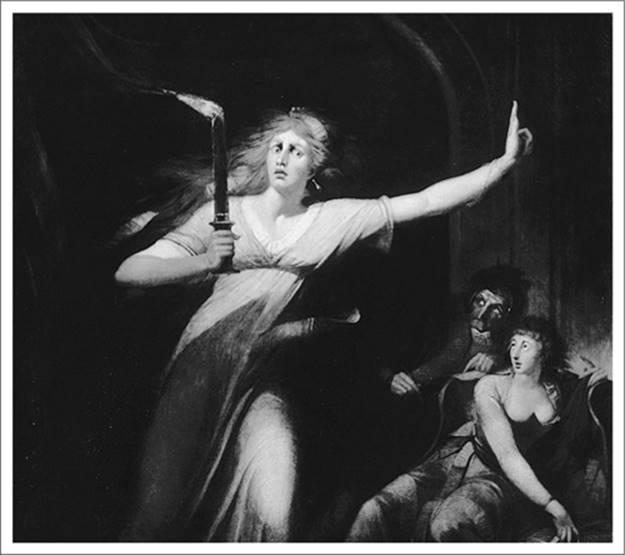
THE MYSTERY. When a bed partner snores or makes other noises, such as teeth grinding, or exhibits abnormal sleep behaviors such as sleepwalking (like Lady Macbeth) or restlessness, whose sleep is the most affected?
معما. وقتی شریک خواب خروپف میکند یا صداهای دیگری مانند دندان قروچه تولید میکند، یا رفتارهای غیرطبیعی خواب مانند راه رفتن در خواب (مانند لیدی مکبث) یا بیقراری از خود نشان میدهد، خواب چه کسی بیشتر تحت تأثیر قرار میگیرد؟
The Case of the Snorer’s Wife
Patients often come to the sleep clinic with someone accompanying them. Children come with parents, adults with bed partners, and the very elderly with a spouse, a friend, or a child. Sometimes, the doctor’s challenge with a new patient is figuring out whether the patient is the one with the sleep problem, such as the time when a husband and wife came into my examination room. The husband took the seat closest to my desk because he considered himself the patient. I asked him a series of questions about his sleep habits, and he answered yes to only one of them: he snored. But his wife had never observed him stop breathing while he slept, he did not feel sleepy during the daytime, he never fell asleep when he did not want to, and he had no trouble staying awake at movies or plays. He had no medical problems that I could discern. His blood pressure was normal. He did not smoke. His caffeine intake was reasonable. He drank alcohol only once in a while, although the snoring was worse on such occasions.
مورد همسر خروپفکننده
بیماران اغلب با همراهی کسی به کلینیک خواب میآیند. کودکان با والدین، بزرگسالان با شریک خواب و افراد بسیار مسن با همسر، دوست یا فرزند میآیند. گاهی اوقات، چالش پزشک با یک بیمار جدید این است که بفهمد آیا بیمار همان کسی است که مشکل خواب دارد یا خیر، مانند زمانی که یک زن و شوهر وارد اتاق معاینه من شدند. شوهر نزدیکترین صندلی به میز من را گرفت زیرا خود را بیمار میدانست. من از او یک سری سؤال در مورد عادات خوابش پرسیدم و او فقط به یکی از آنها پاسخ مثبت داد: او خروپف میکرد. اما همسرش هرگز شاهد قطع تنفس او در هنگام خواب نبود، او در طول روز احساس خوابآلودگی نمیکرد، هرگز وقتی نمیخواست به خواب نمیرفت و در بیدار ماندن در فیلم یا تئاتر مشکلی نداشت. او هیچ مشکل پزشکی که من بتوانم تشخیص دهم، نداشت. فشار خونش طبیعی بود. سیگار نمیکشید. مصرف کافئینش معقول بود. فقط گاهی اوقات الکل مینوشید، هرچند خروپفش در چنین مواقعی بدتر میشد.
I glanced at the woman and saw that she was looking at the floor. The bags under her eyes were clearly visible. I asked how her husband’s snoring was affecting her. After a few minutes, it became apparent that the husband was not the one with the problem. The real patient was the wife.
نگاهی به زن انداختم و دیدم که به زمین نگاه میکند. پف زیر چشمانش به وضوح دیده میشد. پرسیدم خروپف شوهرش چه تاثیری بر او دارد. بعد از چند دقیقه، مشخص شد که مشکل از شوهر نیست. بیمار واقعی همسر است.
Who Has the Sleep Problem?
When a bed partner or other family member makes noise or exhibits other sleep-related behavior, it can affect the sleep of others as well. Caring for children, spouses, and elderly parents can leave the caregiver sleep deprived and unable to function effectively. In this chapter I review how sufferers can recognize and manage their own sleep deprivation and their family’s sleep problems.
چه کسی مشکل خواب دارد؟
وقتی شریک زندگی یا یکی دیگر از اعضای خانواده سر و صدا میکند یا رفتارهای مرتبط با خواب از خود نشان میدهد، میتواند بر خواب دیگران نیز تأثیر بگذارد. مراقبت از کودکان، همسران و والدین مسن میتواند مراقب را دچار کمبود خواب و ناتوانی در عملکرد مؤثر کند. در این فصل بررسی میکنم که چگونه افراد مبتلا میتوانند کمبود خواب خود و مشکلات خواب خانوادهشان را تشخیص داده و مدیریت کنند.
Three universal truths I’ve discovered about sleeping are:
1. There is perhaps nothing more comforting than watching a loved one sleep comfortably and peacefully.
2. There is perhaps nothing more distressing than observing a loved one’s struggle to breathe or battle to achieve restful sleep.
3. There is perhaps nothing more frustrating than having sleep disturbed by a family member whose sleep habits are disruptive but not life threatening.
سه حقیقت جهانی که در مورد خواب کشف کردهام عبارتند از:
۱. شاید هیچ چیز آرامشبخشتر از تماشای خواب راحت و آرام یکی از عزیزان نباشد.
۲. شاید هیچ چیز ناراحتکنندهتر از مشاهدهی تقلا و تلاش یکی از عزیزان برای نفس کشیدن یا تلاش برای رسیدن به خواب راحت نباشد.
۳. شاید هیچ چیز ناامیدکنندهتر از این نباشد که خواب یکی از اعضای خانواده که عادات خوابش مختلکننده است اما زندگیاش را تهدید نمیکند، مختل شود.
Coping with the Sleep Problems of Bed Partners
When people share a bed or sleeping quarters, a person with a sleep disorder can severely disrupt the sleep of others. In a barracks, such as a prison or military accommodation, the sleep of many can be disturbed. Most often, though, only a bed partner suffers.
مقابله با مشکلات خواب شریک زندگی
وقتی افراد در یک تخت یا اتاق خواب مشترک هستند، فردی که اختلال خواب دارد میتواند خواب دیگران را به شدت مختل کند. در یک پادگان، مانند زندان یا محل اقامت نظامی، خواب بسیاری از افراد میتواند مختل شود. با این حال، اغلب فقط شریک زندگی در تخت از این مشکل رنج میبرد.
SNORING
Sleepers snore when air attempts to flow through an obstructed breathing passage, making the tissues in the nose and throat vibrate. The sound can vary from a whisper to a noise loud enough to be heard throughout the entire house. The only person who does not hear it is the snorer, who frequently denies that he or she snores. For everyone within earshot, however, the noise can be a form of torture.
خروپف
افرادی که در خواب هستند، زمانی خروپف میکنند که هوا سعی میکند از طریق یک مجرای تنفسی مسدود شده جریان یابد و باعث لرزش بافتهای بینی و گلو شود. صدا میتواند از یک زمزمه تا صدایی به اندازه کافی بلند که در کل خانه شنیده میشود، متفاوت باشد. تنها کسی که آن را نمیشنود، خروپف کننده است که اغلب انکار میکند که خروپف میکند. با این حال، برای هر کسی که در محدوده شنوایی او باشد، این صدا میتواند نوعی شکنجه باشد.
I recall interviewing a military officer whose spouse left him to return to her family in Texas. One of the main reasons she left was that she could not stand his snoring and had been unable to get a good night’s sleep. People who don’t sleep properly are tired, irritable, and snappy; some sufferers in this situation have clinical responses consistent with depression. Such symptoms can affect a marriage.
مصاحبه با یک افسر نظامی را به یاد دارم که همسرش او را ترک کرده بود تا به خانوادهاش در تگزاس برگردد. یکی از دلایل اصلی ترک او این بود که نمیتوانست خروپف او را تحمل کند و نتوانسته بود خواب خوبی داشته باشد. افرادی که به درستی نمیخوابند، خسته، تحریکپذیر و بدخلق هستند. برخی از مبتلایان در این شرایط، واکنشهای بالینی مطابق با افسردگی دارند. چنین علائمی میتواند بر ازدواج تأثیر بگذارد.
When both members of a couple snore, a contest seems to develop to see who will fall asleep first. In these snoring relationships, the two keep waking each other up, and after a while one of them usually retreats to another room to snore in peace.
وقتی هر دو عضو یک زوج خروپف میکنند، به نظر میرسد رقابتی برای اینکه چه کسی زودتر به خواب میرود، ایجاد میشود. در این روابط خروپف، آن دو مدام یکدیگر را بیدار میکنند و پس از مدتی یکی از آنها معمولاً به اتاق دیگری میرود تا در آرامش خروپ کند.
When I treat snoring in a person who does not have a serious health problem such as sleep apnea, what I am really treating is the impact of the noise on the family and others who might suffer as a result of the snoring. Thus, the goal is not to improve the snorer’s health, but to help the person most affected by the snoring—the listener! But when the “patient” is not ill, the question arises of how invasive the treatment should be. Should it include surgery, which has risks and may cause a great deal of pain? Can less severe methods lessen the snoring enough to enable family members to get their own needed sleep? The interests of both the snorer and those affected by the snoring must be considered.
وقتی خروپف را در فردی که مشکل جدی سلامتی مانند آپنه خواب ندارد درمان میکنم، چیزی که واقعاً درمان میکنم، تأثیر سر و صدا بر خانواده و دیگران است که ممکن است در نتیجه خروپف رنج ببرند. بنابراین، هدف بهبود سلامت فرد خروپف کننده نیست، بلکه کمک به فردی است که بیشترین آسیب را از خروپف میبیند – شنونده! اما وقتی «بیمار» بیمار نیست، این سوال مطرح میشود که درمان چقدر باید تهاجمی باشد. آیا باید شامل جراحی شود، که خطراتی دارد و ممکن است درد زیادی ایجاد کند؟ آیا روشهای ملایمتر میتوانند خروپف را به اندازهای کاهش دهند که اعضای خانواده بتوانند خواب مورد نیاز خود را داشته باشند؟ باید منافع هر دو طرف، یعنی فرد خروپف کننده و کسانی که تحت تأثیر خروپف قرار گرفتهاند، در نظر گرفته شود.
The most reasonable approach in this situation is to start with the treatment that is most likely to result in a permanent cure. I counsel snorers to work on reducing their weight (if appropriate), since being overweight often leads to snoring, and to avoid alcohol, which is known to make snoring worse. In fact, snorers should avoid getting into the habit of using any drugs to knock themselves out. Both sleeping pills and alcohol carry the risk of turning snoring into sleep apnea. Sleeping pills and alcohol relax the muscles of the throat that keep the breathing passage open and will worsen breathing. So snorers should avoid alcohol before bedtime.
معقولترین رویکرد در این شرایط، شروع درمانی است که به احتمال زیاد منجر به درمان دائمی میشود. من به افراد خروپف توصیه میکنم که روی کاهش وزن خود (در صورت لزوم) کار کنند، زیرا اضافه وزن اغلب منجر به خروپف میشود و از مصرف الکل که به بدتر شدن خروپف معروف است، خودداری کنند. در واقع، افراد خروپف کننده باید از عادت به استفاده از هرگونه دارویی که باعث بیخوابی میشود، خودداری کنند. هم قرصهای خوابآور و هم الکل خطر تبدیل خروپف به آپنه خواب را دارند. قرصهای خوابآور و الکل عضلات گلو را که مجرای تنفس را باز نگه میدارند، شل میکنند و تنفس را بدتر میکنند. بنابراین افراد خروپف کننده باید قبل از خواب از مصرف الکل خودداری کنند.
If the snoring continues, bed partners can consider some behavior modifications to reduce the disturbance to their own sleep. Here are the most common; some have proven more effective than others.
اگر خروپف ادامه یابد، شرکای خواب میتوانند برخی از تغییرات رفتاری را برای کاهش اختلال در خواب خود در نظر بگیرند. در اینجا رایجترین آنها آورده شده است؛ برخی از آنها مؤثرتر از سایرین بودهاند.
Go to bed first. Some people find that if they fall asleep before the snorer, they are less likely to be awakened by the snoring during the night. Bed partners of snorers might find this effective, but in my experience, it does not tend to work on a regular basis.
اول به رختخواب بروید. برخی افراد متوجه میشوند که اگر قبل از فرد خروپف کننده به خواب بروند، احتمال کمتری دارد که در طول شب با خروپف از خواب بیدار شوند. ممکن است شریک خواب افراد خروپف کننده این روش را مؤثر بداند، اما طبق تجربه من، این روش معمولاً به طور منظم جواب نمیدهد.
Adjust the bed partner’s sleep position. People more commonly snore when they sleep flat on their back. Bed partners can encourage snorers to sleep on their side by gently pushing on them or elbowing them in the ribs. Although some sleep experts recommend having snorers sleep with a backpack or a tennis ball sewn to the back of the pajamas (this was the focus of a 2009 research study in sleep apnea patients) to keep them on their side, this approach seems unreliable, and it can cause a sore back. Only 10 percent of patients used the treatment long term. Other gadgets are available to induce people to sleep on their side.
وضعیت خواب شریک خواب را تنظیم کنید. افراد معمولاً وقتی به پشت میخوابند، خروپف میکنند. شریک خواب میتواند با فشار ملایم به افراد خروپف یا آرنج زدن به دندههای آنها، آنها را به خوابیدن به پهلو تشویق کند. اگرچه برخی از متخصصان خواب توصیه میکنند که افراد خروپف کننده با یک کوله پشتی یا یک توپ تنیس دوخته شده به پشت لباس خواب بخوابند (این موضوع مورد توجه یک مطالعه تحقیقاتی در سال ۲۰۰۹ در بیماران آپنه خواب بود) تا آنها را به پهلو نگه دارد، اما این رویکرد غیرقابل اعتماد به نظر میرسد و میتواند باعث کمردرد شود. تنها ۱۰ درصد از بیماران از این درمان در درازمدت استفاده کردند. ابزارهای دیگری نیز برای القای خوابیدن افراد به پهلو در دسترس است.
Another option is for the snorer to try sleeping in a comfortable chair in a semi-upright position. When people are in this position they snore less, and even some people with sleep apnea can have more normal sleep when they sit rather than lie down to rest.
گزینه دیگر این است که فرد خروپف کننده سعی کند روی یک صندلی راحت در حالت نیمه ایستاده بخوابد. وقتی افراد در این وضعیت هستند، کمتر خروپف میکنند و حتی برخی از افراد مبتلا به آپنه خواب میتوانند هنگام نشستن به جای دراز کشیدن برای استراحت، خواب طبیعیتری داشته باشند.
Wear earplugs. Research reported in 2012 has shown that male apnea patients are more likely to have hearing loss, a finding that suggests that loud snoring might damage the hearing system. This might also be the case for bed partners of snorers. Earplugs can give both bed partners and family members a better night’s sleep; they might also help prevent loss of hearing. Earplugs work extremely well for some people, and there are many different types on the market. They are sold in drugstores, stores that sell industrial and safety clothing, and stores that sell loud machinery such as chainsaws. The earplugs designed for industrial use can be less expensive and might be more effective than some of the earplugs available at other types of retail stores. The wearer should experiment to find the type that fits best, is the most comfortable, and is the least likely to fall out of the ear during the night. It might take a couple of nights for wearers to get used to the earplugs, but the resulting quiet will be worth the effort.
از گوشگیر استفاده کنید. تحقیقات گزارش شده در سال ۲۰۱۲ نشان داده است که بیماران مرد مبتلا به آپنه بیشتر احتمال دارد دچار کمشنوایی شوند، یافتهای که نشان میدهد خروپف بلند ممکن است به سیستم شنوایی آسیب برساند. این موضوع ممکن است در مورد شریک خواب افراد خروپفکننده نیز صادق باشد. گوشگیر میتواند به شریک خواب و اعضای خانواده خواب شبانه بهتری بدهد. آنها همچنین ممکن است به جلوگیری از کمشنوایی کمک کنند. گوشگیرها برای برخی افراد بسیار خوب عمل میکنند و انواع مختلفی از آنها در بازار وجود دارد. آنها در داروخانهها، فروشگاههایی که لباسهای صنعتی و ایمنی میفروشند و فروشگاههایی که ماشینآلات پر سر و صدا مانند اره برقی میفروشند، فروخته میشوند. گوشگیرهایی که برای استفاده صنعتی طراحی شدهاند میتوانند ارزانتر باشند و ممکن است از برخی از گوشگیرهای موجود در سایر فروشگاههای خردهفروشی مؤثرتر باشند. فرد باید آزمایش کند تا نوعی را پیدا کند که به بهترین شکل مناسب باشد، راحتترین باشد و احتمال افتادن آن از گوش در طول شب کمتر باشد. ممکن است چند شب طول بکشد تا افراد به گوشگیر عادت کنند، اما سکوت حاصل از آن ارزش تلاش را خواهد داشت.
Sleep with a noise machine. Noise machines, which generate “white” noise or other soothing noises, are now readily available to drown out the sound of snoring. In addition to machines, such noises are available as apps for download on iPads, iPhones, and other smartphones.
با دستگاه تولید صدا بخوابید. دستگاههای تولید نویز که نویز «سفید» یا سایر صداهای آرامشبخش تولید میکنند، اکنون به راحتی برای خفه کردن صدای خروپف در دسترس هستند. علاوه بر این دستگاهها، چنین صداهایی به صورت اپلیکیشنهایی برای دانلود روی آیپد، آیفون و سایر گوشیهای هوشمند در دسترس هستند.
Sleep in separate beds. Sleeping in separate beds might seem likely to be ineffective, but some snorers also move around a great deal to keep their breathing normal. Thus it is not always the noise that keeps the bed partner awake; sometimes the movements associated with the breathing are more disruptive. Especially if they have slept together for many years, some couples view sleeping in separate beds as a failure of their relationship. But if it enables a normal sleeper to cope with a bed partner’s problem, it might actually strengthen the relationship.
در تختهای جداگانه بخوابید. خوابیدن در تختهای جداگانه ممکن است بیاثر به نظر برسد، اما برخی از افراد خروپفکننده نیز برای حفظ تنفس طبیعی خود زیاد حرکت میکنند. بنابراین همیشه سر و صدا نیست که شریک خواب را بیدار نگه میدارد؛ گاهی اوقات حرکات مرتبط با تنفس، اختلال بیشتری ایجاد میکند. به خصوص اگر سالها با هم خوابیده باشند، برخی از زوجها خوابیدن در تختهای جداگانه را به عنوان شکست رابطه خود میدانند. اما اگر این کار به یک فرد با خواب طبیعی اجازه دهد تا با مشکل شریک خواب خود کنار بیاید، در واقع ممکن است رابطه را تقویت کند.
Sleep in a separate room. Some sufferers from noisy bed partners leave the bed and find a quieter place to sleep. Ironically, they sometimes do this because they are afraid that their sleeplessness might awaken their snoring bed partner—who is sleeping deeply. Because sleeping on a couch is uncomfortable and unlikely to promote good rest, many sufferers eventually move to another bedroom, often the most distant one from the bed partner.
در یک اتاق جداگانه بخوابید. برخی از افرادی که از شریک خواب پر سر و صدا رنج میبرند، تخت را ترک میکنند و جای آرامتری برای خوابیدن پیدا میکنند. از قضا، آنها گاهی اوقات این کار را انجام میدهند زیرا میترسند که بیخوابی آنها شریک خواب خروپفکنندهشان را که عمیق خوابیده است، بیدار کند. از آنجا که خوابیدن روی مبل ناراحتکننده است و بعید است که باعث استراحت خوب شود، بسیاری از افراد مبتلا در نهایت به اتاق خواب دیگری نقل مکان میکنند، که اغلب دورترین اتاق از شریک خواب است.
Buy the property next door. Although I mention this in jest, it has been effective. Since some snoring, particularly at a very low rumbling pitch, can be heard throughout a dwelling, even sleeping in another room might not block out the sound. This was the case with one couple, each of whom snored loudly, who eventually bought the house next door. The two would retire to their respective homes at night. Though drastic, the move saved their sleep—and their marriage.
ملک همسایه را بخرید. اگرچه من این را به شوخی میگویم، اما مؤثر بوده است. از آنجایی که مقداری خروپف، به ویژه با صدای غرش بسیار پایین، در سراسر خانه شنیده میشود، حتی خوابیدن در اتاق دیگر نیز ممکن است صدا را مسدود نکند. این مورد در مورد یک زوج صدق میکرد که هر کدام با صدای بلند خروپف میکردند و در نهایت خانه کناری را خریدند. این دو نفر شبها به خانههای خود میرفتند. اگرچه این جابجایی شدید بود، اما خواب آنها و ازدواجشان را نجات داد.
STOPPING BREATHING
Although listeners can find a bed partner’s snoring annoying and disruptive, there is probably nothing more disturbing to them than thinking that their loved one is about to take his or her last breath. Many people cannot get used to sleeping next to someone who stops breathing on a regular basis. They find themselves constantly alert, listening to their partner, waiting to hear him or her take an effective breath. (I review this common problem in depth in Chapter 12.) Sufferers from this kind of sleep disruption should not seek ways to avoid hearing the stopped breathing; rather, they need to insist that the person who stops breathing receives proper medical evaluation. If a patient is diagnosed with sleep apnea and is treated with a continuous positive airway pressure device, bed partners are likely to find the gentle noise of the machine conducive to their own sleep as well.
قطع تنفس
اگرچه شنوندگان میتوانند خروپف شریک زندگی خود را آزاردهنده و مختلکننده بدانند، اما احتمالاً هیچ چیز برای آنها آزاردهندهتر از این نیست که فکر کنند عزیزشان در شرف آخرین نفس خود است. بسیاری از مردم نمیتوانند به خوابیدن در کنار کسی که مرتباً دچار قطع تنفس میشود عادت کنند. آنها دائماً هوشیار هستند، به شریک زندگی خود گوش میدهند و منتظرند تا صدای نفس کشیدن مؤثر او را بشنوند. (من این مشکل رایج را در فصل 12 به طور مفصل بررسی میکنم.) مبتلایان به این نوع اختلال خواب نباید به دنبال راههایی برای جلوگیری از شنیدن صدای قطع تنفس باشند. در عوض، آنها باید اصرار کنند که فردی که دچار قطع تنفس میشود، ارزیابی پزشکی مناسبی دریافت کند. اگر بیماری مبتلا به آپنه خواب تشخیص داده شود و با دستگاه فشار مثبت مداوم راه هوایی درمان شود، شرکای زندگی احتمالاً صدای ملایم دستگاه را برای خواب خود نیز مفید خواهند یافت.
TOSSING AND TURNING
When one bed partner tosses, turns, gets out of bed, walks around, gets back into bed, and takes half an hour to several hours to fall asleep, the other one is generally feeling angry and frustrated because he or she is not getting any sleep either. Couples may also find that one partner continues moving even after falling asleep, perhaps twitching every twenty or thirty seconds or moving the bedclothes around or kicking. Some partners sweat a great deal. These can be symptoms of a movement disorder (see Chapter 11), and most patients with such a disorder can be treated. If the treatment does not work, separate beds can be a solution.
غلت زدن و چرخیدن
وقتی یکی از زوجین در رختخواب غلت میزند، غلت میزند، از رختخواب بیرون میآید، راه میرود، دوباره به رختخواب میرود و نیم ساعت تا چند ساعت طول میکشد تا به خواب برود، دیگری معمولاً احساس عصبانیت و ناامیدی میکند زیرا او هم خوابش نمیبرد. زوجها همچنین ممکن است متوجه شوند که یکی از زوجین حتی پس از به خواب رفتن همچنان حرکت میکند، شاید هر بیست یا سی ثانیه تکان بخورد یا ملحفه را جابجا کند یا لگد بزند. برخی از زوجین زیاد عرق میکنند. این موارد میتواند علائم اختلال حرکتی باشد (به فصل 11 مراجعه کنید) و اکثر بیماران مبتلا به چنین اختلالی را میتوان درمان کرد. اگر درمان مؤثر نباشد، تختهای جداگانه میتواند یک راه حل باشد.
TEETH GRINDING
Some people grind their teeth while sleeping, a condition known as bruxism. The sound can be one of the most annoying noises for a bed partner to deal with—it sounds as if there is a chipmunk in the bed. Bed partners can try the same techniques suggested for coping with snoring: earplugs, changing bedrooms, and so forth. But bruxism can also indicate a serious dental-health issue: if the teeth grinding becomes severe, it can wear down the teeth to the point that they no longer function well and have to be removed. Teeth grinders should be encouraged to see a dentist, who might fit them with a mouth guard that will minimize the damage that grinding can inflict on the teeth—and their partners’ sleep.
دندان قروچه
بعضی افراد هنگام خواب دندانهای خود را به هم میسایند، وضعیتی که به عنوان براکسیسم شناخته میشود. این صدا میتواند یکی از آزاردهندهترین صداها برای شریک زندگی باشد – انگار یک سنجاب در رختخواب است. شریک زندگی میتواند همان تکنیکهای پیشنهادی برای مقابله با خروپف را امتحان کند: گوشگیر، تعویض اتاق خواب و غیره. اما براکسیسم همچنین میتواند نشان دهنده یک مشکل جدی در سلامت دندان باشد: اگر دندان قروچه شدید شود، میتواند دندانها را تا حدی فرسوده کند که دیگر به خوبی عمل نکنند و باید برداشته شوند. افرادی که دندان قروچه میکنند باید به دندانپزشک مراجعه کنند تا دندانپزشک بتواند برای آنها محافظ دهانی تجویز کند که آسیبی را که دندان قروچه میتواند به دندانها – و خواب شریک زندگیشان – وارد کند، به حداقل برساند.
TALKING OR WALKING DURING SLEEP
Some people intermittently speak gibberish, moan, or make other strange noises while they sleep. One patient I knew would sit up, sing the national anthem, and then go back to sleep, with no recollection of the event the next morning. These behaviors do not represent anything serious, and in most cases the bed partner becomes used to it. If the bed partner’s sleep is continually disturbed, he or she should try the remedies listed above under snoring.
صحبت کردن یا راه رفتن در خواب
بعضی افراد به طور متناوب هنگام خواب نامفهوم صحبت میکنند، ناله میکنند یا صداهای عجیب دیگری از خود در میآورند. یکی از بیمارانی که میشناختم، مینشست، سرود ملی را میخواند و سپس دوباره به خواب میرفت، بدون اینکه صبح روز بعد چیزی از آن اتفاق به خاطر بیاورد. این رفتارها هیچ چیز جدیای را نشان نمیدهند و در بیشتر موارد، شریک خواب به آن عادت میکند. اگر خواب شریک خواب به طور مداوم مختل میشود، باید درمانهای ذکر شده در بالا را در بخش خروپف امتحان کند.
Sleepwalking can also be a disturbance to a bed partner. Some sleepwalkers get out of bed, walk around, even get a snack while sound asleep. They generally return safely to bed and wake up in the morning with no recollection of what they have done. The activity can awaken the bed partner and be a cause of concern. Other sleepers might find themselves waking up in another room of the house. Although most of the time this is not anything to be concerned about because the activities are not dangerous, bed partners disturbed by sleepwalkers can suggest ways to reduce the likelihood of sleepwalking. People are more likely to sleepwalk after they have consumed alcohol and when they are sleep deprived, so sleepwalkers should try to get a lot of rest and avoid alcohol before going to bed. If a bed partner starts doing dangerous things while sleepwalking (leaving the house, cooking on a stove), it is time to seek medical help.
راه رفتن در خواب همچنین میتواند برای شریک خواب شما مزاحمت ایجاد کند. برخی از افراد خوابگرد در حالی که کاملاً خواب هستند از رختخواب بیرون میآیند، راه میروند، حتی یک میان وعده میخورند. آنها معمولاً با خیال راحت به رختخواب برمیگردند و صبح بدون هیچ خاطرهای از آنچه انجام دادهاند از خواب بیدار میشوند. این فعالیت میتواند شریک خواب شما را بیدار کند و باعث نگرانی شود. سایر افراد ممکن است خود را در اتاق دیگری از خانه بیدار ببینند. اگرچه بیشتر اوقات این موضوع نگران کننده نیست زیرا فعالیتها خطرناک نیستند، اما شرکای خواب که توسط افراد خوابگرد آشفته میشوند، میتوانند راههایی برای کاهش احتمال راه رفتن در خواب پیشنهاد کنند. افراد پس از مصرف الکل و زمانی که دچار کمبود خواب هستند، بیشتر احتمال دارد که در خواب راه بروند، بنابراین افراد خوابگرد باید سعی کنند قبل از رفتن به رختخواب استراحت زیادی داشته باشند و از مصرف الکل خودداری کنند. اگر شریک خواب شما هنگام راه رفتن در خواب شروع به انجام کارهای خطرناک (ترک خانه، پخت و پز روی اجاق گاز) کند، وقت آن است که به پزشک مراجعه کنید.
NIGHT TERRORS AND NIGHTMARES
One of the more frightening behaviors for bed partners is when the soundly sleeping person next to them suddenly lets out a bloodcurdling scream and sits bolt upright, pouring with sweat, eyes wide open. Although the bed partner gets a shock, the person experiencing the sleep terrors often retains no memory of what happened. Upsetting as it is for the bed partner, this disorder is not dangerous. It is a variant of sleepwalking and is treated in the same way.
وحشتهای شبانه و کابوسها
یکی از ترسناکترین رفتارها برای شریک خواب این است که فرد کناری او که در خواب عمیقی است، ناگهان جیغ وحشتناکی میکشد و در حالی که عرق از چشمانش جاری است، صاف مینشیند و از جا میپرد. اگرچه شریک خواب دچار شوک میشود، اما فردی که وحشت خواب را تجربه میکند، اغلب هیچ خاطرهای از آنچه اتفاق افتاده به خاطر نمیآورد. این اختلال اگرچه برای شریک خواب ناراحتکننده است، اما خطرناک نیست. این اختلال نوعی از راه رفتن در خواب است و به همان روش درمان میشود.
Nightmares, however, when they recur or are particularly violent, can be another matter for both the sleeper and the bed partner. If a sleeper frequently wakes up sweating, sometimes screaming, with heart pounding, and breathing hard, because he or she was frightened by a terrifying dream, especially if the nightmare is recurrent and violent, he or she should be evaluated by a doctor. Nightmares of this type are common among military veterans, who might be suffering from posttraumatic stress disorder (see Chapter 16); such nightmares also occur among people who have suffered various other types of trauma (rape, devastating hurricanes). We now know that PTSD with nightmares can occur after many types of trauma and last for decades.
با این حال، کابوسها، وقتی تکرار میشوند یا به طور خاص خشونتآمیز هستند، میتوانند موضوع دیگری برای فرد خوابآلود و شریک خواب او باشند. اگر فردی که در خواب است، به دلیل ترس از یک خواب وحشتناک، مرتباً عرق میکند، گاهی جیغ میزند، با تپش قلب و نفس نفس زدن از خواب میپرد، به خصوص اگر کابوس مکرر و خشونتآمیز باشد، باید توسط پزشک ارزیابی شود. کابوسهایی از این نوع در بین جانبازان نظامی که ممکن است از اختلال استرس پس از سانحه رنج ببرند، رایج است (به فصل ۱۶ مراجعه کنید)؛ چنین کابوسهایی همچنین در بین افرادی که انواع مختلف دیگری از تروما (تجاوز، طوفانهای ویرانگر) را تجربه کردهاند، رخ میدهد. اکنون میدانیم که PTSD همراه با کابوس میتواند پس از انواع مختلف تروما رخ دهد و برای دههها ادامه یابد.
Patients with REM sleep behavior disorder (covered in more detail in Chapter 14) physically and sometimes aggressively react to their dreams. If they are dreaming that they are being attacked, they might attack their bed partner. They also might punch the walls, throw objects, or jump out of bed, and could hurt themselves and others. This is a serious condition that requires medical treatment.
بیماران مبتلا به اختلال رفتاری خواب REM (که در فصل ۱۴ با جزئیات بیشتر به آن پرداخته شده است) به صورت فیزیکی و گاهی اوقات پرخاشگرانه به رویاهای خود واکنش نشان میدهند. اگر خواب ببینند که مورد حمله قرار گرفتهاند، ممکن است به شریک خواب خود حمله کنند. آنها همچنین ممکن است به دیوارها مشت بزنند، اشیاء را پرتاب کنند یا از رختخواب بپرند و میتوانند به خود و دیگران آسیب برسانند. این یک وضعیت جدی است که نیاز به درمان پزشکی دارد.
Coping with Children’s Sleep Problems
When children have sleep problems, their caregivers usually lose sleep as well. Children can develop sleep problems at any age, though the types of disorders vary with age. Caregivers who can help their children solve their sleep problems will have a better chance of getting a good night’s sleep themselves.
مقابله با مشکلات خواب کودکان
وقتی کودکان مشکلات خواب دارند، مراقبان آنها نیز معمولاً دچار بیخوابی میشوند. کودکان میتوانند در هر سنی دچار مشکلات خواب شوند، اگرچه انواع اختلالات با سن متفاوت است. مراقبانی که میتوانند به فرزندانشان در حل مشکلات خوابشان کمک کنند، خودشان شانس بیشتری برای داشتن خواب خوب شبانه خواهند داشت.
SLEEP PROBLEMS AMONG NEWBORNS
New babies can cause everyone in the house to lose sleep. Until the baby begins to sleep through the night without feedings, the parents, in particular, especially the one who does the night feeding, can expect to suffer sleep deprivation. This is normal. But parents can shorten the period by helping the newborn develop regular sleep habits early. According to Dr. Jodi Mindell of the Children’s Hospital of Philadelphia, author of Sleeping Through the Night: How Infants, Toddlers, and Their Parents Can Get a Good Night’s Sleep, parents can start helping their baby develop positive sleep habits as early as three months of age. These practices will help the baby start sleeping for longer stretches at night. The most important steps are
مشکلات خواب در بین نوزادان
نوزادان جدید میتوانند باعث شوند که همه افراد خانه دچار بیخوابی شوند. تا زمانی که نوزاد بدون شیر خوردن در طول شب بخوابد، والدین، به ویژه کسی که به او شیر میدهد، میتوانند انتظار داشته باشند که از کمبود خواب رنج ببرند. این طبیعی است. اما والدین میتوانند با کمک به نوزاد برای ایجاد عادات خواب منظم در اوایل تولد، این دوره را کوتاه کنند. به گفته دکتر جودی میندل از بیمارستان کودکان فیلادلفیا، نویسنده کتاب «خوابیدن در طول شب: چگونه نوزادان، کودکان نوپا و والدین آنها میتوانند خواب خوبی داشته باشند»، والدین میتوانند از اوایل سه ماهگی به نوزاد خود در ایجاد عادات مثبت خواب کمک کنند. این روشها به کودک کمک میکند تا شبها مدت طولانیتری بخوابد. مهمترین مراحل عبارتند از
· developing a regular sleep schedule that is the same every day;
· establishing a consistent bedtime routine; and
· putting the baby to bed drowsy but awake.
• ایجاد یک برنامه خواب منظم که هر روز یکسان باشد؛
• ایجاد یک روال ثابت برای خواب؛ و
• خواباندن کودک در حالت خوابآلوده اما بیدار
Once babies learn to soothe themselves to sleep at bedtime, they will be able to fall back asleep on their own when they wake up at night.
وقتی نوزادان یاد بگیرند که قبل از خواب خودشان را آرام کنند تا بخوابند، میتوانند وقتی شبها بیدار میشوند، خودشان دوباره بخوابند.
Some problems that arise among babies in their first year are more serious and can have an impact on the entire family. One of the most common is colic; one of the most devastating is sudden infant death syndrome (SIDS).
برخی از مشکلاتی که در سال اول زندگی نوزادان پیش میآید، جدیتر است و میتواند بر کل خانواده تأثیر بگذارد. یکی از رایجترین آنها قولنج است؛ یکی از مخربترین آنها سندرم مرگ ناگهانی نوزاد (SIDS) است.
Colic. At around two weeks of age, about 10 percent of newborn babies start to have unexplained episodes of crying that might occur on a daily basis. Between the episodes of crying, the baby seems fine. These episodes can last for hours and can occur at any time, causing distress for the parents or care-giver and keeping them from getting much-needed sleep. Such behavior is often an indicator of colic. Pediatricians often use the “Rule of 3” to judge whether a baby is colicky: the crying lasts for three hours or more per day, for three days or more per week, for three weeks or longer. Medical science has not found the cause of colic, but some important facts are known. Colic is not caused by gas or abdominal pain. Children with a large amount of gas or problems with excessive diarrhea might be allergic to cow’s milk. And it is certainly not the result of bad parenting.
قولنج. حدود دو هفتگی، حدود ۱۰ درصد از نوزادان تازه متولد شده شروع به گریههای بیدلیل میکنند که ممکن است روزانه اتفاق بیفتد. بین این گریهها، نوزاد حالش خوب به نظر میرسد. این گریهها میتواند ساعتها طول بکشد و در هر زمانی اتفاق بیفتد و باعث ناراحتی والدین یا مراقبان شود و آنها را از خواب کافی محروم کند. چنین رفتاری اغلب نشانهای از قولنج است. متخصصان اطفال اغلب از «قانون ۳» برای قضاوت در مورد قولنجی بودن نوزاد استفاده میکنند: گریه به مدت سه ساعت یا بیشتر در روز، سه روز یا بیشتر در هفته، سه هفته یا بیشتر طول میکشد. علم پزشکی علت قولنج را پیدا نکرده است، اما برخی از حقایق مهم شناخته شده است. قولنج ناشی از گاز یا درد شکم نیست. کودکانی که مقدار زیادی گاز یا مشکلات اسهال بیش از حد دارند، ممکن است به شیر گاو حساسیت داشته باشند. و مطمئناً نتیجه فرزندپروری بد نیست.
Babies often get over their colic at three or four months, but in the meantime, parents are likely to experience sleep deprivation. Most parents try cuddling and rocking the baby early on, but they should concentrate on trying to normalize their child’s sleep habits so that the baby will learn to fall asleep on her or his own.
نوزادان اغلب در سه یا چهار ماهگی بر قولنج خود غلبه میکنند، اما در این مدت، والدین احتمالاً دچار کمبود خواب میشوند. اکثر والدین سعی میکنند نوزاد را در اوایل دوران کودکی بغل کنند و تکان دهند، اما باید روی عادیسازی عادات خواب فرزندشان تمرکز کنند تا نوزاد یاد بگیرد که خودش به خواب برود.
Establishing a healthy sleep pattern is essential to good sleep. Parents should make sure that their baby wakes up at roughly the same time every morning and goes to bed at roughly the same time every night. Some children who have colic have trouble sleeping even after the colic is gone, a problem that may be related to the parents’ not having established a regular sleep schedule.
ایجاد یک الگوی خواب سالم برای خواب خوب ضروری است. والدین باید مطمئن شوند که نوزادشان هر روز صبح تقریباً در یک ساعت مشخص از خواب بیدار میشود و هر شب تقریباً در یک ساعت مشخص به رختخواب میرود. برخی از کودکانی که قولنج دارند، حتی پس از برطرف شدن قولنج، در خوابیدن مشکل دارند، مشکلی که ممکن است مربوط به عدم تنظیم برنامه خواب منظم توسط والدین باشد.
Some parents have difficulty in tolerating the crying and become angry; they might even violently shake and thus harm the baby. In such situations, parents should take to heart the words of a researcher in 2016: “When a baby won’t stop crying despite your efforts, leave and make yourself relaxed first.” An excellent source of information about dealing with colic can be found at the Period of Purple Crying website (http://www.purplecrying.info). Although colic can be bad news, the good news is that not every child develops it—and it does go away.
برخی از والدین در تحمل گریه مشکل دارند و عصبانی میشوند؛ حتی ممکن است کودک را به شدت تکان دهند و به او آسیب برسانند. در چنین شرایطی، والدین باید سخنان یک محقق در سال ۲۰۱۶ را به خاطر بسپارند: «وقتی نوزادی با وجود تلاشهای شما گریهاش بند نمیآید، ابتدا او را ترک کنید و خودتان را آرام کنید.» منبع عالی اطلاعات در مورد مقابله با کولیک را میتوانید در وبسایت Period of Purple Crying (http://www.purplecrying.info) بیابید. اگرچه کولیک میتواند خبر بدی باشد، خبر خوب این است که همه کودکان به آن مبتلا نمیشوند و از بین میرود.
Sudden infant death syndrome (SIDS). Sudden infant death syndrome (SIDS) is the unexpected death of an infant who appeared perfectly healthy. Although the precise mechanisms that lead to SIDS are as yet unknown, SIDS deaths usually occur while the baby is sleeping. One theory holds that babies’ nervous systems are not adequately developed so that they are not able to respond when they stop breathing or when their blood oxygen levels dip. SIDS strikes one out of every thousand babies and is more common among babies who are born prematurely and those who are abnormally small at birth. The time of highest risk is when the baby is between two and four months old. Roughly 90 percent of babies who succumb to SIDS die before they reach six months of age. Research has shown that in the United States, the rate of SIDS might be twice as high for African American babies than for the rest of the population. The reasons behind this discrepancy are unclear, although many scientific articles have reported that it may be the result of socioeconomic factors that lead to babies’ being put on unsafe sleep surfaces, sharing beds, or other risky behaviors. Parents can reduce the risk to their child by following such steps as putting the baby to sleep on its back, using pacifiers, and breast-feeding.
سندرم مرگ ناگهانی نوزاد (SIDS). سندرم مرگ ناگهانی نوزاد (SIDS) مرگ غیرمنتظره نوزادی است که کاملاً سالم به نظر میرسد. اگرچه مکانیسمهای دقیقی که منجر به SIDS میشوند هنوز ناشناخته هستند، اما مرگ ناشی از SIDS معمولاً در حالی رخ میدهد که نوزاد در خواب است. یک نظریه میگوید که سیستم عصبی نوزادان به اندازه کافی توسعه نیافته است، بنابراین هنگام قطع تنفس یا کاهش سطح اکسیژن خون، قادر به پاسخگویی نیستند. SIDS از هر هزار نوزاد، یک نفر را مبتلا میکند و در بین نوزادانی که نارس به دنیا میآیند و آنهایی که در بدو تولد به طور غیرطبیعی کوچک هستند، شایعتر است. زمان بیشترین خطر زمانی است که نوزاد بین دو تا چهار ماهگی است. تقریباً 90 درصد از نوزادانی که تسلیم SIDS میشوند، قبل از رسیدن به شش ماهگی میمیرند. تحقیقات نشان داده است که در ایالات متحده، میزان SIDS ممکن است برای نوزادان آمریکایی آفریقاییتبار دو برابر بیشتر از بقیه جمعیت باشد. دلایل این اختلاف مشخص نیست، اگرچه بسیاری از مقالات علمی گزارش دادهاند که ممکن است نتیجه عوامل اجتماعی-اقتصادی باشد که منجر به قرار دادن نوزادان روی سطوح خواب ناامن، تختهای مشترک یا سایر رفتارهای پرخطر میشود. والدین میتوانند با رعایت نکاتی مانند خواباندن کودک به پشت، استفاده از پستانک و شیردهی، خطر ابتلا به این بیماری را برای فرزندشان کاهش دهند.
A big breakthrough occurred in the 1990s when research showed that babies sleeping in the facedown position were more likely to die of SIDS than those sleeping on their backs. It has been estimated that one-third of SIDS cases are related to sleeping on the stomach. A child sleeping on its stomach might be unable to lift its head if the breathing passage is obstructed, for example, by pillows or blankets. Smoking by the mother before birth and exposure to cigarette smoke after birth have been linked to an increase in the risk of SIDS. Research by a Harvard University group in 2012 showed that secondhand smoke is a risk factor for SIDS: about 20 percent of SIDS cases were probably related to smoking. A study from the United Kingdom showed that alcohol consumption by either parent was also associated with an increased SIDS risk.
در دهه ۱۹۹۰، زمانی که تحقیقات نشان داد نوزادانی که به صورت رو به پایین میخوابند، بیشتر از نوزادانی که به پشت میخوابند، در اثر سندرم مرگ ناگهانی نوزاد (SIDS) جان خود را از دست میدهند، پیشرفت بزرگی رخ داد. تخمین زده شده است که یک سوم موارد سندرم مرگ ناگهانی نوزاد (SIDS) مربوط به خوابیدن روی شکم است. کودکی که روی شکم میخوابد، اگر مجرای تنفسیاش مثلاً توسط بالش یا پتو مسدود شده باشد، ممکن است نتواند سر خود را بلند کند. سیگار کشیدن مادر قبل از تولد و قرار گرفتن در معرض دود سیگار پس از تولد با افزایش خطر سندرم مرگ ناگهانی نوزاد مرتبط دانسته شده است. تحقیقات یک گروه از دانشگاه هاروارد در سال ۲۰۱۲ نشان داد که دود سیگار یک عامل خطر برای سندرم مرگ ناگهانی نوزاد است: حدود ۲۰ درصد از موارد سندرم مرگ ناگهانی نوزاد احتمالاً مربوط به سیگار کشیدن بوده است. مطالعهای از بریتانیا نشان داد که مصرف الکل توسط هر یک از والدین نیز با افزایش خطر سندرم مرگ ناگهانی نوزاد مرتبط است.
Caregivers should follow these 2016 recommendations from the American Academy of Pediatrics to reduce their child’s risk of SIDS:
مراقبان باید از این توصیههای سال ۲۰۱۶ آکادمی اطفال آمریکا برای کاهش خطر سندرم مرگ ناگهانی نوزاد (SIDS) پیروی کنند:
· Place the baby on his or her back on a firm sleep surface such as a crib or bassinet with a tight-fitting sheet.
· Avoid soft bedding, including crib bumpers, blankets, pillows, and soft toys. The crib should be bare.
· Have the baby share a bedroom, but not a bed, with the parents for the first year, or, at the least, for the first six months. (This has been shown to decrease the risk of SIDS by as much as 50 percent.)
· Avoid exposing the baby to cigarette smoke, alcohol, or illicit drugs.
· نوزاد را به پشت روی یک سطح سفت مانند گهواره یا تخت نوزاد با یک ملحفه تنگ قرار دهید.
· از رختخواب نرم، از جمله ضربه گیر گهواره، پتو، بالش و اسباب بازی های نرم خودداری کنید. گهواره باید خالی باشد.
· نوزاد را در سال اول یا حداقل شش ماه اول با والدین در یک اتاق خواب، اما نه در یک تخت، قرار دهید. (نشان داده شده است که این کار خطر ابتلا به سندرم مرگ ناگهانی نوزاد (SIDS) را تا 50 درصد کاهش می دهد.)
· از قرار دادن نوزاد در معرض دود سیگار، الکل یا مواد مخدر غیرقانونی خودداری کنید.
In addition, make sure the baby does not overheat. This can occur if the room is too hot, the baby is wearing too many clothes, or the bedclothes are too heavy, especially when the baby has a fever or an illness such as a cold or other infection. The American Academy of Pediatrics has made available for download the 2016 policy statement with detailed recommendations for creating a safe infant sleeping environment (see the Bibliography).
علاوه بر این، مطمئن شوید که نوزاد بیش از حد گرمش نشود. این اتفاق میتواند در صورتی رخ دهد که اتاق خیلی گرم باشد، نوزاد لباسهای زیادی پوشیده باشد یا ملحفهها خیلی سنگین باشند، به خصوص زمانی که نوزاد تب یا بیماری مانند سرماخوردگی یا عفونت دیگری دارد. آکادمی اطفال آمریکا بیانیه سیاست سال ۲۰۱۶ را به همراه توصیههای دقیق برای ایجاد یک محیط خواب ایمن برای نوزاد، برای دانلود در دسترس قرار داده است (به کتابشناسی مراجعه کنید).
Since the campaign to have children sleep on their backs began, there has been a 40 percent reduction in the number of SIDS deaths. Besides reducing SIDS, sleeping on the back has been reported to reduce episodes of fever, stuffy nose, and ear infections.
از زمان شروع کمپین خوابیدن کودکان به پشت، ۴۰ درصد کاهش در تعداد مرگ و میر ناشی از سندرم مرگ ناگهانی نوزاد (SIDS) مشاهده شده است. علاوه بر کاهش سندرم مرگ ناگهانی نوزاد، گزارش شده است که خوابیدن به پشت، دورههای تب، گرفتگی بینی و عفونت گوش را نیز کاهش میدهد.
CAUTION: Be careful about gadgets that claim to help babies maintain a safe sleeping position. A November 2012 report from the Centers for Disease Control indicated that these may lead to suffocation and death. Parents should check with their pediatrician before using any gadget making such claims.
هشدار: در مورد وسایلی که ادعا میکنند به نوزادان کمک میکنند تا در حالت خواب ایمن قرار بگیرند، مراقب باشید. گزارشی در نوامبر ۲۰۱۲ از مراکز کنترل بیماریها نشان داد که این وسایل ممکن است منجر به خفگی و مرگ شوند. والدین باید قبل از استفاده از هرگونه وسیلهای که چنین ادعاهایی دارد، با پزشک متخصص اطفال خود مشورت کنند.
SLEEP PROBLEMS AMONG YOUNG CHILDREN
Most young children do not have difficulties sleeping regularly. Their parents have established a regular sleeping pattern for them, and they usually sleep through the night. This enables the parents to get a good night’s sleep too. But some children have sleep problems that can affect the parents’ sleep as well as their own. One of the most common is an inability to fall asleep without a parent.
مشکلات خواب در میان کودکان خردسال
بیشتر کودکان خردسال در خوابیدن منظم مشکل ندارند. والدین آنها الگوی خواب منظمی برای آنها ایجاد کردهاند و آنها معمولاً در طول شب میخوابند. این امر والدین را نیز قادر میسازد تا خواب خوبی داشته باشند. اما برخی از کودکان مشکلات خوابی دارند که میتواند بر خواب والدین و همچنین خواب خودشان تأثیر بگذارد. یکی از رایجترین آنها ناتوانی در خوابیدن بدون والدین است.
Children who have learned to associate sleep with being held or rocked may have a great deal of difficulty falling asleep on their own. Some children will crawl into the parents’ bed or insist on sleeping in the parents’ room. Failure to deal with this problem when the child is young can have long-term implications—I recall a couple who asked me for strategies on how to remove their thirteen-year-old from their bed!
کودکانی که یاد گرفتهاند خواب را با بغل شدن یا تکان دادن مرتبط کنند، ممکن است در خوابیدن به تنهایی مشکل زیادی داشته باشند. برخی از کودکان به رختخواب والدین میخزند یا اصرار دارند که در اتاق والدین بخوابند. عدم رسیدگی به این مشکل در سنین پایین میتواند پیامدهای بلندمدتی داشته باشد – من زوجی را به یاد میآورم که از من راهکارهایی برای چگونگی جدا کردن فرزند سیزده ساله خود از رختخوابشان خواستند!
Dr. Richard Ferber of Harvard University discusses this problem in Solve Your Child’s Sleep Problems, which helps parents teach children to fall asleep on their own. Dr. Ferber’s approach works for many families, and I recommend his book highly. The three key steps are:
دکتر ریچارد فربر از دانشگاه هاروارد در کتاب «مشکلات خواب کودک خود را حل کنید» به این مشکل میپردازد، کتابی که به والدین کمک میکند تا به کودکان خود بیاموزند که خودشان به خواب بروند. رویکرد دکتر فربر برای بسیاری از خانوادهها مؤثر است و من کتاب او را اکیداً توصیه میکنم. سه مرحله کلیدی عبارتند از:
1. Establish a nightly routine before bedtime that is relaxing to the child. This could include taking a bath, rocking or singing to the child, or ending the day with storytelling or a bedtime book.
۱. قبل از خواب، یک برنامهی شبانهی آرامشبخش برای کودک تعیین کنید. این برنامه میتواند شامل حمام کردن، تکان دادن یا آواز خواندن برای کودک، یا پایان دادن به روز با قصهگویی یا کتاب خواب باشد.
2. Put children to bed in their own crib or their own room (if the child has a separate bedroom) while they are still awake but beginning to show signs of sleepiness. This enables children to learn to fall asleep on their own.
۲. کودکان را در حالی که هنوز بیدار هستند اما علائم خوابآلودگی را نشان میدهند، در گهواره یا اتاق خودشان (اگر کودک اتاق خواب جداگانهای دارد) بخوابانید. این کار به کودکان کمک میکند تا یاد بگیرند که خودشان به خواب بروند.
3. Leave the room after the child has been put to bed. This is the most difficult part. If the child cries, the parent should wait before going into the room, make the visit brief, and not hold, feed, sing to, or rock the child. The amount of time the parent waits before going into the child’s room should become longer and longer on progressive nights. In this way, the child learns that crying brings only a brief visit from the parent, and eventually learns to go to sleep on his or her own. Parents who adhere to the process consistently usually find that within a week or sometimes two the child will establish a regular sleeping schedule. A research study published in 2016 confirmed the effectiveness of this method.
۳. بعد از خواباندن کودک، اتاق را ترک کنید. این سختترین بخش است. اگر کودک گریه میکند، والدین باید قبل از رفتن به اتاق منتظر بمانند، ملاقات را کوتاه کنند و کودک را در آغوش نگیرند، به او غذا ندهند، برایش آواز نخوانند یا تکان ندهند. مدت زمانی که والدین قبل از رفتن به اتاق کودک منتظر میمانند، باید در شبهای بعدی طولانیتر و طولانیتر شود. به این ترتیب، کودک یاد میگیرد که گریه کردن فقط باعث ملاقات کوتاهی از طرف والدین میشود و در نهایت یاد میگیرد که خودش به تنهایی بخوابد. والدینی که به طور مداوم به این فرآیند پایبند هستند، معمولاً متوجه میشوند که کودک ظرف یک یا گاهی دو هفته برنامهی خواب منظمی پیدا میکند. یک مطالعه تحقیقاتی که در سال ۲۰۱۶ منتشر شد، اثربخشی این روش را تأیید کرد.
Getting a slightly older child who is sleeping in the parents’ bed to move can be more complicated. The child may claim to be frightened to sleep alone. Is “frightened” an excuse or is the child really afraid? One technique that sometimes works when the child is claiming to be frightened is to offer to let the child sleep on the floor next to the parents’ bed. After a while, the child will learn that sleeping on the floor is a lot less comfortable than sleeping in his or her own bed. If the child persists in claiming to be frightened, parents should check with a pediatrician to see whether professional help is necessary.
وادار کردن کودک کمی بزرگتر که در تخت والدین میخوابد به تنها خوابیدن میتواند پیچیدهتر باشد. کودک ممکن است ادعا کند که از تنها خوابیدن میترسد. آیا «ترسیدن» بهانه است یا کودک واقعاً میترسد؟ یکی از تکنیکهایی که گاهی اوقات وقتی کودک ادعا میکند که ترسیده است، جواب میدهد، این است که به او پیشنهاد دهید که روی زمین کنار تخت والدین بخوابد. پس از مدتی، کودک یاد میگیرد که خوابیدن روی زمین بسیار دشوارتر از خوابیدن در تخت خودش است. اگر کودک همچنان ادعا کند که ترسیده است، والدین باید با متخصص اطفال مشورت کنند تا ببینند آیا کمک حرفهای لازم است یا خیر.
SLEEP PROBLEMS FOUND IN CHILDREN AT ANY AGE
Some children snore, and the causes tend to be different from those of adult snoring. For instance, snoring in children is not usually caused by obesity. Most often snoring or sleep apnea in children is caused by enlarged tonsils and adenoids, or a small jaw.
مشکلات خواب در کودکان در هر سنی یافت میشود
بعضی از کودکان خروپف میکنند و علل آن معمولاً با علل خروپف بزرگسالان متفاوت است. به عنوان مثال، خروپف در کودکان معمولاً ناشی از چاقی نیست. اغلب خروپف یا آپنه خواب در کودکان ناشی از بزرگ شدن لوزهها و آدنوئیدها یا فک کوچک است.
A child who snores loudly and stops breathing during sleep may have obstructive sleep apnea. If the child has large tonsils or is obese, these problems will probably have to be dealt with. Parents should consult with a doctor about the causes of their child’s snoring.
کودکی که با صدای بلند خروپف میکند و در طول خواب نفسش بند میآید، ممکن است آپنه انسدادی خواب داشته باشد. اگر کودک لوزههای بزرگی دارد یا چاق است، احتمالاً باید به این مشکلات رسیدگی شود. والدین باید در مورد علل خروپف فرزندشان با پزشک مشورت کنند.
I have also seen many adult snorers whose sleep apnea was caused by an abnormally small jaw; often it turned out that their children also snored and had small jaws. If a parent with a small jaw has sleep apnea, his or her snoring child should be evaluated by a dentist or an orthodontist, as the obstructed breathing pattern may also be due to an abnormal jaw structure. If a child has a very small jaw, orthodontics can often improve the jaw structure and might help reduce the chance of significant sleep apnea years later. The first evaluation visit to an orthodontist is often free.
من همچنین افراد بزرگسال زیادی را دیدهام که خروپف میکنند و آپنه خواب آنها ناشی از فک کوچک غیرطبیعی است؛ اغلب معلوم شده است که فرزندانشان نیز خروپف میکنند و فک کوچکی دارند. اگر والدینی با فک کوچک، آپنه خواب داشته باشند، فرزند خروپف کننده او باید توسط دندانپزشک یا ارتودنتیست ارزیابی شود، زیرا الگوی تنفس مسدود شده ممکن است به دلیل ساختار غیرطبیعی فک نیز باشد. اگر کودکی فک بسیار کوچکی داشته باشد، ارتودنسی اغلب میتواند ساختار فک را بهبود بخشد و ممکن است به کاهش احتمال آپنه خواب قابل توجه در سالهای بعد کمک کند. اولین مراجعه به ارتودنتیست برای ارزیابی اغلب رایگان است.
Other sleep problems in children, such as night terrors, sleep talking, and sleepwalking, are similar to those of adults and can be dealt with in the same ways.
سایر مشکلات خواب در کودکان، مانند وحشت شبانه، صحبت کردن در خواب و راه رفتن در خواب، مشابه مشکلات بزرگسالان است و میتوان با همان روشها با آنها برخورد کرد.
Coping with Sleep Problems Among the Elderly
Many older people enjoy a normal night’s sleep. As reviewed in Chapter 2, abnormal sleep is often a sign of a medical condition or the result of a medication or medications. As with sleep problems related to bed partners and children, people who care for elderly ill family members usually experience secondhand sleep problems. Caring for older people who require an intervention at night, such as those who have had a stroke, are on a breathing machine, are incontinent, or require medications to be administered, can have a terrible effect on a caregiver’s sleep. Getting help at night from others is critical to maintaining the health of the caregiver.
مقابله با مشکلات خواب در میان سالمندان
بسیاری از افراد مسن از خواب شبانه طبیعی لذت میبرند. همانطور که در فصل 2 بررسی شد، خواب غیرطبیعی اغلب نشانه یک بیماری یا نتیجه مصرف دارو یا داروها است. همانند مشکلات خواب مربوط به همخوابگان و کودکان، افرادی که از اعضای خانواده بیمار و مسن مراقبت میکنند، معمولاً مشکلات خواب دست دوم را تجربه میکنند. مراقبت از افراد مسنی که نیاز به مداخله در شب دارند، مانند کسانی که سکته مغزی کردهاند، به دستگاه تنفس متصل هستند، بیاختیاری دارند یا نیاز به تجویز دارو دارند، میتواند تأثیر وحشتناکی بر خواب مراقب داشته باشد. کمک گرفتن از دیگران در شب برای حفظ سلامت مراقب بسیار مهم است.
One of the most common situations depriving caregivers of much-needed sleep is looking after a relative with the neurodegenerative disorder known as Alzheimer’s disease (see Chapter 15). More than 70 percent of those with Alzheimer’s disease live at home, and they put a great emotional and financial burden on their families and cause many sleepless nights for the caregiver (who is often the patient’s daughter). Because the woman is usually the care-giver in her family, she is the one who most often deals with a family member with Alzheimer’s disease. Eighty-four percent of caregivers of Alzheimer’s patients are women, and on the average the caregivers are sixty-five years old. The average patient lives about eight years after diagnosis. Some researchers believe that the single most important reason why patients with Alzheimer’s are institutionalized is that they wander at night and do not sleep. Their care-givers cannot cope with these nighttime activities, which exacerbate their own sleep deprivation. Caregivers of Alzheimer’s patients often have to coordinate medical care (medications, doctor visits) and personal care (hygiene, laundry, feeding). Such responsibilities often lead to sleep deprivation.
یکی از رایجترین موقعیتهایی که مراقبان را از خواب بسیار مورد نیاز محروم میکند، مراقبت از یکی از بستگان مبتلا به اختلال عصبی شناخته شده به عنوان بیماری آلزایمر است (به فصل 15 مراجعه کنید). بیش از 70 درصد از مبتلایان به آلزایمر در خانه زندگی میکنند و بار عاطفی و مالی زیادی را بر خانوادههای خود تحمیل میکنند و باعث بیخوابیهای شبانه زیادی برای مراقب (که اغلب دختر بیمار است) میشوند. از آنجا که زن معمولاً مراقب خانواده خود است، او کسی است که اغلب با یکی از اعضای خانواده مبتلا به آلزایمر سر و کار دارد. هشتاد و چهار درصد از مراقبان بیماران آلزایمر زن هستند و به طور متوسط مراقبان شصت و پنج سال سن دارند. بیمار به طور متوسط حدود هشت سال پس از تشخیص زنده میماند. برخی از محققان معتقدند که مهمترین دلیل بستری شدن بیماران مبتلا به آلزایمر در آسایشگاه این است که آنها شبها پرسه میزنند و نمیخوابند. مراقبان آنها نمیتوانند با این فعالیتهای شبانه کنار بیایند که باعث تشدید کمبود خواب خودشان میشود. مراقبان بیماران آلزایمر اغلب باید مراقبتهای پزشکی (داروها، ویزیت پزشک) و مراقبتهای شخصی (بهداشت، شستن لباس، تغذیه) را هماهنگ کنند. چنین مسئولیتهایی اغلب منجر به محرومیت از خواب میشود.
Caregivers who are experiencing sleep problems should seek help and find out what resources are available. A good place to start is their doctor’s office and social service agencies. Getting help from family members can restore sleep and well-being—at least temporarily. Caregivers who are dealing with Alzheimer’s patients should not be embarrassed to ask for help.
مراقبانی که با مشکلات خواب مواجه هستند باید درخواست کمک کنند و منابع موجود را بررسی کنند. مطب پزشک و آژانسهای خدمات اجتماعی میتوانند نقطه شروع خوبی باشند. کمک گرفتن از اعضای خانواده میتواند خواب و رفاه را حداقل به طور موقت بازیابی کند. مراقبانی که با بیماران آلزایمری سر و کار دارند نباید از درخواست کمک خجالت بکشند.
Back to the Snorer’s Wife
The snorer’s wife explained how much difficulty she had falling asleep because of the snoring and said that she felt terrible during the day. Her husband retorted that his snoring must not be that loud because it did not wake him up. I asked him whether he would have come to the clinic if his wife had not insisted. He replied no.
برگردیم به همسر خروپف کننده
همسر خروپف کننده توضیح داد که به دلیل خروپف چقدر در خوابیدن مشکل دارد و گفت که در طول روز احساس وحشتناکی دارد. شوهرش در جواب گفت که خروپف او نباید آنقدر بلند باشد زیرا او را از خواب بیدار نمیکند. از او پرسیدم که آیا اگر همسرش اصرار نمیکرد، به کلینیک میآمد؟ او پاسخ داد نه.
It now became apparent to all three of us that although the snoring patient did not have a medical problem, his wife had a serious sleep problem. After discussing different options, the husband agreed to wear a dental appliance that kept him from snoring and allowed his wife to sleep through the night next to him.
حالا برای هر سه نفر ما آشکار شد که اگرچه بیمار خروپف کننده مشکل پزشکی نداشت، همسرش مشکل جدی خواب داشت. پس از بحث در مورد گزینههای مختلف، شوهر موافقت کرد که از یک وسیله دندانپزشکی استفاده کند که او را از خروپف باز میدارد و به همسرش اجازه میدهد که تمام شب در کنار او بخوابد.
Just as patients do not always realize that they have sleep problems, sufferers from secondhand sleep problems might not recognize how a bed partner or family member’s sleep habits or disorders can affect their own sleep and health. It can be as important to find treatment for secondhand sleep problems as it is to diagnose sleep disorders in a patient
همانطور که بیماران همیشه متوجه نمیشوند که مشکلات خواب دارند، مبتلایان به مشکلات خواب دست دوم ممکن است تشخیص ندهند که چگونه عادات یا اختلالات خواب شریک زندگی یا یکی از اعضای خانواده میتواند بر خواب و سلامت آنها تأثیر بگذارد. یافتن درمان برای مشکلات خواب دست دوم میتواند به اندازه تشخیص اختلالات خواب در یک بیمار مهم باشد.
»
»