
فیزیولوژی پزشکی گایتون و هال؛ انرژتیک و میزان متابولیک


دعای مطالعه [ نمایش ]
بِسْمِ الله الرَّحْمنِ الرَّحیمِ
اَللّهُمَّ اَخْرِجْنى مِنْ ظُلُماتِ الْوَهْمِ
خدايا مرا بيرون آور از تاريكىهاى وهم،
وَ اَكْرِمْنى بِنُورِ الْفَهْمِ
و به نور فهم گرامى ام بدار،
اَللّهُمَّ افْتَحْ عَلَيْنا اَبْوابَ رَحْمَتِكَ
خدايا درهاى رحمتت را به روى ما بگشا،
وَانْشُرْ عَلَيْنا خَزائِنَ عُلُومِكَ بِرَحْمَتِكَ يا اَرْحَمَ الرّاحِمينَ
و خزانههاى علومت را بر ما باز كن به امید رحمتت اى مهربانترين مهربانان.
کتاب «فیزیولوژی پزشکی گایتون و هال» بهعنوان یکی از جامعترین و معتبرترین منابع در حوزه علوم پزشکی، همچنان مرجع کلیدی برای درک عملکرد پیچیده بدن انسان است. این اثر با تکیه بر تازهترین پژوهشها و توضیحات دقیق از سازوکارهای فیزیولوژیک، پلی میان علوم پایه پزشکی و کاربردهای بالینی ایجاد میکند و نقشی بیبدیل در آموزش، پژوهش و ارتقای دانش سلامت ایفا مینماید.
ترجمه دقیق و علمی این شاهکار توسط برند علمی آیندهنگاران مغز به مدیریت داریوش طاهری، دسترسی فارسیزبانان به مرزهای نوین دانش فیزیولوژی را ممکن ساخته و رسالتی علمی برای ارتقای آموزش پزشکی، فهم عمیقتر سازوکارهای بدن و توسعه روشهای نوین در حوزه سلامت فراهم آورده است.
» Guyton and Hall Textbook of Medical Physiology
»» CHAPTER 73: Energetics and Metabolic Rate

Adenosine Triphosphate Functions as an “Energy Currency” in Metabolism
Carbohydrates, fats, and proteins can all be used by cells to synthesize large quantities of adenosine triphosphate (ATP), which is used as an energy source for almost all other cellular functions. For this reason, ATP has been called an energy “currency” in cell metabolism. Indeed, the transfer of energy from foodstuffs to most functional systems of the cells can be performed only through this medium of ATP (or the similar nucleotide guanosine triphosphate [GTP]). Many of the attributes of ATP are presented in Chapter 2.
آدنوزین تری فسفات به عنوان یک “ارز انرژی” در متابولیسم عمل می کند
کربوهیدرات ها، چربی ها و پروتئین ها همگی می توانند توسط سلول ها برای سنتز مقادیر زیادی آدنوزین تری فسفات (ATP) استفاده شوند که به عنوان منبع انرژی برای تقریباً سایر عملکردهای سلولی استفاده می شود. به همین دلیل، ATP را یک “ارز” انرژی در متابولیسم سلولی می نامند. در واقع، انتقال انرژی از مواد غذایی به اکثر سیستم های عملکردی سلول ها تنها از طریق این محیط ATP (یا نوکلئوتید مشابه گوانوزین تری فسفات [GTP]) انجام می شود. بسیاری از ویژگی های ATP در فصل 2 ارائه شده است.
An attribute of ATP that makes it highly valuable as an energy currency is the large quantity of free energy (~7300 calories-or 7.3 Calories [kilocalories]-per mole under standard conditions, but as much as 12,000 calories under physiological conditions) vested in each of its two high-energy phosphate bonds. The amount of energy in each bond, when liberated by decomposition of ATP, is enough to cause almost any step of any chemical reaction in the body to take place if appropriate energy transfer is achieved. Some chemical reactions that require ATP energy use only a few hundred of the available 12,000 calories, and the remainder of this energy is lost in the form of heat.
یکی از ویژگیهای ATP که آن را به عنوان ارز انرژی بسیار ارزشمند میکند، مقدار زیادی انرژی آزاد (~7300 کالری یا 7.3 کالری در هر مول در شرایط استاندارد، اما تا 12000 کالری در شرایط فیزیولوژیکی) است که در هر یک از دو پیوند فسفات پرانرژی آن قرار دارد. مقدار انرژی در هر پیوند، هنگامی که با تجزیه ATP آزاد می شود، به اندازه ای است که در صورت انتقال انرژی مناسب، تقریباً هر مرحله از هر واکنش شیمیایی در بدن انجام شود. برخی از واکنش های شیمیایی که نیاز به انرژی ATP دارند، تنها چند صد کالری از 12000 کالری موجود را مصرف می کنند و باقیمانده این انرژی به صورت گرما از بین می رود.
ATP Is Generated by Combustion of Carbohydrates, Fats, and Proteins. In previous chapters, we discussed the transfer of energy from various foods to ATP. To summarize, ATP is produced through the following processes:
ATP از احتراق کربوهیدرات ها، چربی ها و پروتئین ها تولید می شود. در فصل های قبل، انتقال انرژی از غذاهای مختلف به ATP را مورد بحث قرار دادیم. به طور خلاصه، ATP از طریق فرآیندهای زیر تولید می شود:
1. Combustion of carbohydrates-mainly glucose, but also smaller amounts of other sugars such as fructose; this combustion occurs in the cell cytoplasm through the anaerobic process of glycolysis and in the cell mitochondria through the aerobic citric acid (Krebs) cycle.
1. احتراق کربوهیدرات ها – عمدتاً گلوکز، اما همچنین مقادیر کمتری از قندهای دیگر مانند فروکتوز. این احتراق در سیتوپلاسم سلولی از طریق فرآیند بی هوازی گلیکولیز و در میتوکندری سلول از طریق چرخه اسید سیتریک هوازی (کربس) رخ می دهد.
2. Combustion of fatty acids in the cell mitochondria by beta-oxidation.
2. احتراق اسیدهای چرب در میتوکندری سلول توسط بتا اکسیداسیون.
3. Combustion of proteins, which requires hydrolysis to their component amino acids and degradation of the amino acids to intermediate compounds of the citric acid cycle and then to acetyl coenzyme A and carbon dioxide.
3. احتراق پروتئین ها، که نیاز به هیدرولیز اسیدهای آمینه تشکیل دهنده آنها و تجزیه اسیدهای آمینه به ترکیبات واسطه چرخه اسید سیتریک و سپس به استیل کوآنزیم A و دی اکسید کربن دارد.
ATP Energizes the Synthesis of Cellular Components. Among the most important intracellular processes that require ATP energy is the formation of peptide linkages between amino acids during synthesis of proteins. The different peptide linkages, depending on which types of amino acids are linked, require from 500 to 5000 calories of energy per mole. Recall from Chapter 3 that four high- energy phosphate bonds are expended during the cascade of reactions required to form each peptide linkage. This expenditure provides a total of 48,000 calories of energy, far more than the 500 to 5000 calories eventually stored in each of the peptide linkages.
ATP به سنتز اجزای سلولی انرژی می دهد. یکی از مهمترین فرآیندهای درون سلولی که نیاز به انرژی ATP دارد، تشکیل پیوندهای پپتیدی بین اسیدهای آمینه در طول سنتز پروتئین ها است. پیوندهای مختلف پپتیدی، بسته به نوع اسیدهای آمینه مرتبط، به 500 تا 5000 کالری انرژی در هر مول نیاز دارند. از فصل 3 به یاد بیاورید که چهار پیوند فسفات با انرژی بالا در طول آبشار واکنش های مورد نیاز برای تشکیل هر پیوند پپتیدی صرف می شود. این هزینه در مجموع 48000 کالری انرژی فراهم می کند که بسیار بیشتر از 500 تا 5000 کالری ذخیره شده در هر یک از پیوندهای پپتیدی است.
ATP energy is also used for synthesizing glucose from lactic acid and for synthesizing fatty acids from acetyl co- enzyme A. In addition, ATP energy is used for the synthesis of cholesterol, phospholipids, the hormones, and almost all other substances of the body. Even the urea excreted by the kidneys requires ATP for its formation from ammonia. One might wonder why energy is expended to form urea, which is simply discarded by the body. However, remembering the extreme toxicity of ammonia in the body fluids, one can see the value of this reaction, which keeps the ammonia concentration of the body fluids at a low level.
انرژی ATP همچنین برای سنتز گلوکز از اسید لاکتیک و برای سنتز اسیدهای چرب از استیل کوآنزیم A استفاده میشود. حتی اوره دفع شده توسط کلیه ها برای تشکیل آن از آمونیاک به ATP نیاز دارد. ممکن است تعجب کنید که چرا انرژی برای تشکیل اوره صرف می شود که به سادگی توسط بدن دفع می شود. با این حال، با یادآوری سمیت شدید آمونیاک در مایعات بدن، می توان ارزش این واکنش را مشاهده کرد که غلظت آمونیاک مایعات بدن را در سطح پایین نگه می دارد.
ATP Energizes Muscle Contraction. Muscle contraction will not occur without energy from ATP. Myosin, one of the important contractile proteins of the muscle fiber, acts as an enzyme to cause breakdown of ATP into adenosine diphosphate (ADP), thus releasing the energy required to cause contraction. Only a small amount of ATP is normally degraded in muscles when muscle contraction is not occurring, but this rate of ATP usage can rise to at least 150 times the resting level during short bursts of maximal contraction. The mechanism by which ATP energy is used to cause muscle contraction is discussed in Chapter 6.
ATP به انقباض عضلانی انرژی می دهد. انقباض عضلانی بدون انرژی ATP رخ نخواهد داد. میوزین، یکی از پروتئین های مهم انقباضی فیبر عضلانی، به عنوان یک آنزیم برای تجزیه ATP به آدنوزین دی فسفات (ADP) عمل می کند، بنابراین انرژی مورد نیاز برای ایجاد انقباض را آزاد می کند. هنگامی که انقباض عضلانی اتفاق نمی افتد، معمولاً فقط مقدار کمی از ATP در ماهیچه ها تخریب می شود، اما این میزان استفاده از ATP می تواند در طول دوره های کوتاه انقباض حداکثر تا حداقل 150 برابر سطح استراحت افزایش یابد. مکانیسم استفاده از انرژی ATP برای ایجاد انقباض عضلانی در فصل 6 مورد بحث قرار گرفته است.
ATP Energizes Active Transport Across Membranes. In Chapters 4, 28, and 66, active transport of electrolytes and various nutrients across cell membranes and from the renal tubules and gastrointestinal tract into the blood is dis- cussed. We noted that active transport of most electrolytes and substances such as glucose, amino acids, and acetoacetate can occur against an electrochemical gradient, even though the natural diffusion of the substances would be in the opposite direction. Energy provided by ATP is required to oppose the electrochemical gradient.
ATP به حمل و نقل فعال در سراسر غشاها انرژی می دهد. در فصل های 4، 28 و 66، انتقال فعال الکترولیت ها و مواد مغذی مختلف از طریق غشای سلولی و از لوله های کلیوی و دستگاه گوارش به خون مورد بحث قرار گرفته است. ما اشاره کردیم که انتقال فعال اکثر الکترولیت ها و موادی مانند گلوکز، اسیدهای آمینه و استواستات می تواند در برابر یک گرادیان الکتروشیمیایی رخ دهد، حتی اگر انتشار طبیعی مواد در جهت مخالف باشد. انرژی ارائه شده توسط ATP برای مخالفت با گرادیان الکتروشیمیایی مورد نیاز است.
ATP Energizes Glandular Secretion. The same principles apply to glandular secretion as to the absorption of substances against concentration gradients because energy is required to concentrate substances as they are secreted by the glandular cells. In addition, energy is required to synthesize the organic compounds to be secreted.
ATP به ترشح غدد انرژی می بخشد. همان اصولی که در مورد ترشح غده ای در مورد جذب مواد در مقابل شیب غلظت اعمال می شود، زیرا برای تغلیظ مواد به انرژی نیاز است که توسط سلول های غده ترشح می شوند. علاوه بر این، برای سنتز ترکیبات آلی ترشح شده به انرژی نیاز است.
ATP Energizes Nerve Conduction. The energy used during propagation of nerve impulses is derived from the potential energy stored in the form of concentration differences of ions across the neuronal cell membranes. That is, a high concentration of potassium inside the neuron and a low concentration outside the neuron constitute a type of energy storage. Likewise, a high concentration of sodium on the outside of the membrane and a low concentration on the inside represent another store of energy. The energy needed to pass each action potential along the fiber membrane is derived from this energy storage, with small amounts of potassium transferring out of the cell and sodium into the cell during each of the action potentials. However, active transport systems energized by ATP then retransport the ions back through the membrane to their former positions.
ATP به هدایت عصبی انرژی می دهد. انرژی مورد استفاده در طی انتشار تکانه های عصبی از انرژی پتانسیل ذخیره شده به شکل اختلاف غلظت یون ها در سراسر غشای سلول عصبی مشتق می شود. یعنی غلظت بالای پتاسیم در داخل نورون و غلظت کم در خارج از نورون نوعی ذخیره انرژی را تشکیل می دهد. به همین ترتیب، غلظت بالای سدیم در قسمت بیرونی غشاء و غلظت کم در داخل، نشان دهنده ذخیره دیگری از انرژی است. انرژی مورد نیاز برای عبور هر پتانسیل عمل در امتداد غشای فیبر از این ذخیره انرژی به دست میآید که در طی هر یک از پتانسیلهای عمل، مقادیر کمی پتاسیم از سلول و سدیم به داخل سلول منتقل میشود. با این حال، سیستمهای انتقال فعال که توسط ATP انرژی میگیرند، سپس یونها را از طریق غشاء به موقعیتهای قبلی خود انتقال میدهند.
Phosphocreatine Functions as an Accessory Storage Depot for Energy and as an “ATP Buffer”
Despite the paramount importance of ATP as a coupling agent for energy transfer, this substance is not the most abundant store of high-energy phosphate bonds in the cells. Phosphocreatine, which also contains high-energy phosphate bonds, is three to eight times more abundant than ATP. Also, the high-energy bond (~) of phosphocreatine contains about 8500 calories per mole under standard conditions and as many as 13,000 calories per mole under conditions in the body (37°C and low concentrations of the reactants). This amount is slightly greater than the 12,000 calories per mole in each of the two high-energy phosphate bonds of ATP. The formula for creatinine phosphate is the following:
فسفوکراتین به عنوان یک انبار لوازم جانبی برای ذخیره انرژی و به عنوان یک “بافر ATP” عمل می کند.
علیرغم اهمیت فوق العاده ATP به عنوان یک عامل جفت کننده برای انتقال انرژی، این ماده فراوان ترین ذخیره پیوندهای فسفات با انرژی بالا در سلول ها نیست. فسفوکراتین، که حاوی پیوندهای فسفات پر انرژی نیز می باشد، سه تا هشت برابر بیشتر از ATP است. همچنین، پیوند پر انرژی (~) فسفوکراتین حاوی حدود 8500 کالری در هر مول در شرایط استاندارد و 13000 کالری در هر مول در شرایط موجود در بدن (37 درجه سانتیگراد و غلظت کم واکنش دهنده ها) است. این مقدار کمی بیشتر از 12000 کالری در هر مول در هر یک از دو پیوند فسفات پر انرژی ATP است. فرمول کراتینین فسفات به شرح زیر است:

Unlike ATP, phosphocreatine cannot act as a direct coupling agent for energy transfer between the foods and the functional cellular systems, but it can transfer energy interchangeably with ATP. When extra amounts of ATP are available in the cell, much of its energy is used to synthesize phosphocreatine, thus building up this storehouse of energy. Then, when the ATP begins to be used up, the energy in the phosphocreatine is transferred rapidly back to ATP and then to the functional systems of the cells. This reversible interrelation between ATP and phosphocreatine is demonstrated by the following equation:
برخلاف ATP، فسفوکراتین نمی تواند به عنوان یک عامل جفت کننده مستقیم برای انتقال انرژی بین غذاها و سیستم های سلولی عملکردی عمل کند، اما می تواند انرژی را به جای ATP انتقال دهد. هنگامی که مقادیر اضافی ATP در سلول در دسترس باشد، بیشتر انرژی آن برای سنتز فسفوکراتین استفاده می شود و در نتیجه این ذخیره انرژی ایجاد می شود. سپس، هنگامی که ATP شروع به مصرف می کند، انرژی موجود در فسفوکراتین به سرعت به ATP و سپس به سیستم های عملکردی سلول ها باز می گردد. این رابطه متقابل برگشت پذیر بین ATP و فسفوکراتین با معادله زیر نشان داده می شود:

The higher energy level of the high-energy phosphate bond in phosphocreatine (1000-1500 calories per mole greater than that in ATP) causes the reaction between phosphocreatine and ADP to proceed rapidly toward the formation of new ATP whenever the slightest amount of ATP expends its energy elsewhere. Therefore, the slightest usage of ATP by the cells calls forth the energy from the phosphocreatine to synthesize new ATP. This effect keeps the concentration of ATP at an almost constant high level as long as any phosphocreatine remains. For this reason, we can call the ATP-phosphocreatine system an ATP “buffer” system. One can readily understand the importance of keeping the concentration of ATP nearly constant because the rates of almost all the metabolic reactions in the body depend on this constancy.
سطح انرژی بالاتر پیوند فسفات پرانرژی در فسفوکراتین (1000-1500 کالری در هر مول بیشتر از ATP) باعث می شود که واکنش بین فسفوکراتین و ADP هر زمان که کوچکترین مقدار ATP انرژی خود را در جای دیگری خرج کند، به سرعت به سمت تشکیل ATP جدید پیش رود. بنابراین، کوچکترین استفاده از ATP توسط سلولها، انرژی فسفوکراتین را برای سنتز ATP جدید می طلبد. این اثر غلظت ATP را تا زمانی که فسفوکراتین باقی می ماند تقریباً ثابت نگه می دارد. به همین دلیل، میتوانیم سیستم ATP-phosphocreatine را یک سیستم «بافر» ATP بنامیم. می توان به راحتی اهمیت حفظ غلظت ATP را تقریباً ثابت درک کرد زیرا سرعت تقریباً تمام واکنش های متابولیک در بدن به این ثبات بستگی دارد.
Anaerobic Versus Aerobic Energy
Anaerobic energy means energy that can be derived from foods without the simultaneous utilization of oxygen; aerobic energy means energy that can be derived from foods only by oxidative metabolism. In Chapters 68 through 70, we noted that carbohydrates, fats, and proteins can all be oxidized to cause synthesis of ATP. However, carbohydrates are the only significant foods that can be used to provide energy without utilization of oxygen; this energy release occurs during glycolytic breakdown of glucose or glycogen to pyruvic acid. For each mole of glucose that is split into pyruvic acid, 2 moles of ATP are formed. However, when stored glycogen in a cell is split to pyruvic acid, each mole of glucose in the glycogen gives rise to 3 moles of ATP. The reason for this difference is that free glucose entering the cell must be phosphorylated by using 1 mole of ATP before it can begin to be split; this is not true of glucose derived from glycogen because it comes from the glycogen already in the phosphorylated state, without the additional expenditure of ATP. Thus, the best source of energy under anaerobic conditions is the stored glycogen of the cells.
انرژی بی هوازی در مقابل انرژی هوازی
انرژی بی هوازی به معنای انرژی است که می تواند از غذاها بدون استفاده همزمان از اکسیژن به دست آید. انرژی هوازی به معنای انرژی است که فقط از طریق متابولیسم اکسیداتیو می تواند از غذاها به دست آید. در فصلهای 68 تا 70، اشاره کردیم که کربوهیدراتها، چربیها و پروتئینها همگی میتوانند اکسید شوند و باعث سنتز ATP شوند. با این حال، کربوهیدرات ها تنها مواد غذایی مهمی هستند که می توانند برای تامین انرژی بدون استفاده از اکسیژن استفاده شوند. این آزاد شدن انرژی در طی تجزیه گلیکولیتیک گلوکز یا گلیکوژن به پیروویک اسید اتفاق می افتد. برای هر مول گلوکز که به اسید پیروویک تقسیم می شود، 2 مول ATP تشکیل می شود. با این حال، هنگامی که گلیکوژن ذخیره شده در یک سلول به اسید پیروویک تقسیم می شود، هر مول گلوکز در گلیکوژن باعث ایجاد 3 مول ATP می شود. دلیل این تفاوت این است که گلوکز آزاد وارد شده به سلول باید با استفاده از 1 مول ATP قبل از شروع به تقسیم شدن، فسفریله شود. این در مورد گلوکز مشتق شده از گلیکوژن صادق نیست زیرا از گلیکوژنی که قبلاً در حالت فسفریله است، بدون هزینه اضافی ATP به دست می آید. بنابراین، بهترین منبع انرژی در شرایط بی هوازی، گلیکوژن ذخیره شده سلول ها است.
Anaerobic Energy Utilization During Hypoxia. One of the prime examples of anaerobic energy utilization occurs in acute hypoxia. When a person stops breathing, a small amount of oxygen is already stored in the lungs and an additional amount is stored in the hemoglobin of the blood. This oxygen is sufficient to keep the metabolic processes functioning for only about 2 minutes. Continued life be- yond this time requires an additional source of energy. This energy can be derived for another minute or so from glycolysis—that is, the glycogen of the cells splitting into pyruvic acid, and the pyruvic acid becoming lactic acid, which diffuses out of the cells, as described in Chapter 68.
استفاده از انرژی بی هوازی در طول هیپوکسی. یکی از نمونه های بارز استفاده از انرژی بی هوازی در هیپوکسی حاد رخ می دهد. هنگامی که تنفس فرد متوقف می شود، مقدار کمی اکسیژن از قبل در ریه ها و مقدار اضافی در هموگلوبین خون ذخیره می شود. این اکسیژن برای حفظ عملکرد فرآیندهای متابولیک تنها برای حدود 2 دقیقه کافی است. ادامه زندگی فراتر از این زمان نیاز به یک منبع انرژی اضافی دارد. این انرژی را می توان برای یک دقیقه دیگر یا بیشتر از گلیکولیز به دست آورد – یعنی گلیکوژن سلول ها به اسید پیروویک تقسیم می شود و اسید پیروویک به اسید لاکتیک تبدیل می شود که از سلول ها منتشر می شود، همانطور که در فصل 68 توضیح داده شد.
Anaerobic Energy Utilization During Strenuous Bursts of Activity Is Derived Mainly From Glycolysis. Skeletal muscles can perform extreme feats of strength for a few seconds but are much less capable during prolonged activity. Most of the extra energy required during these bursts of activity cannot come from the oxidative processes because they are too slow to respond. Instead, the extra energy comes from anaerobic sources: (1) ATP already present in the muscle cells, (2) phosphocreatine in the cells, and (3) anaerobic energy released by glycolytic breakdown of glycogen to lactic acid.
استفاده از انرژی بی هوازی در طول انفجارهای شدید فعالیت عمدتاً از گلیکولیز ناشی می شود. ماهیچههای اسکلتی میتوانند برای چند ثانیه قدرت فوقالعادهای را انجام دهند، اما در طول فعالیتهای طولانی مدت بسیار کمتر توانایی دارند. بیشتر انرژی اضافی مورد نیاز در طول این انفجارهای فعالیت نمی تواند از فرآیندهای اکسیداتیو ناشی شود زیرا آنها برای پاسخ دادن بسیار کند هستند. در عوض، انرژی اضافی از منابع بیهوازی میآید: (1) ATP که قبلاً در سلولهای ماهیچهای وجود دارد، (2) فسفوکراتین در سلولها، و (3) انرژی بیهوازی آزاد شده توسط تجزیه گلیکولیتیک گلیکوژن به اسید لاکتیک.
The maximum amount of ATP in muscle is only about 5 mmol/L of intracellular fluid, and this amount can maintain maximum muscle contraction for no more than a second or so. The amount of phosphocreatine in the cells is three to eight times this amount, but even by using all the phosphocreatine, maximum contraction can be maintained for only 5 to 10 seconds.
حداکثر مقدار ATP در ماهیچه فقط حدود 5 میلی مول در لیتر مایع داخل سلولی است و این مقدار می تواند حداکثر انقباض عضلانی را بیش از یک ثانیه یا بیشتر حفظ کند. مقدار فسفوکراتین در سلول ها سه تا هشت برابر این مقدار است، اما حتی با استفاده از تمام فسفوکراتین می توان حداکثر انقباض را تنها برای 5 تا 10 ثانیه حفظ کرد.
Release of energy by glycolysis can occur much more rapidly than can oxidative release of energy. Consequently, most of the extra energy required during strenuous activity that lasts for more than 5 to 10 seconds but less than 1 to 2 minutes is derived from anaerobic glycolysis. As a result, the glycogen content of muscles during strenuous bouts of exercise is reduced, whereas the lactic acid concentration of the blood rises. After the exercise is over, oxidative metabolism is used to reconvert about four fifths of the lactic acid into glucose; the remainder becomes pyruvic acid and is degraded and oxidized in the citric acid cycle. The reconversion to glucose occurs principally in the liver cells, and the glucose is then transported in the blood back to the muscles, where it is stored once more in the form of glycogen.
آزاد شدن انرژی توسط گلیکولیز می تواند بسیار سریعتر از آزادسازی اکسیداتیو انرژی رخ دهد. در نتیجه، بیشتر انرژی اضافی مورد نیاز در طول فعالیت های شدید که بیش از 5 تا 10 ثانیه طول می کشد اما کمتر از 1 تا 2 دقیقه از گلیکولیز بی هوازی به دست می آید. در نتیجه، محتوای گلیکوژن ماهیچه ها در طول تمرینات شدید کاهش می یابد، در حالی که غلظت اسید لاکتیک خون افزایش می یابد. پس از پایان تمرین، متابولیسم اکسیداتیو برای تبدیل مجدد حدود چهار پنجم اسید لاکتیک به گلوکز استفاده می شود. باقی مانده به اسید پیروویک تبدیل می شود و در چرخه اسید سیتریک تجزیه و اکسید می شود. تبدیل مجدد به گلوکز عمدتاً در سلول های کبدی اتفاق می افتد و سپس گلوکز در خون به ماهیچه ها منتقل می شود و در آنجا یک بار دیگر به شکل گلیکوژن ذخیره می شود.
Extra Consumption of Oxygen Repays the Oxygen Debt After Completion of Strenuous Exercise. After a period of strenuous exercise, a person continues to breathe hard and to consume large amounts of oxygen for at least a few minutes and sometimes for as long as 1 hour thereafter. This additional oxygen is used to (1) reconvert the lactic acid that has accumulated during exercise back into glucose, (2) reconvert adenosine monophosphate and ADP to ATP, (3) reconvert creatine and phosphate to phosphocreatine, (4) re-establish normal concentrations of oxygen bound with hemoglobin and myoglobin, and (5) raise the concentration of oxygen in the lungs to its normal level. This extra consumption of oxy- gen after exercise is called repaying the oxygen debt.
مصرف اضافی اکسیژن بدهی اکسیژن را پس از اتمام تمرینات سنگین بازپرداخت می کند. پس از یک دوره ورزش شدید، فرد به تنفس سخت و مصرف مقادیر زیادی اکسیژن برای حداقل چند دقیقه و گاهی تا 1 ساعت پس از آن ادامه می دهد. این اکسیژن اضافی برای (1) تبدیل مجدد اسید لاکتیکی که در طول تمرین انباشته شده است به گلوکز، (2) تبدیل مجدد آدنوزین مونوفسفات و ADP به ATP، (3) تبدیل مجدد کراتین و فسفات به فسفوکراتین، (4) برقراری مجدد هگلوبین، هگلوبین و غلظت نرمال مایگلوبین و میوگلوبین استفاده می شود. (5) غلظت اکسیژن در ریه ها را به سطح طبیعی خود افزایش دهید. این مصرف اضافی اکسیژن پس از ورزش، بازپرداخت بدهی اکسیژن نامیده می شود.
The principle of oxygen debt is discussed further in Chapter 85 in relation to sports physiology. The ability of a person to build up an oxygen debt is especially important in many types of athletics.
اصل بدهی اکسیژن بیشتر در فصل 85 در رابطه با فیزیولوژی ورزشی مورد بحث قرار گرفته است. توانایی یک فرد برای ایجاد بدهی اکسیژن به ویژه در بسیاری از انواع دو و میدانی مهم است.
Summary of Energy Utilization by the Cells
With the background of the past few chapters and of the preceding discussion, we can now synthesize a composite picture of overall energy utilization by the cells, as shown in Figure 73-1. This figure demonstrates the anaerobic utilization of glycogen and glucose to form ATP and the aerobic utilization of com- pounds derived from carbohydrates, fats, proteins, and other substances to form additional ATP. In turn, ATP is in reversible equilibrium with phosphocreatine in the cells, and because larger quantities of phosphocreatine than of ATP are present in the cells, much of the cells’ stored energy is in this energy storehouse.
خلاصه ای از مصرف انرژی توسط سلول ها
با پسزمینه چند فصل گذشته و بحث قبلی، اکنون میتوانیم تصویر ترکیبی از استفاده کلی انرژی توسط سلولها را، همانطور که در شکل 73-1 نشان داده شده است، ترکیب کنیم. این شکل استفاده بی هوازی از گلیکوژن و گلوکز برای تشکیل ATP و استفاده هوازی از ترکیبات مشتق شده از کربوهیدرات ها، چربی ها، پروتئین ها و سایر مواد برای تشکیل ATP اضافی را نشان می دهد. به نوبه خود، ATP در تعادل برگشت پذیر با فسفوکراتین در سلول ها است و از آنجا که مقادیر بیشتری فسفوکراتین نسبت به ATP در سلول ها وجود دارد، بیشتر انرژی ذخیره شده سلول ها در این انبار انرژی است.
Energy from ATP can be used by the different functioning systems of the cells to provide for synthesis and growth, muscle contraction, glandular secretion, nerve impulse conduction, active absorption, and other cellular activities. If greater amounts of energy are demanded for cellular activities than can be provided by oxidative metabolism, the phosphocreatine storehouse is used first, followed rap- idly by anaerobic breakdown of glycogen. Thus, oxidative metabolism cannot deliver bursts of extreme energy to the cells nearly as rapidly as the anaerobic processes can, but at slower rates of usage, the oxidative processes can continue as long as energy stores (mainly fat) exist.
انرژی حاصل از ATP می تواند توسط سیستم های عملکردی مختلف سلول ها برای سنتز و رشد، انقباض عضلانی، ترشح غدد، هدایت تکانه های عصبی، جذب فعال و سایر فعالیت های سلولی مورد استفاده قرار گیرد. اگر مقادیر بیشتری انرژی برای فعالیت های سلولی نسبت به متابولیسم اکسیداتیو مورد نیاز باشد، ابتدا از انبار فسفوکراتین استفاده می شود و به دنبال آن تجزیه بی هوازی گلیکوژن به سرعت انجام می شود. بنابراین، متابولیسم اکسیداتیو نمیتواند به همان سرعتی که فرآیندهای بیهوازی میتوانند انفجارهای شدید انرژی را به سلولها برساند، اما در سرعتهای آهستهتر استفاده، فرآیندهای اکسیداتیو میتوانند تا زمانی که ذخایر انرژی (عمدتاً چربی) وجود داشته باشند ادامه پیدا کنند.
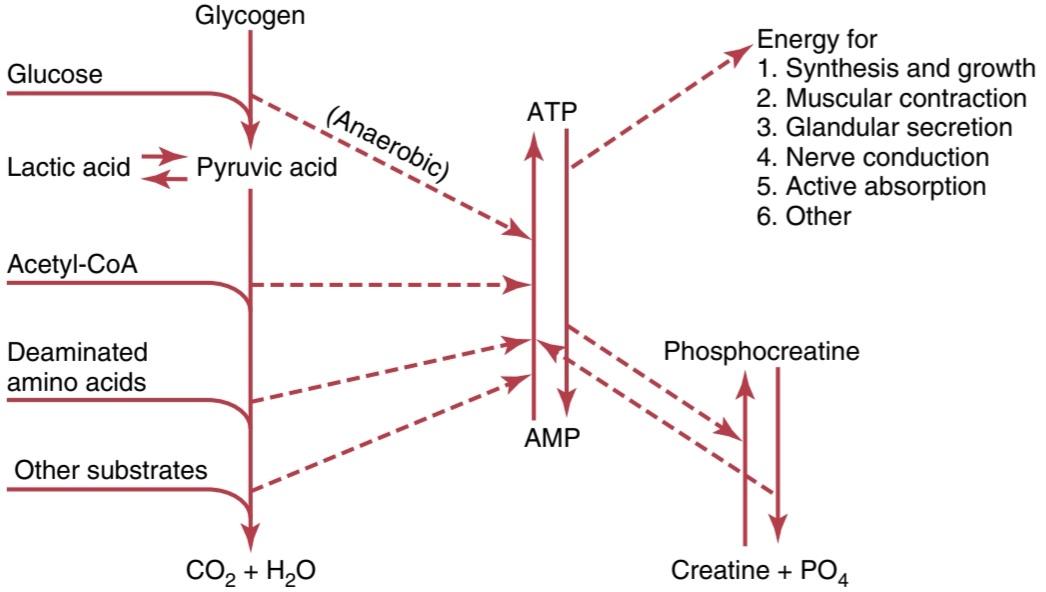
Figure 73-1. Overall schema of energy transfer from foods to the adenylic acid system and then to the functional elements of the cells. Acetyl- COA, Acetyl coenzyme A; AMP, adenosine monophosphate; ATP, adenosine triphosphate. (Modified from Soskin S, Levine R: Carbohydrate Metabolism. Chicago: University of Chicago Press, 1952.)
شکل 73-1. طرح کلی انتقال انرژی از غذا به سیستم اسید آدنیلیک و سپس به عناصر عملکردی سلول ها. استیل-COA، استیل کوآنزیم A; AMP، آدنوزین مونوفسفات؛ ATP، آدنوزین تری فسفات. (اصلاح شده از Soskin S، Levine R: متابولیسم کربوهیدرات. شیکاگو: انتشارات دانشگاه شیکاگو، 1952.)
Control of Energy Release in the Cell
Rate Control of Enzyme-Catalyzed Reactions. Before dis- cussing the control of energy release in the cell, it is necessary to consider the basic principles of rate control of enzymatically catalyzed chemical reactions, which are the types of reactions that occur almost universally throughout the body.
کنترل آزاد شدن انرژی در سلول
کنترل سرعت واکنش های کاتالیز شده با آنزیم. قبل از بحث در مورد کنترل آزادسازی انرژی در سلول، لازم است اصول اساسی کنترل سرعت واکنشهای شیمیایی کاتالیز شده آنزیمی را در نظر بگیریم، که انواع واکنشهایی هستند که تقریباً در سراسر بدن اتفاق میافتند.
The mechanism by which an enzyme catalyzes a chemical reaction is, first, for the enzyme to combine loosely with one of the substrates of the reaction. This loose combination alters the bonding forces on the substrate sufficiently so that it can react with other substances. Therefore, the rate of the overall chemical reaction is determined by the concentration of the enzyme and the concentration of the substrate that binds with the enzyme. The basic equation expressing this concept is as follows:
مکانیسمی که به وسیله آن یک آنزیم یک واکنش شیمیایی را کاتالیز می کند، اولاً این است که آنزیم به طور آزاد با یکی از زیرلایه های واکنش ترکیب می شود. این ترکیب شل، نیروهای پیوندی روی بستر را به اندازه کافی تغییر می دهد تا بتواند با مواد دیگر واکنش نشان دهد. بنابراین، سرعت واکنش شیمیایی کلی با غلظت آنزیم و غلظت بستری که به آنزیم متصل می شود تعیین می شود. معادله اصلی بیان کننده این مفهوم به شرح زیر است:

This equation is called the Michaelis-Menten equation. Figure 73-2 shows the application of this equation.
این معادله معادله میکایلیس-منتن نامیده می شود. شکل 73-2 کاربرد این معادله را نشان می دهد.
Role of Enzyme Concentration in Regulation of Metabolic Reactions. Figure 73-2 shows that when the substrate concentration is high, as shown in the right half of the figure, the rate of a chemical reaction is determined almost entirely by the concentration of the enzyme. Thus, as the enzyme concentration increases from an arbitrary value of 1 up to 2, 4, or 8, the rate of the reaction increases proportionately, as demonstrated by the rising levels of the curves. For example, when large quantities of glucose enter the renal tubules in a person with diabetes mellitus-that is, the substrate glucose is in great excess in the tubules further increases in tubular glucose have little effect on glucose reabsorption, because the transport enzymes are saturated. Under these conditions, the rate of reabsorption of the glucose is limited by the concentration of the transport enzymes in the proximal tubular cells, not by the concentration of the glucose.
نقش غلظت آنزیم در تنظیم واکنش های متابولیک. شکل 73-2 نشان می دهد که وقتی غلظت سوبسترا بالا باشد، همانطور که در نیمه سمت راست شکل نشان داده شده است، سرعت یک واکنش شیمیایی تقریباً به طور کامل توسط غلظت آنزیم تعیین می شود. بنابراین، همانطور که با افزایش سطوح منحنی ها نشان می دهد، همانطور که غلظت آنزیم از مقدار دلخواه 1 به 2، 4 یا 8 افزایش می یابد، سرعت واکنش به طور متناسب افزایش می یابد. به عنوان مثال، هنگامی که مقادیر زیادی گلوکز وارد لولههای کلیوی در یک فرد مبتلا به دیابت میشود، یعنی سطح گلوکز در لولهها به مقدار زیادی زیاد است، افزایش بیشتر گلوکز لولهای تأثیر کمی بر جذب مجدد گلوکز دارد، زیرا آنزیمهای انتقال اشباع شدهاند. در این شرایط، سرعت بازجذب گلوکز توسط غلظت آنزیمهای انتقال در سلولهای لولهای پروگزیمال محدود میشود، نه با غلظت گلوکز.
Role of Substrate Concentration in Regulation of Metabolic Reactions. Note also in Figure 73-2 that when the substrate concentration becomes low enough that only a small portion of the enzyme is required in the reaction, the rate of the reaction becomes directly proportional to the substrate concentration, as well as the enzyme concentration. This is the relationship seen in the absorption of substances from the intestinal tract and renal tubules when their concentrations are low.
نقش غلظت سوبسترا در تنظیم واکنش های متابولیک. همچنین در شکل 73-2 توجه داشته باشید که وقتی غلظت سوبسترا به اندازه کافی کم می شود که تنها بخش کوچکی از آنزیم در واکنش مورد نیاز است، سرعت واکنش مستقیماً با غلظت سوبسترا و همچنین غلظت آنزیم متناسب می شود. این رابطه ای است که در جذب مواد از مجرای روده و لوله های کلیوی زمانی که غلظت آنها کم است مشاهده می شود.
Rate Limitation in a Series of Reactions. Almost all chemical reactions of the body occur in series, with the product of one reaction acting as a substrate for the next reaction, and so on. Therefore, the overall rate of a complex series of chemical reactions is determined mainly by the rate of reaction of the slowest step in the series, which is called the rate-limiting step in the entire series.
محدودیت نرخ در یک سری از واکنش ها. تقریباً تمام واکنش های شیمیایی بدن به صورت متوالی اتفاق می افتد و محصول یک واکنش به عنوان بستری برای واکنش بعدی عمل می کند و غیره. بنابراین، سرعت کلی یک سری پیچیده از واکنش های شیمیایی عمدتاً با سرعت واکنش کندترین مرحله در سری تعیین می شود که به آن مرحله محدود کننده سرعت در کل سری می گویند.
ADP Concentration as a Rate-Controlling Factor in Energy Release. Under resting conditions, the concentration of ADP in the cells is extremely slight, and thus the chemical reactions that depend on ADP as one of the substrates are quite slow. They include all the oxidative metabolic path- ways that release energy from food, as well as essentially all other pathways for the release of energy in the body. Thus, ADP is a major rate-limiting factor for almost all energy metabolism of the body.
غلظت ADP به عنوان یک عامل کنترل کننده نرخ در انتشار انرژی. در شرایط استراحت، غلظت ADP در سلول ها بسیار ناچیز است و بنابراین واکنش های شیمیایی که به ADP به عنوان یکی از بسترها وابسته است، بسیار کند است. آنها شامل تمام مسیرهای متابولیک اکسیداتیو هستند که انرژی را از غذا آزاد می کنند، و همچنین در اصل همه مسیرهای دیگر برای آزادسازی انرژی در بدن. بنابراین، ADP یک عامل اصلی محدود کننده سرعت برای تقریباً تمام متابولیسم انرژی بدن است.
When the cells become active, regardless of the type of activity, ATP is converted into ADP, increasing the concentration of ADP in direct proportion to the degree of activity of the cell. This ADP then automatically increases the rates of all the reactions for the metabolic release of energy from food. Thus, by this simple process, the amount of energy released in the cell is controlled by the degree of activity of the cell. In the absence of cellular activity, the release of energy stops because all the ADP soon becomes ATP.
هنگامی که سلول ها فعال می شوند، صرف نظر از نوع فعالیت، ATP به ADP تبدیل می شود و غلظت ADP را به نسبت مستقیم با میزان فعالیت سلول افزایش می دهد. سپس این ADP به طور خودکار سرعت تمام واکنشها را برای آزادسازی متابولیک انرژی از غذا افزایش میدهد. بنابراین، با این فرآیند ساده، میزان انرژی آزاد شده در سلول توسط درجه فعالیت سلول کنترل می شود. در غیاب فعالیت سلولی، آزاد شدن انرژی متوقف می شود زیرا تمام ADP به زودی به ATP تبدیل می شود.
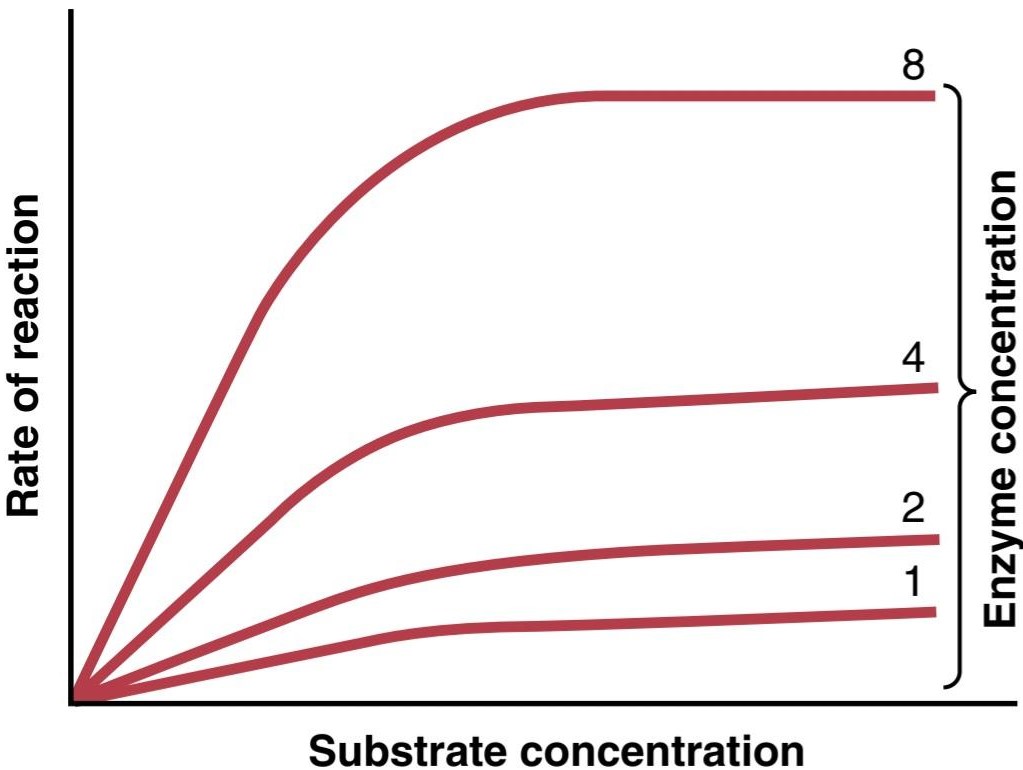
Figure 73-2. Effect of substrate and enzyme concentrations on the rate of enzyme-catalyzed reaction.
شکل 73-2. تأثیر غلظت سوبسترا و آنزیم بر سرعت واکنش کاتالیز شده با آنزیم.
Metabolic Rate
The metabolism of the body simply means all the chemical reactions in all the cells of the body, and the metabolic rate is normally expressed in terms of the rate of heat liberation during chemical reactions.
نرخ متابولیک
متابولیسم بدن به سادگی به معنای تمام واکنش های شیمیایی در تمام سلول های بدن است و میزان متابولیسم معمولاً بر حسب سرعت آزادسازی گرما در طی واکنش های شیمیایی بیان می شود.
Heat Is the End Product of Almost All the Energy Re- leased in the Body. In discussing many of the metabolic reactions in the preceding chapters, we noted that not all the energy in foods is transferred to ATP; instead, a large portion of this energy becomes heat. On average, 35% of the energy in foods becomes heat during ATP formation. Additional energy becomes heat as it is transferred from ATP to the functional systems of the cells, so even under optimal conditions, no more than 27% of all the energy from food is finally used by the functional systems.
گرما محصول نهایی تقریباً تمام انرژی آزاد شده در بدن است. در بحث بسیاری از واکنشهای متابولیک در فصلهای قبل، اشاره کردیم که تمام انرژی موجود در غذاها به ATP منتقل نمیشود. در عوض، بخش زیادی از این انرژی تبدیل به گرما می شود. به طور متوسط 35 درصد از انرژی موجود در غذاها در طی تشکیل ATP تبدیل به گرما می شود. انرژی اضافی با انتقال از ATP به سیستمهای عملکردی سلولها تبدیل به گرما میشود، بنابراین حتی در شرایط بهینه، در نهایت بیش از 27٪ از کل انرژی غذا توسط سیستمهای عملکردی استفاده نمیشود.
Even when 27% of the energy reaches the functional systems of the cells, most of this energy eventually becomes heat. For example, when proteins are synthesized, large portions of ATP are used to form the peptide linkages, and this action stores energy in these linkages. However, continuous turnover of proteins also occurs-some are being degraded while others are being formed. When proteins are degraded, the energy stored in the peptide linkages is released in the form of heat into the body.
حتی زمانی که 27 درصد انرژی به سیستم های عملکردی سلول ها می رسد، بیشتر این انرژی در نهایت تبدیل به گرما می شود. به عنوان مثال، هنگامی که پروتئین ها سنتز می شوند، بخش های زیادی از ATP برای تشکیل پیوندهای پپتیدی استفاده می شود و این عمل انرژی را در این پیوندها ذخیره می کند. با این حال، گردش مداوم پروتئین ها نیز رخ می دهد – برخی در حال تخریب هستند در حالی که برخی دیگر در حال تشکیل هستند. هنگامی که پروتئین ها تجزیه می شوند، انرژی ذخیره شده در پیوندهای پپتیدی به شکل گرما در بدن آزاد می شود.
Another example is the energy used for muscle activity. Much of this energy simply overcomes the viscosity of the muscles or of the tissues so that the limbs can move. This viscous movement causes friction within the tissues, which generates heat.
مثال دیگر انرژی مورد استفاده برای فعالیت عضلات است. بیشتر این انرژی به سادگی بر ویسکوزیته ماهیچه ها یا بافت ها غلبه می کند تا اندام ها بتوانند حرکت کنند. این حرکت چسبناک باعث ایجاد اصطکاک در بافت ها می شود که باعث تولید گرما می شود.
Consider also the energy expended by the heart in pumping blood. The blood distends the arterial system, and this distention represents a reservoir of potential energy. As the blood flows through peripheral vessels, the friction of different layers of blood flowing over one another and the friction of blood against the walls of the vessels turn all this energy into heat.
همچنین انرژی مصرف شده توسط قلب برای پمپاژ خون را در نظر بگیرید. خون سیستم شریانی را متسع می کند و این انبساط نشان دهنده مخزنی از انرژی بالقوه است. همانطور که خون در رگ های محیطی جریان می یابد، اصطکاک لایه های مختلف خون روی یکدیگر و اصطکاک خون در برابر دیواره رگ ها، تمام این انرژی را به گرما تبدیل می کند.
Essentially all the energy expended by the body is eventually converted into heat. The only significant exception occurs when the muscles are used to perform some form of work outside the body. For example, when the muscles elevate an object to a height or propel the body up steps, a type of potential energy is created by raising a mass against gravity. However, when external expenditure of energy is not taking place, all the energy released by the metabolic processes eventually becomes body heat.
اساساً تمام انرژی مصرف شده توسط بدن در نهایت به گرما تبدیل می شود. تنها استثنای قابل توجه زمانی رخ می دهد که ماهیچه ها برای انجام نوعی کار در خارج از بدن استفاده می شوند. به عنوان مثال، زمانی که ماهیچه ها جسمی را تا ارتفاعی بالا می برند یا بدن را به سمت بالا می برند، نوعی انرژی پتانسیل با بالا بردن یک جرم در برابر گرانش ایجاد می شود. با این حال، هنگامی که مصرف خارجی انرژی صورت نمی گیرد، تمام انرژی آزاد شده توسط فرآیندهای متابولیک در نهایت تبدیل به گرمای بدن می شود.
The Calorie. To discuss the metabolic rate of the body and related subjects quantitatively, it is necessary to use some unit for expressing the quantity of energy released from different foods or expended by different functional processes of the body. Most often, the Calorie is the unit used for this purpose. Recall that 1 calorie-spelled with a small “c” and often called a gram calorie-is the quantity of heat required to raise the temperature of 1 gram of water 1°C. The calorie is much too small a unit to use when referring to energy in the body. Consequently, the Calorie-spelled with a capital “C” and often called a kilocalorie, which is equivalent to 1000 calories-is the unit ordinarily used when discussing energy metabolism.
کالری. برای بحث کمی در مورد میزان متابولیسم بدن و موضوعات مرتبط، لازم است از واحدی برای بیان مقدار انرژی آزاد شده از غذاهای مختلف یا صرف فرآیندهای عملکردی مختلف بدن استفاده شود. بیشتر اوقات، کالری واحدی است که برای این منظور استفاده می شود. به یاد داشته باشید که 1 کالری که با یک “c” کوچک نوشته می شود و اغلب به آن گرم کالری می گویند، مقدار گرمای مورد نیاز برای افزایش دمای 1 گرم آب 1 درجه سانتی گراد است. کالری بسیار کوچکتر از آن است که بتوان از انرژی در بدن استفاده کرد. در نتیجه، کالری که با حرف “C” بزرگ نوشته میشود و اغلب کیلوکالری نامیده میشود، که معادل 1000 کالری است، واحدی است که معمولاً هنگام بحث در مورد متابولیسم انرژی استفاده میشود.
Measurement of the Whole-Body Metabolic Rate
Direct Calorimetry Measures Heat Liberated From the Body. If a person is not performing any external work, the whole-body metabolic rate can be determined by simply measuring the total quantity of heat liberated from the body in a given time.
اندازه گیری میزان متابولیک کل بدن
کالریمتری مستقیم گرمای آزاد شده از بدن را اندازه گیری می کند. اگر فردی هیچ کار خارجی انجام نمی دهد، سرعت متابولیسم کل بدن را می توان با اندازه گیری مقدار کل گرمای آزاد شده از بدن در یک زمان معین تعیین کرد.
In determining the metabolic rate by direct calorimetry, one measures the quantity of heat liberated from the body in a large, specially constructed calorimeter. The subject is placed in an air chamber that is so well insulated that no heat can leak through the walls of the chamber. Heat formed by the subject’s body warms the air of the chamber. However, the air temperature within the chamber is maintained at a constant level by forcing the air through pipes in a cool water bath. The rate of heat gain by the water bath, which can be measured with an accurate thermometer, is equal to the rate at which heat is liberated by the subject’s body.
در تعیین میزان متابولیسم با کالریمتری مستقیم، مقدار گرمای آزاد شده از بدن را در یک کالریسنج بزرگ و مخصوص اندازهگیری میکنیم. سوژه در یک محفظه هوا قرار می گیرد که به قدری عایق شده است که هیچ گرمایی نمی تواند از دیواره های محفظه نشت کند. گرمای ایجاد شده توسط بدن سوژه، هوای محفظه را گرم می کند. با این حال، دمای هوا در داخل محفظه با فشار دادن هوا به داخل لولهها در یک حمام آب خنک در سطح ثابتی حفظ میشود. میزان افزایش گرما توسط حمام آب، که با دماسنج دقیق قابل اندازه گیری است، برابر با سرعتی است که گرما توسط بدن سوژه آزاد می شود.
Direct calorimetry is physically difficult to perform and is used only for research purposes.
انجام کالری سنجی مستقیم از نظر فیزیکی دشوار است و فقط برای اهداف تحقیقاتی استفاده می شود.
Indirect Calorimetry-The “Energy Equivalent” of Oxygen. Because more than 95% of the energy expended in the body is derived from reactions of oxygen with the different foods, the whole-body metabolic rate can also be calculated with a high degree of accuracy from the rate of oxygen utilization. When 1 liter of oxygen is metabolized with glucose, 5.01 Calories of energy are released; when metabolized with starches, 5.06 Calories are released; with fat, 4.70 Calories; and with protein, 4.60 Calories.
کالریمتری غیر مستقیم – “معادل انرژی” اکسیژن. از آنجایی که بیش از 95 درصد انرژی مصرف شده در بدن از واکنش های اکسیژن با غذاهای مختلف به دست می آید، نرخ متابولیسم کل بدن را نیز می توان با درجه بالایی از دقت از میزان مصرف اکسیژن محاسبه کرد. هنگامی که 1 لیتر اکسیژن با گلوکز متابولیزه می شود، 5.01 کالری انرژی آزاد می شود. هنگامی که با نشاسته متابولیزه می شود، 5.06 کالری آزاد می شود. با چربی، 4.70 کالری؛ و با پروتئین، 4.60 کالری.
These figures clearly demonstrate that the quantities of energy liberated per liter of oxygen consumed are nearly equivalent when different types of food are metabolized. For the average diet, the quantity of energy liberated per liter of oxygen used in the body averages about 4.825 Calories, which is called the energy equivalent of oxygen. By using this energy equivalent, one can calculate with a high degree of precision the rate of heat liberation in the body from the quantity of oxygen used in a given period.
این ارقام به وضوح نشان می دهد که مقادیر انرژی آزاد شده به ازای هر لیتر اکسیژن مصرفی، زمانی که انواع مختلف غذا متابولیزه می شوند، تقریباً معادل است. برای یک رژیم غذایی متوسط، مقدار انرژی آزاد شده به ازای هر لیتر اکسیژن مصرفی در بدن به طور متوسط حدود 4.825 کالری است که به آن معادل انرژی اکسیژن می گویند. با استفاده از این معادل انرژی، می توان با درجه بالایی از دقت میزان آزاد شدن گرما در بدن از مقدار اکسیژن مصرفی در یک دوره معین را محاسبه کرد.
If a person metabolizes only carbohydrates during the period of the metabolic rate determination, the calculated quantity of energy liberated, based on the value for the average energy equivalent of oxygen (4.825 Calories/L), would be about 4% too little. Conversely, if the person obtains most energy from fat, the calculated value would be about 4% too great.
اگر فردی در طول دوره تعیین نرخ متابولیسم فقط کربوهیدرات ها را متابولیزه کند، مقدار محاسبه شده انرژی آزاد شده، بر اساس مقدار متوسط انرژی معادل اکسیژن (4.825 کالری در لیتر)، حدود 4٪ بسیار کم خواهد بود. برعکس، اگر فرد بیشترین انرژی را از چربی دریافت کند، مقدار محاسبه شده حدود 4 درصد بسیار زیاد خواهد بود.
Energy Metabolism-Factors That Influence Energy Output
As discussed in Chapter 72, energy intake is balanced with energy output in healthy adults who maintain a stable body weight. In the average American diet, about 45% of daily energy intake is derived from carbohydrates, 40% from fats, and 15% from proteins. Energy output can also be partitioned into several measurable components, including energy used for (1) performing essential metabolic functions of the body (the “basal” metabolic rate); (2) performing various physical activities, including nonexercise physical activity and physical activity associated with volitional exercise; (3) digesting, absorbing, and processing food; and (4) maintaining body temperature.
متابولیسم انرژی – عواملی که بر تولید انرژی تأثیر می گذارند
همانطور که در فصل 72 بحث شد، انرژی دریافتی با انرژی خروجی در بزرگسالان سالم که وزن بدن ثابتی دارند متعادل می شود. در رژیم غذایی متوسط آمریکایی، حدود 45 درصد انرژی دریافتی روزانه از کربوهیدرات ها، 40 درصد از چربی ها و 15 درصد از پروتئین ها به دست می آید. انرژی خروجی همچنین می تواند به چندین مؤلفه قابل اندازه گیری تقسیم شود، از جمله انرژی مورد استفاده برای (1) انجام عملکردهای متابولیکی ضروری بدن (نرخ متابولیسم پایه). (2) انجام فعالیت های بدنی مختلف، از جمله فعالیت بدنی بدون ورزش و فعالیت بدنی مرتبط با ورزش ارادی. (3) هضم، جذب، و پردازش غذا. و (4) حفظ دمای بدن.
Overall Energy Requirements for Daily Activities
An average man who weighs 70 kilograms and lies in bed all day uses about 1650 Calories of energy. The process of eating and digesting food increases the amount of energy used each day by an additional 200 or more Calories, so the same man lying in bed and eating a reasonable diet requires a dietary intake of about 1850 Calories per day. If he sits in a chair all day without exercising, his total energy requirement reaches 2000 to 2250 Calories. Therefore, the daily energy requirement for a very sedentary man performing only essential functions is about 2000 Calories.
انرژی مورد نیاز کلی برای فعالیت های روزانه
یک مرد متوسط که 70 کیلوگرم وزن دارد و تمام روز در رختخواب دراز می کشد، حدود 1650 کالری انرژی مصرف می کند. فرآیند خوردن و هضم غذا میزان انرژی مصرف شده در هر روز را به میزان 200 کالری یا بیشتر افزایش می دهد، بنابراین همان مردی که در رختخواب دراز می کشد و یک رژیم غذایی معقول می گیرد، نیاز به دریافت رژیم غذایی حدود 1850 کالری در روز دارد. اگر تمام روز بدون ورزش روی صندلی بنشیند، کل انرژی مورد نیاز او به 2000 تا 2250 کالری می رسد. بنابراین، انرژی مورد نیاز روزانه برای یک مرد بسیار کم تحرک که فقط وظایف ضروری را انجام می دهد، حدود 2000 کالری است.
The amount of energy used to perform daily physical activities is normally about 25% of the total energy expenditure, but it can vary markedly in different individuals, depending on the type and amount of physical activity performed. For example, walking up stairs requires about 17 times as much energy as lying in bed asleep. In general, over a 24-hour period, a person performing heavy labor can achieve a maximal rate of energy utilization as great as 6000 to 7000 Calories, or as much as 3.5 times the energy used under conditions of no physical activity.
مقدار انرژی مورد استفاده برای انجام فعالیت های بدنی روزانه معمولاً حدود 25 درصد کل انرژی مصرفی است، اما بسته به نوع و میزان فعالیت بدنی انجام شده، می تواند در افراد مختلف به طور قابل توجهی متفاوت باشد. به عنوان مثال، بالا رفتن از پله ها حدود 17 برابر بیشتر از دراز کشیدن روی تخت خواب به انرژی نیاز دارد. به طور کلی، در یک دوره 24 ساعته، فردی که کار سنگین انجام می دهد، می تواند به حداکثر میزان مصرف انرژی بین 6000 تا 7000 کالری یا 3.5 برابر انرژی مصرف شده در شرایط بدون فعالیت بدنی دست یابد.
Basal Metabolic Rate-The Minimum Energy Expenditure for the Body to Exist
Even when a person is at complete rest, considerable energy is required to perform all the chemical reactions of the body. This minimum level of energy required to exist is called the basal metabolic rate (BMR) and accounts for about 50% to 70% of the daily energy expenditure in most sedentary persons (Figure 73-3).
نرخ متابولیک پایه – حداقل انرژی مصرفی برای بدن وجود دارد
حتی زمانی که فرد در استراحت کامل است، انرژی قابل توجهی برای انجام تمام واکنش های شیمیایی بدن مورد نیاز است. این حداقل سطح انرژی مورد نیاز برای وجود، نرخ متابولیک پایه (BMR) نامیده می شود و حدود 50 تا 70 درصد انرژی مصرفی روزانه در اکثر افراد کم تحرک را تشکیل می دهد (شکل 73-3).
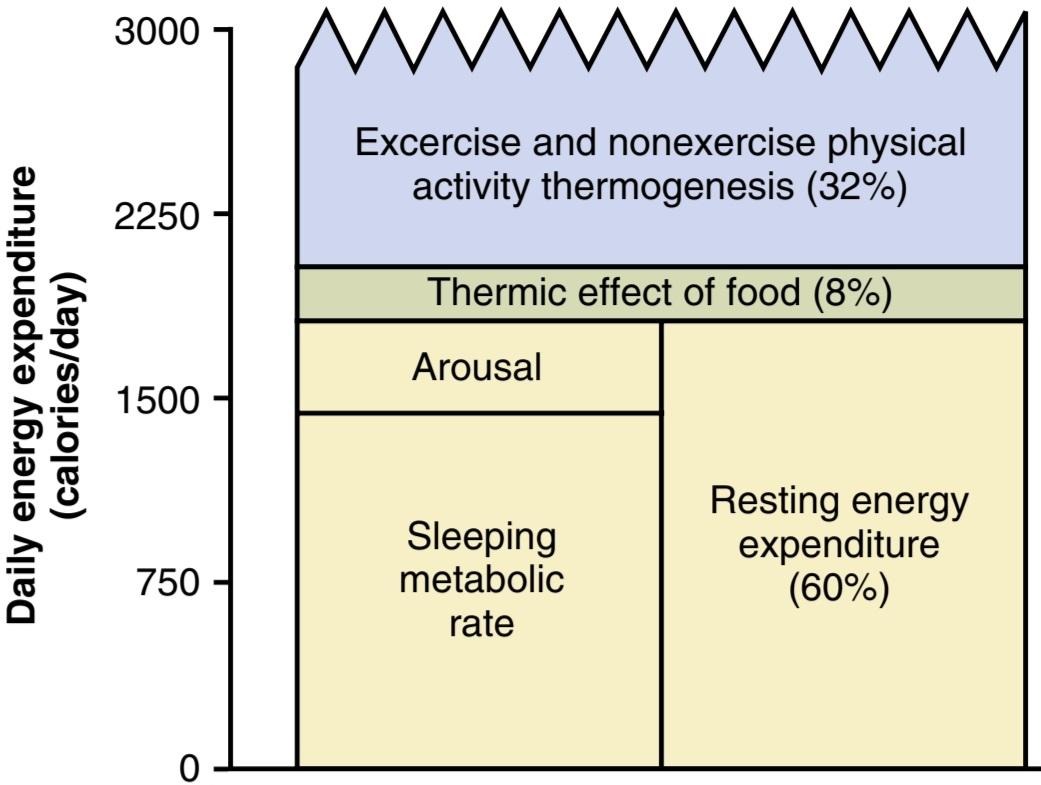
Figure 73-3. Average daily energy expenditure and components of energy usage in a 70-kg person in energy balance and ingesting approximately 3000 Calories per day.
شکل 73-3. میانگین مصرف انرژی روزانه و اجزای مصرف انرژی در یک فرد 70 کیلوگرمی در تعادل انرژی و مصرف تقریباً 3000 کالری در روز.
Because the level of physical activity is highly variable among different persons, measurement of the BMR provides a useful means of comparing one person’s metabolic rate with that of another. The usual method for determining BMR is to measure the rate of oxygen utilization over a given period under the following conditions:
از آنجایی که سطح فعالیت بدنی در بین افراد مختلف بسیار متغیر است، اندازه گیری BMR ابزار مفیدی برای مقایسه میزان متابولیک یک فرد با دیگری فراهم می کند. روش معمول برای تعیین BMR اندازه گیری میزان مصرف اکسیژن در یک دوره معین در شرایط زیر است:
1. The person must not have eaten food for at least 12 hours.
1. فرد باید حداقل 12 ساعت غذا نخورده باشد.
2. The BMR is determined after a night of restful sleep.
2. BMR بعد از یک شب خواب آرام تعیین می شود.
3.No strenuous activity is performed for at least 1 hour before the test.
3. حداقل 1 ساعت قبل از آزمایش هیچ فعالیت شدیدی انجام نمی شود.
4. All psychic and physical factors that cause excitement must be eliminated.
4. تمام عوامل روحی و جسمی که باعث ایجاد هیجان می شود باید از بین برود.
5. The temperature of the air must be comfortable and between 68°F and 80°F.
5. دمای هوا باید راحت و بین 68 درجه فارنهایت تا 80 درجه فارنهایت باشد.
6. No physical activity is permitted during the test. The BMR normally averages about 65 to 70 Calories per hour in an average 70-kilogram man. Although much of the BMR is accounted for by essential activities of the central nervous system, heart, kidneys, and other organs, variations in BMR among different persons are related mainly to differences in the amount of skeletal muscle and body size.
6. هیچ گونه فعالیت بدنی در طول آزمون مجاز نیست. BMR به طور معمول در یک مرد متوسط 70 کیلوگرمی حدود 65 تا 70 کالری در ساعت دارد. اگرچه بسیاری از BMR توسط فعالیت های اساسی سیستم عصبی مرکزی، قلب، کلیه ها و سایر اندام ها به حساب می آید، تغییرات BMR در افراد مختلف عمدتاً به تفاوت در میزان عضلات اسکلتی و اندازه بدن مربوط می شود.
Skeletal muscle, even under resting conditions, ac- counts for 20% to 30% of the BMR. For this reason, BMR is usually corrected for differences in body size by expressing it as Calories per hour per square meter of body surface area, calculated from height and weight. The average values for males and females of different ages are shown in Figure 73-4.
ماهیچه های اسکلتی، حتی در شرایط استراحت، 20 تا 30 درصد BMR را تشکیل می دهند. به همین دلیل، BMR معمولاً برای تفاوت در اندازه بدن با بیان آن به عنوان کالری در ساعت در هر متر مربع از سطح بدن، محاسبه شده از قد و وزن، تصحیح می شود. مقادیر متوسط برای مردان و زنان در سنین مختلف در شکل 73-4 نشان داده شده است.
Much of the decline in BMR with increasing age is prob- ably related to loss of muscle mass and replacement of muscle with adipose tissue, which has a lower rate of metabolism. Likewise, slightly lower BMRS in women, compared with men, are due partly to the lower percentage of muscle mass and higher percentage of adipose tissue in women. However, other factors can influence the BMR, as is discussed next.
بیشتر کاهش BMR با افزایش سن احتمالاً مربوط به از دست دادن توده عضلانی و جایگزینی بافت چربی با بافت چربی است که میزان متابولیسم کمتری دارد. به همین ترتیب، BMRS اندکی کمتر در زنان در مقایسه با مردان، تا حدی به دلیل درصد کمتر توده عضلانی و درصد بالاتر بافت چربی در زنان است. با این حال، عوامل دیگری می توانند بر BMR تأثیر بگذارند، همانطور که در ادامه به آن پرداخته می شود.
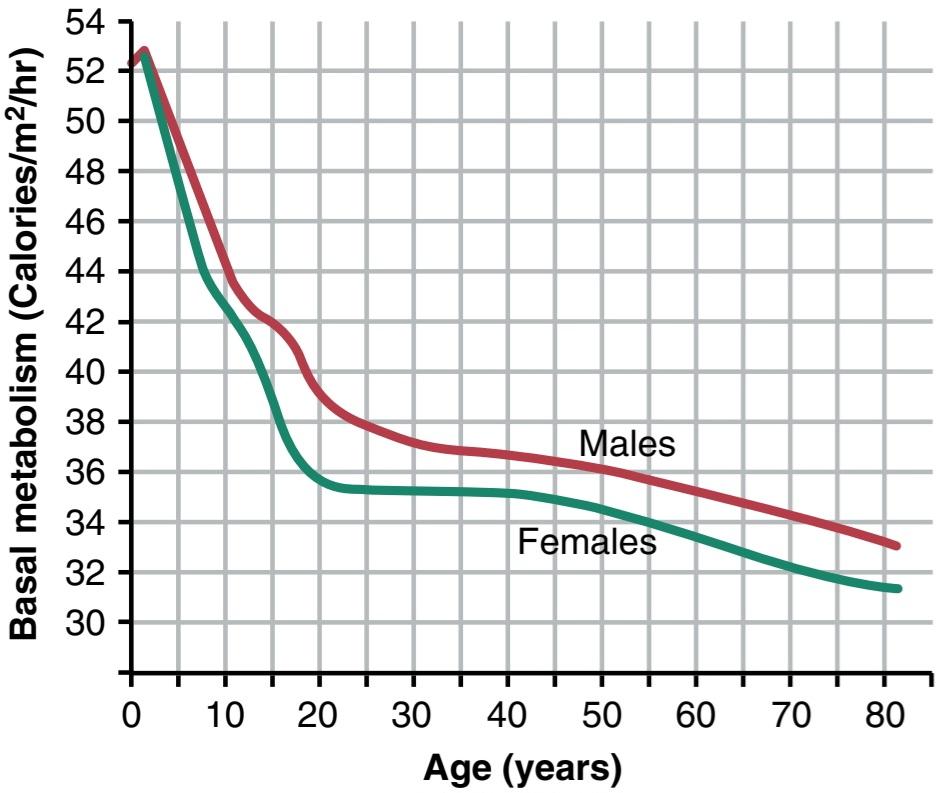
Figure 73-4. Normal basal metabolic rates at different ages for each sex.
شکل 73-4. نرخ متابولیسم پایه طبیعی در سنین مختلف برای هر جنس.
Thyroid Hormone Increases Metabolic Rate. When the thyroid gland secretes maximal amounts of thyroxine, the metabolic rate sometimes rises 50% to 100% above normal. Conversely, total loss of thyroid secretion decreases the metabolic rate to 40% to 60% of normal. As discussed in Chapter 77, thyroxine increases the chemical reaction rates of many cells in the body and therefore increases metabolic rate. Adaptation of the thyroid gland-with increased secretion in cold climates and decreased secretion in hot climates contributes to the differences in BMRS among people living in different geographical zones. For example, people living in arctic regions have BMRs that are 10% to 20% higher than those of persons living in tropical regions.
هورمون تیروئید میزان متابولیسم را افزایش می دهد. هنگامی که غده تیروئید حداکثر مقدار تیروکسین ترشح می کند، سرعت متابولیسم گاهی 50 تا 100 درصد بالاتر از حد طبیعی می شود. برعکس، از دست دادن کل ترشح تیروئید، میزان متابولیک را به 40 تا 60 درصد طبیعی کاهش می دهد. همانطور که در فصل 77 بحث شد، تیروکسین سرعت واکنش شیمیایی بسیاری از سلولهای بدن را افزایش میدهد و بنابراین سرعت متابولیسم را افزایش میدهد. سازگاری غده تیروئید – با افزایش ترشح در آب و هوای سرد و کاهش ترشح در آب و هوای گرم به تفاوت BMRS در بین افراد ساکن در مناطق جغرافیایی مختلف کمک می کند. به عنوان مثال، افرادی که در مناطق قطبی زندگی می کنند BMR 10٪ تا 20٪ بیشتر از افرادی است که در مناطق گرمسیری زندگی می کنند.
Male Sex Hormone Increases Metabolic Rate. The male sex hormone testosterone can increase the metabolic rate about 10% to 15%. The female sex hormones may increase the BMR a small amount, but usually not enough to be significant. Much of this effect of the male sex hormone is related to its anabolic effect to increase skeletal muscle mass.
هورمون جنسی مردانه میزان متابولیسم را افزایش می دهد. هورمون جنسی مردانه تستوسترون می تواند میزان متابولیسم را حدود 10 تا 15 درصد افزایش دهد. هورمونهای جنسی زنانه ممکن است BMR را به مقدار کمی افزایش دهند، اما معمولاً به اندازهای نیست که قابل توجه باشد. بیشتر این اثر هورمون جنسی مردانه مربوط به اثر آنابولیک آن برای افزایش توده عضلانی اسکلتی است.
Growth Hormone Increases Metabolic Rate. Growth hormone can increase the metabolic rate by stimulating cellular metabolism and by increasing skeletal muscle mass. In adults with growth hormone deficiency, replacement therapy with recombinant growth hormone increases the basal metabolic rate by about 20%.
هورمون رشد میزان متابولیسم را افزایش می دهد. هورمون رشد با تحریک متابولیسم سلولی و افزایش توده عضلانی اسکلتی می تواند سرعت متابولیسم را افزایش دهد. در بزرگسالان مبتلا به کمبود هورمون رشد، درمان جایگزین با هورمون رشد نوترکیب میزان متابولیسم پایه را حدود 20 درصد افزایش می دهد.
Fever Increases Metabolic Rate. Fever, regardless of its cause, increases the chemical reactions of the body by an average of about 120% for every 10°C rise in temperature. This is discussed in more detail in Chapter 74.
تب باعث افزایش متابولیسم می شود. تب، صرف نظر از علت آن، به ازای هر 10 درجه سانتی گراد افزایش دما، به طور متوسط حدود 120 درصد واکنش های شیمیایی بدن را افزایش می دهد. این موضوع در فصل 74 با جزئیات بیشتر مورد بحث قرار گرفته است.
Sleep Decreases Metabolic Rate. The metabolic rate decreases 10% to 15% below normal during sleep. This decrease is due to two principal factors: (1) decreased tone of the skeletal musculature during sleep; and (2) decreased activity of the central nervous system.
خواب میزان متابولیسم را کاهش می دهد. میزان متابولیسم در طول خواب 10 تا 15 درصد کمتر از حد طبیعی کاهش می یابد. این کاهش به دلیل دو عامل اصلی است: (1) کاهش تن ماهیچه های اسکلتی در طول خواب. و (2) کاهش فعالیت سیستم عصبی مرکزی.
Malnutrition Decreases Metabolic Rate. Prolonged malnutrition can decrease the metabolic rate 20% to 30%, presumably because of the paucity of food substances in the cells. In the final stages of many disease conditions, the inanition that accompanies the disease causes a marked de- crease in metabolic rate to the extent that the body temperature may fall several degrees shortly before death.
سوء تغذیه میزان متابولیسم را کاهش می دهد. سوء تغذیه طولانی مدت می تواند میزان متابولیسم را بین 20 تا 30 درصد کاهش دهد، احتمالاً به دلیل کمبود مواد غذایی در سلول ها. در مراحل پایانی بسیاری از شرایط بیماری، عدم شروع همراه با بیماری باعث کاهش قابل توجهی در میزان متابولیسم می شود تا جایی که دمای بدن ممکن است چند درجه قبل از مرگ کاهش یابد.
Energy Used for Physical Activities
The factor that most dramatically increases metabolic rate is strenuous exercise. Short bursts of maximal muscle contraction in a single muscle can liberate as much as 100 times its normal resting amount of heat for a few seconds. For the entire body, maximal muscle exercise can increase the overall heat production of the body for a few seconds to about 50 times normal, or to about 20 times normal for more sustained exercise in a well-trained individual.
انرژی مورد استفاده برای فعالیت های بدنی
عاملی که به طور چشمگیری میزان متابولیسم را افزایش می دهد ورزش شدید است. انفجارهای کوتاه حداکثر انقباض عضلانی در یک عضله می تواند تا 100 برابر مقدار طبیعی استراحت آن گرما را برای چند ثانیه آزاد کند. برای کل بدن، حداکثر تمرین عضلانی میتواند تولید گرمای کلی بدن را برای چند ثانیه به حدود 50 برابر نرمال، یا برای تمرین پایدارتر در یک فرد خوب تمرینکرده، تا حدود 20 برابر طبیعی افزایش دهد.
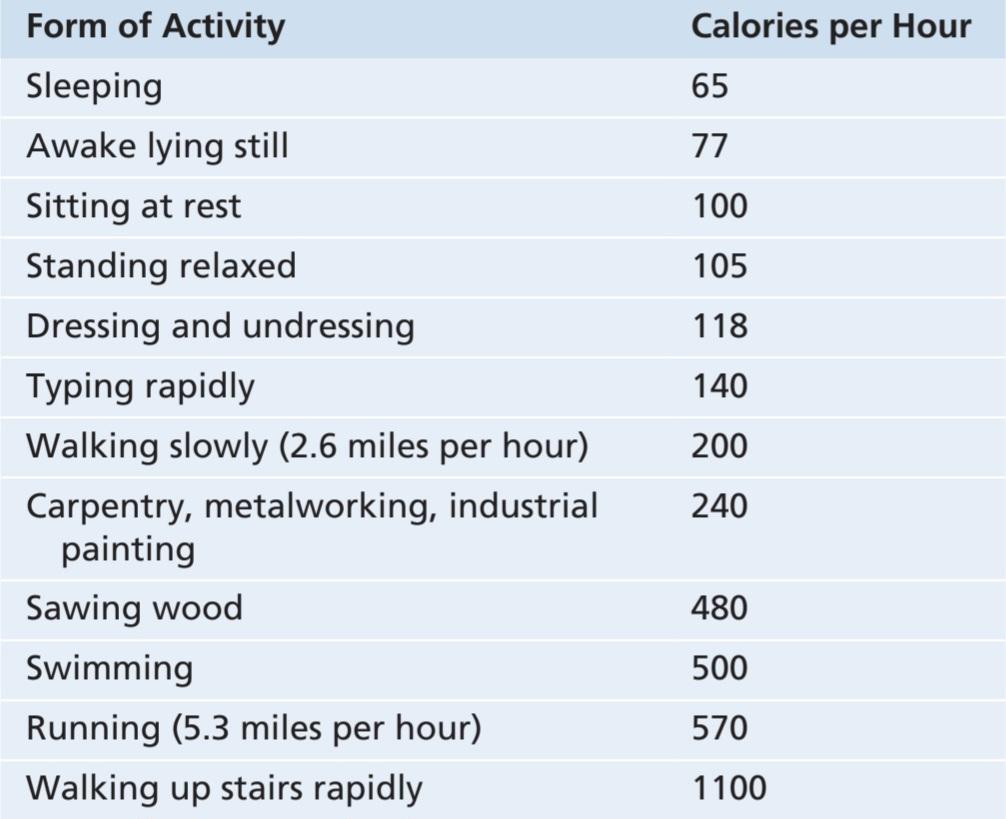
Table 73-1 shows the energy expenditure during different types of physical activity for a 70-kilogram man. Because of the great variation in the amount of physical activity among individuals, this component of energy expenditure is the most important reason for the differences in caloric intake required to maintain energy balance. However, in industrialized countries where food supplies are generally plentiful and the level of physical activity is often low, caloric intake often periodically exceeds energy expenditure, and the excess energy is stored mainly as fat. This underscores the importance of maintaining a proper level of physical activity to prevent excess fat stores and obesity.
جدول 73-1 مصرف انرژی را در طی انواع مختلف فعالیت بدنی برای یک مرد 70 کیلوگرمی نشان می دهد. به دلیل تنوع زیاد در میزان فعالیت بدنی در بین افراد، این جزء از مصرف انرژی مهمترین دلیل تفاوت در کالری دریافتی مورد نیاز برای حفظ تعادل انرژی است. با این حال، در کشورهای صنعتی که منابع غذایی به طور کلی فراوان است و سطح فعالیت بدنی اغلب کم است، دریافت کالری اغلب به طور دوره ای از مصرف انرژی بیشتر می شود و انرژی اضافی عمدتاً به صورت چربی ذخیره می شود. این امر بر اهمیت حفظ سطح مناسب فعالیت بدنی برای جلوگیری از ذخایر چربی اضافی و چاقی تاکید می کند.
Even in sedentary individuals who perform little or no daily exercise or physical work, significant energy is spent on spontaneous physical activity required to maintain muscle tone and body posture and on other nonexercise activities. Together, these nonexercise activities typically account for about 7% of a sedentary person’s daily energy usage. However, this percentage can vary markedly among different people depending on their occupation, habits (e.g. walking to work, using the stairs rather than elevators, fidgeting), and leisure time activities.
حتی در افراد کم تحرک که ورزش روزانه یا کار بدنی کمی انجام می دهند یا اصلاً انجام نمی دهند، انرژی قابل توجهی صرف فعالیت بدنی خود به خودی مورد نیاز برای حفظ تون عضلانی و وضعیت بدن و سایر فعالیت های غیرورزشی می شود. این فعالیتهای غیرورزشی معمولاً حدود 7 درصد از انرژی مصرفی روزانه افراد کم تحرک را تشکیل میدهند. با این حال، این درصد بسته به شغل، عادات (مانند پیاده روی به محل کار، استفاده از پله ها به جای آسانسور، بی قراری)، و فعالیت های اوقات فراغت می تواند در بین افراد مختلف به طور قابل توجهی متفاوت باشد.
Energy Used for Processing Food-Thermogenic Effect of Food
After a meal is ingested, the metabolic rate increases as a result of the different chemical reactions associated with digestion, absorption, and storage of food in the body. This increase is called the thermogenic effect of food because these processes require energy and generate heat.
انرژی مورد استفاده برای پردازش مواد غذایی – اثر گرمازایی غذا
پس از مصرف یک وعده غذایی، در نتیجه واکنش های شیمیایی مختلف مرتبط با هضم، جذب و ذخیره غذا در بدن، میزان متابولیسم افزایش می یابد. این افزایش را اثر ترموژنیک غذا می نامند زیرا این فرآیندها به انرژی نیاز دارند و گرما تولید می کنند.
After a meal that contains a large quantity of carbohydrates or fats, the metabolic rate usually increases about 4%. However, after a meal high in protein, the metabolic rate usually begins rising within an hour, reaching a maximum of about 30% above normal, and this rate lasts for 3 to 12 hours. This effect of protein on the metabolic rate is called the specific dynamic action of protein. The thermogenic effect of food accounts for about 8% of the total daily energy expenditure in many persons.
بعد از یک وعده غذایی حاوی مقدار زیادی کربوهیدرات یا چربی، میزان متابولیسم معمولاً حدود 4٪ افزایش می یابد. با این حال، پس از یک وعده غذایی سرشار از پروتئین، سرعت متابولیسم معمولاً در عرض یک ساعت شروع به افزایش میکند و به حداکثر حدود 30 درصد بالاتر از حد طبیعی میرسد و این میزان 3 تا 12 ساعت طول میکشد. این اثر پروتئین بر سرعت متابولیسم، عمل دینامیکی خاص پروتئین نامیده می شود. اثر حرارتی غذا حدود 8 درصد از کل انرژی مصرفی روزانه در بسیاری از افراد را تشکیل می دهد.
Energy Used for Nonshivering Thermogenesis-Role of Sympathetic Stimulation
Although physical work and the thermogenic effect of food cause liberation of heat, these mechanisms are not aimed primarily at regulation of body temperature. Shivering provides a regulated means of producing heat by increasing muscle activity in response to cold stress, as discussed in Chapter 74. Another mechanism, nonshivering thermogenesis, can also produce heat in response to cold stress. This type of thermogenesis is stimulated by sympathetic nervous system activation, which releases norepinephrine and epinephrine, which in turn increase metabolic activity and heat generation.
انرژی مورد استفاده برای گرمازایی بدون لرز – نقش تحریک سمپاتیک
اگرچه کار فیزیکی و اثر گرمازایی غذا باعث آزاد شدن گرما می شود، اما این مکانیسم ها در درجه اول تنظیم دمای بدن نیستند. همانطور که در فصل 74 بحث شد، لرزش وسیله تنظیم شده ای برای تولید گرما با افزایش فعالیت ماهیچه ای در پاسخ به استرس سرما فراهم می کند. مکانیسم دیگر، گرمازایی بدون لرز، همچنین می تواند در پاسخ به استرس سرما گرما تولید کند. این نوع ترموژنز با فعال شدن سیستم عصبی سمپاتیک تحریک می شود که نوراپی نفرین و اپی نفرین را آزاد می کند که به نوبه خود باعث افزایش فعالیت متابولیک و تولید گرما می شود.
In certain types of fat tissue, called brown fat, sympathetic nervous stimulation causes liberation of large amounts of heat. This type of fat contains large numbers of mitochondria and many small globules of fat instead of one large fat globule. In these cells, the process of oxidative phosphorylation in the mitochondria is mainly “uncoupled.” That is, when the cells are stimulated by the sympathetic nerves, the mitochondria produce a large amount of heat but almost no ATP, so almost all the released oxidative energy immediately becomes heat.
در انواع خاصی از بافت چربی، به نام چربی قهوه ای، تحریک عصبی سمپاتیک باعث آزاد شدن مقادیر زیادی گرما می شود. این نوع چربی به جای یک گلبول بزرگ چربی حاوی تعداد زیادی میتوکندری و تعداد زیادی گلبول های کوچک چربی است. در این سلول ها، فرآیند فسفوریلاسیون اکسیداتیو در میتوکندری عمدتاً “غیر جفت” است. یعنی وقتی سلول ها توسط اعصاب سمپاتیک تحریک می شوند، میتوکندری ها مقدار زیادی گرما تولید می کنند اما تقریباً هیچ ATP تولید نمی کنند، بنابراین تقریباً تمام انرژی اکسیداتیو آزاد شده بلافاصله تبدیل به گرما می شود.
A neonate has a considerable amount of brown fat, and maximal sympathetic stimulation can increase the child’s metabolism more than 100%. The magnitude of this type of thermogenesis in an adult human, who has virtually no brown fat, is probably less than 15%, although this might increase significantly after cold adaptation.
یک نوزاد دارای مقدار قابل توجهی چربی قهوه ای است و حداکثر تحریک سمپاتیک می تواند متابولیسم کودک را بیش از 100٪ افزایش دهد. بزرگی این نوع گرمازایی در یک انسان بالغ که تقریباً فاقد چربی قهوه ای است، احتمالاً کمتر از 15 درصد است، اگرچه ممکن است پس از سازگاری با سرما به میزان قابل توجهی افزایش یابد.
Nonshivering thermogenesis may also serve as a buffer against obesity. Recent studies indicate that sympathetic nervous system activity is increased in obese persons who have a persistent excess caloric intake. The mechanism responsible for sympathetic activation in obese persons is uncertain, but it may be mediated partly through the effects of increased leptin, which activates pro-opiomelanocortin neurons in the hypothalamus. Sympathetic stimulation, by increasing thermogenesis, helps to limit excess weight gain.
ترموژنز بدون لرز ممکن است به عنوان یک بافر در برابر چاقی عمل کند. مطالعات اخیر نشان می دهد که فعالیت سیستم عصبی سمپاتیک در افراد چاق که به طور مداوم کالری اضافی دریافت می کنند، افزایش می یابد. مکانیسم مسئول فعالسازی سمپاتیک در افراد چاق مشخص نیست، اما ممکن است تا حدی از طریق اثرات افزایش لپتین، که نورونهای pro-opiomelanocortin را در هیپوتالاموس فعال میکند، واسطه شود. تحریک سمپاتیک، با افزایش ترموژنز، به محدود کردن افزایش وزن اضافی کمک می کند.
Table 73-1 Energy Expenditure During Different Types of Activity for a 70-Kilogram Person
جدول 73-1 مصرف انرژی در طی انواع مختلف فعالیت برای یک فرد 70 کیلوگرمی
کلیک کنید «Bibliography: فهرست کتب مربوطه»
Betz MJ, Enerbäck S: Targeting thermogenesis in brown fat and muscle to treat obesity and metabolic disease. Nat Rev Endocrinol 14:77, 2018.
Caron A, Lee S, Elmquist JK, Gautron L: Leptin and brain-adipose crosstalks. Nat Rev Neurosci 19:153, 2018.
Chapelot D, Charlot K: Physiology of energy homeostasis: Models, actors, challenges and the glucoadipostatic loop. Metabolism 92:11, 2019.
Chechi K, Carpentier AC, Richard D: Understanding the brown adipocyte as a contributor to energy homeostasis. Trends Endocrinol Metab 24:408, 2013.
Chouchani ET, Kazak L, Spiegelman BM: New advances in adaptive thermogenesis: UCP1 and beyond. Cell Metab 29:27, 2019.
Fernández-Verdejo R, Aguirre C, Galgani JE: Issues in measuring and interpreting energy balance and its contribution to obesity. Curr Obes Rep 8:88, 2019.
Fernández-Verdejo R, Marlatt KL, Ravussin E, Galgani JE: Contribution of brown adipose tissue to human energy metabolism. Mol Aspects Med 68:82, 2019.
Ikeda K, Maretich P, Kajimura S: The common and distinct features of brown and beige adipocytes. Trends Endocrinol Metab 29:191, 2018.
Kenny GP, Notley SR, Gagnon D: Direct calorimetry: a brief historical review of its use in the study of human metabolism and thermoreg- ulation. Eur J Appl Physiol 117:1765, 2019.
Morrison SF, Madden CJ, Tupone D: Central neural regulation of brown adipose tissue thermogenesis and energy expenditure. Cell Metab 19:741, 2014.
Mullur R, Liu YY, Brent GA: Thyroid hormone regulation of metabolism. Physiol Rev 94:355, 2014.
Peirce V, Carobbio S, Vidal-Puig A: The different shades of fat. Nature 510:76, 2014.
Silva JE: Thermogenic mechanisms and their hormonal regulation. Physiol Rev 86:435, 2006.
van Marken Lichtenbelt WD, Schrauwen P: Implications of nonshivering thermogenesis for energy balance regulation in humans. Am J Physiol Regul Integr Comp Physiol 301:R285, 2011.
White U, Ravussin E: Dynamics of adipose tissue turnover in human metabolic health and disease. Diabetologia 62:17, 2019.
🚀 با ما همراه شوید!
تازهترین مطالب و آموزشهای مغز و اعصاب را از دست ندهید. با فالو کردن کانال تلگرام آیندهنگاران مغز، از ما حمایت کنید!