
فیزیولوژی پزشکی گایتون و هال؛ فیزیولوژی غواصی در اعماق دریا و سایر شرایط پرفشار


دعای مطالعه [ نمایش ]
بِسْمِ الله الرَّحْمنِ الرَّحیمِ
اَللّهُمَّ اَخْرِجْنى مِنْ ظُلُماتِ الْوَهْمِ
خدايا مرا بيرون آور از تاريكىهاى وهم،
وَ اَكْرِمْنى بِنُورِ الْفَهْمِ
و به نور فهم گرامى ام بدار،
اَللّهُمَّ افْتَحْ عَلَيْنا اَبْوابَ رَحْمَتِكَ
خدايا درهاى رحمتت را به روى ما بگشا،
وَانْشُرْ عَلَيْنا خَزائِنَ عُلُومِكَ بِرَحْمَتِكَ يا اَرْحَمَ الرّاحِمينَ
و خزانههاى علومت را بر ما باز كن به امید رحمتت اى مهربانترين مهربانان.
کتاب «فیزیولوژی پزشکی گایتون وهال» بهعنوان یکی از جامعترین و معتبرترین منابع در حوزه علوم پزشکی، همچنان مرجع کلیدی برای درک عملکرد پیچیده بدن انسان است. این اثر با تکیه بر تازهترین پژوهشها و توضیحات دقیق از سازوکارهای فیزیولوژیک، پلی میان علوم پایه پزشکی و کاربردهای بالینی ایجاد میکند و نقشی بیبدیل در آموزش، پژوهش و ارتقای دانش سلامت ایفا مینماید.
ترجمه دقیق و علمیاین شاهکار توسط برند علمیآیندهنگاران مغز به مدیریت داریوش طاهری، دسترسی فارسیزبانان به مرزهای نوین دانش فیزیولوژی را ممکن ساخته و رسالتی علمیبرای ارتقای آموزش پزشکی، فهم عمیقتر سازوکارهای بدن و توسعه روشهای نوین در حوزه سلامت فراهم آورده است.
» کتاب فیزیولوژی پزشکی گایتون وهال
» » فصل ۴۵: فیزیولوژی غواصی در اعماق دریا و سایر شرایط پرفشار
در حال ویرایش
» Guyton and Hall Textbook of Medical Physiology
»» CHAPTER 45: Physiology of Deep-Sea Diving and Other Hyperbaric Conditions
 When people descend beneath the sea, the pressure around them increases progressively as they go to greater depths. To keep the lungs from collapsing, air must be supplied at very high pressure to keep them inflated. This maneuver exposes the blood in the lungs to extremely high alveolar gas pressures, a condition called hyperbarism. Beyond certain limits, these high pressures cause major alterations in body physiology and can be lethal.
هنگامیکه مردم از زیر دریا فرود میآیند، فشار اطراف آنها با رفتن به اعماق بیشتر به تدریج افزایش مییابد. برای جلوگیری از فروپاشی ریهها، هوا باید با فشار بسیار بالا تامین شود تا آنها را باد نگه دارد. این مانور خون در ریهها را در معرض فشار گاز آلوئولی بسیار بالا قرار میدهد، وضعیتی به نام هایپرباریسم. فراتر از محدودیتهای خاص، این فشارهای بالا باعث تغییرات عمده در فیزیولوژی بدن میشود و میتواند کشنده باشد.
Relationship of Pressure to Sea Depth. A column of seawater 33 feet (10.1 meters) deep exerts the same pressure at its bottom as the pressure of the atmosphere above the sea. Therefore, a person 33 feet beneath the ocean surface is exposed to 2 atmospheres (2 atm) pressure, with 1 atm of pressure caused by the weight of the air above the water and the second atmosphere caused by the weight of the water. At 66 feet, the pressure is 3 atm, and so forth, in accord with the table in Figure 45-1.
رابطه فشار با عمق دریا. ستونی از آب دریا به عمق 33 فوت (10.1 متر) فشاری مشابه فشار اتمسفر بالای دریا را در پایین خود اعمال میکند. بنابراین، فردی که 33 فوت زیر سطح اقیانوس قرار دارد، در معرض فشار 2 اتمسفر (2 اتمسفر) قرار میگیرد که 1 اتمسفر فشار ناشی از وزن هوای بالای آب و اتمسفر دوم ناشی از وزن آب است. در 66 فوت، فشار 3 اتمسفر و به همین ترتیب مطابق با جدول در شکل 45-1 است.
Effect of Sea Depth on the Volume of Gases-Boyle’s Law. Another important effect of depth is the compression of gases to smaller and smaller volumes. The illustration in Figure 45-1 shows a bell jar at sea level containing 1 liter of air. At 33 feet beneath the sea, where the pressure is 2 atm, the volume has been compressed to only a half- liter, and at 8 atm (233 feet) it has been compressed to oneeighth liter. Thus, the volume to which a given quantity of gas is compressed is inversely proportional to the pressure. This principle of physics is called Boyle’s law, and it is extremely important in diving physiology because increased pressure can collapse the air chambers of the diver’s body, especially the lungs, and may cause serious damage.
تأثیر عمق دریا بر حجم گازها- قانون بویل. یکی دیگر از تأثیرات مهم عمق، فشرده شدن گازها به حجمهای کوچکتر و کوچکتر است. تصویر در شکل 45-1 یک کوزه زنگی را در سطح دریا نشان میدهد که حاوی 1 لیتر هوا است. در 33 فوت زیر دریا، جایی که فشار 2 اتمسفر است، حجم تنها به نیم لیتر فشرده شده است و در 8 اتمسفر (233 فوت) به یک هشتم لیتر فشرده شده است. بنابراین، حجمیکه مقدار معینی از گاز به آن فشرده میشود، با فشار آن نسبت معکوس دارد. این اصل فیزیک قانون بویل نامیده میشود و در فیزیولوژی غواصی بسیار مهم است زیرا افزایش فشار میتواند محفظههای هوای بدن غواص، به ویژه ریهها را فرو بپاشد و ممکن است آسیب جدی ایجاد کند.
Often in this chapter it is necessary to refer to actual volume versus sea level volume. For example, we might speak of an actual volume of 1 liter at a depth of 300 feet; this is the same quantity of air as a sea level volume of 10 liters.
اغلب در این فصل لازم است به حجم واقعی در مقابل حجم سطح دریا اشاره شود. برای مثال، ممکن است از حجم واقعی 1 لیتر در عمق 300 فوتی صحبت کنیم. این مقدار هوا برابر با حجم 10 لیتر از سطح دریا است.
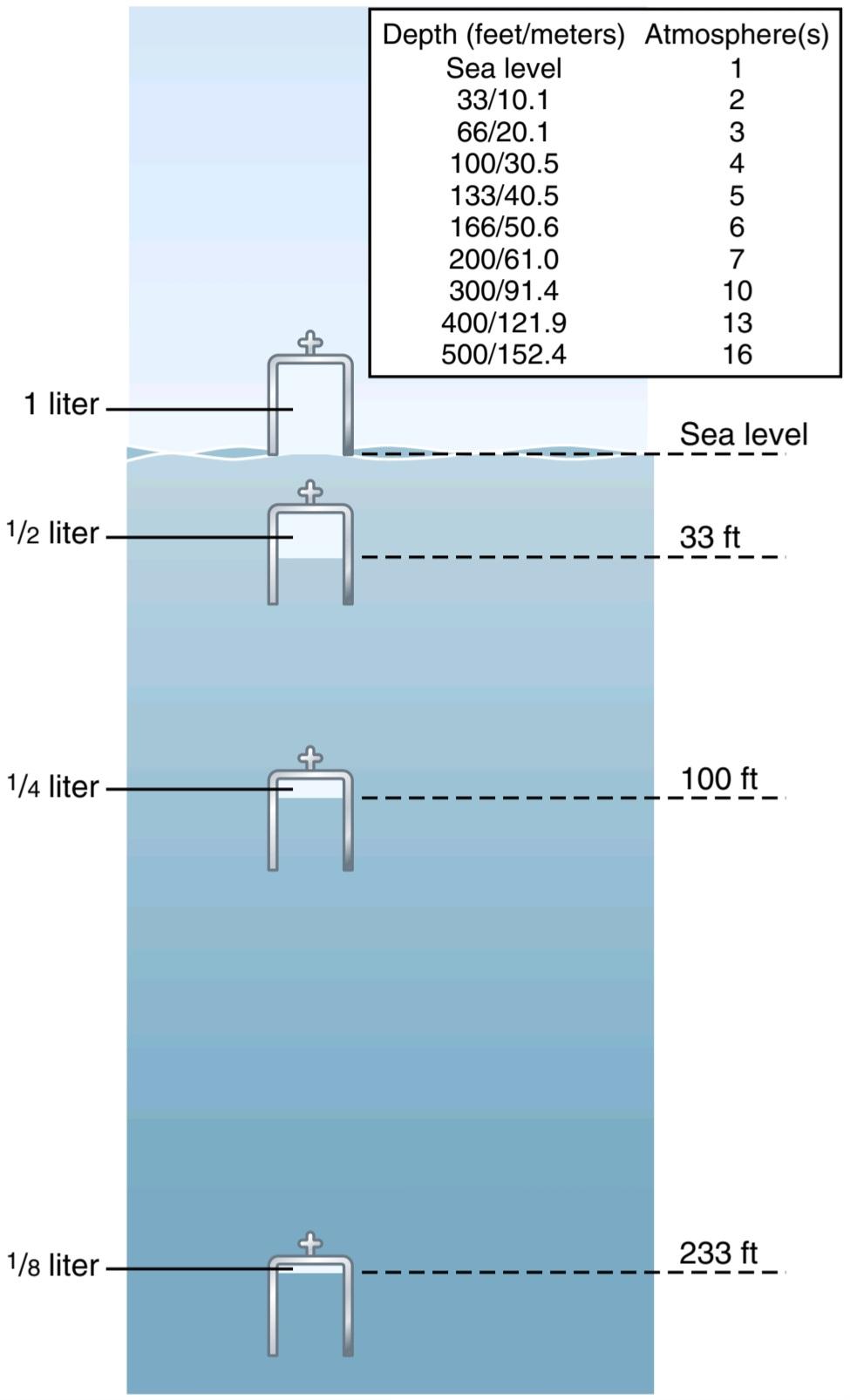
Figure 45-1. Effect of sea depth on pressure (top) and on gas volume (bottom).
شکل 45-1. تأثیر عمق دریا بر فشار (بالا) و بر حجم گاز (پایین).
EFFECT OF HIGH PARTIAL PRESSURES OF INDIVIDUAL GASES ON THE BODY
The individual gases to which a diver is exposed when breathing air are nitrogen, O2, and CO2; each of these, at times, can cause significant physiological effects at high pressures.
اثر فشار جزئی بالای گازهای منفرد بر روی بدن
گازهای فردی که غواص هنگام تنفس هوا در معرض آنها قرار میگیرد نیتروژن، O2 و CO2 هستند. هر یک از اینها، گاهی اوقات، میتواند اثرات فیزیولوژیکی قابل توجهی در فشارهای بالا ایجاد کند.
NITROGEN NARCOSIS AT HIGH NITROGEN PRESSURES
About four-fifths of the air is nitrogen. At sea level pressure, the nitrogen has no significant effect on bodily function, but at high pressures, it can cause varying degrees of narcosis. When the diver remains beneath the sea for 1 hour or more and is breathing compressed air, the depth at which the first symptoms of mild narcosis appear is about 120 feet. At this level, the diver begins to exhibit joviality and loss of many of his or her cares. At 150 to 200 feet, the diver becomes drowsy. At 200 to 250 feet, the person’s strength wanes considerably, and the diver often becomes too clumsy to per- form the work required. Beyond 250 feet (8.5 atm pressure), the diver usually becomes almost useless as a result of nitro- gen narcosis if he or she remains at these depths too long.
نارکوز نیتروژن در فشار نیتروژن بالا
حدود چهار پنجم هوا نیتروژن است. در فشار سطح دریا، نیتروژن اثر قابلتوجهی بر عملکرد بدن ندارد، اما در فشارهای بالا میتواند باعث درجات مختلفی از نارکوزیس شود. هنگامیکه غواص به مدت 1 ساعت یا بیشتر در زیر دریا میماند و هوای فشرده تنفس میکند، عمقی که اولین علائم نارکوزیس خفیف در آن ظاهر میشود حدود 120 فوت است. در این سطح، غواص شروع به نشان دادن شادی و از دست دادن بسیاری از مراقبتهای خود میکند. در ارتفاع 150 تا 200 پا، غواص خواب آلود میشود. در ارتفاع 200 تا 250 فوتی، قدرت فرد به طور قابل توجهی کاهش مییابد و غواص اغلب برای انجام کار مورد نیاز بیش از حد دست و پا چلفتی میشود. فراتر از 250 فوت (فشار 8.5 اتمسفر)، اگر غواص برای مدت طولانی در این اعماق بماند، معمولاً در نتیجه نارکوز نیتروژن تقریباً بی فایده میشود.
Nitrogen narcosis has characteristics similar to those of alcohol intoxication, and for this reason it has frequently been called “raptures of the depths.” The mechanism of this narcotic effect is believed to be the same as that of most other gas anesthetics. That is, it dissolves in the fatty substances in neuronal membranes and, because of its physical effect on altering ionic conductance through the membranes, it reduces neuronal excitability. Ascent to a shallower depth reverses the narcosis within a few minutes, with no known long-term effects if the ascent is not too rapid.
نارکوز نیتروژن دارای ویژگیهایی شبیه به مسمومیت با الکل است و به همین دلیل اغلب به آن “تسخیر اعماق” میگویند. اعتقاد بر این است که مکانیسم این اثر مخدر مانند سایر داروهای بی حس کننده گاز است. یعنی در مواد چرب موجود در غشاهای عصبی حل میشود و به دلیل تأثیر فیزیکی بر تغییر رسانایی یونی از طریق غشاها، تحریک پذیری نورونها را کاهش میدهد. صعود به عمق کمتر، نارکوز را در عرض چند دقیقه معکوس میکند، اگر صعود خیلی سریع نباشد، اثرات طولانیمدت مشخصی نخواهد داشت.
OXYGEN TOXICITY AT HIGH PRESSURES
Effect of Very High Po2 on Blood Oxygen Transport. When the Po, in the blood rises above 100 mm Hg, the amount of O2 dissolved in the water of the blood increases markedly. This effect is shown in Figure 45-2, which depicts the same O2-hemoglobin dissociation curve as that shown in Chapter 41 but with the alveolar Po2 extended to more than 3000 mm Hg. Also depicted by the lowest curve in the figure is the volume of O, dissolved in the fluid of the blood at each Po2 level. Note that in the normal range of alveolar Po2 (<120 mm Hg), almost none of the total O2 in the blood is accounted for by dissolved O2, but as the O2 pressure rises into the thousands of mm Hg, a large portion of the total O2 is then dissolved in the water of the blood, in addition to that bound with hemoglobin.
سمیت اکسیژن در فشارهای بالا
اثر Po2 بسیار بالا بر انتقال اکسیژن خون. هنگامیکه پو در خون از 100 میلی متر جیوه بالاتر میرود، مقدار O2 محلول در آب خون به طور قابل توجهی افزایش مییابد. این اثر در شکل 45-2 نشان داده شده است، که همان منحنی تفکیک هموگلوبین O2 را که در فصل 41 نشان داده شده است اما با Po2 آلوئولی به بیش از 3000 میلی متر جیوه نشان داده شده است. همچنین با کمترین منحنی در شکل، حجم O حل شده در مایع خون در هر سطح Po2 نشان داده شده است. توجه داشته باشید که در محدوده طبیعی Po2 آلوئولی (کمتر از 120 میلی متر جیوه)، تقریبا هیچ یک از کل O2 در خون توسط O2 محلول تشکیل نمیشود، اما با افزایش فشار O2 به هزاران میلی متر جیوه، بخش بزرگی از O2 کل علاوه بر آن که با هموگلوبین متصل است، در آب خون حل میشود.
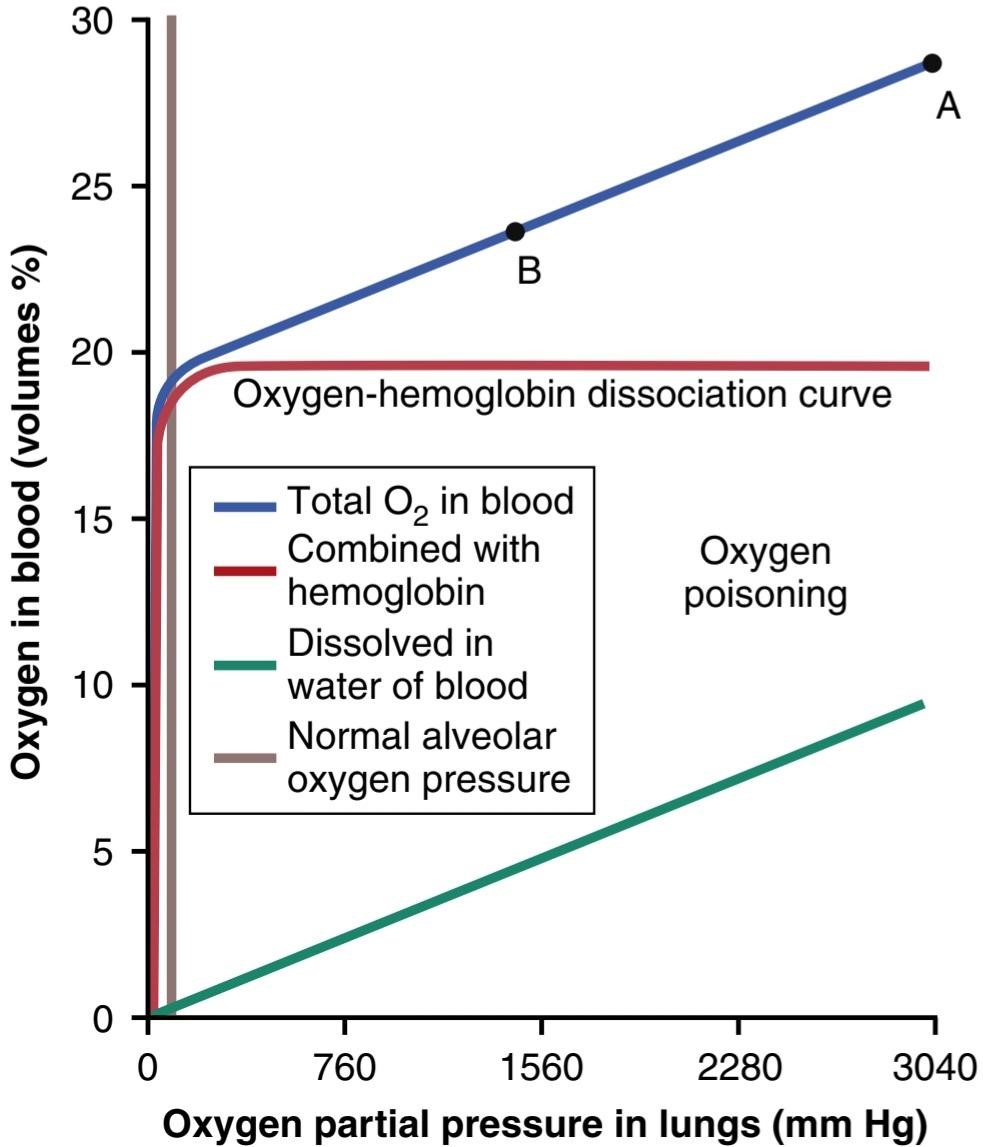
Figure 45-2. Quantity of O2 dissolved in the fluid of the blood and in combination with hemoglobin at very high Po2 values.
شکل 45-2. مقدار O2 حل شده در مایع خون و در ترکیب با هموگلوبین در مقادیر بسیار بالای Po2.
Effect of High Alveolar Po2 on Tissue Po2. Let us assume that the Po2 in the lungs is about 3000 mm Hg (4 atm pressure). Referring to Figure 45-2, one finds that this pressure represents a total O2 content in each 100 ml of blood of about 29 volumes percent, as demonstrated by point A in the figure, which means 20 volumes percent bound with hemoglobin and 9 volumes percent dissolved in the blood water. As this blood passes through the tissue capillaries, and the tissues use their normal amount of O2, about 5 ml from each 100 ml of blood, the O2 content on leaving the tissue capillaries is still 24 volumes percent (point B in the figure). At this point, the Po2 is approximately 1200 mm Hg, which means that O2 is delivered to the tissues at this extremely high pressure instead of at the normal value of 40 mm Hg. Thus, once the alveolar Po2 rises above a critical level, the hemoglobin-O2 buffer mechanism (discussed in Chapter 41) is no longer capable of keeping the tissue Po2 in the normal safe range, between 20 and 60 mm Hg.
اثر PO2 آلوئولی بالا بر Po2 بافت. اجازه دهید فرض کنیم که Po2 در ریهها حدود 3000 میلی متر جیوه (فشار 4 اتمسفر) است. با مراجعه به شکل 45-2، میتوان دریافت که این فشار نشاندهنده محتوای O2 کل در هر 100 میلیلیتر خون در حدود 29 درصد حجم است، همانطور که با نقطه A در شکل نشان داده شده است، که به معنای 20 حجم درصد متصل به هموگلوبین و 9 حجم درصد محلول در آب خون است. همانطور که این خون از مویرگهای بافتی عبور میکند و بافتها از مقدار طبیعی O2 خود استفاده میکنند، حدود 5 میلی لیتر از هر 100 میلی لیتر خون، محتوای O2 هنگام خروج از مویرگهای بافت هنوز 24 حجم درصد است (نقطه B در شکل). در این مرحله، Po2 تقریباً 1200 میلیمتر جیوه است، به این معنی که O2 در این فشار بسیار بالا به جای مقدار طبیعی 40 میلیمتر جیوه به بافتها منتقل میشود. بنابراین، هنگامیکه Po2 آلوئولی از سطح بحرانی بالاتر رفت، مکانیسم بافر هموگلوبین-O2 (که در فصل 41 مورد بحث قرار گرفت) دیگر قادر به نگه داشتن Po2 بافت در محدوده ایمن طبیعی، بین 20 تا 60 میلی متر جیوه نیست.
Acute Oxygen Poisoning. The extremely high tissue Po2 that occurs when O2 is breathed at a very high alveolar O2 pressure can be detrimental to many of the body’s tissues. For example, breathing O2 at 4 atm pressure of O2 (Po2 = 3040 mm Hg) will cause brain seizures followed by coma in most people within 30 to 60 minutes. The seizures often occur without warning and, for obvious reasons, are likely to be lethal to divers submerged beneath the sea.
مسمومیت حاد با اکسیژن. Po2 بافت بسیار بالا که هنگام تنفس O2 با فشار O2 آلوئولی بسیار بالا ایجاد میشود، میتواند برای بسیاری از بافتهای بدن مضر باشد. به عنوان مثال، تنفس O2 در فشار 4 اتمسفر O2 (Po2 = 3040 میلیمتر جیوه) باعث تشنج مغزی و به دنبال آن کما در اکثر افراد در عرض 30 تا 60 دقیقه میشود. تشنجها اغلب بدون هشدار رخ میدهند و به دلایل واضح، احتمالاً برای غواصانی که در زیر دریا غوطهور هستند، کشنده هستند.
Other symptoms encountered in acute O2 poisoning include nausea, muscle twitchings, dizziness, disturbances of vision, irritability, and disorientation. Exercise greatly increases the diver’s susceptibility to O2 toxicity, causing symptoms to appear much earlier and with far greater severity than in the resting person.
سایر علائمیکه در مسمومیت حاد O2 مشاهده میشود عبارتند از حالت تهوع، انقباض عضلات، سرگیجه، اختلالات بینایی، تحریک پذیری و بی نظمی. ورزش حساسیت غواص را به سمیت O2 افزایش میدهد و باعث میشود علائم بسیار زودتر و با شدت بیشتری نسبت به فرد در حال استراحت ظاهر شوند.
Excessive Intracellular Oxidation as a Cause of Nervous System Oxygen Toxicity-Oxidizing Free Radicals. Molecular O2 has little capability of oxidizing other chemical compounds. Instead, it must first be converted into an active form of oxygen. There are several forms of active oxygen, called oxygen free radicals. One of the most important of these is the superoxide free radical O2, and another is the peroxide radical in the form of hydrogen peroxide. Even when the tissue Po2 is normal at the level of 40 mm Hg, small amounts of free radicals are continually being formed from the dissolved O2. Fortunately, the tissues also contain several enzymes that rapidly remove these free radicals, including peroxidases, catalases, and superoxide dismutases. Therefore, as long as the hemoglobin-O2 buffering mechanism maintains a normal tissue Po2, the oxidizing free radicals are removed rapidly enough that they have little or no effect in the tissues.
اکسیداسیون بیش از حد داخل سلولی به عنوان علت مسمومیت اکسیژن سیستم عصبی – رادیکالهای آزاد اکسید کننده. O2 مولکولی توانایی کمیدر اکسید کردن سایر ترکیبات شیمیایی دارد. در عوض، ابتدا باید به شکل فعال اکسیژن تبدیل شود. انواع مختلفی از اکسیژن فعال وجود دارد که رادیکالهای آزاد اکسیژن نامیده میشوند. یکی از مهمترین آنها رادیکال آزاد سوپراکسید O2 و دیگری رادیکال پراکسید به شکل پراکسید هیدروژن است. حتی زمانی که بافت Po2 در سطح 40 میلی متر جیوه طبیعی است، مقادیر کمیرادیکالهای آزاد به طور مداوم از O2 محلول تشکیل میشود. خوشبختانه، بافتها همچنین حاوی چندین آنزیم هستند که به سرعت این رادیکالهای آزاد را از بین میبرند، از جمله پراکسیدازها، کاتالازها و سوپراکسید دیسموتازها. بنابراین، تا زمانی که مکانیسم بافر هموگلوبین O2- یک بافت طبیعی Po2 را حفظ کند، رادیکالهای آزاد اکسید کننده به سرعت حذف میشوند تا اثر کمییا بدون اثر در بافتها داشته باشند.
Above a critical alveolar Po2 (i.e., > ≈2 atm Po2), the hemoglobin-O2 buffering mechanism fails, and the tissue Po2 can then rise to hundreds or thousands of mm Hg. At these high levels, the amounts of oxidizing free radicals literally swamp the enzyme systems designed to remove them, and now they can have serious destructive and even lethal effects on the cells. One of the principal effects is to oxidize the polyunsaturated fatty acids that are essential components of many of the cell membranes. Another effect is to oxidize some of the cellular enzymes, thus dam- aging the cellular metabolic systems severely. The nervous tissues are especially susceptible because of their high lipid content. Therefore, most of the acute lethal effects of acute O2 toxicity are caused by brain dysfunction.
در بالای یک Po2 آلوئولی بحرانی (به عنوان مثال، > ≈2 atm Po2)، مکانیسم بافر هموگلوبین O2- از کار میافتد و Po2 بافت میتواند به صدها یا هزاران میلیمتر جیوه افزایش یابد. در این سطوح بالا، مقادیر رادیکالهای آزاد اکسید کننده به معنای واقعی کلمه سیستمهای آنزیمیرا که برای حذف آنها طراحی شدهاند، باتلاق میکنند و اکنون میتوانند اثرات مخرب و حتی کشنده جدی روی سلولها داشته باشند. یکی از اثرات اصلی، اکسید کردن اسیدهای چرب غیراشباع چندگانه است که اجزای ضروری بسیاری از غشای سلولی هستند. اثر دیگر این است که برخی از آنزیمهای سلولی را اکسید میکند و در نتیجه به سیستمهای متابولیک سلولی به شدت آسیب میرساند. بافتهای عصبی به دلیل محتوای بالای لیپید حساس هستند. بنابراین، بیشتر اثرات کشنده حاد سمیت حاد O2 ناشی از اختلال عملکرد مغز است.
Chronic Oxygen Poisoning Causes Pulmonary Disability. A person can be exposed to only 1 atm pressure of O2 almost indefinitely without developing the acute oxy- gen toxicity of the nervous system just described. How- ever, after only about 12 hours of 1 atm O2 exposure, lung passageway congestion, pulmonary edema, and atelectasis caused by damage to the linings of the bronchi and alveoli begin to develop. The reason for this effect in the lungs but not in other tissues is that the air spaces of the lungs are directly exposed to the high O2 pressure, but O2 is delivered to the other body tissues at almost normal Po2 because of the hemoglobin-O2 buffer system.
مسمومیت مزمن با اکسیژن باعث ناتوانی ریوی میشود. یک فرد میتواند تقریباً به طور نامحدود در معرض تنها 1 اتمسفر فشار O2 قرار گیرد، بدون اینکه سمیت حاد اکسیژن در سیستم عصبی که قبلاً توضیح داده شد، ایجاد شود. با این حال، تنها پس از حدود 12 ساعت از قرار گرفتن در معرض 1 اتمسفر O2، احتقان گذرگاه ریه، ادم ریوی، و آتلکتازی ناشی از آسیب به پوشش داخلی برونشها و آلوئولها شروع به ایجاد میکند. دلیل این اثر در ریهها اما نه در بافتهای دیگر این است که فضاهای هوایی ریهها مستقیماً در معرض فشار بالای O2 قرار میگیرند، اما O2 به دلیل وجود سیستم بافر هموگلوبین O2- تقریباً در پو2 طبیعی به سایر بافتهای بدن منتقل میشود.
CARBON DIOXIDE TOXICITY AT GREAT DEPTHS IN THE SEA
If the diving gear is properly designed and functions properly, the diver has no problem due to toxicity because depth alone does not increase the CO2 partial pressure in the alveoli. This is true because depth does not increase the rate of CO2 production in the body, and as long as the diver continues to breathe a normal tidal volume and expires the CO2 as it is formed, alveolar CO2 pressure will be maintained at a normal value.
سمیت دی اکسید کربن در اعماق زیاد در دریا
اگر ابزار غواصی به درستی طراحی شده باشد و به درستی کار کند، غواص به دلیل سمیبودن مشکلی ندارد زیرا عمق به تنهایی باعث افزایش فشار جزئی CO2 در آلوئولها نمیشود. این درست است زیرا عمق میزان تولید CO2 در بدن را افزایش نمیدهد و تا زمانی که غواص به تنفس حجم جزر و مدی معمولی ادامه میدهد و CO2 را با تشکیل آن منقضی میکند، فشار CO2 آلوئولی در مقدار نرمال حفظ میشود.
In certain types of diving gear, however, such as the diving helmet and some types of rebreathing apparatuses, CO2 can build up in the dead space air of the apparatus and be rebreathed by the diver. Up to an alveolar CO2 pressure (Pco2) of about 80 mm Hg, twice that in normal alveoli, the diver usually tolerates this buildup by increasing the minute respiratory volume a maximum of 8- to 11-fold to compensate for the increased CO2. Beyond 80 mm Hg alveolar Pco2, however, the situation becomes intolerable, and eventually the respiratory center begins to be depressed, rather than excited, because of the negative tissue metabolic effects of high Pco2. The diver’s respiration then begins to fail rather than compensate. In addition, the diver experiences severe respiratory acidosis and varying degrees of lethargy, narcosis, and finally even anesthesia, as discussed in Chapter 43.
با این حال، در انواع خاصی از تجهیزات غواصی، مانند کلاه غواصی و برخی از انواع دستگاههای تنفس مجدد، CO2 میتواند در هوای فضای مرده دستگاه جمع شود و توسط غواص دوباره تنفس شود. تا فشار CO2 آلوئولی (Pco2) حدود 80 میلیمتر جیوه، دو برابر بیشتر از آلوئولهای طبیعی، غواص معمولاً این تجمع را با افزایش حجم دقیقهای تنفسی حداکثر 8 تا 11 برابر برای جبران افزایش CO2 تحمل میکند. با این حال، فراتر از Pco2 آلوئولی 80 میلیمتر جیوه، وضعیت غیرقابل تحمل میشود و در نهایت به دلیل اثرات منفی متابولیک بافتی ناشی از Pco2 بالا، مرکز تنفسی به جای هیجانزده شروع به افسردگی میکند. سپس تنفس غواص به جای جبران شروع به از کار افتادن میکند. علاوه بر این، غواص اسیدوز تنفسی شدید و درجات متفاوتی از بی حالی، نارکوزیس و در نهایت حتی بیهوشی را تجربه میکند، همانطور که در فصل 43 بحث شد.
DECOMPRESSION OF THE DIVER AFTER EXCESS EXPOSURE TO HIGH PRESSURE
When a person breathes air under high pressure for a long time, the amount of nitrogen dissolved in the body fluids increases. This is because blood flowing through the pulmonary capillaries becomes saturated with nitrogen to the same high pressure as that in the alveolar breathing mixture, and over several more hours, enough nitrogen is carried to all the tissues of the body to raise their tissue nitrogen partial pressure to equal the nitrogen pressure in the breathing air.
کاهش فشار غواص پس از قرار گرفتن بیش از حد در معرض فشار بالا
هنگامیکه فرد برای مدت طولانی هوا را تحت فشار بالا تنفس میکند، مقدار نیتروژن محلول در مایعات بدن افزایش مییابد. این به این دلیل است که خونی که از طریق مویرگهای ریوی جریان مییابد با نیتروژن اشباع میشود و به همان فشار بالا در مخلوط تنفس آلوئولی میرسد و طی چند ساعت دیگر، نیتروژن کافی به تمام بافتهای بدن منتقل میشود تا فشار جزئی نیتروژن بافتی آنها افزایش یابد تا با فشار نیتروژن موجود در هوای تنفسی برابر شود.
Because nitrogen is not metabolized by the body, it remains dissolved in all the body tissues until the nitro- gen pressure in the lungs is decreased back to some lower level, at which time the nitrogen can be removed by the reverse respiratory process. However, this removal often takes hours to occur and is the source of multiple problems, collectively called decompression sickness.
از آنجایی که نیتروژن توسط بدن متابولیزه نمیشود، در تمام بافتهای بدن حل میشود تا زمانی که فشار نیتروژن در ریهها به مقداری پایینتر کاهش یابد، در این زمان نیتروژن میتواند توسط فرآیند تنفسی معکوس حذف شود. با این حال، این حذف اغلب ساعتها طول میکشد تا اتفاق بیفتد و منشأ مشکلات متعددی است که در مجموع بیماری رفع فشار نامیده میشود.
Volume of Nitrogen Dissolved in the Body Fluids at Different Depths. At sea level, almost exactly 1 liter of nitrogen is dissolved in the entire body. Slightly less than one-half of this nitrogen is dissolved in the water of the body, and a little more than one-half is dissolved in the fat of the body, because nitrogen is five times as soluble in fat as in water.
حجم نیتروژن محلول در مایعات بدن در اعماق مختلف. در سطح دریا تقریباً دقیقاً 1 لیتر نیتروژن در کل بدن حل میشود. کمیکمتر از یک دوم از این نیتروژن در آب بدن حل میشود و کمیبیشتر از یک دوم در چربی بدن حل میشود، زیرا نیتروژن پنج برابر آب در چربی حل میشود.
After the diver has become saturated with nitrogen, the sea level volume of nitrogen dissolved in the body at different depths is as follows:
پس از اشباع شدن غواص از نیتروژن، حجم نیتروژن محلول در سطح دریا در اعماق مختلف به شرح زیر است:
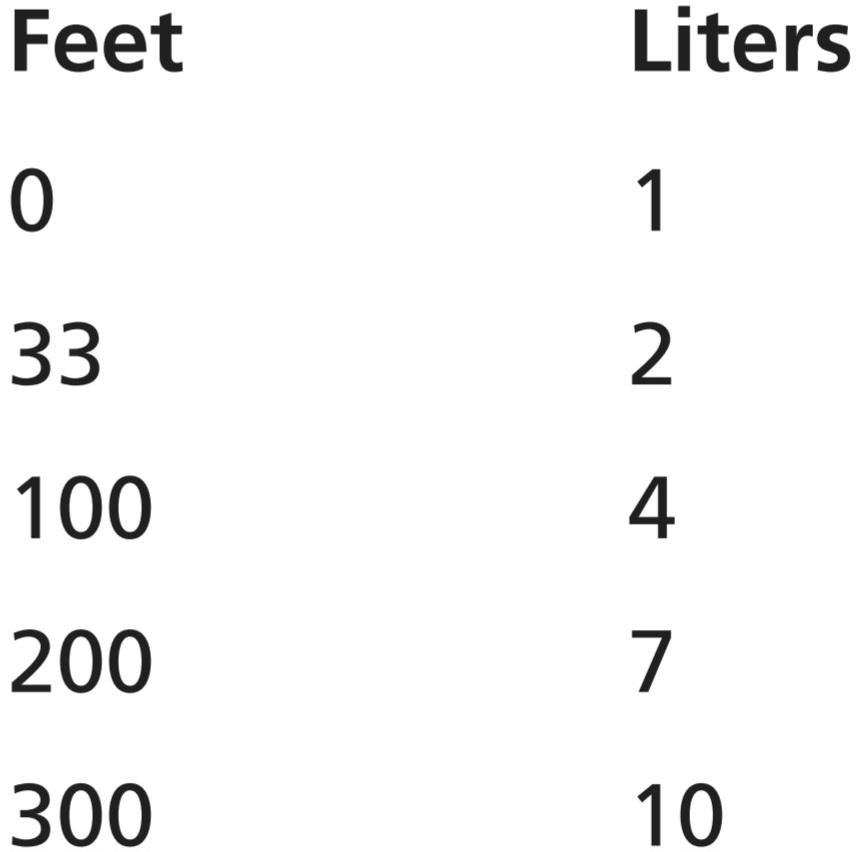
Several hours are required for the gas pressures of nitrogen in all the body tissues to come nearly to equilibrium with the gas pressure of nitrogen in the alveoli. The reason for this requirement is that the blood does not flow rapidly enough, and the nitrogen does not diffuse rapidly enough, to cause instantaneous equilibrium. The nitrogen dissolved in the water of the body comes to almost complete equilibrium in less than 1 hour, but the fat tissue, which requires five times as much transport of nitrogen and has a relatively poor blood supply, reaches equilibrium only after several hours. Thus, if a person remains under water at a deep level for only a few minutes, not much nitrogen dissolves in the body fluids and tissues, whereas if the person remains at a deep level for several hours, both the body water and body fat become saturated with nitrogen.
چندین ساعت لازم است تا فشار گاز نیتروژن در تمام بافتهای بدن تقریباً با فشار گاز نیتروژن در آلوئولها به تعادل برسد. دلیل این نیاز این است که خون به اندازه کافی سریع جریان نمییابد و نیتروژن به اندازه کافی سریع منتشر نمیشود تا تعادل آنی ایجاد شود. نیتروژن محلول در آب بدن در کمتر از 1 ساعت تقریباً به تعادل میرسد، اما بافت چربی که نیاز به حمل و نقل پنج برابر نیتروژن دارد و خون رسانی نسبتاً ضعیفی دارد، تنها پس از چند ساعت به تعادل میرسد. بنابراین، اگر فردی تنها چند دقیقه در سطح عمیق زیر آب بماند، نیتروژن زیادی در مایعات و بافتهای بدن حل نمیشود، در حالی که اگر فرد برای چند ساعت در سطح عمیق بماند، هم آب بدن و هم چربی بدن با نیتروژن اشباع میشوند.
Decompression Sickness (Also Known as Bends, Com- pressed Air Sickness, Caisson Disease, Diver’s Paralysis, Dysbarism). If a diver has been beneath the sea long enough that large amounts of nitrogen have dissolved in the body, and the diver then suddenly comes back to the surface of the sea, significant quantities of nitrogen bubbles can develop in the body fluids, either intracellularly or extracellularly, and can cause minor or serious damage in almost any area of the body, depending on the number and sizes of bubbles formed. This phenomenon is called decompression sickness.
بیماری رفع فشار (همچنین به عنوان خم شدن، بیماری هوای فشرده، بیماری کیسون، فلج غواص، دیسباریسم نیز شناخته میشود). اگر یک غواص به اندازه کافی در زیر دریا بوده باشد که مقادیر زیادی نیتروژن در بدن حل شود و غواص ناگهان به سطح دریا بازگردد، مقادیر قابل توجهی حبابهای نیتروژن میتواند در مایعات بدن ایجاد شود، چه به صورت درون سلولی و چه خارج سلولی، و میتواند باعث آسیب جزئی یا جدی در تقریباً هر ناحیه از بدن و اندازه آن شود. این پدیده بیماری فشار زدایی نامیده میشود.
The principles underlying bubble formation are shown in Figure 45-3. In Figure 45-3A, the diver’s tissues have become equilibrated to a high dissolved nitrogen pressure (PN2 = 3918 mm Hg), about 6.5 times the normal amount of nitrogen in the tissues. As long as the diver remains deep beneath the sea, the pressure against the outside of the body (5000 mm Hg) compresses all the body tissues sufficiently to keep the excess nitrogen gas dissolved. However, when the diver suddenly rises to sea level (Figure 45-3B), the pressure on the outside of the body becomes only 1 atm (760 mm Hg), while the gas pressure inside the body fluids is the sum of the pressures of water vapor, CO2, O2, and nitrogen, or a total of 4065 mm Hg, 97% of which is caused by the nitrogen. Obviously, this total value of 4065 mm Hg is far greater than the 760-mm Hg pressure on the outside of the body. Therefore, the gases can escape from the dissolved state and form bubbles, composed almost entirely of nitrogen, both in the tissues and in the blood, where they plug many small blood vessels. The bubbles may not appear for many minutes to hours because sometimes the gases can remain dissolved in the “supersaturated” state for hours before bubbling.
اصول تشکیل حباب در شکل 45-3 نشان داده شده است. در شکل 45-3A، بافتهای غواص با فشار نیتروژن محلول بالا (PN2 = 3918 میلی متر جیوه)، حدود 6.5 برابر مقدار طبیعی نیتروژن در بافتها، متعادل شده اند. تا زمانی که غواص در اعماق دریا باقی میماند، فشار وارده به خارج بدن (5000 میلی متر جیوه) تمام بافتهای بدن را به اندازه کافی فشرده میکند تا گاز نیتروژن اضافی را در محلول نگه دارد. با این حال، هنگامیکه غواص به طور ناگهانی به سطح دریا میرسد (شکل 45-3B)، فشار خارج از بدن تنها 1 اتمسفر (760 میلی متر جیوه) میشود، در حالی که فشار گاز در داخل مایعات بدن مجموع فشار بخار آب، CO2، O2 و نیتروژن است، یا در مجموع 4065 میلی متر جیوه ناشی از نیتروژن است. بدیهی است که این مقدار کل 4065 میلی متر جیوه بسیار بیشتر از فشار 760 میلی متر جیوه در خارج بدن است. بنابراین، گازها میتوانند از حالت محلول خارج شده و حبابهایی تشکیل دهند که تقریباً به طور کامل از نیتروژن تشکیل شده است، هم در بافتها و هم در خون، جایی که بسیاری از رگهای خونی کوچک را مسدود میکنند. حبابها ممکن است برای چند دقیقه تا چند ساعت ظاهر نشوند، زیرا گاهی اوقات گازها میتوانند ساعتها قبل از حباب زدن در حالت “فوق اشباع” حل شوند.
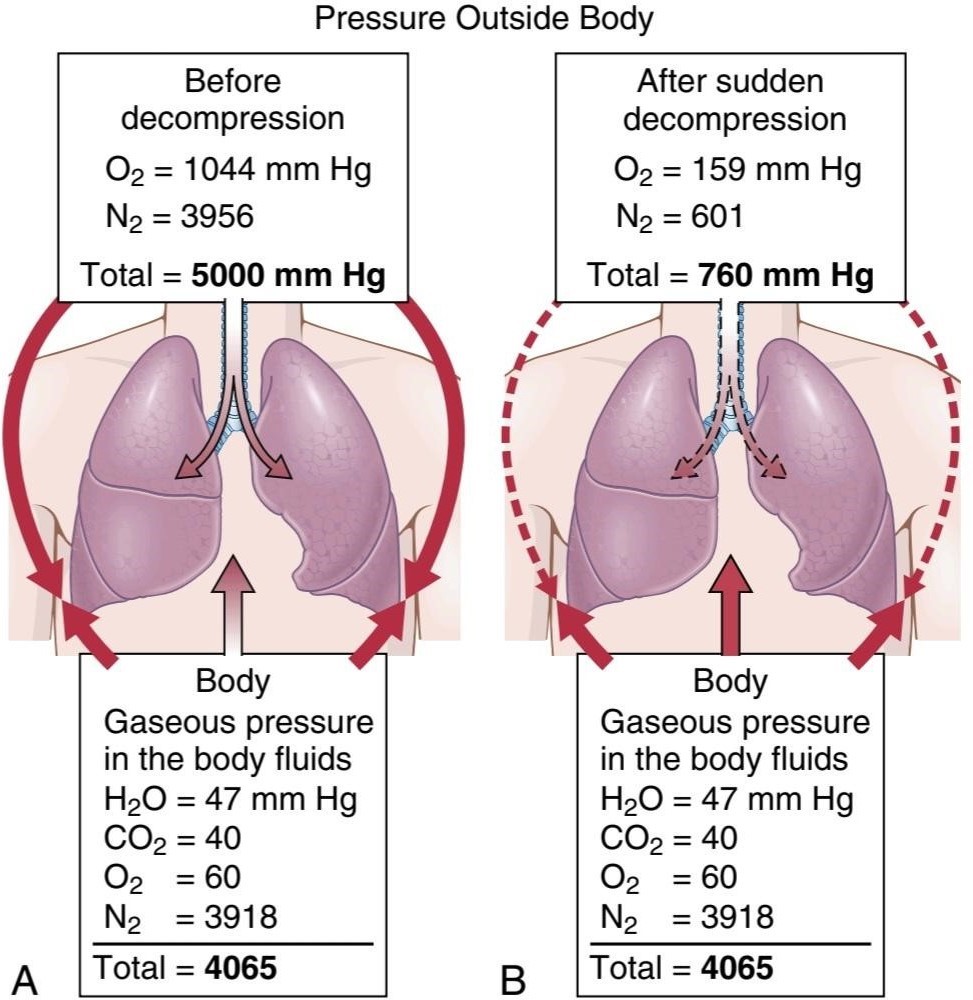
Figure 45-3. Gaseous pressures inside and outside the body showing (A) saturation of the body to high gas pressures when breathing air at a total pressure of 5000 mm Hg and (B) the great excesses of intrabody pressures responsible for bubble formation in the tissues when the lung intra-alveolar pressure body is suddenly returned from 5000 mm Hg to the normal pressure of 760 mm Hg.
شکل 45-3. فشارهای گازی در داخل و خارج بدن نشان میدهد (الف) اشباع بدن به فشار گازهای بالا در هنگام تنفس هوا با فشار کل 5000 میلی متر جیوه و (B) فشار زیاد داخل بدن مسئول تشکیل حباب در بافتها هنگامیکه بدن فشار داخل آلوئولی ریه به طور ناگهانی از فشار 5000 میلی متر Hg به 6000 میلی متر Hg طبیعی برمیگردد.
Symptoms of Decompression Sickness (“Bends”). The symptoms of decompression sickness are caused by gas bubbles blocking many blood vessels in different tissues. At first, only the smallest vessels are blocked by minute bubbles, but as the bubbles coalesce, progressively larger vessels are affected. Tissue ischemia and sometimes tissue death result.
علائم بیماری رفع فشار (“خم شدن”). علائم بیماری رفع فشار ناشی از حبابهای گازی است که بسیاری از رگهای خونی را در بافتهای مختلف مسدود میکند. در ابتدا، تنها کوچکترین رگها توسط حبابهای کوچک مسدود میشوند، اما با ادغام حبابها، کشتیهای بزرگتر به تدریج تحت تأثیر قرار میگیرند. ایسکمیبافتی و گاهی مرگ بافت منجر میشود.
In most people with decompression sickness, the symptoms are pain in the joints and muscles of the legs and arms, affecting 85% to 90% of persons who experience decompression sickness. The joint pain accounts for the term “bends” that is often applied to this condition.
در اکثر افراد مبتلا به بیماری رفع فشار، علائم درد در مفاصل و عضلات پاها و بازوها است که 85 تا 90 درصد از افرادی را که بیماری رفع فشار را تجربه میکنند، تحت تأثیر قرار میدهد. درد مفاصل به دلیل اصطلاح “خم شدن” است که اغلب برای این بیماری به کار میرود.
In 5% to 10% of people with decompression sickness, nervous system symptoms occur, ranging from dizziness in about 5% to paralysis or collapse and unconsciousness in as many as 3%. The paralysis may be temporary, but in some cases, damage is permanent.
در 5 تا 10 درصد از افراد مبتلا به بیماری فشارزدایی، علائم سیستم عصبی رخ میدهد که از سرگیجه در حدود 5 درصد تا فلج یا فروپاشی و بیهوشی در 3 درصد متغیر است. فلج ممکن است موقتی باشد، اما در برخی موارد، آسیب دائمیاست.
Finally, about 2% of people with decompression sick- ness experience “the chokes,” caused by massive numbers of microbubbles plugging the capillaries of the lungs. This condition is characterized by serious shortness of breath, often followed by severe pulmonary edema and, occasionally, death.
در نهایت، حدود 2 درصد از افراد مبتلا به بیماری رفع فشار، «خفگی» را تجربه میکنند که ناشی از تعداد زیادی میکروحباب است که مویرگهای ریهها را مسدود میکند. مشخصه این وضعیت تنگی نفس جدی است که اغلب با ادم ریوی شدید و گاهی اوقات مرگ همراه است.
Nitrogen Elimination From the Body; Decompression Tables. If a diver is brought to the surface slowly, enough of the dissolved nitrogen can usually be eliminated by expiration through the lungs to prevent decompression sickness. About two-thirds of the total nitrogen is liberated in 1 hour, and about 90% is liberated in 6 hours.
دفع نیتروژن از بدن؛ جداول رفع فشار. اگر یک غواص به آرامیبه سطح آب آورده شود، معمولاً مقدار کافی از نیتروژن محلول را میتوان با بازدم از طریق ریهها از بین برد تا از بیماری رفع فشار جلوگیری شود. حدود دو سوم از کل نیتروژن در 1 ساعت و حدود 90 درصد در 6 ساعت آزاد میشود.
Tables that detail procedures for safe decompression have been prepared by the US Navy. To give the reader an idea of the decompression process, a diver who has been breathing air and has been on the sea bottom for 60 minutes at a depth of 190 feet undergoes decompression according to the following schedule:
جداول که جزئیات روشهای رفع فشار ایمن را نشان میدهد توسط نیروی دریایی ایالات متحده تهیه شده است. برای اینکه خواننده ایده ای از فرآیند رفع فشار داشته باشد، غواصی که هوا تنفس میکند و به مدت 60 دقیقه در کف دریا در عمق 190 فوتی بوده است، طبق برنامه زیر تحت رفع فشار قرار میگیرد:
• 10 minutes at 50-feet depth
• 17 minutes at 40-feet depth
• 19 minutes at 30-feet depth
• 50 minutes at 20-feet depth
• 84 minutes at 10-feet depth
• ۱۰ دقیقه در عمق ۵۰ فوت
• ۱۷ دقیقه در عمق ۴۰ فوت
• ۱۹ دقیقه در عمق ۳۰ فوت
• ۵۰ دقیقه در عمق ۲۰ فوت
• ۸۴ دقیقه در عمق ۱۰ فوت
Thus, for a work period on the sea bottom of only 1 hour, the total time for decompression is about 3 hours.
بنابراین، برای یک دوره کار در کف دریا تنها 1 ساعت، زمان کل رفع فشار حدود 3 ساعت است.
Tank Decompression and Treatment of Decompression Sickness. Another procedure widely used for de- compression of professional divers is to put the diver into a pressurized tank and then gradually lower the pressure back to normal atmospheric pressure, using essentially the same time schedule as noted earlier.
رفع فشار مخزن و درمان بیماری رفع فشار. روش دیگری که به طور گسترده برای فشرده سازی غواصان حرفه ای مورد استفاده قرار میگیرد، قرار دادن غواص در یک مخزن تحت فشار و سپس کاهش تدریجی فشار به فشار معمولی جو است، با استفاده از برنامه زمانی مشابهی که قبلا ذکر شد.
Tank decompression is even more important for treating people in whom symptoms of decompression sickness develop minutes or even hours after they have returned to the surface. In this case, the diver undergoes recompression immediately to a deep level, and then decompression is carried out over a period several times as long as the usual decompression period.
رفع فشار مخزن حتی برای درمان افرادی که علائم بیماری رفع فشار در آنها چند دقیقه یا حتی چند ساعت پس از بازگشت به سطح ظاهر میشود، مهم تر است. در این حالت، غواص بلافاصله تحت فشار مجدد تا سطح عمیق قرار میگیرد و سپس رفع فشار در یک دوره چندین برابر دوره رفع فشار معمول انجام میشود.
“Saturation Diving” and Use of Helium-Oxygen Mixtures in Deep Dives. When divers must work at very deep levels-between 250 feet and nearly 1000 feet-they frequently live in a large compression tank for days or weeks at a time, remaining compressed at a pressure level near that at which they will be working. This procedure keeps the tissues and fluids of the body saturated with the gases to which they will be exposed while diving. Then, when they return to the same tank after working, there are no significant changes in pressure, so decompression bubbles do not occur.
“غواصی اشباع” و استفاده از مخلوط هلیوم-اکسیژن در غواصی عمیق. هنگامیکه غواصان باید در سطوح بسیار عمیق – بین 250 فوت تا 1000 فوت – کار کنند، اغلب روزها یا هفتهها در یک مخزن فشرده سازی بزرگ زندگی میکنند و در یک سطح فشار نزدیک به فشاری که در آن کار میکنند فشرده میمانند. این روش بافتها و مایعات بدن را با گازهایی که در هنگام غواصی در معرض آنها قرار میگیرند، اشباع نگه میدارد. سپس هنگامیکه پس از کار به همان مخزن باز میگردند، تغییرات قابل توجهی در فشار ایجاد نمیشود، بنابراین حبابهای رفع فشار ایجاد نمیشوند.
In very deep dives, especially during saturation diving, helium is usually used in the gas mixture instead of nitro- gen for three reasons: (1) it has only about one-fifth the narcotic effect of nitrogen; (2) only about one-half as much volume of helium dissolves in the body tissues as nitrogen, and the volume that does dissolve diffuses out of the tissues during decompression several times as rapidly as does nitrogen, thus reducing the problem of decompression sickness; and (3) the low density of helium (one-seventh the density of nitrogen) keeps the airway resistance for breathing at a minimum, which is very important because highly compressed nitrogen is so dense that airway resistance can become extreme, sometimes making the work of breathing beyond endurance.
در غواصیهای بسیار عمیق، به ویژه در هنگام غواصی اشباع، معمولاً به سه دلیل از هلیوم در مخلوط گاز به جای نیتروژن استفاده میشود: (1) فقط حدود یک پنجم اثر مخدر نیتروژن دارد. (2) فقط نیمیاز حجم هلیوم به اندازه نیتروژن در بافتهای بدن حل میشود و حجمیکه حل میشود چندین برابر نیتروژن به خارج از بافتها پخش میشود و در نتیجه مشکل بیماری رفع فشار را کاهش میدهد. و (3) چگالی کم هلیوم (یک هفتم چگالی نیتروژن) مقاومت راه هوایی برای تنفس را به حداقل میرساند، که بسیار مهم است زیرا نیتروژن بسیار فشرده آنقدر متراکم است که مقاومت راههای هوایی میتواند شدید شود و گاهی اوقات کار تنفس را فراتر از تحمل میکند.
Finally, in very deep dives, it is important to reduce the O2 concentration in the gaseous mixture because other- wise O2 toxicity would result. For example, at a depth of 700 feet (22 atm pressure), a 1% O2 mixture will provide all the O2 required by the diver, whereas a 21% mixture of O2 (the percentage in air) delivers a Po2 to the lungs of more than 4 atm, a level very likely to cause seizures in as little as 30 minutes.
در نهایت، در غواصیهای بسیار عمیق، کاهش غلظت O2 در مخلوط گازی مهم است زیرا در غیر این صورت سمیت O2 ایجاد میشود. به عنوان مثال، در عمق 700 فوتی (فشار 22 اتمسفر)، مخلوط 1% O2 تمام O2 مورد نیاز غواص را فراهم میکند، در حالی که مخلوط 21% O2 (درصد موجود در هوا) یک Po2 را بیش از 4 اتمسفر به ریهها منتقل میکند، سطحی که به احتمال زیاد در 30 دقیقه باعث تشنج میشود.
SELF-CONTAINED UNDERWATER BREATHING APPARATUS (SCUBA) DIVING
Before the 1940s, almost all diving was done using a diving helmet connected to a hose through which air was pumped to the diver from the surface. Then, in 1943, the French explorer Jacques Cousteau popularized a self-contained underwater breathing apparatus, known as SCUBA. The type of SCUBA used in more than 99% of all sports and commercial diving is the open-circuit demand system shown in Figure 45-4. This system consists of the following components: (1) one or more tanks of compressed air or some other breathing mixture; (2) a first-stage “reducing” valve for reducing the very high pressure from the tanks to a low pressure level; (3) a combination inhalation “demand” valve and exhalation valve that allows air to be pulled into the lungs with slight negative pressure of breathing and then to be exhaled into the sea at a pressure level slightly positive to the surrounding water pressure; and (4) a mask and tube system with small “dead space.”
دستگاه تنفس زیر آب خوددار (اسکوبا) غواصی
قبل از دهه 1940، تقریباً تمام غواصیها با استفاده از کلاه غواصی متصل به شلنگی انجام میشد که از طریق آن هوا از سطح به غواص پمپ میشد. سپس، در سال 1943، کاوشگر فرانسوی ژاک کوستو، یک دستگاه تنفس زیرآبی مستقل، معروف به SCUBA را رایج کرد. نوع غواصی مورد استفاده در بیش از 99 درصد غواصیهای ورزشی و تجاری، سیستم تقاضای مدار باز است که در شکل 45-4 نشان داده شده است. این سیستم از اجزای زیر تشکیل شده است: (1) یک یا چند مخزن هوای فشرده یا مخلوط تنفسی دیگر. (2) یک شیر “کاهنده” مرحله اول برای کاهش فشار بسیار بالا از مخازن به سطح فشار پایین. (3) ترکیبی از دریچه “تقاضا” استنشاقی و دریچه بازدم که اجازه میدهد هوا با فشار منفی جزئی تنفس به داخل ریهها کشیده شود و سپس در سطح فشار کمیمثبت نسبت به فشار آب اطراف به داخل دریا بازدم شود. و (4) یک سیستم ماسک و لوله با “فضای مرده” کوچک.
The demand system operates as follows. The first-stage reducing valve reduces the pressure from the tanks so that the air delivered to the mask has a pressure only a few mm Hg greater than the surrounding water pressure. The breathing mixture does not flow continually into the mask. Instead, with each inspiration, slight extra negative pressure in the demand valve of the mask pulls the diaphragm of the valve open, and this action automatically releases air from the tank into the mask and lungs. In this way, only the amount of air needed for inhalation enters the mask. Then, on expiration, the air cannot go back into the tank but, instead, is expired into the water.
سیستم تقاضا به شرح زیر عمل میکند. شیر کاهنده مرحله اول فشار مخازن را کاهش میدهد به طوری که فشار هوای تحویلی به ماسک تنها چند میلی متر جیوه بیشتر از فشار آب اطراف است. مخلوط تنفسی به طور مداوم در ماسک جریان نمییابد. در عوض، با هر دم، فشار منفی اضافی جزئی در دریچه تقاضای ماسک، دیافراگم دریچه را باز میکند و این عمل به طور خودکار هوا را از مخزن به داخل ماسک و ریهها آزاد میکند. به این ترتیب تنها مقدار هوای مورد نیاز برای استنشاق وارد ماسک میشود. پس از انقضا، هوا نمیتواند به مخزن برگردد، اما در عوض به داخل آب منقضی میشود.
The most important problem with SCUBA is the limited amount of time a diver can remain beneath the water surface; For example, only a few minutes are possible at a 200-foot depth. The reason for this limitation is that tremendous airflow from the tanks is required to wash CO2 out of the lungs-the greater the depth, the greater the airflow in terms of quantity of air per minute required because the volumes have been compressed to small sizes.
مهمترین مشکل SCUBA مدت زمان محدودی است که یک غواص میتواند در زیر سطح آب بماند. به عنوان مثال، تنها چند دقیقه در عمق 200 فوتی امکان پذیر است. دلیل این محدودیت این است که جریان هوای فوق العاده ای از مخازن برای شستشوی CO2 از ریهها مورد نیاز است – هر چه عمق بیشتر باشد، جریان هوا از نظر مقدار هوای مورد نیاز در دقیقه بیشتر است زیرا حجمها به اندازههای کوچک فشرده شده اند.
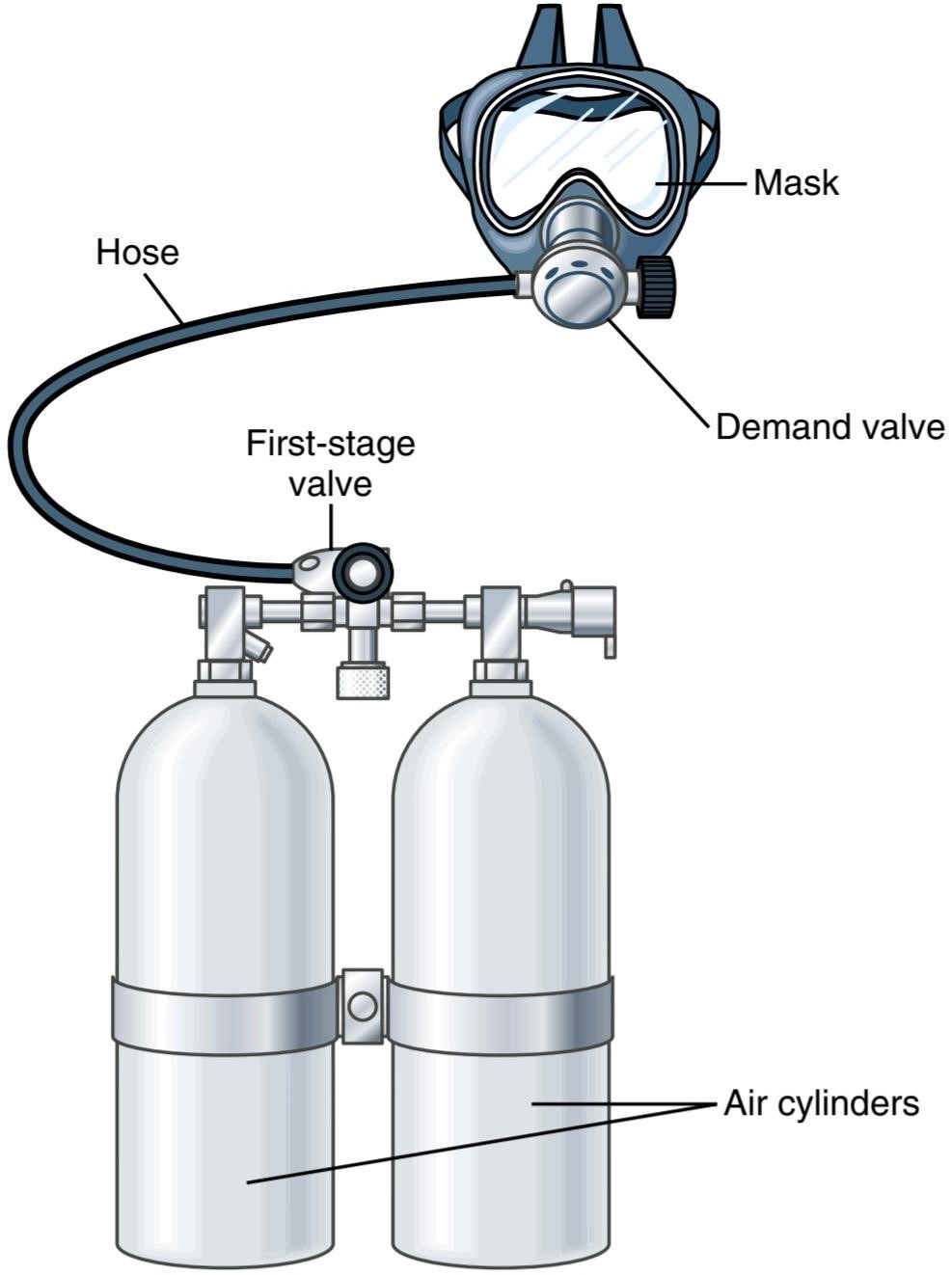
Figure 45-4. Open-circuit demand type of SCUBA (self-contained underwater breathing apparatus).
شکل 45-4. نوع تقاضای مدار باز SCUBA (دستگاه تنفس زیر آب خودکفایی).
Special Physiological Problems in Submarines
Escape From Submarines. Essentially the same problems encountered in deep sea diving are often found in relation to submarines, especially when it is necessary to escape from a submerged submarine. Escape is possible from as deep as 300 feet without use of any apparatus. However, proper use of rebreathing devices, especially when using helium, can theoretically allow escape from as deep as 600 feet or perhaps more.
مشکلات فیزیولوژیکی ویژه در زیردریاییها
فرار از زیردریاییها. اساساً همان مشکلاتی که در غواصی در اعماق دریا با آن مواجه میشوند، اغلب در رابطه با زیردریاییها دیده میشوند، بهویژه زمانی که فرار از زیردریایی غوطهور شده ضروری باشد. فرار از عمق 300 فوتی بدون استفاده از هیچ وسیله ای امکان پذیر است. با این حال، استفاده صحیح از دستگاههای تنفس مجدد، بهویژه هنگام استفاده از هلیوم، از نظر تئوری میتواند امکان فرار از عمق 600 فوتی یا شاید بیشتر را فراهم کند.
One of the major problems of escape is prevention of air embolism. As the person ascends, the gases in the lungs expand and sometimes rupture a pulmonary blood vessel, forcing the gases to enter the vessel and cause air embolism of the circulation. Therefore, as the person ascends, he or she must make a special effort to exhale continually.
یکی از مشکلات مهم فرار، پیشگیری از آمبولی هوا است. با صعود فرد، گازهای موجود در ریهها منبسط میشوند و گاهی اوقات یک رگ خونی ریوی را پاره میکنند و گازها را مجبور میکنند وارد رگ شوند و باعث آمبولی هوا در گردش خون میشوند. بنابراین هنگام صعود فرد باید تلاش ویژه ای برای بازدم مداوم انجام دهد.
Health Problems in the Submarine Internal Environment. Except for escape, submarine medicine generally centers on several engineering problems to keep hazards out of the internal environment. First, in atomic submarines, there is the problem of radiation hazards, but with appropriate shielding, the amount of radiation received by the crew submerged beneath the sea has been less than the normal amount of radiation received above the surface of the sea from cosmic rays.
مشکلات بهداشتی در محیط داخلی زیردریایی. به جز فرار، پزشکی زیردریایی به طور کلی بر چندین مشکل مهندسی تمرکز دارد تا خطرات را از محیط داخلی دور نگه دارد. اول اینکه در زیردریاییهای اتمیمشکل خطرات تشعشع وجود دارد، اما با محافظ مناسب، میزان تشعشع دریافتی خدمه غوطه ور در زیر دریا کمتر از میزان معمول تشعشعات دریافتی بالای سطح دریا از پرتوهای کیهانی بوده است.
Second, poisonous gases, on occasion, escape into the atmosphere of the submarine and must be controlled rapidly. For example, during several weeks’ submergence, cigarette smoking by the crew can liberate enough carbon monoxide, if not removed rapidly, to cause carbon monoxide poisoning. On occasion, even Freon gas has been found to diffuse out of refrigeration systems in sufficient quantity to cause toxicity.
دوم، گازهای سمی، گاهی اوقات به جو زیردریایی میریزند و باید به سرعت کنترل شوند. به عنوان مثال، در طول چند هفته غوطه ور شدن، کشیدن سیگار توسط خدمه میتواند مونوکسید کربن کافی را آزاد کند، اگر به سرعت حذف نشود، باعث مسمومیت با مونوکسید کربن شود. در مواردی، حتی گاز فرئون نیز به مقدار کافی از سیستمهای تبرید پخش میشود تا مسمومیت ایجاد کند.
Hyperbaric Oxygen Therapy
The intense oxidizing properties of high-pressure O2 (hyperbaric oxygen) can have valuable therapeutic effects in several important clinical conditions. Therefore, large pressure tanks are now available in many medical centers into which patients can be placed and treated with hyperbaric O2. The O2 is usually administered at Po2 values of 2 to 3 atm pressure through a mask or intratracheal tube, whereas the gas around the body is normal air compressed to the same high-pressure level.
اکسیژن درمانی هیپرباریک
خواص اکسید کننده شدید O2 با فشار بالا (اکسیژنهایپرباریک) میتواند اثرات درمانی ارزشمندی در چندین شرایط بالینی مهم داشته باشد. بنابراین، در حال حاضر مخازن تحت فشار بزرگ در بسیاری از مراکز پزشکی موجود است که بیماران را میتوان در آنها قرار داد و با O2هایپرباریک درمان کرد. O2 معمولاً در مقادیر Po2 فشار 2 تا 3 اتمسفر از طریق یک ماسک یا لوله داخل تراشه تجویز میشود، در حالی که گاز اطراف بدن هوای معمولی است که تا همان سطح فشار بالا فشرده شده است.
The same oxidizing free radicals responsible for O2 toxicity are also believed to be responsible for at least some of the therapeutic benefits. Some of the conditions in which hyperbaric O2 therapy has been especially beneficial are described next.
اعتقاد بر این است که همان رادیکالهای آزاد اکسید کننده مسئول سمیت O2 نیز حداقل برخی از مزایای درمانی را بر عهده دارند. برخی از شرایطی که در آنها درمان O2هایپرباریک به ویژه مفید بوده است در ادامه توضیح داده شده است.
One successful use of hyperbaric O2 has been for treatment of gas gangrene. The bacteria that cause this condition, clostridial organisms, grow best under anaerobic conditions and stop growing at O2 pressures greater than about 70 mm Hg. Therefore, hyperbaric oxygenation of the tissues can frequently stop the infectious process entirely and thus convert a condition that formerly was almost 100% fatal into one that is cured in most cases by early treatment with hyperbaric therapy.
یکی از کاربردهای موفقیت آمیز O2 هیپرباریک برای درمان گانگرن گازی بوده است. باکتریهایی که باعث این وضعیت میشوند، ارگانیسمهای کلستریدیایی، در شرایط بیهوازی به بهترین وجه رشد میکنند و در فشار O2 بیش از 70 میلیمتر جیوه رشد نمیکنند. بنابراین، اکسیژن رسانی هیپرباریک بافتها اغلب میتواند فرآیند عفونی را به طور کامل متوقف کند و در نتیجه وضعیتی را که قبلاً تقریباً 100٪ کشنده بود، به وضعیتی تبدیل کند که در بیشتر موارد با درمان زودهنگام با درمانهایپرباریک درمان میشود.
Other conditions in which hyperbaric O2 therapy has been either valuable or possibly valuable include decom- pression sickness, arterial gas embolism, carbon monoxide poisoning, osteomyelitis, and myocardial infarction.
سایر شرایطی که در آنها درمان O2هایپرباریک یا با ارزش بوده یا احتمالاً ارزشمند بوده است عبارتند از: بیماری رفع فشار، آمبولی گاز شریانی، مسمومیت با مونوکسید کربن، استئومیلیت و انفارکتوس میوکارد.
کلیک کنید «Bibliography: فهرست کتب مربوطه»
Brubakk AO, Ross JA, Thom SR: Saturation diving; physiology and pathophysiology. Compr Physiol 4:1229, 2014.
Castellini M: Life under water: physiological adaptations to diving and living at sea. Compr Physiol 2:1889, 2012.
Doolette DJ, Mitchell SJ: Hyperbaric conditions. Compr Physiol 1:163, 2011.
Fitz-Clarke JR: Breath-hold diving. Compr Physiol 8:585, 2018.
Leach RM, Rees PJ, Wilmshurst P: Hyperbaric oxygen therapy. BMJ 317:1140, 1998.
Pendergast DR, Lundgren CE: The underwater environment: car- diopulmonary, thermal, and energetic demands. J Appl Physiol 106:276, 2009.
Pendergast DR, Moon RE, Krasney JJ, et al: Human physiology in an aquatic environment. Compr Physiol 5:1705, 2015.
Poff AM, Kernagis D, D’Agostino DP: Hyperbaric environment: oxy- gen and cellular damage versus protection. Compr Physiol 7:213, 2016.
Rostain JC, Lavoute C: Neurochemistry of pressure-induced nitrogen and metabolically inert gas narcosis in the central nervous system. Compr Physiol 6:1579, 2016.
Vann RD, Butler FkK, Mitchell SJ, Moon RE: Decompression illness. Lancet 377:153, 2011.
🚀 با ما همراه شوید!
تازهترین مطالب و آموزشهای مغز و اعصاب را از دست ندهید. با فالو کردن کانال تلگرام آیندهنگاران مغز، از ما حمایت کنید!