
عادتهای خواب سالم، کودک شاد؛ خواب سالم و راهکارهای خواب


دعای مطالعه [ نمایش ]
بِسْمِ الله الرَّحْمنِ الرَّحیمِ
اَللّهُمَّ اَخْرِجْنى مِنْ ظُلُماتِ الْوَهْمِ
خدايا مرا بيرون آور از تاريكىهاى وهم،
وَ اَكْرِمْنى بِنُورِ الْفَهْمِ
و به نور فهم گرامى ام بدار،
اَللّهُمَّ افْتَحْ عَلَيْنا اَبْوابَ رَحْمَتِكَ
خدايا درهاى رحمتت را به روى ما بگشا،
وَانْشُرْ عَلَيْنا خَزائِنَ عُلُومِكَ بِرَحْمَتِكَ يا اَرْحَمَ الرّاحِمينَ
و خزانههاى علومت را بر ما باز كن به امید رحمتت اى مهربانترين مهربانان.
کتاب «عادتهای خواب سالم، کودک شاد» (Healthy Sleep Habits, Happy Child) اثر ارزشمند دکتر Marc Weissbluth، بیتردید یکی از جامعترین منابع علمی در حوزه رشد کودک (Child Development) و پزشکی خواب کودکان (Pediatric Sleep Medicine) به شمار میآید. این کتاب حاصل سالها تجربه بالینی و پژوهشهای دقیق نویسنده است و توانسته است پیچیدهترین مفاهیم مرتبط با خواب کودکان را به زبانی روشن، کاربردی و قابل فهم برای والدین و متخصصان ارائه دهد.
ترجمه دقیق این اثر توسط برند علمی آیندهنگاران مغز به مدیریت داریوش طاهری، دسترسی فارسیزبانان به دانش پیشرفته در حوزه خواب و اختلالات آن را ممکن ساخته و رسالتی علمی برای ارتقای سلامت عمومی، درک عمیقتر عملکرد مغز و بهبود کیفیت زندگی فراهم آورده است.
» کتاب عادات خواب سالم، کودک شاد
» » فصل ۲: خواب سالم و راهکارهای خواب
» Healthy Sleep Habits, Happy Child
»» Chapter 2: Healthy Sleep and Sleep Strategies
در حال ویرایش
HEALTHY SLEEP
Are your child’s sleep patterns healthy? There are five elements of healthy sleep for children:
خواب سالم
آیا الگوهای خواب فرزند شما سالم است؟ پنج عنصر خواب سالم برای کودکان وجود دارد:
1. Sleep duration: night and day
2. Naps
3. Sleep consolidation
4. Sleep schedule, timing of sleep
5. Sleep regularity
۱. مدت خواب: شب و روز
۲. چرت زدن
۳. تثبیت خواب
۴. برنامه خواب، زمان خواب
۵. نظم خواب
When these five items are in proper balance, children get the rest they need. Let’s first take a look at each one separately. Later, we will see how each element is not really independent from the others but simply part of a package called “healthy sleep.”
وقتی این پنج مورد در تعادل مناسب باشند، کودکان استراحت مورد نیاز خود را دریافت میکنند. بیایید ابتدا به هر یک جداگانه نگاهی بیندازیم. بعداً خواهیم دید که چگونه هر عنصر واقعاً مستقل از سایرین نیست، بلکه صرفاً بخشی از یک بسته به نام “خواب سالم” است.
As we consider the biological development of these five factors, please remember that parenting practices such as feeding do not influence how the brain develops. There are five turning points in the sleep maturation process: six weeks (night sleep lengthens), twelve to sixteen weeks (daytime sleep regularizes), nine months (disappearance of night waking for 14 feeding and a third nap), twelve to twenty-one months (disappearance of the morning nap), and three to four years (afternoon nap becomes less common).
همانطور که رشد بیولوژیکی این پنج عامل را در نظر میگیریم، لطفاً به یاد داشته باشید که شیوههای فرزندپروری مانند تغذیه بر نحوه رشد مغز تأثیر نمیگذارد. پنج نقطه عطف در فرآیند بلوغ خواب وجود دارد: شش هفته (طولانی شدن خواب شبانه)، دوازده تا شانزده هفته (تنظیم خواب روزانه)، نه ماه (از بین رفتن بیداری شبانه برای 14 وعده شیر و چرت سوم)، دوازده تا بیست و یک ماه (از بین رفتن چرت صبحگاهی) و سه تا چهار سال (چرت بعدازظهر کمتر رایج میشود).
As your baby’s brain matures, the patterns and rhythm of sleep change. If you always adapt your parenting practices to these changes, your child will sleep well. Those parents who do not see these changes or make these adjustments have babies who become overtired. The biological development causing all these changes is under the control of two regulatory mechanisms. Understanding these controlling mechanisms will help you organize your thoughts and plan your actions to ensure healthy sleep for your child.
با بالغ شدن مغز کودک شما، الگوها و ریتم خواب تغییر میکند. اگر همیشه شیوههای فرزندپروری خود را با این تغییرات تطبیق دهید، فرزند شما خوب خواهد خوابید. والدینی که این تغییرات را نمیبینند یا این تنظیمات را انجام نمیدهند، نوزادانی دارند که بیش از حد خسته میشوند. رشد بیولوژیکی که باعث ایجاد همه این تغییرات میشود، تحت کنترل دو مکانیسم تنظیمی است. درک این مکانیسمهای کنترلی به شما کمک میکند تا افکار خود را سازماندهی کرده و اقدامات خود را برای اطمینان از خواب سالم فرزندتان برنامهریزی کنید.
The first regulatory system controls the body’s need for sleep and has been called the “homeostatic control mechanism.” In a nutshell, this means that the longer you go without sleep, the longer you will subsequently sleep. If you lose sleep, the body tries to restore it. The body tries to make sure you are getting enough sleep. This automatic process reflects an internal biological mechanism that we do not control. It is similar to the body wanting to control its temperature; when we get hot, we automatically sweat. If we do not drink enough fluid, then we cannot sweat, and we suffer the ill effects of dehydration. However, if we drink too much caffeine and deprive the body of sleep, we also cause harm. Unfortunately, our baby’s biological need for sleep is always changing, so we have to be on our toes in order not to miss shifts in sleeping requirements.
اولین سیستم تنظیمی، نیاز بدن به خواب را کنترل میکند و «مکانیسم کنترل هموستاتیک» نامیده میشود. به طور خلاصه، این بدان معناست که هر چه مدت بیشتری بدون خواب باشید، متعاقباً بیشتر خواهید خوابید. اگر خوابتان را از دست بدهید، بدن سعی میکند آن را بازیابی کند. بدن سعی میکند مطمئن شود که به اندازه کافی میخوابید. این فرآیند خودکار، منعکس کننده یک مکانیسم بیولوژیکی داخلی است که ما آن را کنترل نمیکنیم. این شبیه به بدن است که میخواهد دمای خود را کنترل کند؛ وقتی گرممان میشود، به طور خودکار عرق میکنیم. اگر به اندازه کافی مایعات ننوشیم، نمیتوانیم عرق کنیم و از عوارض کم آبی بدن رنج میبریم. با این حال، اگر بیش از حد کافئین بنوشیم و بدن را از خواب محروم کنیم، به آن آسیب هم میرسانیم. متأسفانه، نیاز بیولوژیکی کودک ما به خواب همیشه در حال تغییر است، بنابراین باید هوشیار باشیم تا تغییرات در نیازهای خواب را از دست ندهیم.
The secondary regulatory system has been called the “circadian timing system.” It is also called the “internal timing system” and can be thought of as a dedicated regulatory program that switches specific genes on and off in response to the light-dark cycle. This regulatory apparatus built to turn on and off is a molecular clock that is genetically specified and it is set to the proper time by sunlight. This mechanism automatically tries to ensure that the body is sleeping at the right time, and that when you are asleep, the timing and amounts of different stages and types of sleep are correct. Signals come from a specific area within the brain to make us feel sleepy or wakeful. The pattern of these signals changes over weeks, months, and years as the baby grows into an adult. The pace of these changes is especially quick during the first several months, so it is easy for a parent to get a little off tempo. Just when you think you have figured out when your baby needs to nap or be put to bed at night, the times change!
سیستم تنظیمی ثانویه «سیستم زمانبندی شبانهروزی» نامیده شده است. همچنین «سیستم زمانبندی داخلی» نامیده میشود و میتوان آن را به عنوان یک برنامه تنظیمی اختصاصی در نظر گرفت که ژنهای خاصی را در پاسخ به چرخه نور و تاریکی روشن و خاموش میکند. این دستگاه تنظیمی که برای روشن و خاموش شدن ساخته شده است، یک ساعت مولکولی است که از نظر ژنتیکی مشخص شده و توسط نور خورشید روی زمان مناسب تنظیم میشود. این مکانیسم به طور خودکار سعی میکند اطمینان حاصل کند که بدن در زمان مناسب میخوابد و وقتی شما خواب هستید، زمان و میزان مراحل و انواع مختلف خواب صحیح است. سیگنالها از ناحیه خاصی در مغز میآیند تا ما را خوابآلود یا بیدار کنند. الگوی این سیگنالها با بزرگ شدن کودک و تبدیل شدن به یک بزرگسال، طی هفتهها، ماهها و سالها تغییر میکند. سرعت این تغییرات به ویژه در چند ماه اول سریع است، بنابراین برای والدین آسان است که کمی از ریتم خارج شوند. درست زمانی که فکر میکنید فهمیدهاید کودک شما چه زمانی باید چرت بزند یا شبها به رختخواب برود، زمان تغییر میکند!
IMPORTANT POINT
The Internal Timing System is under genetic control so there is individual variation. It takes time for the Internal Timing System to express itself.
نکته مهم
سیستم زمانبندی داخلی تحت کنترل ژنتیک است، بنابراین تفاوتهای فردی وجود دارد. زمان میبرد تا سیستم زمانبندی داخلی خود را نشان دهد.
Sleep Duration: Night and Day
If you don’t sleep long enough, you feel tired. This sounds very simple and obvious, but how much sleep is enough? And how can you tell if your child is getting enough sleep?
مدت خواب: شب و روز
اگر به اندازه کافی نخوابید، احساس خستگی میکنید. این خیلی ساده و بدیهی به نظر میرسد، اما چه مقدار خواب کافی است؟ و چگونه میتوانید تشخیص دهید که فرزندتان به اندازه کافی میخوابد؟
Under three or four months of age, infants’ sleep patterns seem mostly to reflect the development of the child’s brain. During these first few weeks, in fact, sleep durations equal sleep needs, since infant behavior and sleep durations are mostly influenced by biological factors. But after about three or four months, and perhaps even at about six weeks (or six weeks after the due date, for babies born early), parenting practices can influence sleep duration and, consequently, behavior. As I will discuss later in more detail, I believe parents can promote more charming, calm, alert behaviors by becoming more sensitive to their growing child’s need to sleep and by helping to maintain healthy sleep habits. The goal is to recognize and respect your child’s need to sleep and not do things that interfere with the natural sleep process.
به نظر میرسد الگوهای خواب نوزادان زیر سه یا چهار ماهگی، بیشتر منعکس کننده رشد مغز کودک است. در واقع، در طول این چند هفته اول، مدت زمان خواب با نیاز خواب او برابر است، زیرا رفتار و مدت زمان خواب نوزاد عمدتاً تحت تأثیر عوامل بیولوژیکی قرار میگیرد. اما پس از حدود سه یا چهار ماهگی، و شاید حتی در حدود شش هفته (یا شش هفته پس از تاریخ زایمان، برای نوزادانی که زود متولد میشوند)، شیوههای فرزندپروری میتواند بر مدت زمان خواب و در نتیجه رفتار تأثیر بگذارد. همانطور که بعداً با جزئیات بیشتری بحث خواهم کرد، معتقدم والدین میتوانند با حساستر شدن به نیاز کودک در حال رشد خود به خواب و با کمک به حفظ عادات سالم خواب، رفتارهای جذابتر، آرامتر و هوشیارانهتری را ترویج دهند. هدف این است که نیاز فرزندتان به خواب را تشخیص داده و به آن احترام بگذارید و کارهایی را انجام ندهید که در روند طبیعی خواب اختلال ایجاد کند.
Newborns and Young Infants
During their first few days, newborns sleep about sixteen to seventeen hours total each day, although their longest single sleep period is only four to five hours. It makes no difference whether your baby is breast-fed or bottle-fed, or whether it’s a boy or a girl.
نوزادان و شیرخواران
در طول چند روز اول، نوزادان در مجموع حدود شانزده تا هفده ساعت در روز میخوابند، اگرچه طولانیترین دوره خواب آنها تنها چهار تا پنج ساعت است. فرقی نمیکند که نوزاد شما از شیر مادر تغذیه شود یا از شیشه، یا اینکه پسر باشد یا دختر.
PRACTICAL POINT
Nursing mothers often worry unnecessarily that long sleep periods deprive their baby of adequate breast milk. Weight checks with the doctor will reassure you that all is well.
نکته کاربردی
مادران شیرده اغلب بیجهت نگران هستند که دورههای خواب طولانی، نوزادشان را از شیر کافی محروم کند. بررسی وزن با پزشک به شما اطمینان میدهد که همه چیز خوب است.
Between one week and four months, the total daily sleep duration drifts down from sixteen and a half to fifteen hours, while the longest single sleep period—usually the night—increases from four to nine hours. We know from several studies that this development reflects neurological maturation and is not related to the start of feeding solid foods.
بین یک هفته تا چهار ماهگی، کل مدت خواب روزانه از شانزده و نیم به پانزده ساعت کاهش مییابد، در حالی که طولانیترین دوره خواب – معمولاً شب – از چهار به نه ساعت افزایش مییابد. ما از مطالعات متعدد میدانیم که این رشد، نشاندهنده بلوغ عصبی است و ارتباطی با شروع تغذیه با غذاهای جامد ندارد.
Some newborns and infants under the age of four months sleep much more and others much less. During the first few months, you can usually assume that your baby is getting sufficient sleep. But if your baby cries too much or has extreme fussiness/colic, you might assist Mother Nature by trying the helpful hints for “crybabies” described in Chapter 4.
برخی از نوزادان و شیرخواران زیر چهار ماه خیلی بیشتر و برخی دیگر خیلی کمتر میخوابند. در طول چند ماه اول، معمولاً میتوانید فرض کنید که کودک شما به اندازه کافی میخوابد. اما اگر کودک شما بیش از حد گریه میکند یا نق نق/قولنج شدید دارد، میتوانید با امتحان کردن نکات مفید برای «گریه کردن نوزادان» که در فصل ۴ توضیح داده شده است، به مادر طبیعت کمک کنید.
PRACTICAL POINT
When they are one or two weeks old, many infants begin to have several hour periods of increasingly alert, wakeful, gassy, and fussy behavior. This continues until about six weeks of age, after which they start to calm down. This increasingly irritable and wakeful state is often misinterpreted as resulting from maternal anxiety or insufficient or “bad” breast milk. Nonsense! The culprit is a temporarily uninhibited nervous system that causes excessive arousal. Relax; this developmental phase will pass as the baby’s brain matures. It’s not your fault.
نکته کاربردی
وقتی نوزادان یک یا دو هفتهای میشوند، دورههای چند ساعته هوشیاری، بیداری، نفخ و رفتارهای بیقراری را تجربه میکنند. این روند تا حدود شش هفتگی ادامه مییابد و پس از آن آرام میشوند. این حالت تحریکپذیری و بیداری فزاینده اغلب به اشتباه ناشی از اضطراب مادر یا شیر ناکافی یا “بد” مادر تعبیر میشود. بیمعنی است! مقصر، سیستم عصبی موقتاً مهارنشدهای است که باعث برانگیختگی بیش از حد میشود. آرام باشید؛ این مرحله رشدی با بالغ شدن مغز کودک سپری خواهد شد. تقصیر شما نیست.
Young infants are very portable. You can take them anywhere you want, and when they need to sleep, they will. I remember when, as a medical student at Stanford University, I was playing tennis with my wife one day and my first child was sleeping in an infant seat near the fence. A huge dump truck came crashing down the narrow street, making an awful racket. We ran over to our son, only to be surprised that he remained sweetly asleep. After six weeks of age, he became more socially aware of people around him; after about four months of age, he, like all children, became interested in barking dogs, wind in the trees, clouds, and many other curious things, all of which could and did disturb his sleep.
نوزادان خیلی راحت قابل حمل هستند. میتوانید آنها را هر جایی که میخواهید ببرید و وقتی نیاز به خواب داشته باشند، خودشان میخوابند. یادم میآید وقتی دانشجوی پزشکی در دانشگاه استنفورد بودم، یک روز با همسرم تنیس بازی میکردم و فرزند اولم در صندلی مخصوص نوزاد نزدیک نردهها خوابیده بود. یک کامیون کمپرسی بزرگ با صدای وحشتناکی از خیابان باریک پایین آمد و به زمین خورد. به سمت پسرمان دویدیم و از اینکه هنوز در خواب شیرینش بود، شگفتزده شدیم. بعد از شش هفته، او از نظر اجتماعی نسبت به اطرافیانش آگاهتر شد. بعد از حدود چهار ماهگی، او مانند همه کودکان به پارس سگها، باد در درختان، ابرها و بسیاری از چیزهای عجیب دیگر علاقهمند شد که همه آنها میتوانستند و واقعاً خواب او را مختل میکردند.
For some infants, the time when the baby first makes a socially responsive smile (usually at six weeks of age, or six weeks after the due date, for babies born early) is when social curiosity or social learning begins. However, under about three or four months of age, most infants, like my son, are not much disturbed by their environment when it comes to sleeping. When their body says it’s time to sleep, they sleep. When their body tells them to wake up, they wake up—even when it is not convenient for their parents! This is true whether they are fed on demand or according to a regular schedule. It is also true even when they are continuously fed intravenously because of birth defects of the stomach or intestines. Hunger, in fact, seems to have little to do with how babies sleep. A much more likely candidate for influencing a baby’s sleeping patterns is the hormone melatonin, which is produced by the baby’s brain beginning at about three to four months of age. This hormone surges at night and has the capability to both induce drowsiness and relax the smooth muscles encircling the gut. So around three or four months of age, so-called day/ night confusion and apparent abdominal cramps (colic) begin to disappear.
برای برخی از نوزادان، زمانی که نوزاد برای اولین بار لبخند اجتماعی میزند (معمولاً در شش هفتگی یا شش هفته پس از تاریخ زایمان، برای نوزادانی که زود به دنیا میآیند) زمانی است که کنجکاوی اجتماعی یا یادگیری اجتماعی آغاز میشود. با این حال، کمتر از حدود سه یا چهار ماهگی، اکثر نوزادان، مانند پسر من، هنگام خواب، خیلی تحت تأثیر محیط خود قرار نمیگیرند. وقتی بدنشان میگوید وقت خواب است، میخوابند. وقتی بدنشان به آنها میگوید بیدار شوند، بیدار میشوند – حتی زمانی که برای والدینشان راحت نیست! این موضوع چه به صورت تقاضا تغذیه شوند و چه طبق یک برنامه منظم، صادق است. همچنین حتی زمانی که به دلیل نقص مادرزادی معده یا روده، به طور مداوم از طریق داخل وریدی تغذیه میشوند، صادق است. در واقع، به نظر میرسد گرسنگی ارتباط چندانی با نحوه خواب نوزادان ندارد. یک کاندیدای بسیار محتملتر برای تأثیرگذاری بر الگوهای خواب نوزاد، هورمون ملاتونین است که توسط مغز نوزاد از حدود سه تا چهار ماهگی تولید میشود. این هورمون در شب افزایش مییابد و توانایی ایجاد خوابآلودگی و شل کردن عضلات صاف اطراف روده را دارد. بنابراین حدود سه یا چهار ماهگی، به اصطلاح گیجی روز/شب و گرفتگیهای شکمی ظاهری (قولنج) شروع به ناپدید شدن میکنند.
Furthermore, infants raised in an environment where the lights are constantly on evolve normal sleep patterns, just like babies brought up in homes where the lights are turned on and off routinely. Another bit of evidence to suggest that environment has little effect on sleep patterns in children under three or four months of age comes from infants born prematurely. A child born four weeks before his due date, for example, reaches the same level of sleep development as a full-term baby four weeks later than the child born on time. Biological sleep/wake development does not speed up in those preemies who are exposed to more social stimulation.
علاوه بر این، نوزادانی که در محیطی بزرگ میشوند که چراغها دائماً روشن هستند، الگوهای خواب طبیعی را تکامل میدهند، درست مانند نوزادانی که در خانههایی بزرگ میشوند که چراغها به طور مرتب روشن و خاموش میشوند. شواهد دیگری که نشان میدهد محیط تأثیر کمی بر الگوهای خواب کودکان زیر سه یا چهار ماه دارد، از نوزادانی که نارس متولد میشوند، به دست میآید. به عنوان مثال، کودکی که چهار هفته قبل از موعد مقرر به دنیا میآید، چهار هفته دیرتر از کودکی که به موقع متولد شده است، به همان سطح رشد خواب یک نوزاد کامل میرسد. رشد بیولوژیکی خواب/بیداری در نوزادان نارسی که در معرض تحریک اجتماعی بیشتری قرار دارند، سرعت نمیگیرد.
What we can conclude, therefore, is that, for infants under three or four months of age, you should try to flow with the child’s need for sleep. Don’t expect predictable sleep schedules, and don’t try to enforce them rigidly. Still, some babies do develop regular sleep/wake rhythms quite early, say at about six to eight weeks. These babies tend to be very mild, cry very little, and sleep for long periods of time. Consider yourself blessed if you are one of these lucky parents.
بنابراین، آنچه میتوانیم نتیجه بگیریم این است که برای نوزادان زیر سه یا چهار ماه، باید سعی کنید با نیاز کودک به خواب همراه شوید. انتظار برنامههای خواب قابل پیشبینی نداشته باشید و سعی نکنید آنها را به طور سختگیرانهای اعمال کنید. با این حال، برخی از نوزادان ریتمهای خواب/بیداری منظم را خیلی زود، مثلاً در حدود شش تا هشت هفتگی، ایجاد میکنند. این نوزادان معمولاً بسیار ملایم هستند، خیلی کم گریه میکنند و مدت زمان طولانی میخوابند. اگر یکی از این والدین خوش شانس هستید، خود را خوشبخت بدانید.
Older Infants and Children
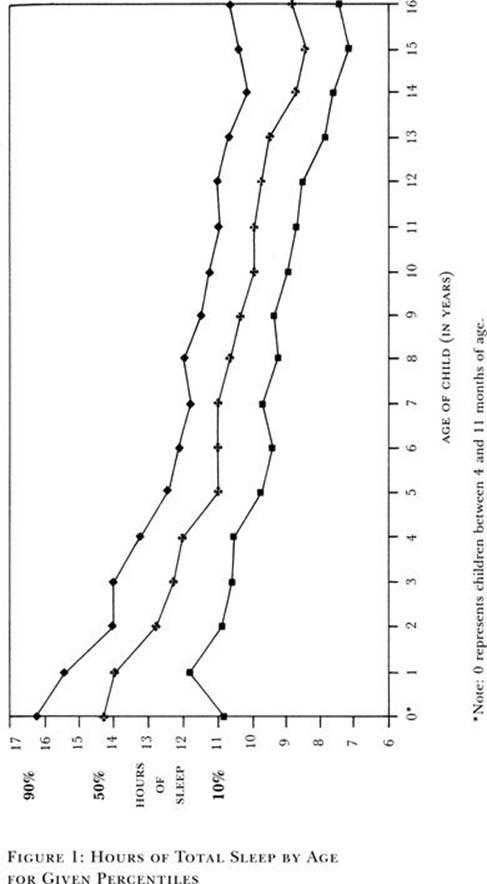
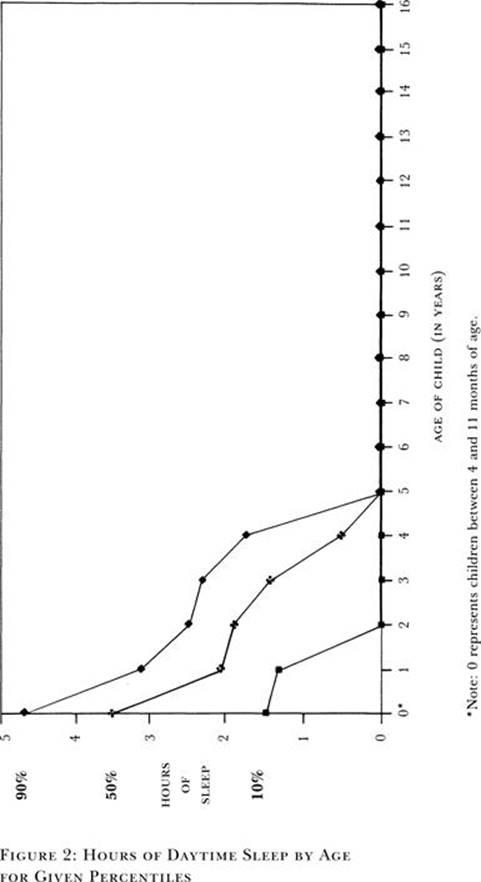
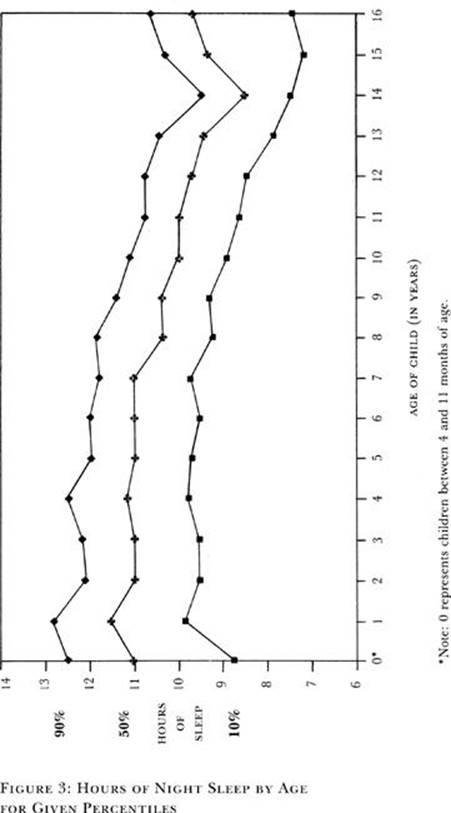
As children age, the amount of time they sleep tends to decrease. Figures 1 through 3 describe how much daytime sleep, night sleep, and total sleep occur at different ages for older children. The bottom curve in each graph means that 10 percent of children sleep less than the amount shown, while the top curve means that 90 percent of children sleep less than the amount shown for each age. These curves were generated by my own research using data collected from 2,019 children, mostly white, middle-class residents of northern Illinois and northern Indiana in 1980. These graphs can help you tell whether your child’s sleep is above the ninetieth percentile or below the tenth percentile. (Other studies have used only the fiftieth percentile, or average values, and do not tell you whether your child’s sleep duration is slightly below average or extremely below average.) Interestingly, the results of studies of similar social classes in 1911 in California and in 1927 in Minnesota, also involving thousands of children, were the same as those in my study. In addition, studies in England in 1910 and Japan in 1925 showed identical sleep curves.
نوزادان و کودکان بزرگتر
با افزایش سن کودکان، میزان خواب آنها کاهش مییابد. شکلهای ۱ تا ۳ میزان خواب روزانه، شبانه و کل خواب را در سنین مختلف برای کودکان بزرگتر توصیف میکنند. منحنی پایین در هر نمودار به این معنی است که ۱۰ درصد از کودکان کمتر از مقدار نشان داده شده میخوابند، در حالی که منحنی بالا به این معنی است که ۹۰ درصد از کودکان کمتر از مقدار نشان داده شده برای هر سن میخوابند. این منحنیها توسط تحقیقات خودم با استفاده از دادههای جمعآوری شده از ۲۰۱۹ کودک، که اکثراً سفیدپوست و ساکن طبقه متوسط شمال ایلینوی و شمال ایندیانا در سال ۱۹۸۰ بودند، ایجاد شدهاند. این نمودارها میتوانند به شما کمک کنند تا تشخیص دهید که آیا خواب فرزندتان بالاتر از صدک نودم است یا کمتر از صدک دهم. (مطالعات دیگر فقط از صدک پنجاهم یا مقادیر میانگین استفاده کردهاند و به شما نمیگویند که آیا مدت خواب فرزندتان کمی پایینتر از میانگین است یا بسیار پایینتر از میانگین.) جالب اینجاست که نتایج مطالعات طبقات اجتماعی مشابه در سال ۱۹۱۱ در کالیفرنیا و در سال ۱۹۲۷ در مینه سوتا، که هزاران کودک را نیز شامل میشد، با نتایج مطالعه من یکسان بود. علاوه بر این، مطالعات در انگلستان در سال ۱۹۱۰ و ژاپن در سال ۱۹۲۵ منحنیهای خواب یکسانی را نشان دادند.
So it seems that despite cultural and ethnic differences, social changes, and such modern inventions as television, DVDs, and computers that shape our contemporary lifestyles, the age-specific durations of sleep are firmly and universally rooted in our children’s developing biology.
بنابراین به نظر میرسد که علیرغم تفاوتهای فرهنگی و قومی، تغییرات اجتماعی و اختراعات مدرنی مانند تلویزیون، دیویدی و رایانه که سبک زندگی معاصر ما را شکل میدهند، مدت زمان خواب مختص هر سن، ریشهای محکم و جهانی در زیستشناسی در حال رشد فرزندان ما دارد.
An exception to this generalization is that adolescents in the United States are now getting less sleep. During the second half of the twentieth century, a trend toward earlier start times for high school developed. This forced children to get up earlier during the school week and reduced the total number of hours available for sleeping. At the same time, it became more popular for teenagers to hold part-time jobs after school, so they were going to bed later. Also, the amount of homework has increased.
یک استثنا در این تعمیم این است که نوجوانان در ایالات متحده اکنون خواب کمتری دارند. در نیمه دوم قرن بیستم، روندی به سمت شروع زودتر دبیرستان شکل گرفت. این امر کودکان را مجبور کرد که در طول هفته مدرسه زودتر از خواب بیدار شوند و تعداد کل ساعات موجود برای خواب را کاهش داد. در عین حال، داشتن شغلهای پاره وقت بعد از مدرسه برای نوجوانان رایجتر شد، بنابراین آنها دیرتر به رختخواب میرفتند. همچنین، میزان تکالیف افزایش یافته است.
After about four months, I think parents can influence sleep durations, and as you will see, sleep durations for these older infants and toddlers are especially important.
فکر میکنم بعد از حدود چهار ماه، والدین میتوانند بر مدت زمان خواب تأثیر بگذارند و همانطور که خواهید دید، مدت زمان خواب برای این نوزادان بزرگتر و کودکان نوپا از اهمیت ویژهای برخوردار است.
I studied sixty healthy children in my pediatric practice at five months of age and then again at thirty-six months. At five months of age, the infants who were cooing, smiling, adaptable, and regular, and curiously approached unfamiliar things or people, slept longer than infants with opposite characteristics. These easy and calm infants slept about three and a half hours during the day and twelve hours at night, or a total of fifteen and a half hours. Infants who were fussy, crying, irritable, hard to handle, irregular, and more withdrawn slept almost three hours less overall, almost a 20 percent difference (three hours during the day and nine and a half hours at night, or twelve and a half hours total).
من شصت کودک سالم را در مطب اطفالم در پنج ماهگی و سپس دوباره در سی و شش ماهگی مطالعه کردم. در پنج ماهگی، نوزادانی که غان و غون میکردند، لبخند میزدند، سازگار بودند و منظم بودند و با کنجکاوی به چیزها یا افراد ناآشنا نزدیک میشدند، بیشتر از نوزادانی با ویژگیهای متضاد میخوابیدند. این نوزادان آرام و راحت حدود سه ساعت و نیم در طول روز و دوازده ساعت در شب، یا در مجموع پانزده و نیم ساعت میخوابیدند. نوزادانی که بهانهگیر، گریهکننده، تحریکپذیر، غیرقابل کنترل، نامنظم و گوشهگیرتر بودند، تقریباً سه ساعت کمتر در کل میخوابیدند، تقریباً 20 درصد تفاوت (سه ساعت در طول روز و نه ساعت و نیم در شب، یا در مجموع دوازده و نیم ساعت).
In addition, for all the five-month-olds studied, persistence or attention span was the trait most strongly associated with daytime sleep or nap duration. In other words, children who slept longer during the day had longer attention spans.
علاوه بر این، برای تمام نوزادان پنج ماهه مورد مطالعه، پشتکار یا دامنه توجه، صفتی بود که بیشترین ارتباط را با خواب روزانه یا مدت چرت زدن داشت. به عبارت دیگر، کودکانی که در طول روز بیشتر میخوابیدند، دامنه توجه بیشتری داشتند.
As I will discuss in a later chapter, infants who sleep more during the day are better able to learn from their environment; this is because they have a better-developed ability to maintain focused or sustained attention. Like a dry sponge in water, they soak up information about their surroundings. They learn simply from looking at the clouds and trees, touching, feeling, smelling, hearing, and watching their mothers’ and fathers’ faces. Infants who sleep less in the daytime appear more fitful and socially demanding, and they are less able to entertain or amuse themselves. Toys and objects are less interesting to these more tired children.
همانطور که در فصل بعدی بحث خواهم کرد، نوزادانی که در طول روز بیشتر میخوابند، بهتر میتوانند از محیط خود بیاموزند؛ دلیل این امر این است که آنها توانایی توسعهیافتهتری برای حفظ توجه متمرکز یا پایدار دارند. آنها مانند یک اسفنج خشک در آب، اطلاعات مربوط به محیط اطراف خود را جذب میکنند. آنها به سادگی از نگاه کردن به ابرها و درختان، لمس کردن، احساس کردن، بو کردن، شنیدن و تماشای چهره مادران و پدران خود یاد میگیرند. نوزادانی که در طول روز کمتر میخوابند، بیقرارتر و از نظر اجتماعی سختگیرتر به نظر میرسند و کمتر میتوانند خود را سرگرم یا سرگرم کنند. اسباببازیها و اشیاء برای این کودکان خستهتر جذابیت کمتری دارند.
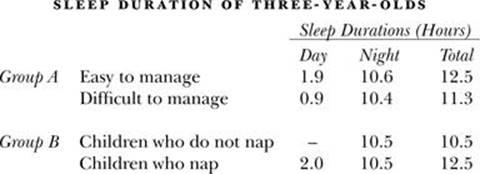
By three years of age, the easier to manage children in my study who were mild, positive in mood, adaptable, and approachable toward unfamiliar people slept twelve and a half hours total. The difficult to manage children—those who were intense, more negative, less adaptable, and withdrawing—slept about one and a half hours less, almost the equivalent of a daytime nap.
تا سه سالگی، کودکانی که در مطالعه من راحتتر قابل کنترل بودند و خلق و خوی ملایم، مثبت، سازگار و در مواجهه با افراد ناآشنا قابل دسترسی بودند، در مجموع دوازده و نیم ساعت میخوابیدند. کودکانی که مدیریت آنها دشوار بود – آنهایی که شدید، منفیتر، کمتر سازگار و گوشهگیر بودند – حدود یک و نیم ساعت کمتر میخوابیدند، تقریباً معادل یک چرت روزانه.
An important conclusion is that three-year-olds who nap are more adaptable than those who do not. But napping did not affect the length of sleep at night. Comparing nappers and non-nappers, night sleep duration was ten and a half hours in both groups. Those who napped, however, slept about two hours longer during the day, so their total sleep was twelve and a half hours. Therefore, it simply is not true that children who miss naps will “make up” for it by sleeping more at night. In fact, the sleep they miss is gone forever.
یک نتیجه مهم این است که کودکان سه ساله ای که چرت می زنند، نسبت به کودکانی که چرت نمی زنند، سازگارتر هستند. اما چرت زدن بر مدت خواب شبانه تأثیری نداشت. در مقایسه کودکانی که چرت می زنند و کودکانی که چرت نمی زنند، مدت خواب شبانه در هر دو گروه ده و نیم ساعت بود. با این حال، کسانی که چرت می زدند، در طول روز حدود دو ساعت بیشتر می خوابیدند، بنابراین کل خواب آنها دوازده و نیم ساعت بود. بنابراین، این درست نیست که کودکانی که چرت نمی زنند، با خوابیدن بیشتر در شب، آن را “جبران” کنند. در واقع، خوابی که از دست می دهند برای همیشه از بین رفته است.
PRACTICAL POINT
Missing a nap here and there will probably cause no harm. But if this becomes a habit, you can expect your child to lag further and further behind in his sleep and to become increasingly difficult to handle in this over-fatigued state.
نکته کاربردی
از دست دادن چرتهای گاه و بیگاه احتمالاً ضرری نخواهد داشت. اما اگر این عادت شود، میتوانید انتظار داشته باشید که فرزندتان بیشتر و بیشتر از خوابش عقب بماند و در این حالت خستگی مفرط، کنار آمدن با او به طور فزایندهای دشوار شود.
All in all, at age three, the children who slept more were more fun to be around, more sociable, and less demanding. The children who slept less not only tended to be more socially demanding, bratty, and fussy, but they also behaved somewhat like hyperactive children. Later, I will explain how these fatigued, fussy brats are also more likely to become fat kids.
روی هم رفته، در سن سه سالگی، کودکانی که بیشتر میخوابیدند، از بودن در کنارشان لذت بیشتری میبردند، اجتماعیتر بودند و کمتر سختگیر بودند. کودکانی که کمتر میخوابیدند، نه تنها تمایل داشتند که از نظر اجتماعی سختگیرتر، لوستر و بهانهگیرتر باشند، بلکه تا حدودی مانند کودکان بیشفعال رفتار میکردند. بعداً توضیح خواهم داد که چگونه این بچههای خسته و بهانهگیر، بیشتر احتمال دارد که چاق شوند.
One recent study examined the effects of a single night of sleep restriction in a group of children between ten and fourteen years old. The researchers noted that there were impairments in verbal creativity, abstract thinking/concept formation, and in complex problem solving. These higher cognitive abilities appear to be essential for academic performance and success. In contrast, there were no deficits on rote performance or less-complex memory and learning tasks. The ability to maintain routine performance despite being sleepy is familiar to every adult who sometimes gets very tired but nevertheless is able to perform the routine aspects of his or her job fairly well. My interpretation of this study is that chronic sleepiness in infants and young children impairs cognitive development, but this will not become apparent until the child is much older and challenged by more complex tasks. Of course, cognitive development starts in babies, not at ten to fourteen years of age, but the deficits from sleep deprivation remain hidden in young children. When younger, the challenges are at a much lower level, and these chronically sleep-deprived children may still do well with spelling, writing, reading, and simple arithmetic. Later, when older, the more demanding academic challenges unmask the cognitive deficits.
یک مطالعه اخیر، اثرات یک شب محدودیت خواب را در گروهی از کودکان بین ده تا چهارده سال بررسی کرد. محققان خاطرنشان کردند که اختلالاتی در خلاقیت کلامی، تفکر انتزاعی/شکلگیری مفهوم و حل مسائل پیچیده وجود داشته است. به نظر میرسد این تواناییهای شناختی بالاتر برای عملکرد و موفقیت تحصیلی ضروری هستند. در مقابل، هیچ نقصی در عملکرد طوطیوار یا حافظه و وظایف یادگیری کمتر پیچیده وجود نداشت. توانایی حفظ عملکرد روتین با وجود خوابآلودگی برای هر بزرگسالی که گاهی اوقات بسیار خسته میشود اما با این وجود قادر به انجام جنبههای روتین شغل خود به خوبی است، آشنا است. تفسیر من از این مطالعه این است که خوابآلودگی مزمن در نوزادان و کودکان خردسال، رشد شناختی را مختل میکند، اما این امر تا زمانی که کودک بسیار بزرگتر نشود و با وظایف پیچیدهتر به چالش کشیده نشود، آشکار نمیشود. البته، رشد شناختی در نوزادان شروع میشود، نه در ده تا چهارده سالگی، اما نقصهای ناشی از کمبود خواب در کودکان خردسال پنهان میماند. در سنین پایینتر، چالشها در سطح بسیار پایینتری هستند و این کودکانی که به طور مزمن دچار کمبود خواب هستند، ممکن است همچنان در املا، نوشتن، خواندن و حساب ساده عملکرد خوبی داشته باشند. بعدها، وقتی بزرگتر میشوند، چالشهای تحصیلی دشوارتر، نقصهای شناختی را آشکار میکنند.
Looking at our sleep curves again, we see that throughout early and middle childhood, the duration of sleep declines until adolescence, when the curve shown in Figure 1 levels off and then slightly increases. This increase has been noted in other studies and suggests that teenagers need more sleep than preteens. Yet academic demands, social events, and school sports combine during adolescence to pressure teenagers to stay up later and later. Also, there are biological shifts in adolescents that seem to encourage more wakefulness in the evening. This is the time when chronic and cumulative sleep losses begin to take their toll, and can make a normally rough period in life unbearably rocky.
با نگاهی دوباره به منحنیهای خوابمان، میبینیم که در طول اوایل و اواسط کودکی، مدت خواب تا نوجوانی کاهش مییابد، زمانی که منحنی نشان داده شده در شکل ۱ ثابت میشود و سپس کمی افزایش مییابد. این افزایش در مطالعات دیگر نیز مشاهده شده است و نشان میدهد که نوجوانان به خواب بیشتری نسبت به قبل از نوجوانی نیاز دارند. با این حال، خواستههای تحصیلی، رویدادهای اجتماعی و ورزشهای مدرسه در دوران نوجوانی با هم ترکیب میشوند و نوجوانان را تحت فشار قرار میدهند تا دیرتر و دیرتر بیدار بمانند. همچنین، تغییرات بیولوژیکی در نوجوانان وجود دارد که به نظر میرسد بیداری بیشتر در عصر را تشویق میکند. این زمانی است که کمبود خواب مزمن و تجمعی شروع به تأثیر گذاشتن میکند و میتواند یک دوره معمولاً سخت در زندگی را به طرز غیرقابل تحملی دشوار کند.
Naps
Having grown up in a highly achievement-oriented society, most American adults are likely to view naps as a waste of time. We tend to think that the adults who nap are lazy, under-motivated, ill, or elderly. In turn, we do not attach much positive benefit to daytime sleep in our infants and young children. Let me explain why naps are indeed very important for learning, or cognitive development, in children.
چرت زدن
با توجه به اینکه اکثر بزرگسالان آمریکایی در جامعهای با محوریت پیشرفت بزرگ شدهاند، احتمالاً چرت زدن را اتلاف وقت میدانند. ما معمولاً فکر میکنیم بزرگسالانی که چرت میزنند تنبل، کمانگیزه، بیمار یا مسن هستند. در عوض، ما برای خواب روزانه نوزادان و کودکان خردسال خود فایدهی مثبتی قائل نیستیم. بگذارید توضیح دهم که چرا چرت زدن در واقع برای یادگیری یا رشد شناختی کودکان بسیار مهم است.
Naps are not little bits of night sleep randomly intruding upon children’s awake hours. Actually, night sleep, daytime sleep, and daytime wakefulness have rhythms that are partially independent of one another. During the first three to four months of life, these rhythms develop at different rates, so they may not be in synchrony. Only later do these sleep/wake rhythms become linked with fluctuations in body temperature and activity levels.
چرتها، بخشهای کوچکی از خواب شبانه نیستند که به طور تصادفی در ساعات بیداری کودکان اختلال ایجاد کنند. در واقع، خواب شبانه، خواب روزانه و بیداری روزانه ریتمهایی دارند که تا حدودی از یکدیگر مستقل هستند. در طول سه تا چهار ماه اول زندگی، این ریتمها با سرعتهای متفاوتی رشد میکنند، بنابراین ممکن است با هم هماهنگ نباشند. تنها بعداً این ریتمهای خواب/بیداری با نوسانات دمای بدن و سطح فعالیت مرتبط میشوند.
For example, most of us have experienced drowsiness in the afternoon. This sensation is partially related—but only partially—to how long you have been up and how long you slept the night before. Our mental state fluctuates during the day between alert and drowsy, just as fluctuations occur during the night between light and deep sleep stages. As adults, an afternoon nap is most refreshing when we take it at the time when we are biologically most drowsy. Here is how to figure out your best nap time. Take the midpoint between the time when you most easily fall asleep at night (example: 10:00 P.M.) and most comfortably awaken naturally in the morning (example: 8:00 A.M.). Then, twelve hours from the midpoint is your best naptime (example: 3:00 P.M.). If you lived in the siesta belt, you might rest or take a nap, but in the United States, it’s a coffee break.
به عنوان مثال، اکثر ما خوابآلودگی در بعد از ظهر را تجربه کردهایم. این احساس تا حدی – اما فقط تا حدی – به مدت زمانی که بیدار بودهاید و مدت زمانی که شب قبل خوابیدهاید، مرتبط است. وضعیت روانی ما در طول روز بین هوشیاری و خوابآلودگی در نوسان است، همانطور که در طول شب بین مراحل خواب سبک و عمیق نوساناتی رخ میدهد. به عنوان بزرگسالان، چرت بعدازظهر زمانی بیشترین طراوت را دارد که آن را در زمانی که از نظر بیولوژیکی بیشترین خوابآلودگی را داریم، انجام دهیم. در اینجا نحوه تشخیص بهترین زمان چرت زدن شما آورده شده است. نقطه میانی بین زمانی را در نظر بگیرید که شبها راحتتر به خواب میروید (مثلاً ساعت ۱۰ شب) و صبحها راحتتر و طبیعیتر از خواب بیدار میشوید (مثلاً ساعت ۸ صبح). سپس، دوازده ساعت از نقطه میانی، بهترین زمان چرت زدن شماست (مثلاً ساعت ۳ بعد از ظهر). اگر در کمربند خواب نیمروزی زندگی میکردید، ممکن بود استراحت کنید یا چرت بزنید، اما در ایالات متحده، این زمان برای استراحت و نوشیدن قهوه است.
There is an important reason, though, why some adults do not nap: sleep inertia.
با این حال، یک دلیل مهم وجود دارد که چرا برخی از بزرگسالان چرت نمیزنند: اینرسی خواب.
Sleep Inertia
Sleep inertia is a feeling of disorientation, confusion, pain, discomfort, impaired mood, and the inability to concentrate or think well that occurs upon awakening, especially from naps. In children, sleep inertia appears to be more severe and more prolonged for those who are more overtired. It appears that sleep is intruding into wakefulness and this overlap state is painfully uncomfortable. One mother described it as a “fugue” state, another as a “demonic” state. The children are out of control, panicky, crying, or screaming hysterically. Parents would often call me after three-day holiday weekends, during which their children became severely overtired, and tell me that they were sure their child had a painful ear infection because their child awoke crying. They often added that they were sure their child was not overtired because the child had just completed an extra-long nap! The ears were perfect. The children had simply missed some naps or had been allowed to stay up too late during the holiday.
اینرسی خواب
اینرسی خواب، احساسی از سردرگمی، گیجی، درد، ناراحتی، اختلال خلق و خو و ناتوانی در تمرکز یا تفکر خوب است که پس از بیدار شدن، به ویژه از چرت زدن، رخ میدهد. در کودکان، اینرسی خواب برای کسانی که بیش از حد خسته هستند، شدیدتر و طولانیتر به نظر میرسد. به نظر میرسد که خواب در بیداری اختلال ایجاد میکند و این حالت همپوشانی به طرز دردناکی ناراحتکننده است. یکی از مادران آن را حالت “گریز” و دیگری حالت “شیطانی” توصیف کرد. بچهها از کنترل خارج میشوند، وحشتزده میشوند، گریه میکنند یا به طور هیستریک فریاد میزنند. والدین اغلب پس از تعطیلات سه روزه آخر هفته که فرزندانشان به شدت خسته میشدند، با من تماس میگرفتند و به من میگفتند که مطمئن هستند فرزندشان عفونت دردناک گوش دارد زیرا فرزندشان با گریه از خواب بیدار شده است. آنها اغلب اضافه میکردند که مطمئن هستند فرزندشان بیش از حد خسته نیست زیرا کودک به تازگی یک چرت طولانی زده است! گوشها بینقص بودند. بچهها به سادگی چند چرت را از دست داده بودند یا اجازه داشتند در طول تعطیلات خیلی دیر بیدار بمانند.
Understanding that the rhythms of night sleep, daytime sleep, and daytime wakefulness are somewhat independent from one another leads to two important ideas.
درک این موضوع که ریتمهای خواب شبانه، خواب روزانه و بیداری روزانه تا حدودی مستقل از یکدیگر هستند، به دو ایده مهم منجر میشود.
First, in a child under three or four months of age, these rhythms are not in synchrony with each other, and the baby may be getting opposing messages from different parts of the brain. The sleep rhythm says “deep sleep,” while the wake rhythm says “alert” instead of “drowsy.” Wakeful but tired, the confused child cries fitfully; we might call this behavior colic or fussiness. Opposing messages from different parts of the brain may cause ambiguous stages such as sleep inertia. In research with adults and animals, this has been called “dissociated states of wakefulness and sleep,” or “Status Dissociatus.” For example, some birds can swim or fly when they are completely asleep! Narcolepsy is the intrusion of REM sleep into wakefulness. Sleepwalking, night terrors, and crying out at night occur during the overlap state of wakefulness and non-REM sleep. Because adult wake/sleep states may overlap, be incomplete, or switch rapidly between states, it is entirely possible that during the first four months, when sleep states are developing, partial states express themselves out of phase and with other states, creating overlap problems that we refer to as fussiness, colic, or sleep inertia. For example, it is known that babies can suck, smile, and cry with their eyes open during REM sleep, so while they appear to be awake, they are actually asleep. We can call this “indeterminate sleep” or “ambiguous sleep,” which reflects the immaturity of the young brain. After about four months of age, these ambiguous states are less common.
اول، در کودکی زیر سه یا چهار ماه، این ریتمها با یکدیگر هماهنگ نیستند و ممکن است نوزاد پیامهای متضادی از قسمتهای مختلف مغز دریافت کند. ریتم خواب میگوید «خواب عمیق»، در حالی که ریتم بیداری میگوید «هوشیار». کودک گیج اما بیدار اما خسته، به طور نامنظم گریه میکند؛ میتوانیم این رفتار را قولنج یا نق زدن بنامیم. پیامهای متضاد از قسمتهای مختلف مغز ممکن است باعث مراحل مبهمی مانند اینرسی خواب شود. در تحقیقات روی بزرگسالان و حیوانات، این حالت «حالتهای گسسته بیداری و خواب» یا «وضعیت گسسته» نامیده شده است. به عنوان مثال، برخی از پرندگان میتوانند وقتی کاملاً خواب هستند شنا کنند یا پرواز کنند! نارکولپسی ورود خواب REM به بیداری است. راه رفتن در خواب، وحشت شبانه و گریه شبانه در طول حالت همپوشانی بیداری و خواب غیر REM رخ میدهد. از آنجا که حالتهای بیداری/خواب بزرگسالان ممکن است همپوشانی داشته باشند، ناقص باشند یا به سرعت بین حالتها تغییر کنند، کاملاً ممکن است که در طول چهار ماه اول، زمانی که حالتهای خواب در حال شکلگیری هستند، حالتهای جزئی خود را خارج از فاز و با حالتهای دیگر نشان دهند و مشکلات همپوشانی ایجاد کنند که ما آنها را به عنوان نق زدن، قولنج یا اینرسی خواب میشناسیم. به عنوان مثال، مشخص است که نوزادان میتوانند در طول خواب REM با چشمان باز شیر بخورند، لبخند بزنند و گریه کنند، بنابراین در حالی که به نظر میرسد بیدار هستند، در واقع خواب هستند. میتوانیم این را «خواب نامشخص» یا «خواب مبهم» بنامیم که نشان دهنده عدم بلوغ مغز جوان است. پس از حدود چهار ماهگی، این حالتهای مبهم کمتر رایج هستند.
Second, if these sleep/wake rhythms are somewhat independent, they may have different functions: learning for the wake cycle, physical and emotional restoration for the sleep cycle. Daytime sleep and nighttime sleep may be different in this regard. I believe that healthy naps lead to optimal daytime alertness for learning—that is, naps adjust the alert/drowsy control to just the right setting for optimal daytime arousal. Without naps, the child is too drowsy to learn well. Also, when chronically sleep-deprived, the fatigued child becomes fitfully fussy or hyperalert in order to fight sleep, and therefore cannot learn from his environment.
دوم، اگر این ریتمهای خواب/بیداری تا حدودی مستقل باشند، ممکن است عملکردهای متفاوتی داشته باشند: یادگیری برای چرخه بیداری، ترمیم جسمی و عاطفی برای چرخه خواب. خواب روز و خواب شب ممکن است از این نظر متفاوت باشند. من معتقدم که چرتهای سالم منجر به هوشیاری مطلوب در طول روز برای یادگیری میشوند – یعنی چرتها کنترل هوشیاری/خوابآلودگی را دقیقاً در شرایط مناسب برای برانگیختگی مطلوب در طول روز تنظیم میکنند. بدون چرت زدن، کودک بیش از حد خوابآلود است که بتواند به خوبی یاد بگیرد. همچنین، وقتی کودک به طور مزمن دچار کمبود خواب میشود، برای مبارزه با خواب، به طور متناوب بهانهگیر یا بیشهوشیار میشود و بنابراین نمیتواند از محیط خود بیاموزد.
Not only are naps different from night sleep, but not every nap is created equal. There is more REM sleep in the morning nap compared to the afternoon nap. Research suggests that high amounts of REM sleep, under the influence of low melatonin levels, help direct the course of brain maturation in early life. Also, adult studies have suggested that REM sleep is especially important for restoring us emotionally or psychologically, while deep, non-REM sleep appears to be more important for physical restoration. Let’s get all the REM sleep we can for our babies!
نه تنها چرتها با خواب شب متفاوت هستند، بلکه هر چرتی یکسان ایجاد نمیشود. خواب REM بیشتری در چرت صبح در مقایسه با چرت بعد از ظهر وجود دارد. تحقیقات نشان میدهد که مقادیر زیاد خواب REM، تحت تأثیر سطح پایین ملاتونین، به هدایت مسیر بلوغ مغز در اوایل زندگی کمک میکند. همچنین، مطالعات بزرگسالان نشان داده است که خواب REM به ویژه برای بازیابی عاطفی یا روانی ما مهم است، در حالی که به نظر میرسد خواب عمیق و غیر REM برای بازیابی جسمی مهمتر است. بیایید تا جایی که میتوانیم برای نوزادانمان خواب REM داشته باشیم!
Because naps have their own function and do their job best when they occur at the right time, I suggest that if a nap has been missed, try to keep your child up until the next sleep period in order to maintain the timeliness of the sleep rhythm. This suggestion has to be balanced with the general theme of avoiding the overtired state, so the next sleep period (nap or night) might begin a little earlier.
از آنجا که چرت زدن عملکرد خاص خود را دارد و وقتی در زمان مناسب اتفاق میافتد، بهترین عملکرد را دارد، پیشنهاد میکنم اگر چرت زدن از دست رفته است، سعی کنید فرزندتان را تا دوره خواب بعدی بیدار نگه دارید تا ریتم خواب به موقع حفظ شود. این پیشنهاد باید با موضوع کلی اجتناب از حالت خستگی بیش از حد متعادل شود، بنابراین دوره خواب بعدی (چرت یا شب) ممکن است کمی زودتر شروع شود.
My studies show that at four months of age, most children take either two or three naps. The third nap, if taken, tends to be brief and in the early evening. But by six months of age, the vast majority of children (84 percent) are taking only two naps; by nine months of age virtually all children are taking just one or two naps. About 17 percent of children have started taking only a single nap by their first birthday, and this percentage increases to 56 percent by the age of fifteen months. By twenty-one months, most children are down to just a single nap.
مطالعات من نشان میدهد که در چهار ماهگی، اکثر کودکان دو یا سه چرت میزنند. چرت سوم، اگر هم زده شود، کوتاه و در اوایل عصر است. اما تا شش ماهگی، اکثریت قریب به اتفاق کودکان (۸۴ درصد) فقط دو چرت میزنند. تا نه ماهگی، تقریباً همه کودکان فقط یک یا دو چرت میزنند. حدود ۱۷ درصد از کودکان تا اولین سالگرد تولدشان فقط یک چرت میزنند و این درصد تا پانزده ماهگی به ۵۶ درصد افزایش مییابد. تا بیست و یک ماهگی، اکثر کودکان فقط یک چرت میزنند.
The morning nap develops before the afternoon nap, but it also disappears before the afternoon nap. The single nap that is present by twenty-one months and resurfaces in adolescence or adulthood is always the afternoon nap. Infants and young children have much more REM sleep at night than older children, and the morning nap has more REM sleep than the afternoon nap; this suggests that in some infants, the morning nap may be viewed as a sort of continuation of night sleep. Later I will discuss how we can help babies sleep better by keeping the interval of wakefulness between the wake-up time and the start of the first nap very short. This strategy may work because we are really allowing night sleep to continue longer.
چرت صبحگاهی قبل از چرت بعدازظهر ایجاد میشود، اما قبل از چرت بعدازظهر نیز از بین میرود. چرت منفردی که تا بیست و یک ماهگی وجود دارد و در نوجوانی یا بزرگسالی دوباره ظاهر میشود، همیشه چرت بعدازظهر است. نوزادان و کودکان خردسال در شب خواب REM بسیار بیشتری نسبت به کودکان بزرگتر دارند و چرت صبحگاهی خواب REM بیشتری نسبت به چرت بعدازظهر دارد. این نشان میدهد که در برخی از نوزادان، چرت صبحگاهی ممکن است به عنوان نوعی ادامه خواب شبانه تلقی شود. بعداً در مورد اینکه چگونه میتوانیم با کوتاه نگه داشتن فاصله بیداری بین زمان بیدار شدن و شروع اولین چرت، به نوزادان کمک کنیم تا بهتر بخوابند، بحث خواهم کرد. این استراتژی ممکن است مؤثر باشد زیرا ما واقعاً اجازه میدهیم خواب شبانه طولانیتر شود.
Another thing that I’ve discovered is that up until about twenty-one months of age, some babies are born to be short nappers and some are inherently long nappers.
نکته دیگری که کشف کردهام این است که تا حدود بیست و یک ماهگی، برخی از نوزادان با چرتهای کوتاه و برخی ذاتاً چرتهای طولانی به دنیا میآیند.
IMPORTANT POINT
Not all sleep periods are created equal!
نکته مهم
همه دورههای خواب یکسان نیستند!
Parents can interfere with a child’s long naps by messing up the child’s schedule, but they cannot make short nappers into long nappers. Here are some important facts about short nappers: At six months of age, 80 percent of babies nap between two and a half and four hours total each day. Napping more than four total hours each day occurs in 15 percent of babies. However, in 5 percent of babies, the total daytime sleep each day is less than two and a half hours. If you look at brief naps slightly differently and include babies who sleep a total of two and a half hours or less each day, then 18 percent of babies fall into this category. These short nappers tend to keep this pattern for the next twelve to eighteen months! This truth is especially frustrating to mothers whose first child was a long napper and they remember having long breaks during the day to do whatever they wanted. If their second child is a short napper, they may incorrectly think they are doing something wrong.
والدین میتوانند با به هم زدن برنامه کودک، در چرتهای طولانی او اختلال ایجاد کنند، اما نمیتوانند چرتهای کوتاه را به چرتهای طولانی تبدیل کنند. در اینجا چند واقعیت مهم در مورد چرتهای کوتاه آورده شده است: در شش ماهگی، ۸۰ درصد از نوزادان در مجموع بین دو و نیم تا چهار ساعت در روز چرت میزنند. چرت زدن بیش از چهار ساعت در روز در ۱۵ درصد از نوزادان رخ میدهد. با این حال، در ۵ درصد از نوزادان، کل خواب روزانه در هر روز کمتر از دو و نیم ساعت است. اگر به چرتهای کوتاه کمی متفاوت نگاه کنید و نوزادانی را که در مجموع دو و نیم ساعت یا کمتر در روز میخوابند در نظر بگیرید، ۱۸ درصد از نوزادان در این دسته قرار میگیرند. این چرتهای کوتاه تمایل دارند این الگو را برای دوازده تا هجده ماه آینده حفظ کنند! این حقیقت به ویژه برای مادرانی که فرزند اولشان چرت طولانی داشته و به یاد میآورند که در طول روز استراحتهای طولانی برای انجام هر کاری که میخواستند داشتهاند، ناامیدکننده است. اگر فرزند دومشان چرت کوتاهی داشته باشد، ممکن است به اشتباه فکر کنند که کار اشتباهی انجام میدهند.
If parents can cause problems that interfere with good naps, why can’t parents make their babies sleep longer? This question provides a good example of the asymmetry between sleep and wakefulness. Sleep is not the absence of wakefulness; rather, the brain automatically and actively turns on the sleep process and simultaneously turns off wakefulness. You, and your child, can force wakefulness upon sleep, but you cannot force sleep upon wakefulness. You, and your child, can motivate or force yourself and him into a more wakeful or alert state, but you cannot will anyone into a deeper sleep state. So sleep and wake states are different but not opposite. Parents have the opportunity to permit the maximum amount of sleep to occur; this amount reflects their child’s actual need for sleep. As stated before, a baby’s nap pattern is largely an individual trait that stays stable until about twenty-one months.
اگر والدین میتوانند مشکلاتی ایجاد کنند که در چرتهای خوب اختلال ایجاد میکند، چرا نمیتوانند کاری کنند که نوزادانشان بیشتر بخوابند؟ این سوال مثال خوبی از عدم تقارن بین خواب و بیداری است. خواب به معنای نبود بیداری نیست؛ بلکه مغز به طور خودکار و فعال فرآیند خواب را روشن میکند و همزمان بیداری را خاموش میکند. شما و فرزندتان میتوانید بیداری را به خواب تحمیل کنید، اما نمیتوانید خواب را به بیداری تحمیل کنید. شما و فرزندتان میتوانید خودتان و او را به حالت بیداری یا هوشیاری بیشتر ترغیب یا مجبور کنید، اما نمیتوانید کسی را به حالت خواب عمیقتر ببرید. بنابراین حالتهای خواب و بیداری متفاوت هستند اما متضاد نیستند. والدین این فرصت را دارند که اجازه دهند حداکثر میزان خواب اتفاق بیفتد. این مقدار نشان دهنده نیاز واقعی فرزندشان به خواب است. همانطور که قبلاً گفته شد، الگوی چرت زدن کودک تا حد زیادی یک ویژگی فردی است که تا حدود بیست و یک ماهگی پایدار میماند.
Evidence of the individuality of this trait comes from studies on twins and argues for a strong genetic component to the control of sleep in babies. An obvious example occurs when one twin is a short napper and the other twin is a long napper—more about that later. At twenty-one months, the average nap duration is a little less than two and a half hours, but the range is wide: between one and four hours. At this age, some of the children who initially took brief naps are now taking longer naps, and some who had been long nappers are now taking briefer naps. My interpretation is that by twenty-one months, biology is no longer the primary influence on napping; social factors begin to play a role. For example, events such as the birth of a sibling, an older sibling starting preschool, or the child herself now participating in organized and scheduled activities can cause children who have a biological need for longer naps to take shorter naps. Often, no problems occur if catch-up days are provided coupled with an extra-early bedtime.
شواهد فردی بودن این ویژگی از مطالعات روی دوقلوها به دست میآید و نشان میدهد که یک مؤلفه ژنتیکی قوی در کنترل خواب نوزادان نقش دارد. یک مثال واضح زمانی اتفاق میافتد که یکی از دوقلوها چرت کوتاهی میزند و دیگری چرت طولانی میزند – بعداً در مورد آن بیشتر صحبت خواهیم کرد. در بیست و یک ماهگی، میانگین مدت چرت زدن کمی کمتر از دو ساعت و نیم است، اما دامنه آن گسترده است: بین یک تا چهار ساعت. در این سن، برخی از کودکانی که در ابتدا چرتهای کوتاهی میزدند، اکنون چرتهای طولانیتری میزنند و برخی که قبلاً چرتهای طولانی میزدند، اکنون چرتهای کوتاهتری میزنند. تفسیر من این است که تا بیست و یک ماهگی، زیستشناسی دیگر تأثیر اصلی بر چرت زدن نیست؛ عوامل اجتماعی شروع به ایفای نقش میکنند. به عنوان مثال، رویدادهایی مانند تولد خواهر یا برادر، شروع پیش دبستانی توسط خواهر یا برادر بزرگتر یا شرکت خود کودک در فعالیتهای سازمانیافته و برنامهریزیشده میتواند باعث شود کودکانی که نیاز بیولوژیکی به چرتهای طولانیتر دارند، چرتهای کوتاهتری بزنند. اغلب، اگر روزهای جبرانی همراه با زمان خواب زودتر فراهم شود، مشکلی پیش نمیآید.
The time of day when the nap occurs is also important. Some studies have suggested that an early nap, occurring in the midmorning hours, is different in quality from a later nap, which occurs in the afternoon. As mentioned before, there is more active REM sleep than quiet sleep in the first nap, and this pattern is reversed in the second nap. So naps occurring at different times are different! Even for adults, a nap earlier in the day is lighter and less restorative than an afternoon nap, which consists of deeper sleep.
زمانی از روز که چرت زدن اتفاق میافتد نیز مهم است. برخی مطالعات نشان دادهاند که چرت زدن زودهنگام که در ساعات میانی صبح اتفاق میافتد، از نظر کیفیت با چرت زدن دیرهنگام که در بعدازظهر اتفاق میافتد، متفاوت است. همانطور که قبلاً ذکر شد، در چرت اول، خواب REM فعالتری نسبت به خواب آرام وجود دارد و این الگو در چرت دوم برعکس میشود. بنابراین چرت زدنهایی که در زمانهای مختلف اتفاق میافتند، متفاوت هستند! حتی برای بزرگسالان، چرت زدن در اوایل روز، سبکتر و کمتر نیروبخش است تا چرت بعدازظهر که شامل خواب عمیقتر است.
Long naps occurring at the right time make the child feel rested. Levels of cortisol, a hormone that increases with stress, dramatically fall during a nap, indicating a reduction of stress in the body. Not taking a needed nap means that the body remains stressed. Brief naps or naps that are out of synchrony with other biological rhythms are less restful, less restorative. But a short nap is better than no nap. It still has a positive effect on alertness.
چرتهای طولانی که در زمان مناسب اتفاق میافتند، باعث میشوند کودک احساس استراحت کند. سطح کورتیزول، هورمونی که با استرس افزایش مییابد، در طول چرت زدن به طرز چشمگیری کاهش مییابد که نشان دهنده کاهش استرس در بدن است. چرت نزدن به اندازه کافی به این معنی است که بدن همچنان تحت استرس است. چرتهای کوتاه یا چرتهایی که با سایر ریتمهای بیولوژیکی هماهنگ نیستند، کمتر آرامشبخش و ترمیمکننده هستند. اما چرت کوتاه بهتر از چرت نزدن است. همچنان تأثیر مثبتی بر هوشیاری دارد.
Children can be taught how to take naps. A nap does not begin and end the way an electric light can be turned off and on. In fact, a nap or night sleep involves three periods of time: the time required for the process called falling asleep, the sleep period itself, and the time required to wake up. One father complained to me, “I can’t see the pre-Zs coming out of his head,” meaning he had difficulty seeing the lull in activity or quieting that precedes sleep. In later chapters I will show you how to recognize the “pre-Zs” and teach your children to fall asleep.
میتوان به کودکان آموخت که چگونه چرت بزنند. چرت زدن مانند خاموش و روشن کردن چراغ برق شروع و پایان نمییابد. در واقع، چرت زدن یا خواب شبانه شامل سه دوره زمانی است: زمان لازم برای فرآیندی به نام به خواب رفتن، خود دوره خواب و زمان لازم برای بیدار شدن. پدری به من شکایت کرد: «من نمیتوانم ببینم که قبل از خواب از سرش بیرون میآید»، به این معنی که او در دیدن آرامش در فعالیت یا آرامشی که قبل از خواب وجود دارد، مشکل داشت. در فصلهای بعدی به شما نشان خواهم داد که چگونه «قبل از خواب» را تشخیص دهید و به فرزندانتان یاد دهید که به خواب بروند.
PRACTICAL POINT
Do not expect your baby to nap well outside his crib after four months of age. If you don’t protect your baby’s nap schedules, you can produce nap deprivation.
نکته کاربردی
انتظار نداشته باشید که نوزادتان بعد از چهار ماهگی بیرون از گهوارهاش خوب چرت بزند. اگر برنامه خواب روزانه نوزادتان را تنظیم نکنید، ممکن است او را از چرت زدن محروم کنید.
When children do not nap well, they pay a price. Infants between four and eight months who do not nap well have shorter attention spans or appear less persistent when engaged in activities. By three years of age, children who do not nap or who nap very little are often described as nonadaptable or even hyperactive. Adaptability is thought to be a very important trait for school success.
وقتی بچهها خوب چرت نمیزنند، هزینهاش را میپردازند. نوزادان بین چهار تا هشت ماه که خوب چرت نمیزنند، دامنه توجه کوتاهتری دارند یا در هنگام انجام فعالیتها، پشتکار کمتری نشان میدهند. در سه سالگی، کودکانی که چرت نمیزنند یا خیلی کم چرت میزنند، اغلب به عنوان ناسازگار یا حتی بیشفعال توصیف میشوند. سازگاری به عنوان یک ویژگی بسیار مهم برای موفقیت در مدرسه در نظر گرفته میشود.
One mother of a nonadaptable child said with a laugh that every morning she prayed to the “nap god” to give her a break. In contrast, another mother described her son as a very easy child as long as she had a bed around. He was such a “rack-monster” that she decided he just liked his own company best. Another mother described her son, who napped well, as the “snooze king.”
مادری که کودکی ناسازگار دارد با خنده میگوید که هر روز صبح از «خدای چرت» دعا میکند که به او استراحت بدهد. در مقابل، مادر دیگری پسرش را تا زمانی که تختی در اطرافش داشته باشد، کودکی بسیار آرام توصیف میکند. او چنان «هیولای قفسهای» بود که تصمیم گرفت فقط همراهی خودش را بیشتر دوست دارد. مادر دیگری پسرش را که خوب چرت میزد، «پادشاه چرت زدن» توصیف کرد.
Sometimes it appears that the older toddler needs exactly one and a half naps. While one nap is insufficient, two are impossible to achieve. These children are rough around the edges in the late afternoon or early evening, but parents can temporarily and partially compensate by putting the child to bed earlier on some nights.
گاهی اوقات به نظر میرسد که کودک نوپای بزرگتر دقیقاً به یک و نیم چرت نیاز دارد. در حالی که یک چرت کافی نیست، رسیدن به دو چرت غیرممکن است. این کودکان در اواخر بعد از ظهر یا اوایل شب کمی بدخلق و بیحوصله هستند، اما والدین میتوانند با زودتر خواباندن کودک در بعضی شبها، این مشکل را به طور موقت و تا حدی جبران کنند.
An earlier bedtime may become a necessity when your child develops a single-nap pattern, between fifteen and twenty-one months. Earlier bedtimes help prevent bedtime battles, deter night waking, discourage extremely early morning awakenings, and regularize and prolong naps. Why, then, do many parents resist the notion of putting their children to sleep when they first appear tired at night, even though it is clear that the brain is sleep-sensitive? First, parents naturally want to be with their children and play with them. Second, there is a powerful inhibitory fear that if their child is put to bed very early when tired, she will get up extra early the next day. Third, because I recommend that, along with an earlier bedtime, the parents not go to the child at night, except for feeding, parents are naturally frightened about the possibility of prolonged crying when they put the child to bed or in the middle of the night. This fear of possible crying discourages parents from trying for an earlier bedtime.
وقتی فرزند شما بین پانزده تا بیست و یک ماهگی الگوی تکخوابی پیدا میکند، ممکن است زودتر خوابیدن به یک ضرورت تبدیل شود. زودتر خوابیدن به جلوگیری از دعواهای قبل از خواب، جلوگیری از بیدار شدن در شب، جلوگیری از بیدار شدنهای خیلی زود صبح و منظم و طولانی کردن چرتها کمک میکند. پس چرا بسیاری از والدین در برابر ایده خواباندن فرزندان خود وقتی که برای اولین بار در شب خسته به نظر میرسند، مقاومت میکنند، حتی با اینکه مشخص است مغز به خواب حساس است؟ اولاً، والدین به طور طبیعی میخواهند با فرزندان خود باشند و با آنها بازی کنند. ثانیاً، یک ترس بازدارنده قوی وجود دارد که اگر فرزندشان خیلی زود در هنگام خستگی به رختخواب برود، روز بعد خیلی زودتر بیدار خواهد شد. ثالثاً، از آنجایی که من توصیه میکنم که والدین علاوه بر زودتر خوابیدن، شبها به جز برای غذا دادن به کودک، به سراغ او نروند، به طور طبیعی از احتمال گریه طولانی هنگام خواباندن کودک یا در نیمه شب میترسند. این ترس از گریه احتمالی، والدین را از تلاش برای زودتر خوابیدن منصرف میکند.
Here is an example of how a family started early, at eight weeks of age, to focus on an earlier bedtime. The baby was not overtired and did not have extreme fussiness/colic, so the transition went smoothly. For 20 percent of babies with extreme fussiness/colic, this easy change to an earlier bedtime at eight weeks of age is not realistic.
در اینجا مثالی از چگونگی شروع تمرکز یک خانواده بر روی زودتر خوابیدن فرزندشان در هشت هفتگی آورده شده است. نوزاد بیش از حد خسته نبود و نق نق/قولنج شدید نداشت، بنابراین این تغییر به راحتی انجام شد. برای 20 درصد از نوزادانی که نق نق/قولنج شدید دارند، این تغییر آسان به زودتر خوابیدن در هشت هفتگی واقعبینانه نیست.
JADEN’S STORY
When our daughter Jaden was born, we were anxious to start off on the right foot with her sleep habits. We immediately focused on no more than two hours of wakefulness with a bedtime around 10:00 or 11:00 P.M., which was very easy to accomplish. After a few weeks, though, we still weren’t really seeing very long nighttime stretches. When Jaden was eight weeks old, we visited Dr. Weissbluth to discuss her sleeping pattern. Dr. Weissbluth told us that at six weeks, we should have incorporated an early bedtime in addition to keeping shorter periods of wakefulness. We left wondering whether an early bedtime would really work for someone so young. We really expected that Jaden would be up within an hour or two after we put her down. We started off with a 7:00 P.M. bedtime. She still woke up in the late evening to eat, but we put her promptly back to bed. There were a few bumps in the road for the first couple of nights—sometimes she would wake up a few times and cry—but we kept at it. After a few days, Jaden went from sleeping a four-to five-hour stretch in the evening, to seven, then eight, then nine or ten hours a night. In fact, she seemed happy to be sleeping so much! If she woke up to nurse, she would eat and immediately fall back asleep as soon as we put her back in her crib. We couldn’t believe how easy it was. The earlier we got her to bed, the better she slept. Her daytime naps even seemed longer and more restful. She is now seven months old. We now try to get her down between 6:00 and 6:30 each night, and she is extremely happy about it. (So are we!)
داستان جیدن
وقتی دخترمان جیدن به دنیا آمد، مشتاق بودیم که عادات خواب او را درست شروع کنیم. بلافاصله روی حداکثر دو ساعت بیداری با زمان خواب حدود ساعت ۱۰ یا ۱۱ شب تمرکز کردیم که انجام آن بسیار آسان بود. با این حال، پس از چند هفته، هنوز واقعاً شاهد دورههای طولانی خواب شبانه نبودیم. وقتی جیدن هشت هفتهای شد، برای صحبت در مورد الگوی خواب او به دکتر وایسبلوث مراجعه کردیم. دکتر وایسبلوث به ما گفت که در شش هفتگی، علاوه بر حفظ دورههای کوتاهتر بیداری، باید زمان خواب زودهنگام را نیز در برنامه خود بگنجانیم. ما با این سوال که آیا زمان خواب زودهنگام واقعاً برای کسی به این کوچکی جواب میدهد یا خیر، آنجا را ترک کردیم. واقعاً انتظار داشتیم که جیدن ظرف یک یا دو ساعت پس از اینکه او را زمین گذاشتیم، از خواب بیدار شود. ما با زمان خواب ساعت ۷ شب شروع کردیم. او هنوز هم اواخر شب برای غذا خوردن از خواب بیدار میشد، اما او را سریعاً به رختخواب برگرداندیم. چند شب اول چند دستانداز در مسیر وجود داشت – گاهی اوقات چند بار بیدار میشد و گریه میکرد – اما ما به کارمان ادامه دادیم. بعد از چند روز، جیدن از خواب چهار تا پنج ساعته در شب، به هفت، سپس هشت، و سپس نه یا ده ساعت در شب رسید. در واقع، به نظر میرسید که از اینکه اینقدر زیاد میخوابد خوشحال است! اگر برای شیر خوردن بیدار میشد، شیر میخورد و به محض اینکه او را دوباره در گهوارهاش میگذاشتیم، بلافاصله دوباره میخوابید. باورمان نمیشد که چقدر آسان بود. هر چه زودتر او را به رختخواب میبردیم، بهتر میخوابید. چرتهای روزانهاش حتی طولانیتر و آرامتر به نظر میرسید. او اکنون هفت ماهه است. اکنون سعی میکنیم هر شب بین ساعت 6:00 تا 6:30 او را بخوابانیم و او از این بابت بسیار خوشحال است. (ما هم همینطور!)
Over and over again I have seen children who are put to bed too late. It becomes a vicious circle: The child’s nap schedule is messed up, and the child is fussy in the late afternoon or early evening. This fatigue-driven fussiness ends in a wired state at bedtime, which interferes with the ability to go to sleep easily. As a result, the parent keeps the child up until he crashes. The next day the child is still tired, the naps are messed up, and so on. The circle never ends.
بارها و بارها کودکانی را دیدهام که خیلی دیر به رختخواب میروند. این تبدیل به یک چرخه معیوب میشود: برنامه چرت زدن کودک به هم میریزد و کودک در اواخر بعد از ظهر یا اوایل شب بهانهگیر میشود. این بهانهگیری ناشی از خستگی به یک حالت بیقراری در زمان خواب منجر میشود که در توانایی او برای به خواب رفتن اختلال ایجاد میکند. در نتیجه، والدین کودک را تا زمانی که به خواب نرود، بیدار نگه میدارند. روز بعد کودک هنوز خسته است، چرتهایش به هم ریخته است و به همین ترتیب. این چرخه هرگز پایان نمییابد.
The solution is obvious in Meg’s story.
راه حل در داستان مگ آشکار است.
MEG’S EARLY BEDTIME
Our daughter Meg has been a good sleeper from the very beginning. Since she was six weeks old she has gone weeks when she would sleep through the night (from 10:00 to 6:00), and weeks when she would wake up twice to nurse.
زود خوابیدن مگ
دخترمان مگ از همان ابتدا خواب خوبی داشته است. از شش هفتگیاش، هفتههایی بوده که تمام شب (از ساعت ۱۰:۰۰ تا ۶:۰۰) میخوابیده و هفتههایی هم بوده که دو بار برای شیر خوردن بیدار شده است.
At seven months, she began waking once a night for a bottle. This was fine until she turned eight months old. We had been told by a doctor that she should no longer need to eat in the middle of the night, but we thought we would wait until Meg’s nine-month appointment with Dr. Weissbluth to address the problem.
در هفت ماهگی، او شبی یک بار برای خوردن شیشه شیر بیدار میشد. این وضعیت تا هشت ماهگیاش خوب بود. پزشک به ما گفته بود که دیگر نیازی به خوردن شیر در نیمه شب ندارد، اما فکر کردیم تا ملاقات نه ماهگی مگ با دکتر وایسبلوث صبر کنیم تا مشکل را حل کنیم.
We had never been very consistent with Meg’s bedtime. We would put her to bed when she appeared tired (rubbing eyes, yawning), anywhere from 7:00 to 7:45, but occasionally even later. It usually took her between fifteen and thirty minutes of crying to fall asleep. I thought this was normal. She had always gone to bed rather late and she had always taken a while to fall asleep.
ما هرگز در مورد زمان خواب مگ خیلی منظم نبودیم. وقتی خسته به نظر میرسید (چشمهایش را میمالید، خمیازه میکشید)، او را در رختخواب میگذاشتیم، بین ساعت ۷:۰۰ تا ۷:۴۵، اما گاهی اوقات حتی دیرتر. معمولاً بین پانزده تا سی دقیقه گریه طول میکشید تا به خواب برود. فکر میکردم این طبیعی است. او همیشه خیلی دیر به رختخواب میرفت و همیشه مدتی طول میکشید تا به خواب برود.
At Meg’s nine-month appointment we asked Dr. Weissbluth about her night waking. He made a very simple suggestion. He told us that we should put Meg to bed twenty minutes earlier at night. He said that her night waking would disappear and she would still wake up at a normal hour in the morning. I told him that we had been putting her to sleep when she appeared tired at around 7:30, give or take thirty minutes. He said that once she appears tired it is too late and she should already be in bed.
در ملاقات نه ماهگی مگ، از دکتر وایسبلوث در مورد بیدار شدنهای شبانهاش پرسیدیم. او یک پیشنهاد بسیار ساده داد. او به ما گفت که باید مگ را بیست دقیقه زودتر در شب بخوابانیم. او گفت که بیدار شدنهای شبانهاش از بین میرود و او همچنان در یک ساعت معمول صبح بیدار میشود. به او گفتم که داشتیم او را میخواباندیم که حدود ساعت ۷:۳۰، سی دقیقه کم و بیش، خسته به نظر میرسید. او گفت وقتی خسته به نظر میرسد، دیگر خیلی دیر شده و او باید تا الان در رختخواب باشد.
The first night we put her to bed at 6:45. We were very skeptical. We were sad to put her down so early when she seemed so wide awake and happy. She cried for about five minutes and then fell asleep, and with no night waking! The same thing happened the next night—about five minutes of crying and then asleep until morning. Sometimes she would wake up as early as 5:30, but we would give her a bottle and she would fall back to sleep, sometimes until almost 8:00!
شب اول ساعت ۶:۴۵ او را به رختخواب بردیم. خیلی شک داشتیم. از اینکه او را آنقدر زود زمین گذاشتیم ناراحت بودیم، در حالی که به نظر خیلی بیدار و خوشحال بود. حدود پنج دقیقه گریه کرد و بعد خوابش برد، و هیچ شب بیداری هم نداشت! شب بعد هم همین اتفاق افتاد – حدود پنج دقیقه گریه و بعد تا صبح خوابید. گاهی اوقات او ساعت ۵:۳۰ از خواب بیدار میشد، اما ما به او یک شیشه شیر میدادیم و دوباره میخوابید، گاهی اوقات تا تقریباً ساعت ۸:۰۰!
It has been almost four weeks since our nine-month appointment. Bedtime is an absolute joy. Meg eats dinner, takes a bath, and is in bed about 6:30. Sometimes I hesitate to put her down so early when she seems to be in such good spirits, but she cuddles with her blanket and her doll, sucks her thumb, closes her eyes, and sleeps till morning. It’s the sweetest thing I have ever seen.
تقریباً چهار هفته از قرار ملاقات نه ماهه ما میگذرد. زمان خواب یک لذت مطلق است. مگ شام میخورد، حمام میکند و حدود ساعت ۶:۳۰ در رختخواب است. گاهی اوقات در اینکه او را اینقدر زود زمین بگذارم تردید دارم، در حالی که به نظر میرسد حال و هوای خوبی دارد، اما او با پتو و عروسکش نوازش میکند، انگشت شستش را میمکد، چشمانش را میبندد و تا صبح میخوابد. این شیرینترین چیزی است که تا به حال دیدهام.
As Meg’s parents said about my recommendation for a much earlier bedtime, “He made a very simple suggestion.” Sometimes simple approaches work better than complex solutions. Here’s another example.
همانطور که والدین مگ در مورد توصیه من برای زمان خواب خیلی زودتر گفتند، “او یک پیشنهاد بسیار ساده داد.” گاهی اوقات رویکردهای ساده بهتر از راهحلهای پیچیده عمل میکنند. در اینجا مثال دیگری میزنیم.
JARED’S SLEEP STORY
When we met with Dr. Weissbluth, Jared, now nineteen months old, was waking up every hour and a half to two hours during the night. He would have to fall asleep while we were walking and carrying him on our shoulder. When placed in the crib, Jared would awaken and abruptly “pop up.” He would only sleep in the bed “nest” we created for him on the floor of our family room. We endured three months of the night waking before we consulted Dr. Weissbluth.
داستان خواب جارد
وقتی با دکتر وایسبلوث ملاقات کردیم، جارد که حالا نوزده ماهه بود، هر یک ساعت و نیم تا دو ساعت در طول شب بیدار میشد. او باید در حالی که ما راه میرفتیم و او را روی شانههایمان حمل میکردیم، به خواب میرفت. وقتی او را در گهواره میگذاشتیم، جارد بیدار میشد و ناگهان “بالا میآمد”. او فقط در “لانه” تختی که برایش روی کف اتاق نشیمن درست کرده بودیم، میخوابید. قبل از اینکه با دکتر وایسبلوث مشورت کنیم، سه ماه تمام بیدار ماندن در شب را تحمل کردیم.
We were instructed to place Jared in bed in an awake state between 6:00 and 7:00 in the evening and that we should leave him there until 6:00 in the morning. Our initial reaction was that Jared would carry on relentlessly when placed in his crib so early, and that the recommended approach was too strict and would never work. Much to our shock and delight, the first night we tried the new routine, Jared was asleep after five minutes of crying, and remained asleep for eleven hours, not waking until 5:30 the next morning. During the next two nights, Jared went to sleep on his own, with no episodes of crying. On the fourth night, he lay down in the bed with his favorite stuffed animal under his arm, as he has done since. Our baby was clearly overtired from going to bed at 8:30 and not being allowed to relax and go to sleep without interference. We never expected it to be so simple and provide such an immediate result. Jared wakes up happy, energized, and ready for a day full of adventures. Now, several months later, Jared is most happy when going to bed at 6:30, and will go to his bed himself if he is tired.
به ما دستور داده شد که جارد را بین ساعت ۶:۰۰ تا ۷:۰۰ عصر در حالت بیدار در رختخواب قرار دهیم و او را تا ساعت ۶:۰۰ صبح همانجا بگذاریم. واکنش اولیه ما این بود که جارد وقتی خیلی زود در گهوارهاش قرار میگیرد، بیوقفه به کارش ادامه میدهد و رویکرد پیشنهادی بیش از حد سختگیرانه است و هرگز جواب نمیدهد. در کمال تعجب و خوشحالی، شب اولی که این روال جدید را امتحان کردیم، جارد پس از پنج دقیقه گریه به خواب رفت و یازده ساعت خوابید و تا ساعت ۵:۳۰ صبح روز بعد بیدار نشد. در طول دو شب بعدی، جارد خودش به تنهایی به خواب رفت و هیچ گریهای نکرد. در شب چهارم، او در حالی که عروسک عروسکی مورد علاقهاش را زیر بغلش گرفته بود، در رختخواب دراز کشید، همانطور که از آن زمان تاکنون این کار را انجام داده است. کودک ما به وضوح از خواب رفتن در ساعت ۸:۳۰ و اجازه نداشتن برای استراحت و خوابیدن بدون دخالت دیگران، بیش از حد خسته بود. ما هرگز انتظار نداشتیم که این کار اینقدر ساده باشد و چنین نتیجه فوری داشته باشد. جارد خوشحال، پرانرژی و آماده برای یک روز پر از ماجراجویی از خواب بیدار میشود. حالا، چند ماه بعد، جارد وقتی ساعت ۶:۳۰ به رختخواب میرود، بیشترین لذت را میبرد و اگر خسته باشد، خودش به رختخواب میرود.
Probably the most common worry is that the earlier bedtime will produce an earlier wake-up time, as expressed by Anna’s story.
احتمالاً رایجترین نگرانی این است که زودتر خوابیدن، زمان بیدار شدن را زودتر میکند، همانطور که در داستان آنا بیان شده است.
ANNA’S TRANSITION FROM TWO NAPS TO ONE
At eighteen months it became apparent that Anna was ready to make the transition from two naps to one, but would need some help because she fought the morning nap. We began, as Dr. Weissbluth suggested in his book, by gradually delaying the morning nap till 11:00 A.M. or so. Over a two-week window we were able to continue to push back the nap to sometime between noon and 1:00 P.M.
گذار آنا از دو چرت به یک چرت
در هجده ماهگی مشخص شد که آنا آماده است تا از دو چرت به یک چرت تغییر کند، اما به کمک نیاز دارد زیرا با چرت صبحگاهی مبارزه میکرد. همانطور که دکتر وایسبلوث در کتابش پیشنهاد کرده است، ما با به تأخیر انداختن تدریجی چرت صبحگاهی تا ساعت ۱۱ صبح یا همین حدود شروع کردیم. در طول یک بازه زمانی دو هفتهای، توانستیم چرت زدن را به زمانی بین ظهر تا ۱ بعد از ظهر موکول کنیم.
In his book, Dr. Weissbluth suggested an earlier bedtime to help prevent night waking or early-morning waking. Anna was going to bed at 6:30 P.M. and sleeping until 7:00 A.M., SO we really questioned this theory. My husband and I agreed that Dr. Weissbluth’s advice has always been right on the money, so we decided to put her down an hour earlier. We feared that she would wake up at 5:30 or 6:00 A.M. after her usual twelve or thirteen hours of sleep. To our surprise, she awoke at 9:00 A.M., and she was in the most cheerful mood to date!
دکتر وایسبلوث در کتابش، پیشنهاد داده است که برای جلوگیری از بیدار شدن در شب یا بیدار شدن زود هنگام در صبح، زودتر به رختخواب بروید. آنا ساعت ۶:۳۰ بعد از ظهر به رختخواب میرفت و تا ساعت ۷:۰۰ صبح میخوابید، بنابراین ما واقعاً این نظریه را زیر سوال بردیم. من و همسرم موافق بودیم که توصیه دکتر وایسبلوث همیشه درست بوده است، بنابراین تصمیم گرفتیم او را یک ساعت زودتر بخوابانیم. ما میترسیدیم که او بعد از دوازده یا سیزده ساعت خواب معمولش، ساعت ۵:۳۰ یا ۶:۰۰ صبح از خواب بیدار شود. در کمال تعجب، او ساعت ۹:۰۰ صبح از خواب بیدار شد و تا به امروز سرحالترین و بشاشترین حال و هوای ممکن را داشت!
Family, friends, even strangers constantly tell us what a happy, cheerful child we have. The reality is that she is a very well-rested child.
خانواده، دوستان، حتی غریبهها دائماً به ما میگویند که چه فرزند شاد و سرزندهای داریم. واقعیت این است که او فرزندی بسیار خوب استراحت کرده است.
Not napping means lost sleep. Over an extended period of time, children do not sleep longer at night when their naps are brief. Of course, once in a while—when relatives visit or when a painful ear infection keeps the child awake—a child will make up lost daytime sleep with longer night sleep. But day in and day out, you should not expect to satisfy your child’s need to sleep by cutting corners on naps and then trying to compensate by putting your child to sleep for the night at an earlier hour. What you wind up with is a cranky or demanding brat in the late afternoon or early evening. Your child pays a price for nap deprivation, and so do you.
چرت نزدن به معنای از دست دادن خواب است. در یک دوره زمانی طولانی، کودکانی که چرتهایشان کوتاه است، شبها بیشتر نمیخوابند. البته، هر از گاهی – وقتی اقوام به دیدنش میآیند یا وقتی عفونت دردناک گوش مانع از خواب کودک میشود – کودک خواب از دست رفتهی روز را با خواب شبانهی طولانیتر جبران میکند. اما نباید انتظار داشته باشید که با کم کردن چرتهای روزانه و سپس تلاش برای جبران آن با زودتر خوابیدن، نیاز فرزندتان به خواب را برآورده کنید. در نهایت، نتیجهی این کار، یک بچهی بدخلق یا سختگیر در اواخر بعد از ظهر یا اوایل شب خواهد بود. فرزند شما هزینهی محرومیت از چرت زدن را میپردازد، و شما نیز همینطور.
PRACTICAL POINT
When your child does not nap well and you keep him up in the evening, he suffers.
نکته کاربردی
وقتی فرزندتان خوب چرت نمیزند و شما او را عصرها بیدار نگه میدارید، او رنج میبرد.
Spending hours holding your child in your arms or in a rocking chair while he is in a light, twilight sleep also is lost sleep because you have delayed the time when he will fall into a deep slumber. It is similar to having a bedtime that is too late. It’s a waste of your time as well. Brief catnaps during the day, “motion” sleep in cars or baby swings, light sleep in the stroller at the pool, and naps at the wrong time are all poor-quality sleep.
ساعتها وقت گذاشتن برای در آغوش گرفتن فرزندتان یا روی صندلی گهوارهای در حالی که او در یک خواب سبک و نیمهروشن است، خواب از دست رفته نیز محسوب میشود، زیرا شما زمان خواب عمیق او را به تأخیر انداختهاید. این شبیه به دیر خوابیدن است. این کار اتلاف وقت شماست. چرتهای کوتاه در طول روز، خواب «حرکتی» در ماشین یا تاب کودک، خواب سبک در کالسکه کنار استخر و چرت زدن در زمان نامناسب، همگی خواب بیکیفیت هستند.
Here is an example of how one family learned to appreciate napping.
در اینجا مثالی از چگونگی یادگیری یک خانواده برای قدردانی از چرت زدن آورده شده است.
HOW CHARLEY’S PARENTS BECAME NAP ZEALOTS
I am aware that the practice of toting your baby along with you on every occasion is the new social thing. No doubt it stems from the “me” generation’s philosophy that a baby should not be allowed to interfere with your lifestyle. So parents everywhere are seen with their infants: in grocery stores, restaurants, the homes of friends… and for the unflappable, at cocktail parties, dinner affairs, even cross-country trips. Although some of these examples may appear to be extreme, be advised, new mothers, that the pressure is on to be a “nouvelle” mom.
چگونه والدین چارلی به چرت زدن علاقهی زیادی پیدا کردند
من میدانم که رسم به همراه بردن نوزاد در هر مناسبتی، یک پدیدهی اجتماعی جدید است. بدون شک این رسم از فلسفهی نسل «من» ناشی میشود که نباید به نوزاد اجازه داد در سبک زندگی شما دخالت کند. بنابراین والدین در همه جا با نوزادان خود دیده میشوند: در فروشگاههای مواد غذایی، رستورانها، خانههای دوستان… و برای افراد خونسرد، در مهمانیهای کوکتل، مهمانیهای شام، حتی سفرهای بین شهری. اگرچه برخی از این مثالها ممکن است افراطی به نظر برسند، اما به مادران جدید توصیه میشود که فشار برای مادر «نو» بودن زیاد است.
As with anything in vogue, you need the appropriate raw material to make it work. And the fact is, my husband, Tom, and I simply do not have the baby to make this new “porta-kid” trend work for us. Oh, we tried. But it was, and continues to be, completely futile. So we gave it up when Charley was three months old.
مانند هر چیز مد روز، برای عملی کردن آن به مواد اولیه مناسب نیاز دارید. و واقعیت این است که من و همسرم، تام، به سادگی بچه نداریم تا این روند جدید “بچههای متحرک” برای ما عملی شود. اوه، ما تلاش کردیم. اما کاملاً بیفایده بود و همچنان بیفایده است. بنابراین وقتی چارلی سه ماهه بود، آن را کنار گذاشتیم.
Charley is now seven months into his life. From the beginning, there has been only one of life’s necessities that he requires as much as milk and oxygen, and that is sleep. In fact, we used to shake him when we first brought him home to make sure he was alive. The baby slept… serious sleep.
چارلی اکنون هفت ماه از زندگیاش میگذرد. از همان ابتدا، فقط به یکی از ضروریات زندگی به اندازه شیر و اکسیژن نیاز داشته است و آن خواب است. در واقع، وقتی برای اولین بار او را به خانه آوردیم، او را تکان میدادیم تا مطمئن شویم که زنده است. نوزاد میخوابید… خواب عمیق.
In the beginning he would sleep anywhere. After his second month, he would sleep only in his crib. And that’s another subject. I maintain that the person(s) who decreed that a child’s bed should be “stimulating” and full of colored linens and mobiles did not have a child of his/her own! If I had to do it all over again, I would buy a solid, dark-colored comforter and pads. After Charley’s second month, he would spend hours on end trying to pick the red, white, and blue flowers off the sheet. This is no lie. And he would scream unmercifully for us to remove this distraction, which was preventing him from needed slumber!
در ابتدا او هر جایی میخوابید. بعد از ماه دوم، فقط در گهوارهاش میخوابید. و این موضوع دیگری است. من معتقدم شخصی (یا افرادی) که حکم کردند تخت کودک باید “محرک” و پر از پارچههای رنگی و وسایل متحرک باشد، خود فرزندی نداشت! اگر مجبور بودم همه این کارها را دوباره انجام دهم، یک روتختی و پدهای محکم و تیره رنگ میخریدم. بعد از ماه دوم چارلی، او ساعتها وقت صرف میکرد تا گلهای قرمز، سفید و آبی را از روی ملحفه جدا کند. این دروغ نیست. و او بیرحمانه فریاد میزد که این حواسپرتی را که مانع خواب مورد نیازش میشد، از بین ببریم!
Since his second month, Charley has slept through the night and half of the day. If we disallowed him this necessity, he became a different baby. “Crabby” did not do justice to his fatigue condition. Without this sleep, our peaceful, alert, sweet, and cuddly baby turned into a raging beast. We did this to him when we denied him sleep—not according to our expectations but according to his own internal requirements.
از ماه دوم، چارلی تمام شب و نیمی از روز را میخوابید. اگر این نیاز را از او سلب میکردیم، به نوزادی متفاوت تبدیل میشد. «کرابی» حق مطلب را در مورد وضعیت خستگی او ادا نمیکرد. بدون این خواب، نوزاد آرام، هوشیار، شیرین و نوازشگر ما به یک هیولای خشمگین تبدیل میشد. ما این کار را با او کردیم وقتی که او را از خواب محروم کردیم – نه طبق انتظارات ما، بلکه طبق نیازهای درونی خودش.
Charley gave us his cues, simply and clearly. He doesn’t cry at first. He mumbles, then grumbles, and finally, if his unaware parents or sitters persist, he wails.
چارلی نشانههایش را به ما داد، به سادگی و واضح. او در ابتدا گریه نمیکند. او زمزمه میکند، سپس غرغر میکند و در نهایت، اگر والدین یا پرستاران ناآگاهش اصرار کنند، ناله میکند.
At first we couldn’t believe he was tired so often. We changed his diapers a thousand times and force-fed bottles. We took him on endless trips in the buggy and walked him incessantly in the Snugli, trying to calm our “miserable” baby with the rhythm of our heartbeats. Nothing worked. Nothing, that is, until we finally, out of sheer nervous exhaustion, laid him in his bed to sleep.
در ابتدا نمیتوانستیم باور کنیم که او اینقدر خسته است. هزار بار پوشک او را عوض کردیم و به زور شیشه شیر به او دادیم. او را با کالسکه به سفرهای بیپایان بردیم و بیوقفه در اسنوگلی قدم زدیم و سعی کردیم نوزاد «بدبخت» خود را با ریتم ضربان قلب خود آرام کنیم. هیچ چیز مؤثر نبود. هیچ چیز، تا اینکه بالاخره، از شدت خستگی عصبی، او را در رختخوابش گذاشتیم تا بخوابد.
Charley still naps four to five times during the course of a day. He’s also a very happy child. When Tom and I go anywhere, we go alone, leaving our contented, sleeping son in the hands of a competent baby-sitter. Our friends, especially our childless friends, think we’re overprotective. Well, thank God, Charley is not their baby. We are no longer concerned about our parental image; uneducated criticism doesn’t count. If we cannot find a baby-sitter, we don’t go. We simply would have a better time watching television … anything, even doing the laundry, beats the hell out of making your baby and yourselves crazy. And our family is now harmonious, having discovered the secret of sleep.
چارلی هنوز هم در طول روز چهار تا پنج بار چرت میزند. او همچنین بچهی بسیار شادی است. وقتی من و تام جایی میرویم، تنها میرویم و پسر راضی و خوابآلودمان را به دست یک پرستار بچهی ماهر میسپاریم. دوستانمان، مخصوصاً دوستان بدون فرزندمان، فکر میکنند که ما بیش از حد مراقب هستیم. خب، خدا را شکر، چارلی بچهی آنها نیست. ما دیگر نگران تصویر والدینی خود نیستیم؛ انتقادهای بیاساس به حساب نمیآید. اگر نتوانیم پرستار بچه پیدا کنیم، نمیرویم. ما به سادگی اوقات بهتری را با تماشای تلویزیون سپری میکنیم… هر چیزی، حتی شستن لباسها، میتواند به شدت شما و فرزندتان را دیوانه کند. و خانوادهی ما اکنون هماهنگ است، زیرا راز خواب را کشف کردهایم.
PRACTICAL POINT
When you maintain a healthy nap schedule and your child sleeps well during the day, jealous friends will accuse you of being overprotective. They’ll say, “It’s not real life” or “Bring her along so she’ll learn to play with other children” or “You’re really spoiling her.” Suggestion: Change friends, or keep your baby’s long naps a family secret.
نکته کاربردی
وقتی برنامه خواب روزانه سالمی دارید و فرزندتان در طول روز خوب میخوابد، دوستان حسود شما را به مراقبت بیش از حد متهم میکنند. آنها میگویند: «این زندگی واقعی نیست» یا «او را با خودت بیاور تا یاد بگیرد با بچههای دیگر بازی کند» یا «واقعاً داری او را لوس میکنی». پیشنهاد: دوستان خود را عوض کنید، یا چرتهای طولانی کودکتان را یک راز خانوادگی نگه دارید.
Sleep Consolidation
Consolidated sleep means uninterrupted sleep, sleep that is continuous and not disrupted by awakenings. When awakenings or complete arousals break our slumber, we call it disrupted sleep or sleep fragmentation. Abnormal shifts of sleep rhythms toward lighter sleep, even if we do not awaken completely, also cause sleep fragmentation. Ten hours of consolidated sleep is not the same as ten hours of fragmented sleep. Doctors, firefighters, and mothers of newborns or sick children who have their sleep interrupted frequently know this very well.
تثبیت خواب
خواب تثبیتشده به معنای خواب بدون وقفه است، خوابی که پیوسته است و با بیدار شدنها مختل نمیشود. وقتی بیداریها یا برانگیختگیهای کامل خواب ما را قطع میکنند، آن را خواب منقطع یا تکهتکه شدن خواب مینامیم. تغییرات غیرطبیعی ریتم خواب به سمت خواب سبکتر، حتی اگر کاملاً بیدار نشویم، نیز باعث تکهتکه شدن خواب میشود. ده ساعت خواب تثبیتشده با ده ساعت خواب تکهتکه شده یکسان نیست. پزشکان، آتشنشانان و مادران نوزادان یا کودکان بیماری که خوابشان اغلب منقطع میشود، این را به خوبی میدانند.
The effects of sleep fragmentation are similar to the effects of reduced total sleep: daytime sleepiness increases and performance measurably decreases. Among healthy adults, even one night of sleep fragmentation will produce decreases in mental flexibility and sustained attention, as well as impairment of mood. Adults with fragmented sleep often fight the ill effects of fragmented sleep with extra caffeine. Alcohol unmasks or uncovers the hidden fatigue and makes them “feel tired.” However, well-rested pre teens who are given the same amount of alcohol, during research studies, do not “feel tired.”
اثرات تکهتکه شدن خواب مشابه اثرات کاهش خواب کامل است: خوابآلودگی در طول روز افزایش مییابد و عملکرد به طور قابل توجهی کاهش مییابد. در میان بزرگسالان سالم، حتی یک شب تکهتکه شدن خواب باعث کاهش انعطافپذیری ذهنی و توجه پایدار و همچنین اختلال در خلق و خو میشود. بزرگسالانی که خواب تکهتکه دارند اغلب با کافئین اضافی با اثرات نامطلوب خواب تکهتکه شده مبارزه میکنند. الکل خستگی پنهان را آشکار یا نمایان میکند و باعث میشود آنها “احساس خستگی” کنند. با این حال، نوجوانانی که به خوبی استراحت کردهاند و در طول مطالعات تحقیقاتی به همان مقدار الکل دریافت میکنند، «احساس خستگی» نمیکنند.
PRACTICAL POINT
Let sleeping babies lie! Never awaken a sleeping baby. Destroying sleep continuity is unhealthy.
نکته کاربردی
بگذارید نوزادان خوابیده دراز بکشند! هرگز نوزاد خوابیده را بیدار نکنید. از بین بردن تداوم خواب ناسالم است.
Protective Arousals
Sometimes our brains awaken us in order to prevent asphyxiation in our sleep. These awakenings, or protective arousals, occur when we have difficulty breathing during sleep, which can be caused by large tonsils or adenoids obstructing the air passage. (I will discuss this problem in detail in Chapter 10.)
بیدار شدنهای محافظتی
گاهی اوقات مغز ما برای جلوگیری از خفگی در خواب، ما را بیدار میکند. این بیدار شدنها یا بیدار شدنهای محافظتی، زمانی اتفاق میافتند که در طول خواب دچار مشکل تنفس میشویم، که میتواند ناشی از لوزههای بزرگ یا آدنوئیدهایی باشد که راه عبور هوا را مسدود میکنند. (من در فصل 10 به تفصیل در مورد این مشکل صحبت خواهم کرد.)
Arousals may also prevent crib deaths, or sudden infant death syndrome (SIDS), which kills young infants. This tragedy might be caused by a failure to maintain breathing during sleep or a failure to awaken when breathing starts to become difficult.
بیدار شدنها همچنین ممکن است از مرگ در گهواره یا سندرم مرگ ناگهانی نوزاد (SIDS) که نوزادان خردسال را میکشد، جلوگیری کند. این فاجعه ممکن است ناشی از عدم توانایی در حفظ تنفس در طول خواب یا عدم بیدار شدن هنگام شروع تنفس دشوار باشد.
MAJOR POINT
Some arousals from sleep are normal.
نکته اصلی
برخی از بیدار شدنها از خواب طبیعی هستند.
Sleep Fragmentation
After several months of age—beyond the age when crib death is most common—frequent arousals are usually harmful, because they destroy sleep continuity. Arousals are complete awakening from either a light, deep, or REM sleep. Arousals can also be thought of as a quick shift from deep sleep to light sleep without a complete awakening.
قطعه قطعه شدن خواب
بعد از چند ماهگی – فراتر از سنی که مرگ نوزاد در گهواره شایع است – بیدار شدنهای مکرر معمولاً مضر هستند، زیرا تداوم خواب را از بین میبرند. بیدار شدنها، بیداری کامل از خواب سبک، عمیق یا REM هستند. بیدار شدنها را میتوان به عنوان تغییر سریع از خواب عمیق به خواب سبک بدون بیداری کامل نیز در نظر گرفت.
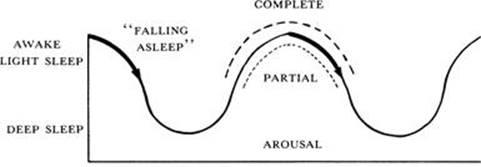
FIGURE 4: AROUSALS DURING SLEEP
شکل ۴: بیدار شدنها در طول خواب
Figure 4 is a simplified illustration of the cycling from deep sleep to light sleep that normally occurs after about four months of age. During partial arousals, we stay in a light sleep state and do not awaken. But during complete arousals, or awakenings, we might become aware that we are looking at the clock, rolling over, changing arm positions, or scratching a leg. This awareness is dim and brief, and we return to sleep promptly.
شکل ۴، تصویر سادهای از چرخه خواب عمیق تا خواب سبک است که معمولاً پس از حدود چهار ماهگی رخ میدهد. در طول بیداریهای جزئی، ما در حالت خواب سبک میمانیم و بیدار نمیشویم. اما در طول بیداریهای کامل یا بیداریها، ممکن است متوجه شویم که به ساعت نگاه میکنیم، غلت میزنیم، موقعیت بازوها را تغییر میدهیم یا پا را میخارانیم. این آگاهی کم و کوتاه است و ما به سرعت به خواب برمیگردیم.
As we can see, arousals come in several forms, and depending on which types occur, how many times they happen, and how long they last, we pay a price: increased daytime sleepiness and decreased performance. Some arousals, however, always occur naturally during healthy sleep. The brain, not the stomach, makes arousals. Please don’t confuse arousals from sleep with hunger.
همانطور که میبینیم، بیداریها به اشکال مختلفی رخ میدهند و بسته به اینکه کدام نوع رخ میدهد، چند بار اتفاق میافتد و چه مدت طول میکشد، ما هزینه آن را میپردازیم: افزایش خوابآلودگی در طول روز و کاهش عملکرد. با این حال، برخی از بیداریها همیشه به طور طبیعی در طول خواب سالم رخ میدهند. مغز، نه معده، باعث بیداری میشود. لطفاً بیداریهای ناشی از خواب را با گرسنگی اشتباه نگیرید.
It’s not just night sleep that can be fragmented. I believe naps can also be fragmented when parents rely on “motion” sleep in a baby swing or car, or when they allow catnaps in the stroller. Holding your dozing child in your arms in a rocking chair during the day also probably prevents good-quality day sleep. These naps are too brief or too light to be restorative. Stationary sleep is best. If you use a swing for soothing, turn it off once your baby falls asleep.
فقط خواب شبانه نیست که میتواند تکهتکه شود. من معتقدم چرت زدن نیز میتواند تکهتکه شود وقتی والدین به خواب «حرکتی» در تاب یا ماشین کودک تکیه میکنند، یا وقتی اجازه چرت زدن در کالسکه را میدهند. نگه داشتن کودک در حال چرت زدن در آغوشتان روی صندلی گهوارهای در طول روز نیز احتمالاً مانع از خواب با کیفیت روزانه میشود. این چرتها خیلی کوتاه یا خیلی سبک هستند که نتوانند انرژیبخش باشند. خواب ثابت بهترین گزینه است. اگر از تاب برای آرامش استفاده میکنید، به محض اینکه کودک به خواب رفت، آن را خاموش کنید.
PRACTICAL POINT
After four months, naps of less than one hour cannot count as “real” naps. Sometimes a nap of forty-five minutes may be all your child needs, but naps of less than thirty minutes don’t help.
نکته کاربردی
بعد از چهار ماهگی، چرتهای کمتر از یک ساعت را نمیتوان چرت «واقعی» به حساب آورد. گاهی اوقات چرت چهل و پنج دقیقهای ممکن است تمام نیاز کودک شما باشد، اما چرتهای کمتر از سی دقیقه کمکی نمیکند.
By four to eight months of age, infants should have at least a midmorning nap and one in the early afternoon, and the total nap duration should be two to four hours. Night sleep is ten to twelve hours, with one, two, or no interruptions for bottle-feeding. If you are breast-feeding and using a family bed, you might feed your baby at night many times. In this situation, both mother and baby are often more asleep than awake during the feeding and neither suffer from sleep fragmentation. When children do not get healthy, consolidated sleep, we call the problem “night waking.” As I will discuss later, night waking itself is usually due to normally occurring arousals. The real problem is the child’s inability or difficulty returning to sleep unassisted.
تا چهار تا هشت ماهگی، نوزادان باید حداقل یک چرت صبحگاهی و یک چرت اوایل بعدازظهر داشته باشند و کل مدت چرت باید دو تا چهار ساعت باشد. خواب شبانه ده تا دوازده ساعت است، با یک، دو یا بدون وقفه برای شیر خوردن با شیشه. اگر شیر مادر میدهید و از تخت خانوادگی استفاده میکنید، ممکن است شبها بارها به کودک خود شیر بدهید. در این شرایط، مادر و نوزاد اغلب در طول شیردهی بیشتر از بیدار بودن، خواب هستند و هیچکدام از تکهتکه شدن خواب رنج نمیبرند. وقتی کودکان خواب سالم و منسجمی ندارند، ما این مشکل را «بیداری شبانه» مینامیم. همانطور که بعداً بحث خواهم کرد، خود بیداری شبانه معمولاً به دلیل بیدار شدنهای طبیعی است. مشکل واقعی ناتوانی یا مشکل کودک در بازگشت به خواب بدون کمک است.
PRACTICAL POINT
Some arousals from sleep are normal. Problems occur when children have difficulty returning to sleep by themselves. They have not learned the process of “Falling asleep.”
نکته کاربردی
برخی از بیدار شدنها از خواب طبیعی هستند. مشکلات زمانی رخ میدهند که کودکان در بازگشت به خواب به تنهایی مشکل دارند. آنها فرآیند «به خواب رفتن» را یاد نگرفتهاند.
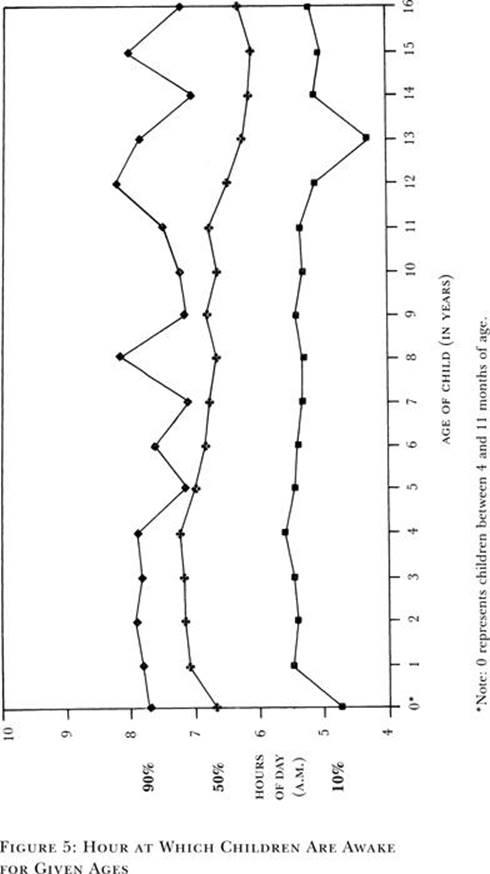
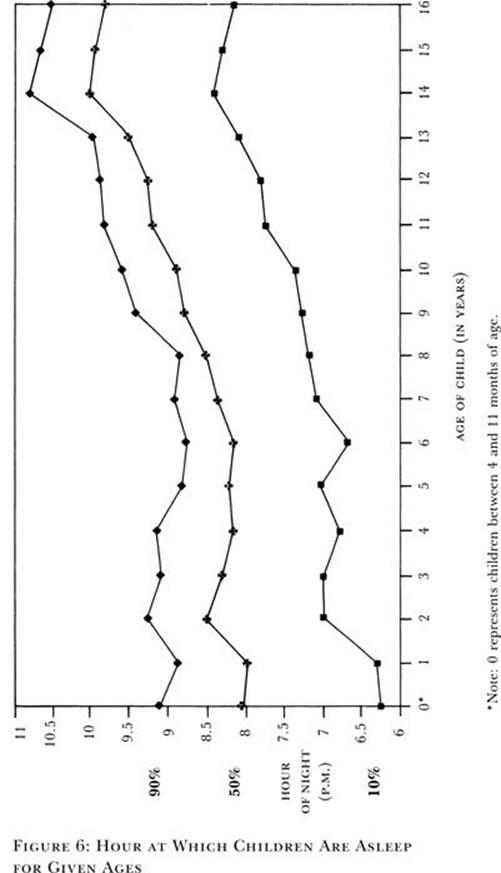
Sleep Schedule, Timing of Sleep
Figures 5 and 6 show the times when most children awaken or go to sleep. These graphs are based on data from the same 2,019 children referred to in Figures 1 through 3 (see pages 21-23). Looking at the graphs, you can see, for example, that 90 percent of preschool children (those under the age of six) fall asleep before 9:00 P.M., and 10 percent of children between the ages of two and six fall asleep before 7:00 P.M.
برنامه خواب، زمان خواب
شکلهای ۵ و ۶ زمانهایی را نشان میدهند که اکثر کودکان بیدار میشوند یا به خواب میروند. این نمودارها بر اساس دادههای همان ۲۰۱۹ کودکی است که در شکلهای ۱ تا ۳ به آنها اشاره شده است (به صفحات ۲۱ تا ۲۳ مراجعه کنید). با نگاهی به نمودارها، میتوانید ببینید که مثلاً ۹۰ درصد از کودکان پیشدبستانی (کودکان زیر شش سال) قبل از ساعت ۹:۰۰ شب و ۱۰ درصد از کودکان بین دو تا شش سال قبل از ساعت ۷:۰۰ شب به خواب میروند.
MAJOR POINT
Junk food is not healthy for our bodies. Neither is a “junk sleep” schedule. You try not to let your child become overly hungry, so don’t let your child become overly tired.
نکته اصلی
غذاهای ناسالم برای بدن ما سالم نیستند. برنامه «خواب ناسالم» هم همینطور. شما سعی میکنید نگذارید فرزندتان بیش از حد گرسنه شود، پس نگذارید فرزندتان بیش از حد خسته شود.
When sleep/wake schedules are not in synchrony with other biological rhythms, attentiveness, vigilance, and task performance are measurably decreased and moods are altered. Jet-lag syndrome is one example of this. Another is the poor sleep quality some shift workers suffer due to abnormal sleep schedules. Shift workers complain mainly of headaches and stomachaches. These are the most common complaints of older children with unhealthy sleep schedules. So if your child doesn’t appear to be very sick but has frequent headaches or episodes of vague abdominal pain, especially near the end of the day, ask yourself if he might be overtired. A clue would be that he no longer has the energy or drive that he once had.
وقتی برنامههای خواب/بیداری با سایر ریتمهای بیولوژیکی هماهنگ نباشند، توجه، هوشیاری و عملکرد وظیفه به طور قابل توجهی کاهش مییابد و خلق و خو تغییر میکند. سندرم جت لگ یکی از نمونههای این مورد است. مورد دیگر، کیفیت پایین خواب برخی از کارگران شیفتی است که به دلیل برنامههای خواب غیرطبیعی از آن رنج میبرند. کارگران شیفتی عمدتاً از سردرد و دل درد شکایت دارند. اینها شایعترین شکایات کودکان بزرگتر با برنامههای خواب ناسالم هستند. بنابراین اگر فرزند شما خیلی بیمار به نظر نمیرسد اما سردردهای مکرر یا دورههایی از درد مبهم شکم، به خصوص نزدیک به پایان روز، دارد، از خود بپرسید که آیا ممکن است بیش از حد خسته باشد. یک سرنخ این است که او دیگر انرژی یا انگیزهای را که قبلاً داشت، ندارد.
When thinking about sleep schedules in babies and toddlers, consider sleep to be “food” for the brain, just as breast milk or formula is food for the body. You don’t breast-feed on the run while doing errands; instead, you find a reasonably quiet space. Same for naps. You don’t withhold feeding because it is socially inconvenient; you anticipate when your child might become hungry. Same for naps. You don’t try to force-feed your baby when she’s not hungry; you know a hungry period will naturally come. Same for naps. A parent coming home late from work would not starve his baby by withholding food until he arrived and could feed the child. Same for the bedtime hour; don’t “sleep starve” your baby’s brain by keeping her up too late.
هنگام فکر کردن به برنامههای خواب در نوزادان و کودکان نوپا، خواب را “غذا” برای مغز در نظر بگیرید، همانطور که شیر مادر یا شیر خشک غذای بدن است. شما در حین انجام کارها شیر مادر نمیخورید. در عوض، یک فضای نسبتاً آرام پیدا میکنید. در مورد چرت زدن نیز همینطور است. شما از تغذیه خودداری نمیکنید زیرا از نظر اجتماعی نامناسب است. شما پیشبینی میکنید که فرزندتان چه زمانی ممکن است گرسنه شود. در مورد چرت زدن هم همینطور. وقتی کودک گرسنه نیست، سعی نمیکنید او را به زور تغذیه کنید؛ میدانید که یک دوره گرسنگی به طور طبیعی فرا خواهد رسید. در مورد چرت زدن هم همینطور. والدی که دیر از سر کار به خانه میآید، با ندادن غذا به کودکش تا زمانی که خودش برسد و بتواند به او غذا بدهد، او را گرسنه نگه نمیدارد. در مورد ساعت خواب هم همینطور است؛ با بیدار نگه داشتن کودک تا دیروقت، مغز او را «گرسنه» نکنید.
Night Sleep Organization
Before six weeks of age, the longest single sleep period, unfortunately, is randomly distributed around the clock. In some babies, this longest sleep may actually be only two to three hours! But by six weeks of age (or six weeks after the due date, for babies born early), the longest single sleep period will predictably occur in the evening hours and last three to five hours.
سازماندهی خواب شبانه
قبل از شش هفتگی، طولانیترین دوره خواب، متأسفانه، به طور تصادفی در طول شبانهروز توزیع میشود. در برخی از نوزادان، این طولانیترین خواب ممکن است در واقع فقط دو تا سه ساعت باشد! اما تا شش هفتگی (یا شش هفته پس از تاریخ زایمان، برای نوزادانی که زود متولد میشوند)، طولانیترین دوره خواب به طور قابل پیشبینی در ساعات عصر رخ میدهد و سه تا پنج ساعت طول میکشد.
PRACTICAL POINT
During these early weeks, you may find breast-feeding too demanding or too frequent, and think that you might want to quit so that you can get some rest. On the other hand, you also may want to continue nursing. Hang in there until your baby is past six weeks of age. Then you, too, will get more night sleep.
نکته کاربردی
در طول این هفتههای اولیه، ممکن است شیردهی را بیش از حد طاقتفرسا یا بیش از حد مکرر بیابید و فکر کنید که بهتر است آن را متوقف کنید تا بتوانید کمی استراحت کنید. از طرف دیگر، ممکن است بخواهید به شیردهی ادامه دهید. تا زمانی که نوزادتان از شش هفتگی عبور کند، صبر کنید. در این صورت شما نیز خواب شبانه بیشتری خواهید داشت.
After six weeks of age, babies sleep longer at night. So do moms! Also, babies start social smiling at their parents, and they then become less fussy or irritable. Life in the family definitely changes after six weeks. One exception is the premature baby, whose parents might have to wait until about six weeks after the expected date of delivery. Another exception is the extremely fussy/colicky baby, whose parents might have to wait until their child is three or four months old.
بعد از شش هفتگی، نوزادان شبها بیشتر میخوابند. مادران هم همینطور! همچنین، نوزادان شروع به معاشرت میکنند و به والدین خود لبخند میزنند و سپس کمتر بهانهگیر یا تحریکپذیر میشوند. زندگی در خانواده قطعاً بعد از شش هفتگی تغییر میکند. یک استثنا، نوزاد نارس است که والدینش ممکن است مجبور شوند تا حدود شش هفته پس از تاریخ مورد انتظار زایمان صبر کنند. استثنای دیگر، نوزاد بسیار بهانهگیر/کولیکدار است که والدینش ممکن است مجبور شوند تا سه یا چهار ماهگی فرزندشان صبر کنند.
Daytime Sleep Organization
At about three to four months of age, daytime sleep is organized into two or three long naps instead of many brief, irregular ones. Mothers, especially nursing mothers, should learn to nap when their baby naps. You never know what the night will bring; you might be up a lot holding, walking, or nursing.
سازماندهی خواب در طول روز
در حدود سه تا چهار ماهگی، خواب روزانه به جای چرتهای کوتاه و نامنظم متعدد، به دو یا سه چرت طولانی تقسیم میشود. مادران، به خصوص مادران شیرده، باید یاد بگیرند که وقتی نوزادشان چرت میزند، چرت بزنند. شما هرگز نمیدانید شب چه چیزی را به همراه خواهد داشت؛ ممکن است زیاد بیدار باشید و او را در آغوش بگیرید، راه ببرید یا به او شیر دهید.
Abnormal sleep schedules usually evolve in infants and young children when parents keep them up too late at night. Parents do this because they (1) enjoy playing with their baby, (2) cannot put the child to sleep, but wait for their child to crash from total exhaustion, or (3) both. Some parents leave work late, have a long commute to the day-care site to pick up their child, and then arrive home even later. This lifestyle is extremely difficult for the child if naps are not regular at the day-care center and he is put down too late to sleep at night. Unfortunately, if both parents are working outside the home, then naps may suffer on weekends because the parents do too many errands with the child or attempt to spend too much time playing with their child to make up for the minimal time together during the week. Sleeping well during the day may also suffer when parents skip naps in favor of organized, scheduled preschool activities. These baby classes are usually fun for both child and parent, but if they take up too much time, the child becomes overtired.
برنامه خواب غیرطبیعی معمولاً در نوزادان و کودکان خردسال زمانی ایجاد میشود که والدین آنها را تا دیروقت شب بیدار نگه میدارند. والدین این کار را انجام میدهند زیرا (1) از بازی با نوزاد خود لذت میبرند، (2) نمیتوانند کودک را بخوابانند، اما منتظر میمانند تا فرزندشان از خستگی کامل از حال برود، یا (3) هر دو. برخی از والدین دیر از محل کار خارج میشوند، برای برداشتن فرزندشان مسیر طولانی تا مهدکودک دارند و سپس حتی دیرتر به خانه میرسند. اگر چرتهای کودک در مهدکودک منظم نباشد و او شبها خیلی دیر بخوابد، این سبک زندگی برای کودک بسیار دشوار است. متأسفانه، اگر هر دو والدین بیرون از خانه کار کنند، ممکن است چرت زدن در آخر هفتهها آسیب ببیند، زیرا والدین کارهای زیادی با کودک انجام میدهند یا سعی میکنند زمان زیادی را صرف بازی با کودک خود کنند تا حداقل زمان با هم بودن در طول هفته را جبران کنند. خواب خوب در طول روز نیز ممکن است زمانی که والدین چرت زدن را به نفع فعالیتهای سازمانیافته و برنامهریزیشده پیشدبستانی حذف میکنند، آسیب ببیند. این کلاسهای کودک معمولاً برای کودک و والدین سرگرمکننده هستند، اما اگر زمان زیادی را صرف کنند، کودک بیش از حد خسته میشود.
One common mistake is keeping bedtime at exactly the same hour every night. Usually this hour is too late and is based more on the parents’ wishes than the child’s sleep needs. It is important to have a fairly regular routine of soothing events before putting your child to sleep, but it makes biological sense to vary the bedtime a little. The time when your child needs to go to sleep at night depends on his age, how long his previous nap lasted, and how long his wakeful period was just before the bedtime hour. The time when he wants to go to sleep may be altogether different! Obviously, the bedtime hour is not fixed or unchanging. If your child is unusually active in the afternoon or if she misses a good afternoon nap, then she should be put to sleep earlier.
یک اشتباه رایج، نگه داشتن زمان خواب دقیقاً در یک ساعت مشخص در هر شب است. معمولاً این ساعت خیلی دیر است و بیشتر به خواستههای والدین بستگی دارد تا نیازهای خواب کودک. مهم است که قبل از خواباندن فرزندتان، یک برنامه نسبتاً منظم برای آرامشبخشی داشته باشید، اما از نظر بیولوژیکی منطقی است که زمان خواب را کمی تغییر دهید. زمانی که فرزندتان باید شبها بخوابد به سن او، مدت چرت قبلیاش و مدت زمان بیداریاش درست قبل از ساعت خواب بستگی دارد. زمانی که میخواهد بخوابد ممکن است کاملاً متفاوت باشد! بدیهی است که ساعت خواب ثابت یا تغییرناپذیر نیست. اگر فرزند شما بعدازظهرها به طور غیرمعمول فعال است یا اگر چرت بعدازظهر خوبی را از دست میدهد، باید زودتر بخوابد.
This is true even if a parent, returning home late from work, does not get to see her child. If one parent is arriving home late, then she or he might walk in the house and immediately begin a twenty-to thirty-minute soothing-to-sleep routine without playtime. If the parent returns very late, the child should be put to bed as usual; keeping a tired child up to play with a tired parent does no one any good. At the cost to the parent of having less time with his child, the benefit is no bedtime battles, no night-waking habits, no early-morning arousals, good-quality naps, a well-rested child, a well-rested spouse, and relaxed private time for the parents in the evening. Usually under these circumstances there is morning time to spend together and relaxed weekends for the family because everyone is well rested.
این حتی اگر والدینی که دیر از محل کار به خانه برمیگردند، نتوانند فرزندش را ببینند نیز صادق است. اگر یکی از والدین دیر به خانه میرسد، ممکن است وارد خانه شود و بلافاصله یک برنامه بیست تا سی دقیقهای آرامشبخش برای خواب بدون زمان بازی را شروع کند. اگر والدین خیلی دیر برگردند، کودک باید طبق معمول به رختخواب برود؛ بیدار نگه داشتن کودک خسته برای بازی با والدین خسته هیچ فایدهای برای هیچکس ندارد. به قیمت اینکه والدین وقت کمتری با فرزندشان دارند، فایدهاش این است که دیگر دعواهای قبل از خواب، عادتهای بیدار شدن شبانه، بیدار شدنهای صبح زود، چرتهای باکیفیت، فرزندی که خوب استراحت کرده، همسری که خوب استراحت کرده و زمانی برای خلوت آرام والدین در عصر وجود دارد. معمولاً در این شرایط، صبحها وقت برای گذراندن با هم و آخر هفتههای آرامی برای خانواده وجود دارد زیرا همه به خوبی استراحت کردهاند.
The completely opposite scenario occurs when one parent, usually the father, demands that the other parent, usually the mother, keep their child up late so that he can play with him or her. Not only does the child suffer, but it is the mother who is the unappreciated victim, because she is trying to maintain marital harmony and trying to keep her child well rested—and she can’t do both. Obviously this is not simply a child’s sleep problem but a family problem.
سناریوی کاملاً برعکس زمانی اتفاق میافتد که یکی از والدین، معمولاً پدر، از والد دیگر، معمولاً مادر، میخواهد که فرزندشان را تا دیروقت بیدار نگه دارد تا بتواند با او بازی کند. نه تنها کودک رنج میبرد، بلکه مادر قربانی بیارزشی است، زیرا او سعی میکند هماهنگی زناشویی را حفظ کند و سعی میکند فرزندش را به خوبی استراحت دهد – و او نمیتواند هر دو را با هم انجام دهد. بدیهی است که این صرفاً مشکل خواب کودک نیست، بلکه یک مشکل خانوادگی است.
PRACTICAL POINT
To establish healthy sleep schedules at four to eight months of age, become your infant’s timekeeper. Set his clock on healthy time.
نکته کاربردی
برای ایجاد برنامه خواب سالم در چهار تا هشت ماهگی، وقت شناس نوزاد خود باشید. ساعت او را روی زمان سالم تنظیم کنید.
Allowing brief naps in the early evening or long late-afternoon naps in order to keep a child up late at night will eventually ruin healthy sleep schedules. If your child misses his early-afternoon nap, in order for him to be able to fall asleep close to his biological bedtime hour and avoid the overtired state, it is better to have no nap and an early bedtime than a late nap and a late bedtime. Similarly, you may occasionally need to wake your baby in the morning in order to establish an age-appropriate midmorning nap that is needed to set the sleep schedule for the rest of the day.
اجازه دادن به چرتهای کوتاه در اوایل عصر یا چرتهای طولانی اواخر بعد از ظهر برای بیدار نگه داشتن کودک تا دیروقت، در نهایت برنامههای خواب سالم را خراب میکند. اگر فرزند شما چرت اول بعد از ظهر خود را از دست بدهد، برای اینکه بتواند نزدیک به ساعت خواب بیولوژیکی خود به خواب برود و از حالت خستگی بیش از حد جلوگیری کند، بهتر است چرت نزند و زودتر به خواب برود تا اینکه دیر بخوابد و دیر به خواب برود. به همین ترتیب، ممکن است گاهی اوقات لازم باشد کودک خود را صبحها بیدار کنید تا یک چرت اواسط صبح متناسب با سن او ایجاد کنید که برای تنظیم برنامه خواب برای بقیه روز لازم است.
Sleep Regularity
The best time for your child to fall asleep at night is when she is just starting to become drowsy, before she becomes overtired. For young children in day care, dual-career families with long commutes, older children with scheduled activities, or teenagers with tremendous amounts of homework, it may be impossible to catch that magical drowsy state. These children will be better off if the bedtime is occurring at approximately the same time every night. For teenagers, this might mean consistent bedtimes throughout the week with later times on the weekends. In one study, regularity of the bedtime schedule was assessed in 3,119 high school students. They discovered that a more irregular sleep schedule was associated with more daytime sleepiness. These teenagers had lower grades, more injuries associated with alcohol or drugs, and more days missed from school. Going to bed around 11:00 P.M. compared to sometimes 10:00 P.M. or midnight might produce the same amount of sleep, but the more regular schedule is probably better.
نظم خواب
بهترین زمان برای خواب رفتن کودک در شب، زمانی است که تازه خوابآلود شده است، قبل از اینکه بیش از حد خسته شود. برای کودکان خردسال در مهدکودک، خانوادههای دو شغله با رفت و آمدهای طولانی، کودکان بزرگتر با فعالیتهای برنامهریزیشده یا نوجوانانی که تکالیف زیادی دارند، ممکن است رسیدن به آن حالت خوابآلودگی جادویی غیرممکن باشد. این کودکان اگر زمان خواب تقریباً هر شب در یک زمان مشخص باشد، بهتر خواهند بود. برای نوجوانان، این ممکن است به معنای زمان خواب ثابت در طول هفته و زمانهای دیرتر در آخر هفتهها باشد. در یک مطالعه، منظم بودن برنامه خواب در ۳۱۱۹ دانشآموز دبیرستانی ارزیابی شد. آنها کشف کردند که برنامه خواب نامنظمتر با خوابآلودگی بیشتر در طول روز مرتبط است. این نوجوانان نمرات پایینتری داشتند، آسیبهای بیشتری مرتبط با الکل یا مواد مخدر داشتند و روزهای بیشتری از مدرسه غیبت داشتند. خوابیدن حدود ساعت ۱۱ شب در مقایسه با گاهی ساعت ۱۰ شب یا نیمهشب ممکن است به همان میزان خواب منجر شود، اما برنامه منظمتر احتمالاً بهتر است.
Another report examined the sleep of 202 children between four and five years of age. Here, too, variability in bedtime was associated with daytime problems described as “less optimal” behavioral adjustments in preschool. For example, these children did not “comply with teacher’s urging to join an activity,” “show enthusiasm for learning something,” and they argued and fought more than other children. The authors thought these children with chronically variable sleep schedules might experience states similar to jet-lag syndrome characterized as nagging fatigue and cognitive disorientation. This particular study examined the role of family functioning as well as school behavior and concluded that the link between sleep behavior and school adjustment was not a common by-product of family stress.
گزارش دیگری خواب ۲۰۲ کودک بین چهار تا پنج سال را بررسی کرد. در اینجا نیز، تغییرپذیری در زمان خواب با مشکلات روزانه که به عنوان سازگاریهای رفتاری «نامطلوب» در پیشدبستانی توصیف میشوند، مرتبط بود. به عنوان مثال، این کودکان «از اصرار معلم برای شرکت در یک فعالیت پیروی نمیکردند»، «اشتیاق به یادگیری چیزی نشان نمیدادند» و بیشتر از سایر کودکان بحث و دعوا میکردند. نویسندگان معتقد بودند که این کودکان با برنامههای خواب متغیر مزمن ممکن است حالتهایی مشابه سندرم جت لگ را تجربه کنند که به عنوان خستگی آزاردهنده و سردرگمی شناختی مشخص میشود. این مطالعه خاص، نقش عملکرد خانواده و همچنین رفتار مدرسه را بررسی کرد و نتیجه گرفت که ارتباط بین رفتار خواب و سازگاری با مدرسه، یک محصول جانبی رایج استرس خانوادگی نیست.
A bedtime that never varies, for example, always putting your preschool child to sleep at exactly 7:00 P.M., does not take into account the biologic variability, from day to day, of activity levels or lengths of naps. So it makes sense to vary the bedtime by thirty to sixty minutes based on how your child looks and behaves during the late afternoon. On the other hand, for older children who are not napping, having bedtimes that are hours earlier or later from day to day has been shown to be unhealthy.
زمان خوابی که هرگز تغییر نمیکند، به عنوان مثال، همیشه کودک پیشدبستانی خود را دقیقاً ساعت ۷ بعد از ظهر میخوابانید، تغییرپذیری بیولوژیکی سطح فعالیت یا طول چرتها را از روزی به روز دیگر در نظر نمیگیرد. بنابراین منطقی است که زمان خواب را بر اساس ظاهر و رفتار فرزندتان در اواخر بعد از ظهر، سی تا شصت دقیقه تغییر دهید. از سوی دیگر، برای کودکان بزرگتر که چرت نمیزنند، نشان داده شده است که داشتن ساعتهای خواب زودتر یا دیرتر از روز قبل، ناسالم است.
PRACTICAL POINT
Even if the bedtime is too late, a regular bedtime is better than an irregular bedtime.
نکته کاربردی
حتی اگر زمان خواب خیلی دیر باشد، یک زمان خواب منظم بهتر از یک زمان خواب نامنظم است.
Biological Rhythms
To better understand the importance of maintaining sleep schedules, let’s look at how four distinctive biological rhythms develop. First, immediately after birth, babies are wakeful, then fall asleep, awaken, and fall asleep a second time over a ten-hour period. These periods of wakefulness are predictable and not due to hunger, although what causes them is unknown. Thus a partial sleep/wake pattern or rhythm emerges immediately after birth. Second, body temperature rhythms appear and influence sleep/wake cycles. Body temperature typically rises during the day and drops to lower levels at night. At six weeks of age, temperature at bedtime is significantly higher than later in the night. After six weeks of age, as temperatures fall more with sleep, the sleep periods get longer. By twelve to sixteen weeks, all babies show consistent temperature rhythms. It is exactly at six weeks of age when evening fussiness or crying begins to decrease from peak levels and night sleep becomes organized, and it is at twelve to sixteen weeks when day sleep patterns become established.
ریتمهای زیستی
برای درک بهتر اهمیت حفظ برنامههای خواب، بیایید نگاهی به چگونگی ایجاد چهار ریتم زیستی متمایز بیندازیم. اول، بلافاصله پس از تولد، نوزادان بیدار هستند، سپس به خواب میروند، بیدار میشوند و در یک دوره ده ساعته برای بار دوم به خواب میروند. این دورههای بیداری قابل پیشبینی هستند و به دلیل گرسنگی نیستند، اگرچه علت آنها ناشناخته است. بنابراین یک الگو یا ریتم خواب/بیداری جزئی بلافاصله پس از تولد پدیدار میشود. دوم، ریتمهای دمای بدن ظاهر میشوند و بر چرخههای خواب/بیداری تأثیر میگذارند. دمای بدن معمولاً در طول روز افزایش مییابد و در شب به سطوح پایینتری کاهش مییابد. در شش هفتگی، دما در زمان خواب به طور قابل توجهی بالاتر از اواخر شب است. پس از شش هفتگی، با کاهش بیشتر دما با خواب، دورههای خواب طولانیتر میشوند. تا دوازده تا شانزده هفتگی، همه نوزادان ریتمهای دمایی ثابتی را نشان میدهند. دقیقاً در شش هفتگی است که نق زدن یا گریه عصرگاهی از سطوح اوج شروع به کاهش میکند و خواب شبانه منظم میشود و در دوازده تا شانزده هفتگی است که الگوهای خواب روزانه تثبیت میشوند.
A third pattern is added by three to six months of age, when the hormone cortisol also shows a similar characteristic rhythm, with peak concentrations in the early morning and lowest levels around midnight. (This hormone is related to both mood and performance and will be discussed further in Chapter 3.) Interestingly, a part of the cortisol secretion rhythm is related to the sleep/wake rhythm and another part is coupled to the body temperature rhythm. I wish Mother Nature were simpler!
الگوی سومی نیز در سه تا شش ماهگی اضافه میشود، زمانی که هورمون کورتیزول نیز ریتم مشخصه مشابهی را نشان میدهد، با اوج غلظت در اوایل صبح و کمترین سطح در حدود نیمهشب. (این هورمون هم با خلق و خو و هم با عملکرد مرتبط است و در فصل 3 بیشتر مورد بحث قرار خواهد گرفت.) جالب توجه است که بخشی از ریتم ترشح کورتیزول مربوط به ریتم خواب/بیداری و بخش دیگری با ریتم دمای بدن مرتبط است. کاش مادر طبیعت سادهتر بود!
Melatonin rhythmicity is a fourth pattern to consider. Initially, a newborn has high levels of circulating melatonin, which is secreted by the mother’s pineal gland and crosses the placenta. Within about one week, the melatonin that came from the mother has disappeared. At about six weeks of age, melatonin begins to reappear as the baby’s pineal gland matures. But the levels are extremely low until twelve to sixteen weeks of age. Then melatonin begins to surge at night, and the hormone appears to be associated with evolving sleep/wake rhythms by about six months of age. (Melatonin supplements should not be given to babies or young children to make them sleep better; there is no evidence that it is safe.)
ریتم ملاتونین الگوی چهارمی است که باید در نظر گرفته شود. در ابتدا، یک نوزاد دارای سطوح بالایی از ملاتونین در گردش خون است که توسط غده پینهآل مادر ترشح میشود و از جفت عبور میکند. در حدود یک هفته، ملاتونینی که از مادر آمده بود ناپدید میشود. در حدود شش هفتگی، ملاتونین با بالغ شدن غده پینهآل نوزاد دوباره ظاهر میشود. اما سطح آن تا دوازده تا شانزده هفتگی بسیار پایین است. سپس ملاتونین در شب شروع به افزایش میکند و به نظر میرسد که این هورمون تا حدود شش ماهگی با تکامل ریتمهای خواب/بیداری مرتبط است. (مکملهای ملاتونین نباید برای بهبود خواب نوزادان یا کودکان خردسال به آنها داده شود؛ هیچ مدرکی مبنی بر بیخطر بودن آن وجود ندارد.)
Even at only a few months of age, then, interrelated, internal rhythms are already well developed: sleep/wake pattern, body temperature, and cortisol and melatonin levels. In adults, it appears that a long night’s sleep is most dependent on going to sleep at or just after the peak of the temperature cycle. Bedtimes occurring near the lower portion of the temperature cycle result in shorter sleep durations.
حتی در سن تنها چند ماهگی، ریتمهای درونی مرتبط با هم به خوبی توسعه یافتهاند: الگوی خواب/بیداری، دمای بدن و سطح کورتیزول و ملاتونین. در بزرگسالان، به نظر میرسد که خواب طولانی شبانه بیشتر به خوابیدن در اوج چرخه دما یا درست بعد از آن بستگی دارد. زمان خواب در نزدیکی قسمت پایین چرخه دما منجر به مدت زمان خواب کوتاهتر میشود.
Shift work or jet travel in adults, or parental mismanagement in children, might cause disorganized sleep. What is “disorganized sleep”? When you are awake but your body clock is in the sleep mode or when you crash from exhaustion when your body clock is in the awake mode, then your wakeful-ness or sleep is occurring out of phase with many biological rhythms. The result is poor-quality sleep or poor-quality wake-fulness. Imagine the sound from an orchestra if the violin section started to play their part after the woodwinds had already started!
کار شیفتی یا سفر با هواپیما در بزرگسالان، یا سوء مدیریت والدین در کودکان، ممکن است باعث خواب نامنظم شود. “خواب نامنظم” چیست؟ وقتی بیدار هستید اما ساعت بدن شما در حالت خواب است یا وقتی از خستگی میخوابید در حالی که ساعت بدن شما در حالت بیداری است، بیداری یا خواب شما با بسیاری از ریتمهای بیولوژیکی ناهماهنگ است. نتیجه خواب بیکیفیت یا بیداری بیکیفیت است. صدای یک ارکستر را تصور کنید اگر بخش ویولن پس از شروع سازهای بادی چوبی شروع به نواختن کند!
Many studies have been conducted with shift workers and in sleep labs on the internal desynchronization of circadian rhythms, the uncoupling of rhythms that are normally closely linked, and shifting rhythms that are out of phase with one another. The most common complaints in these adults are headaches and abdominal pain. Such people appear healthy and can function reasonably well except for the fact that they have pain in their head and/or stomach.
مطالعات زیادی با کارگران شیفتی و در آزمایشگاههای خواب در مورد ناهماهنگی داخلی ریتمهای شبانهروزی، جدا شدن ریتمهایی که معمولاً ارتباط نزدیکی با هم دارند و تغییر ریتمهایی که با یکدیگر ناهماهنگ هستند، انجام شده است. شایعترین شکایات در این بزرگسالان سردرد و درد شکم است. چنین افرادی سالم به نظر میرسند و میتوانند به طور معقولی خوب عمل کنند، به جز این واقعیت که در سر و/یا معده خود درد دارند.
REMINDER
Never wake a sleeping baby.
یادآوری
هرگز نوزاد خوابیده را بیدار نکنید.
There is a large pediatric literature on headaches and recurrent abdominal pains; also, this is very familiar territory to parents of school-age children who have highly scheduled, busy lifestyles. Additional consequences of disorganized sleep include fatigue, stress, and perhaps chronically elevated cortisol levels. Once in place, a pattern of disorganized sleep sets in motion other specific sleep disturbances, such as night waking or an inability to fall asleep easily. Furthermore, recent research has shown that the hormones that are important to regulate sleep are also involved with the immune system, which helps us to fight infections. And research has shown that even modest sleep loss can impair cellular immune function. An article published in Science News in 2002, “Missed ZZZ’s, More Disease: Skimping on sleep may be bad for your health” describes how “poor sleep habits are as important as poor nutrition and physical inactivity in the development of chronic illness.” They specifically cite obesity, diabetes, and cardiovascular disease. Although this article addressed adult health concerns, there is a growing concern that too many of our children are becoming more overweight or obese. So remember what our grandmothers used to say: “Early to bed, early to rise, makes you healthy …”
مقالات زیادی در مورد سردرد و دردهای مکرر شکمی در حوزه کودکان وجود دارد؛ همچنین، این موضوع برای والدین کودکانی که در سن مدرسه هستند و سبک زندگی بسیار شلوغ و پرمشغلهای دارند، بسیار آشنا است. از دیگر پیامدهای خواب نامنظم میتوان به خستگی، استرس و شاید افزایش مزمن سطح کورتیزول اشاره کرد. وقتی الگوی خواب نامنظم ایجاد شود، اختلالات خواب خاص دیگری مانند بیدار شدن در شب یا ناتوانی در به خواب رفتن آسان را ایجاد میکند. علاوه بر این، تحقیقات اخیر نشان داده است که هورمونهایی که برای تنظیم خواب مهم هستند، در سیستم ایمنی نیز دخیل هستند که به ما در مبارزه با عفونتها کمک میکند. و تحقیقات نشان داده است که حتی کمبود خواب متوسط نیز میتواند عملکرد ایمنی سلولی را مختل کند. مقالهای که در سال ۲۰۰۲ در Science News با عنوان «از دست دادن خواب، بیماری بیشتر: کمخوابی ممکن است برای سلامتی شما مضر باشد» منتشر شد، شرح میدهد که چگونه «عادات بد خواب به اندازه تغذیه نامناسب و عدم فعالیت بدنی در ایجاد بیماریهای مزمن مهم هستند.» آنها به طور خاص چاقی، دیابت و بیماریهای قلبی عروقی را ذکر میکنند. اگرچه این مقاله به نگرانیهای مربوط به سلامت بزرگسالان پرداخت، اما نگرانی فزایندهای وجود دارد که بسیاری از کودکان ما دچار اضافه وزن یا چاقی میشوند. بنابراین به یاد داشته باشید مادربزرگهای ما چه میگفتند: «زود خوابیدن، زود بیدار شدن، شما را سالم نگه میدارد…»
I often tell parents to become sensitive to their child’s personal sleep signals. This means that you should capture that magic moment when the child is tired, ready to sleep, and easily falls asleep. The magic moment is a slight quieting, a lull in being busy, a slight staring off, and a hint of calmness. If you catch this wave of tiredness and put the child to sleep then, there will be no crying. I like the analogy of surfing, because timing is so important there, too—you have to catch the wave after it rises enough to be recognized but before it crashes. But if you allow a child to crash into an overtired state, it will be harder for him to fall asleep, because he is trying to fall asleep out of phase with other biological rhythms. His ride to sleep then will not be easy or pleasant. Timing is most important! Remember, not every sleep wave is the same, and not every child learns quickly how to ride his sleep wave. But as with everything else, after practice it occurs effortlessly.
من اغلب به والدین میگویم که نسبت به سیگنالهای خواب شخصی فرزندشان حساس باشند. این بدان معناست که شما باید آن لحظه جادویی را ثبت کنید که کودک خسته، آماده خواب است و به راحتی به خواب میرود. لحظه جادویی، یک آرامش جزئی، یک وقفه در شلوغی، کمی خیره شدن و کمی آرامش است. اگر این موج خستگی را بگیرید و کودک را در آن زمان بخوابانید، دیگر گریهای نخواهد بود. من تشبیه موجسواری را دوست دارم، زیرا زمانبندی در آنجا نیز بسیار مهم است – شما باید موج را پس از اینکه به اندازه کافی بالا آمد تا قابل تشخیص باشد، اما قبل از اینکه سقوط کند، بگیرید. اما اگر اجازه دهید کودک در حالت خستگی مفرط سقوط کند، خوابیدن برای او دشوارتر خواهد بود، زیرا او سعی میکند ناهماهنگ با سایر ریتمهای بیولوژیکی به خواب برود. در آن زمان، رفتن او به خواب آسان یا دلپذیر نخواهد بود. زمانبندی از همه مهمتر است! به یاد داشته باشید، هر موج خوابی یکسان نیست و هر کودکی به سرعت یاد نمیگیرد که چگونه بر موج خواب خود سوار شود. اما مانند هر چیز دیگری، پس از تمرین، این کار به راحتی و بدون زحمت اتفاق میافتد.
Cumulative Sleepiness
It’s been known for many years that the effect of lost sleep accumulates over time. When you constantly have insufficient sleep, the sensation of sleepiness when you should be awake increases progressively. Let me explain what this means by giving an example. When adult volunteers have their sleep shortened by a constant amount, impairments in their mood and performance can be measured during the day. If the sleep disruption is repeated night after night, the actual measured impairments do not remain constant. Instead, there is an escalating accumulation of sleepiness that produces in adults continuing increases in headaches, gastrointestinal complaints, forgetfulness, reduced concentration, fatigue, emotional ups and downs, difficulty in staying awake during the daytime, irritability, and difficulty awakening. Not only do the adults describe themselves as more sleepy and mentally exhausted, they also feel more stressed. The stress may be a direct consequence of partial sleep deprivation or it may result from the challenge of coping with increasing amounts of daytime sleepiness. Think how hard it would be to concentrate or be motivated if you were struggling every day to stay awake.
خوابآلودگی تجمعی
سالهاست که مشخص شده است که اثر کمبود خواب به مرور زمان انباشته میشود. وقتی دائماً خواب ناکافی دارید، احساس خوابآلودگی در زمانی که باید بیدار باشید، به تدریج افزایش مییابد. اجازه دهید با ذکر یک مثال توضیح دهم که این به چه معناست. وقتی داوطلبان بزرگسال خوابشان به میزان ثابتی کاهش مییابد، میتوان اختلالات خلقی و عملکرد آنها را در طول روز اندازهگیری کرد. اگر اختلال خواب شب به شب تکرار شود، اختلالات اندازهگیری شده واقعی ثابت نمیمانند. در عوض، تجمع فزایندهای از خوابآلودگی وجود دارد که در بزرگسالان باعث افزایش مداوم سردرد، مشکلات گوارشی، فراموشی، کاهش تمرکز، خستگی، نوسانات عاطفی، مشکل در بیدار ماندن در طول روز، تحریکپذیری و مشکل در بیدار شدن میشود. بزرگسالان نه تنها خود را خوابآلودهتر و از نظر ذهنی خستهتر توصیف میکنند، بلکه احساس استرس بیشتری نیز میکنند. استرس ممکن است نتیجه مستقیم کمبود خواب جزئی باشد یا ممکن است ناشی از چالش مقابله با افزایش میزان خوابآلودگی در طول روز باشد. فکر کنید اگر هر روز برای بیدار ماندن تلاش میکردید، تمرکز یا انگیزه داشتن چقدر سخت میشد.
If children have constant amounts of sleep deficits, do they show these same escalating problems during the day? Yes! I believe the young child’s brain is as sleep-sensitive as, if not more so than, an adult’s. It is also possible that severe or chronic sleep deficits occurring early during the period of rapid brain growth might hard-wire circuits to produce permanent effects. This would be difficult to prove, because young children cannot report how they feel and we assume it is “natural” for them to have difficult temperaments, have tantrums, get frustrated, become easily angry, and so forth. In addition, in older children we have learned to accept as “normal” vague neurological differences—learning difficulties or attention deficit hyperactivity disorder (which, oddly enough, we treat with stimulant medications).
اگر کودکان به طور مداوم دچار کمبود خواب باشند، آیا در طول روز نیز همین مشکلات تشدید شونده را نشان میدهند؟ بله! من معتقدم که مغز کودک خردسال به اندازه مغز یک بزرگسال، اگر نگوییم بیشتر، به خواب حساس است. همچنین ممکن است کمبود خواب شدید یا مزمن که در اوایل دوره رشد سریع مغز رخ میدهد، مدارهای عصبی را به گونهای تنظیم کند که اثرات دائمی ایجاد کند. اثبات این امر دشوار خواهد بود، زیرا کودکان خردسال نمیتوانند احساسات خود را گزارش دهند و ما فرض میکنیم که داشتن خلق و خوی دشوار، کجخلقی، ناامیدی، عصبانیت آسان و غیره برای آنها “طبیعی” است. علاوه بر این، در کودکان بزرگتر یاد گرفتهایم که تفاوتهای عصبی مبهم – مشکلات یادگیری یا اختلال بیشفعالی کمبود توجه (که به طرز عجیبی با داروهای محرک درمان میکنیم) – را به عنوان “عادی” بپذیریم.
The problem with concluding that constant sleep deficits are associated with these problems is that early nighttime sleep deficits may be mild and masked by long naps. If the brain has been permanently changed due to severe or chronic sleep loss, then, when the naps disappear and school requires more mental vigilance and focused attention, preexisting problems may appear. It is not simply academics that might suffer. We do not know the contribution of healthy childhood sleep toward creativity, empathy, a sense of humor, or adult mental health. Part of the problem is, of course, that we don’t have yardsticks to measure items such as creativity or empathy, so we do not yet have a way to measure the contribution that healthy sleep during childhood might make.
مشکل نتیجهگیری مبنی بر اینکه کمبود خواب مداوم با این مشکلات مرتبط است این است که کمبود خواب اوایل شب ممکن است خفیف باشد و با چرتهای طولانی پوشانده شود. اگر مغز به دلیل کمخوابی شدید یا مزمن به طور دائمی تغییر کرده باشد، وقتی چرتها از بین میروند و مدرسه به هوشیاری ذهنی و توجه متمرکز بیشتری نیاز دارد، ممکن است مشکلات از پیش موجود ظاهر شوند. این فقط تحصیلات نیست که ممکن است آسیب ببیند. ما سهم خواب سالم دوران کودکی را در خلاقیت، همدلی، حس شوخطبعی یا سلامت روان بزرگسالی نمیدانیم. البته بخشی از مشکل این است که ما معیارهایی برای اندازهگیری مواردی مانند خلاقیت یا همدلی نداریم، بنابراین هنوز راهی برای اندازهگیری سهم خواب سالم در دوران کودکی نداریم.
I do know that many parents keep their child up an extra twenty or thirty minutes at night to have fun, and notice no problems in the beginning. Later they call and ask why their “good sleeper” is now resisting bedtime or is cranky in the morning for “no obvious reason.” Because the change in routine was small and in the past, they don’t even think about it. But during our conversation they will recall that because of the longer spring and summer days, or because “it didn’t seem to cause any problems,” they pushed the child’s bedtime back. The interval between allowing the too-late bedtime and the emergence of sleep-related problems was months in young children who had always in the past been well rested and were taking good naps, or weeks in children who were always on the edge of being overtired anyway. When such parents were asked if they thought their child appeared able to go to sleep twenty or thirty minutes earlier, the answer was almost always yes.
میدانم که بسیاری از والدین فرزندشان را شبها بیست یا سی دقیقه بیشتر بیدار نگه میدارند تا خوش بگذراند و در ابتدا هیچ مشکلی نمیبینند. بعداً تماس میگیرند و میپرسند که چرا «فرزند خوشخواب»شان اکنون در برابر خواب مقاومت میکند یا صبحها «بدون دلیل واضحی» بدخلق است. از آنجا که تغییر در روال کوچک بوده و در گذشته، آنها حتی به آن فکر هم نمیکنند. اما در طول مکالمه ما به یاد میآورند که به دلیل طولانیتر بودن روزهای بهار و تابستان، یا به این دلیل که «به نظر نمیرسید مشکلی ایجاد کند»، زمان خواب کودک را به عقب انداختهاند. فاصله بین اجازه دادن به خواب خیلی دیر و ظهور مشکلات مربوط به خواب در کودکان خردسالی که همیشه در گذشته به خوبی استراحت کرده و چرتهای خوبی میزدند، ماهها یا در کودکانی که همیشه در آستانه خستگی بیش از حد بودند، هفتهها بود. وقتی از چنین والدینی پرسیده شد که آیا فکر میکنند فرزندشان ظاهراً میتواند بیست یا سی دقیقه زودتر به خواب برود، پاسخ تقریباً همیشه مثبت بود.
MAJOR POINT
Small but constant deficits in sleep over time tend to have escalating and perhaps long-term effects on brain function.
نکته اصلی
کمبودهای کوچک اما مداوم خواب در طول زمان، اثرات فزاینده و شاید طولانی مدتی بر عملکرد مغز دارند.
In older children who have outgrown naps, the interval before the effects of cumulative sleepiness show themselves may be very long because of high motivation in the child and many exciting parent-directed events such as classes, lessons, or excursions, which help mask impaired vigilance or performance. The right bedtime is based on your child’s age (see previous graphs for age-appropriate norms) and your child’s behavior, mood, and performance, especially in the late afternoon.
در کودکان بزرگتر که چرت زدنهایشان دیگر ادامه ندارد، فاصله زمانی قبل از بروز اثرات خوابآلودگی تجمعی ممکن است بسیار طولانی باشد، زیرا انگیزه بالایی در کودک وجود دارد و بسیاری از رویدادهای هیجانانگیز تحت هدایت والدین مانند کلاسها، درسها یا گشت و گذارها به پنهان کردن اختلال هوشیاری یا عملکرد کمک میکنند. زمان خواب مناسب بر اساس سن فرزند شما (برای هنجارهای متناسب با سن به نمودارهای قبلی مراجعه کنید) و رفتار، خلق و خو و عملکرد فرزند شما، به ویژه در اواخر بعد از ظهر، تعیین میشود.
Twenty-five-Hour Cycles
Although harmonious biological rhythms promote healthy sleep, random bad days are bound to occur. One explanation for “off” days, when the child’s sleep is irregular for no apparent reason, is that our basic biological clocks have about twenty-five hours in their cycle, not twenty-four. In other words, without time cues, our free-running sleep/wake rhythms appear to complete one full cycle every twenty-five hours. As long as we train our children to match sleep/wake rhythms to night and day, problems are usually avoided. Other babies appear to get off schedule every few weeks and parents then must work to keep them well rested. I suspect that babies, like adults, differ in their individual ability to adjust their twenty-five-hour biological rhythms to society’s twenty-four-hour clocks. Most parents, however, find that the effort to reset a baby’s clock is worth it, because otherwise the child becomes increasingly tired and crabby.
چرخههای بیست و پنج ساعته
اگرچه ریتمهای بیولوژیکی هماهنگ، خواب سالم را تقویت میکنند، اما روزهای بد تصادفی نیز رخ میدهند. یک توضیح برای روزهای «خاموش»، زمانی که خواب کودک بدون هیچ دلیل مشخصی نامنظم است، این است که ساعتهای بیولوژیکی پایه ما حدود بیست و پنج ساعت در چرخه خود دارند، نه بیست و چهار ساعت. به عبارت دیگر، بدون نشانههای زمانی، به نظر میرسد ریتمهای خواب/بیداری آزاد ما هر بیست و پنج ساعت یک چرخه کامل را تکمیل میکنند. تا زمانی که فرزندان خود را آموزش دهیم تا ریتمهای خواب/بیداری را با شب و روز تطبیق دهند، معمولاً از مشکلات جلوگیری میشود. به نظر میرسد نوزادان دیگر هر چند هفته یکبار از برنامه خارج میشوند و والدین باید برای استراحت خوب آنها تلاش کنند. من گمان میکنم که نوزادان، مانند بزرگسالان، در توانایی فردی خود برای تنظیم ریتمهای بیولوژیکی بیست و پنج ساعته خود با ساعتهای بیست و چهار ساعته جامعه متفاوت هستند. با این حال، اکثر والدین دریافتهاند که تلاش برای تنظیم مجدد ساعت کودک ارزشش را دارد، زیرا در غیر این صورت کودک به طور فزایندهای خسته و بدخلق میشود.
When parents make the effort to help the child get needed sleep, the child becomes better rested, and it becomes easier for her to accept sleep, to expect to sleep, to take long naps, and to go to sleep by herself. Some parents always have to endure days of disruption following trips, illnesses, or immunizations because any irregularity of schedule upsets sleep rhythms.
وقتی والدین تلاش میکنند تا به کودک کمک کنند تا خواب مورد نیازش را داشته باشد، کودک بهتر استراحت میکند و پذیرش خواب، انتظار خوابیدن، چرت زدنهای طولانی و به خواب رفتن به تنهایی برایش آسانتر میشود. برخی از والدین همیشه مجبورند روزهای بینظمی پس از سفر، بیماری یا واکسیناسیون را تحمل کنند، زیرا هرگونه بینظمی در برنامه، ریتم خواب را مختل میکند.
Here is one family’s account.
در اینجا روایت یک خانواده آمده است.
SUSAN’S NIGHT WAKING
Last summer, Susan’s night waking had become so frequent that she was basically awake more than she was asleep. We had been instructed by a pediatrician at the parenting class we attend to “meet our child’s needs.” So we were getting up as frequently as she asked and rocking her back to sleep. This happened three or four times a night and often took thirty to sixty minutes. A part of me wanted to do this. Needless to say, however, after months of this nighttime routine, my husband and I became quite exhausted and began to resent our child. I knew I was in trouble when I would get up and go into the baby’s room and yell at her and then begin crying myself. The point I’m trying to make is simple: When a problem like a child’s sleep habit gets out of hand, the parents are partially responsible.
بیدار شدن سوزان در شب
تابستان گذشته، بیدار شدن سوزان در شب آنقدر زیاد شده بود که عملاً بیشتر از خواب بیدار بود. یک متخصص اطفال در کلاس فرزندپروری که در آن شرکت میکنیم به ما آموزش داده بود که “نیازهای فرزندمان را برآورده کنیم”. بنابراین ما به دفعاتی که او میخواست از خواب بیدار میشدیم و او را دوباره به خواب میبردیم. این اتفاق سه یا چهار بار در شب رخ میداد و اغلب سی تا شصت دقیقه طول میکشید. بخشی از وجودم میخواست این کار را انجام دهم. با این حال، نیازی به گفتن نیست که پس از ماهها این روال شبانه، من و همسرم کاملاً خسته شدیم و از فرزندمان رنجیدیم. میدانستم وقتی بلند میشوم و به اتاق کودک میروم و سر او داد میزنم و بعد خودم شروع به گریه میکنم، به دردسر میافتم. نکتهای که سعی دارم بگویم ساده است: وقتی مشکلی مانند عادت خواب کودک از کنترل خارج میشود، والدین تا حدی مسئول هستند.
Finally, on our own, we decided to let her cry it out. By the way, my husband had a much easier time psychologically with letting her cry. He knew it was in her best interest and was able to remain unemotional about it. It took about a week, and she cried for about two hours for quite a few of those nights. Finally it seemed that she had gotten the idea.
بالاخره، خودمان تصمیم گرفتیم بگذاریم گریه کند. ضمناً، شوهرم از نظر روانی با اجازه دادن به گریه کردنش خیلی راحتتر بود. او میدانست که این به نفع اوست و میتوانست در مورد آن بیاحساس بماند. حدود یک هفته طول کشید و او برای چند شب حدود دو ساعت گریه کرد. بالاخره به نظر میرسید که او متوجه منظور شده است.
Unfortunately, the next week we were scheduled to go on our summer vacation. We didn’t want to cancel the trip, but we knew we were taking a chance on destroying the results of our hard work. We stayed at an inn, and there were no cribs, so we made a sleeping area for Susan in the corner of the room. She’d wake up in the middle of the night and think it was playtime.
متاسفانه، قرار بود هفته بعد به تعطیلات تابستانی برویم. نمیخواستیم سفر را لغو کنیم، اما میدانستیم که داریم ریسک میکنیم و نتایج سختکوشیمان را خراب میکنیم. در یک مسافرخانه اقامت داشتیم و تخت بچه وجود نداشت، بنابراین یک جای خواب برای سوزان در گوشه اتاق درست کردیم. او نیمه شب از خواب بیدار میشد و فکر میکرد وقت بازی است.
When we got back from the trip we tried to get into the routine of letting her cry it out, but by that time we didn’t have the energy to go through a week of crying again. So we fell back into a poor nighttime routine. Another month went by, and we knew we could not go on. We discussed it with the teacher at our parenting class, and she finally recommended the process of just letting Susan cry it out. This time it took about five days before she was back to sleeping through the night. The improvement lasted about a month.
وقتی از سفر برگشتیم، سعی کردیم به روال معمول اجازه دادن به او برای گریه کردن عادت کنیم، اما تا آن زمان انرژی لازم برای تحمل یک هفته گریه دوباره را نداشتیم. بنابراین دوباره به یک روال شبانه ضعیف برگشتیم. یک ماه دیگر گذشت و میدانستیم که نمیتوانیم ادامه دهیم. ما این موضوع را با معلم کلاس فرزندپروریمان در میان گذاشتیم و او در نهایت پیشنهاد داد که بگذاریم سوزان گریه کند. این بار حدود پنج روز طول کشید تا او دوباره بتواند شبها بخوابد. این بهبود حدود یک ماه طول کشید.
Susan received a vaccination shortly after that. I went into her room for only a moment to check on her one night. Then she began waking each night, and we were into our old routine. We repeated the process yet one more time. I think it took about five nights to get her to sleep through the night again. After that, Susan slept through the night regularly for months. She eventually asked to be put down before she was asleep at night rather than being rocked to sleep. She began taking long naps this spring, which seemed slightly strange.
کمی بعد از آن، سوزان واکسن زد. یک شب فقط برای لحظهای به اتاقش رفتم تا حالش را بپرسم. بعد از آن هر شب بیدار میشد و ما به روال همیشگیمان برگشتیم. یک بار دیگر هم این روند را تکرار کردیم. فکر میکنم حدود پنج شب طول کشید تا دوباره تمام شب را بخوابد. بعد از آن، سوزان ماهها به طور منظم تمام شب را میخوابید. در نهایت درخواست کرد که قبل از خواب شبانه، او را زمین بگذارند تا اینکه او را تکان دهند تا بخوابد. او در بهار امسال شروع به چرت زدنهای طولانی کرد که کمی عجیب به نظر میرسید.
This summer when we went on vacation Susan slept in a crib in our room. She’d awaken in the night and again think it was playtime. It didn’t take long for her to get back into her old bad habits. We had hoped we were beyond that, since she had been sleeping through the night for so many months … but since our trip she’s been up at night practicing long dialogues, and it looks like we’ll have to go through this one more time.
تابستان امسال که به تعطیلات رفتیم، سوزان در گهوارهای در اتاق ما میخوابید. او شبها بیدار میشد و دوباره فکر میکرد که وقت بازی است. خیلی طول نکشید که دوباره به عادتهای بد قدیمیاش برگشت. ما امیدوار بودیم که دیگر این عادت را نداشته باشیم، چون او ماهها تمام شب را میخوابید… اما از زمان سفرمان، او شبها بیدار میماند و دیالوگهای طولانی را تمرین میکرد و به نظر میرسد که باید یک بار دیگر این کار را تکرار کنیم.
This sounds like the story of a child who is always on the edge of being overtired and in whom natural disruptions are not easily tolerated. Slightly overtired children are more easily thrown off balance and take longer to recover. Well-rested children tend to be more adaptable and take occasional changes of routine in stride.
این شبیه داستان کودکی است که همیشه در آستانهی خستگی مفرط است و اختلالات طبیعی در او به راحتی تحمل نمیشوند. کودکانی که کمی بیش از حد خسته هستند، راحتتر از تعادل خارج میشوند و زمان بیشتری طول میکشد تا به حالت عادی برگردند. کودکانی که خوب استراحت کردهاند، سازگارتر هستند و تغییرات گاه به گاه در روال عادی زندگی را به راحتی میپذیرند.
PRACTICAL POINT
A well-rested baby with a healthy sleep habit awakens with a cheerful, happy attitude. A tired baby awakens grumpy.
نکته کاربردی
کودکی که به خوبی استراحت کرده و عادت خواب سالمی دارد، با روحیهای شاد و بشاش از خواب بیدار میشود. کودکی که خسته است، بدخلق و بدخلق از خواب بیدار میشود.
Sleep Positions, SIDS
A common myth held by Western parents is that all children sleep better on their stomachs. Yet a Chinese mother whose baby preferred to sleep on her stomach said she knew something was very wrong with her infant, because all Chinese babies sleep on their backs! She truly worried that stomach sleeping was unhealthy.
حالتهای خواب، سندرم مرگ ناگهانی نوزاد
یک افسانه رایج که والدین غربی دارند این است که همه کودکان روی شکم خود بهتر میخوابند. با این حال، یک مادر چینی که نوزادش ترجیح میداد روی شکم بخوابد، گفت که میداند مشکلی برای نوزادش وجود دارد، زیرا همه نوزادان چینی روی پشت خود میخوابند! او واقعاً نگران بود که خوابیدن روی شکم ناسالم باشد.
The truth is that some babies seem to sleep better and fuss or cry less when asleep on their backs. Contrary to many parents’ fears, sleeping on the back does not cause a misshapen skull. In the past, tradition and social circumstances dictated which sleeping position most parents selected. Now it appears that sleeping on the back is healthier because it helps prevent sudden infant death syndrome.Fortunately, most babies sleep equally well on their backs as on their stomachs.
حقیقت این است که به نظر میرسد برخی از نوزادان وقتی به پشت میخوابند، بهتر میخوابند و کمتر سر و صدا یا گریه میکنند. برخلاف ترس بسیاری از والدین، خوابیدن به پشت باعث بدشکلی جمجمه نمیشود. در گذشته، سنت و شرایط اجتماعی تعیین میکرد که والدین کدام حالت خواب را انتخاب کنند. اکنون به نظر میرسد که خوابیدن به پشت سالمتر است زیرا به جلوگیری از سندرم مرگ ناگهانی نوزاد کمک میکند. خوشبختانه، اکثر نوزادان به همان اندازه که روی شکم خود میخوابند، به پشت نیز خوب میخوابند.
A variant of the myth that babies sleep better on their stomachs is that when the child at five months rolls over, away from the sleeping position selected by the parents, the parent has to intervene and roll the child back. Actually, leaving the child alone allows the child to learn to sleep in different positions. If you roll your child back and he instantaneously returns to sleep, obviously there is no problem. On the other hand, going to your child to roll him back can become a game for the infant by five months of age. Games should occur at playtime, not when it’s time to sleep. Remember, not going to your baby allows him to learn to roll back alone, learn to sleep in the new position, and learn to remember the next night not to roll in the first place.
یک نوع دیگر از این افسانه که نوزادان روی شکم بهتر میخوابند این است که وقتی کودک در پنج ماهگی غلت میزند و از حالت خوابیدن انتخاب شده توسط والدین دور میشود، والدین باید مداخله کنند و کودک را به عقب بچرخانند. در واقع، تنها گذاشتن کودک به کودک اجازه میدهد تا یاد بگیرد که در حالتهای مختلف بخوابد. اگر کودک خود را به عقب بچرخانید و او فوراً به خواب برگردد، بدیهی است که مشکلی وجود ندارد. از سوی دیگر، رفتن به سمت فرزندتان برای چرخاندن او به عقب میتواند به یک بازی برای نوزاد در پنج ماهگی تبدیل شود. بازیها باید در زمان بازی انجام شوند، نه وقتی که وقت خواب است. به یاد داشته باشید، نرفتن به سمت نوزاد به او اجازه میدهد تا یاد بگیرد که به تنهایی به عقب برگردد، یاد بگیرد که در حالت جدید بخوابد و یاد بگیرد که شب بعد از همان اول غلت نزند.
Likewise, when the older child pulls herself to a standing position in her crib, parents do not need to help her get down. A child might fall down in an awkward heap, but she will not hurt herself. Next time she will think twice about standing up and shaking the crib railings, or she’ll be more careful when letting go.
به همین ترتیب، وقتی کودک بزرگتر خود را به حالت ایستاده در گهوارهاش میکشد، والدین نیازی به کمک به او برای پایین آمدن ندارند. ممکن است کودک به صورت نامناسبی بیفتد، اما به خودش آسیبی نمیرساند. دفعه بعد، او در مورد ایستادن و تکان دادن نردههای گهواره دوباره فکر خواهد کرد، یا هنگام رها کردن بیشتر مراقب خواهد بود. والدینی که برای غلتاندن نوزاد یا کمک به پایین آوردن کودک عجله میکنند، خطر تقویت این رفتار را به جان میخرند و آن را تشویق میکنند که شب به شب تکرار شود. کودکان بسیار حیلهگر هستند و به سرعت یاد میگیرند که چگونه والدین را به توجه بیشتر به خود جلب کنند. فرزند خود را از فرصت یادگیری غلتیدن یا نشستن بدون کمک در شب محروم نکنید.
Parents who rush in to roll the baby over or to help a child down run the risk of reinforcing this behavior, encouraging it to be repeated night after night. Children are very crafty and learn quickly how to get parents to give them extra attention. Don’t deprive your child of the opportunity to learn how to roll over or sit down unassisted at night.
والدینی که برای غلتاندن نوزاد یا کمک به زمین گذاشتن کودک عجله میکنند، خطر تقویت این رفتار را به جان میخرند و آن را تشویق میکنند که شب به شب تکرار شود. کودکان بسیار حیلهگر هستند و به سرعت یاد میگیرند که چگونه والدین را به توجه بیشتر به خود جلب کنند. فرزند خود را از فرصت یادگیری غلت زدن یا نشستن بدون کمک در شب محروم نکنید.
The Benefits of Healthy Sleep:
Sleep Patterns, Intelligence, Learning, and School Performance
Do sleep patterns really affect learning in children? Yes! Different studies of children at different ages all agree on this point. Focusing on perfectly normal, healthy children, let’s consider the data by age groups: infants, preschoolers, and school-age children.
فواید خواب سالم:
الگوهای خواب، هوش، یادگیری، و عملکرد تحصیلی
آیا الگوهای خواب واقعاً بر یادگیری کودکان تأثیر میگذارند؟ بله! مطالعات مختلف روی کودکان در سنین مختلف، همگی در این مورد اتفاق نظر دارند. با تمرکز بر کودکان کاملاً طبیعی و سالم، بیایید دادهها را بر اساس گروههای سنی بررسی کنیم: نوزادان، کودکان پیشدبستانی و کودکان در سن مدرسه.
Infants
A study at the University of Connecticut showed that there was a strong association between the amount of time infants were in REM sleep and the amount of time they spent when awake in the behavioral state called “quiet alert.” In the quiet alert state, babies have open, bright eyes, they appear alert, their eyes are scanning, their faces are relaxed, and they do not smile or frown. Their bodies are relatively quiet and inactive. One mother described her four-month-old, who was frequently in this quiet alert state, as “a looker and a thinker.” She’s right! These infants don’t miss a thing. A study of sleep development at Stanford University showed that environmental factors, not simply brain maturation, are responsible for the proportion of time infants spend in REM sleep. Unfortunately, the exact environmental factors were not identified, but presumably parental handling could influence all of these items: sleep patterns, the proportion of REM sleep, and the amount of time the child is in the quiet alert state.
نوزادان
مطالعهای در دانشگاه کنتیکت نشان داد که ارتباط قوی بین مدت زمانی که نوزادان در خواب REM بودهاند و مدت زمانی که در حالت رفتاری به نام “هوشیاری آرام” بیدار بودهاند، وجود دارد. در حالت هوشیاری آرام، نوزادان چشمانی باز و درخشان دارند، هوشیار به نظر میرسند، چشمانشان در حال بررسی است، صورتشان آرام است و لبخند نمیزنند یا اخم نمیکنند. بدن آنها نسبتاً آرام و غیرفعال است. مادری فرزند چهار ماهه خود را که اغلب در این حالت هوشیاری آرام بود، “نگاه کننده و متفکر” توصیف کرد. حق با اوست! این نوزادان چیزی را از دست نمیدهند. مطالعهای در مورد رشد خواب در دانشگاه استنفورد نشان داد که عوامل محیطی، نه صرفاً بلوغ مغز، مسئول نسبت زمانی هستند که نوزادان در خواب REM میگذرانند. متأسفانه، عوامل محیطی دقیق شناسایی نشدند، اما احتمالاً نحوه برخورد والدین میتواند بر همه این موارد تأثیر بگذارد: الگوهای خواب، نسبت خواب REM و مدت زمانی که کودک در حالت هوشیاری آرام است.
Infants who are notoriously not quiet alert are those with colic or a difficult temperament. Their fussy behavior may be due to imbalances of internal chemicals such as progesterone or even cortisol. High cortisol concentrations in infants have been shown to be associated with decreased duration of non-REM sleep. So, even in infants, as in adults, there seem to be connections between internal chemicals, sleep patterns, and behavior when awake. Also, these fussy children tend to have irregular schedules and short attention spans. Among two-to three-month-old infants, one study showed that the more irregular and impersistent the child was, the slower the rates of learning. Looking ahead to Figure 9 (see page 395), you can see how colicky or difficult-temperament children, who sleep for brief durations and have irregular schedules and short attention spans, might not learn quickly to fall asleep unassisted. Thus they easily could become sleep-deprived, fatigued, and hyperactive older children. (This concept of increased alertness, wakefulness, and irritability due to chemical imbalances will be discussed in Chapter 3.)
نوزادانی که به طور آشکار هوشیار و آرام نیستند، آنهایی هستند که قولنج یا خلق و خوی بدی دارند. رفتار بهانهگیرانه آنها ممکن است به دلیل عدم تعادل مواد شیمیایی داخلی مانند پروژسترون یا حتی کورتیزول باشد. نشان داده شده است که غلظت بالای کورتیزول در نوزادان با کاهش مدت خواب غیر REM مرتبط است. بنابراین، حتی در نوزادان، مانند بزرگسالان، به نظر میرسد بین مواد شیمیایی داخلی، الگوهای خواب و رفتار در هنگام بیداری ارتباط وجود دارد. همچنین، این کودکان بهانهگیر معمولاً برنامههای نامنظم و دامنه توجه کوتاهی دارند. در میان نوزادان دو تا سه ماهه، یک مطالعه نشان داد که هر چه کودک نامنظمتر و لجبازتر باشد، سرعت یادگیری کندتر است. با نگاهی به شکل 9 (به صفحه 395 مراجعه کنید)، میتوانید ببینید که چگونه کودکان قولنجی یا بدخلق، که برای مدت کوتاهی میخوابند و برنامههای نامنظم و دامنه توجه کوتاهی دارند، ممکن است بدون کمک به سرعت یاد نگیرند که به خواب بروند. بنابراین، آنها به راحتی میتوانند به کودکان بزرگتر دچار کمبود خواب، خستگی و بیش فعالی تبدیل شوند. (این مفهوم افزایش هوشیاری، بیداری و تحریکپذیری ناشی از عدم تعادل شیمیایی در فصل ۳ مورد بحث قرار خواهد گرفت.)
I think naps are especially important for infants. In my own studies, I’ve found that how long the infant sleeps during the day is strongly associated with persistence or attention span. Infants who take long naps have longer attention spans. They spend more time in the quiet alert state and seem to learn faster. Infants who do not nap well are either drowsy or fitfully fussy, and in either case they do not learn well.
من فکر میکنم چرت زدن به ویژه برای نوزادان مهم است. در مطالعات خودم، دریافتهام که مدت زمان خواب نوزاد در طول روز به شدت با پشتکار یا دامنه توجه مرتبط است. نوزادانی که چرت طولانی میزنند، دامنه توجه طولانیتری دارند. آنها زمان بیشتری را در حالت هوشیاری آرام میگذرانند و به نظر میرسد سریعتر یاد میگیرند. نوزادانی که خوب چرت نمیزنند، یا خوابآلود هستند یا به طور نامنظم بهانهگیر، و در هر دو صورت خوب یاد نمیگیرند.
PRACTICAL POINT
Naps promote optimal alertness for children. Children who nap well spend relatively more time in the quiet alert state when awake.
نکته کاربردی
چرت زدن، هوشیاری مطلوب را برای کودکان افزایش میدهد. کودکانی که به خوبی چرت میزنند، در زمان بیداری، زمان نسبتاً بیشتری را در حالت هوشیاری آرام سپری میکنند.
It is a myth that long naps interfere with acquiring socialization skills or infant stimulation. While it’s true that “rack-monsters” are less available for all the classes or activities that abound today—swim-gym, Mom-Tots, Pop-Tots, or infant-stimulating groups—is that so bad? Do infants suffer because they don’t participate in so many activities? Are they less likely to get into the right preschool, which feeds to the right nursery school, which feeds to the right private school? No.
این یک افسانه است که چرتهای طولانی در کسب مهارتهای اجتماعی شدن یا تحریک نوزاد اختلال ایجاد میکند. اگرچه درست است که «گروههای هیجانانگیز» برای همه کلاسها یا فعالیتهایی که امروزه فراوان هستند – باشگاه شنا، مامانکودکان، پاپکودکان یا گروههای تحریک نوزاد – کمتر در دسترس هستند، اما آیا این خیلی بد است؟ آیا نوزادان به دلیل شرکت نکردن در این همه فعالیت رنج میبرند؟ آیا احتمال کمتری وجود دارد که به پیشدبستانی مناسب، که به مهدکودک مناسب، که به مدرسه خصوصی مناسب متصل است، راه یابند؟ خیر.
Please do not confuse the quantity of time spent in these organized activities with the high-quality social awareness that well-rested children exhibit. The truth is that these infant-stimulation groups are often not important for infants but instead serve legitimate parental needs by allowing mothers and fathers to meet other parents and escape from their isolation at home.
لطفاً مقدار زمان صرف شده در این فعالیتهای سازمانیافته را با آگاهی اجتماعی باکیفیتی که کودکان استراحت کرده از خود نشان میدهند، اشتباه نگیرید. حقیقت این است که این گروههای تحریک نوزاد اغلب برای نوزادان مهم نیستند، بلکه در عوض با فراهم کردن امکان ملاقات مادران و پدران با والدین دیگر و فرار از انزوای خود در خانه، به نیازهای مشروع والدین پاسخ میدهند.
Preschool Children
Three-year-old children who nap well are more adaptable. (Adaptability means the ease with which children adjust to new circumstances.) Adaptability is the single most important trait for school success. The briefer the naps, the less adaptable the child. In fact, the major temperament feature of three-year-olds who do not nap at all is nonadaptability. It is exactly these non-napping, nonadaptable children who also have more night wakings!
کودکان پیشدبستانی
کودکان سهسالهای که خوب چرت میزنند، سازگارتر هستند. (سازگاری به معنای سهولت سازگاری کودکان با شرایط جدید است.) سازگاری مهمترین ویژگی برای موفقیت در مدرسه است. هر چه چرتها کوتاهتر باشند، کودک کمتر سازگار میشود. در واقع، ویژگی اصلی خلق و خوی کودکان سهسالهای که اصلاً چرت نمیزنند، ناسازگاری است. دقیقاً همین کودکان ناسازگار و نخوابیده هستند که شبها بیشتر بیدار میشوند!
My research has shown that when infants who are easy at five months of age develop into crabbier, more difficult three-year-olds, it is because they have developed a pattern of brief sleeps. In contrast, difficult infants who mellow into easier three-year-olds have developed a pattern of long sleeps. I think that parents’ helping or hindering regular sleep patterns caused these shifts to occur.
تحقیقات من نشان داده است که وقتی نوزادانی که در پنج ماهگی آسان هستند، به سهسالههای بدخلقتر و سختگیرتر تبدیل میشوند، به این دلیل است که الگوی خواب کوتاهتری را در خود ایجاد کردهاند. در مقابل، نوزادان دشواری که به سهسالههای آسانتر تبدیل میشوند، الگوی خواب طولانیتری را در خود ایجاد کردهاند. من فکر میکنم کمک یا ممانعت والدین از الگوهای منظم خواب باعث ایجاد این تغییرات شده است.
School-Age Children
In 1925, the father of the Stanford-Binet Intelligence Test, Dr. Lewis M. Terman, published his landmark book, Genetic Studies of Genius.He compared approximately 600 children with IQ scores over 140 to a group of almost 2,700 children with IQ scores below 140. For every age examined, the gifted children slept longer!
کودکان در سن مدرسه
در سال ۱۹۲۵، پدر آزمون هوش استنفورد-بینه، دکتر لوئیس ام. ترمن، کتاب برجسته خود، مطالعات ژنتیکی نبوغ، را منتشر کرد. او تقریباً ۶۰۰ کودک با نمره بهره هوشی بالای ۱۴۰ را با گروهی تقریباً ۲۷۰۰ نفره از کودکان با نمره بهره هوشی زیر ۱۴۰ مقایسه کرد. برای هر سنی که مورد بررسی قرار گرفت، کودکان با استعداد بیشتر میخوابیدند!
Two years later, about 5,500 Japanese schoolchildren were studied, and those with better grades slept longer!
دو سال بعد، حدود ۵۵۰۰ کودک مدرسهای ژاپنی مورد مطالعه قرار گرفتند و آنهایی که نمرات بهتری داشتند، بیشتر میخوابیدند!
Even seventy-nine years later, Dr. Terman’s study stands apart in design, execution, and thoroughness. A 1983 scientific sleep laboratory study from Canada has provided objective evidence confirming Terman’s result, that children of superior IQ had greater total sleep time. Both studies agreed that brighter children slept about thirty to forty minutes longer each night than average children of similar ages.
حتی هفتاد و نه سال بعد، مطالعه دکتر ترمن از نظر طراحی، اجرا و دقت متمایز است. یک مطالعه آزمایشگاهی خواب علمی در سال ۱۹۸۳ از کانادا، شواهد عینی را ارائه کرده است که نتیجه ترمن را تأیید میکند، مبنی بر اینکه کودکان با بهره هوشی بالاتر، کل زمان خواب بیشتری دارند. هر دو مطالعه توافق داشتند که کودکان باهوشتر هر شب حدود سی تا چهل دقیقه بیشتر از کودکان متوسط در سنین مشابه میخوابند.
Another study from the University of Louisville School of Medicine examined a group of identical twins that were selected because one twin slept less than the other. At about ten years of age, the twin with the longer sleep pattern had higher total reading, vocabulary, and comprehension scores than the twin with the shorter sleep pattern.
مطالعه دیگری از دانشکده پزشکی دانشگاه لوئیزویل، گروهی از دوقلوهای همسان را بررسی کرد که به دلیل خواب کمتر یکی از دوقلوها نسبت به دیگری انتخاب شده بودند. در حدود ده سالگی، دوقلویی که الگوی خواب طولانیتری داشت، نمرات کلی خواندن، واژگان و درک مطلب بالاتری نسبت به دوقلویی که الگوی خواب کوتاهتری داشت، داشت.
PRACTICAL POINT
Please don’t think that it has no lasting effect when you routinely keep your child up too late—for your own pleasure after work or because you want to avoid bedtime confrontations—or when you cut corners on naps in order to run errands or visit friends. Once in a while, for a special occasion or reason, it’s okay. But day-in, day-out sleep deprivation at night or for naps, as a matter of habit, could be very damaging to your child. Cumulative, chronic sleep losses, even of brief duration, may be harmful for learning.
نکته کاربردی
لطفاً فکر نکنید که وقتی مرتباً فرزندتان را تا دیروقت بیدار نگه میدارید – برای لذت خودتان بعد از کار یا به این دلیل که میخواهید از درگیریهای قبل از خواب جلوگیری کنید – یا وقتی برای انجام کارهای روزمره یا ملاقات با دوستان، چرتهایتان را نادیده میگیرید، هیچ تأثیر ماندگاری ندارد. هر از گاهی، به یک مناسبت یا دلیل خاص، اشکالی ندارد. اما کمبود خواب شبانه یا چرت زدن، به عنوان یک عادت، میتواند برای فرزندتان بسیار مضر باشد. کمبود خواب تجمعی و مزمن، حتی در مدت زمان کوتاه، ممکن است برای یادگیری مضر باشد.
Children diagnosed with attention deficit hyperactivity disorder or learning disabilities have been shown to have sleep-related difficulties, though we don’t know which came first. Nevertheless, one careful intervention study showed that improvements in sleep dramatically improved peer relations and classroom performance.
نشان داده شده است که کودکانی که مبتلا به اختلال بیش فعالی کمبود توجه یا ناتوانیهای یادگیری تشخیص داده شدهاند، مشکلات مرتبط با خواب دارند، اگرچه نمیدانیم کدام یک زودتر اتفاق افتاده است. با این وجود، یک مطالعه مداخلهای دقیق نشان داد که بهبود در خواب به طور چشمگیری روابط همسالان و عملکرد کلاس درس را بهبود میبخشد.
Research on creative adults supports the concept that originality of ideas and the quality of experiences suffer when you cut back on sleep. What you lose in waking time is made up in terms of a richer life. Have you ever nodded off at an evening event that you really wanted to attend but were too tired to fully enjoy?
تحقیقات روی بزرگسالان خلاق از این مفهوم پشتیبانی میکند که اصالت ایدهها و کیفیت تجربیات با کاهش خواب آسیب میبینند. آنچه را که در زمان بیداری از دست میدهید، با یک زندگی غنیتر جبران میشود. آیا تا به حال در یک رویداد عصرگاهی که واقعاً میخواستید در آن شرکت کنید اما خیلی خسته بودید که از آن لذت کامل ببرید، چرت زدهاید؟
There are many other studies that show an association between sleeping and school performance, but these involve children with allergies or large adenoids. (These problems are discussed in Chapter 10.)
مطالعات بسیار دیگری وجود دارد که ارتباط بین خواب و عملکرد مدرسه را نشان میدهد، اما این مطالعات شامل کودکانی است که آلرژی یا آدنوئیدهای بزرگ دارند. (این مشکلات در فصل 10 مورد بحث قرار گرفته است.)
SLEEP STRATEGIES
Drowsy Signs
As your baby shows signs of becoming drowsy, you should begin a soothing-to-sleep routine. These signs usually start within one or two hours of wakefulness. About 20 percent of babies have colic and they may not show these drowsy signs, so you have to watch the clock more carefully. If your child often shows signs of fatigue, note how long she has been awake and next time begin the soothing process about twenty minutes earlier.
راهکارهای خواب
نشانههای خوابآلودگی
همینطور که نوزاد شما نشانههای خوابآلودگی را نشان میدهد، باید یک برنامهی آرامبخش برای خواباندن او را شروع کنید. این نشانهها معمولاً ظرف یک یا دو ساعت پس از بیدار شدن شروع میشوند. حدود 20 درصد از نوزادان کولیک دارند و ممکن است این نشانههای خوابآلودگی را نشان ندهند، بنابراین باید با دقت بیشتری به ساعت نگاه کنید. اگر فرزند شما اغلب نشانههای خستگی را نشان میدهد، مدت زمان بیدار بودن او را یادداشت کنید و دفعهی بعد حدود بیست دقیقه زودتر روند آرامسازی را شروع کنید.
It is not necessary for your child to be drowsy and awake when you put him down or you lie down with him in your bed. Sometimes your baby goes from drowsy to sleepy very quickly, and there is no good reason why some books suggest that you should then wake up your baby before you put him down or lie down with him.
لازم نیست وقتی فرزندتان را زمین میگذارید یا کنارش در تختتان دراز میکشید، خوابآلود و بیدار باشد. گاهی اوقات کودک شما خیلی سریع از حالت خوابآلودگی به خوابآلودگی تغییر حالت میدهد و دلیل خوبی وجود ندارد که چرا برخی کتابها پیشنهاد میکنند قبل از اینکه او را زمین بگذارید یا کنارش دراز بکشید، او را بیدار کنید.
DROWSY SIGNS, SLEEPY CUES, SLEEP SIGNALS
علائم خواب آلودگی، نشانههای خواب آلودگی، سیگنالهای خواب
Moving into the sleep zone
رفتن به منطقه خواب
Becoming Drowsy
خوابآلود شدن
Decreased activity
کاهش فعالیت
Slower motions
حرکات آهستهتر
Less vocal
صدای کمتر
Sucking is weaker or slower
مکیدن ضعیفتر یا کندتر است
Quieter
ساکتتر
Calmer
آرامتر
Appears disinterested in surroundings
به محیط اطراف بیعلاقه به نظر میرسد
Eyes are less focused
چشمها کمتر متمرکز هستند
Eyelids drooping
افتادگی پلک
Yawning
خمیازه کشیدن
FATIGUE SIGNS
نشانههای خستگی
Entering overtired zone
ورود به محدوده خستگی مفرط
Becoming Overtired
خستگی مفرط
Fussing
بیقراری
Rubbing eyes
مالیدن چشم
Irritable
تحریک پذیر
Cranky
بدخلق
Soothing to Sleep
What exactly is soothing? Soothing is restoring a peaceful state. To soothe your newborn is to render her calm or quiet, to bring her to a composed condition. You are attempting to establish a peaceful state of tranquillity by reducing the force or intensity of fussiness. Your goal is to soften, tone down, or render less harsh fussiness or crying. Soothing is pacifying or calming. You want to bring comfort to your baby and a cessation of agitation. Snuggling her close to your body, she feels your warmth and senses your affection and protection. Cuddling is the close embrace you do with someone you love. Sometimes you just want to nestle with her as you take a cozy position and press her close to you or lie down close to her. At best, when a child is tired, we hope to lull her into a relaxed sleepy state.
آرامش بخش برای خواب
آرامش دقیقاً چیست؟ آرامش بخشیدن به معنای بازگرداندن حالت آرامش است. آرام کردن نوزاد به معنای آرام کردن یا ساکت کردن او، رساندن او به حالتی آرام است. شما در تلاش هستید تا با کاهش شدت یا شدت نق زدن، حالت آرامش و سکون را برای او ایجاد کنید. هدف شما نرم کردن، آرام کردن یا کاهش شدت نق زدن یا گریه اوست. آرامش بخشیدن به معنای آرام کردن یا آرام کردن است. شما میخواهید به نوزاد خود آرامش و توقف آشفتگی بدهید. با در آغوش گرفتن او به بدن خود، او گرمای شما را احساس میکند و محبت و محافظت شما را حس میکند. نوازش، آغوش نزدیکی است که با کسی که دوستش دارید انجام میدهید. گاهی اوقات فقط میخواهید با او در یک موقعیت دنج قرار بگیرید و او را به خود فشار دهید یا نزدیک او دراز بکشید. در بهترین حالت، وقتی کودک خسته است، امیدواریم که او را به حالت خوابآلودگی آرام برسانیم.
Bodily contact, sucking, and gentle rhythmic motions over long periods of time seem to work best. Sometimes loud mechanical sounds like the garbage disposal or hair dryer seem to help. Be careful, however, not to bombard your baby with stimuli. Initially, try to appeal to one sense at a time: tactile (massaging, rubbing, kissing, rocking, patting, changing from hip to shoulder), auditory (singing, humming, playing music, running the vacuum cleaner), sight (bright lights, mobiles, television), dim light or darkness when drowsy or rhythmic motion (swings, cradles, car rides, going for a walk). Sometimes, doing too many of these things simultaneously or with too much force has a stimulating rather than a relaxing effect. However, if your baby remains fussy, try combinations of these different modalities.
تماس بدنی، مکیدن و حرکات ریتمیک ملایم در مدت زمان طولانی به نظر میرسد بهترین نتیجه را میدهد. گاهی اوقات صداهای مکانیکی بلند مانند صدای سطل زباله یا سشوار مفید به نظر میرسند. با این حال، مراقب باشید که کودک خود را با محرکها بمباران نکنید. در ابتدا، سعی کنید هر بار یک حس را تحریک کنید: لامسه (ماساژ، مالش، بوسیدن، تکان دادن، نوازش، تغییر از لگن به شانه)، شنوایی (آواز خواندن، زمزمه کردن، پخش موسیقی، روشن کردن جاروبرقی)، بینایی (چراغهای روشن، موبایل، تلویزیون)، نور کم یا تاریکی هنگام خوابآلودگی یا حرکات ریتمیک (تاب دادن، گهواره، ماشینسواری، پیادهروی). گاهی اوقات، انجام بیش از حد بسیاری از این کارها به طور همزمان یا با نیروی زیاد، به جای آرامش، اثر تحریککننده دارد. با این حال، اگر کودک شما همچنان بیقرار است، ترکیبی از این روشهای مختلف را امتحان کنید.
Try to synchronize your actions with your baby’s rhythms. If he is tense, taut, with deep exhausted heaving sobs and little physical movement, try rubbing his back ever so gently or moving your cheek over his in a slow rhythm that coincides with his breathing pattern. If he is boxing with his fists, jerking his legs, and arching his back, maybe a ride on your shoulders will grab his attention and arrest the spell. You will find that after a while you become attuned to nuances within your baby’s rhythms and respond accordingly.
سعی کنید اعمال خود را با ریتمهای کودک خود هماهنگ کنید. اگر او منقبض، گرفته، با هق هقهای عمیق و خسته و حرکات فیزیکی کم است، سعی کنید پشتش را به آرامی بمالید یا گونهتان را با ریتمی آهسته که با الگوی تنفسش هماهنگ باشد، روی او حرکت دهید. اگر با مشتهایش مشت میزند، پاهایش را تکان میدهد و کمرش را قوس میدهد، شاید سوار شدن بر شانههایتان توجه او را جلب کند و طلسم را متوقف کند. متوجه خواهید شد که پس از مدتی با ظرافتهای ریتمهای کودکتان هماهنگ میشوید و بر اساس آن واکنش نشان میدهید.
Father Care: Our Secret Weapon for Soothing
Before your baby is born, fathers should make the decision to become involved in caring for the baby from the very beginning. Some fathers hold back initially, afraid they might “do the wrong thing” when holding, burping, bathing, changing, or feeding the baby. After mothers get their strength back, they should deliberately leave the house on a weekend for a few hours to visit a friend, hang out with the older kids, get their hair done, or go shopping at a time when they expect the baby to go through a cycle of feeding, changing, bathing, and putting to sleep. Guess who has to do the work then? Often a father will feel more comfortable doing these things when the “expert” is not looking over his shoulder. So the first point is for fathers to start early in practicing baby care.
مراقبت پدرانه: سلاح مخفی ما برای آرامش
قبل از تولد نوزاد، پدران باید تصمیم بگیرند که از همان ابتدا در مراقبت از نوزاد مشارکت کنند. برخی از پدران در ابتدا از این کار خودداری میکنند، زیرا میترسند که هنگام بغل کردن، آروغ زدن، حمام کردن، تعویض پوشک یا غذا دادن به نوزاد «کار اشتباهی انجام دهند». پس از اینکه مادران قدرت خود را بازیابند، باید عمداً در آخر هفته برای چند ساعت از خانه خارج شوند تا به ملاقات یک دوست بروند، با بچههای بزرگتر وقت بگذرانند، موهایشان را مرتب کنند یا به خرید بروند، زمانی که انتظار دارند نوزاد چرخه تغذیه، تعویض پوشک، حمام کردن و خواباندن را طی کند. حدس بزنید چه کسی باید این کار را انجام دهد؟ اغلب پدر وقتی که «متخصص» مراقب او نباشد، در انجام این کارها احساس راحتی بیشتری خواهد کرد. بنابراین اولین نکته این است که پدران مراقبت از نوزاد را از همان ابتدا شروع کنند.
Second, fathers should plan ahead for the six-week peak of fussing/crying that occurs in all babies. They should come home early or take a few days off from work if they are able. Make adjustments if your baby is born before or after the expected date of delivery, because the six-week peak is counted from this due date. At six weeks of age, babies fuss/cry more and sleep less. Less sleep for the baby means less sleep for the mother. All mothers need help in caring for their six-week-old and themselves. Fathers should give mothers a well-deserved break at this time by taking the baby out for long walks or car rides in the evening or night. The baby might not sleep well during these outings, but at least the mother gets a break.
دوم، پدران باید برای اوج شش هفتهای نق زدن/گریه که در همه نوزادان رخ میدهد، از قبل برنامهریزی کنند. آنها باید زودتر به خانه بیایند یا در صورت امکان چند روز از محل کار مرخصی بگیرند. اگر نوزاد شما قبل یا بعد از تاریخ مورد انتظار زایمان به دنیا میآید، تنظیماتی انجام دهید، زیرا اوج شش هفتهای از این تاریخ زایمان محاسبه میشود. در شش هفتگی، نوزادان بیشتر نق میزنند/گریه میکنند و کمتر میخوابند. خواب کمتر برای نوزاد به معنای خواب کمتر برای مادر است. همه مادران برای مراقبت از فرزند شش هفتهای خود و خودشان به کمک نیاز دارند. پدران باید در این زمان با بیرون بردن نوزاد برای پیادهروی طولانی یا رانندگی در عصر یا شب، به مادران استراحت شایستهای بدهند. ممکن است نوزاد در طول این گردشها خوب نخوابد، اما حداقل مادر استراحت میکند.
The third point is that fathers can practice and learn how to help their baby fall asleep. For example, after nursing her baby, the mother could pass her son to the father, who then rocks his baby gently for a while and puts him down to sleep or lies down with him in their bed and they both snooze. (This may only occur on weekends when the father is around.) The participation of fathers in putting their babies to sleep will help them gain confidence in becoming a parent. If the mother is giving expressed breast milk in a bottle, fathers and babies may have an easier time accomplishing the feeding if the mother actually leaves the house. This is because the baby can smell the mother’s presence and might resist taking the bottle if he knows his mother is home. So, maybe on weekends, when it’s time for the baby’s nap, mom leaves the house and has fun while dad gives the bottle and puts his baby down to sleep.
نکته سوم این است که پدران میتوانند تمرین کنند و یاد بگیرند که چگونه به خواب رفتن نوزاد خود کمک کنند. برای مثال، مادر میتواند پس از شیر دادن به نوزادش، پسرش را به پدر بسپارد، سپس پدر نوزاد را برای مدتی به آرامی تکان دهد و او را بخواباند یا در تخت خود کنار او دراز بکشد و هر دو چرت بزنند. (این کار ممکن است فقط در آخر هفتهها که پدر حضور دارد، اتفاق بیفتد.) مشارکت پدران در خواباندن نوزادان به آنها کمک میکند تا اعتماد به نفس بیشتری برای والد شدن پیدا کنند. اگر مادر شیر دوشیده شده را در شیشه شیر میدهد، اگر مادر واقعاً خانه را ترک کند، پدران و نوزادان ممکن است در انجام تغذیه راحتتر باشند. دلیل این امر این است که نوزاد میتواند بوی حضور مادر را حس کند و اگر بداند مادرش در خانه است، ممکن است در برابر گرفتن شیشه شیر مقاومت کند. بنابراین، شاید در آخر هفتهها، وقتی زمان چرت زدن نوزاد است، مادر خانه را ترک کند و در حالی که پدر شیشه شیر را میدهد و نوزادش را میخواباند، خوش بگذراند.
Fourth, fathers can learn how to soothe baby fussiness and crying and spend lots of time doing the soothing. For example, fathers can learn infant massage. Classes are offered everywhere; call your local maternity hospital or go on-line. Fathers can learn lullabies (your baby will not care how well you sing). A baby bath might be especially soothing, and fathers can spend time letting the warm water calm the baby. A father can learn to do everything a mother does to soothe the baby except breast-feed. For babies six months of age or older, fathers can attempt to help lengthen naps by responding immediately as a mininap nears its end (baby just begins to whimper or cry) by attempting to soothe the baby back to sleep for a nap extension. If mothers do this, it might be more stimulating than soothing.
چهارم، پدران میتوانند یاد بگیرند که چگونه نق نق و گریه نوزاد را آرام کنند و زمان زیادی را صرف آرام کردن او کنند. به عنوان مثال، پدران میتوانند ماساژ نوزاد را یاد بگیرند. کلاسها در همه جا ارائه میشوند؛ با بیمارستان زایمان محلی خود تماس بگیرید یا به صورت آنلاین اقدام کنید. پدران میتوانند لالایی یاد بگیرند (کودک شما اهمیتی نمیدهد که چقدر خوب میخوانید). حمام نوزاد میتواند به طور خاص آرامشبخش باشد و پدران میتوانند برای آرام کردن نوزاد با آب گرم وقت بگذارند. یک پدر میتواند یاد بگیرد که هر کاری را که مادر برای آرام کردن نوزاد انجام میدهد، به جز شیر دادن، انجام دهد. برای نوزادان شش ماهه یا بزرگتر، پدران میتوانند با پاسخ دادن فوری به محض نزدیک شدن به پایان چرت کوچک (نوزاد تازه شروع به ناله یا گریه میکند) و تلاش برای آرام کردن نوزاد به خواب و ادامه چرت، به طولانیتر شدن چرت کمک کنند. اگر مادران این کار را انجام دهند، ممکن است بیشتر تحریککننده باشد تا آرامشبخش.
Lastly, a father can request to help feed or soothe the baby in the middle of the night when the mother needs extra sleep. This is a little bit tricky because many mothers have the attitude that nobody can do the soothing as well as they can, and also that dads need their rest so they can go out to work well rested in the morning. With this attitude, the mother rejects or resists the idea that baby care in the middle of the night should be a shared experience. For some families, this might be the right course of action. But if the mother is distressed, exhausted, sleep-deprived, or going through baby blues, then extra help at night from the father is absolutely needed to give the mother a little more sleep. After all, no matter how stressful his job might be, the father at work always gets some breaks. A mother with a baby might not get any breaks during the day. In one study of children one to three years of age, sleep problems were solved when fathers took over the management of the bedtime routine and night awakenings. Dr. Klaus Minde observed that the fathers were “more forthright and authoritative” and the mothers felt tired in the evening and perceived their toddlers as particularly difficult at that time. In this study, the fathers used the “graduated extinction” or “controlled crying” method.
در نهایت، پدر میتواند درخواست کند که در نیمهشب، زمانی که مادر به خواب بیشتری نیاز دارد، به او غذا بدهد یا او را آرام کند. این کمی دشوار است زیرا بسیاری از مادران این نگرش را دارند که هیچکس نمیتواند به خوبی آنها آرامش را فراهم کند و همچنین پدران به استراحت نیاز دارند تا بتوانند صبح با استراحت کافی به سر کار بروند. با این نگرش، مادر این ایده را که مراقبت از نوزاد در نیمهشب باید یک تجربه مشترک باشد، رد میکند یا در برابر آن مقاومت میکند. برای برخی از خانوادهها، این ممکن است روش درست باشد. اما اگر مادر پریشان، خسته، کمخواب یا دچار افسردگی پس از زایمان باشد، کمک اضافی پدر در شب برای خواب بیشتر مادر کاملاً ضروری است. از این گذشته، مهم نیست که شغل پدر چقدر استرسزا باشد، او همیشه در محل کار استراحت میکند. مادری که نوزاد دارد ممکن است در طول روز استراحتی نداشته باشد. در یک مطالعه روی کودکان یک تا سه ساله، مشکلات خواب زمانی حل شد که پدران مدیریت برنامه خواب و بیداریهای شبانه را به عهده گرفتند. دکتر کلاوس میند مشاهده کرد که پدران «صریحتر و مقتدرتر» بودند و مادران عصرها احساس خستگی میکردند و کودکان نوپای خود را در آن زمان به ویژه دشوار میدانستند. در این مطالعه، پدران از روش «خاموشی تدریجی» یا «گریه کنترلشده» استفاده کردند.
Fathers need to understand that when children are overtired and not sleeping well, it is sometimes useful to go to a temporarily ultra-early bedtime to repay the sleep debt. The child awakens better rested, then learns to nap better, and later is able to have a later bedtime. If fathers refuse to help prevent and solve sleep problems, then they have to accept responsibility for their overtired child’s behavior—and not blame the mother!
پدران باید درک کنند که وقتی کودکان بیش از حد خسته هستند و خوب نمیخوابند، گاهی اوقات مفید است که برای جبران کمبود خواب، به طور موقت خیلی زود به رختخواب بروند. کودک با استراحت بهتری از خواب بیدار میشود، سپس یاد میگیرد که بهتر چرت بزند و بعداً میتواند دیرتر به خواب برود. اگر پدران از کمک به پیشگیری و حل مشکلات خواب خودداری کنند، باید مسئولیت رفتار کودک بیش از حد خسته خود را بپذیرند – و مادر را سرزنش نکنند!
Sucking Is Soothing
Anything you can do to encourage your baby to suck will help soothe her. Offering the breast, bottle, pacifier, finger, or wrist usually helps calm your baby. If you are breast-feeding, one way to help distinguish between sucking for soothing and sucking for hunger is that the sucking for soothing is often rapid, repeated sucks with very little swallowing. In addition, the fussy baby does not suck in a rhythmic steady fashion; instead, she starts and stops, twists and turns. If she is hungry, the pattern is usually a rhythmic suck-swallow, suck-swallow, and so forth. If you are bottle-feeding, do not assume that when your baby eagerly takes several ounces that this means she is hungry. Many babies with extreme fussiness/colic suck more than they need and spit up a lot.
مکیدن آرامشبخش است
هر کاری که بتوانید برای تشویق کودک خود به مکیدن انجام دهید، به آرامش او کمک میکند. ارائه سینه، شیشه شیر، پستانک، انگشت یا مچ دست معمولاً به آرام کردن کودک شما کمک میکند. اگر شیر مادر میدهید، یک راه برای کمک به تمایز بین مکیدن برای تسکین و مکیدن برای گرسنگی این است که مکیدن برای تسکین اغلب سریع، مکیدنهای مکرر با بلع بسیار کم است. علاوه بر این، کودک بدغذا به صورت ریتمیک و ثابت نمیمکد. در عوض، او شروع و متوقف میشود، میچرخد و میچرخد. اگر گرسنه باشد، این الگو معمولاً به صورت ریتمیک مکیدن-بلعیدن، مکیدن-بلعیدن و غیره است. اگر با شیشه شیر تغذیه میکنید، فرض نکنید که وقتی کودک شما مشتاقانه چندین اونس شیر میخورد، به این معنی است که گرسنه است. بسیاری از نوزادانی که بدغذایی/کولیک شدید دارند، بیشتر از نیاز خود میمکند و زیاد تف میکنند.
Because sucking is such a powerful way to calm a baby and babies often fall asleep with sucking, I think it is unnatural and unhealthy for parents to deliberately do things that interfere with sucking. One popular book that promotes “no-cry sleep solutions” tells parents to remove the breast while he is sucking, before he falls asleep, and if the baby continues to want to suck after the removal, it tells parents to hold the baby’s mouth closed to prevent the sucking. Another popular book describes sucking as one of the major ways that babies can calm themselves, but then goes on to recommend that you wake your baby up during sucking if he falls asleep at the breast. Furthermore, the author instructs you to begin this practice at one month of age! Both books make the assumption that if the baby falls asleep while sucking, you will be creating a sleeping problem. There is no good evidence to support this assumption. Mothers in my practice do not deliberately interfere with sucking at the time of soothing to sleep, and their babies sleep well. Both books also incorrectly assume that feeding and sleeping are tightly linked. So they both encourage you to force-feed your baby in order to help him sleep longer. Phrases like “cluster feed” or “top off the tank” to help him sleep or “He’s awake when he’s hungry and asleep when he’s full” reveal a profound ignorance about how the developing brain, not the stomach, controls sleep/ wake rhythms. I believe it is much more natural to follow your baby’s needs. If your baby is hungry, feed him. If your baby is fussy, soothe him. If your baby is tired, put him to sleep. If you’re not sure what he needs, encourage sucking at the breast or bottle until he seems satisfied because he is full or calm or asleep.
از آنجا که مکیدن روشی بسیار قدرتمند برای آرام کردن نوزاد است و نوزادان اغلب با مکیدن به خواب میروند، فکر میکنم انجام عمدی کارهایی که در مکیدن اختلال ایجاد میکند، توسط والدین غیرطبیعی و ناسالم است. یک کتاب محبوب که «راهکارهای خواب بدون گریه» را ترویج میکند، به والدین میگوید که قبل از اینکه نوزاد به خواب برود، در حالی که او در حال مکیدن است، سینه را از او جدا کنند و اگر نوزاد پس از جدا کردن سینه همچنان به مکیدن ادامه داد، به والدین میگوید که دهان نوزاد را بسته نگه دارند تا از مکیدن جلوگیری شود. کتاب محبوب دیگری، مکیدن را به عنوان یکی از راههای اصلی آرام کردن نوزادان توصیف میکند، اما در ادامه توصیه میکند که اگر نوزاد در حال مکیدن به خواب رفت، او را در حین مکیدن بیدار کنید. علاوه بر این، نویسنده به شما دستور میدهد که این تمرین را از یک ماهگی شروع کنید! هر دو کتاب این فرض را مطرح میکنند که اگر نوزاد هنگام مکیدن به خواب برود، شما مشکل خواب ایجاد خواهید کرد. هیچ مدرک خوبی برای تأیید این فرض وجود ندارد. مادران در مطب من عمداً در زمان تسکین خواب، در مکیدن دخالت نمیکنند و نوزادان آنها به خوبی میخوابند. هر دو کتاب همچنین به اشتباه فرض میکنند که تغذیه و خواب به شدت به هم مرتبط هستند. بنابراین هر دو شما را تشویق میکنند که برای کمک به خواب بیشتر کودک، او را مجبور به شیر دادن کنید. عباراتی مانند «شیردهی خوشهای» یا «شیر را تا ته پر کنید» برای کمک به خواب او یا «وقتی گرسنه است بیدار است و وقتی سیر است میخوابد» نشاندهندهی جهل عمیقی در مورد چگونگی کنترل ریتم خواب/بیداری توسط مغز در حال رشد، نه معده، است. من معتقدم که پیروی از نیازهای کودک بسیار طبیعیتر است. اگر کودک شما گرسنه است، به او غذا بدهید. اگر کودک شما بهانهگیر است، او را آرام کنید. اگر کودک شما خسته است، او را بخوابانید. اگر مطمئن نیستید که به چه چیزی نیاز دارد، او را به مکیدن سینه یا شیشه شیر تشویق کنید تا زمانی که راضی به نظر برسد، زیرا سیر یا آرام است یا خوابش برده است.
Rhythmic Rocking Motions
Rhythmic motions are one of the most effective methods of soothing your infant. Use a cradle, rocking chair, baby swing, or Snugli; take the baby for automobile rides, dance with her, or simply walk with her. Rocking motions may be gentle movements or vigorous swinging, depending on what your child responds to. Gently jiggling or bouncing may calm your baby. Some parents claim that raising and lowering the baby like an elevator is effective. Perhaps these rhythmic movements are comforting because they are similar to what a baby feels in the womb.
حرکات ریتمیک تکان دادن
حرکات ریتمیک یکی از موثرترین روشهای آرام کردن نوزاد شما هستند. از گهواره، صندلی گهوارهای، تاب کودک یا اسنوگلی استفاده کنید؛ کودک را به ماشینسواری ببرید، با او برقصید یا به سادگی با او قدم بزنید. حرکات تکان دادن میتواند حرکات ملایم یا تکانهای شدید باشد، بسته به اینکه کودک شما به چه چیزی واکنش نشان میدهد. تکان دادن یا بالا و پایین پریدن آرام ممکن است کودک شما را آرام کند. برخی از والدین ادعا میکنند که بالا و پایین بردن کودک مانند آسانسور مؤثر است. شاید این حرکات ریتمیک به این دلیل آرامشبخش باشند که شبیه به احساسی هستند که کودک در رحم مادر دارد.
Swaddling
Gentle pressure, such as that experienced when embraced or hugged, makes us feel good. Swaddling or gentle wrapping, sleeping in a car seat or being held in a soft baby carrier or sling are other ways to exert gentle pressure. Here, too, perhaps the sensation of gentle pressure resembles a state of comfort that the baby feels before he is born. Both rhythmic motions and gentle pressure may be effective because perhaps human babies are born too early. The theory is that human babies are born earlier compared to other primate babies because as the pelvic bones developed to support an upright posture, they became narrower. So human babies had to be smaller at the time of birth. If correct, then it is likely that rhythmic motions and gentle pressure exert their soothing effects because they partially re-create the sensations that the baby felt in the womb.
قنداق کردن
فشار ملایم، مانند آنچه هنگام در آغوش گرفته شدن یا در آغوش گرفته شدن تجربه میکنیم، باعث میشود احساس خوبی داشته باشیم. قنداق کردن یا پیچیدن ملایم، خوابیدن در صندلی ماشین یا قرار گرفتن در یک کریر یا آویز نرم کودک، راههای دیگری برای اعمال فشار ملایم هستند. در اینجا نیز، شاید احساس فشار ملایم شبیه به حالت راحتی باشد که کودک قبل از تولد احساس میکند. هم حرکات ریتمیک و هم فشار ملایم ممکن است مؤثر باشند زیرا شاید نوزادان انسان خیلی زود متولد میشوند. این نظریه این است که نوزادان انسان در مقایسه با نوزادان سایر نخستیها زودتر به دنیا میآیند، زیرا با رشد استخوانهای لگن برای حمایت از حالت ایستاده، باریکتر میشوند. بنابراین نوزادان انسان در زمان تولد باید کوچکتر میبودند. اگر این درست باشد، احتمالاً حرکات ریتمیک و فشار ملایم اثرات تسکیندهنده خود را اعمال میکنند زیرا تا حدی احساساتی را که کودک در رحم احساس میکرد، بازسازی میکنند.
Massage
Massaging babies has been observed in many different cultures and has a long history. It is not just a new fad. One particular benefit from massaging your newborn is that the mother or father directly benefits from this activity. While lovingly stroking your baby, you smile at your baby, talk softly, or you might sing or hum. These efforts, while focused on your baby, also relax you! Since fathers cannot breast-feed their babies, I encourage them to develop an intimate bond with their newborn by practicing baby massage right away—even before any fussiness begins. Using a natural cold-pressed fruit or vegetable oil, gently stroke the skin and gently knead your baby’s muscles. All the movements are performed gently—books with pictures and videos are available to assist you. Baby massage is not a gimmick or a cure for extreme fussiness. However, it does soothe babies. Equally important, it provides you with a singular opportunity to be completely focused on your baby—turn off the phones and pagers. You are doing something quite different from feeding, changing, and bathing. Comforting your baby this way will give you an inner calmness that will help you get through possible rough times when your baby is extremely fussy and not very soothable.
ماساژ
ماساژ دادن نوزادان در فرهنگهای مختلف مشاهده شده و سابقه طولانی دارد. این فقط یک مد جدید نیست. یکی از مزایای خاص ماساژ دادن نوزاد این است که مادر یا پدر مستقیماً از این فعالیت بهرهمند میشوند. در حالی که با عشق نوزاد خود را نوازش میکنید، به او لبخند میزنید، به آرامی صحبت میکنید، یا ممکن است آواز بخوانید یا زمزمه کنید. این تلاشها، در حالی که روی نوزادتان متمرکز هستند، شما را نیز آرام میکنند! از آنجایی که پدران نمیتوانند به نوزادان خود شیر بدهند، من آنها را تشویق میکنم که با تمرین ماساژ نوزاد بلافاصله – حتی قبل از شروع هرگونه بیقراری – پیوند صمیمانهای با نوزاد خود ایجاد کنند. با استفاده از یک روغن طبیعی میوه یا سبزیجات فشرده سرد، به آرامی پوست را نوازش کنید و عضلات کودک خود را به آرامی ورز دهید. همه حرکات به آرامی انجام میشوند – کتابهایی با تصاویر و فیلمها برای کمک به شما در دسترس هستند. ماساژ کودک یک ترفند یا درمانی برای بیقراری شدید نیست. با این حال، نوزادان را آرام میکند. به همان اندازه مهم، فرصتی بینظیر برای شما فراهم میکند تا کاملاً روی کودک خود متمرکز شوید – تلفنها و پیجرها را خاموش کنید. شما کاری کاملاً متفاوت از تغذیه، تعویض پوشک و حمام کردن انجام میدهید. آرام کردن کودکتان به این روش، به شما آرامش درونی میدهد که به شما کمک میکند از مواقع سخت احتمالی که کودکتان بسیار بهانهگیر است و خیلی آرام نمیشود، عبور کنید.
Respect Your Baby’s Need to Sleep:
The One-to Two-Hour Window of Wakefulness
Immediately after the baby is born, you will see what people mean when they say “sleeping like a baby.” For a few days, babies sleep almost all the time. They barely suck and normally lose weight during this time. If your baby was born early, this very drowsy time might last longer; if your baby was born past the expected date of delivery, the drowsy period might be brief or nonexistent. A few days later, babies begin to wake up more. This increased wakefulness reflects the normal maturation of your baby’s nervous system. I tell families that the brain wakes up after three or four days just in time to catch the breast milk that is just now available in ample amounts. He looks around more with wider eyes and is able to suck with more strength and for longer periods. Within days, the weight loss stops and a dramatic growth in weight, height, and head circumference begins. Also, longer periods of wakefulness begin to appear after a few days. Although your baby is intently interested in you and is quickly able to recognize your face and voice, he is not yet curious about objects such as toys or mobiles. He does not appear to care about the general buzz or noises, colors, or other activities surrounding him, and therefore, he falls asleep almost anywhere. The extremely fussy/ colicky baby is not like this and appears to have difficulty falling asleep and staying asleep even at only several days of age. All babies gradually seem to become more aware of action, motion, voices, noises, vibrations, lights, wind, and so forth as they become more curious. Now they often do not “sleep like a baby.”
به نیاز کودک خود به خواب احترام بگذارید:
بازه زمانی یک تا دو ساعته برای بیداری
بلافاصله پس از تولد نوزاد، متوجه خواهید شد که منظور مردم از «خوابیدن مثل یک نوزاد» چیست. برای چند روز، نوزادان تقریباً تمام وقت میخوابند. آنها به ندرت شیر میمکند و معمولاً در این مدت وزن کم میکنند. اگر نوزاد شما زود به دنیا آمده باشد، این زمان بسیار خوابآلودگی ممکن است بیشتر طول بکشد. اگر نوزاد شما دیرتر از تاریخ مورد انتظار زایمان به دنیا آمده باشد، دوره خوابآلودگی ممکن است کوتاه باشد یا اصلاً وجود نداشته باشد. چند روز بعد، نوزادان بیشتر بیدار میشوند. این افزایش بیداری نشان دهنده بلوغ طبیعی سیستم عصبی کودک شماست. من به خانوادهها میگویم که مغز پس از سه یا چهار روز، درست به موقع بیدار میشود تا شیر مادری را که تازه به مقدار کافی در دسترس است، دریافت کند. او با چشمان بازتر به اطراف نگاه میکند و قادر است با قدرت بیشتر و برای مدت طولانیتری بمکد. در عرض چند روز، کاهش وزن متوقف میشود و رشد چشمگیری در وزن، قد و دور سر آغاز میشود. همچنین، دورههای طولانیتر بیداری پس از چند روز ظاهر میشوند. اگرچه نوزاد شما به شدت به شما علاقهمند است و به سرعت میتواند چهره و صدای شما را تشخیص دهد، اما هنوز در مورد اشیایی مانند اسباببازی یا موبایل کنجکاو نیست. به نظر نمیرسد که او به وزوز یا صداهای عمومی، رنگها یا سایر فعالیتهای اطرافش اهمیتی بدهد و بنابراین، تقریباً در هر جایی به خواب میرود. نوزاد بسیار بهانهگیر/کولیک مانند این نیست و به نظر میرسد که حتی در چند روزگی نیز در به خواب رفتن و در خواب ماندن مشکل دارد. به نظر میرسد که همه نوزادان به تدریج با کنجکاوتر شدن، از عمل، حرکت، صداها، سر و صداها، ارتعاشات، نورها، باد و غیره آگاهتر میشوند. اکنون آنها اغلب “مانند یک نوزاد نمیخوابند”.
During the day, within a one-to two-hour time “window” of wakefulness, your baby will become drowsy and want to go to sleep. I discovered this window during my research on naps. If you soothe a baby during the beginning of drowsiness, most will easily fall asleep. The exception is the extremely fussy/ colicky baby who might fall asleep but not easily; these babies need longer and more complex soothing efforts to help them fall asleep. The other exception is during the evening fussy periods and especially around six weeks of age.
در طول روز، در یک «بازه» زمانی یک تا دو ساعته از بیداری، کودک شما خوابآلود میشود و میخواهد بخوابد. من این بازه زمانی را در طول تحقیقاتم در مورد چرت زدن کشف کردم. اگر در ابتدای خوابآلودگی، کودک را آرام کنید، اکثر آنها به راحتی به خواب میروند. استثنا، کودک بسیار بهانهگیر/قولنجی است که ممکن است به خواب برود اما نه به راحتی؛ این نوزادان برای کمک به خوابیدن به تلاشهای آرامبخش طولانیتر و پیچیدهتری نیاز دارند. استثنای دیگر در طول دورههای بهانهگیری عصرگاهی و به خصوص حدود شش هفتگی است.
Here are some ways to note that your baby is becoming drowsy. Watch for the drowsy signs—quieting of activity, less movement of the arms and legs, eyes that are not as sparkling, eyelids that droop a little, less-intense staring at you, and sucking that may be weaker or slower. If your baby is over six weeks old, you may notice less socially responsive smiling or your baby may be less engaging. This is the time to begin soothing to sleep. All babies become this way within one to two hours of wakefulness.
در اینجا چند روش برای تشخیص خوابآلودگی کودک شما آورده شده است. به علائم خوابآلودگی توجه کنید – آرام شدن فعالیت، حرکت کمتر دستها و پاها، چشمانی که به اندازه کافی برق نمیزنند، پلکهایی که کمی افتادهاند، خیره شدن کمتر به شما و مکیدن که ممکن است ضعیفتر یا کندتر باشد. اگر کودک شما بالای شش هفته سن دارد، ممکن است متوجه لبخند اجتماعی کمتری شوید یا کودک شما ممکن است کمتر جذاب باشد. این زمان شروع آرام کردن برای خواب است. همه نوزادان ظرف یک تا دو ساعت پس از بیداری به این حالت درمیآیند.
What happens if you miss this one-to two-hour window? Your baby will become overtired if she cannot fall asleep because of too much stimulation around her. When you or your baby becomes overtired, the body is stressed. There are chemical changes that then occur to fight the fatigue, and this interferes with the ability to easily fall asleep and stay asleep. Babies vary in their ability to self-soothe and deal with this stress, and parents vary in their ability to soothe their babies. So not all babies go bonkers if they are kept up a little too long. But you will have a more peaceful and better-sleeping baby if you respect his need to sleep within one to two hours of wakefulness. I consider this to be the beginning of sleep training for babies.
اگر این بازه زمانی یک تا دو ساعته را از دست بدهید چه اتفاقی میافتد؟ اگر کودک شما به دلیل محرکهای زیاد اطرافش نتواند بخوابد، بیش از حد خسته میشود. وقتی شما یا کودکتان بیش از حد خسته میشوید، بدن تحت استرس قرار میگیرد. سپس تغییرات شیمیایی برای مبارزه با خستگی رخ میدهد و این امر در توانایی به خواب رفتن آسان و خواب ماندن اختلال ایجاد میکند. نوزادان در توانایی خود آرامسازی و مقابله با این استرس متفاوت هستند و والدین نیز در توانایی آرام کردن نوزادان خود متفاوت هستند. بنابراین اگر کمی بیش از حد بیدار بمانند، همه نوزادان دیوانه نمیشوند. اما اگر به نیاز او به خوابیدن در عرض یک تا دو ساعت پس از بیداری احترام بگذارید، نوزادی آرامتر و با خواب بهتر خواهید داشت. من این را آغاز آموزش خواب برای نوزادان میدانم.
Sleep training begins with developing a sense of timing so that you are trying to soothe your baby at the time when your baby is naturally getting drowsy before falling asleep. Some young babies will need dark and quiet environments to sleep well and others will appear to be less sensitive to what is going on around them. Respect your baby’s individuality and do not try to force him to meet your lifestyle. I like the analogy with feeding: We do not withhold food when our baby is hungry. We try to anticipate when he will be hungry, so he will be somewhere calm where we can feed him. We do not feed him on the run. The same applies for sleeping.
آموزش خواب با ایجاد حس زمانبندی شروع میشود، به طوری که سعی میکنید کودک خود را در زمانی که به طور طبیعی قبل از خواب خوابآلود میشود، آرام کنید. برخی از نوزادان خردسال برای خواب خوب به محیطهای تاریک و آرام نیاز دارند و برخی دیگر به نظر میرسد نسبت به آنچه در اطرافشان میگذرد حساسیت کمتری نشان میدهند. به شخصیت کودک خود احترام بگذارید و سعی نکنید او را مجبور کنید سبک زندگی شما را رعایت کند. من این تشبیه را با غذا دادن دوست دارم: وقتی کودکمان گرسنه است، از غذا دادن خودداری نمیکنیم. ما سعی میکنیم پیشبینی کنیم چه زمانی گرسنه خواهد شد، بنابراین او در جایی آرام خواهد بود که بتوانیم به او غذا بدهیم. ما در حال دویدن به او غذا نمیدهیم. همین امر در مورد خواب نیز صدق میکند.
If your young baby does not sleep, continue trying to soothe. Do not let him cry or ignore him. You cannot spoil a baby. You cannot teach a baby a crying habit.
اگر کودک خردسال شما نمیخوابد، به تلاش برای آرام کردن او ادامه دهید. نگذارید گریه کند یا او را نادیده بگیرید. شما نمیتوانید یک کودک را لوس کنید. نمیتوانید به یک کودک عادت گریه کردن را یاد دهید.
Other Soothing Methods
Be skeptical about the supposed miracles accomplished with crib vibrators, hot-water bottles, herbal teas, or recordings of heartbeat or womb sounds. There has been a great deal of nonsense written about burping techniques, nipple sizes and shapes, baby bottle straws, feeding and sleeping positions, lamb’s wool pads, diets for nursing mothers, special formulas, pacifiers, and solid food. There is no good evidence that chiropractic spinal manipulation helps babies. These items have nothing to do with extreme fussiness, crying, temperament, or sleeping habits.
سایر روشهای تسکیندهنده
در مورد معجزات ادعایی انجام شده با ویبراتورهای گهواره، بطریهای آب گرم، دمنوشهای گیاهی یا ضبط ضربان قلب یا صداهای رحم شک کنید. مطالب بیمعنی زیادی در مورد تکنیکهای آروغ زدن، اندازه و شکل نوک سینه، نیهای شیشه شیر، وضعیتهای تغذیه و خواب، پدهای پشم بره، رژیمهای غذایی برای مادران شیرده، شیر خشکهای ویژه، پستانک و غذای جامد نوشته شده است. هیچ مدرک معتبری وجود ندارد که نشان دهد دستکاری ستون فقرات با کایروپراکتیک به نوزادان کمک میکند. این موارد هیچ ارتباطی با بهانهگیری شدید، گریه، خلق و خو یا عادات خواب ندارند.
Many useless remedies can be purchased without a prescription. Antigas drops, such as simethicone, have not been shown to be more effective than a placebo in well-conducted studies. One popular pellet contains chamomile, calcium phosphate, caffeine, and a very small amount of active belladonna chemicals (0.0000095 percent). Another remedy contains natural blackberry flavor, Jamaica ginger, oil of anise, oil of nutmeg, and 2 percent alcohol. Maybe enough alcohol will sedate some infants! Please read labels carefully—any natural substance, flavoring agent, or herb can have pharmacological effects. Call a school of pharmacy or a medical school to find experts in pharmagnosy, the study of natural herbs and plants, to find out if a particular plant or herb is dangerous.
بسیاری از داروهای بیفایده را میتوان بدون نسخه خریداری کرد. قطرههای ضد نفخ، مانند سیمیتیکون، در مطالعات انجامشدهی معتبر، مؤثرتر از دارونما نشان داده نشدهاند. یکی از قرصهای محبوب حاوی بابونه، فسفات کلسیم، کافئین و مقدار بسیار کمی از مواد شیمیایی فعال بلادونا (0.0000095 درصد) است. داروی دیگری حاوی طعم طبیعی شاهتوت، زنجبیل جامائیکا، روغن انیسون، روغن جوز هندی و 2 درصد الکل است. شاید الکل کافی برخی از نوزادان را آرام کند! لطفاً برچسبها را با دقت بخوانید – هر ماده طبیعی، طعمدهنده یا گیاه میتواند اثرات دارویی داشته باشد. برای یافتن متخصصان فارماگنوزی، مطالعه گیاهان و گیاهان طبیعی، با یک دانشکده داروسازی یا دانشکده پزشکی تماس بگیرید تا بفهمید آیا یک گیاه یا گیاه خاص خطرناک است یا خیر.
Beware of gimmicks. Newborns have been drowned in rocking waterbeds, strangulated by having their necks overhang a trampoline-like crib platform, and suffocated by burying their heads into pillows. Beware of prescribed drugs. The London Times headline of May 22, 1998, screamed, “Baby died after drop of medicine for wind.” A midwife had “diagnosed trapped wind” and prescribed what was thought to be peppermint water.
مراقب ترفندهای تبلیغاتی باشید. نوزادان در تختهای آبی متحرک غرق شدهاند، با آویزان کردن گردنشان از یک سکوی گهواره مانند ترامپولین خفه شدهاند و با فرو کردن سرشان در بالش خفه شدهاند. مراقب داروهای تجویزی باشید. تیتر روزنامه تایمز لندن در ۲۲ مه ۱۹۹۸ فریاد زد: «نوزاد پس از قطره قطره داروی نفخ فوت کرد.» یک ماما «نفخ را تشخیص داده بود» و چیزی را تجویز کرده بود که تصور میشد عرق نعناع باشد.
Also be cautious in using home remedies. One mother almost killed her baby by giving a mixture of Morton Salt Substitute with lactobacillus acidophilus culture, as prescribed in a popular book.
همچنین در استفاده از داروهای خانگی احتیاط کنید. یک مادر با دادن مخلوطی از جایگزین نمک مورتون با کشت لاکتوباسیلوس اسیدوفیلوس، همانطور که در یک کتاب محبوب تجویز شده است، تقریباً نوزاد خود را کشت.
Everything Works … for a While
When you believe that something is going to calm your baby—herbal tea, womb recordings, lamb’s wool blankets, you name it—often it appears to work, for a while. You are emotionally expecting relief because you trust the advice of an authority. Your fatigue may breed inflated hopes for a cure, and the day-by-day variability in infant crying creates the illusion that a particular remedy works. What is really happening is a placebo effect, the emotional equivalent of an optical illusion.
همه چیز برای مدتی جواب میدهد…
وقتی باور دارید که چیزی قرار است کودک شما را آرام کند – چای گیاهی، ضبطهای رحم، پتوهای پشم بره، هر چه که فکرش را بکنید – اغلب به نظر میرسد که برای مدتی جواب میدهد. شما از نظر احساسی انتظار تسکین دارید زیرا به توصیه یک مرجع اعتماد دارید. خستگی شما ممکن است امیدهای کاذبی برای درمان ایجاد کند و تغییرپذیری روزانه در گریه نوزاد این توهم را ایجاد میکند که یک درمان خاص مؤثر است. آنچه واقعاً اتفاق میافتد، یک اثر دارونما است، معادل عاطفی یک توهم نوری.
Mothers may fool themselves into believing their babies are better because of a new formula or special tea. Of course, reality sets in after a few days and shatters the illusion. Some mothers sincerely believe that their babies habituate to, or become accustomed to, the benefits from the new formula or tea much like a dope addict needs increased doses to produce the desired feeling. Some doctors believe the mothers’ reports and agree that the babies really did improve for a day or two because the babies received novel stimulation.
مادران ممکن است خود را با این باور که نوزادانشان به دلیل یک شیر خشک جدید یا چای مخصوص بهتر شدهاند، گول بزنند. البته، واقعیت پس از چند روز خود را نشان میدهد و این توهم را از بین میبرد. برخی از مادران صادقانه معتقدند که نوزادانشان به مزایای شیر خشک یا چای جدید عادت میکنند، درست مانند یک معتاد به مواد مخدر که برای ایجاد احساس مطلوب به دوزهای بیشتری نیاز دارد. برخی از پزشکان گزارشهای مادران را باور میکنند و موافقند که نوزادان واقعاً برای یک یا دو روز بهبود یافتهاند زیرا نوزادان تحریک جدیدی دریافت کردهاند.
Novelty is unlikely to be important because parents report that upon reintroduction, weeks after the special tea or gimmick was discarded, they see no improvement. In other words, there was no placebo effect the second time around. Naturally, if the baby coincidentally outgrows extreme fussiness/colic when a useless remedy is introduced, the mother, the family, and even the doctor might become convinced that the useless remedy actually cured the extreme fussiness/colic!
احتمالاً نوآوری مهم نیست زیرا والدین گزارش میدهند که پس از معرفی مجدد، هفتهها پس از کنار گذاشتن چای یا ترفند مخصوص، هیچ بهبودی نمیبینند. به عبارت دیگر، بار دوم هیچ اثر دارونمایی وجود نداشت. طبیعتاً، اگر نوزاد به طور تصادفی با معرفی یک داروی بیفایده، بیقراری/قولنج شدید را پشت سر بگذارد، مادر، خانواده و حتی پزشک ممکن است متقاعد شوند که آن داروی بیفایده در واقع بیقراری/قولنج شدید را درمان کرده است!
Resources for Soothing
Some families have vast resources to invest in soothing their babies, but other families are not so fortunate. Twenty percent of babies have colic and require much more soothing, and families with a colicky baby and limited resources to soothe might easily become overwhelmed and frustrated. The other 80 percent of babies are more easily soothed and usually do not overly stress their parents. So you want to pay attention to whether your child has colic or not, and take some time to reflect on how able you will be to enlist help to soothe your baby. It is often more than a one-woman job! If you have a baby who fusses and cries a lot and is difficult to console, and your available resources for soothing are limited, you might modify some of the plans you made before your child was born regarding a family bed or crib.
منابعی برای آرامشبخشی
بعضی از خانوادهها منابع زیادی برای سرمایهگذاری در آرام کردن نوزادان خود دارند، اما خانوادههای دیگر آنقدر خوششانس نیستند. بیست درصد از نوزادان کولیک دارند و به آرامش بیشتری نیاز دارند و خانوادههایی که نوزادی کولیک دارند و منابع محدودی برای آرام کردن دارند، ممکن است به راحتی دچار سردرگمی و ناامیدی شوند. ۸۰ درصد دیگر نوزادان راحتتر آرام میشوند و معمولاً والدین خود را بیش از حد تحت فشار قرار نمیدهند. بنابراین باید به این نکته توجه کنید که آیا فرزندتان کولیک دارد یا خیر، و زمانی را برای تأمل در مورد توانایی خود در درخواست کمک برای آرام کردن نوزادتان اختصاص دهید. این کار اغلب فراتر از یک کار تکنفره است! اگر نوزادی دارید که زیاد نق میزند و گریه میکند و آرام کردنش دشوار است و منابع موجود شما برای آرامش محدود است، میتوانید برخی از برنامههایی را که قبل از تولد فرزندتان در مورد تخت یا گهواره خانوادگی تنظیم کردهاید، تغییر دهید.
Consider a balance between the baby’s disposition to express distress and the parents’ capability to soothe their baby. Not only do babies vary in their expression but parents also vary in their capability to soothe. The resources for parents’ ability to soothe fussiness and crying and promote sleep in their baby include the following.
تعادلی بین تمایل نوزاد به ابراز ناراحتی و توانایی والدین برای آرام کردن نوزادشان در نظر بگیرید. نوزادان نه تنها در ابراز احساسات خود متفاوت هستند، بلکه والدین نیز در توانایی خود برای آرام کردن نوزادشان متفاوت هستند. منابعی که به والدین کمک میکنند تا بیقراری و گریه نوزاد خود را آرام کنند و خواب او را بهبود بخشند، شامل موارد زیر است.
RESOURCES FOR PARENTS’ ABILITY TO SOOTHE
منابعی برای توانایی والدین در آرام کردن
· Father involvement versus absent father
• مشارکت پدر در مقابل غیبت پدر
· Agreements or disagreements between parents regarding child-rearing such as breast-versus bottle-feeding or crib versus family bed
• توافق یا اختلاف نظر بین والدین در مورد تربیت فرزند مانند شیردهی در مقابل شیردهی با شیشه شیر یا گهواره در مقابل تخت خانوادگی
· Absence or presence of marital discord
• وجود یا عدم وجود اختلاف زناشویی
· Absence or presence of intimacy between wife and husband
• وجود یا عدم وجود صمیمیت بین زن و شوهر
· Absence or presence of baby blues or postpartum depression
• عدم وجود یا وجود افسردگی پس از زایمان (baby blues)
· Absence or presence of other children requiring attention
• عدم وجود یا وجود سایر کودکانی که نیاز به توجه دارند
· Ease or difficulty in breast-feeding
• سهولت یا مشکل در شیردهی
· Absence or presence of medical problems in child, mother, father, or other children
• عدم وجود یا وجود مشکلات پزشکی در کودک، مادر، پدر یا سایر کودکان
· Number of bedrooms in the home
• تعداد اتاق خواب در خانه
· Absence or presence of relatives, friends, or neighbors to help out
• عدم وجود یا وجود اقوام، دوستان یا همسایگان برای کمک
· Help or interference with sleep routines from grandparents
• کمک یا دخالت پدربزرگ و مادربزرگ در برنامه خواب
· Ability or inability to afford housekeeping help
• توانایی یا عدم توانایی در پرداخت هزینه کمک به خانهداری
· Ability or inability to afford child care help
• توانایی یا عدم توانایی در پرداخت هزینه مراقبت از کودک
· Absence or presence of financial pressures such as mother having to return to work soon
• وجود یا عدم وجود فشارهای مالی مانند اینکه مادر مجبور است به زودی به سر کار برگردد
Bedtime Routines
Just as soothing helps your child feel safe and secure, bedtime routines help all children calm down before falling asleep, because both are associated with the natural state of relaxed drowsiness. As with soothing, bedtime routines should be started early, before sleepy signs change into overtired fussy signs. Older children and more regular babies will develop predictable sleep times, and these children might be “slept by the clock.” Pick and choose from the following list based on your child’s age and your personal preference. Try to follow the same sequence at all sleep times.
روالهای قبل از خواب
همانطور که آرامش به کودک شما کمک میکند احساس امنیت و آرامش کند، روالهای قبل از خواب به همه کودکان کمک میکند تا قبل از به خواب رفتن آرام شوند، زیرا هر دو با حالت طبیعی خوابآلودگی همراه هستند. همانند آرامش، روالهای قبل از خواب باید زود شروع شوند، قبل از اینکه علائم خوابآلودگی به علائم خستگی مفرط و بیقراری تبدیل شوند. کودکان بزرگتر و نوزادان منظمتر، زمان خواب قابل پیشبینی خواهند داشت و این کودکان ممکن است “طبق ساعت بخوابند”. بر اساس سن کودک و ترجیح شخصی خود، از لیست زیر انتخاب کنید. سعی کنید در تمام زمانهای خواب، همین ترتیب را رعایت کنید.
BEDTIME ROUTINES
روالهای قبل از خواب
Before sleep times, reduce the amount of stimulation: less
قبل از خواب، میزان تحریک را کاهش دهید: کمتر
noise, dimmer lights, less handling, playing, and activity
سر و صدا، چراغهای کمنورتر، کمتر دستکاری، بازی و فعالیت کنید.
Bedroom should be quiet, dark (use room-darkening shades),
اتاق خواب باید ساکت، تاریک (از پردههای تیرهکننده اتاق استفاده کنید)
and warm, but not too warm
و گرم باشد، اما نه خیلی گرم.
Bathe
حمام کنید
Massage after bath with smooth, gentle motions
بعد از حمام با حرکات نرم و ملایم ماساژ دهید.
Dress for sleep
لباس خواب بپوشید.
Swaddle if it comforts and relaxes your baby, use a warm
اگر قنداق کردن نوزاد باعث آرامش و راحتی او میشود، از یک پتوی گرم استفاده کنید.
blanket from the clothes dryer
از خشککن لباس استفاده کنید.
Lullaby, quiet singing or humming—be consistent
لالایی بخوانید، آواز آرام بخوانید یا زمزمه کنید – مداوم باشید.
Favorite words, sounds, or phrases—be consistent
کلمات، صداها یا عبارات مورد علاقه – مداوم باشید.
Feed
شیر دادن
May put down drowsy but awake, but do not deliberately
ممکن است خوابآلود اما بیدار باشد، اما عمداً
awaken before sleeping. This often fails for colicky babies
قبل از خواب بیدار نشوید. این روش اغلب برای نوزادان کولیکی جواب نمیدهد
and all six-week-olds in the evening
و همه نوزادان شش هفتهای در عصر
Do not rush in at the first sound your baby makes
با اولین صدایی که نوزادتان ایجاد میکند، عجله نکنید
In addition to being consistent in your bedtime routines, you must cultivate patience, because it may take time for your child to get the message that this is not the time to be playing. I would also add that, except for premature babies and trying to correct a sleep problem, you should never wake a sleeping baby.
علاوه بر اینکه باید در برنامه خواب خود ثابت قدم باشید، باید صبر و شکیبایی را نیز در خود پرورش دهید، زیرا ممکن است مدتی طول بکشد تا فرزندتان این پیام را دریافت کند که الان وقت بازی کردن نیست. همچنین اضافه میکنم که به جز نوزادان نارس و در تلاش برای اصلاح مشکل خواب، هرگز نباید نوزاد خوابیده را بیدار کنید.
Breast-feeding versus Bottle-feeding and Family Bed versus Crib
How you feed your baby and where you sleep with your baby might depend on many factors, including whether the baby is easy or difficult to soothe and whether you and your baby are well rested or not. Ask yourself these questions:
تغذیه با شیر مادر در مقابل تغذیه با شیشه شیر و تخت خانوادگی در مقابل گهواره
نحوه شیر دادن به نوزاد و محل خواباندن او ممکن است به عوامل زیادی بستگی داشته باشد، از جمله اینکه آیا آرام کردن نوزاد آسان است یا دشوار و اینکه آیا شما و نوزادتان به خوبی استراحت کردهاید یا خیر. این سؤالات را از خود بپرسید:
Do you spend a total of more than three hours per day soothing your baby to prevent crying? That is, when you add up the total amount of minutes spent walking, rocking, driving around in the car, swaddling, singing, humming, running water, offering the breast or bottle even when not hungry, using a pacifier, and so forth, does the total exceed three hours?
آیا در مجموع بیش از سه ساعت در روز را صرف آرام کردن نوزادتان برای جلوگیری از گریه میکنید؟ یعنی وقتی کل دقایقی را که صرف پیادهروی، تکان دادن، رانندگی در ماشین، قنداق کردن، آواز خواندن، زمزمه کردن، جاری کردن آب، دادن سینه یا شیشه شیر حتی زمانی که گرسنه نیست، استفاده از پستانک و غیره میکنید، جمع میکنید، آیا مجموع این زمانها از سه ساعت بیشتر میشود؟
Do you behave this way more than three days per week?
Have you been doing this for more than three weeks?
آیا بیش از سه روز در هفته این رفتار را دارید؟
آیا بیش از سه هفته است که این کار را انجام میدهید؟
If you answered “yes” to all three questions, then your baby has colic. There may be no crying because of your soothing effort, just endless fussing. Or, she might sometimes cry anyway despite your soothing efforts. If you answered “no” to some of the questions but your baby fusses often, especially in the evening and especially around six weeks of age, then your baby has common fussiness. If you answered “yes” to all three questions, please stop here and skip ahead to Chapter 4 to better understand the challenges you will be up against.
اگر به هر سه سوال «بله» پاسخ دادهاید، پس نوزاد شما کولیک دارد. ممکن است به دلیل تلاش شما برای آرام کردنش، گریه نکند و فقط بیوقفه داد و بیداد کند. یا ممکن است گاهی اوقات با وجود تلاشهای شما برای آرام کردنش، گریه کند. اگر به برخی از سوالات «نه» پاسخ دادهاید، اما نوزاد شما اغلب، به خصوص عصرها و به خصوص حدود شش هفتگی، بیقراری میکند، پس نوزاد شما دچار قولنج معمولی است. اگر به هر سه سوال «بله» پاسخ دادهاید، لطفاً همین جا متوقف شوید و به فصل ۴ بروید تا چالشهایی را که با آنها روبرو خواهید شد، بهتر درک کنید.
Breast-feeding versus Bottle-feeding
Breast-feeding is considered best for baby and mother. The decision on how to feed your baby may be influenced by the support or lack thereof from your husband, your mother, or other family members. However, many babies are bottle-fed because of adoption, prematurity, or medical problems with the baby or mother. Bottles can contain expressed breast milk or formula, so “bottle-feeding” may include feeding breast milk. Formula-fed babies grow up to be just as healthy as breast-fed babies. Many studies have shown that breast-feeding does not prevent extreme fussiness/colic, does not prevent sudden infant death syndrome, and does not prevent or cause sleeping problems. At night, breast-fed babies are often fed more frequently than formula-fed babies, but it is not known whether this is caused by the breast-feeding mother responding more promptly to her baby’s quiet sounds or whether breast milk digestion causes the baby to wake up more often. In general, research has shown that sleep/wake rhythms evolve at the same pace whether the baby is breast-fed, formula-fed, demand-fed, schedule-fed, or whether cereal is given in the bottle or by spoon. Some babies with a birth defect of the digestive system are fed continuously by vein or tube in the stomach. Because of the constant feeding, they are never hungry. These babies develop the same sleep/wake rhythms as all other babies. This is why I tell parents that “Sleep comes from the brain, not the stomach.” Although there are rare medical exceptions, changing formulas will not reduce fussiness/crying or promote better sleeping.
تغذیه با شیر مادر در مقابل تغذیه با شیشه شیر
تغذیه با شیر مادر برای نوزاد و مادر بهترین روش تلقی میشود. تصمیم در مورد نحوه تغذیه نوزاد ممکن است تحت تأثیر حمایت یا عدم حمایت همسر، مادر یا سایر اعضای خانواده باشد. با این حال، بسیاری از نوزادان به دلیل فرزندخواندگی، نارس بودن یا مشکلات پزشکی نوزاد یا مادر، با شیشه شیر تغذیه میشوند. شیشه شیر میتواند حاوی شیر دوشیده شده مادر یا شیر خشک باشد، بنابراین “تغذیه با شیشه شیر” ممکن است شامل تغذیه با شیر مادر باشد. نوزادانی که با شیر خشک تغذیه میشوند به اندازه نوزادانی که با شیر مادر تغذیه میشوند، سالم هستند. بسیاری از مطالعات نشان دادهاند که تغذیه با شیر مادر از نق زدن/قولنج شدید جلوگیری نمیکند، از سندرم مرگ ناگهانی نوزاد جلوگیری نمیکند و از مشکلات خواب جلوگیری نمیکند یا باعث آن نمیشود. در شب، نوزادانی که با شیر مادر تغذیه میشوند اغلب بیشتر از نوزادانی که با شیر خشک تغذیه میشوند، تغذیه میشوند، اما مشخص نیست که آیا این امر به دلیل پاسخ سریعتر مادر شیرده به صداهای آرام نوزادش است یا اینکه هضم شیر مادر باعث میشود نوزاد بیشتر از خواب بیدار شود. به طور کلی، تحقیقات نشان داده است که ریتم خواب/بیداری چه نوزاد از شیر مادر تغذیه شود، چه از شیر خشک، چه از طریق تقاضا، چه از طریق برنامه غذایی، و چه از طریق شیشه شیر یا قاشق، با سرعت یکسانی تکامل مییابد. برخی از نوزادانی که نقص مادرزادی سیستم گوارش دارند، به طور مداوم از طریق رگ یا لوله در معده تغذیه میشوند. به دلیل تغذیه مداوم، آنها هرگز گرسنه نیستند. این نوزادان ریتم خواب/بیداری مشابه سایر نوزادان را دارند. به همین دلیل است که به والدین میگویم: «خواب از مغز میآید، نه از معده». اگرچه استثنائات پزشکی نادری وجود دارد، اما تغییر شیر خشک، بیقراری/گریه را کاهش نمیدهد یا خواب بهتری را ایجاد نمیکند.
Of course, if your baby is not being fed enough, then she might be too hungry and fuss/cry or not sleep well. In this situation, the child will not be gaining weight and some help will be needed to establish a better breast milk supply or evaluation for medical problems that are causing poor weight gain. In my practice, I encourage first-time mothers to give a bottle of expressed breast milk or formula once per twenty-four hours when their baby is two to three weeks old. This allows fathers and other family members to have the pleasure of feeding the baby, as well as giving the mother a mini-break once a day to rest and allow for the healing of cracked or painful nipples. It also gives the parents the chance to have a date to recharge their energy. Fathers can be more helpful during fussy/crying periods or middle of the night feedings to allow mothers a little more sleep. Some experienced mothers, who have previously breastfed successfully, give the single bottle sooner. They have confidence in their ability to breast-feed and either give formula in the hospital or start pumping sooner. They know that the single bottle does not confuse the child or interfere with breastfeeding. The reason the bottle is given every twenty-four hours is to keep the baby adapted to taking the bottle. Some babies do well with less frequent bottles, but others will reject all bottles if days go by without having had one.
البته، اگر کودک شما به اندازه کافی تغذیه نشود، ممکن است خیلی گرسنه باشد و بهانهگیری/گریه کند یا خوب نخوابد. در این شرایط، کودک وزن اضافه نمیکند و برای ایجاد منبع بهتر شیر مادر یا ارزیابی مشکلات پزشکی که باعث افزایش وزن ضعیف میشوند، به کمک نیاز خواهد بود. در عمل، من مادرانی را که برای اولین بار بچهدار میشوند تشویق میکنم که وقتی کودکشان دو تا سه هفته دارد، هر بیست و چهار ساعت یک بار یک شیشه شیر دوشیده شده یا شیر خشک به او بدهند. این کار به پدران و سایر اعضای خانواده اجازه میدهد تا از شیر دادن به کودک لذت ببرند و همچنین به مادر یک استراحت کوتاه در روز میدهد تا استراحت کند و نوک سینههای ترک خورده یا دردناک بهبود یابند. همچنین به والدین این فرصت را میدهد که زمانی برای تجدید انرژی خود داشته باشند. پدران میتوانند در دورههای بهانهگیری/گریه یا شیردهی در نیمه شب مفیدتر باشند تا مادران کمی بیشتر بخوابند. برخی از مادران باتجربه که قبلاً با موفقیت شیر مادر دادهاند، زودتر یک شیشه شیر میدهند. آنها به توانایی خود در شیردهی اعتماد دارند و یا در بیمارستان شیر خشک میدهند یا زودتر شروع به دوشیدن شیر میکنند. آنها میدانند که شیشه شیر تکی، کودک را گیج نمیکند یا در شیردهی اختلال ایجاد نمیکند. دلیل اینکه هر بیست و چهار ساعت یک بار شیشه شیر داده میشود، این است که کودک به خوردن شیشه شیر عادت کند. بعضی از نوزادان با شیشه شیرهای کمتر مشکلی ندارند، اما برخی دیگر اگر چند روزی بدون شیشه شیر بگذرد، همه شیشه شیرها را رد میکنند.
Family Bed versus Crib
Our goal is a well-rested family, and a family bed—sometimes described as cosleeping or bed sharing—may be right for your family. The decision to sleep with your baby might be made before the child is born because this is what you want for your family. You might decide that unrestricted breast-feeding day and night, always caring for your baby, and sleeping with your baby at night or day and night will promote a tighter or more sensitive bond between you and your baby. Parents then begin the practice of cosleeping as soon as the baby is born. Researchers use the term early cosleepers to describe these children. Alternatively, you might not have thought about or not really wanted to have a family bed, but you discovered that because your baby was so fussy/colicky, or when your child was older and not sleeping well, that the only way anyone got any rest was to sleep with your baby in your bed. Researchers use the term reactive cosleepers to describe these children. Scientific studies have shown that cosleeping in infancy is often associated with the later development of sleep problems. I suspect that the majority of these problems occur among the formerly “reactive cosleepers.” In other words, some parents find that the family bed is a short-term and partial solution to sleeping problems, and that the sleeping problem continues long after the child has been moved to his own crib or bed.
تخت خانوادگی در مقابل گهواره
هدف ما داشتن یک خانواده با استراحت کافی است و یک تخت خانوادگی – که گاهی اوقات به عنوان خوابیدن در کنار نوزاد یا به اشتراک گذاشتن تخت توصیف میشود – ممکن است برای خانواده شما مناسب باشد. تصمیم به خوابیدن با نوزادتان ممکن است قبل از تولد کودک گرفته شود زیرا این چیزی است که شما برای خانواده خود میخواهید. ممکن است تصمیم بگیرید که شیردهی نامحدود در روز و شب، مراقبت مداوم از نوزادتان و خوابیدن در کنار نوزادتان در شب یا روز و شب، پیوند محکمتر یا حساستری را بین شما و نوزادتان ایجاد میکند. سپس والدین به محض تولد نوزاد، تمرین خوابیدن در کنار نوزاد را آغاز میکنند. محققان از اصطلاح «خوابندگان اولیه» برای توصیف این کودکان استفاده میکنند. از طرف دیگر، ممکن است به داشتن تخت خانوادگی فکر نکرده باشید یا واقعاً نمیخواستید، اما متوجه شدهاید که چون نوزادتان خیلی بهانهگیر/قولنجی بوده یا وقتی فرزندتان بزرگتر شده و خوب نمیخوابد، تنها راه استراحت، خوابیدن با نوزادتان در تخت خودتان است. محققان از اصطلاح «خوابندگان واکنشی» برای توصیف این کودکان استفاده میکنند. مطالعات علمی نشان دادهاند که خوابیدن در کنار والدین در دوران نوزادی اغلب با بروز مشکلات خواب در آینده مرتبط است. من گمان میکنم که اکثر این مشکلات در بین کسانی که قبلاً «همخواب واکنشی» بودند، رخ میدهد. به عبارت دیگر، برخی از والدین دریافتهاند که تخت خانوادگی یک راه حل کوتاه مدت و جزئی برای مشکلات خواب است و مشکل خواب مدتها پس از انتقال کودک به گهواره یا تخت خودش ادامه مییابد.
About a third of white urban families frequently sleep together in a family bed for all or part of the night. By itself, this is neither good nor bad. Studies in the United States suggest that the family bed might encourage or lead to a variety of emotional stresses within the child; opposite results were found in studies conducted in Sweden. This probably reflects differences in social attitudes toward nudity, bathing, and sexuality. Think of it as a family style, one that does not necessarily reflect or cause emotional or psychological problems in parents and children.
حدود یک سوم خانوادههای سفیدپوست شهری اغلب تمام یا بخشی از شب را در کنار هم در یک تخت خانوادگی میخوابند. این به خودی خود نه خوب است و نه بد. مطالعات در ایالات متحده نشان میدهد که تخت خانوادگی ممکن است انواع استرسهای عاطفی را در کودک تشویق یا منجر به آن شود؛ نتایج متضادی در مطالعات انجام شده در سوئد یافت شد. این احتمالاً نشان دهنده تفاوت در نگرشهای اجتماعی نسبت به برهنگی، حمام کردن و تمایلات جنسی است. آن را به عنوان یک سبک خانوادگی در نظر بگیرید، سبکی که لزوماً منعکس کننده یا باعث مشکلات عاطفی یا روانی در والدین و فرزندان نیست.
But when someone is not getting enough sleep, either parent or child, the family bed can cause potential problems. I suspect this often develops in older toddlers because by the age of one to two years, sleeping together is often associated with night waking. Once there is a well-established habit, the child is unwilling to go to or return to his own bed.
اما وقتی کسی خواب کافی ندارد، چه والدین و چه کودک، تخت خانوادگی میتواند مشکلات بالقوهای ایجاد کند. من گمان میکنم که این اغلب در کودکان نوپای بزرگتر ایجاد میشود زیرا تا سن یک تا دو سالگی، خوابیدن در کنار هم اغلب با بیدار شدن در شب همراه است. هنگامی که یک عادت کاملاً تثبیت شده وجود داشته باشد، کودک تمایلی به رفتن یا بازگشت به تخت خود ندارد.
So if you want to enjoy a family bed, fine. But understand that your cuddling in bed together may make any future changes in sleep arrangements difficult to execute. Remember, while it sounds like an easy solution to baby’s sleep problems, you may wind up with a twenty-four-hour child even when he gets older.
بنابراین اگر میخواهید از تخت خانوادگی لذت ببرید، اشکالی ندارد. اما درک کنید که بغل کردن شما در تخت ممکن است هرگونه تغییر در آینده در ترتیب خواب را دشوار کند. به یاد داشته باشید، اگرچه این یک راه حل آسان برای مشکلات خواب کودک به نظر میرسد، اما ممکن است حتی وقتی بزرگتر شود، با یک کودک بیست و چهار ساعته مواجه شوید.
In contrast, many families use a family bed overnight only during the first few months, and then shift baby to her own bed for overnight sleep. Then at 5:00 or 6:00 A.M., parents might bring their older infant or child into their bed for a limited period of warm cuddling.
در مقابل، بسیاری از خانوادهها فقط در چند ماه اول از تخت خانوادگی استفاده میکنند و سپس نوزاد را برای خواب شبانه به تخت خودش منتقل میکنند. سپس ساعت ۵ یا ۶ صبح، والدین ممکن است نوزاد یا کودک بزرگتر خود را برای مدت محدودی در آغوش گرم به تخت خود بیاورند.
Sleeping with your baby might include day and night or just night, all night or part of the night, in your bed or using a small crib attached to your bed, with other children in your bed or other children in your bedroom but not in your bed. All of these variations are collectively called “family bed.” In many cultures, families sleep together because of tradition or a limited number of bedrooms. It is rare in Japan or in traditional or tribal societies for children to sleep apart from their parents. There is a great appeal for sleeping together. A powerful word to describe soothing is “nestling,” and this easily brings forth the image of creating a nest for your baby in your bed.
خوابیدن با نوزاد ممکن است شامل روز و شب یا فقط شب، تمام شب یا بخشی از شب، در تخت شما یا با استفاده از یک گهواره کوچک متصل به تخت شما، با کودکان دیگر در تخت شما یا کودکان دیگر در اتاق خواب شما اما نه در تخت شما باشد. همه این تغییرات در مجموع “تخت خانوادگی” نامیده میشوند. در بسیاری از فرهنگها، خانوادهها به دلیل سنت یا تعداد محدود اتاق خوابها با هم میخوابند. در ژاپن یا در جوامع سنتی یا قبیلهای نادر است که کودکان جدا از والدین خود بخوابند. جذابیت زیادی برای خوابیدن با هم وجود دارد. یک کلمه قدرتمند برای توصیف آرامشبخش “آشیانه” است و این به راحتی تصویر ایجاد لانه برای نوزاد در تخت شما را تداعی میکند.
Both the U.S. Consumer Product Safety Commission and the American Academy of Pediatrics actively discourage the family bed because of the risk of entrapment between the mattress and the structures of the bed (headboard, footboard, side rails, and frame), the wall, or adjacent furniture. There is the hazard of suffocation or overlying by an adult who is in an unusually deep sleep caused by alcohol or mind-altering drugs. Also, soft surfaces or loose covers can cause suffocation. They point out that there is no evidence that bed-sharing protects against sudden infant death syndrome. Also, there is no evidence that bed-sharing prevents extreme fussiness/colic.
هم کمیسیون ایمنی محصولات مصرفی ایالات متحده و هم آکادمی اطفال آمریکا به دلیل خطر گیر کردن بین تشک و سازههای تخت (تخت بالا، تخت پایین، نردههای کناری و قاب)، دیوار یا مبلمان مجاور، استفاده از تخت خانوادگی را توصیه نمیکنند. خطر خفگی یا قرار گرفتن روی تخت توسط یک بزرگسال که در خواب عمیق غیرمعمول است، ناشی از الکل یا داروهای روانگردان وجود دارد. همچنین، سطوح نرم یا روکشهای شل میتوانند باعث خفگی شوند. آنها خاطرنشان میکنند که هیچ مدرکی وجود ندارد که نشان دهد اشتراک تخت از سندرم مرگ ناگهانی نوزاد محافظت میکند. همچنین، هیچ مدرکی وجود ندارد که اشتراک تخت از نق زدن/قولنج شدید جلوگیری کند.
So, if you want to use a family bed, try to make it a safe environment by not drinking or taking drugs at night and making sure your baby is always sleeping on his back. Also, fill in the spaces between the bed and any walls or furniture and eliminate loose bedding.
بنابراین، اگر میخواهید از تخت خانوادگی استفاده کنید، سعی کنید با عدم نوشیدن یا مصرف مواد مخدر در شب و اطمینان از اینکه کودک شما همیشه به پشت میخوابد، آن را به محیطی امن تبدیل کنید. همچنین، فضاهای بین تخت و هرگونه دیوار یا مبلمان را پر کنید و ملافههای شل را از بین ببرید.
Different Decisions for Different Babies
Research—both my own and others’—has shown that about 80 percent of babies have common fussiness and 20 percent have extreme fussiness, also called “colic.” What happens to these babies over the first four months? At four months of age, some children are super-calm, regular, smiling all the time, and good sleepers, while other babies are the opposite. The good sleepers are described as having an “easy” temperament; the opposite have a “difficult” temperament. Some children are more in-between and are described as having an “intermediate” temperament. How you care for your baby influences the temperament at four months of age.
تصمیمات متفاوت برای نوزادان مختلف
تحقیقات – چه تحقیقات خودم و چه تحقیقات دیگران – نشان داده است که حدود ۸۰ درصد از نوزادان نق نق معمولی و ۲۰ درصد نق نق شدید دارند که به آن “کولیک” نیز میگویند. در چهار ماه اول چه اتفاقی برای این نوزادان میافتد؟ در چهار ماهگی، برخی از کودکان بسیار آرام، منظم، همیشه لبخند میزنند و خواب خوبی دارند، در حالی که نوزادان دیگر برعکس هستند. کودکانی که خواب خوبی دارند، به عنوان افرادی با خلق و خوی “آسان” توصیف میشوند؛ در مقابل، خلق و خوی “دشوار” دارند. برخی از کودکان بیشتر در حد وسط هستند و به عنوان افرادی با خلق و خوی “متوسط” توصیف میشوند. نحوه مراقبت شما از نوزادتان در چهار ماهگی بر خلق و خوی او تأثیر میگذارد.
These temperaments are explained in detail in Chapter 4. For now, I will just lead you through a numerical exercise involving a hypothetical group of a hundred babies. The reason this exercise is useful is because it might:
این خلق و خوها به تفصیل در فصل ۴ توضیح داده شدهاند. فعلاً، من فقط شما را با یک تمرین عددی شامل یک گروه فرضی از صد نوزاد راهنمایی میکنم. دلیل مفید بودن این تمرین این است که ممکن است:
1. Help you set your expectations on what you will need to do with your baby, both during the first several weeks (for soothing) and the following several months (to prevent sleep problems)
2. Help you decide whether you will breast-feed or bottle-feed
3. Help you decide whether you will use a family bed or crib
۱. به شما کمک میکند تا انتظارات خود را در مورد کارهایی که باید با نوزادتان انجام دهید، چه در چند هفته اول (برای آرامش) و چه در چند ماه بعدی (برای جلوگیری از مشکلات خواب) تعیین کنید.
۲. به شما کمک میکند تصمیم بگیرید که آیا میخواهید از سینه مادر یا شیشه شیر تغذیه کنید
۳. به شما کمک میکند تصمیم بگیرید که آیا از تخت خانوادگی یا گهواره استفاده خواهید کرد
Out of a group of one hundred babies, 80 percent (eighty babies) will have common fussiness, and 20 percent (twenty) will have extreme fussiness/colic. My research has shown that these two groups of babies differ in how their temperaments develop.
از یک گروه صد نفره از نوزادان، ۸۰ درصد (هشتاد نوزاد) نق نق معمولی و ۲۰ درصد (بیست نوزاد) نق نق شدید/کولیک خواهند داشت. تحقیقات من نشان داده است که این دو گروه از نوزادان از نظر نحوه رشد خلق و خو با هم متفاوت هستند.
Consider the eighty common fussy babies at four months of age:
1. 49 percent, or thirty-nine babies, are temperamentally easy
2. 46 percent, or thirty-seven babies, are temperamentally intermediate
3. 5 percent, or four babies, are temperamentally difficult
هشتاد نوزاد ایرادگیر رایج را در چهار ماهگی در نظر بگیرید:
۱. ۴۹ درصد، یا سی و نه نوزاد، از نظر خلق و خو آرام هستند.
۲. ۴۶ درصد، یا سی و هفت نوزاد، از نظر خلق و خو متوسط هستند.
۳. ۵ درصد، یا چهار نوزاد، از نظر خلق و خو دشوار هستند.
Consider the twenty extremely fussy/colicky babies at four months of age:
1. 14 percent, or three babies, are temperamentally easy
2. 59 percent, or twelve babies, are temperamentally intermediate
3. 27 percent, or five babies, are temperamentally difficult
بیست نوزاد بسیار بهانهگیر/کولیکدار را در چهار ماهگی در نظر بگیرید:
۱. ۱۴ درصد، یا سه نوزاد، از نظر خلق و خو آرام هستند.
۲. ۵۹ درصد، یا دوازده نوزاد، از نظر خلق و خو متوسط هستند.
۳. ۲۷ درصد، یا پنج نوزاد، از نظر خلق و خو دشوار هستند.
Of the original hundred babies, the largest temperament group is “intermediate.” Forty-nine babies (49 percent) are in the temperamental category of intermediate. Temperament measurements form a gradation and the temperament categories represent arbitrary cut-off points. So it is possible that the thirty-seven babies in group B, who had common fussiness, tend toward being temperamentally easier and the twelve babies in group E, who had extreme fussiness/colic, tend toward being more difficult. I suspect that the parents of the twelve babies in group E had to put forth much more soothing effort into this intermediate temperament group than the parents of the thirty-seven babies in group B.
از بین صد نوزاد اولیه، بزرگترین گروه مزاجی «متوسط» است. چهل و نه نوزاد (۴۹ درصد) در دسته مزاجی متوسط قرار دارند. اندازهگیریهای مزاجی یک درجهبندی را تشکیل میدهند و دستههای مزاجی نشاندهنده نقاط برش دلخواه هستند. بنابراین ممکن است سی و هفت نوزاد در گروه B که ایرادگیری معمولی داشتند، از نظر مزاجی آسانتر باشند و دوازده نوزاد در گروه E که ایرادگیری/قولنج شدید داشتند، سختتر باشند. من گمان میکنم که والدین دوازده نوزاد در گروه E مجبور بودند تلاش تسکیندهنده بسیار بیشتری را برای این گروه مزاجی متوسط نسبت به والدین سی و هفت نوزاد در گروه B صرف کنند.
Of the original hundred babies, the next largest temperament group is “easy.” Forty-two babies (42 percent) are in the temperamental category of easy. Of these, thirty-nine babies in group A were born mellow, self-soothing, and calm, and/or their parents were unusually skillful in soothing and/or their parents had vast resources to help them soothe their babies. Not so with the three babies in group D. These babies had extreme fussiness/colic at birth. They were not born mellow, self-soothing, or calm. I think these lucky three babies had super-hero parents who put forth enormous effort to soothe and probably also had lots of other resources to help them maintain this effort over four months.
از بین صد نوزاد اولیه، گروه بزرگ بعدی از نظر خلق و خو، «آسان» است. چهل و دو نوزاد (۴۲ درصد) در دسته خلق و خوی آسان قرار دارند. از این تعداد، سی و نه نوزاد در گروه A، آرام، خودآرام و ملایم به دنیا آمدند و/یا والدین آنها به طور غیرمعمولی در آرام کردن نوزادان خود مهارت داشتند و/یا والدین آنها منابع وسیعی برای کمک به آنها در آرام کردن نوزادانشان داشتند. اما در مورد سه نوزاد گروه D اینطور نیست. این نوزادان در بدو تولد، نق نق/قولنج شدیدی داشتند. آنها آرام، خودآرام یا آرام به دنیا نیامده بودند. من فکر میکنم این سه نوزاد خوش شانس، والدینی ابرقهرمان داشتند که تلاش زیادی برای آرام کردن آنها میکردند و احتمالاً منابع دیگری نیز داشتند که به آنها کمک میکرد این تلاش را در طول چهار ماه حفظ کنند.
The smallest temperament group is “difficult.” Only nine babies (9 percent) of the original hundred are in this temperament category. The four babies in group C had common fussiness, but they may have been almost, but not quite, extremely fussy/colicky. Remember, the measurements used to determine whether a baby has common fussiness or extreme fussiness/ colic are graded, and arbitrary cut-off points are used to make the determination. Alternatively, for these four common fussy babies, maybe something went wrong with the parents’ ability to soothe. Why might parents be unable to really soothe their baby? Some reasons may include maternal depression, an un-supportive husband, too many other children to care for, illness, financial problems, stress from the extended family, and marital problems between husband and wife. The five babies in group F may have overwhelmed all the resources that the parents could bring to bear on soothing their baby. This implies that factors within the baby were so powerful that no matter what the parents did, the baby’s extreme fussiness/colic led to a difficult temperament at four months of age. It is also possible that the difficult temperament evolved because there was a combination of factors within the baby in addition to the problems within the parents or family that conspired to create an overtired child. Preexisting problems such as marital discord only get worse when parents are trying to cope with an extremely fussy/colicky baby. Parents’ inability to soothe may grow out of, or be a response to, the fatigue, frustration, and exhaustion of trying, without much success, to soothe an extremely fussy/colicky baby.
کوچکترین گروه خلق و خو، گروه «دشوار» است. تنها نه نوزاد (9 درصد) از صد نوزاد اولیه در این دسته خلق و خو قرار دارند. چهار نوزاد در گروه C، نق نق معمولی داشتند، اما ممکن است تقریباً، اما نه کاملاً، به شدت نق نقو/کولیک بوده باشند. به یاد داشته باشید، اندازهگیریهایی که برای تعیین اینکه آیا نوزاد نق نق معمولی دارد یا نق نقوی/کولیک شدید، درجهبندی میشوند و از نقاط برش دلخواه برای تعیین این موضوع استفاده میشود. از طرف دیگر، برای این چهار نوزاد نق نقوی رایج، شاید مشکلی در توانایی والدین برای آرام کردن نوزاد پیش آمده باشد. چرا ممکن است والدین واقعاً نتوانند نوزاد خود را آرام کنند؟ برخی از دلایل ممکن است شامل افسردگی مادر، شوهری که حمایت نمیکند، فرزندان زیاد دیگری که باید از آنها مراقبت شود، بیماری، مشکلات مالی، استرس از سوی خانواده گسترده و مشکلات زناشویی بین زن و شوهر باشد. پنج نوزاد در گروه F ممکن است تمام منابعی را که والدین میتوانستند برای آرام کردن نوزاد خود به کار گیرند، تحت الشعاع قرار داده باشند. این نشان میدهد که عوامل درون نوزاد آنقدر قدرتمند بودند که صرف نظر از کاری که والدین انجام میدادند، نق نقو/کولیک شدید نوزاد منجر به خلق و خوی دشوار در چهار ماهگی شد. همچنین ممکن است خلق و خوی دشوار به این دلیل تکامل یافته باشد که علاوه بر مشکلات والدین یا خانواده، ترکیبی از عوامل در درون کودک نیز وجود داشته که باعث ایجاد یک کودک بیش از حد خسته شده است. مشکلات از پیش موجود مانند اختلافات زناشویی، زمانی که والدین سعی در کنار آمدن با یک کودک بسیار بهانهگیر/کولیک دارند، بدتر میشوند. ناتوانی والدین در آرام کردن کودک ممکن است ناشی از خستگی، ناامیدی و فرسودگی ناشی از تلاش ناموفق برای آرام کردن یک کودک بسیار بهانهگیر/کولیک باشد یا پاسخی به این خستگی باشد.
I believe that how babies sleep influences the development of temperament at four months of age. And how babies sleep during the first few months is a combination of both factors within the child and the parents’ ability and skill at soothing. It is also my belief that at four months of age, the difficult temperament represents an overtired baby and the easy temperament represents a well-rested baby. The temperament that your baby has at four months of age is not permanent. Temperament changes over time as babies develop and parents change how they soothe their children. Stability of individual temperament measures does appear to develop during the second year of life or shortly after the second birthday. If you are reading this book before you have had your baby, be prepared to invest enormous efforts in soothing and consider yourself unlucky if your child is among the 20 percent of extremely fussy/colicky babies. However, if you have already had your baby and you are in the midst of suffering through four months of extreme fussiness/colic, reevaluate some of your decisions, if necessary, regarding how you soothe your baby and what is best for your baby and family. Be optimistic because everything settles down at about four months. Everyone gets a second chance at about four months to help their child sleep better.
من معتقدم که نحوه خواب نوزادان بر رشد خلق و خو در چهار ماهگی تأثیر میگذارد. و نحوه خواب نوزادان در چند ماه اول ترکیبی از عوامل درون کودک و توانایی و مهارت والدین در آرام کردن آنهاست. همچنین معتقدم که در چهار ماهگی، خلق و خوی دشوار نشان دهنده یک نوزاد بیش از حد خسته و خلق و خوی آسان نشان دهنده یک نوزاد با استراحت کافی است. خلق و خویی که کودک شما در چهار ماهگی دارد دائمی نیست. خلق و خو با گذشت زمان و با رشد نوزادان تغییر میکند و والدین نحوه آرام کردن فرزندانشان را تغییر میدهند. به نظر میرسد که ثبات معیارهای خلق و خوی فردی در طول سال دوم زندگی یا کمی پس از دومین سالگرد تولد ایجاد میشود. اگر قبل از تولد نوزادتان این کتاب را میخوانید، آماده باشید که تلاشهای زیادی را برای آرام کردن او انجام دهید و اگر فرزندتان جزو 20 درصد از نوزادان بسیار بهانهگیر/کولیک است، خود را بدشانس بدانید. با این حال، اگر قبلاً نوزادتان را به دنیا آوردهاید و در میان چهار ماه بهانهگیری/کولیک شدید هستید، در صورت لزوم، برخی از تصمیمات خود را در مورد نحوه آرام کردن نوزاد و آنچه برای نوزاد و خانوادهتان بهتر است، دوباره ارزیابی کنید. خوشبین باشید زیرا همه چیز حدود چهار ماهگی آرام میشود. هر کسی حدود چهار ماهگی فرصت دوبارهای دارد تا به فرزندش کمک کند بهتر بخوابد.
Common Fussiness
Eighty percent of babies have common fussiness, and the parents of these babies are lucky. These babies do not require a lot of parental soothing. They tend to be self-soothing, mild, and calm; they fall asleep easily and sleep for long periods.
نق زدنهای رایج
هشتاد درصد نوزادان نق زدنهای رایجی دارند و والدین این نوزادان خوش شانس هستند. این نوزادان به آرامش زیاد والدین نیاز ندارند. آنها معمولاً خود را آرام میکنند، ملایم و آرام هستند؛ به راحتی به خواب میروند و برای مدت طولانی میخوابند.
Breast-feeding these babies is relatively easy because the mothers tend to be better rested and the babies tend to be more regular. The duration of a breast-feeding, how long you nurse, may be relatively short and infrequent because nursing is mainly for satisfying thirst and hunger. When these babies are fussy, methods of soothing other than breast-feeding often work. In fact, the popularity of many techniques or strategies for soothing babies is due to the fact that, for these babies, most everything works well!
شیر دادن به این نوزادان نسبتاً آسان است زیرا مادران معمولاً استراحت بهتری دارند و نوزادان معمولاً منظمتر هستند. مدت زمان شیردهی، مدت زمانی که شما شیر میدهید، ممکن است نسبتاً کوتاه و نادر باشد زیرا شیردهی عمدتاً برای رفع تشنگی و گرسنگی است. وقتی این نوزادان نق میزنند، روشهای آرامشبخش غیر از شیر دادن اغلب مؤثر هستند. در واقع، محبوبیت بسیاری از تکنیکها یا استراتژیها برای آرام کردن نوزادان به این دلیل است که برای این نوزادان، تقریباً همه چیز خوب عمل میکند!
Bottle-feeding these babies either formula or expressed breast milk with or without breast-feeding is a family decision that is usually easily made. Some considerations are to allow the father or other children the pleasure of feeding the baby, thus enabling the mother to get some needed extra sleep at night, to return to work by continuing to pump her breasts at work, or to make it easier for the parents to arrange an evening for an old-fashioned date.
تغذیه با شیشه شیر این نوزادان، چه با شیر خشک و چه با شیر دوشیده شده، با یا بدون شیر مادر، یک تصمیم خانوادگی است که معمولاً به راحتی گرفته میشود. برخی ملاحظات عبارتند از: اجازه دادن به پدر یا سایر فرزندان برای لذت بردن از شیر دادن به نوزاد، به این ترتیب مادر میتواند شبها کمی بیشتر بخوابد، با ادامه دوشیدن سینههایش در محل کار به سر کار برگردد، یا ترتیب دادن یک قرار عصرانه برای والدین به سبک قدیمی آسانتر شود.
Before your baby is born, you might decide that you want to sleep with your baby or that you want to use a crib or bassinet. For 80 percent of all babies, those with common fussiness, it doesn’t matter, they are fairly adaptable and self-soothing. You can sleep with your baby at both naps and at night, or only at night. Or, you might sleep with your baby when she first falls asleep, put her down in her crib, and then at the first night feeding, bring her into bed with you. Or, you might have a cosleeper attached to your bed and use it for part or all of the night. You can put your baby to sleep within one to two hours of wakefulness. Watch for drowsy cues that are usually obvious in these babies, then any soothing-to-sleep method is likely to work and the baby and parents usually sleep well. Parents are at a low risk for feeling distressed, and I think maternal depression is not very likely. Some of these common fussy babies, however, will occasionally behave like the extremely fussy/ colicky baby and your plans might have to be altered. Only about 5 percent of these babies seem to develop into overtired four-month-olds.
قبل از تولد نوزادتان، ممکن است تصمیم بگیرید که میخواهید با نوزادتان بخوابید یا میخواهید از گهواره یا تخت نوزاد استفاده کنید. برای ۸۰ درصد از نوزادان، آنهایی که بیقراری رایجی دارند، فرقی نمیکند، آنها نسبتاً سازگار و خودآرام هستند. میتوانید هم در چرت زدن و هم در شب، یا فقط در شب، با نوزادتان بخوابید. یا میتوانید وقتی نوزادتان برای اولین بار به خواب میرود، با او بخوابید، او را در گهوارهاش بگذارید و سپس در اولین شب شیردهی، او را با خود به تخت ببرید. یا میتوانید یک تخت خواب کمکی به تخت خود وصل کنید و بخشی یا تمام شب از آن استفاده کنید. میتوانید نوزاد خود را ظرف یک تا دو ساعت پس از بیدار شدن بخوابانید. به نشانههای خوابآلودگی که معمولاً در این نوزادان مشهود است توجه کنید، در این صورت هر روش آرامبخش برای خواب احتمالاً مؤثر خواهد بود و نوزاد و والدین معمولاً به خوبی میخوابند. والدین در معرض خطر کمی برای احساس پریشانی هستند و من فکر میکنم افسردگی مادر خیلی محتمل نیست. با این حال، برخی از این نوزادان بهانهگیر رایج، گاهی اوقات مانند نوزاد بسیار بهانهگیر/کولیک رفتار میکنند و ممکن است لازم باشد برنامههای شما تغییر کند. به نظر میرسد فقط حدود ۵ درصد از این نوزادان به نوزادان چهار ماهه بیش از حد خسته تبدیل میشوند.
During the first four weeks, your baby is really “sleeping like a baby.” Elliot, my first son, described his first son as having a look on his face like “I didn’t do it,” or seeming almost intoxicated during this time. Sleeping with your baby in your bed or placing your baby in the crib is usually a piece of cake. During weeks four through eight, your baby will become more wakeful and alert and have more evening fussiness. Elliot said that his son now had a more quizzical look, like “Who are you?” and “Give me back my pacifier.”
در طول چهار هفته اول، کودک شما واقعاً «مثل یک نوزاد میخوابد». الیوت، پسر اولم، پسر اولش را اینگونه توصیف کرد که در این مدت، قیافهاش طوری بود که انگار «من این کار را نکردم» یا تقریباً مست به نظر میرسید. خوابیدن با کودک در تخت خودتان یا قرار دادن او در گهواره معمولاً مثل آب خوردن است. در طول هفتههای چهارم تا هشتم، کودک شما بیدارتر و هوشیارتر میشود و شبها بیشتر نق میزند. الیوت گفت که پسرش حالا نگاهش کنجکاوانهتر شده، مثلاً میگوید «تو کی هستی؟» و «پستانکم را به من پس بده».
Extreme Fussiness/Colic
Twenty percent of babies have extreme fussiness/colic, and the parents of these babies are unlucky. These babies require a lot of parental soothing. They tend not to be self-soothing and they often appear intense, agitated, and have difficulty falling asleep and staying asleep.
نق زدن/قولنج شدید
بیست درصد از نوزادان نق زدن/قولنج شدید دارند و والدین این نوزادان بدشانس هستند. این نوزادان به آرامش زیادی از سوی والدین نیاز دارند. آنها تمایلی به آرام کردن خودشان ندارند و اغلب به نظر میرسد که پرانرژی، آشفته و مضطرب هستند و در به خواب رفتن و در خواب ماندن مشکل دارند.
Breast-feeding these babies is often difficult because the mothers tend to be exhausted or fatigued from sleep deprivation and the babies tend to be irregular. The duration of the breast-feeding, how long you nurse, may be long and frequent because in addition to satisfying thirst and hunger, much of the nursing is for reducing fussiness. When these babies are extremely fussy, methods of soothing other than breast-feeding often do not work. Frustration or despair is common because many of the popular techniques or strategies for soothing babies fail, even though many other mothers (80 percent) swear by them.
شیر دادن به این نوزادان اغلب دشوار است زیرا مادران معمولاً از کمبود خواب خسته یا کوفته هستند و نوزادان معمولاً نامنظم هستند. مدت زمان شیردهی، مدت زمانی که شما شیر میدهید، ممکن است طولانی و مکرر باشد زیرا علاوه بر رفع تشنگی و گرسنگی، بخش زیادی از شیردهی برای کاهش نق زدن است. وقتی این نوزادان بسیار نق زدن هستند، روشهای آرامشبخش غیر از شیردهی اغلب مؤثر نیستند. ناامیدی یا سرخوردگی رایج است زیرا بسیاری از تکنیکها یا استراتژیهای رایج برای آرام کردن نوزادان با شکست مواجه میشوند، حتی اگر بسیاری از مادران دیگر (80 درصد) به آنها اعتقاد داشته باشند.
Some considerations going through the mind of the mother are whether something is wrong with her breast milk, whether her breast milk is sufficient, or whether her diet or the current formula is causing the extreme fussiness/colic. Because soothing at the breast often seems to work when other soothing methods fail, the mother does not want to give it up. But painfully dry or cracked skin around the nipple may make breast-feeding an ordeal. The discomfort and pain associated with breast-feeding, plus unrelenting exhaustion from sleep deprivation, may conspire to cause so much stress that the breast milk supply becomes insufficient. Mothers who have enormous support—a dedicated husband who spends a lot of time soothing, housekeeping help, or baby care help—can get through this difficult time much easier than mothers who lack a support system. Mothers who have other children to care for, pressure to return to work, medical problems, baby blues, or postpartum depression may find the additional stresses associated with breast-feeding these extremely fussy/colicky babies to be overwhelming.
برخی از ملاحظاتی که از ذهن مادر میگذرد این است که آیا مشکلی در شیر مادر او وجود دارد، آیا شیر مادر کافی است، یا اینکه آیا رژیم غذایی یا شیر خشک فعلی او باعث بیقراری/قولنج شدید نوزاد میشود یا خیر. از آنجا که تسکین سینه اغلب زمانی که سایر روشهای تسکین دهنده شکست میخورند، مؤثر به نظر میرسد، مادر نمیخواهد از آن دست بکشد. اما خشکی و ترک خوردگی دردناک پوست اطراف نوک سینه ممکن است شیردهی را به یک مصیبت تبدیل کند. ناراحتی و درد مرتبط با شیردهی، به علاوه خستگی مداوم ناشی از کمبود خواب، ممکن است آنقدر استرس ایجاد کند که میزان شیر مادر کافی نباشد. مادرانی که حمایت زیادی دارند – یک شوهر فداکار که زمان زیادی را صرف تسکین، کمک به خانهداری یا مراقبت از نوزاد میکند – میتوانند این دوران دشوار را بسیار آسانتر از مادرانی که فاقد سیستم حمایتی هستند، پشت سر بگذارند. مادرانی که فرزندان دیگری برای مراقبت دارند، تحت فشار برای بازگشت به کار، مشکلات پزشکی، افسردگی پس از زایمان یا افسردگی پس از زایمان هستند، ممکن است استرسهای اضافی مرتبط با شیردهی به این نوزادان بسیار بیقرار/قولنجی را طاقتفرسا بیابند.
Bottle-feeding these babies either formula or expressed breast milk can be a benefit to some mothers or create more stress in others. The benefits of complete or partial bottle-feeding is that the mother might get more rest because others can feed her baby, and the parents are calmer because they know for certain that their baby is not hungry because they can see how much the baby is swallowing. In other mothers, giving bottles can create the feeling of having failed as a mother. Recognizing that bottles are not as soothing as the breast, these mothers feel guilty because they think they are causing their babies to fuss/cry more, and they worry that something in the formula is causing the fussiness/crying. If you want to breast-feed, a compromise position is to have someone else give a single bottle of expressed breast once per twenty-four hours. This will not cause “nipple confusion” or interfere with lactation. It will give the mother a mini-break, will allow her to get a little more sleep, and it will allow the parents a night out.
تغذیه با شیشه شیر برای این نوزادان، چه شیر خشک و چه شیر دوشیده شده، میتواند برای برخی مادران مفید باشد یا در برخی دیگر استرس بیشتری ایجاد کند. مزایای تغذیه کامل یا جزئی با شیشه شیر این است که مادر ممکن است استراحت بیشتری داشته باشد زیرا دیگران میتوانند به نوزاد او شیر بدهند و والدین آرامتر هستند زیرا با اطمینان میدانند که نوزادشان گرسنه نیست زیرا میتوانند ببینند که نوزاد چقدر شیر میبلعد. در برخی دیگر از مادران، دادن شیشه شیر میتواند این احساس را ایجاد کند که به عنوان یک مادر شکست خوردهاند. این مادران با درک اینکه شیشه شیر به اندازه سینه مادر آرامشبخش نیست، احساس گناه میکنند زیرا فکر میکنند که باعث میشوند نوزادانشان بیشتر بیقراری/گریه کنند و نگرانند که چیزی در شیر خشک باعث بیقراری/گریه شود. اگر میخواهید به نوزاد شیر بدهید، یک راه حل این است که از شخص دیگری بخواهید هر بیست و چهار ساعت یک بار، یک شیشه شیر از سینه مادر دوشیده شده به او بدهد. این کار باعث «گیجی نوک سینه» یا اختلال در شیردهی نمیشود. این کار به مادر یک استراحت کوتاه میدهد، به او اجازه میدهد کمی بیشتر بخوابد و به والدین اجازه میدهد شب را بیرون از خانه بگذرانند.
Before your baby is born, you might decide that you want to sleep with your baby or that you want to use a crib or bassinet. But for 20 percent of babies, those with extreme fussiness/colic, the plans that you made for sleeping with your baby might have to be altered because these babies tend to be difficult to soothe and have difficulty falling asleep and staying asleep. Watching for drowsy cues is usually frustrating in these babies because they are not obvious, and even if you keep the intervals of wakefulness less than one to two hours, it is still difficult to soothe them. When they finally do fall asleep, they do not stay asleep for long. As a result, parents are often sleep deprived. Parents are at a high risk of feeling distressed and I think that maternal depression is more likely to occur.
قبل از تولد نوزادتان، ممکن است تصمیم بگیرید که میخواهید با نوزادتان بخوابید یا از گهواره یا تخت نوزاد استفاده کنید. اما برای 20 درصد از نوزادان، آنهایی که نق نق/قولنج شدید دارند، برنامههایی که برای خوابیدن با نوزادتان در نظر گرفتهاید ممکن است نیاز به تغییر داشته باشد، زیرا آرام کردن این نوزادان دشوار است و در به خواب رفتن و در خواب ماندن مشکل دارند. توجه به نشانههای خوابآلودگی معمولاً در این نوزادان ناامیدکننده است زیرا آشکار نیستند و حتی اگر فواصل بیداری را کمتر از یک تا دو ساعت نگه دارید، آرام کردن آنها هنوز دشوار است. وقتی بالاخره به خواب میروند، مدت زیادی در خواب نمیمانند. در نتیجه، والدین اغلب دچار کمبود خواب میشوند. والدین در معرض خطر بالای احساس پریشانی هستند و من فکر میکنم احتمال بروز افسردگی مادران بیشتر است.
Because these babies are difficult to soothe, breast-feeding in the family bed may be the best or only strategy that works. Although the mother’s sleep may be fragmented by frequent feeding for both nutrition and soothing, this is probably the most powerful soothing method for these babies. During the first four weeks, your baby is not really “sleeping like a baby.” Placing your baby in the crib is usually stressful. During weeks four through eight, your baby will become even more wakeful and alert and have more evening fussiness, causing the parents to be at an even greater risk for distress. About 27 percent of these infants are at risk for becoming overtired four-month-olds.
از آنجایی که آرام کردن این نوزادان دشوار است، شیردهی در تخت خانواده ممکن است بهترین یا تنها استراتژی مؤثر باشد. اگرچه خواب مادر ممکن است به دلیل تغذیه مکرر برای تغذیه و آرامش، منقطع شود، اما این احتمالاً قدرتمندترین روش آرامشبخش برای این نوزادان است. در طول چهار هفته اول، نوزاد شما واقعاً «مثل یک نوزاد نمیخوابد». قرار دادن نوزاد در گهواره معمولاً استرسزا است. در طول هفتههای چهارم تا هشتم، نوزاد شما بیدارتر و هوشیارتر میشود و شبها بیشتر نق میزند و باعث میشود والدین در معرض خطر بیشتری برای پریشانی قرار گیرند. حدود ۲۷ درصد از این نوزادان در چهار ماهگی در معرض خطر خستگی بیش از حد هستند.
There is some research to suggest that parents who made the commitment to use the family bed from day one, and stick with it, will wind up with better-rested babies than those families who initially wanted to use the crib but later brought their baby into their bed because it was the only way the parents could get any sleep. In the former group, sleep problems are less likely to develop as the children get older. But in the group where it was used only in response to soothing or sleeping difficulties, the family bed appears to be a short-term solution, but in reality it creates a long-term sleep problem. What really is happening is that parents who are overwhelmed by the fussy/crying behavior and have limited resources for soothing their baby, reluctantly use the family bed to gain some relief, but the limited resources for soothing persist and may often cause sleeping problems in older children. (This will be discussed more in Chapter 5.)
برخی تحقیقات نشان میدهد والدینی که از روز اول متعهد به استفاده از تخت خانوادگی شدهاند و به آن پایبند بودهاند، در نهایت نوزادانی با استراحت بهتر نسبت به خانوادههایی که در ابتدا میخواستند از گهواره استفاده کنند، اما بعداً نوزاد خود را به تخت خود آوردند زیرا این تنها راه خواب والدین بود، خواهند داشت. در گروه اول، با بزرگتر شدن کودکان، احتمال بروز مشکلات خواب کمتر است. اما در گروهی که فقط در پاسخ به مشکلات آرامش یا خواب از آن استفاده میکردند، تخت خانوادگی به نظر میرسد یک راه حل کوتاه مدت باشد، اما در واقع یک مشکل خواب طولانی مدت ایجاد میکند. آنچه واقعاً اتفاق میافتد این است که والدینی که از رفتار بیقراری/گریه کردن کودک خود کلافه شدهاند و منابع محدودی برای آرام کردن او دارند، با اکراه از تخت خانوادگی برای تسکین استفاده میکنند، اما منابع محدود برای آرامش ادامه مییابد و اغلب ممکن است باعث مشکلات خواب در کودکان بزرگتر شود. (این موضوع در فصل 5 بیشتر مورد بحث قرار خواهد گرفت.)
Breast-feeding the Fussy Baby
by Nancy Nelson, RN, IBCLC
شیر دادن به نوزاد بدقلق
نوشته نانسی نلسون، پرستار رسمی، IBCLC
One of the most difficult things for many breast-feeding mothers is not knowing how much milk your baby is getting. When you are the mother of a “fussy baby” it can be even more of a concern. When a baby is crying, most well-meaning observers will comment that the baby must be hungry. As the mother, these comments may cause you to feel frustrated and guilty. After all, you are responsible for feeding the baby! To allay your fears, keep track of the baby’s output of urine and stool. After the sixth day of life, your baby should be producing six or more wet diapers and one or more stools in a twenty-four-hour period as a sign of adequate intake of breast milk. Babies usually need to feed eight to twelve times in a twenty-four-hour period during the first few weeks of life. In the beginning they may cluster feed. This means they may want to feed very frequently for a few hours and then go into a sleep stretch of four or five hours. As they become more efficient, they decrease the number of feedings. The baby should be back to birth weight by two weeks of age and should gain a minimum of five ounces a week for the next two to three months.
یکی از سختترین کارها برای بسیاری از مادران شیرده این است که نمیدانند نوزادشان چقدر شیر میخورد. وقتی شما مادر یک “نوزاد بدغذا” هستید، این موضوع میتواند حتی نگرانکنندهتر هم باشد. وقتی نوزاد گریه میکند، اکثر ناظران با نیت خیر میگویند که نوزاد حتماً گرسنه است. به عنوان مادر، این نظرات ممکن است باعث شود احساس ناامیدی و گناه کنید. به هر حال، شما مسئول تغذیه نوزاد هستید! برای کاهش ترسهایتان، میزان ادرار و مدفوع نوزاد را پیگیری کنید. پس از روز ششم زندگی، نوزاد شما باید در یک دوره بیست و چهار ساعته شش یا بیشتر پوشک خیس و یک یا چند بار مدفوع داشته باشد که نشانهای از دریافت کافی شیر مادر است. نوزادان معمولاً در چند هفته اول زندگی باید هشت تا دوازده بار در یک دوره بیست و چهار ساعته شیر بخورند. در ابتدا ممکن است به صورت خوشهای شیر بخورند. این بدان معناست که آنها ممکن است بخواهند برای چند ساعت خیلی مکرر شیر بخورند و سپس به مدت چهار یا پنج ساعت به خواب بروند. با افزایش کارایی، تعداد دفعات تغذیه کاهش مییابد. نوزاد باید تا دو هفته به وزن هنگام تولد خود بازگردد و در دو تا سه ماه آینده حداقل پنج اونس در هفته وزن اضافه کند.
If you are concerned that your baby is fussy because you have a low milk supply, it would be helpful to see a lactation consultant who will do a feeding observation. This includes a study of your baby’s ability to transfer milk from your breast by a strong nutritive suck followed by audible swallows. A pre-and postfeeding weight should be included in order to get an idea of how much milk the baby is taking in during the feeding. The baby should be weighed both before and after the feeding with a diaper on so as not to lose the weight of urine or stool that may have been produced during the feeding. This can be reassuring if the baby gains between two and four ounces during the feeding. If the baby gains less, it might alert you to a problem with either the baby’s method of transferring the milk or your milk supply. If the milk supply is low or the flow is too slow, a supplemental feeding system may help to improve the suck and give the baby the additional calories he needs. Use of a hospital-grade electric breast pump can augment the breast milk supply as well. Some mothers may decide to feed the baby additional pumped breast milk by bottle or feed formula if they are unable to pump enough milk to meet the baby’s needs.
اگر نگران هستید که نوزادتان به دلیل کمبود شیرتان بیقرار است، مراجعه به یک مشاور شیردهی که وضعیت تغذیه او را بررسی کند، مفید خواهد بود. این بررسی شامل بررسی توانایی نوزاد در انتقال شیر از سینه شما با مکیدن قوی و به دنبال آن قورت دادنهای قابل شنیدن است. وزن قبل و بعد از شیردهی نیز باید در نظر گرفته شود تا میزان شیری که نوزاد در طول شیردهی مصرف میکند، مشخص شود. نوزاد باید قبل و بعد از شیردهی با پوشک وزن شود تا وزن ادرار یا مدفوعی که ممکن است در طول شیردهی تولید شده باشد، کاهش نیابد. اگر نوزاد در طول شیردهی بین دو تا چهار اونس وزن اضافه کند، این میتواند اطمینانبخش باشد. اگر نوزاد کمتر وزن اضافه کند، ممکن است شما را از مشکلی در روش انتقال شیر توسط نوزاد یا میزان شیر شما مطلع کند. اگر میزان شیر کم باشد یا جریان شیر خیلی کند باشد، یک سیستم تغذیه تکمیلی میتواند به بهبود مکیدن و رساندن کالری اضافی مورد نیاز نوزاد کمک کند. استفاده از شیردوش برقی بیمارستانی نیز میتواند میزان شیر مادر را افزایش دهد. برخی از مادران اگر نتوانند شیر کافی برای رفع نیازهای کودک بدوشند، ممکن است تصمیم بگیرند که شیر اضافی دوشیده شده را از طریق شیشه شیر یا شیر خشک به کودک بدهند.
Occasionally breast engorgement may cause the baby to be fussy at the breast. To deal with engorgement, use warm compresses or take a warm shower prior to feeding the baby. Use breast massage as well. You may be able to express some milk by hand or with a good-quality breast pump to take out a little milk and make the breast softer and easier for the baby to latch on to. Do not pump too much milk because it could continue an oversupply problem and prolong the engorgement. In between feedings, use cold compresses on your breasts to decrease the swelling and give pain relief. Engorgement may occur within the first week after your baby is born or later when the baby begins to skip feedings as he gets older.
گاهی اوقات، احتقان سینه ممکن است باعث شود نوزاد برای شیر خوردن بیقراری کند. برای مقابله با احتقان، قبل از شیر دادن به نوزاد از کمپرس گرم استفاده کنید یا دوش آب گرم بگیرید. همچنین از ماساژ سینه استفاده کنید. میتوانید مقداری شیر را با دست یا با یک شیردوش با کیفیت خوب بدوشید تا کمی شیر خارج شود و سینه نرمتر و گرفتن آن برای نوزاد آسانتر شود. شیر زیادی پمپ نکنید زیرا میتواند مشکل بیش از حد بودن شیر را ادامه دهد و احتقان را طولانیتر کند. در بین شیردهیها، از کمپرس سرد روی سینههای خود استفاده کنید تا تورم را کاهش داده و درد را تسکین دهد. احتقان سینه ممکن است در هفته اول پس از تولد نوزاد یا بعداً زمانی که نوزاد با بزرگتر شدن شروع به شیر خوردن نمیکند، رخ دهد.
A baby can be fussy at the breast if the mother has flat or inverted nipples. Breast shells may be worn in between the feedings in order to evert the nipples. Using a breast pump for a few minutes prior to putting the baby to the breast will help to pull the nipples out and also start the flow of milk so the baby will get milk right away and be more likely to continue sucking instead of pulling off the breast and crying. Occasionally, nipple shields may help to keep the baby at the breast until the nipples are more everted. This should happen after about two to four weeks of breast-feeding. Seek the help of a lactation consultant as soon as possible if you are having difficulty with the feedings because of flat or inverted nipples.
اگر مادر نوک سینههای صاف یا فرورفته داشته باشد، نوزاد میتواند در هنگام شیر خوردن بیقرار باشد. ممکن است بین هر وعده شیردهی، از محافظ سینه استفاده شود تا نوک سینهها به سمت بیرون متمایل شوند. استفاده از شیردوش برای چند دقیقه قبل از قرار دادن نوزاد روی سینه، به بیرون کشیدن نوک سینهها و همچنین شروع جریان شیر کمک میکند، بنابراین نوزاد بلافاصله شیر دریافت میکند و به جای اینکه سینه را بکشد و گریه کند، احتمال بیشتری دارد که به مکیدن ادامه دهد. گاهی اوقات، محافظ نوک سینه میتواند به نگه داشتن نوزاد روی سینه تا زمانی که نوک سینهها بیشتر به سمت بیرون متمایل شوند، کمک کند. این اتفاق باید پس از حدود دو تا چهار هفته شیردهی رخ دهد. اگر به دلیل نوک سینههای صاف یا فرورفته در شیردهی مشکل دارید، در اسرع وقت از یک مشاور شیردهی کمک بگیرید.
A baby may be fussy at the breast because of poor positioning. Both mom and baby may be uncomfortable, which can lead to inadequate letdown and poor milk production. With a fussy baby, the football or the cross-cradle holds work best because you have more control over the baby’s head. You can direct him to the breast and keep him there with these two positions. The baby’s nose and chin should indent the breast. Babies usually nurse better when they are held more firmly by the mother. A firm pillow that supports the baby at the level of the breast is preferable to a soft pillow. A chair that gives good support is better than a soft couch. I cannot emphasize enough that a fussy baby will respond better to being held tightly and close in to the breast. Contact a lactation consultant if you are uncomfortable during breast-feeding. This may be the reason why your baby is fussy.
ممکن است نوزاد به دلیل وضعیت نامناسب، هنگام شیر خوردن بیقرار باشد. هم مادر و هم نوزاد ممکن است ناراحت باشند که میتواند منجر به خروج ناکافی شیر و تولید شیر کم شود. برای نوزاد بیقرار، نگهداشتن نوزاد در حالت فوتبال یا گهواره ضربدری بهترین گزینه است زیرا شما کنترل بیشتری روی سر نوزاد دارید. میتوانید او را به سمت سینه هدایت کنید و با این دو حالت او را در آنجا نگه دارید. بینی و چانه نوزاد باید در سینه فرو برود. نوزادان معمولاً وقتی مادر آنها را محکمتر نگه میدارد، بهتر شیر میخورند. یک بالش سفت که نوزاد را در سطح سینه نگه میدارد، نسبت به یک بالش نرم ارجحیت دارد. صندلی که تکیهگاه خوبی ارائه میدهد، بهتر از یک کاناپه نرم است. من به اندازه کافی تأکید نمیکنم که یک نوزاد بیقرار به محکم نگهداشتن و نزدیک شدن به سینه بهتر پاسخ میدهد. اگر در طول شیردهی احساس ناراحتی میکنید، با یک مشاور شیردهی تماس بگیرید. این ممکن است دلیل بیقراری نوزاد شما باشد.
Almost all babies have some degree of gastroesophageal reflux. This is a medical term and simply means that the sphincter muscle, which leads to the stomach, is immature and may not close completely all the time. This allows some milk, along with stomach acid, to come back up into the esophagus, leading to a feeling we call “heartburn.” As anyone who has experienced this can attest, it is quite uncomfortable. Just as sitting upright can help an adult with heartburn feel better, holding the baby upright usually helps the baby feel better, too. Sometimes these episodes can occur during breast-feeding. Holding the baby more upright during the feeding or interrupting the feeding for a short time to comfort the baby by holding him in an upright position should help. Using a swing or a car seat may also help. As the baby matures, so does the muscle, and the episodes become less frequent. Sometimes a baby has a severe problem with reflux and is unable to feed well at all. This may be a case where prescription medication will be needed. Your health care provider should be consulted.
تقریباً همه نوزادان تا حدی رفلاکس معده به مری دارند. این یک اصطلاح پزشکی است و به این معنی است که عضله اسفنکتر که به معده منتهی میشود، نابالغ است و ممکن است همیشه به طور کامل بسته نشود. این امر باعث میشود مقداری شیر، همراه با اسید معده، به مری برگردد و منجر به احساسی شود که ما آن را “سوزش سر دل” مینامیم. همانطور که هر کسی که این را تجربه کرده است میتواند گواهی دهد، این وضعیت کاملاً ناراحتکننده است. همانطور که نشستن به صورت عمودی میتواند به یک بزرگسال مبتلا به سوزش سر دل کمک کند، نگه داشتن نوزاد به صورت عمودی معمولاً به کودک نیز کمک میکند تا احساس بهتری داشته باشد. گاهی اوقات این دورهها میتوانند در طول شیردهی رخ دهند. نگه داشتن نوزاد به صورت عمودیتر در طول شیردهی یا قطع کوتاه مدت شیردهی برای آرام کردن نوزاد با نگه داشتن او در حالت عمودی میتواند کمک کند. استفاده از تاب یا صندلی ماشین نیز ممکن است مفید باشد. با بالغ شدن نوزاد، عضله نیز رشد میکند و دورهها کمتر میشوند. گاهی اوقات نوزاد مشکل شدیدی با رفلاکس دارد و به هیچ وجه قادر به تغذیه خوب نیست. در این مورد ممکن است به داروهای تجویزی نیاز باشد. باید با پزشک خود مشورت کنید.
All new babies experience gassiness. When the baby begins to feed, it sets off a reflex that produces gas so that the baby will be able to pass whatever waste products are produced during the feeding more quickly. This avoids problems with constipation. Because breast milk needs little digestion it moves through the baby’s system very quickly. You can often hear the sounds while the baby is still feeding. Although all babies are gassy, some babies are not as upset by it as others seem to be. The time of day may be a factor as well. It often seems as if this gas problem becomes worse at the end of the day. This is often called the traditional “fussy” time of the day. Babies seem to want to stay at the breast constantly and this may exacerbate the gas problem. The baby may need comforting or some cluster feeding. It is a good idea to pump a bottle of breast milk in the morning when the baby is calmer and not feeding so often. Have this milk available during this fussy time to allow another family member to feed the baby so you can get a break. As babies mature this problem resolves.
همه نوزادان تازه متولد شده نفخ معده را تجربه میکنند. وقتی نوزاد شروع به شیر خوردن میکند، رفلکسی ایجاد میکند که باعث تولید گاز میشود تا نوزاد بتواند هر گونه مواد زائد تولید شده در طول تغذیه را سریعتر دفع کند. این امر از مشکلات یبوست جلوگیری میکند. از آنجا که شیر مادر به هضم کمی نیاز دارد، خیلی سریع در سیستم بدن نوزاد حرکت میکند. اغلب میتوانید صداها را در حالی که نوزاد هنوز در حال شیر خوردن است بشنوید. اگرچه همه نوزادان نفخ دارند، اما برخی از نوزادان به اندازه دیگران از آن ناراحت نیستند. زمان روز نیز ممکن است یک عامل باشد. اغلب به نظر میرسد که این مشکل نفخ در پایان روز بدتر میشود. این زمان اغلب به عنوان زمان سنتی “بیقراری” روز نامیده میشود. به نظر میرسد نوزادان میخواهند دائماً در سینه بمانند و این ممکن است مشکل نفخ را تشدید کند. ممکن است نوزاد به آرامش یا تغذیه خوشهای نیاز داشته باشد. ایده خوبی است که صبحها که نوزاد آرامتر است و زیاد شیر نمیخورد، یک شیشه شیر مادر بدوشید. این شیر را در این زمان بیقراری در دسترس داشته باشید تا یکی دیگر از اعضای خانواده بتواند به نوزاد شیر بدهد تا بتوانید استراحت کنید. با بالغ شدن نوزادان، این مشکل حل میشود.
The milk at the beginning of the feeding from the breast is higher in lactose. This is called the “foremilk.” The milk that comes after ten to fifteen minutes of nursing from that same breast is called the “hindmilk.” It is higher in fat and balances out the lactose so as not to produce so much gas. If the baby takes in too much foremilk and no hindmilk, it may result in lactose overload and more gas production. Try to keep the baby on one breast for at least twelve to fifteen minutes in order to get the hindmilk. As the baby gets older and becomes more efficient at nursing, he will be able to get to the hindmilk in a shorter period of time. Hindmilk can have a sedating effect on the baby and help a fussy baby to fall asleep. Most new babies will naturally fall asleep at the end of a feeding because of the sedating effects of the hindmilk. Recently there has been advice given to awaken the baby at the end of the feeding in order to allow them to fall asleep in the crib on their own. I feel that as babies get to be three or four months old, they will remain more awake at the end of the feeding. This is the time for them to learn how to put themselves to sleep. This pattern should be allowed to develop naturally.
شیری که در ابتدای شیردهی از سینه مادر میآید، لاکتوز بیشتری دارد. به این شیر، «شیر پیشین» میگویند. شیری که پس از ده تا پانزده دقیقه شیردهی از همان سینه میآید، «شیر پسین» نام دارد. چربی بیشتری دارد و لاکتوز را متعادل میکند تا گاز زیادی تولید نکند. اگر نوزاد شیر پیشین زیادی بخورد و شیر پسین نخورد، ممکن است منجر به اضافه بار لاکتوز و تولید گاز بیشتر شود. سعی کنید نوزاد را حداقل دوازده تا پانزده دقیقه روی یک سینه نگه دارید تا شیر پسین را دریافت کند. با بزرگتر شدن نوزاد و افزایش کارایی او در شیردهی، او میتواند در مدت زمان کوتاهتری به شیر پسین برسد. شیر پسین میتواند اثر آرامبخشی روی نوزاد داشته باشد و به نوزاد بیقرار کمک کند تا به خواب برود. اکثر نوزادان به دلیل اثرات آرامبخش شیر پسین، به طور طبیعی در پایان شیردهی به خواب میروند. اخیراً توصیه شده است که نوزاد را در پایان شیردهی بیدار کنید تا بتواند خودش در گهواره بخوابد. من احساس میکنم وقتی نوزادان سه یا چهار ماهه میشوند، در پایان شیر خوردن بیشتر بیدار میمانند. این زمانی است که آنها یاد میگیرند چگونه خودشان را به خواب بزنند. باید اجازه داد این الگو به طور طبیعی توسعه یابد.
When the baby is just learning how to breast-feed, the letdown reflex may be overwhelming and lead to gagging and choking. This may cause the baby to pull off the breast and become fussy. Put firm pressure over the breast for a minute to stop the rapid flow and put the baby back to the breast. Try to pump a little milk prior to the feeding to see if you can elicit the letdown before the baby goes to the breast. This may not help too much because usually the baby will elicit a more forceful letdown, but it is worth a try. The football hold or holding the baby in a sitting position on your lap might help. The baby straddles your body with his legs and faces you directly. As the baby gets older, he will be able to handle the letdown reflex without a problem in any feeding position.
وقتی نوزاد تازه دارد یاد میگیرد که چگونه از سینه مادر شیر بخورد، رفلکس خروج شیر ممکن است طاقتفرسا باشد و منجر به عق زدن و خفگی شود. این ممکن است باعث شود نوزاد سینه را بکشد و بیقرار شود. برای یک دقیقه فشار محکمی روی سینه وارد کنید تا جریان سریع متوقف شود و نوزاد را دوباره به سینه برگردانید. سعی کنید قبل از شیر دادن، کمی شیر بدوشید تا ببینید آیا میتوانید قبل از اینکه نوزاد به سمت سینه برود، باعث خروج شیر شوید یا خیر. این کار ممکن است خیلی کمک نکند زیرا معمولاً نوزاد با شدت بیشتری شیر میخورد، اما ارزش امتحان کردن را دارد. نگه داشتن نوزاد در حالت نشسته روی زانو ممکن است کمک کند. نوزاد با پاهایش روی بدن شما قرار میگیرد و مستقیماً رو به شما است. با بزرگتر شدن نوزاد، او قادر خواهد بود بدون هیچ مشکلی در هر حالت شیر خوردن، رفلکس خروج شیر را کنترل کند.
Allergic reactions to foods in the mother’s diet are rare but sometimes occur. The most common cause of allergy is cow’s milk. Besides extreme fussiness with feeding, there is frequent spitting up, blood in the stool, and poor weight gain. The baby’s health care provider should be contacted if these symptoms occur. If you must go on an elimination diet, make sure that you get information about how to supplement your diet so that you remain in good health and can continue to produce enough breast milk for your baby. It usually takes at least two weeks to see results from an elimination diet.
واکنشهای آلرژیک به غذاهای موجود در رژیم غذایی مادر نادر است، اما گاهی اوقات رخ میدهد. شایعترین علت آلرژی، شیر گاو است. علاوه بر ایرادگیری شدید هنگام شیر خوردن، بالا آوردن مکرر، وجود خون در مدفوع و وزنگیری ضعیف نیز مشاهده میشود. در صورت بروز این علائم، باید با پزشک کودک تماس گرفته شود. اگر مجبور به رعایت رژیم غذایی حذفی هستید، حتماً در مورد نحوه تکمیل رژیم غذایی خود اطلاعات کسب کنید تا در سلامت کامل باشید و بتوانید به تولید شیر کافی برای کودک خود ادامه دهید. معمولاً حداقل دو هفته طول میکشد تا نتایج رژیم غذایی حذفی مشاهده شود.
Rarely will soaps or creams being used on the breast or nipples cause the baby to fuss and pull off the breast. If you have started using something new on your skin and the baby fusses, clean it off and start over.
به ندرت پیش میآید که استفاده از صابون یا کرم روی سینه یا نوک سینهها باعث بیقراری و کندن سینه توسط نوزاد شود. اگر شروع به استفاده از چیز جدیدی روی پوست خود کردهاید و نوزاد بیقراری میکند، آن را پاک کرده و دوباره شروع کنید.
Yeast infections can occur in the baby’s mouth or on the mother’s nipples. You might see white patches in the baby’s mouth. The baby may also develop a diaper rash. Your nipples could be very red or itchy. There is a burning sensation of the nipples following the feeding. Your baby may be fussier during his feedings. See your health care provider. If a yeast infection is diagnosed, both you and the baby should be treated. If the baby is using bottle nipples or pacifiers, these should be replaced with new ones. They should be washed daily with hot soapy water and allowed to air dry. Change your diet by eating more yogurt or drinking acidophilus milk daily.
عفونتهای قارچی میتوانند در دهان نوزاد یا نوک سینههای مادر رخ دهند. ممکن است لکههای سفیدی در دهان نوزاد مشاهده کنید. همچنین ممکن است نوزاد دچار بثورات پوشک شود. نوک سینههای شما ممکن است بسیار قرمز یا خارشدار باشند. پس از شیر خوردن، احساس سوزش در نوک سینهها وجود دارد. ممکن است نوزاد شما در طول شیر خوردن بیقرارتر شود. به پزشک مراجعه کنید. در صورت تشخیص عفونت قارچی، هم شما و هم نوزاد باید درمان شوید. اگر نوزاد از شیشه شیر یا پستانک استفاده میکند، باید آنها را با نمونههای جدید جایگزین کنید. آنها باید روزانه با آب گرم و صابون شسته شوند و اجازه دهید در هوا خشک شوند. رژیم غذایی خود را با خوردن ماست بیشتر یا نوشیدن روزانه شیر اسیدوفیلوس تغییر دهید.
Some babies become fussy if they are overstimulated. They may have better breast-feeding sessions if the lights are dim and they are allowed to feed with only ambient sounds.
بعضی از نوزادان اگر بیش از حد تحریک شوند، بهانهگیر میشوند. اگر چراغها کم نور باشند و فقط با صداهای محیط به آنها اجازه شیر خوردن داده شود، ممکن است جلسات شیردهی بهتری داشته باشند.
If you have implemented these suggested techniques and you still have a fussy baby, it may be that the baby is not hungry. She may be drawn to the breast for comfort, but once she starts to nurse does not really need to feed at that time. Remember, a baby under twelve weeks of age does not have much ability to self-soothe. As parents, we need to meet these needs just as much as we need to provide them with the other necessities of life. Many of the things that seem to help soothe them are measures that imitate the in utero environment. Make sure that the baby is comfortable—not too warm or too cold. A clean diaper should be provided. The baby may be comforted by being held tightly and cuddled or rocked. Besides cuddling and rocking, swaddling, or ongoing sounds like music, dryers, or fans may help. Perhaps a pacifier will give your baby some additional soothing. The use of a soft side or front carrier will give you the chance to get other things done while you are providing comfort for your baby. Another person—the father or a grandparent—may be enlisted to calm the baby without the baby being stimulated by the smell of the breast milk that envelops the mother. This also gives the mother a chance to get a little time for herself. Try to take a nap or get some exercise. These activities will help you feel refreshed. Later, after the baby has been calmed by other methods, the mother will be ready to breast-feed more calmly.
اگر این تکنیکهای پیشنهادی را اجرا کردهاید و هنوز نوزادی بهانهگیر دارید، ممکن است به این دلیل باشد که نوزاد گرسنه نیست. او ممکن است برای آرامش به سمت سینه کشیده شود، اما وقتی شروع به شیر خوردن میکند، در آن زمان واقعاً نیازی به تغذیه ندارد. به یاد داشته باشید، نوزاد زیر دوازده هفته توانایی زیادی برای آرام کردن خود ندارد. به عنوان والدین، ما باید این نیازها را به همان اندازه که نیاز داریم سایر ملزومات زندگی را برای او فراهم کنیم، برآورده کنیم. بسیاری از چیزهایی که به نظر میرسد به آرامش او کمک میکنند، اقداماتی هستند که از محیط داخل رحم تقلید میکنند. مطمئن شوید که نوزاد راحت است – نه خیلی گرم و نه خیلی سرد. باید یک پوشک تمیز برایش فراهم شود. نوزاد ممکن است با محکم در آغوش گرفته شدن و بغل کردن یا تکان دادن آرام شود. علاوه بر بغل کردن و تکان دادن، قنداق کردن یا صداهای مداوم مانند موسیقی، خشککن یا پنکه نیز ممکن است کمک کند. شاید پستانک به نوزاد شما آرامش بیشتری بدهد. استفاده از یک آغوشی نرم کناری یا جلویی به شما این فرصت را میدهد که در حین فراهم کردن آرامش برای نوزاد، کارهای دیگری نیز انجام دهید. ممکن است از شخص دیگری – پدر یا پدربزرگ یا مادربزرگ – برای آرام کردن نوزاد استفاده شود، بدون اینکه نوزاد توسط بوی شیر مادری که مادر را در بر گرفته تحریک شود. این کار همچنین به مادر فرصتی میدهد تا کمی برای خودش وقت بگذارد. سعی کنید چرت بزنید یا کمی ورزش کنید. این فعالیتها به شما کمک میکنند تا احساس شادابی کنید. بعداً، پس از اینکه نوزاد با روشهای دیگر آرام شد، مادر آماده خواهد بود تا با آرامش بیشتری به او شیر بدهد.
It takes time and the trying of different techniques to find out what your baby needs and how best to meet those needs. Feel free to experiment. The baby may respond to certain things at one time and to other things at another time. Remember, it is a learning process, so don’t expect you or the baby to be perfect.
فهمیدن اینکه نوزادتان به چه چیزهایی نیاز دارد و بهترین راه برای برآورده کردن آن نیازها چیست، زمان میبرد و مستلزم امتحان کردن تکنیکهای مختلف است. در آزمایش کردن آزاد باشید. نوزاد ممکن است در یک زمان به چیزهای خاصی و در زمان دیگر به چیزهای دیگر واکنش نشان دهد. به یاد داشته باشید، این یک فرآیند یادگیری است، بنابراین انتظار نداشته باشید که شما یا نوزادتان بینقص باشید.
Take good care of yourself during this time. Eat well. Take your prenatal vitamins. Stay well hydrated and get some outdoor exercise, if not daily at least five days per week. Try to use relaxation techniques—yoga, meditation, massage, or a warm bath—to help you get through the difficult times. Share your feelings with the baby’s father or other family members and let them take turns walking, rocking, and cuddling the baby. Set small goals for yourself—like reading one chapter in a book or taking a fifteen-minute walk.
در این دوران از خودتان خوب مراقبت کنید. خوب غذا بخورید. ویتامینهای دوران بارداری خود را مصرف کنید. به خوبی آب بنوشید و اگر نه روزانه، حداقل پنج روز در هفته، در فضای باز ورزش کنید. سعی کنید از تکنیکهای آرامشبخش – یوگا، مدیتیشن، ماساژ یا حمام گرم – برای کمک به عبور از دوران سخت استفاده کنید. احساسات خود را با پدر نوزاد یا سایر اعضای خانواده در میان بگذارید و بگذارید آنها به نوبت راه بروند، نوزاد را تکان دهند و بغل کنند. اهداف کوچکی برای خود تعیین کنید – مانند خواندن یک فصل از یک کتاب یا پیادهروی پانزده دقیقهای.
New-mother support groups help a lot because you learn that other mothers and babies are going through the same adjustment period that you are. Most reasons for infant fussiness will be worked out within the first six weeks of life. A few may take a little longer, but by three months of age it is usually resolved. Remember, overall, this is a very short time in the life of you and your baby. Try to hug and cuddle your baby as much as you can in order to help him get through this rough time. Together you can do it.
گروههای حمایت از مادران جدید بسیار کمک میکنند زیرا متوجه میشوید که مادران و نوزادان دیگر نیز همان دوره سازگاری شما را میگذرانند. بیشتر دلایل بیقراری نوزاد در شش هفته اول زندگی مشخص میشود. برخی ممکن است کمی بیشتر طول بکشد، اما معمولاً تا سه ماهگی حل میشود. به یاد داشته باشید، در کل، این زمان بسیار کوتاهی در زندگی شما و نوزادتان است. سعی کنید تا جایی که میتوانید نوزاد خود را در آغوش بگیرید و نوازش کنید تا به او کمک کنید از این دوران سخت عبور کند. با هم میتوانید این کار را انجام دهید.
As discussed by Nancy Nelson, lactation consultants can be very helpful and I would encourage you to seek one who has been certified by the International Board of Lactation Consultant Examiners (IBLCE) and is entitled to use the title International Board Certified Lactation Consultant (IBCLC). In general, successful breast-feeding will require the family to make adjustments to fit the needs of the baby, and breastfeeding may not work well if the parents attempt to force the baby to fit into the family’s schedule, especially if the baby has extreme fussiness/colic.
همانطور که نانسی نلسون اشاره کرد، مشاوران شیردهی میتوانند بسیار مفید باشند و من شما را تشویق میکنم به دنبال کسی باشید که توسط هیئت بینالمللی ممتحنین مشاوره شیردهی (IBLCE) تأیید شده باشد و حق استفاده از عنوان مشاور شیردهی دارای گواهینامه هیئت بینالمللی (IBCLC) را داشته باشد. به طور کلی، شیردهی موفق مستلزم آن است که خانواده تغییراتی را برای رفع نیازهای کودک ایجاد کند و اگر والدین سعی کنند کودک را مجبور به تطبیق با برنامه خانواده کنند، به خصوص اگر کودک بیقراری/کولیک شدید داشته باشد، ممکن است شیردهی به خوبی انجام نشود.
Keep reminding yourself that extreme fussiness/colic is not indigestion. It is not caused by formula or breast milk. Switching from one formula to another will not stop the crying. Some manufacturers of infant formula try to sell their product by claiming that their product will reduce fussiness. The so-called research they cite to support their claims is weak, unconvincing, and has not been reproduced.
مدام به خودتان یادآوری کنید که نق زدن/قولنج شدید، سوء هاضمه نیست. این مشکل ناشی از شیر خشک یا شیر مادر نیست. تغییر از یک شیر خشک به شیر خشک دیگر، گریه را متوقف نمیکند. برخی از تولیدکنندگان شیر خشک سعی میکنند با این ادعا که محصولشان نق زدن را کاهش میدهد، محصول خود را بفروشند. تحقیقاتی که آنها برای حمایت از ادعاهای خود به آن استناد میکنند، ضعیف، غیرقابلقبول و تکرار نشده است.
Do not let extreme fussiness make you give up breastfeeding if you want to continue. Your baby is still getting all the benefits of breast milk, even if she seems at times not to appreciate them. If you stick with it, you can look forward to many calm, pleasant months of nursing once the extreme fussiness has run its course.
اگر میخواهید به شیردهی ادامه دهید، اجازه ندهید نق زدن شدید باعث شود از شیر دادن دست بکشید. کودک شما هنوز از تمام مزایای شیر مادر بهرهمند میشود، حتی اگر گاهی اوقات به نظر میرسد که قدر آنها را نمیداند. اگر به آن پایبند باشید، میتوانید پس از پایان نق زدن شدید، منتظر ماههای آرام و دلپذیر شیردهی باشید.
Still, nursing an extremely fussy baby is undeniably a challenge. When nursing, infants with extreme fussiness/colic tend to be gulpers, twisters, and forceful suckers. Sometimes they seem to reject the breast entirely. The determined nursing mother is in a bind; it is difficult to nurse a tense, twisting infant, but nursing is one of the few maneuvers that appear to calm such a child (at least temporarily). Non-nutritive nursing, using your breasts as pacifiers, may calm baby, but it is no picnic for mother! Here is a description of the nursing predicament by the mother of one of my young patients.
با این حال، شیردهی به یک نوزاد بسیار نق نقو، بدون شک یک چالش است. هنگام شیردهی، نوزادانی که نق نق/قولنج شدید دارند، تمایل دارند که شیر را قورت دهند، بچرخند و با قدرت بمکند. گاهی اوقات به نظر میرسد که آنها به طور کامل سینه را رد میکنند. مادر شیرده مصمم در تنگنا قرار دارد؛ شیر دادن به نوزادی که مضطرب و بیقرار است دشوار است، اما شیر دادن یکی از معدود اقداماتی است که به نظر میرسد چنین کودکی را (حداقل به طور موقت) آرام میکند. شیر دادن غیرمغذی، استفاده از سینهها به عنوان پستانک، ممکن است کودک را آرام کند، اما برای مادر اصلاً راحت نیست! در اینجا شرحی از مشکل شیر دادن توسط مادر یکی از بیماران کوچکم آورده شده است.
The first three weeks of Michael’s life led me to believe that having a baby would be a breeze. His behavior was almost identical from day to day. He was very calm, and so were my husband and I. Michael would eat—breast-feeding about eight to ten minutes on each side. He had no problems burping after each meal. Then I’d either hold him for a while, lay him on his back, and talk or play with him. The usual schedule, from the time he got up until he went to sleep, would be one to one and a half hours. He would usually sleep anywhere from two and a half to four hours. Everyone said to me, “Boy, are you ever lucky to have such a good baby.”
سه هفته اول زندگی مایکل باعث شد باور کنم که بچهدار شدن خیلی راحت خواهد بود. رفتار او تقریباً هر روز یکسان بود. او بسیار آرام بود، و من و همسرم هم همینطور. مایکل غذا میخورد – حدود هشت تا ده دقیقه به هر پهلو شیر میداد. او هیچ مشکلی با آروغ زدن بعد از هر وعده غذایی نداشت. سپس من مدتی او را در آغوش میگرفتم، به پشت میخواباندم و با او صحبت یا بازی میکردم. برنامه معمول، از زمانی که بیدار میشد تا زمانی که میخوابید، یک تا یک ساعت و نیم بود. او معمولاً بین دو و نیم تا چهار ساعت میخوابید. همه به من میگفتند: «پسر، چقدر خوششانسی که چنین نوزاد خوبی داری.»
As the fourth week approached, Michael’s behavior changed dramatically. He no longer wanted to sleep during the day. I felt like all he wanted was my breast. I concluded that he either was continually hungry or had strong sucking needs.
با نزدیک شدن به هفته چهارم، رفتار مایکل به طرز چشمگیری تغییر کرد. او دیگر نمیخواست در طول روز بخوابد. احساس میکردم تنها چیزی که میخواهد سینه من است. به این نتیجه رسیدم که یا دائماً گرسنه است یا نیاز شدید به مکیدن دارد.
By the middle of each afternoon, I was exhausted. Almost every hour I found myself breast-feeding. Sometimes I could put him off for two hours, but he’d cry a lot. I’d change his diaper, walk him, hold him, tilt him, sing to him, change his position and so on. Nothing would please him except my breast, which was terribly tiring, to say the least. The thing that saved our lives is that he slept long hours through the night—probably from exhaustion after being up all day. The worst times were midafternoon, and again between 5:00 and 10:00 P.M., after which he would sleep for around five hours straight. He would fuss and cry and nothing would calm him except when he was nursing.
تا اواسط هر بعد از ظهر، خسته بودم. تقریباً هر ساعت خودم را در حال شیر دادن میدیدم. گاهی اوقات میتوانستم دو ساعت او را معطل کنم، اما او خیلی گریه میکرد. پوشکش را عوض میکردم، راه میبردمش، بغلش میکردم، کجش میکردم، برایش آواز میخواندم، حالتش را عوض میکردم و غیره. هیچ چیز او را جز سینهام خوشحال نمیکرد، که حداقل میتوان گفت خیلی خستهکننده بود. چیزی که جان ما را نجات داد این بود که او ساعتهای طولانی در طول شب میخوابید – احتمالاً از خستگی بعد از بیدار ماندن در تمام طول روز. بدترین زمانها اواسط بعد از ظهر و دوباره بین ساعت ۵:۰۰ تا ۱۰:۰۰ شب بود، که بعد از آن حدود پنج ساعت متوالی میخوابید. او نق میزد و گریه میکرد و هیچ چیز جز وقتی که شیر میخورد، او را آرام نمیکرد.
If your situation is similar to this mother’s, give yourself some relief by trying the following suggestions:
اگر وضعیت شما مشابه این مادر است، با امتحان کردن پیشنهادات زیر، کمی به خودتان آرامش بدهید:
1. Space feedings a few hours apart. One mother said, “I must have Chinese breast milk; he gets hungry just one hour after nursing.” If you last nursed your baby well less than two hours ago (not a snack or a sip), there is no room in his stomach for more milk and your breasts contain little or no milk for him. Nursing too frequently is pointless, and if it causes you pain or exhaustion, it is destructive. See if the baby will accept a pacifier instead.
۱. بین وعدههای غذایی چند ساعت فاصله بگذارید. مادری گفت: «من باید شیر مادر چینی بخورم؛ او فقط یک ساعت بعد از شیر خوردن گرسنه میشود.» اگر آخرین باری که به نوزادتان شیر دادهاید کمتر از دو ساعت پیش بوده است (نه یک میان وعده یا یک جرعه)، در معده او جایی برای شیر بیشتر وجود ندارد و سینههای شما شیر کمی برای او دارند یا اصلاً شیر ندارند. شیر دادن بیش از حد بیمعنی است و اگر باعث درد یا خستگی شما شود، مخرب است. ببینید آیا نوزاد به جای آن پستانک را قبول میکند یا خیر.
2. Ask your doctor about hydrocortisone ointment. A famous pediatric dermatologist who nursed her own children suggests treating cracked nipples with 1 percent hydrocortisone ointment. It is safe for both mother and baby, and seems to work better than any other treatment. Many of my patients’ mothers have reported rapid healing of sore nipples by using this treatment. After nursing, allow your breasts to air dry. Then apply a thin film of the 1 percent hydrocortisone ointment to the dry or cracked areas. Make sure you use ointment, not cream; the cream might cause a painful burning sensation. When you are about to nurse again, do not wipe or wash off any of the ointment. Most of it will have been absorbed into your breast skin and the small amount the baby absorbs will cause no harm. Basically, the skin of the breast can become very dry, cracked, or fissured from being wet or damp for prolonged periods of time.
۲. از پزشک خود در مورد پماد هیدروکورتیزون سوال کنید. یک متخصص پوست مشهور کودکان که خودش از فرزندانش شیر داده است، پیشنهاد میکند که برای درمان ترک نوک سینه از پماد هیدروکورتیزون ۱ درصد استفاده شود. این پماد برای مادر و نوزاد بیخطر است و به نظر میرسد که از هر درمان دیگری بهتر عمل میکند. بسیاری از مادران بیماران من با استفاده از این درمان، بهبود سریع نوک سینههای دردناک را گزارش کردهاند. پس از شیردهی، اجازه دهید سینههایتان در معرض هوا خشک شوند. سپس یک لایه نازک از پماد هیدروکورتیزون ۱ درصد را روی نواحی خشک یا ترک خورده بمالید. مطمئن شوید که از پماد استفاده میکنید، نه کرم؛ کرم ممکن است باعث احساس سوزش دردناک شود. وقتی میخواهید دوباره شیر دهید، پماد را پاک نکنید یا نشویید. بیشتر آن جذب پوست سینه شما شده است و مقدار کمی که نوزاد جذب میکند هیچ آسیبی نخواهد رساند. اساساً، پوست سینه میتواند به دلیل خیس یا مرطوب بودن برای مدت طولانی، بسیار خشک، ترک خورده یا ترک خورده شود.
3. Don’t exhaust yourself. The mother of an extreme fussy infant stored breast milk so her husband could feed the baby once during the night and her mother could handle a similar daytime feeding. In this way, she was able to get some extra rest. When the baby was several weeks old, the baby’s grandmother went home and the father returned to work. Now, all alone and very busy, the mother saw her previously ample supply of breast milk dwindle to almost nothing. We discussed how she had decreased her fluid intake, how she was worried about her mother’s departure, and how she was generally under strain. I reassured her that while it was important to continue having the child suck at her breasts to stimulate milk production, a single bottle of formula for one or two days would not harm the baby or inhibit lactation. She increased her fluid intake, rested more, and after four to five days was again nursing with more than ample milk production. Throughout this period, the child continued to have extreme fussiness/colic spells with periods of inconsolable crying. But this mother now knew that the crying was not related to nursing.
۳. خودتان را خسته نکنید. مادر یک نوزاد بسیار بهانهگیر، شیر مادر را ذخیره میکرد تا شوهرش بتواند یک بار در طول شب به نوزاد شیر بدهد و مادرش بتواند یک بار در طول روز به نوزاد شیر بدهد. به این ترتیب، او توانست کمی استراحت کند. وقتی نوزاد چند هفتهای شد، مادربزرگ نوزاد به خانه رفت و پدر به سر کار برگشت. حالا، مادر که تنها و بسیار مشغول بود، متوجه شد که ذخیره شیر فراوان قبلیاش تقریباً به صفر رسیده است. ما در مورد اینکه چگونه او مصرف مایعات خود را کاهش داده، نگران رفتن مادرش است و اینکه چگونه به طور کلی تحت فشار است، صحبت کردیم. من به او اطمینان دادم که اگرچه مهم است که کودک به مکیدن سینههایش برای تحریک تولید شیر ادامه دهد، اما یک شیشه شیر خشک به مدت یک یا دو روز به کودک آسیبی نمیرساند یا مانع شیردهی نمیشود. او مصرف مایعات خود را افزایش داد، بیشتر استراحت کرد و پس از چهار تا پنج روز دوباره با تولید شیر بیش از حد، به نوزاد شیر میداد. در طول این دوره، کودک همچنان دچار نق زدن/حملات قولنج شدید با دورههای گریه تسلیناپذیر بود. اما این مادر حالا میدانست که گریه ربطی به شیر خوردن ندارد.
Another mother of one of my patients felt especially bad when nursing failed to calm her baby.
مادر یکی دیگر از بیمارانم وقتی شیر دادن نتوانست نوزادش را آرام کند، احساس بسیار بدی داشت.
It’s early evening and my daughter is screaming and restless. Nothing seems to calm her, not even nursing. I didn’t think Chelsea was colicky, but she sure was fussy. Although her fussiness wasn’t an everyday occurrence, it persisted from her second or third week of life until about two months of age.
اوایل عصر است و دخترم جیغ میزند و بیقرار است. به نظر نمیرسد هیچ چیز او را آرام کند، حتی شیر خوردن. فکر نمیکردم چلسی قولنج داشته باشد، اما مطمئناً بدغذا بود. اگرچه بدغذایی او یک اتفاق روزمره نبود، اما از هفته دوم یا سوم زندگیاش تا حدود دو ماهگی ادامه داشت.
At first I thought something I was eating was giving her gas. Then I thought her behavior was due to my inexperience as a mother. As these episodes continued, I began to feel desperate, sad, and exhausted.
در ابتدا فکر کردم چیزی که میخورم باعث نفخ او میشود. سپس فکر کردم رفتار او به دلیل بیتجربگی من به عنوان یک مادر است. با ادامه این دورهها، احساس ناامیدی، غم و خستگی کردم.
I felt inadequate as a parent. I didn’t know how to comfort my child, or whether what I was doing was right. I especially felt inadequate when Chelsea rejected my breast. It seemed as if nothing could console and comfort her.
به عنوان یک والد احساس ناکافی بودن میکردم. نمیدانستم چگونه فرزندم را آرام کنم یا اینکه آیا کاری که انجام میدهم درست است یا خیر. به خصوص وقتی چلسی سینهام را پس زد، احساس ناکافی بودن کردم. به نظر میرسید هیچ چیز نمیتواند او را تسلی دهد و آرام کند.
We had visions of a child who could be comforted at the touch of her mom or dad. Soon all the sleepless nights and exaggerated feelings of incompetency led to exhaustion. Would this cycle ever end? Well, it finally did. With the help of our pediatrician, we soon began to realize that this behavior was normal and would not last indefinitely. I also found that her fussiness was neither caused nor enhanced by my behavior. Along with this realization came the light at the end of the tunnel. I then knew her fussiness would not last forever.
ما رویاهایی از کودکی داشتیم که میتوانست با لمس مادر یا پدرش آرام شود. خیلی زود تمام شبهای بیخوابی و احساسات اغراقآمیز بیکفایتی منجر به خستگی مفرط شد. آیا این چرخه هرگز پایان مییافت؟ خب، بالاخره پایان یافت. با کمک متخصص اطفال، خیلی زود متوجه شدیم که این رفتار طبیعی است و به طور نامحدود ادامه نخواهد یافت. همچنین متوجه شدم که بیقراری او نه ناشی از رفتار من است و نه به دلیل آن تشدید میشود. همراه با این درک، نوری در انتهای تونل پدیدار شد. سپس فهمیدم که بیقراری او برای همیشه ادامه نخواهد داشت.
I became aware of certain behavioral changes that manifested themselves either before or after each fussy period. She would startle easily, have difficulty falling asleep, and then sleep for shorter periods of time. Also, during her fussy periods, she exhibited different behavioral characteristics. She was restless and would scream with a quivering chin. She would become stiff or have rigid movements. She would not nurse, and when she did she would suck frantically. She would become overtired but would not sleep. Sometimes she would be wide awake one moment and sound asleep a second later.
من از تغییرات رفتاری خاصی آگاه شدم که قبل یا بعد از هر دوره بیقراری خود را نشان میدادند. او به راحتی از جا میپرید، در به خواب رفتن مشکل داشت و سپس برای مدت زمان کوتاهتری میخوابید. همچنین، در طول دورههای بیقراریاش، ویژگیهای رفتاری متفاوتی از خود نشان میداد. او بیقرار بود و با چانهای لرزان فریاد میزد. سفت میشد یا حرکاتش سفت میشد. شیر نمیخورد و وقتی شیر میخورد، دیوانهوار شیر میخورد. او بیش از حد خسته میشد اما نمیخوابید. گاهی اوقات او یک لحظه کاملاً بیدار بود و لحظهای بعد به خواب میرفت.
Chelsea is now three months old. Her fussy periods have ceased and she wakes in the morning with a smile that lasts all day. We really love our “perfect” child.
چلسی اکنون سه ماهه است. دورههای نق نق او متوقف شده و صبحها با لبخندی از خواب بیدار میشود که تمام روز ادامه دارد. ما واقعاً فرزند «بینقص» خود را دوست داریم.
Sometimes a nursing mother notices that the baby seems calmer in her husband’s arms than in her own. She may feel that her husband does a better job of soothing the baby, that perhaps the baby “prefers” him to her. What is really happening is quite simple. The baby recognizes that his mother is the source of milk. When she holds him, he quite naturally squirms and twists, rooting around, looking to suck, even when he’s not hungry.
گاهی اوقات یک مادر شیرده متوجه میشود که نوزاد در آغوش شوهرش آرامتر از آغوش خودش به نظر میرسد. او ممکن است احساس کند که شوهرش در آرام کردن نوزاد بهتر عمل میکند، شاید نوزاد او را به او «ترجیح میدهد». آنچه واقعاً اتفاق میافتد بسیار ساده است. نوزاد تشخیص میدهد که مادرش منبع شیر است. وقتی او را در آغوش میگیرد، او به طور طبیعی وول میخورد و میچرخد، به اطراف میچرخد و به دنبال مکیدن است، حتی وقتی گرسنه نیست.
I want to encourage every mother’s desire to nurse her extreme fussy/colicky baby. It is an important accomplishment for both of them. One mother called me when her extremely fussy/colicky baby was exactly three months old. She was determined to continue nursing and to start working part-time. Her husband was a fireman and found it very difficult to be around a crying baby on his days off. She was under enormous stress. All her friends claimed that if she would feed her baby formula, the crying would disappear. She wanted to—and did—keep on nursing after the extreme fussiness/colic disappeared to show them, and herself, that nursing was not the cause of the crying. Here is a report from the mother of another one of my patients; persevering with nursing helped her maintain her confidence and self-esteem.
من میخواهم میل هر مادری را برای شیر دادن به نوزاد بسیار بهانهگیر/قولنجیاش تشویق کنم. این یک دستاورد مهم برای هر دوی آنهاست. مادری وقتی نوزاد بسیار بهانهگیر/قولنجیاش دقیقاً سه ماهه بود با من تماس گرفت. او مصمم بود که به شیر دادن ادامه دهد و به صورت پاره وقت کار کند. شوهرش آتشنشان بود و بودن در کنار نوزادی که گریه میکند در روزهای تعطیلش برایش بسیار دشوار بود. او تحت استرس زیادی بود. همه دوستانش ادعا میکردند که اگر به نوزادش شیر خشک بدهد، گریهاش از بین میرود. او میخواست – و این کار را هم کرد – بعد از اینکه نق نق/قولنج شدیدش از بین رفت، به شیر دادن ادامه دهد تا به آنها و خودش نشان دهد که شیر خوردن دلیل گریه نیست. در اینجا گزارشی از مادر یکی دیگر از بیمارانم آمده است؛ پشتکار در شیر دادن به او کمک کرد تا اعتماد به نفس و عزت نفس خود را حفظ کند.
Both my husband and I questioned our best judgments and our ability to care for Lisa. At one point I questioned my ability to nurse and felt that I was literally poisoning my baby. Her screaming episodes came a predictable ten minutes after every feeding. At times I felt tortured. I consider myself a rational and caring person, yet often found myself crying in the shower or praying that my husband could somehow relieve the tension, anger, and helplessness that I felt.
هم من و هم همسرم در بهترین قضاوتهایمان و تواناییمان در مراقبت از لیزا تردید داشتیم. در مقطعی، من در تواناییام در شیر دادن تردید کردم و احساس کردم که به معنای واقعی کلمه دارم کودکم را مسموم میکنم. جیغهای او ده دقیقه بعد از هر وعده شیر خوردن، قابل پیشبینی بود. گاهی اوقات احساس شکنجه میکردم. من خودم را فردی منطقی و دلسوز میدانم، اما اغلب در حمام گریه میکردم یا دعا میکردم که شوهرم بتواند به نحوی تنش، خشم و درماندگیای را که احساس میکردم، تسکین دهد.
At six weeks, Lisa seemed to be easing into patterns and appeared to be getting good, deep sleep. Her smiling times were numerous, but she still had hours of screaming. I overcame my fear of nursing and decided to continue weeks after I had planned to stop. Nursing became the one pleasurable experience the baby and I had together. When I finally did wean Lisa, it was a sad time; we were separate after being together for so long.
در شش هفتگی، به نظر میرسید که لیزا کمکم به الگوهای رفتاری عادت میکند و به خواب عمیق و خوبی فرو میرود. دفعات لبخند زدنش زیاد بود، اما هنوز ساعتها جیغ میزد. بر ترسم از شیر دادن غلبه کردم و تصمیم گرفتم هفتهها پس از اینکه قصد داشتم دیگر شیر دادن را متوقف کنم، ادامه دهم. شیر دادن به او به تنها تجربه لذتبخشی تبدیل شد که من و نوزاد با هم داشتیم. وقتی بالاخره لیزا را از شیر گرفتم، دوران غمانگیزی بود؛ ما بعد از مدتها با هم بودن، از هم جدا شده بودیم.
Six weeks of age or six weeks after the due date is truly a magic turning point for many babies.
شش هفته یا شش هفته پس از تاریخ زایمان، واقعاً یک نقطه عطف جادویی برای بسیاری از نوزادان است.
Solid Foods and Feeding Habits
Do you remember how drowsy you feel after eating all that Thanksgiving food? Big meals make us sleepy, so shouldn’t solids make babies sleep better? Wrong. Feeding rhythms do not alter the pattern of waking and sleeping.
غذاهای جامد و عادات تغذیه
آیا به یاد دارید که بعد از خوردن آن همه غذای روز شکرگزاری چقدر احساس خوابآلودگی میکردید؟ وعدههای غذایی حجیم ما را خوابآلود میکنند، بنابراین آیا غذاهای جامد نباید باعث خواب بهتر نوزادان شوند؟ اشتباه است. ریتمهای تغذیه، الگوی بیداری و خواب را تغییر نمیدهند.
Sleeping for long periods at night is not related to the method of feeding, whether it be breast or bottle. This is a fact; check out some of the studies cited at the end of this book (see page 458). The studies I think are the most convincing involve comparing the development of sleep/wake rhythms of infants fed on demand with those who are continuously fed intravenously because of birth defects involving their stomachs or intestines. The babies who were fed on demand cycled between being hungry and being full. The other babies were never allowed to become hungry. The objective recordings in sleep laboratories show that there were no sleep differences between these groups of infants. Other studies involve the introduction of solid foods; they all show that solid food, such as cereal, does not influence nighttime sleeping patterns. No published studies have ever shown that the method of feeding (breast milk versus formula, or scheduled feedings versus demand feedings) or the introduction of solids affects sleep.
خوابیدن طولانی مدت در شب ربطی به روش تغذیه، چه با شیر مادر و چه با شیشه شیر، ندارد. این یک واقعیت است؛ به برخی از مطالعات ذکر شده در انتهای این کتاب (به صفحه ۴۵۸ مراجعه کنید) نگاهی بیندازید. به نظر من، مطالعاتی که قانعکنندهترین هستند، شامل مقایسه رشد ریتم خواب/بیداری نوزادانی است که به صورت تقاضا تغذیه میشوند با نوزادانی که به دلیل نقص مادرزادی مربوط به معده یا روده، به طور مداوم از طریق داخل وریدی تغذیه میشوند. نوزادانی که به صورت تقاضا تغذیه میشدند، بین گرسنگی و سیری در نوسان بودند. نوزادان دیگر هرگز اجازه داده نشدند که گرسنه شوند. ثبتهای عینی در آزمایشگاههای خواب نشان میدهد که هیچ تفاوتی در خواب بین این گروه از نوزادان وجود ندارد. مطالعات دیگر شامل معرفی غذاهای جامد است. همه آنها نشان میدهند که غذای جامد، مانند غلات، بر الگوهای خواب شبانه تأثیر نمیگذارد. هیچ مطالعه منتشر شدهای تاکنون نشان نداده است که روش تغذیه (شیر مادر در مقابل شیر خشک، یا تغذیه برنامهریزی شده در مقابل تغذیه با شیر خشک) یا معرفی مواد جامد بر خواب تأثیر میگذارد.
Some studies, however, do indicate that formula-feeding is more popular than breast-feeding among mothers who are more restrictive. Mothers who feed their babies formula tend to be more interested in controlling their infant’s behavior and like being able to see the number of ounces of formula given at each feeding. These parents are more likely to perceive night waking in a problem/solution framework and consider the social wants of the child instead of nutritional needs. In contrast, the nursing mother, perhaps more sensitive to the health benefits of nursing, might respond to night waking more often or more rapidly because she perceives herself as primarily responding to her infant’s need for nourishment. After awhile, of course, the child learns to enjoy this nocturnal social contact. Over time, the baby learns to expect attention when he awakens.
با این حال، برخی مطالعات نشان میدهند که تغذیه با شیر خشک در بین مادرانی که محدودکنندهتر هستند، محبوبتر از شیردهی است. مادرانی که به نوزادان خود شیر خشک میدهند، تمایل بیشتری به کنترل رفتار نوزاد خود دارند و دوست دارند بتوانند تعداد اونس شیر خشک داده شده در هر وعده را ببینند. این والدین بیشتر احتمال دارد که بیداری شبانه را در چارچوب مسئله/راه حل درک کنند و به جای نیازهای تغذیهای، خواستههای اجتماعی کودک را در نظر بگیرند. در مقابل، مادر شیرده، که شاید نسبت به مزایای سلامتی شیردهی حساستر باشد، ممکن است بیشتر یا سریعتر به بیداری شبانه پاسخ دهد زیرا خود را در درجه اول به عنوان کسی که به نیاز نوزادش به تغذیه پاسخ میدهد، درک میکند. البته پس از مدتی، کودک یاد میگیرد که از این تماس اجتماعی شبانه لذت ببرد. با گذشت زمان، نوزاد یاد میگیرد که هنگام بیدار شدن انتظار توجه داشته باشد.
This explains why there is no difference in night waking between breast-and formula-fed infants at four months, but by six to twelve months, night waking is more of an issue among breast-fed babies.
این توضیح میدهد که چرا در چهار ماهگی تفاوتی در بیدار شدن شبانه بین نوزادانی که با شیر مادر و شیر خشک تغذیه میشوند وجود ندارد، اما در شش تا دوازده ماهگی، بیدار شدن شبانه در بین نوزادانی که با شیر مادر تغذیه میشوند، بیشتر یک مشکل است.
The bottom line is that cereal does not make babies sleep better. Formula may appear thicker than breast milk, but both contain the same twenty calories per ounce. Giving formula to breast-fed babies or weaning diem also will not directly cause longer sleeping at night, although it is possible that attitudes toward breast-feeding may indirectly foster a night-waking habit. Here is one family’s account of how breast-feeding led to a night-waking habit.
نکته اصلی این است که غلات باعث خواب بهتر نوزادان نمیشود. شیر خشک ممکن است غلیظتر از شیر مادر به نظر برسد، اما هر دو حاوی بیست کالری در هر اونس هستند. دادن شیر خشک به نوزادانی که با شیر مادر تغذیه میشوند یا از شیر گرفتن آنها به طور مستقیم باعث خواب طولانیتر در شب نمیشود، اگرچه ممکن است نگرش نسبت به تغذیه با شیر مادر به طور غیرمستقیم عادت بیدار شدن در شب را تقویت کند. در اینجا روایت یک خانواده از چگونگی منجر شدن تغذیه با شیر مادر به عادت بیدار شدن در شب آمده است.
MAREN’S WAKE-UP FOR BREAST-FEEDING
Maren was born July 18, 1984, after an uneventful pregnancy and an easy Lamaze delivery, three days past term.
بیدارباش مارن برای شیردهی
مارن در ۱۸ جولای ۱۹۸۴، پس از یک بارداری بدون حادثه و زایمان آسان به روش لاماز، سه روز پس از زایمان طبیعی، به دنیا آمد.
We were committed to breast-feeding, with no preconceived expectations of its duration. Maren behaved as a normal infant for about two weeks, at which point persistent crying jags began to occur daily. Though we were assured real colic was worse, we came to refer to these spells as “Maren’s colic.” We endured the inconsolable crying without much complaint. Although her crying mostly lasted one to two hours, the worst individual days would include unabated crying spells lasting for eight to ten hours. Various experiments were tried to ease the colic suffering, including having Maren sleep with us, having her sleep on a hot-water bottle, et cetera. Predictably, none worked. At two months, the colic ended relatively abruptly.
ما به شیردهی متعهد بودیم، بدون هیچ انتظار از پیش تعیینشدهای از مدت زمان آن. مارن حدود دو هفته مانند یک نوزاد عادی رفتار کرد، و از آن زمان به بعد گریههای مداوم روزانه شروع شد. اگرچه به ما اطمینان داده شده بود که کولیک واقعی بدتر است، اما به تدریج به این حملات به عنوان «کولیک مارن» اشاره کردیم. ما گریههای تسلیناپذیر را بدون شکایت زیاد تحمل کردیم. اگرچه گریه او بیشتر یک تا دو ساعت طول میکشید، بدترین روزهای او شامل حملات گریه بیوقفه به مدت هشت تا ده ساعت بود. آزمایشهای مختلفی برای کاهش درد کولیک انجام شد، از جمله اینکه مارن را کنار خودمان بخوابانیم، او را با کیسه آب گرم بخوابانیم و غیره. همانطور که قابل پیشبینی بود، هیچکدام جواب نداد. در دو ماهگی، کولیک نسبتاً ناگهانی پایان یافت.
From two months on, a very happy, trusting relationship developed between Maren and me. For about seven months, Maren was fed virtually exclusively on breast milk. From seven to ten months, increasing amounts of solid food were introduced at breakfast and lunch. Maren has always been a happy, bubbly, joyful child. The breast-feeding seemed to contribute to this sunny disposition. Maren’s nap patterns were completely normal. Generally, I would sleep with her in the morning. Part of the feeding ritual for these ten months included twice-nightly breast-feedings for Maren, interrupting my sleep.
از دو ماهگی به بعد، رابطهای بسیار شاد و مبتنی بر اعتماد بین من و مارن شکل گرفت. حدود هفت ماه، مارن تقریباً منحصراً با شیر مادر تغذیه میشد. از هفت تا ده ماهگی، مقادیر فزایندهای از غذای جامد در صبحانه و ناهار به او داده میشد. مارن همیشه کودکی شاد، پرانرژی و شاد بوده است. به نظر میرسید که شیردهی به این خلق و خوی شاد کمک میکرد. الگوهای چرت زدن مارن کاملاً طبیعی بود. معمولاً صبحها من کنارش میخوابیدم. بخشی از مراسم شیردهی در این ده ماه شامل شیردهی دو بار در شب به مارن بود که خواب من را مختل میکرد.
Massive campaigns were mounted by both sets of grandparents to convince me that breast-feeding needed to end. These began at two months and reached fever pitch around seven months. We listened politely. Except for a brief experimental period at around eight months, I didn’t attempt to pump my breasts to permit me extra sleep. This was a conscious decision; direct feeding was easier and more satisfying for both of us.
هر دو پدربزرگ و مادربزرگ کمپینهای بزرگی راه انداختند تا من را متقاعد کنند که شیردهی باید متوقف شود. این کمپینها از دو ماهگی شروع شد و حدود هفت ماهگی به اوج خود رسید. ما مودبانه گوش دادیم. به جز یک دوره آزمایشی کوتاه در حدود هشت ماهگی، سعی نکردم سینههایم را بدوشم تا بتوانم بیشتر بخوابم. این یک تصمیم آگاهانه بود؛ تغذیه مستقیم برای هر دوی ما آسانتر و رضایتبخشتر بود.
Breast-feeding, in addition to the satisfaction it provided, was an indispensable part of the sleeping ritual. From birth to eleven months, Maren expected to be held, fed, and gently rocked or lulled to sleep in the pleasant company of her mother. At around nine months, Maren’s rapid growth was taking its toll. There was more solid food in the daytime now. After nearly a year without a full night’s sleep, I was beginning to reach a whole new level of fatigue.
شیردهی، علاوه بر رضایتی که فراهم میکرد، بخش ضروری از مراسم خواب بود. از بدو تولد تا یازده ماهگی، مارن انتظار داشت که در آغوش گرفته شود، به او غذا داده شود و به آرامی تکان داده شود یا در کنار مادرش به خواب برود. در حدود نه ماهگی، رشد سریع مارن داشت خودش را نشان میداد. حالا در طول روز غذای جامد بیشتری میخورد. بعد از تقریباً یک سال بدون خواب کامل شبانه، من کمکم به سطح کاملاً جدیدی از خستگی میرسیدم.
New attempts were begun to get Maren to sleep without my direct attention. Her father would give her a bottle, rock her, sing to her, et cetera. Female friends of the family, familiar to Maren, would do the same. Maren was a good sport about these experiments but preferred my attention. At eleven months, we agreed it was time to wean Maren to a bottle.
تلاشهای جدیدی برای خوابیدن مارن بدون توجه مستقیم من آغاز شد. پدرش به او شیشه شیر میداد، او را تکان میداد، برایش آواز میخواند و غیره. دوستان زن خانواده که مارن را میشناسند، همین کار را میکردند. مارن در مورد این آزمایشها خیلی خوشمشرب بود اما توجه من را ترجیح میداد. در یازده ماهگی، ما توافق کردیم که وقت آن رسیده که مارن را از شیشه شیر بگیریم.
Maren didn’t like the plan much. She obviously disliked formula as much as I disliked feeding it to her. For nearly a week she rejected cow’s milk. I ended the morning nap breast-feeding ritual first. Juices (orange, apple, pear) in the morning or during car rides helped to improve Maren’s familiarity with bottles. They also allowed my husband, Larry, to feed her while I rested later in the mornings. Putting cow’s milk in a special bottle (formed and painted to look like a dog) allowed this unpleasant white stuff to become gradually more acceptable. After a few days, Maren started to respond more favorably to her “pooch juice” and the games I created and associated with it.
مارن از این طرح زیاد خوشش نیامد. او مشخصاً از شیر خشک بدش میآمد، همانطور که من از دادن شیر خشک به او بدم میآمد. تقریباً یک هفته شیر گاو را رد کرد. من اول به مراسم شیردهی صبحگاهی پایان دادم. آبمیوهها (پرتقال، سیب، گلابی) در صبح یا در طول سفر با ماشین به بهبود آشنایی مارن با شیشه شیر کمک کرد. آنها همچنین به شوهرم، لری، اجازه دادند تا در حالی که من بعداً صبحها استراحت میکردم، به او شیر بدهد. ریختن شیر گاو در یک شیشه شیر مخصوص (که به شکل سگ شکل داده و رنگ شده بود) باعث شد که این ماده سفید ناخوشایند به تدریج قابل قبولتر شود. پس از چند روز، مارن شروع به واکنش مطلوبتری به “آبمیوه سگ” خود و بازیهایی که من ایجاد و با آن مرتبط میکردم، کرد.
I experienced some depression with the cessation of breastfeeding. As that special link came to an end, my contribution to Maren’s development suddenly seemed more mundane, repetitive, and less satisfying. This depression came on and off for two months. It was a strange feeling, since it was offset at all times by the joy that comes from having a developing child.
من با قطع شیردهی کمی افسردگی را تجربه کردم. با پایان یافتن آن پیوند ویژه، سهم من در رشد مارن ناگهان پیش پا افتادهتر، تکراریتر و کمتر رضایتبخش به نظر میرسید. این افسردگی به مدت دو ماه به طور متناوب ادامه داشت. احساس عجیبی بود، چون همیشه با شادی ناشی از داشتن یک فرزند در حال رشد جبران میشد.
Maren was fully weaned at eleven months. The last feeding to change over was at bedtime. But even if she was given milk at bedtime, Maren continued to wake up once or twice per evening, crying to be fed. The next step was to get her to sleep through the night. We were repeatedly advised to let her cry herself to sleep. The phrase “even for five or six hours” was used, a reminder of colic days. We considered this proposition, but continued to feed Maren warm milk, sing lullabies, and rock her to sleep, once or twice per night. The big question: What was waking her up?
مارن در یازده ماهگی کاملاً از شیر گرفته شد. آخرین وعده غذایی که باید تغییر میکرد، موقع خواب بود. اما حتی اگر موقع خواب به او شیر داده میشد، مارن همچنان یک یا دو بار در شب بیدار میشد و برای غذا خوردن گریه میکرد. قدم بعدی این بود که او را در طول شب بخوابانیم. بارها به ما توصیه میشد که بگذاریم خودش گریه کند تا بخوابد. عبارت «حتی برای پنج یا شش ساعت» استفاده میشد که یادآور روزهای کولیک بود. ما این پیشنهاد را در نظر گرفتیم، اما همچنان به مارن شیر گرم میدادیم، لالایی میخواندیم و او را تکان میدادیم تا بخوابد، یک یا دو بار در شب. سوال بزرگ: چه چیزی او را بیدار میکرد؟
We decided it was mostly habit, and that she just wanted the comfort of our company. A new go-to-sleep ritual was introduced: After much playing and affection, Maren was put to bed with her favorite doll, not rocked to sleep. If she woke, warm milk was provided, but Maren was purposely not picked up. Maren cried ten minutes when left alone the first night, then rested her head on top of her favorite doll and drifted off to sleep. After expecting possibly an hour or more of crying, this was an unbelievable, almost anticlimactic relief to us. After two or three nights of feeding without picking her up, Maren began sleeping through the night.
ما تصمیم گرفتیم که بیشتر عادت است و او فقط راحتی همراهی ما را میخواست. یک مراسم جدید برای خوابیدن معرفی شد: پس از بازی و محبت زیاد، مارن را با عروسک مورد علاقهاش در رختخواب میگذاشتند، نه اینکه او را تکان میدادند تا بخوابد. اگر بیدار میشد، شیر گرم برایش فراهم میکردند، اما مارن عمداً بغلش نمیکردند. مارن شب اول وقتی تنها ماند، ده دقیقه گریه کرد، سپس سرش را روی عروسک مورد علاقهاش گذاشت و به خواب رفت. بعد از اینکه انتظار داشتیم حدود یک ساعت یا بیشتر گریه کند، این یک آرامش باورنکردنی و تقریباً غیرمنتظره برای ما بود. بعد از دو یا سه شب شیر خوردن بدون اینکه او را بلند کنیم، مارن شروع به خوابیدن در تمام طول شب کرد.
At the end of month eleven, the go-to-sleep is routine. Maren rarely cries at all. Key elements: a big dinner, a bath, gentle play, eight ounces of warm milk, hugs, and her favorite doll. Even a baby-sitter can do it. At one year, Maren had finally learned to sleep eight hours straight.
در پایان ماه یازدهم، خوابیدن به یک روال تبدیل شده است. مارن به ندرت گریه میکند. عناصر کلیدی: یک شام مفصل، حمام، بازی ملایم، هشت اونس شیر گرم، آغوش و عروسک مورد علاقهاش. حتی یک پرستار بچه هم میتواند این کار را انجام دهد. در یک سالگی، مارن بالاخره یاد گرفته بود که هشت ساعت متوالی بخوابد.
We did a few things we are sure were right. For us, especially me, we sensed Maren’s needs and delivered them unasked. This created an extraordinary self-assurance in her, and led to a happy household. Maren seemed to cry less than other children and to be a bright, curious, quick learner. Other things we are happy about: lots of new games all the time; plenty of visual stimulation; rough-housing motions and playing; exposure to music, texture, any stimulation we could dream up. It all seemed to add to her alertness, her trust in us, and the regularity of her sleeping.
ما چند کار انجام دادیم که مطمئن بودیم درست هستند. برای ما، به خصوص من، نیازهای مارن را حس کردیم و آنها را بدون هیچ درخواستی برآورده کردیم. این باعث ایجاد اعتماد به نفس فوقالعادهای در او شد و منجر به یک خانواده شاد شد. به نظر میرسید مارن کمتر از سایر کودکان گریه میکرد و باهوش، کنجکاو و سریع یاد میگرفت. چیزهای دیگری که ما از آنها خوشحال هستیم: بازیهای جدید زیاد در همه زمانها؛ تحریک بصری فراوان؛ حرکات و بازی خشن؛ قرار گرفتن در معرض موسیقی، بافت، هر تحریکی که میتوانستیم تصور کنیم. به نظر میرسید همه اینها به هوشیاری او، اعتماد او به ما و منظم بودن خوابش میافزاید.
There are also some things we may not have done so well. We may have gone too long before we tried to put her to sleep alone. Our parents continuously warned us we were being too indulgent. They may have been right. But then, first-time parents are like that.
همچنین مواردی وجود دارد که ممکن است به خوبی انجام نداده باشیم. ممکن است خیلی دیر شده باشد و سعی کرده باشیم او را به تنهایی بخوابانیم. والدین ما دائماً به ما هشدار میدادند که بیش از حد سهلانگار هستیم. ممکن است حق با آنها بوده باشد. اما از طرف دیگر، والدینی که برای اولین بار صاحب فرزند میشوند، اینگونه هستند.
Solutions to Help Your Child Sleep Better:
“No Cry,” “Maybe Cry,” or “Let Cry”
راه حل هایی برای کمک به خواب بهتر فرزندتان:
“گریه نکن”، “شاید گریه کن” یا “بگذار گریه کند”
There are many ways to help your child sleep. You should choose the solution that works best for you and your child. Some do not work well for the extremely fussy or colicky baby, some will be difficult to use because of limited resources for soothing, and some are appropriate only for older children. Also, one method may be more powerful in the hands of some families than in others. Often I will refer to ignoring all crying or extinction as the preferred solution to help your child sleep better because I think this works best for the 20 percent of babies who have extreme fussiness/colic; after four months of age, I think they represent the largest group of children with sleep problems or have more severe sleep problems. However, I understand that this is probably the hardest sleep solution for parents and you should always first consider trying other sleep solutions that involve less crying. This is especially true if your child does not have extreme fussiness/colic.
راه های زیادی برای کمک به خواب فرزندتان وجود دارد. شما باید راه حلی را انتخاب کنید که برای شما و فرزندتان بهترین نتیجه را داشته باشد. برخی از آنها برای نوزاد بسیار بهانه گیر یا قولنج دار خوب عمل نمی کنند، استفاده از برخی دیگر به دلیل منابع محدود برای آرام کردن دشوار خواهد بود و برخی دیگر فقط برای کودکان بزرگتر مناسب هستند. همچنین، یک روش ممکن است در دست برخی خانواده ها نسبت به سایرین قدرتمندتر باشد. اغلب من به نادیده گرفتن همه گریه ها یا خاموش کردن به عنوان راه حل ترجیحی برای کمک به خواب بهتر فرزندتان اشاره می کنم زیرا فکر می کنم این روش برای 20 درصد از نوزادانی که بهانه گیری/قولنج شدید دارند، بهترین نتیجه را می دهد. فکر می کنم بعد از چهار ماهگی، آنها بزرگترین گروه کودکانی هستند که مشکلات خواب دارند یا مشکلات خواب شدیدتری دارند. با این حال، من درک می کنم که این احتمالاً سخت ترین راه حل خواب برای والدین است و شما همیشه باید ابتدا راه حل های خواب دیگری را که شامل گریه کمتری هستند، در نظر بگیرید. این امر به ویژه در صورتی صادق است که فرزند شما بهانه گیری/قولنج شدید نداشته باشد.
“NO CRY” SLEEP SOLUTIONS
راهکارهای خواب «بدون گریه»
Start early, when you come home from the hospital, to
صبح زود، وقتی از بیمارستان به خانه میآیید، شروع کنید تا
avoid the overtired state by trying to soothe your baby
با تلاش برای آرام کردن کودک خود از حالت خستگی بیش از حد جلوگیری کنید
to sleep within one to two hours of wakefulness
تا ظرف یک تا دو ساعت پس از بیدار شدن به خواب بروید
Always hold your baby, always respond and soothe your baby
همیشه کودک خود را در آغوش بگیرید، همیشه به او پاسخ دهید و او را آرام کنید
as long as needed to induce sleep, sleep with your baby
تا زمانی که برای القای خواب لازم است، با کودک خود بخوابید
Always respect “drowsy signs” so your baby never be
همیشه به “علائم خوابآلودگی” توجه کنید تا کودک شما هرگز …
comes overtired
بیش از حد خسته میشود
Always try to put your child to sleep drowsy but awake
همیشه سعی کنید فرزندتان را خوابآلود اما بیدار بخوابانید
Motionless sleep
خواب بیحرکت
Establish and consistently practice bedtime routines
روالهای زمان خواب را ایجاد و به طور مداوم تمرین کنید
Practice scheduled awakening, also known as focal feeding
بیدار شدن برنامهریزیشده، که به عنوان تغذیه کانونی نیز شناخته میشود، را تمرین کنید
Get fresh air in between naps, go for a walk Control the wake-up time
بین چرتها هوای تازه بگیرید، پیادهروی کنید. زمان بیدار شدن را کنترل کنید
Slowly and gradually give your child less attention around
به آرامی و به تدریج توجه کمتری به اطراف فرزندتان داشته باشید
falling asleep or during the night, a fade procedure
به خواب رفتن یا در طول شب، یک روش محو شدن
White noise
صدای سفید
Room-darkening window shades
تاریک کردن اتاق با سایهبان پنجره
Relaxation
آرامش
Stimulus control
کنترل محرک
“MAYBE CRY” SLEEP SOLUTIONS
راهکارهای خواب «شاید گریه کنم»
Father puts baby to sleep
پدر نوزاد را میخواباند
Make bedtime earlier
زمان خواب را زودتر تنظیم کنید
Focus on the morning nap
روی چرت صبحگاهی تمرکز کنید
Sleep rules
قوانین خواب
Silent return to sleep
بازگشت آرام به خواب
Day correction of bedtime problems
اصلاح روزانه مشکلات زمان خواب
“LET CRY” SLEEP SOLUTIONS
راهکارهای خواب «بگذار گریه کند»
Ignoring all crying or extinction
نادیده گرفتن تمام گریهها یا خاموشی
Ignoring some crying, also known as controlled crying, or
نادیده گرفتن برخی گریهها، که به عنوان گریه کنترلشده نیز شناخته میشود، یا
graduated extinction
خاموشی تدریجی
Check and console
بررسی و آرامسازی
Crib tent
چادر گهواره
MAJOR POINT
Babies need to sleep after one to two hours of wakefulness.
نکته اصلی
نوزادان باید بعد از یک تا دو ساعت بیداری بخوابند.
Parents have told me the first solution needs to be emphasized because it is not intuitively obvious that babies, who sleep so much, need to return to sleep after only one to two hours of wakefulness. In addition, this pattern of brief intervals of wake-fulness appears to help many babies avoid sleep problems throughout the first four months.
والدین به من گفتهاند که باید بر راه حل اول تأکید شود، زیرا به طور شهودی مشخص نیست که نوزادانی که اینقدر زیاد میخوابند، نیاز دارند که تنها پس از یک تا دو ساعت بیداری دوباره به خواب بروند. علاوه بر این، به نظر میرسد این الگوی فواصل کوتاه بیداری به بسیاری از نوزادان کمک میکند تا در طول چهار ماه اول از مشکلات خواب جلوگیری کنند.
Prevention versus Treatment of Sleep Problems
There sometimes appears to be a contradiction between whether or not to let your child cry. For 80 percent of babies who have common fussiness, if the parents have ample resources for soothing, sleep solutions that involve no crying, such as the “one-to two-hour rule,” should work to prevent sleep problems. A few, about 5 percent, of common fussy babies do become very overtired four-month-olds. To treat or correct the sleep problem, some crying might occur. However, in this group, improvement in sleep patterns and improvement in the child is often dramatic and rapid.
پیشگیری در مقابل درمان مشکلات خواب
گاهی اوقات به نظر میرسد بین اینکه آیا باید اجازه دهید فرزندتان گریه کند یا نه، تناقض وجود دارد. برای ۸۰ درصد از نوزادانی که بیقراریهای رایج دارند، اگر والدین منابع کافی برای آرام کردن داشته باشند، راهحلهای خواب که شامل گریه نکردن میشوند، مانند «قانون یک تا دو ساعت»، باید برای جلوگیری از مشکلات خواب مؤثر باشند. تعداد کمی، حدود ۵ درصد، از نوزادان بیقرار رایج، در چهار ماهگی بسیار خسته میشوند. برای درمان یا اصلاح مشکل خواب، ممکن است مقداری گریه رخ دهد. با این حال، در این گروه، بهبود الگوهای خواب و بهبود کودک اغلب چشمگیر و سریع است.
For 20 percent of babies with extreme fussiness or colic, however, if the parents have enormous resources for soothing, sleep solutions that involve no crying, such as “Always hold your baby, always respond and soothe your baby as long as needed to induce sleep, sleep with your baby,” might work to prevent sleep problems. But about 27 percent of these extremely fussy/colicky babies do become very overtired four-month-olds. Treatment to correct the sleep problem might involve more crying, and improvement in sleep patterns and inprovement in the child is often slow and not dramatic. This is especially hard for parents because they have already endured four months of sleep deprivation associated with the child’s constant fussiness, crying, and not sleeping.
با این حال، برای 20 درصد از نوزادانی که به شدت بهانهگیر یا کولیک هستند، اگر والدین منابع زیادی برای آرام کردن آنها داشته باشند، راهکارهای خواب که شامل گریه نکردن میشود، مانند «همیشه نوزاد خود را در آغوش بگیرید، همیشه به او پاسخ دهید و تا زمانی که لازم است او را آرام کنید تا بخوابد، با نوزاد خود بخوابید»، ممکن است برای جلوگیری از مشکلات خواب مؤثر باشد. اما حدود 27 درصد از این نوزادان بسیار بهانهگیر/کولیکدار، در چهار ماهگی بسیار خسته میشوند. درمان برای اصلاح مشکل خواب ممکن است شامل گریه بیشتر باشد و بهبود الگوهای خواب و بهبود کودک اغلب کند و چشمگیر نیست. این امر به ویژه برای والدین دشوار است زیرا آنها قبلاً چهار ماه محرومیت از خواب مرتبط با بهانهگیری، گریه و بیخوابی مداوم کودک را تحمل کردهاند.
Rarely, some parents want to let their child cry to help him sleep after the peak of fussiness and crying has passed at six weeks of age, but he is under four months of age. One example is the mother who has to return to work and desperately wants to see if her child will sleep better at night with less attention. Another example is the exhausted and overwhelmed mother who is becoming depressed or getting angry or resentful toward her baby. Under these and similar circumstances, I usually try to enlist the assistance of the father to help his wife put the baby to sleep, to feed and soothe the baby at night, and to try to give the mother a well-earned break by making her go somewhere for several hours or a night to get some uninterrupted sleep. Obviously, these suggestions are impractical for some families. Nevertheless, the instructions are to give the child less attention at night, perhaps feeding only twice at night, and ignoring crying for either brief or long periods of time and to do this for only four or five nights. Sometimes the crying quickly diminishes, especially in the child who had common fussiness. Sometimes the crying does not decrease, especially in the child who had extreme fussiness or colic, and the plan is abandoned. Parents then resort to whatever method maximizes sleep and minimizes crying until the child is older.
به ندرت، برخی والدین میخواهند پس از گذشت اوج نق زدن و گریه در شش هفتگی، به فرزندشان اجازه دهند گریه کند تا به خوابیدنش کمک کند، اما او زیر چهار ماه سن دارد. یک مثال، مادری است که باید به سر کار برگردد و به شدت میخواهد ببیند که آیا فرزندش با توجه کمتر، شبها بهتر میخوابد یا خیر. مثال دیگر، مادر خسته و کلافه است که افسرده میشود یا نسبت به نوزادش عصبانی یا رنجیده میشود. در این شرایط و شرایط مشابه، من معمولاً سعی میکنم از پدر کمک بگیرم تا به همسرش در خواباندن نوزاد کمک کند، شبها به نوزاد غذا بدهد و او را آرام کند و سعی کنم با بردن او به جایی برای چند ساعت یا یک شب برای خواب بیوقفه، به مادر استراحتی شایسته بدهم. بدیهی است که این پیشنهادات برای برخی خانوادهها عملی نیست. با این وجود، دستورالعملها این است که شبها به کودک توجه کمتری شود، شاید فقط دو بار در شب به او غذا داده شود و گریه او را برای مدت کوتاه یا طولانی نادیده گرفته شود و این کار فقط برای چهار یا پنج شب انجام شود. گاهی اوقات گریه به سرعت کاهش مییابد، به خصوص در کودکی که نق زدنهای معمول داشته است. گاهی اوقات گریه کاهش نمییابد، به خصوص در کودکی که بیقراری شدید یا قولنج داشته است، و برنامه کنار گذاشته میشود. سپس والدین به هر روشی که خواب را به حداکثر و گریه را به حداقل برساند، متوسل میشوند تا زمانی که کودک بزرگتر شود.
Action Plan for Exhausted Parents
برنامه عملی برای والدین خسته
Healthy Sleep
Think of “healthy” sleep as a collection or group of several related elements grouped together to form a “package.” All must be present to ensure good-quality or healthy sleep. The five elements of healthy sleep are:
خواب سالم
خواب «سالم» را به عنوان مجموعهای از چندین عنصر مرتبط که در کنار هم قرار گرفتهاند و یک «بسته» را تشکیل میدهند، در نظر بگیرید. همه آنها باید وجود داشته باشند تا خواب با کیفیت یا سالم تضمین شود. پنج عنصر خواب سالم عبارتند از:
1. Sleep Duration: Night and Day
Does your child sleep as long as she needs at night and for naps?
How long your child needs to sleep depends on her age and temperament. Restricted sleep impairs mood, performance, development, and cognitive ability.
۱. مدت خواب: شب و روز
آیا فرزند شما به اندازه نیازش در شب و چرتهای روزانه میخوابد؟
مدت زمانی که فرزند شما به خواب نیاز دارد به سن و خلق و خوی او بستگی دارد. خواب محدود، خلق و خو، عملکرد، رشد و توانایی شناختی را مختل میکند.
2. Naps
Is your child taking naps or do you sometimes skip naps?
If a nap has been missed, try to keep your child up until the next sleep period in order to maintain the timeliness of the sleep rhythm. Move the next sleep period a little earlier before your child becomes extremely overtired. If the naps are too long because your child has become overtired; you might have to wake him from a nap in order to maintain the timeliness of the sleep rhythm at night. The morning nap develops before the afternoon nap and disappears before the afternoon nap. Not all naps are created equal. Babies are born to be short or long nappers. An earlier bedtime may be required when two naps are needed but you can get only one.
۲. چرت زدن
آیا فرزند شما چرت میزند یا گاهی اوقات چرت زدن را فراموش میکنید؟
اگر چرت زدن از دست رفته است، سعی کنید فرزندتان را تا دوره خواب بعدی بیدار نگه دارید تا ریتم خواب به موقع حفظ شود. دوره خواب بعدی را کمی زودتر از زمانی که فرزندتان خیلی خسته شود، شروع کنید. اگر چرت زدنها به دلیل خستگی بیش از حد فرزندتان خیلی طولانی هستند، ممکن است مجبور شوید او را از چرت زدن بیدار کنید تا ریتم خواب به موقع در شب حفظ شود. چرت صبحگاهی قبل از چرت بعدازظهر ایجاد میشود و قبل از چرت بعدازظهر از بین میرود. همه چرتها یکسان نیستند. نوزادان برای چرتهای کوتاه یا طولانی به دنیا میآیند. وقتی به دو چرت نیاز است، ممکن است زمان خواب زودتر لازم باشد، اما میتوانید فقط یک چرت داشته باشید.
3. Sleep Consolidation
Is the sleep interrupted (fragmented) or uninterrupted (consolidated)?
Some arousals from sleep normally occur. Some arousals are protective. Too many arousals fragment sleep and this causes impairments in mood and performance.
۳. تثبیت خواب
آیا خواب منقطع (قطعه قطعه) است یا بدون وقفه (قطعه قطعه)؟
برخی از بیدار شدنهای ناشی از خواب به طور معمول رخ میدهند. برخی از بیدار شدنها محافظتی هستند. بیدار شدنهای بیش از حد، خواب را تکه تکه میکند و این باعث اختلال در خلق و خو و عملکرد میشود.
4. Sleep Schedule, Timing of Sleep
Do naps start and bedtimes begin just when your child is becoming drowsy?
A bedtime that is too late will produce an abnormal daytime sleep schedule. Variability in activity and length of naps causes some variability in the bedtime. Watch your child more than the clock.
۴. برنامه خواب، زمان خواب
آیا چرت زدن و زمان خواب درست زمانی شروع میشود که فرزند شما خوابآلود میشود؟
زمان خواب خیلی دیر باعث ایجاد برنامه خواب غیرطبیعی در طول روز میشود. تغییر در فعالیت و طول چرتها باعث تغییر در زمان خواب میشود. بیشتر از ساعت، مراقب فرزندتان باشید.
5. Sleep Regularity
Do naps or bedtimes occur at approximately the same times?
Even if the bedtime is a little too late, regular bedtimes are better than irregular bedtimes.
۵. نظم خواب
آیا چرت زدن یا زمان خواب تقریباً در یک زمان مشخص اتفاق میافتد؟
حتی اگر زمان خواب کمی دیر باشد، زمان خواب منظم بهتر از زمان خواب نامنظم است.
Back Sleeping Is Best to Prevent SIDS
Learn to recognize drowsy signs—study the box on page 63.
If your baby is colicky, begin the soothing to sleep after one to two hours ofwakefulness. Soothing to sleep involves:
خوابیدن به پشت بهترین راه برای جلوگیری از سندرم مرگ ناگهانی نوزاد است.
یاد بگیرید که علائم خوابآلودگی را تشخیص دهید – کادر صفحه ۶۳ را مطالعه کنید.
اگر نوزاد شما قولنج دارد، پس از یک تا دو ساعت بیداری، آرامبخشی برای خواباندن را شروع کنید. آرامبخشی برای خواباندن شامل موارد زیر است:
Getting dad to help out
کمک گرفتن از پدر
Encouraging sucking—do not worry if
تشویق به مکیدن – اگر
your baby falls asleep while sucking
کودک شما هنگام مکیدن به خواب رفت، نگران نباشید
Rhythmic rocking motions
حرکات تکان دادن ریتمیک
Swaddling
قنداق کردن
Massage
ماساژ
HEALTHY SLEEP IMPROVES
Mood, temperament, cognitive development, and performance.
خواب سالم بهبود مییابد
خلق و خو، مزاج، رشد شناختی و عملکرد.
Resources for Soothing
Consider a balance between the baby’s disposition to express distress and the parents’ capability to soothe their baby. Not only do babies vary in their expression of fussiness/crying, but parents also vary in their ability to soothe. The resources for parents’ ability to soothe fussiness and crying and promote sleep in their baby include those shown in the box on page 74.
منابعی برای تسکین
بین تمایل کودک به ابراز ناراحتی و توانایی والدین در آرام کردن نوزادشان تعادل برقرار کنید. نوزادان نه تنها در ابراز بیقراری/گریه خود متفاوت هستند، بلکه والدین نیز در توانایی خود برای آرام کردن نوزادشان متفاوت هستند. منابعی برای توانایی والدین در آرام کردن بیقراری و گریه و بهبود خواب نوزادشان شامل مواردی است که در کادر صفحه ۷۴ نشان داده شده است.
Never wake a sleeping baby.
Bedtime Routines
Study the list on page 75.
هرگز نوزاد خوابیده را بیدار نکنید.
روالهای قبل از خواب
لیست صفحه ۷۵ را مطالعه کنید.
Breast-feeding versus Bottle-feeding and Family Bed versus Crib
تغذیه با شیر مادر در مقابل تغذیه با شیشه شیر و تخت خانوادگی در مقابل گهواره
· Breast-feed: All the time, part time (expressed breast milk versus formula), never.
For about 80 percent of babies, the common fussy babies, mothers are better rested and feeding is mostly for nutrition. Breast-feeding is usually easy.
· شیر مادر: تمام وقت، پاره وقت (شیر دوشیده شده در مقابل شیر خشک)، هرگز.
برای حدود ۸۰ درصد از نوزادان، نوزادان بدغذای رایج، مادران استراحت بهتری دارند و تغذیه بیشتر برای تغذیه است. شیردهی معمولاً آسان است.
For about 20 percent of babies, those with extreme fussiness/colic, mothers are fatigued from sleep deprivation. The stress from loss of sleep might inhibit lactation. Breast-feeding may be difficult because it is used for nutrition and soothing. Nursing more frequently and for longer durations might cause more discomfort or pain if the skin of the breast becomes cracked or dry. The mother might worry that not enough breast milk or her diet is causing the breast milk to upset the baby because of the extreme fussiness/crying. Consider a single bottle of expressed breast milk given once per twenty-four hours by someone else.
برای حدود 20 درصد از نوزادان، آنهایی که نق نق/قولنج شدید دارند، مادران از کمبود خواب خسته میشوند. استرس ناشی از کمبود خواب ممکن است مانع شیردهی شود. شیردهی ممکن است دشوار باشد زیرا برای تغذیه و تسکین استفاده میشود. شیردهی بیشتر و طولانیتر ممکن است باعث ناراحتی یا درد بیشتر شود اگر پوست سینه ترک خورده یا خشک شود. مادر ممکن است نگران باشد که شیر کافی مادر یا رژیم غذایی او باعث ناراحتی نوزاد به دلیل نق نق/گریه شدید میشود. یک بطری شیر دوشیده شده را در نظر بگیرید که یک بار در بیست و چهار ساعت توسط شخص دیگری داده میشود.
· Family Bed: All the time, part time, never, with or with out a cosleeper.
For about 80 percent of babies, those who have common fussiness, an early commitment to a family bed usually works well. Sleep problems later are unlikely.
· تخت خواب خانوادگی: تمام وقت، پاره وقت، هرگز، با یا بدون همراه.
برای حدود ۸۰ درصد از نوزادان، آنهایی که نق نق میکنند، تعهد اولیه به تخت خواب خانوادگی معمولاً خوب جواب میدهد. مشکلات خواب در آینده بعید است.
For about 20 percent of babies, those with extreme fussiness/colic, an early commitment to a family bed may be associated with sleep-deprived parents for several weeks, but the strong soothing power of bodily warmth, close physical contact, sounds of breathing, or hearing a heartbeat when sucking at the breast, or the smell of breast milk may make the effort worth it. Sleep problems later might occur if the child is allowed to stay up too late when about four months old.
برای حدود ۲۰ درصد از نوزادان، آنهایی که نق نق/قولنج شدید دارند، تعهد زودهنگام به تخت خانوادگی ممکن است با بیخوابی والدین برای چند هفته مرتبط باشد، اما قدرت آرامشبخش قوی گرمای بدن، تماس فیزیکی نزدیک، صدای تنفس یا شنیدن ضربان قلب هنگام مکیدن سینه یا بوی شیر مادر ممکن است ارزش این تلاش را داشته باشد. اگر به کودک اجازه داده شود که در حدود چهار ماهگی تا دیروقت بیدار بماند، ممکن است مشکلات خواب بعداً رخ دهد.
During the day some parents with extremely fussy/colicky or common fussy babies are overwhelmed because they may have limited resources for soothing. For parents who initially did not want to have a family bed but later made that decision because of its soothing power, sleep problems are more likely to occur. The sleep problems are more likely to occur and persist not because of the family bed but because of the limited resources for soothing to continue.
در طول روز، برخی از والدین با نوزادان بسیار نق نقو/قولنجی یا نق نقوی معمولی، به دلیل منابع محدود برای آرام کردن، دچار سردرگمی میشوند. برای والدینی که در ابتدا نمیخواستند تخت خانوادگی داشته باشند اما بعداً به دلیل قدرت آرامشبخش آن این تصمیم را گرفتند، احتمال بروز مشکلات خواب بیشتر است. احتمال بروز و تداوم مشکلات خواب نه به دلیل تخت خانوادگی، بلکه به دلیل منابع محدود برای ادامه آرامش است.
Solutions to Help Your Child Sleep Better: “No Cry,” “Maybe Cry,” or “Let Cry”
Start early, when you come home from the hospital, to put your child to sleep within one to two hours of wakefulness.
Study the list of sleep solutions on pages 103-104.
راهکارهایی برای کمک به خواب بهتر فرزندتان: «گریه نکن»، «شاید گریه کن» یا «بگذار گریه کند»
صبح زود، وقتی از بیمارستان به خانه میآیید، شروع کنید تا فرزندتان ظرف یک تا دو ساعت پس از بیدار شدن، بخوابد.
لیست راهکارهای خواب را در صفحات ۱۰۳-۱۰۴ مطالعه کنید.
Different solutions are needed for different babies.
Does your baby require soothing more than three hours a day because he fusses or cries?
Does this occur more than three days a week?
Has this been going on for more than three weeks?
برای نوزادان مختلف، راهحلهای متفاوتی مورد نیاز است.
آیا نوزاد شما به دلیل بیقراری یا گریه، بیش از سه ساعت در روز به آرامش نیاز دارد؟
آیا این اتفاق بیش از سه روز در هفته رخ میدهد؟
آیا این مشکل بیش از سه هفته ادامه داشته است؟
If you answered “yes” to all three questions, your child has extreme fussiness or colic. Enlist all the soothing resources you can to help soothe your baby. If you want to, or if you need to, consider sleeping with your baby day and night for several weeks or months. Always hold your baby and always respond to her. Drowsy signs may be absent, so try to soothe her to sleep after one to two hours of wakefulness. Soothe your baby as long as needed to induce sleep. Motion may be needed during sleep to help your baby sleep longer.
اگر به هر سه سوال «بله» پاسخ دادهاید، فرزندتان دچار نق زدن شدید یا قولنج است. از تمام منابع آرامشبخشی که میتوانید برای کمک به آرام کردن نوزادتان استفاده کنید. اگر میخواهید یا اگر نیاز دارید، خوابیدن با نوزادتان را برای چند هفته یا چند ماه، شب و روز در نظر بگیرید. همیشه نوزادتان را در آغوش بگیرید و همیشه به او پاسخ دهید. علائم خوابآلودگی ممکن است وجود نداشته باشد، بنابراین سعی کنید پس از یک تا دو ساعت بیداری، او را آرام کنید تا بخوابد. تا زمانی که برای القای خواب لازم است، نوزادتان را آرام کنید. ممکن است در طول خواب برای کمک به خواب طولانیتر نوزادتان، حرکت لازم باشد.
If you answered “no” to any of the questions, your child has common fussiness. Watch for drowsy signs developing within one to two hours of wakefulness. Soothe your baby and put her down or lie down with her when she is drowsy but awake. Motionless sleep may work well.
اگر به هر یک از سوالات «نه» پاسخ دادهاید، فرزندتان نق زدن رایجی دارد. مراقب علائم خوابآلودگی باشید که ظرف یک تا دو ساعت پس از بیداری ایجاد میشوند. نوزادتان را آرام کنید و وقتی خوابآلود اما بیدار است، او را زمین بگذارید یا کنارش دراز بکشید. خواب بیحرکت ممکن است خوب باشد.
»
»