
مبانی علوم اعصاب اریک کندل؛ مغز سالمند؛ ساختار و عملکرد مغز با افزایش سن تغییر می کند


دعای مطالعه [ نمایش ]
بِسْمِ الله الرَّحْمنِ الرَّحیمِ
اَللّهُمَّ اَخْرِجْنى مِنْ ظُلُماتِ الْوَهْمِ
خدايا مرا بيرون آور از تاريكىهاى وهم،
وَ اَكْرِمْنى بِنُورِ الْفَهْمِ
و به نور فهم گرامى ام بدار،
اَللّهُمَّ افْتَحْ عَلَيْنا اَبْوابَ رَحْمَتِكَ
خدايا درهاى رحمتت را به روى ما بگشا،
وَانْشُرْ عَلَيْنا خَزائِنَ عُلُومِكَ بِرَحْمَتِكَ يا اَرْحَمَ الرّاحِمينَ
و خزانههاى علومت را بر ما باز كن به امید رحمتت اى مهربانترين مهربانان.
«مبانی علوم اعصاب» اثر دکتر اریک کندل و همکاران، یکی از جامعترین و معتبرترین منابع در حوزه علوم اعصاب محسوب میشود.
ترجمه دقیق این کتاب، با مدیریت داریوش طاهری و تحت نظارت برند علمی آیندهنگاران مغز، با الهام از تلاشهای علمی و تدریس اساتیدی همچون دکتر محمدتقی جغتایی و دکتر ثریا مهرابی، به فارسی برگردانده شده است.
این ترجمه، دسترسی به دانش عمیق علوم اعصاب را برای دانشجویان و پژوهشگران رشتههای پزشکی، علوم اعصاب، روانشناسی، علوم شناختی، هوش مصنوعی، گفتاردرمانی، مهندسی پزشکی و تمام علاقهمندان به درک عملکرد ذهن و مغز فراهم کرده و گامی در راستای ارتقای دانش و بهبود کیفیت زندگی است.
» کتاب مبانی علوم اعصاب اریک کندل
» » فصل شصت و چهارم: مغز سالمند؛ قسمت اول
در حال ویرایش
» Principles of Neural Science; Eric R. Kandel
»» The Aging Brain
The Structure and Function of the Brain Change With Age
ساختار و عملکرد مغز با افزایش سن تغییر میکند
Cognitive Decline Is Significant and Debilitating in a Substantial Fraction of the Elderly
زوال شناختی در بخش قابل توجهی از سالمندان قابل توجه و ناتوان کننده است
Alzheimer Disease Is the Most Common Cause of Dementia
بیماری آلزایمر شایع ترین علت زوال عقل است
The Brain in Alzheimer Disease Is Altered by Atrophy, Amyloid Plaques, and Neurofibrillary Tangles
مغز در بیماری آلزایمر توسط آتروفی، پلاکهای آمیلوئید و گرههای نوروفیبریلاری تغییر میکند.
Amyloid Plaques Contain Toxic Peptides That Contribute to Alzheimer Pathology
پلاکهای آمیلوئید حاوی پپتیدهای سمیهستند که به آسیب شناسی آلزایمر کمک میکنند
Neurofibrillary Tangles Contain
درهم پیچیده عصبی فیبریلاری
Microtubule-Associated Proteins
پروتئینهای مرتبط با میکروتوبول
Risk Factors for Alzheimer Disease Have Been Identified
عوامل خطر برای بیماری آلزایمر شناسایی شده است
Alzheimer Disease Can Now Be Diagnosed well but Available Treatments Are Unsatisfactory
اکنون میتوان بیماری آلزایمر را به خوبی تشخیص داد اما درمانهای موجود رضایت بخش نیست
Highlights
نکات برجسته
THE AVERAGE LIFE SPAN IN THE UNITED STATES in 1900 was about 50 years. By 2015, it was approximately 77 years for men and 82 for women (Figure 64-1). The average is even higher in 30 other countries. These increases result largely from a reduction in infant mortality, the development of vaccines and antibiotics, better nutrition, improved public health measures, and advances in the treatment and prevention of heart disease and stroke. Because of increased life expectancy, along with the large cohort of “baby boomers” born soon after World War II, the elderly are the most rapidly growing segment of the US population.
متوسط طول عمر در ایالات متحده در سال 1900 حدود 50 سال بود. تا سال 2015، تقریباً 77 سال برای مردان و 82 سال برای زنان بود (شکل 64-1). این میانگین در 30 کشور دیگر حتی بالاتر است. این افزایشها عمدتاً ناشی از کاهش مرگ و میر نوزادان، تولید واکسنها و آنتی بیوتیکها، تغذیه بهتر، بهبود اقدامات بهداشت عمومیو پیشرفت در درمان و پیشگیری از بیماری قلبی و سکته است. به دلیل افزایش امید به زندگی، همراه با گروه بزرگی از «نسل پر نوزاد یا بیبی بومرز» که بلافاصله پس از جنگ جهانی دوم به دنیا آمدند، افراد مسن سریع ترین بخش از جمعیت ایالات متحده در حال رشد هستند.
Increased longevity is a double-edged sword since age-related cognitive alterations are increasingly prevalent. The magnitude of the change varies widely among individuals. For many, the alterations are mild and have relatively little impact on the quality of life the momentary lapses we jokingly call “senior moments.” Other cognitive impairments, although not debilitating, are troubling enough to hinder our ability to manage life independently. The dementias, however, erode memory and reasoning and alter personality. Of these, Alzheimer disease is the most prevalent.
افزایش طول عمر یک شمشیر دو لبه است زیرا تغییرات شناختی مرتبط با افزایش سن به طور فزاینده ای رایج است. میزان تغییر در بین افراد بسیار متفاوت است. برای بسیاری، این تغییرات خفیف است و تأثیر نسبتا کمیبر کیفیت زندگی دارد، وقفههای لحظه ای که ما به شوخی آن را “لحظههای ارشد” مینامیم. سایر اختلالات شناختی، اگرچه ناتوان کننده نیستند، اما به اندازه ای آزاردهنده هستند که مانع از توانایی ما برای مدیریت مستقل زندگی میشوند. با این حال، زوال عقل حافظه و استدلال را از بین میبرد و شخصیت را تغییر میدهد. از این میان، بیماری آلزایمر شایع ترین است.
As the population ages, neuroscientists, neurologists, and psychologists have begun to devote more energy to understanding age-related changes in the brain. The primary motivation has been to find treatments for Alzheimer disease and other dementias, but it is also important to understand the normal process of cognitive decline with age. After all, age is the greatest risk factor for a wide variety of neurodegenerative disorders. Understanding what happens to our brains as we age may not only improve the quality of life for the general population but may also provide clues that will eventually help us vanquish seemingly unrelated pathological changes.
با افزایش سن جمعیت، دانشمندان علوم اعصاب، عصب شناسان و روانشناسان شروع به صرف انرژی بیشتری برای درک تغییرات مرتبط با افزایش سن در مغز کرده اند. انگیزه اولیه یافتن درمان برای بیماری آلزایمر و سایر زوال عقل بوده است، اما درک روند طبیعی زوال شناختی با افزایش سن نیز مهم است. به هر حال، سن بزرگترین عامل خطر برای طیف گسترده ای از اختلالات عصبی است. درک آنچه که با افزایش سن برای مغز ما اتفاق میافتد نه تنها کیفیت زندگی را برای عموم مردم بهبود میبخشد، بلکه ممکن است سرنخهایی را نیز ارائه دهد که در نهایت به ما کمک میکند تا تغییرات پاتولوژیک به ظاهر نامرتبط را شکست دهیم.
With this in mind, we begin this chapter with a consideration of the normal aging of the brain. We then turn to the broad range of pathological changes in cognition, and finally focus on Alzheimer disease.
با در نظر گرفتن این موضوع، این فصل را با در نظر گرفتن پیری طبیعی مغز آغاز میکنیم. سپس به طیف وسیعی از تغییرات پاتولوژیک در شناخت میپردازیم و در نهایت بر بیماری آلزایمر تمرکز میکنیم.
The Structure and Function of the Brain Change With Age
ساختار و عملکرد مغز با افزایش سن تغییر میکند
As we grow old, our bodies change our hair thins, our skin wrinkles, and our joints creak. It is no surprise then that our brain also changes. Indeed, the wide- spread behavioral alterations that occur with age are signs of underlying alterations in the nervous system. For example, as motor skills decline, posture becomes less erect, gait is slower, stride length is shorter, and postural reflexes often become sluggish. Although muscles weaken and bones become more brittle, these motor abnormalities result in large part from subtle processes that involve the peripheral and central nervous systems. Sleep patterns also change with age; older people sleep less and wake more frequently. Mental functions ascribed to the forebrain, such as memory and problem-solving abilities, also decline.
همانطور که پیر میشویم، بدن ما موهایمان را نازک میکند، پوست ما چین و چروک میشود و مفاصل ما میشکند. پس جای تعجب نیست که مغز ما نیز تغییر میکند. در واقع، تغییرات رفتاری گسترده ای که با افزایش سن رخ میدهد، نشانههایی از تغییرات اساسی در سیستم عصبی است. به عنوان مثال، با کاهش مهارتهای حرکتی، حالت ایستادن کمتر میشود، راه رفتن کندتر میشود، طول گام کوتاهتر میشود و رفلکسهای وضعیتی اغلب کند میشوند. اگرچه ماهیچهها ضعیف میشوند و استخوانها شکنندهتر میشوند، این ناهنجاریهای حرکتی عمدتاً ناشی از فرآیندهای ظریفی است که سیستمهای عصبی محیطی و مرکزی را درگیر میکنند. الگوهای خواب نیز با افزایش سن تغییر میکند. افراد مسن کمتر میخوابند و بیشتر بیدار میشوند. عملکردهای ذهنی منتسب به مغز جلویی، مانند حافظه و تواناییهای حل مسئله نیز کاهش مییابد.
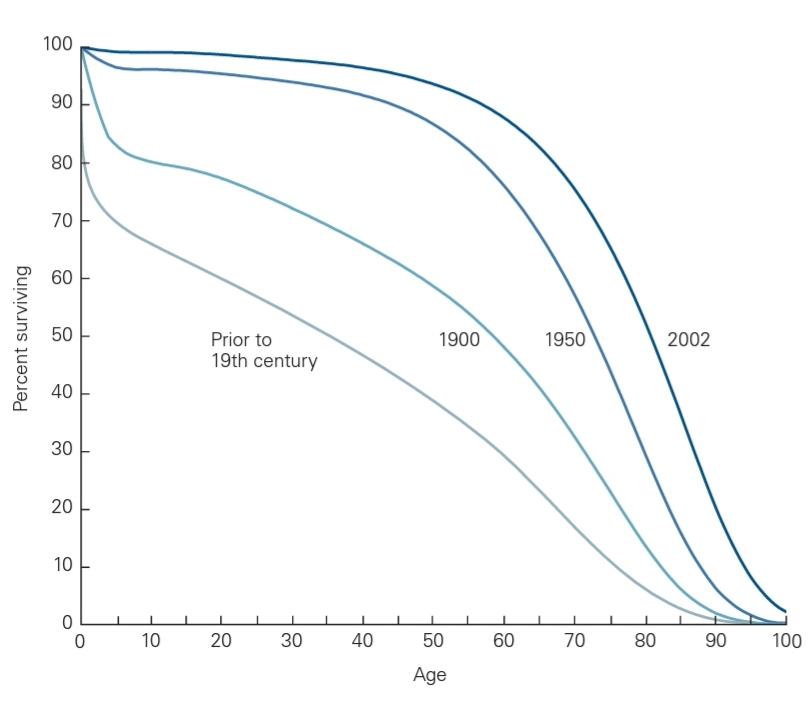
Figure 64-1 The human life span is increasing. The average life span in the United States has increased rapidly over the past 100 years. (Adapted from Strehler 1975; Arias 2004.)
شکل 64-1 طول عمر انسان در حال افزایش است. میانگین طول عمر در ایالات متحده طی 100 سال گذشته به سرعت افزایش یافته است. (برگرفته از استرلر 1975؛ آریاس 2004.)
Age-related declines in mental abilities are highly variable, in both rate and severity (Figure 64-2A). Although most people experience a gradual decline in mental agility, for some, the decline is rapid, whereas others retain their cognitive powers throughout life- Giuseppe Verdi, Eleanor Roosevelt, and Pablo Picasso are well-known examples of the latter category. Titian continued to paint masterpieces in his late 80s, and Sophocles is said to have written Oedipus at Colonus in his 92nd year. The fact that elderly people with completely preserved mental function are rare suggests that there may be special properties in the life experiences or genes of these people. Accordingly, there has been great interest in studying individuals who retain nearly intact cognition into their tenth or even eleventh decade. These centenarians may provide insight into environmental or genetic factors that protect against normal age-related cognitive decline or the more devastating pathological descent into dementia. One protective gene variant, discussed below, is the epsilon 2 allele of the apolipoprotein E gene.
کاهشهای مربوط به سن در تواناییهای ذهنی، هم از نظر میزان و هم از نظر شدت، بسیار متغیر است (شکل 64-2A). اگرچه اکثر مردم کاهش تدریجی چابکی ذهنی را تجربه میکنند، برای برخی، کاهش سریع است، در حالی که برخی دیگر قدرت شناختی خود را در طول زندگی حفظ میکنند- جوزپه وردی، النور روزولت و پابلو پیکاسو نمونههای معروف دسته دوم هستند. تیتیان در اواخر دهه 80 خود به نقاشی شاهکارها ادامه داد و گفته میشود سوفوکل در سال 92 خود اودیپ را در کولونوس نوشت. این واقعیت که افراد مسن با عملکرد ذهنی کاملاً حفظ شده نادر هستند، نشان میدهد که ممکن است ویژگیهای خاصی در تجربیات زندگی یا ژن این افراد وجود داشته باشد. بر این اساس، علاقه زیادی به مطالعه افرادی که شناخت تقریباً دست نخورده را تا دهه دهم یا حتی یازدهم خود حفظ میکنند، وجود داشته است. این صد سالهها ممکن است بینشی در مورد عوامل محیطی یا ژنتیکی ارائه دهند که از زوال شناختی طبیعی مرتبط با سن یا نزول آسیب شناختی مخرب تر به زوال عقل محافظت میکند. یکی از انواع ژن محافظ که در زیر مورد بحث قرار میگیرد، آلل اپسیلون 2 ژن آپولیپوپروتئین E است.
An interesting finding that has emerged from studies of many individuals is that some cognitive capacities decline significantly with age while others are largely spared (Figure 64-2B). For example, working and long-term memories, visuospatial abilities (measured by arranging blocks into a design or drawing a three- dimensional figure), and verbal fluency (measured by rapid naming of objects or naming as many words as possible that start with a specific letter) usually decline with old age. On the other hand, measures of vocabulary, information, and comprehension often show minimal decline in normal individuals well into the 80s.
یک یافته جالب که از مطالعات بسیاری از افراد به دست آمده است این است که برخی از ظرفیتهای شناختی با افزایش سن به طور قابل توجهی کاهش مییابد در حالی که برخی دیگر تا حد زیادی از بین میروند (شکل 64-2B). به عنوان مثال، حافظه کاری و بلندمدت، تواناییهای بصری-فضایی (که با چیدمان بلوکها در یک طرح یا ترسیم یک شکل سه بعدی اندازه گیری میشود)، و روانی کلامی(اندازه گیری شده با نامگذاری سریع اشیا یا نام بردن تا حد امکان کلماتی که با یک حرف خاص شروع میشوند) معمولاً با افزایش سن کاهش مییابد. از سوی دیگر، معیارهای واژگان، اطلاعات و درک مطلب اغلب کمترین کاهش را در افراد عادی تا دهه 80 نشان میدهد.
Age-related changes in memory, motor activity, mood, sleep pattern, appetite, and neuroendocrine function result from alterations in the structure and function of the brain. Even the healthiest 80-year-old brain does not look like it did at the age of 20. Elderly people exhibit mild shrinkage in the volume of the brain and a loss in brain weight, as well as enlargement of the cerebral ventricles (Figure 64-3A). The decreases in brain weight average 0.2% per year from college age onward, and about 0.5% per year in the 70s.
تغییرات مرتبط با سن در حافظه، فعالیت حرکتی، خلق و خو، الگوی خواب، اشتها و عملکرد عصبی غدد درون ریز ناشی از تغییرات در ساختار و عملکرد مغز است. حتی سالم ترین مغز 80 ساله مانند 20 سالگی به نظر نمیرسد. افراد مسن کوچک شدن خفیفی در حجم مغز و کاهش وزن مغز و همچنین بزرگ شدن بطنهای مغزی نشان میدهند (شکل 64-3A). کاهش وزن مغز به طور متوسط 0.2٪ در سال از سن دانشگاه به بعد و حدود 0.5٪ در سال در دهه 70 است.
These changes could result from death of neurons. Indeed, some neurons are lost with age. For example, 25% or more of the motor neurons that innervate skeletal muscles die in generally healthy elderly individuals. As we will see, neurodegenerative diseases such as Alzheimer disease markedly accelerate the death of neurons (Figure 64-3B). In most parts of the healthy brain, however, there is minimal to no neuronal loss simply because of age, so brain shrinkage must arise from other factors.
این تغییرات میتواند در نتیجه مرگ نورونها باشد. در واقع، برخی از نورونها با افزایش سن از بین میروند. به عنوان مثال، 25 درصد یا بیشتر از نورونهای حرکتی که عضلات اسکلتی را عصب دهی میکنند در افراد مسن به طور کلی سالم میمیرند. همانطور که خواهیم دید، بیماریهای تخریب کننده عصبی مانند بیماری آلزایمر به طور قابل توجهی مرگ نورونها را تسریع میکنند (شکل 64-3B). با این حال، در بیشتر بخشهای مغز سالم، صرفاً به دلیل سن، از دست دادن نورونها بسیار کم است، بنابراین کوچک شدن مغز باید از عوامل دیگر ناشی شود.
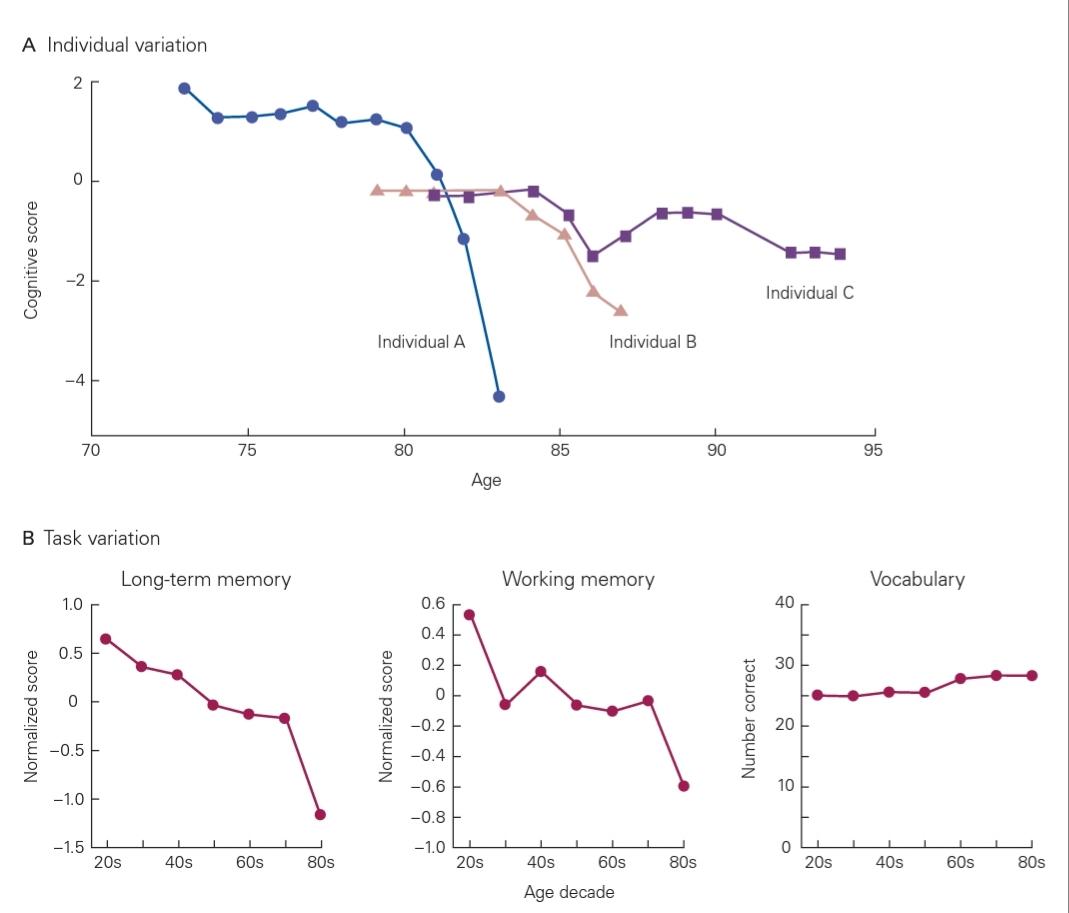
Figure 64-2 There is variation in age-related cognitive decline.
شکل 64-2 در کاهش شناختی مرتبط با سن تنوع وجود دارد.
A. Scores of three people who were given a battery of cognitive tests annually for decades. Person A declined rapidly. Persons B and C showed similar cognitive performances into their 80s but then diverged. (Adapted from Rubin et al. 1998.)
الف. نمرات سه نفری که برای چندین دهه سالانه یک سری تستهای شناختی به آنها داده شد. شخص A به سرعت کاهش یافت. افراد B و C تا 80 سالگی عملکردهای شناختی مشابهی از خود نشان دادند اما سپس از هم جدا شدند. (برگرفته از روبین و همکاران 1998.)
B. Average scores on several cognitive tests administered to a large number of people. Long-term declarative memory and working memory decline throughout life and more so in advanced age. In contrast, knowledge of vocabulary is maintained. (Adapted from Park et al. 1996.)
ب- میانگین نمرات در چندین آزمون شناختی که برای تعداد زیادی از افراد انجام شده است. حافظه اظهاری بلند مدت و حافظه کاری در طول زندگی و بیشتر در سنین بالا کاهش مییابد. در مقابل، دانش واژگان حفظ میشود. (برگرفته از پارک و همکاران 1996.)
In fact, analysis of the brains of humans and experimental animals reveals structural alterations in both neurons and glia. Myelin is fragmented and lost, compromising the integrity of white matter. At the same time, the density of the dendritic arbors of cortical and other neurons decreases, resulting in shrinkage of neuropil. Levels of enzymes that synthesize some neurotransmitters, such as dopamine, norepinephrine, and acetylcholine, decrease with age, and this decline presumably results in functional defects in synapses that use these transmitters. Synapse structure is also altered, at least at the neuromuscular junction (Figure 64-4), raising the possibility that structural changes also lead to functional deficits at central synapses. Finally, the number of synapses in the neocortex and many other regions of the brain declines (Figure 64-5).
در واقع، تجزیه و تحلیل مغز انسان و حیوانات آزمایشی، تغییرات ساختاری را در سلولهای عصبی و گلیا نشان میدهد. میلین تکه تکه شده و از بین میرود و یکپارچگی ماده سفید را به خطر میاندازد. در همان زمان، تراکم درختان دندریتیک نورونهای قشر مغز و سایر نورونها کاهش مییابد و در نتیجه نوروپیل کوچک میشود. سطح آنزیمهایی که برخی از انتقال دهندههای عصبی مانند دوپامین، نوراپی نفرین و استیل کولین را سنتز میکنند با افزایش سن کاهش مییابد و احتمالاً این کاهش منجر به نقص عملکردی در سیناپسهایی میشود که از این فرستندهها استفاده میکنند. ساختار سیناپس نیز حداقل در محل اتصال عصبی عضلانی تغییر میکند (شکل 64-4)، که این احتمال را افزایش میدهد که تغییرات ساختاری نیز منجر به نقص عملکردی در سیناپسهای مرکزی شود. در نهایت، تعداد سیناپسها در نئوکورتکس و بسیاری از مناطق دیگر مغز کاهش مییابد (شکل 64-5).
These cellular changes interfere with the integrity of the neural circuits that mediate our mental activities. Age-related loss of synapses along with impairment in function of remaining synapses are thought to be important contributors to cognitive decline. Changes in white matter are widespread but are especially notable in the prefrontal and temporal cortex. They may underlie alterations in executive functions and the ability to focus attention and encode and store memory, functions that are localized in frontal-striatal systems and the temporal lobes. The loss of white matter may also help explain the recent finding that the elderly brain is less able to support synchronization of activity in widely separated areas that normally work together to carry out complex mental activities. Disruption of these large-scale networks could be an important cause of cognitive decline.
این تغییرات سلولی با یکپارچگی مدارهای عصبی که واسطه فعالیتهای ذهنی ما هستند، تداخل میکند. گمان میرود که از دست دادن سیناپسهای مرتبط با افزایش سن همراه با اختلال در عملکرد سیناپسهای باقیمانده از عوامل مهم زوال شناختی باشد. تغییرات در ماده سفید گسترده است اما به ویژه در قشر پیش پیشانی و گیجگاهی قابل توجه است. آنها ممکن است زمینه ساز تغییرات در عملکردهای اجرایی و توانایی تمرکز توجه و رمزگذاری و ذخیره حافظه باشند، عملکردهایی که در سیستمهای فرونتال- مخطط و لوبهای گیجگاهی موضعی هستند. از دست دادن ماده سفید ممکن است به توضیح یافته اخیر کمک کند که مغز سالمندان کمتر قادر به پشتیبانی از هماهنگ سازی فعالیت در مناطق کاملاً جدا شده است که معمولاً برای انجام فعالیتهای ذهنی پیچیده با هم کار میکنند. اختلال در این شبکههای مقیاس بزرگ میتواند یکی از دلایل مهم زوال شناختی باشد.

Figure 64-3 Changes in brain structure with age and at the onset of Alzheimer disease. (Also see Figure 64-8.)
شکل 64-3 تغییرات در ساختار مغز با افزایش سن و در شروع بیماری آلزایمر. (شکل 64-8 را نیز ببینید.)
A. Images of normal 22- and 89-year- old brains reveal changes in the structure of the living brain. (Reproduced, with permission, from R. Buckner.)
الف- تصاویر مغزهای طبیعی 22 و 89 ساله تغییراتی را در ساختار مغز زنده نشان میدهد. (تکثیر شده، با اجازه، از R. Buckner.)
B. Images of the same individual over a 4-year period illustrate the progressive shrinking of cortical structures and the beginning of ventricular enlargement (red). These structural changes are evident prior to the onset of behavioral symptoms. (Reproduced, with permission, from N. Fox.)
ب. تصاویر یک فرد در طول یک دوره 4 ساله، کوچک شدن پیشرونده ساختارهای قشر مغز و شروع بزرگ شدن بطن (قرمز) را نشان میدهد. این تغییرات ساختاری قبل از شروع علائم رفتاری مشهود است. (تکثیر شده، با اجازه، از N. Fox.)
It was long thought that aging resulted from progressive deterioration of cells and tissues due to accumulated genetic damage or toxic waste products. In support of this idea was the finding that mitotic cells removed from animals and placed in a tissue culture dish divide only for a limited number of times before they age and die. This view of “preordained” aging has changed radically over the past 10 to 20 years, primarily as a result of the discovery in model organisms of mutations that significantly extend life span (Figure 64-6).
مدتها تصور میشد که پیری ناشی از زوال تدریجی سلولها و بافتها به دلیل آسیبهای ژنتیکی انباشته یا مواد زائد سمیاست. در تأیید این ایده، این یافته بود که سلولهای میتوزی که از حیوانات برداشته شده و در یک ظرف کشت بافت قرار میگیرند، قبل از پیری و مرگ فقط برای تعداد محدودی تقسیم میشوند. این دیدگاه از پیری “از پیش تعیین شده” در طی 10 تا 20 سال گذشته به طور اساسی تغییر کرده است، عمدتاً در نتیجه کشف موجودات مدل جهشهایی که به طور قابل توجهی طول عمر را افزایش میدهند (شکل 64-6).
Such dramatic discoveries established that the aging process is under active genetic control. One such regulatory pathway that has been characterized includes insulin and insulin-like growth factors, their receptors, and the signaling programs they activate. Disruption of these genes actually increases the resistance of cells to lethal oxidative damage. It is thought that the normal forms of these genes have been selected through evolution because they benefit the organism during the reproductive period. Their deleterious effects on longevity, once the animals are past reproductive age, may be an unfortunate side effect about which evolution cares little.
چنین اکتشافات چشمگیری نشان داد که روند پیری تحت کنترل ژنتیکی فعال است. یکی از این مسیرهای تنظیمیکه مشخص شده است شامل انسولین و فاکتورهای رشد شبه انسولین، گیرندههای آنها و برنامههای سیگنالی است که فعال میکنند. اختلال در این ژنها در واقع مقاومت سلولها را در برابر آسیبهای اکسیداتیو کشنده افزایش میدهد. تصور میشود که اشکال طبیعی این ژنها از طریق تکامل انتخاب شدهاند، زیرا در دوره تولید مثل برای ارگانیسم مفید هستند. اثرات مضر آنها بر طول عمر، زمانی که حیوانات سن باروری را سپری میکنند، ممکن است یک عارضه جانبی ناگوار باشد که تکامل اهمیت چندانی به آن نمیدهد.

Figure 64-4 Age-related changes in dendritic and synaptic structure. Cortical pyramidal neurons in rodents lose dendritic spines with age. Neuromuscular synapses in rodents also exhibit age-related changes in structure. (Spine images reproduced, with permission, from J. Luebke; synapse images reproduced, with permission, from G. Valdez.)
شکل 64-4 تغییرات مربوط به سن در ساختار دندریتی و سیناپسی. نورونهای هرمیقشری در جوندگان با افزایش سن، خارهای دندریتیک را از دست میدهند. سیناپسهای عصبی عضلانی در جوندگان نیز تغییرات مربوط به سن را در ساختار نشان میدهند. (تصاویر ستون فقرات تکثیر شده، با اجازه، از J. Luebke؛ تصاویر سیناپس بازتولید شده، با اجازه، از G. Valdez.)
These findings have two major implications for understanding how aging affects the nervous system. First, the biochemical mechanisms that lead to, or protect us from, the ravages of age are likely contributors to the changes in neurons that lead to age-related cognitive decline. Research to explore this link between cellular change and cognitive functioning is now underway in model organisms. Second, and perhaps more exciting, research on the pathways uncovered by genetic studies can identify pharmacological or environmental strategies for extending life span or health span (the period during which one remains generally healthy).
این یافتهها دو مفهوم عمده برای درک چگونگی تأثیر پیری بر سیستم عصبی دارند. اول، مکانیسمهای بیوشیمیایی که منجر به آسیبهای ناشی از افزایش سن میشوند یا از ما در برابر آن محافظت میکنند، احتمالاً در تغییرات نورونها که منجر به زوال شناختی مرتبط با افزایش سن میشود، نقش دارند. تحقیقات برای کشف این ارتباط بین تغییرات سلولی و عملکرد شناختی اکنون در موجودات مدل در حال انجام است. دوم، و شاید هیجان انگیزتر، تحقیق در مورد مسیرهای کشف شده توسط مطالعات ژنتیکی میتواند راهبردهای دارویی یا محیطی را برای افزایش طول عمر یا طول سلامت (دوره ای که در طی آن فرد به طور کلی سالم میماند) شناسایی کند.

Figure 64-5 Age-related changes in synaptic density. Early cognitive development is accompanied by a marked increase in synapse density in different regions of the human cerebral cortex. Developmental landmarks through age 10 months are indicated. The density of cortical synapses declines with age. (Adapted from Huttenlocher 2002.)
شکل 64-5 تغییرات مربوط به سن در تراکم سیناپسی. رشد شناختی اولیه با افزایش قابل توجهی در تراکم سیناپس در مناطق مختلف قشر مغز انسان همراه است. نشانههای رشد تا سن 10 ماهگی نشان داده شده است. تراکم سیناپسهای قشر مغز با افزایش سن کاهش مییابد. (برگرفته از Huttenlocher 2002.)

Figure 64-6 Life span can be increased through genetic mutation. Genetic mutations in specific receptors and signaling proteins markedly enhance life span in mutant strains of the worm, fly, and mouse, indicating that genetic regulatory mechanisms affect aging and life span. (Top adapted from Hekimi and Guarente 2003; middle reproduced, with permission, from Yi, Seroude, and Benzer 1998. Copyright © 1998 AAAS; bottom adapted from Brown-Borg et al. 1996.)
شکل 64-6 طول عمر را میتوان از طریق جهش ژنتیکی افزایش داد. جهشهای ژنتیکی در گیرندههای خاص و پروتئینهای سیگنالدهنده به طور قابلتوجهی باعث افزایش طول عمر در سویههای جهشیافته کرم، مگس و موش میشود که نشان میدهد مکانیسمهای تنظیمیژنتیکی بر پیری و طول عمر تأثیر میگذارد. (بالا اقتباس شده از Hekimi و Guarente 2003؛ وسط بازتولید شده، با اجازه، از Yi، Seroude، و Benzer 1998. حق چاپ © 1998 AAAS؛ پایین اقتباس شده از Brown-Borg et al. 1996.)
To date, the best-validated environmental strategy for extending life span (in organisms ranging from yeast to worms to primates) is caloric restriction. It appears that caloric restriction acts through genes in the insulin pathway mentioned above and may involve a set of enzymes called sirtuins. The sirtuins are activated by the compound resveratrol, originally isolated from red wine. Resveratrol, in turn, retards some aspects of aging, including cognitive decline, when administered to mice. While it is unlikely that resveratrol will serve as a fountain of youth in humans, it nevertheless exemplifies the new chemistries that are currently under consideration. These chemical strategies use model organisms to explore not only the positive factors that lead to aging but also the constraints that prevent model organisms, and presumably humans, from remaining generally healthy throughout their life span.
تا به امروز، بهترین استراتژی زیست محیطی معتبر برای افزایش طول عمر (در موجودات مختلف از مخمر گرفته تا کرم و پستانداران)، محدودیت کالری است. به نظر میرسد که محدودیت کالری از طریق ژنهای موجود در مسیر انسولین ذکر شده در بالا عمل میکند و ممکن است مجموعه ای از آنزیمها به نام سیرتوئینها را شامل شود. سیرتوئینها توسط ترکیب رسوراترول که در اصل از شراب قرمز جدا شده است، فعال میشوند. رزوراترول، به نوبه خود، برخی از جنبههای پیری، از جمله زوال شناختی، را به تاخیر میاندازد، هنگامیکه به موش تجویز میشود. اگرچه بعید است که رسوراترول به عنوان منبع جوانی در انسان عمل کند، با این وجود نمونهای از شیمیهای جدیدی است که در حال حاضر در حال بررسی هستند. این استراتژیهای شیمیایی از ارگانیسمهای مدل استفاده میکنند تا نه تنها عوامل مثبتی را که منجر به پیری میشوند، بلکه محدودیتهایی را که مانع از سالم ماندن ارگانیسمهای مدل و احتمالاً انسانها در طول عمرشان میشود، بررسی کنند.
Cognitive Decline Is Significant and Debilitating in a Substantial Fraction of the Elderly
زوال شناختی در بخش قابل توجهی از سالمندان قابل توجه و ناتوان کننده است
In most people, age-related cognitive changes do not seriously compromise the quality of life. In some elderly people, however, cognitive decline reaches a level that can be viewed as pathological. At the lower end of the abnormal range is a constellation of changes known as mild cognitive impairment (MCI). This syndrome is characterized by memory loss with or without other cognitive impairments that go beyond what is seen in normal aging. Individuals with MCI may be able to carry out most activities of daily living, although the impairments are noticeable to others and often influence the ability of the affected person to carry out certain activities that are important or pleasurable to them, such as managing finances or playing word games.
در بیشتر افراد، تغییرات شناختی مرتبط با سن به طور جدی کیفیت زندگی را به خطر نمیاندازد. با این حال، در برخی از افراد مسن، زوال شناختی به سطحی میرسد که میتواند به عنوان آسیب شناختی تلقی شود. در انتهای پایین محدوده غیر طبیعی مجموعه ای از تغییرات وجود دارد که به عنوان اختلال شناختی خفیف (MCI) شناخته میشود. این سندرم با از دست دادن حافظه با یا بدون سایر اختلالات شناختی که فراتر از آنچه در پیری طبیعی دیده میشود، مشخص میشود. افراد مبتلا به MCI ممکن است بتوانند اکثر فعالیتهای زندگی روزمره را انجام دهند، اگرچه این اختلالات برای دیگران قابل توجه است و اغلب بر توانایی فرد آسیب دیده برای انجام برخی فعالیتهایی که برای آنها مهم یا لذت بخش است، مانند مدیریت امور مالی یا بازی با کلمات، تأثیر میگذارد.
Importantly, MCI is a syndrome, not a diagnosis. Many underlying problems such as depression, over- medication, strokes, and neurodegenerative diseases can contribute to MCI. Approximately half of individuals with MCI have underlying Alzheimer disease, and more than 90% of this group will progress to full- blown dementia within 5 years from the time of diagnosis of MCI (Figure 64-7). As discussed below, there are now biomarkers that can suggest the presence of underlying Alzheimer disease pathology. As yet, however, there are no good biomarkers for predicting progression to dementia in people with MCI resulting from diseases other than Alzheimer.
نکته مهم این است که MCI یک سندرم است، نه یک تشخیص. بسیاری از مشکلات زمینه ای مانند افسردگی، مصرف بیش از حد دارو، سکته مغزی و بیماریهای عصبی میتوانند به MCI کمک کنند. تقریباً نیمیاز افراد مبتلا به MCI بیماری زمینهای آلزایمر دارند و بیش از 90 درصد از این گروه طی 5 سال از زمان تشخیص MCI به دمانس کامل پیشرفت میکنند (شکل 64-7). همانطور که در زیر بحث شد، اکنون نشانگرهای زیستی وجود دارد که میتواند وجود پاتولوژی زمینه ای بیماری آلزایمر را نشان دهد. با این حال، هنوز هیچ نشانگر زیستی خوبی برای پیشبینی پیشرفت زوال عقل در افراد مبتلا به MCI ناشی از بیماریهای غیر از آلزایمر وجود ندارد.

Figure 64-7 Cognitive performance can vary widely with age. The chart shows current thinking about the etiology of Alzheimer disease (AD). This gradual process, which results from a combination of biological, genetic, environmental, and lifestyle factors, eventually sets some people on a course to mild cognitive impairment (MCI) and then dementia. Other people, with a different genetic makeup or a different combination of factors over a lifetime, continue on a course of healthy cognitive aging. (From the National Institute on Aging: http://www.nia.nih.gov/alzheimers/publication/ part-2-what-happens-brain-ad/changing-brain-ad.)
شکل 64-7 عملکرد شناختی میتواند به طور گسترده ای با سن متفاوت باشد. نمودار تفکر فعلی در مورد علت بیماری آلزایمر (AD) را نشان میدهد. این فرآیند تدریجی که از ترکیبی از عوامل بیولوژیکی، ژنتیکی، محیطی و سبک زندگی ناشی میشود، در نهایت برخی از افراد را در مسیری به سمت اختلال شناختی خفیف (MCI) و سپس زوال عقل قرار میدهد. افراد دیگر، با ترکیب ژنتیکی متفاوت یا ترکیبی متفاوت از عوامل در طول زندگی، به روند پیری شناختی سالم ادامه میدهند. (از موسسه ملی پیری: http://www.nia.nih.gov/alzheimers/publication/ part-2-what-happens-brain-ad/changing-brain-ad.)
Like MCI, dementia is also a syndrome that involves progressive impairment of memory as well as other cognitive abilities such as language, problem solving, judgment, calculation, or attention. It is associated with a variety of diseases. The most common is Alzheimer disease, as discussed below. The second most common cause in the elderly is cerebrovascular disease, particularly strokes that lead to focal ischemia and consequent infarction in the brain.
مانند MCI، زوال عقل نیز یک سندرم است که شامل اختلال پیشرونده حافظه و همچنین سایر تواناییهای شناختی مانند زبان، حل مسئله، قضاوت، محاسبه یا توجه است. با انواع بیماریها همراه است. شایع ترین بیماری آلزایمر است که در زیر به آن پرداخته میشود. دومین علت شایع در افراد مسن بیماری عروق مغزی است، به ویژه سکتههای مغزی که منجر به ایسکمیکانونی و در نتیجه انفارکتوس در مغز میشود.
Large lesions in the cortex are often associated with language disturbances (aphasia), hemiparesis, or neglect syndromes, depending on which portions of the brain are compromised. Small infarctions in white matter or deeper structures of the brain, termed lacunes, also occur as a consequence of hypertension and diabetes. In small numbers, these infarctions may be asymptomatic, or they may contribute to what appears to be normal age-associated cognitive decline or certain cases of MCI. As vascular lesions increase in number and size, however, their effects accumulate, and eventually, they can lead to dementia.
ضایعات بزرگ در قشر مغز اغلب با اختلالات زبانی (آفازی)، همیپارزی یا سندرمهای غفلت همراه است، بسته به اینکه کدام بخش از مغز در معرض خطر است. انفارکتوسهای کوچک در ماده سفید یا ساختارهای عمیقتر مغز که لکون نامیده میشوند نیز در نتیجه فشار خون بالا و دیابت رخ میدهند. در تعداد کمی، این انفارکتوسها ممکن است بدون علامت باشند، یا ممکن است به آنچه به نظر میرسد کاهش شناختی مرتبط با سن طبیعی یا موارد خاصی از MCI باشد، کمک کنند. با افزایش تعداد و اندازه ضایعات عروقی، اثرات آنها انباشته میشود و در نهایت میتواند منجر به زوال عقل شود.
Numerous other conditions can lead to dementia, including Parkinson disease, Lewy body dementia, frontotemporal dementia, alcoholism, drug intoxications, infections such as HIV and syphilis, brain tumors, subdural hematomas, repeated brain trauma, vitamin deficiencies (notably lack of vitamin B12), thyroid disease, and a variety of other metabolic disorders. Repeated brain trauma can result in what is termed chronic traumatic encephalopathy (CTE). Numerous cases of CTE in American professional athletes have recently been reported. In some patients, schizophrenia or depression may mimic a dementia syndrome. (Emil Kraepelin chose the term “dementia praecox” to describe the cognitive disease that we now call schizophrenia.) Because some dementias can be treated, it is important for the physician to probe differential diagnoses of dementia based on clinical history, physical examinations, and laboratory studies.
بسیاری از بیماریهای دیگر میتوانند منجر به زوال عقل شوند، از جمله بیماری پارکینسون، زوال عقل لوی، زوال عقل فرونتومپورال، اعتیاد به الکل، مسمومیتهای دارویی، عفونتهایی مانند HIV و سیفلیس، تومورهای مغزی، هماتومهای ساب دورال، ضربههای مکرر مغزی، کمبود ویتامین (به ویژه کمبود ویتامین B12)، بیماریهای متابولیک تیروئید، و انواع دیگر اختلالات. ضربههای مکرر مغزی میتواند منجر به آنچه انسفالوپاتی تروماتیک مزمن (CTE) نامیده میشود، شود. اخیراً موارد متعددی از CTE در ورزشکاران حرفه ای آمریکایی گزارش شده است. در برخی بیماران، اسکیزوفرنی یا افسردگی ممکن است شبیه به سندرم زوال عقل باشد. (امیل کریپلین اصطلاح “دمانس پراکوکس” را برای توصیف بیماری شناختی که ما اکنون آن را اسکیزوفرنی مینامیم انتخاب کرد.) از آنجایی که برخی از دمانسها قابل درمان هستند، برای پزشک مهم است که تشخیصهای افتراقی دمانس را بر اساس تاریخچه بالینی، معاینات فیزیکی و مطالعات آزمایشگاهی بررسی کند.
»» قسمت دوم فصل مغز سالمند
»» فصل اول: مغز و رفتار
»» تمامی کتاب