
بررسی علمی حافظه بلندمدت: حافظه اخباری، اپیزودیک، معنایی و غیراخباری


دعای مطالعه [ نمایش ]
بِسْمِ الله الرَّحْمنِ الرَّحیمِ
اَللّهُمَّ اَخْرِجْنى مِنْ ظُلُماتِ الْوَهْمِ
خدايا مرا بيرون آور از تاريكىهاى وهم،
وَ اَكْرِمْنى بِنُورِ الْفَهْمِ
و به نور فهم گرامى ام بدار،
اَللّهُمَّ افْتَحْ عَلَيْنا اَبْوابَ رَحْمَتِكَ
خدايا درهاى رحمتت را به روى ما بگشا،
وَانْشُرْ عَلَيْنا خَزائِنَ عُلُومِكَ بِرَحْمَتِكَ يا اَرْحَمَ الرّاحِمينَ
و خزانههاى علومت را بر ما باز كن به امید رحمتت اى مهربانترين مهربانان.
کتاب «علوم اعصاب شناختی: زیستشناسی ذهن» اثر مایکل گازانیگا و همکاران، همچنان مرجع طلایی این حوزه است که با ترکیب تازهترین پژوهشها و کاربردهای بالینی، پلی میان دانش پایه و عمل پزشکی میسازد.
تلاش علمی و تدریس ارزشمند استاد محترم آقای دکتر محمدعلی نظری الهامبخش نگارش و ترجمه این اثر بوده است.
ترجمه دقیق این اثر توسط برند علمی آیندهنگاران مغز به مدیریت داریوش طاهری، دسترسی فارسیزبانان به مرزهای نوین علوم اعصاب را ممکن ساخته و رسالتی علمی برای شناخت عمیقتر مغز و ساختن آیندهای روشنتر فراهم آورده است.
»» فصل ۹: فصل حافظه؛ قسمت چهارم
»» CHAPTER 9: Memory
Long-Term Forms of Memory
اشکال حافظه بلند مدت حافظه
Information retained for a significant time (days, months, or years) is referred to as long-term memory. Theorists have tended to split long-term memory into two major divisions, taking into account the observable fact that people with amnesia may retain one type of long-term memory and not another. The key distinction is between declarative and nondeclarative memories.
اطلاعاتی که برای مدت زمان قابل توجهی (روزها، ماهها یا سالها) نگهداری میشوند، به عنوان حافظه بلندمدت نامیده میشوند. نظریه پردازان تمایل دارند حافظه بلندمدت را به دو بخش عمده تقسیم کنند، با در نظر گرفتن این واقعیت قابل مشاهده که افراد مبتلا به یادزدودگی ممکن است یک نوع حافظه بلندمدت را حفظ کنند و نوع دیگری را حفظ نکنند. تمایز کلیدی بین حافظههای اخباری و غیراخباری است.
DECLARATIVE MEMORY Declarative memory is defined as memory for events and for facts, both personal and general, to which we have conscious access, and which we can verbally report. This form of memory is sometimes referred to as explicit memory. Because H.M. was impaired in forming new declarative memories, we know that this capacity depends on the medial temporal lobe.
حافظه اخباری: حافظه اخباری به عنوان حافظهای برای رویدادها و حقایق، اعم از شخصی و عمومی، که ما آگاهانه به آنها دسترسی داریم و میتوانیم به صورت شفاهی گزارش کنیم، تعریف میشود. این شکل از حافظه گاهی اوقات به عنوان حافظه آشکار نیز شناخته میشود. چون H.M. در شکلگیری حافظههای اخباری جدید دچار اختلال شد، میدانیم که این ظرفیت به لوب تمپورال میانی بستگی دارد.
In the 1970s, Endel Tulving introduced the idea that declarative memory can be further broken down into episodic memory and semantic memory. Episodic memory comprises memories of events that the person has experienced that include what happened, where it happened, when, and with whom. Episodic memories differ from personal knowledge (Figure 9.9). For instance, you have personal knowledge of what day you were born, but you do not remember the experience. Episodic memories also differ from autobiographical memories, which can be a hodgepodge of episodic memory and personal knowledge. Episodic memories always include the self as the agent or recipient of some action. For example, the memory of falling off your new red bicycle (what) on Christmas day (when), badly skinning your elbow on the asphalt driveway (where), and your mother (who) running over to comfort you is an episodic memory.
در دهه 1970، اندل تولوینگ این ایده را مطرح کرد که حافظه اخباری را میتوان بیشتر به حافظه اپیزودیک و حافظه معنایی تقسیم کرد. حافظه اپیزودیک شامل خاطراتی از رویدادهایی است که فرد تجربه کرده است که شامل آنچه اتفاق افتاده، کجا، چه زمانی و با چه کسی اتفاق افتاده است. حافظه اپیزودیک با دانش شخصی متفاوت است (شکل 9.9). به عنوان مثال، شما اطلاعات شخصی در مورد روز تولد خود دارید، اما تجربه را به خاطر نمیآورید. حافظه اپیزودیک نیز با حافظه خود زندگینامهای (سرگذشتی) متفاوت است زیرا حافظه زندگینامهای میتواند انباشتهای از حافظه اپیزودیک و دانش شخصی باشد. حافظه اپیزودیک همیشه خود را به عنوان عامل یا دریافت کننده یک اقدام شامل میشود. به عنوان مثال، خاطره افتادن از دوچرخه قرمز جدید خود (چه چیزی) در روز کریسمس (چه زمانی)، کنده شدن بیش از حد پوست آرنجتان در مسیر آسفالت (کجا) و مادرتان (چه کسی) برای دلداری شما دوید، یک حافظه اپیزودیک است.
Episodic memory is the result of rapid associative learning in that the what, where, when, and who of a single episode its context-become associated and bound together and can be retrieved from memory as a single personal recollection. More recently, however, evidence has been unearthed that not all memory of experiences is conscious. We will discuss this research in Section 9.5 when we examine relational memory.
حافظه اپیزودیک نتیجه یادگیری ارتباطی سریع است به این صورت که چه چیزی، کجا، چه زمانی و چه کسی از یک اپیزود منفرد (مفاد اپیزود) با هم مرتبط و به هم پیوند میخورد و میتواند به عنوان یک خاطره شخصی منفرد از حافظه بازیابی شود. با این حال، اخیراً شواهدی کشف شده است که همه خاطرات تجربیات آگاهانه نیستند. هنگامی که حافظه ارتباطی را بررسی میکنیم، این تحقیق را در بخش 9.5 مورد بحث قرار خواهیم داد.
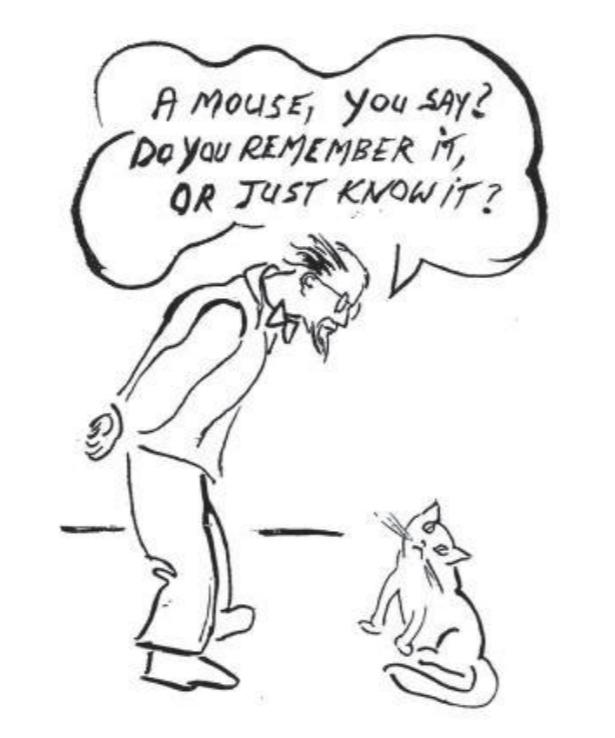
FIGURE 9.9 Tulving and his cat.
شکل 9.9 تولوینگ و گربه اش
According to Endel Tulving, animals like his cat have no episodic memory, although they have knowledge of many things. Tulving argues that they therefore do not remember their experiences the same way we do; they can merely know about such experiences.
به گفته اندل تولوینگ، حیواناتی مانند گربه او هیچ حافظه اپیزودیکی ندارند، اگرچه از بسیاری چیزها آگاهی دارند. تولوینگ استدلال میکند که بنابراین آنها تجربیات خود را مانند ما به خاطر نمیآورند. آنها فقط میتوانند در مورد چنین تجربیاتی بدانند.
Semantic memory, in contrast, is objective knowledge that is factual in nature but does not include the context in which it was learned. For instance, you may know that corn is grown in Iowa, but you most likely don’t remember when or where you learned that fact. A fact can be learned after a single episode, or it may take many exposures. Semantic memory reflects knowing facts and concepts such as how to tell time, who the lead guitarist is for the Rolling Stones, and where Lima is located. This kind of world knowledge is fundamentally different from our recollection of events in our own lives.
حافظه معنایی، در مقایسه با حافظه اپیزودیک، علم عینی است که ماهیت واقعی دارد، اما شامل زمینه ای نیست که در آن آموخته شده است. به عنوان مثال، ممکن است بدانید که ذرت در ایالت آیوا کشت میشود، اما به احتمال زیاد به یاد نمیآورید که چه زمانی یا کجا این واقعیت را فهمیدید. یک واقعیت را میتوان بعد از یک رویداد منفرد یاد گرفت، یا ممکن است یادگیری آن حادثه به مواجهههای زیادی نیاز داشته باشد. حافظه معنایی منعکس کننده دانستن حقایق و مفاهیمی است مانند نحوه تشخیص زمان، گیتاریست اصلی گروه رولینگ استونز و محل قرار گرفتن لیما. این نوع دانش جهان اساساً با یادآوری رویدادهای زندگی خودمان متفاوت است.
During human development, episodic and semantic memory appear at different ages. Two-year-old toddlers have been able to demonstrate recall of things they witnessed at age 13 months (Bauer & Wewerka, 1995). Not until children are at least 18 months old, however, do they seem to include themselves as part of the memory, although this ability tends to be more reliably present in 3- to 4-year-olds (Perner & Ruffman, 1995; M. A. Wheeler et al., 1997).
در طول رشد انسان، حافظه اپیزودیک و معنایی در سنین مختلف ظاهر میشود. کودکان نوپای دو ساله توانستهاند چیزهایی را که در 13 ماهگی شاهد بودهاند به یاد بیاورند (بائر وورکا 1995). با این حال، به نظر میرسد تا زمانی که کودکان حداقل 18 ماهه نشوند، خود را به عنوان بخشی از حافظه نمیگنجانند، اگرچه توانایی تشکیل حافظه در کودکان 3 تا 4 ساله به طور قابل اطمینانتری وجود دارد (پرنر و رافمن، 1995؛ ام آ ویلر و همکاران 1997).
When Tulving introduced the idea of episodic memory versus semantic memory decades ago, the dominant thinking was that there was a unitary memory system. But his formulation, along with results from lesion studies, suggested that different underlying brain systems might support these two different flavors of declarative long-term memory. We will return to this question later in the chapter.
زمانی که تولوینگ ایده حافظه اپیزودیک را در مقابل حافظه معنایی دههها پیش مطرح کرد، تفکر غالب این بود که یک سیستم حافظه واحد وجود دارد. اما تدوین او، همراه با نتایج حاصل از مطالعات آسیبها، نشان داد که سیستمهای مختلف مغز ممکن است از این دو ویژگی متفاوت از حافظه بلندمدت اخباری پشتیبانی کنند. در ادامه فصل به این سؤال باز خواهیم گشت.
NONDECLARATIVE MEMORY Nondeclarative memory is so named because it is not expressed verbally; it cannot be “declared” but is expressed through performance. It is also known as implicit memory because it is knowledge that we are not conscious of. Several types of memory fall under this category: priming, simple learned behaviors that derive from conditioning, habituation, sensitization, and procedural memory such as learning a motor or cognitive skill.
حافظه غیراخباری: حافظه غیراخباری به این دلیل نامیده میشود که به صورت شفاهی بیان نمیشود. نمیتوان آن را «اظهار کرد» بلکه از طریق عملکرد بیان میشود. همچنین به عنوان حافظه ضمنی شناخته میشود زیرا دانشی است که ما از آن آگاه نیستیم. انواع مختلفی از حافظه در این دسته قرار میگیرند: تمهیدگر، رفتارهای ساده آموخته شده که از شرطی سازی، عادت کردن، حساس سازی و حافظه روندی مانند یادگیری یک مهارت حرکتی یا شناختی ناشی میشوند.
Nondeclarative memory is revealed when previous experiences facilitate performance on a task that does not require intentional recollection of the experiences. This type of memory was not impaired in H.M., because it does not depend on the medial temporal lobe. It involves other brain structures, including the basal ganglia, the cerebellum, the amygdala, and the neocortex.
حافظه غیراخباری زمانی آشکار میشود که تجارب قبلی، عملکرد را در کاری که نیازی به یادآوری عمدی تجارب ندارد تسهیل کند. این نوع حافظه در H.M دچار اختلال نشد، زیرا به لوب تمپورال میانی بستگی ندارد بلکه سایر ساختارهای مغز از جمله عقدههای قاعدهای، مخچه، آمیگدال و نئوکورتکس را درگیر میکند.
Procedural memory. One form of nondeclarative memory is procedural memory, which is required for tasks that include learning motor skills-such as riding a bike, typing, and swimming-and cognitive skills, such as reading. It depends on extensive and repeated experience. The ability to form habits and to learn procedures and rote behaviors depends on procedural memory. Studies of amnesia have revealed some fundamental distinctions between long-term memory for events in your life (such as seeing your first bike under the Christmas tree) and for procedural skills (such as riding a bicycle).
حافظه روندی: یکی از شکلهای حافظه غیراخباری، حافظه روندی است که برای کارهایی که شامل یادگیری مهارتهای حرکتی – مانند دوچرخهسواری، تایپ کردن، و شنا کردن – و مهارتهای شناختی مانند خواندن، مورد نیاز است. این بستگی به تجربه فراوان و مکرر دارد. توانایی ایجاد عادات و یادگیری روش کارها و رفتارهای روتین به حافظه روندی بستگی دارد. مطالعات یادزدودگی برخی از تمایزات اساسی را بین حافظه بلندمدت برای رویدادهای زندگی شما (مانند دیدن اولین دوچرخه زیر درخت کریسمس) و مهارتهای روندی (مانند دوچرخه سواری) نشان داده است.
One test of procedural learning is the serial reaction-time task. In one experimental setup, participants sit at a console and, placing the fingers of one hand over four buttons, press the button that corresponds to one of four lights as the lights are individually illuminated (Figure 9.10a). The lights can be flashed in different sequences: A totally random sequence can be flashed, or a pseudorandom sequence might be presented, in which the participant thinks the lights are flashing randomly, when in reality they are flashing in a complex, repetitive sequence.
یکی از آزمونهای یادگیری روندی، تکلیف زمان واکنش سریالی است. در یک سازوکار آزمایشی، شرکتکنندگان پشت یک میزفرمان مینشینند و با قرار دادن انگشتان یک دست روی چهار دکمه، دکمهای را فشار میدهند که مربوط به یکی از چهار چراغ است، زیرا چراغها به صورت جداگانه روشن میشوند (شکل 9.10a). چراغها ممکن است در توالیهای مختلف روشن شوند: ممکن است در یک توالی کاملاً تصادفی روشن شوند، یا ممکن است روشن شدن آنها در یک دنباله شبه تصادفی نمایش داده شود، که در آن شرکت کننده فکر میکند چراغها به طور تصادفی چشمک میزنند، در حالی که در واقعیت در یک توالی پیچیده و تکراری چشمک میزنند.
Over time, healthy participants respond faster to the complex repeating sequence than they do to a totally random sequence (Figure 9.10b). Their improved performance indicates that they have learned the sequence. When asked, however, participants report that the sequences were completely random. They do not seem to know that a pattern existed, yet they learned the skill. Such behavior is typical of procedural learning, which requires no explicit knowledge about what was learned. This kind of evidence has been used to argue for the distinction between declarative and procedural knowledge, because participants appear to acquire one (procedural knowledge) in the absence of the other (declarative knowledge).
با گذشت زمان، شرکتکنندگان سالم به توالیهای تکراری پیچیده نسبت به کسانی که به توالی کاملاً تصادفی عمل میکنند سریعتر پاسخ میدهند (شکل 9.10b). عملکرد بهبود یافته آنها نشان میدهد که آنها توالی را یاد گرفتهاند. با این حال، وقتی از شرکتکنندگان چگونگی توالی چشمک زدن چراغها پرسیده شد، شرکتکنندگان بیان کردند که توالیها کاملاً تصادفی بودند. به نظر میرسد آنها نمیدانند که الگویی وجود داشته است، اما مهارت را یاد گرفته اند. چنین رفتاری نمونه ای از یادگیری روندی است که نیازی به دانش صریح در مورد آموختهها ندارد. این نوع شواهد برای استدلال درباره تمایز بین دانش اخباری و روندی مورد استفاده قرار گرفته است، زیرا به نظر میرسد شرکتکنندگان یک دانش (دانش روندی) را در غیاب دانش دیگری (دانش اخباری) به دست میآورند.
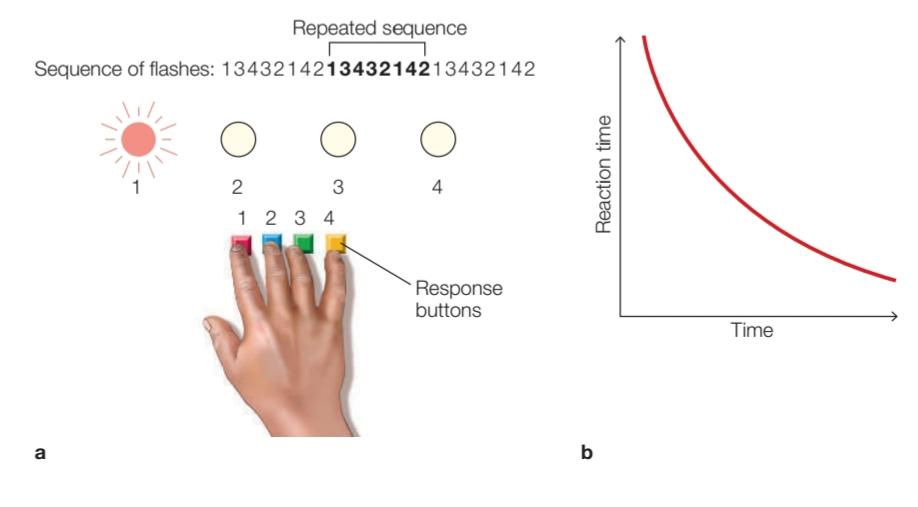
FIGURE 9.10 Procedural learning of sequences in the serial reaction-time task.
شکل 9.10 یادگیری روندی توالیها در تکلیف زمان واکنش سریالی.
(a) Participants are asked to use their fingers to push buttons cor- responding to flashes of lights in a complex sequence that is repeated but not obvious. (b) Over time, participants react faster to the repeating sequence (i.e., reaction time decreases) as compared to a sequence that is totally random, although they apparently do not know that a pattern exists.
(a) از شرکتکنندگان خواسته میشود که از انگشتان خود برای فشار دادن دکمههای مربوط به چشمکزدن چراغها در یک توالی پیچیده که تکرار میشود اما واضح نیست استفاده کنند. (b) با گذشت زمان، شرکتکنندگان به دنباله تکراری در مقایسه با دنبالهای که کاملاً تصادفی است، سریعتر، واکنش نشان میدهند (یعنی زمان واکنش کاهش مییابد)، اگرچه آنها ظاهراً نمیدانند که یک الگو وجود دارد.
Some have challenged the idea that healthy participants learn without having any explicit knowledge of what was learned. For example, sometimes investigators ask volunteers about the sequences and find that the participants can, in fact, explicitly describe the learned material. Perhaps the reason some participants deny any such knowledge is that they have less confidence in it. Given this possibility in healthy participants, if we do not find evidence for explicit knowledge during skill acquisition, how can we be sure it is not there? Perhaps the person merely failed to demonstrate it.
برخی این ایده را که شرکتکنندگان سالم بدون داشتن دانش صریح از آموختهها یاد میگیرند به چالش کشیده اند. به عنوان مثال، گاهی اوقات محققین از داوطلبان در مورد توالیها میپرسند و متوجه میشوند که شرکتکنندگان در واقع میتوانند به صراحت مطالب آموخته شده را توصیف کنند. شاید دلیل اینکه برخی از شرکتکنندگان چنین دانشی را انکار میکنند این باشد که اعتماد کمتری به آن دارند. با توجه به این امکان در شرکتکنندگان سالم، اگر شواهدی برای دانش صریح در حین کسب مهارت پیدا نکنیم، چگونه میتوانیم مطمئن شویم که وجود ندارد؟ شاید آن شخص صرفاً نتوانست آن را نشان دهد.
An answer comes from procedural learning studies in persons with anterograde amnesia, like H.M. These people cannot form new declarative (or at least episodic) memories. When tasks like the one in Figure 9.10a were presented to amnesic patients, those with dense anterograde amnesia (with loss of episodic learning) improved their performance for repeated sequences (compared to random ones) over a series of days; their improvement was shown as a decrease in reaction time (as in Figure 9.10b). Even though they stated that they had never performed the task before, these amnesic participants leamed the procedure. Therefore, procedural learning can proceed independently of the brain systems required for episodic memory.
یک پاسخ از مطالعات یادگیری روندی در افراد مبتلا به یادزدودگی پیشگستر مانند H.M میآید. این افراد نمیتوانند حافظه اخباری (یا حداقل اپیزودیک) جدیدی را تشکیل دهند. هنگامی که تکالیفی مانند آنچه در شکل 9.10a برای بیماران مبتلا به یادزدودگی بررسی شد، آنهایی که دچار یادزدودگی پیشگستر شدید (با از دست دادن یادگیری اپیزودیک) بودند، عملکرد خود را برای توالیهای مکرر (در مقایسه با موارد تصادفی) طی چند روز بهبود دادند. بهبود آنها به صورت کاهش زمان واکنش نشان داده شد (مانند شکل 9.10b). با وجود اینکه آنها اظهار داشتند که قبلاً هرگز این کار را انجام نداده بودند، این شرکتکنندگان، این روش را به خوبی یاد گرفتند. بنابراین، یادگیری روندی میتواند مستقل از سیستمهای مغزی مورد نیاز برای حافظه اپیزودیک پیش برود.
Which brain systems support procedural memory? Much evidence suggests that corticobasal ganglia loops are critical for such learning (e.g., Packard & Knowlton, 2002; Yin & Knowlton, 2006). For example, Terra Barnes and her colleagues reasoned that if this is correct, then, as habits and procedures are learned, changes in behavior should be accompanied by changes in activity of the basal ganglia neurons. Furthermore, this activity should also change if a habit is extinguished and then reacquired.
کدام سیستمهای مغزی از حافظه روندی پشتیبانی میکنند؟ شواهد زیادی نشان میدهد که حلقههای قشری عقدههای قاعدهای برای چنین یادگیری بسیار مهم هستند (به عنوان مثال، پاکارد و نولتون، 2002؛ یین و نولتون، 2006). به عنوان مثال، ترا بارنز و همکارانش استدلال کردند که اگر این درست باشد، پس با آموختن عادات و رویهها، تغییرات در رفتار باید با تغییر در فعالیت نورونهای عقدههای قاعدهای همراه باشد. علاوه بر این، اگر عادتی از بین برود و سپس دوباره کسب شود، این فعالیت نیز باید تغییر کند.
To test for such activity, the researchers recorded neurons from the sensorimotor striatum of rats undergoing acquisition, extinction, and reacquisition training on a conditional T-maze task, set up as shown in Figure 9.11a (Barnes et al., 2005). During the acquisition phase, rats learned two auditory cues. Each tone indicated that a reward was either on the left or on the right in a T-maze. Once the rats made the correct choice on 72.5% of the trials in a session, they graduated to the “overtraining” stage and continued to participate in training sessions.
برای آزمایش چنین فعالیتی، محققان از نورونهای جسم مخطط حسی – حرکتی موشهایی ثبت گرفتند که در یک تکلیف شرطیسازی ماز T، تحت آموزش اکتسابی، خاموشی رفتار و کسب مجدد بودند، همانطور که در شکل 9.11a نشان داده شده است (بارنز و همکاران، 2005). در طول مرحله اکتساب، موشها دو نشانه شنوایی را یاد گرفتند. هر صدا نشان میداد که یک جایزه در سمت چپ یا در سمت راست ماز T وجود دارد. هنگامی که موشها 72.5 درصد آزمایشها را در یک جلسه با انتخاب صحیح انجام میدادند، به مرحله «بیش آموزشی» راه مییافتند و به شرکت در جلسات آموزشی ادامه دادند.
After being overtrained, the rats entered into extinction sessions during which the reward was either withheld or placed randomly. Then, in reacquisition sessions, the original training setup was reinstated. The researchers found that spike distributions, response tuning, and task selectivity were dynamically reconfigured as the procedural behavior was acquired, extinguished, and reacquired. As Figure 9.11b shows, early in training (rows 1-5 at the top, the acquisition phase) all the task-responsive neurons remained active throughout the task time. Even the neurons that later did not respond during the task were active in the early acquisition trials (Figure 9.11c).
پس از آموزش بیش از حد، موشها وارد جلسات خاموشی رفتار شدند که در طی آن پاداش یا خودداری میشد یا بهطور تصادفی قرار میگرفت. سپس، در جلسات اکتساب مجدد، تنظیمات اولیه آموزشی دوباره برقرار شد. محققان دریافتند که توزیعهای اسپایک، تنظیم پاسخ، و گزینش تکلیف بهصورت پویا پیکربندی مجدد شدند، زیرا رفتار روندی کسب شد، خاموش شد و دوباره کسب شد. همانطور که شکل 9.11b نشان میدهد، در اوایل آموزش (ردیفهای 5-1 در بالا، مرحله اکتساب) همه نورونهای پاسخگو به تکلیف در طول زمان تکلیف فعال باقی ماندند. حتی نورونهایی که بعداً در طول تکلیف پاسخ ندادند در آزمایههای اکتسابی اولیه، فعال بودند (شکل 9.11c).
These observations suggested to the researchers that all task events were salient early in training, as a type of neuronal exploration was occurring. But as training progressed to the overtrained stage, firing at the start and end of the learned procedure strengthened in the task-responsive neurons, whereas activity in the task- unresponsive neurons fell silent-suggesting that sharply tuned responses of “expert neurons” appeared and responded near the start and end of the learned procedure. A reversal of this pattern was seen in the extinction stage, and it was once again instigated during reacquisition.
این مشاهدات به محققان نشان داد که همه رویدادهای تکلیف در اوایل آموزش مهم و چشمگیر بودند، زیرا نوعی اکتشاف عصبی در حال رخ دادن بود. اما با پیشرفت آموزش به مرحله بیش آموزشی، شلیک در شروع و پایان روش آموخته شده در نورونهای پاسخدهنده به تکلیف تقویت شد، در حالی که فعالیت در نورونهای غیرپاسخگو به تکلیف خاموش شد، که نشان میدهد پاسخهای دقیق تنظیم شده «نورونهای متخصص» نزدیک به شروع و پایان روش آموخته شده ظاهر میشود. معکوس شدن این الگو در مرحله خاموشی رفتار مشاهده شد و بار دیگر در حین کسب مجدد برانگیخته شد.

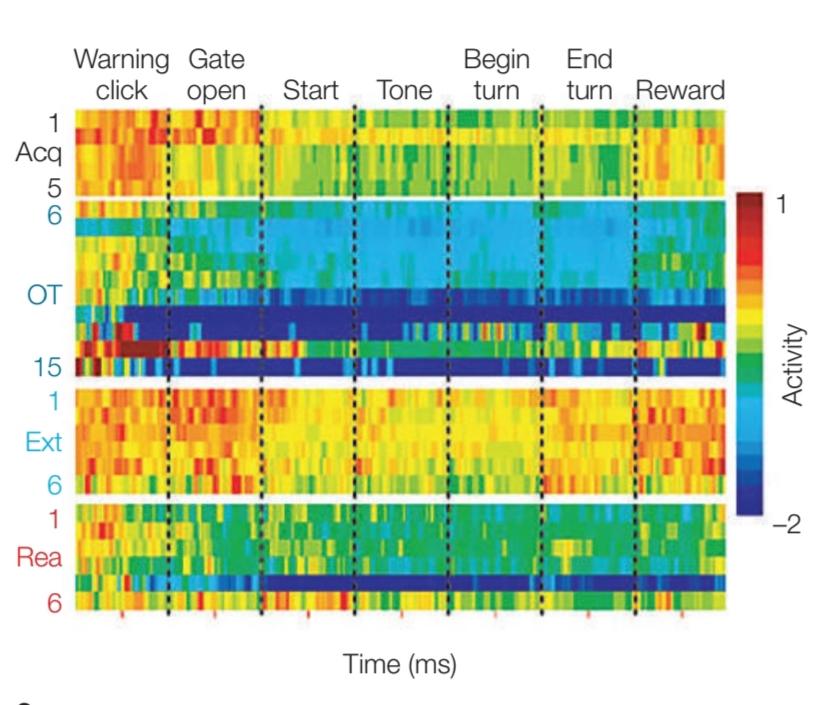
FIGURE 9.11 T-maze task and behavioral learning.
شکل 9.11 تکلیف ماز T و یادگیری رفتاری.
(a) Rats learned to navigate a T-maze for a reward and were given an auditory cue (“Tone”) that indicated whether they were to learn to turn left or right for a piece of chocolate. The training stages were acquisition (Acq), overtraining (OT), extinction (Ext), and reacquisition (Rea); the acquisition stage ended when the rat made the correct run 72.5% of the time. Numbers indicate the number of sessions in each stage required for the different rats. (b) Average activity of task-responsive neurons, with red being the most active. Notice that with more training, peak activity becomes concentrated at the beginning and end of the task. (c) Average activity of task-unresponsive neurons. Notice that they become silent (dark blue) as training progresses.
(a) موشها یاد گرفتند که در ماز T برای دریافت جایزه حرکت کنند و یک نشانه شنیداری («Tone») به آنها داده شد که نشان میدهد آنها باید یاد بگیرند برای یک تکه شکلات به چپ یا راست بپیچند. مراحل آموزش عبارت بودند از: اکتساب (Acq)، بیش آموزشی (OT)، خاموشی رفتار (Ext)، و کسب مجدد (Rea). مرحله اکتساب زمانی به پایان میرسید که موش در 72.5 درصد مواقع، حرکت صحیح را انجام میداد. اعداد نشان دهنده تعداد جلسات مورد نیاز در هر مرحله برای موشهای مختلف است. (b) میانگین فعالیت نورونهای پاسخدهنده به تکلیف، که رنگ قرمز فعالترین آنها است. توجه داشته باشید که با آموزش بیشتر، اوج فعالیت در ابتدا و انتهای تکلیف متمرکز میشود. (c) میانگین فعالیت نورونهای غیرپاسخگو به تکلیف. توجه کنید که با ادامه آموزش، آنها خاموش میشوند (آبی تیره).
More evidence comes from patients with disorders of the basal ganglia or of inputs to these subcortical structures. They show poor performance on a variety of procedural learning tasks. As we learned in Chapter 8, these individuals include patients with Parkinson’s disease, in which cell death in the substantia nigra disrupts dopaminergic projections into the basal ganglia, and patients with Huntington’s disease, which is characterized by degeneration of neurons in the basal ganglia.
شواهد بیشتری از بیماران مبتلا به اختلالات عقدههای قاعدهای یا ورودی به این ساختارهای زیرقشری بدست میآید. آنها عملکرد ضعیفی را در انواع تکالیف یادگیری روندی نشان میدهند. همانطور که در فصل 8 آموختیم، این افراد شامل بیماران مبتلا به بیماری پارکینسون و بیماران مبتلا به هانتینگتون هستند. در بیماری پارکینسون، مرگ سلولی در جسم سیاه موجب اختلال در عملکرد پروجکشنهای دوپامینرژیک به گانگلیونهای قاعدهای میشود. بیماری هانتینگتون نیز با تخریب نورونها در عقدههای قاعدهای مشخص میشود.
These patients, who are not amnesic per se, have impairments in acquisition and retention of motor skills as assessed by a variety of tests involving motor skill learning. For example, patients with Huntington’s disease have difficulty with the prism adaptation task that we discussed in Section 8.8, in which wearing prism goggles shifts the visual world. Both controls and people with Alzheimer’s disease initially make reaching errors but, with practice, reduce the error and adapt, whereas patients with Huntington’s disease do not adapt as well. Their decreased ability to adapt suggests that motor behavior based on perceptual input depends on the basal ganglia (the neostriatum in particular), and not on the cortical and medial temporal lobe regions that are affected in Alzheimer’s disease (Paulsen et al., 1993).
این بیماران، که به نوبه خود دچار یادزدودگی نیستند، در اکتساب و حفظ مهارتهای حرکتی اختلالاتی دارند که توسط آزمونهای مختلف شامل یادگیری مهارتهای حرکتی ارزیابی میشود. به عنوان مثال، بیماران مبتلا به بیماری هانتینگتون در تکلیف تطابق با منشوری که در بخش 8.8 بحث کردیم، مشکل دارند، که در آن استفاده از عینک منشوری دنیای بینایی را تغییر میدهد. هم گروه کنترل و هم افراد مبتلا به بیماری آلزایمر در ابتدا خطاهای رسیدن را مرتکب میشوند، اما با تمرین، خطا را کاهش داده و خود را تطبیق میدهند، در حالی که بیماران مبتلا به بیماری هانتینگتون به خوبی سازگار نیستند. کاهش توانایی آنها در سازگاری نشان میدهد که رفتار حرکتی مبتنی بر ورودی ادراکی به عقدههای قاعدهای (به ویژه نئواستریاتوم) بستگی دارد و به نواحی قشری و لوب گیجگاهی میانی که در بیماری آلزایمر تحت تأثیر قرار میگیرند بستگی ندارد (پالسن و همکاران، 1993).
Priming. Another form of nondeclarative memory is priming. Priming refers to a change in the response to a stimulus, or in the ability to identify a stimulus, following prior exposure to that stimulus. For instance, if you were to see a picture of a bicycle’s handlebars from an odd angle, you would more quickly recognize them as part of a bike if you had just seen a typical picture of a bike. If you had not, you might find them more difficult to identify. Priming can be perceptual, conceptual, or semantic.
تمهیدگر. شکل دیگری از حافظه غیراخباری، پرایمینگ (تمهیدگر) است. پرایمینگ به تغییر در پاسخ به یک محرک یا توانایی شناسایی یک محرک، به دنبال مواجهه قبلی با آن محرک اشاره دارد. به عنوان مثال، اگر بخواهید تصویری از دسته دوچرخه را از زاویهای عجیب ببینید، اگر فقط یک تصویر معمولی از دوچرخه را دیده باشید، سریعتر آنها را به عنوان بخشی از دوچرخه تشخیص میدهید. اگر این کار را نمیکردید، ممکن بود شناسایی آنها برایتان دشوارتر باشد. پرایمینگ میتواند ادراکی، مفهومی یا معنایی باشد.
Multiple studies support the theory that perceptual priming and declarative memory are mediated by different systems. Perceptual priming acts within the perceptual representation system (PRS) (Schacter, 1990). In the PRS, the structure and form of objects and words can be primed by prior experience; depending on the stimulus, the effects persist for a few hours to months.
مطالعات متعدد از این تئوری حمایت میکنند که تمهیدگر ادراکی و حافظه اخباری به واسطه سیستمهای مختلف انجام میشوند. تمهیدگر ادراکی در سیستم بازنمایی ادراکی (PRS) عمل میکند (شاکتر، 1990). در PRS، ساختار و شکل اشیاء و کلمات را میتوان با تجربه قبلی مشخص کرد. بسته به محرک، اثرات برای چند ساعت تا چند ماه باقی میماند.
For example, participants can be presented with lists of words, and their memory of the lists can be evaluated using a word-fragment completion task. In such a task, during the later test phase participants are shown only some letters from real words—for example, “t_ou_h_s” for thoughts. These fragments can be from either new words (not present in the original list) or old words (originally present). The participants are asked to simply complete the fragments. Participants are significantly better and faster at correctly completing fragments for words that were also presented in the initial list; they show priming. The important idea is that participants benefit from having seen the words before, even if they are not told and do not realize that the words were in the previous list.
برای مثال، میتوان فهرستی از کلمات را به شرکتکنندگان ارائه کرد و حافظه آنها از فهرستها را میتوان با استفاده از تکلیف تکمیل قطعه کلمه، ارزیابی کرد. در چنین تکلیفی، در مرحله آزمایش بعدی، به شرکتکنندگان فقط برخی از حروف از کلمات واقعی نشان داده میشود – به عنوان مثال، “t_ou_h_s” برای افکار. این قطعات میتوانند از کلمات جدید (در لیست اصلی موجود نیستند) یا کلمات قدیمی (در اصل موجود بود) باشند. از شرکتکنندگان خواسته میشود که به سادگی قطعات را تکمیل کنند. شرکتکنندگان در تکمیل صحیح قطعات برای کلماتی که در لیست اولیه نیز ارائه شده اند، به طور قابل توجهی بهتر و سریعتر هستند؛ اینها تمهیدگر را نشان میدهند. ایده مهم این است که شرکتکنندگان از این که قبلاً کلمات را دیدهاند سود میبرند، حتی اگر به آنها گفته نشود و متوجه نباشند که کلمات در لیست سابق وجود داشته است.
This priming for fragment completion is specific for the sensory modality of the learning and test phases. To put this another way, if the word lists are presented auditorily and the word-fragment completion is done visually (or vice versa), then the priming is reduced, suggesting that priming reflects a PRS that subserves structural, visual, and auditory representations of word form. Finally, perceptual priming can also be seen with nonword stimuli such as pictures, shapes, and faces.
این تمهیدگر برای تکمیل قطعه، مخصوص مدالیته حسی مراحل یادگیری و آزمون است. به بیان دیگر، اگر فهرستهای کلمات به صورت شنیداری ارائه شوند و تکمیل قطعه کلمه به صورت دیداری (یا برعکس) انجام شود، در آن صورت تمهیدگر کاهش مییابد، که نشان میدهد تمهیدگر یک PRS را منعکس میکند که بازنماییهای ساختاری، دیداری و شنیداری فرم کلمه را تامین میکند. در نهایت، تمهیدگر ادراکی با محرکهای غیرکلمه ای مانند تصاویر، شکلها و چهرهها نیز قابل مشاهده است.
How long after exposure to a stimulus can it influence later performance? The answer appears to depend on the stimulus. In several early studies, word-priming effects disappeared within 2 hours (e.g., Graf et al., 1984), while others found effects lasting a few days to a week or a few weeks (Gabrieli et al., 1995; McAndrews et al., 1987, Squire et al., 1987). Much-longer-lasting priming effects, seen when pictures are the stimulus, have been reliably found at 48 weeks (Cave, 1997).
چه مدت پس از قرار گرفتن در معرض یک محرک میتواند بر عملکرد بعدی تأثیر بگذارد؟ به نظر میرسد که پاسخ به محرک بستگی دارد. در چندین مطالعه اولیه، اثرات اولیه کلمه در عرض 2 ساعت ناپدید شد (به عنوان مثال، گراف و همکاران، 1984)، در حالی که دیگران اثراتی را یافتند که چند روز تا یک هفته یا چند هفته طول میکشد ( گابریلی و همکاران، 1995، مکاندروز و همکاران، 1987، اسکوایر و همکاران، 1987). دیده شده وقتی عکسها محرک هستند اثرات تمهیدگر ماندگاری بسیار طولانیتری دارد چنانچه اثرات آنها به طور قابل اعتمادی در هفته 48 یافت شد (کاو، 1997).
This type of priming is also found in amnesic patients like H.M., who showed evidence of priming even when he could not remember ever having seen the word list or ever having done a fragment completion task before. This behavior tells us that the PRS does not rely on the me- dial temporal lobe. Further evidence comes from a study using a picture-naming paradigm to test the effects of priming on 11 people with amnesia who had known or suspected hippocampal damage (Cave & Squire, 1992).
این نوع تمهیدگر در بیماران مبتلا به یادزدودگی مانند H.M نیز یافت میشود، که شواهدی از تمهیدگر نشان میدهند، حتی زمانی که به یاد نمیآورد که لیست کلمات را دیده یا قبلاً یک تکلیف تکمیل قطعه را انجام داده باشد. این رفتار به ما میگوید که PRS به لوب تمپورال میانی متکی نیست. شواهد بیشتر از مطالعه ای با استفاده از الگوی نامگذاری تصویر برای آزمایش اثرات تمهیدگر بر روی 11 فرد مبتلا به یادزدودگی که به آسیب هیپوکامپ شناخته شده بودند یا مشکوک به چنین آسیبی بودند بدست میآید (کاو و اسکوایر، 1992).
In this task, researchers measured how quickly participants named a previously seen picture (dog, toaster, etc.) compared to a newly seen one. They found that the participants with amnesia were faster at naming previously seen pictures than new ones, and that their scores were similar to those of controls. The priming effect, moreover, was still present after a week. Next, the participants’ explicit memory was tested using a picture recognition task, where half the pictures they were presented had been shown in the previous session and half were new. The participants merely had to indicate whether they had seen the picture before. In this test the participants with amnesia were severely impaired, scoring well below controls- evidence for a dissociation between implicit and explicit memory. But this is merely a single dissociation. Is there any evidence that brain lesions can affect the PRS while leaving long-term memory intact?
در این تکلیف، محققان اندازهگیری کردند که شرکتکنندگان با چه سرعتی تصویری را که قبلاً دیدهاند (سگ، توستر و غیره) در مقایسه با عکسی که به تازگی دیدهاند نامگذاری میکنند. آنها دریافتند که شرکتکنندگان مبتلا به یادزدودگی در نامگذاری تصاویری که قبلاً دیده شده بودند سریعتر از تصاویر جدید بودند و نمرات آنها مشابه گروه کنترل بود. علاوه بر این، اثر تمهیدگر پس از یک هفته همچنان وجود داشت. سپس، حافظه صریح (حافظه آشکار) شرکتکنندگان با استفاده از یک تکلیف تشخیص تصویر مورد آزمایش قرار گرفت، جایی که نیمی از تصاویر ارائه شده در جلسه قبل نشان داده شده بود و نیمی جدید بودند. شرکتکنندگان فقط باید نشان میدادند که آیا قبلاً تصویر را دیدهاند یا خیر. شرکتکنندگان مبتلا به یادزدودگی در این آزمون، بهشدت ناتوان بودند و امتیازات بسیار پایینتری از گروه کنترل داشتند – شواهدی برای تفکیک بین حافظه ضمنی (غیراخباری) و آشکار داشتند. اما این صرفاً یک تفکیک واحد است. آیا شواهدی وجود دارد که نشان دهد ضایعات مغزی میتوانند بر PRS تأثیر بگذارند و در عین حال حافظه بلندمدت را دست نخورده باقی بگذارند؟
There is. John Gabrieli and his colleagues at Stanford University (1995) tested a patient, M.S., who had a right occipital lobe lesion. M.S. had experienced intractable epileptic seizures as a child and at age 14 underwent surgery to treat them. The surgery removed most of Brodmann areas 17, 18, and 19 of his right occipital lobe, leaving him blind in the left visual field (Figure 9.12a).
وجود دارد. جان گابریلی و همکارانش در دانشگاه استنفورد (1995) یک بیمار به نام .M.S را که دارای ضایعه لوب اکسیپیتال راست بود، آزمایش کردند. ام. اس. در کودکی دچار حملات صرعی صعب العلاج شده بود و در سن 14 سالگی برای درمان، تحت عمل جراحی قرار گرفت. عمل جراحی بیشتر نواحی 17، 18 و 19 برودمن را از لوب اکسیپیتال راست او برداشت و او را در میدان بینایی چپ نابینا کرد (شکل 9.12a).
Tests of explicit memory (recognition and cued recall) and implicit memory (perceptual priming) were administered to M.S., who had demonstrated above-average intelligence and memory, and his performance was compared to that of controls and that of patients who had anterograde amnesia for episodic memory (similar to H.M.). The different tests were done in separate sessions at least 2 weeks apart. Initially, the participants were briefly shown a list of words to read out loud (the perceptual identification test), indicating that they could perceive them.
آزمونهای حافظه صریح (تشخیص و یادآوری نشانهای) و حافظه ضمنی (پرایمینگ ادراکی) برای M.S انجام شد که هوش و حافظه بالاتر از حد متوسط از خود نشان داده بود و عملکرد او با گروه کنترل و بیمارانی که یادزدودگی پیشگستر برای حافظه اپیزودیک (مشابه H.M.) داشتند مقایسه شد. آزمونهای مختلف در جلسات جداگانه با فاصله حداقل 2 هفته انجام شد. در ابتدا، به شرکتکنندگان به طور خلاصه لیستی از کلمات برای خواندن با صدای بلند (آزمون شناسایی ادراکی) نشان داده شد که نشان میداد آنها میتوانند آنها را درک کنند.
For the implicit memory task, new words and those previously seen in the perception test were first shown very briefly (16.7 ms), followed by a mask. The participants had to identify the word. If they couldn’t, the word was presented at increasing durations until they could identify it. If less time was required to identify the word after it had been seen previously, then there would be evidence for implicit perceptual priming, In the recognition test, which was done 2 weeks later, half the presented words were words that the participants had read in the perceptual identification test, and half were new. Here they were to reply “yes” or “no,” depending on whether they had seen the word before.
برای تکلیف حافظه ضمنی، ابتدا کلمات جدید و آنهایی که قبلاً در آزمون ادراکی دیده شده بودند، به طور خلاصه (16/7 میلی ثانیه) نشان داده شدند و در پی آن، یک ماسک نشان داده شد. شرکتکنندگان باید کلمه را شناسایی میکردند. اگر آنها نمیتوانستند کلمه را شناسایی کنند، کلمه با مدت زمان فزاینده ای ارائه میشد تا زمانی که بتوانند آن را شناسایی کنند. اگر زمان کمتری برای شناسایی کلمه بعد از مشاهده قبلی لازم بود، شواهدی برای تمهیدگر ادراکی ضمنی وجود داشت، در آزمون تشخیص که دو هفته بعد انجام شد، نیمی از کلمات ارائه شده کلماتی بود که شرکتکنندگان در آزمون شناسایی ادراکی خوانده بودند و نیمی جدید بودند. در اینجا آنها بسته به اینکه قبلاً کلمه را دیده بودند، با «بله» یا «خیر» پاسخ میدادند.
As in the picture priming experiment, amnesic patients did not show impairment in the implicit perceptual priming test but displayed the expected impairments in explicit word recognition. In contrast, M.S. showed the opposite pattem: impairment in the implicit perceptual priming test (Figure 9.12b) but normal performance on explicit recognition (Figure 9.12c). These data show that perceptual priming can be damaged even when explicit memory is not impaired, thereby completing a double dissociation for declarative and nondeclarative memory systems. The anatomical data indicate that perceptual priming depends on the perceptual system, because M.S. had lesions to the visual cortex leading to deficits in perceptual priming.
همانطور که در آزمایش تمهیدگر تصویر، بیماران مبتلا به یادزدودگی در آزمون ضمنی تمهیدگر ادراکی، ناتوانی نشان ندادند، اما ناتوانی مورد انتظار را در تشخیص صریح کلمه نشان دادند. در مقابل، M.S. الگوی مخالف را نشان داد: در آزمون ضمنی تمهیدگر ادراکی، ناتوانی وجود داشت (شکل 9.12b) اما در تشخیص صریح، عملکرد طبیعی بود (شکل 9.12c). این دادهها نشان میدهند که تمهیدگر ادراکی میتواند آسیب ببیند، حتی زمانی که حافظه صریح مختل نشده، در نتیجه یک گسست دوگانه برای سیستمهای حافظه اخباری و غیراخباری تکمیل میشود. دادههای آناتومیکی نشان میدهد که تمهیدگر ادراکی به سیستم ادراکی بستگی دارد، زیرا M.S. ضایعاتی در قشر بینایی داشت که منجر به نقص در تمهیدگر ادراکی شد.
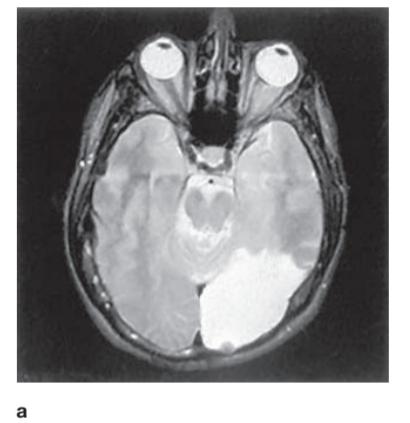

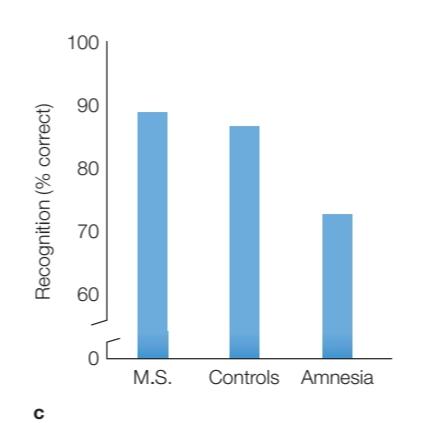
FIGURE 9.12 Double dissociation of declarative and nondeclarative memory In patient M.S.
شکل 9.12 گسست دوگانه حافظه اخباری و غیراخباری در بیمار M.S.
(a) Axial MRI showing the region that was resected from M.S’s right occipital area. (b) The average time it took to identify words in the implicit memory test. “Old” words were previously presented words. M.S. showed no priming effect, whereas both controls and participants with amnesia showed a timing difference between the new and old words. (c) Accuracy of the recognition test of explicit memory. M.S. had no problem recognizing words in this test of explicit memory, in contrast to patients with anterograde amnesia.
(a) MRI محوری که ناحیهای را نشان میدهد که از ناحیه پس سری راست M.S برداشته شده است. (b) میانگین زمان لازم برای شناسایی کلمات در آزمون حافظه ضمنی. کلمات «قدیمی» قبلاً کلمات ارائه شده بودند. M.S. هیچ اثر تمهیدگر را نشان نداد، در حالی که هم گروه کنترل و هم شرکتکنندگان مبتلا به یادزدودگی تفاوت زمانی بین کلمات جدید و قدیمی نشان دادند.(c) درستی آزمون تشخیص حافظه صریح M.S. برخلاف بیماران مبتلا به یادزدودگی پیشگستر، در این آزمون حافظه صریح مشکلی در تشخیص کلمات نداشتند.
Priming also occurs for conceptual features (as opposed to perceptual features), though it doesn’t last nearly as long. Here, participants are quicker at answering general-knowledge questions when the concept was presented earlier. For example, if we had been talking about pasta and its different shapes, and then you were asked to name an Italian food, most likely you would say pasta, rather than pizza or veal parmigiana.
تمهیدگر همچنین برای ویژگیهای مفهومی (برخلاف ویژگیهای ادراکی) اتفاق میافتد، اگرچه تقریباً به این اندازه دوام ندارد. در اینجا، شرکتکنندگان در پاسخ به سؤالات دانش عمومی، زمانی که مفهوم قبلاً ارائه شده بود، سریعتر هستند. به عنوان مثال، اگر در مورد پاستا و شکلهای مختلف آن صحبت میکردیم، و سپس از شما میخواستند که یک غذای ایتالیایی را نام ببرید، به احتمال زیاد به جای پیتزا یا پارمیجانا گوشت گوساله، پاستا میگفتید.
Conceptual priming differs from declarative memory in that it is nonconscious and is not affected by lesions to the medial temporal lobe, but rather by lesions to the lateral temporal and prefrontal regions. These regions were initially suspected when some patients with late-stage Alzheimer’s disease had unimpaired perceptual priming but did show impairments in conceptual priming. Early in the progression of Alzheimer’s, the pathology is most pronounced in medial temporal lobe structures. As the disease progresses, however, conceptual priming may be lost as the pathology extends beyond medial temporal structures to lateral temporal, parietal, and frontal neocortices (reviewed in Fleischman & Gabrieli, 1998). Functional MRI studies have provided further evidence that the anterior portion of the left inferior frontal gyrus is involved with conceptual priming (e.g, A. D. Wagner et al., 2000).
تمهیدگر مفهومی با حافظه اخباری تفاوت دارد زیرا ناخودآگاه است و تحت تأثیر ضایعات لوب گیجگاهی میانی نیست، بلکه بیشتر تحت تأثیر ضایعات نواحی پیشپیشانی و گیجگاهی جانبی قرار میگیرد. در وهله اول، این نواحی از زمانی مورد توجه قرار گرفتند که برخی از بیماران مبتلا به بیماری آلزایمر در مراحل آخر، تمهیدگر ادراکی بدون اختلال داشتند، اما در تمهیدگر مفهومی، اختلالاتی را نشان دادند. در اوایل پیشرفت آلزایمر، آسیبشناسی در ساختارهای لوب گیجگاهی میانی بارزتر است. با این حال، با پیشرفت بیماری، تمهیدگر مفهومی ممکن است از بین برود زیرا آسیب شناسی فراتر از ساختارهای گیجگاهی میانی به نئوکورتکسهای گیجگاهی، آهیانهای و فرونتال جانبی گسترش مییابد (بازبینی در فلیشمن و گابریلی، 1998). مطالعات MRI عملکردی شواهد بیشتری را ارائه کرده است که نشان میدهد قسمت قدامی شکنج فرونتال تحتانی چپ با تمهیدگر مفهومی درگیر است (به عنوان مثال، ای. دی. واگنر، 2000).
Another proposed form of priming is semantic priming, in which the prime and target are different words from the same semantic category. For instance, the prime may be the word dog, but the target word is bone. The typical effect of semantic priming is a shorter reaction time or increased accuracy in identifying the target or categorizing it. Semantic priming is brief, lasting only a few seconds, and the theory of how it works is based on the assumption that semantic memory is organized in associative networks. However, a meta- analysis of 26 studies (Lucas, 2000) found strong evidence of a semantic priming effect but no evidence of priming based purely on association. It is controversial whether semantic priming and conceptual priming are fundamentally different. For instance, the prime word dog could have the target word wolf, which would share conceptual properties.
یکی دیگر از شکلهای پیشنهادی پرایمینگ، پرایمینگ معنایی است که در آن، پرایم و هدف، کلمات متفاوتی از یک مقوله معنایی هستند. به عنوان مثال، ممکن است کلمه اول کلمه سگ باشد، اما کلمه هدف استخوان است. اثر عادی پرایمینگ معنایی زمان واکنش کوتاهتر یا افزایش دقت در شناسایی هدف یا طبقهبندی آن است. پرایمینگ معنایی مختصر است و تنها چند ثانیه طول میکشد و تئوری نحوه عملکرد آن بر این فرض استوار است که حافظه معنایی در شبکههای ارتباطی سازماندهی شده است. با این حال، یک متاآنالیز از 26 مطالعه (لوکاس، 2000) شواهد قوی از یک اثر آغازگر معنایی یافت اما شواهدی از پرایمینگ صرفاً بر اساس ارتباط وجود نداشت. این که آیا پرایمینگ معنایی و پرایمینگ مفهومی اساساً متفاوت هستند بحث برانگیز است. به عنوان مثال، کلمه اصلی سگ میتواند کلمه هدف گرگ را داشته باشد که دارای ویژگیهای مفهومی است.
Is the way the brain codes relationships between words that share conceptual properties (e.g., dog and wolf) different from the way it represents associative links between dissimilar words that co-occur in particular contexts (e.g., dog and bone)? Rebecca Jackson and her colleagues (2015) investigated both types of seman- tic relationships in an fMRI study and found that the same core semantic network (anterior temporal lobe, superior temporal sukus, ventral prefrontal cortex) was equivalently engaged.
آیا روشی که مغز روابط بین کلماتی را که دارای خصوصیات مفهومی مشترک هستند (مانند سگ و گرگ) رمزگذاری میکند با روشی که نشاندهنده پیوندهای ارتباطی بین کلمات غیرمشابه است که در زمینههای خاص (مانند سگ و استخوان) وجود دارند متفاوت است؟ ربکا جکسون و همکارانش (2015) هر دو نوع روابط معنایی را در یک مطالعه fMRI بررسی کردند و دریافتند که همان شبکه معنایی اصلی (لوب گیجگاهی قدامی، سوکوس گیجگاهی فوقانی، قشر پیشپیشانی شکمی) به طور معادل درگیر است.
Classical conditioning and nonassociative learning. Two other domains of nondeclarative memory are classical conditioning (a type of associative learning) and nonassociative learning. In classical conditioning, sometimes referred to as Pavlovian conditioning, a conditioned stimulus (CS, an otherwise neutral stimulus to the organism) is paired with an unconditioned stimulus (US, one that elicits an established response from the organism) and becomes associated with it. The conditioned stimulus will then evoke a conditioned response (CR) similar to that typically evoked by the unconditioned stimulus (the unconditioned response, UR).
شرطی سازی کلاسیک و یادگیری غیر ارتباطی: دو حوزه دیگر از حافظه غیراخباری عبارتند از شرطی سازی کلاسیک (نوعی یادگیری ارتباطی) و یادگیری غیر ارتباطی. در شرطیسازی کلاسیک، که گاهی به عنوان شرطیسازی پاولوفی نیز نامیده میشود، یک محرک شرطی (CS، یک محرک خنثی برای ارگانیسم) با یک محرک غیرشرطی (US، که پاسخ ثابتی را از ارگانیسم ایجاد میکند) جفت میشود و با آن مرتبط میشود. سپس محرک شرطی یک پاسخ شرطی (CR) شبیه به آنچه که معمولاً توسط محرک غیرشرطی برانگیخته میشود (پاسخ غیرشرطی، UR) برمیانگیزد.
The Russian physiologist Ivan Pavlov received a Nobel Prize after first demonstrating this type of learning with his dogs, which he conditioned to start salivating at the sound of a bell that he rang before giving them food (Figure 9.13). Before conditioning, the bell was not associated with food and did not cause salivation. After conditioning, in which the bell and the food were paired, the bell (CS) caused salivation even in the absence of the food (US). We will discuss conditioning further in Chapters 10 and 12.
فیزیولوژیست روسی ایوان پاولوف پس از اینکه برای اولین بار این نوع یادگیری را با سگهایش نشان داد، جایزه نوبل دریافت کرد، که او شرط کرد که با صدای زنگی که قبل از غذا دادن به آنها به صدا درآورد، بزاق ترشح کند (شکل 9.13). قبل از شرطی سازی، زنگ با غذا همراه نبود و باعث ترشح بزاق نمیشد. پس از شرطیسازی، که در آن زنگ و غذا جفت شدند، زنگ (CS) حتی در غیاب غذا (US) باعث ترشح بزاق شد. ما در فصل 10 و 12 در مورد شرطی سازی بیشتر بحث خواهیم کرد.

FIGURE 9.13 Classical (Pavlovian) conditioning.
شکل 9.13 شرطی سازی کلاسیک (پاولوفی).
(a) When a stimulus is presented that has no meaning to an animal, such as the sound of a bell (CS), there is no response (NR). (b) In contrast, presentation of a meaningful stimulus like food (US) generates an unconditioned response (UR). (c) When the sound is paired with the food, the animal learns the association. (d) Later, the newly conditioned stimulus (CS) alone can elicit the response, which is now called a conditioned response (CR).
(الف) هنگامی که محرکی ارائه میشود که برای حیوان معنی ندارد، مانند صدای زنگ (CS)، هیچ پاسخی وجود ندارد (NR). (ب) در مقابل، ارائه یک محرک معنی دار مانند غذا (US) یک پاسخ بدون قید و شرط (UR) ایجاد میکند. ج) هنگامی که صدا با غذا جفت میشود، حیوان ارتباط را یاد میگیرد. (د) بعداً، محرک تازه شرطی شده (CS) به تنهایی میتواند پاسخی را ایجاد کند که اکنون پاسخ شرطی (CR) نامیده میشود.
Classical conditioning comes in two flavors: delay conditioning and trace conditioning. In delay conditioning, the US begins while the CS is still present, but in trace conditioning there is a time gap, and thus a memory trace is necessary for an association to be made between the CS and the US. Studies with healthy participants and those with amnesia resulting from hippocampal damage have found that damage to the hippocampus does not impair delay conditioning but does impair trace conditioning (R. E. Clark & Squire, 1998). Thus, some types of associative learning depend on the hippocampus, and others do not.
شرطی سازی کلاسیک در دو حالت وجود دارد: شرطی سازی تاخیری و شرطی سازی ردی. در شرطی سازی تاخیری، محرک غیرشرطی در حالی شروع میشود که محرک شرطی هنوز وجود دارد، اما در شرطی سازی ردی یک شکاف زمانی وجود دارد، و بنابراین یک رد حافظه برای ایجاد ارتباط بین محرک شرطی و محرک غیرشرطی ضروری است. مطالعات با سوژههای سالم و کسانی که فراموشی ناشی از آسیب هیپوکامپ دارند، نشان دادهاند که آسیب به هیپوکامپ، شرطی سازی تاخیری را مختل نمیکند، اما باعث اختلال در شرطیسازی ردی میشود (آر. ای. کلارک و اسکوایر، 1998). بنابراین، برخی از انواع یادگیری ارتباطی به هیپوکامپ بستگی دارد، و برخی دیگر به هیپوکامپ بستگی ندارند.
Nonassociative learning, as its name implies, does not involve the association of two stimuli to elicit a behavioral change. Rather, it consists of forms of simple learning such as habituation, where the response to an unchanging stimulus decreases over time. For instance, the first time you use an electric toothbrush, your entire mouth tingles, but after a few uses you no longer feel a response.
یادگیری غیرارتباطی، همانطور که از نامش پیداست، شامل ارتباط دو محرک برای ایجاد یک تغییر رفتاری نیست. بلکه شامل اشکال یادگیری ساده مانند عادت کردن (خوگیری) است که در آن پاسخ به یک محرک تغییرناپذیر در طول زمان کاهش مییابد. به عنوان مثال، اولین باری که از مسواک برقی استفاده میکنید، کل دهانتان دچار گزگز میشود، اما پس از چند بار استفاده، دیگر واکنشی احساس نمیکنید.
Another type of nonassociative learning is sensitization, in which a response increases with repeated presentations of the stimulus. The classic example is rubbing your arm. At first it merely creates a feeling of warmth. If you continue, however, it starts to hurt. This is an adaptive response that warns you to stop the rubbing because it may cause injury. Nonassociative learning involves primarily sensory and sensorimotor (reflex) pathways. We do not consider classical conditioning, nonassociative learning, or nonassociative memory further in this chapter. Instead, we focus on the neural substrates of declarative memory (episodic and semantic memory) and nondeclarative memory (procedural memory and the perceptual representation system).
نوع دیگری از یادگیری غیرارتباطی، حساسسازی است که در آن با ارائه مکرر محرک، پاسخ افزایش مییابد. مثال کلاسیک این نوع یادگیری، مالش بازو است. در ابتدا فقط احساس گرما ایجاد میکند. با این حال، اگر ادامه دهید، شروع به درد میکند. این یک پاسخ سازشی است که به شما هشدار میدهد که مالش را متوقف کنید زیرا ممکن است باعث آسیب شود. یادگیری غیرارتباطی عمدتاً شامل مسیرهای حسی و حسی حرکتی (رفلکس) است. ما در ادامه این فصل شرطیسازی کلاسیک، یادگیری غیر ارتباطی یا حافظه غیر ارتباطی را بررسی نمیکنیم. در عوض، ما بر بسترهای عصبی حافظه اخباری (حافظه اپیزودیک و معنایی) و حافظه غیراخباری (حافظه روندی و سیستم بازنمایی ادراکی) تمرکز میکنیم.
TAKE-HOME MESSAGES
نکات کلیدی
▪️ Memory classified by duration includes sensory memory, lasting only seconds at most; short-term memory, lasting from seconds to minutes; and long-term memory, lasting from days to years.
▪️ حافظه بر اساس مدت زمان طبقهبندی میشوند شامل حافظه حسی است که حداکثر فقط چند ثانیه طول میکشد؛ حافظه کوتاه مدت، از ثانیه تا دقیقه؛ و حافظه بلند مدت که از روزها تا سالها طول میکشد.
▪️ Working memory extends the concept of short-term memory: It contains information that can be acted on and processed, not merely maintained by rehearsal. Long-term memory is split into two divisions defined by content: declarative and nondeclarative. Declarative memory is knowledge that we can consciously access, including personal and world knowledge. Nondeclarative memory is knowledge that we cannot consciously access, such as motor and cognitive skills, and other behaviors derived from conditioning, habituation, or sensitization.
▪️ حافظه کاری مفهوم حافظه کوتاه مدت را گسترش میدهد: این حافظه حاوی اطلاعاتی است که میتوان بر روی آنها عمل کرد و پردازش کرد، نه اینکه صرفاً با تمرین حفظ شود. حافظه بلندمدت به دو بخش تقسیم میشود که بر اساس محتوا تعریف میشود: اخباری و غیراخباری. حافظه اخباری دانشی است که ما میتوانیم آگاهانه به آن دسترسی داشته باشیم، از جمله دانش شخصی و جهانی. حافظه غیراخباری دانشی است که ما نمیتوانیم آگاهانه به آن دسترسی پیدا کنیم، مانند مهارتهای حرکتی و شناختی، و سایر رفتارهای ناشی از شرطی سازی، عادت کردن، یا حساسیت.
▪️ Declarative memory can be further broken down into episodic and semantic memory. Episodic memory involves conscious awareness of past events that we have experienced and the context in which those events occurred. Semantic memory is the world knowledge that we remember even without recollecting the specific circumstances surrounding its learning.
▪️حافظه اخباری را میتوان بیشتر به حافظه اپیزودیک و معنایی تقسیم کرد. حافظه اپیزودیک شامل اطلاع آگاهانه از رویدادهای گذشته است که تجربه کرده ایم و زمینه ای که آن رویدادها در آن رخ داده اند. حافظه معنایی دانش جهانی است که ما آن را حتی بدون یادآوری شرایط خاص پیرامون یادگیری آن به خاطر میآوریم.
▪️ Procedural memory is a form of nondeclarative memory that involves the learning of various motor and cognitive skills. Other forms of nondeclarative memory include perceptual priming, conditioned responses, and non-associative learning.
▪️ حافظه روندی شکلی از حافظه غیراخباری است که شامل یادگیری مهارتهای حرکتی و شناختی مختلف میشود. اشکال دیگر حافظه غیراخباری عبارتند از آغازگر ادراکی، پاسخهای شرطی و یادگیری غیرارتباطی.